





























On Tuesday, July 7, 2026, the first day of the 38th NATO Summit in Ankara, at the associated NATO Summit Defence Industry Forum, representatives of the defense ministries of the United States, Poland, the Federal Republic of Germany, the Kingdom of the Netherlands, and the Kingdom of Sweden announced the signing of a statement of intent to establish a European maintenance center for PAC-3 (Patriot Advanced Capability-3) interceptor missiles used by the MIM-104 Patriot air and missile defense system.
 Photo: Ministry of National Defence
“We have signed an agreement with the United States, Germany, the Netherlands, and Sweden on establishing a European maintenance center for PAC-3 missiles used by Patriot systems. This will significantly increase capacity and accelerate missile production and servicing. To those who have been warning for several days that Poland is losing its defense capabilities, we are proving how wrong they are. Our goal is not only to buy modern weapons, but also to produce and service them in Europe, with Poland’s participation.” (Polish Ministry of National Defence: Every donation to Ukraine followed prior analysis by the Polish Armed Forces)
Władysław Kosiniak-Kamysz
The agreement was commented on by US company Lockheed Martin, the main manufacturer and integrator of the PAC-3 missile family.
According to the company, Lockheed Martin welcomes the commitment by the United States, Germany, the Kingdom of the Netherlands, Poland, and Sweden to explore the possibility of establishing a dedicated PAC-3 Missile Maintenance Facility in Europe. The joint intergovernmental agreement was signed today during the NATO Summit Defence Industry Forum, held as part of the 2026 NATO Summit in Ankara.
The proposed facility will strengthen NATO’s integrated air and missile defense readiness by providing regional maintenance and sustainment capabilities that will help keep PAC-3 missiles ready, reliable, and rapidly deployable in the face of evolving threats.
“Industrial cooperation strengthens the transatlantic defense industrial base and contributes to economic progress and shared security,” said Jay Pitman, president, Lockheed Martin International. “For more than 75 years, Lockheed Martin has demonstrated our commitment to being a strategic partner for the defense and security of Europe. Today, we are accelerating our work with NATO allies and industry partners to expand integrated air and missile defense capacity, strengthen regional sustainment networks and support the rising global demand for these capabilities.”
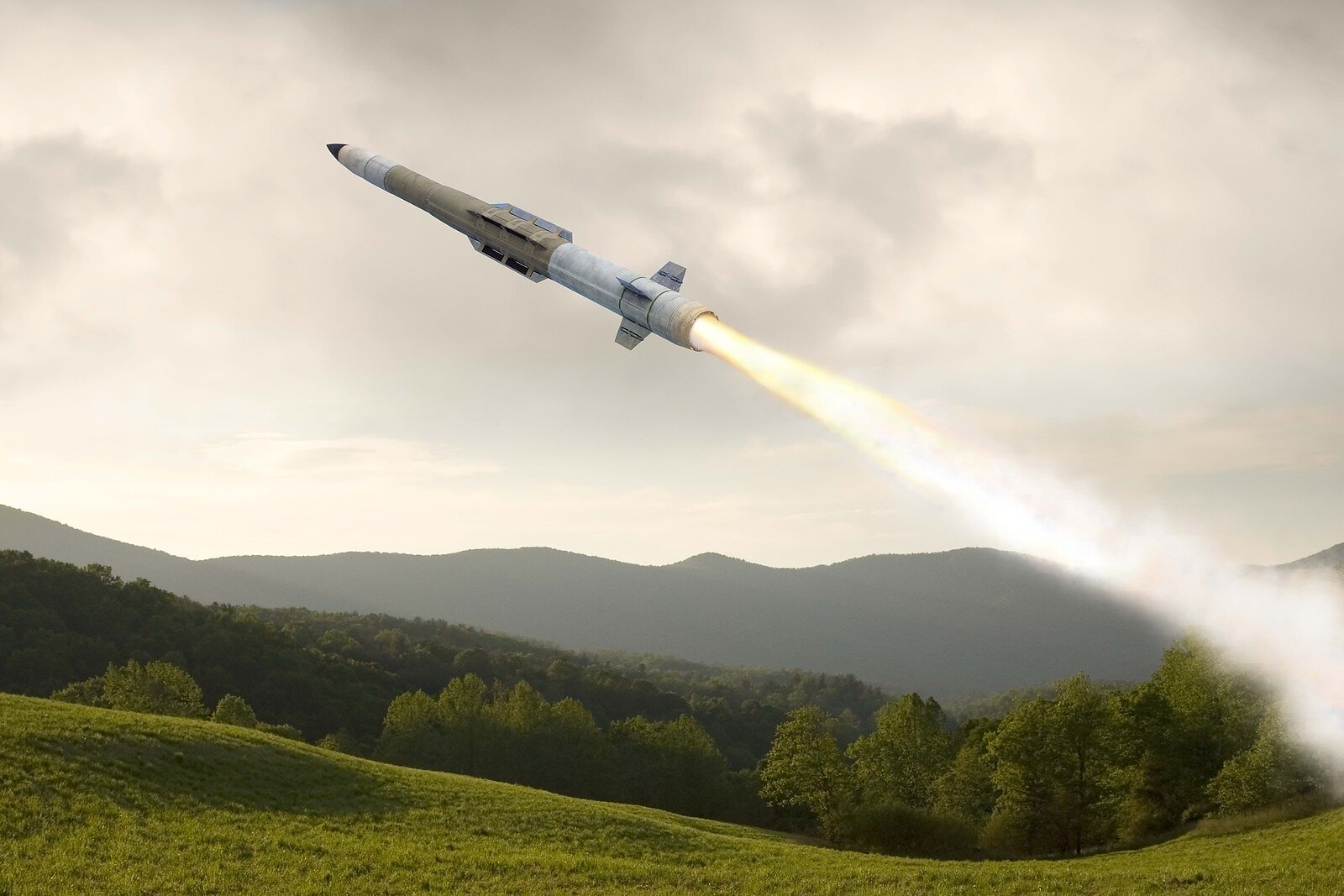 Image: Lockheed Martin
The proposed PAC-3 Missile Maintenance Facility will support the growing community of NATO Allies operating PAC-3 MSE (Missile Segment Enhancement) and PAC-3 CRI (Cost Reduction Initiative) interceptors. Lockheed Martin will bring decades of experience in missile production, sustainment, engineering, and supply chain management to support the development of the proposed facility and the Allied countries that rely on PAC-3 capabilities.
Global demand for PAC-3 missiles continues to grow, driven by their proven combat performance. On January 6 this year, Lockheed Martin signed a framework agreement with the US Department of Defense to triple production of complete PAC-3 MSE missiles from the current level of around 600 to 2,000 units per year. On April 1 this year, Boeing also signed an agreement to triple production of seekers for these missiles. Then, on April 9, US Army Contracting Command awarded the first implementation contract, worth 4.761 billion USD, for their production.
PAC-3 MSE missiles, which are a development of the CRI (Cost Reduction Initiative) variant, were designed to enhance the MIM-104 Patriot system’s ability to intercept ballistic missiles. As part of the project, they received more powerful rocket motors. Their performance was also improved, including interception range and altitude. PAC-3 MSE missiles can be used to destroy maneuvering targets such as cruise missiles, as well as manned and unmanned aircraft. They do not have a conventional explosive warhead. Instead, they destroy targets using kinetic energy in a hit-to-kill engagement.
It is worth emphasizing that another major order for PAC-3 MSE missile production will be significant from Poland’s perspective, not only as a user of the system but also as a supplier, as companies belonging to the Polish Armaments Group (PGZ) are included in the program’s supply chains: WZE, WZL-1, and Military Armament Works.
Podpisaliśmy porozumienie z USA, Niemcami, Holandią oraz Szwecją w sprawie utworzenia w Europie centrum serwisowania pocisków PAC-3 do systemów Patriot.
To znacznie zwiększy moce oraz przyspieszy produkcję i serwis pocisków.
Tym, którzy od kilku dni straszą, że Polska traci… pic.twitter.com/LSDZhXkO2Z
— Władysław Kosiniak-Kamysz (@KosiniakKamysz) July 7, 2026
.@LockheedMartin welcomes a historic U.S. and European partnership to explore a PAC-3® Missile Maintenance Facility in Europe. Standing ready to deliver this proven capability and strengthen the trans-Atlantic defence industrial base. Click below:
— Lockheed Martin News (@LMNews) July 7, 2026
