





















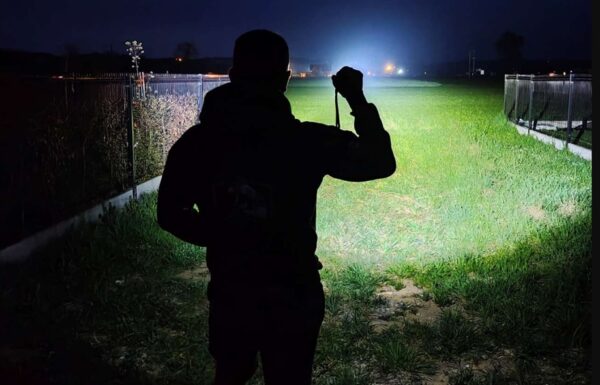




Artificial intelligence in services subordinate to the Ministry of the Interior and Administration will not replace humans, but will provide technological support. For example, it can assist the State Fire Service in preventing, detecting, and fighting forest fires, increasing the effectiveness of rescue services and reducing environmental and economic losses. Its greatest advantage is its ability to analyze huge amounts of data in real time and quickly identify threats that could be difficult for humans to notice.
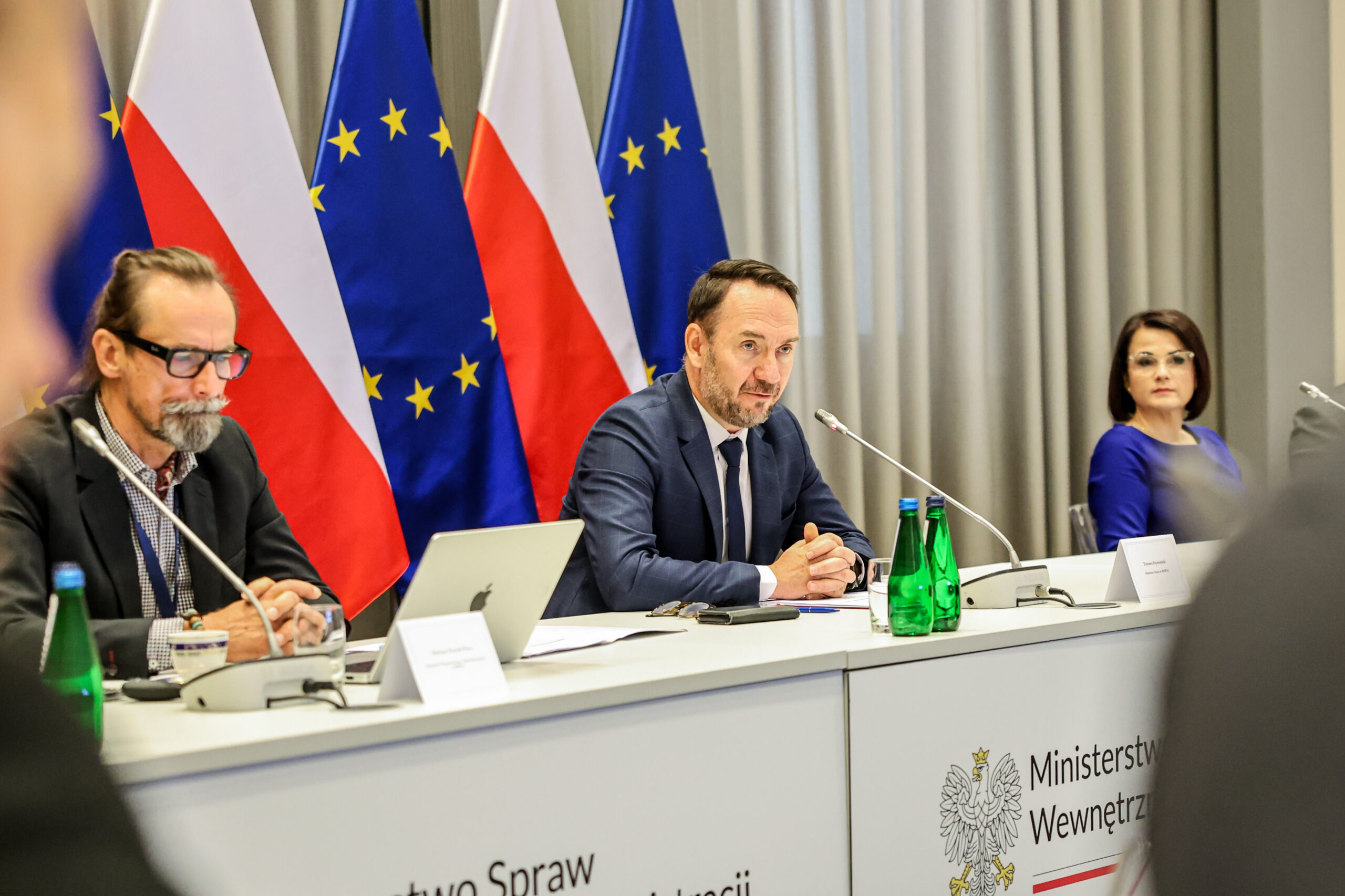 Photos: Ministry of Interior And Administration
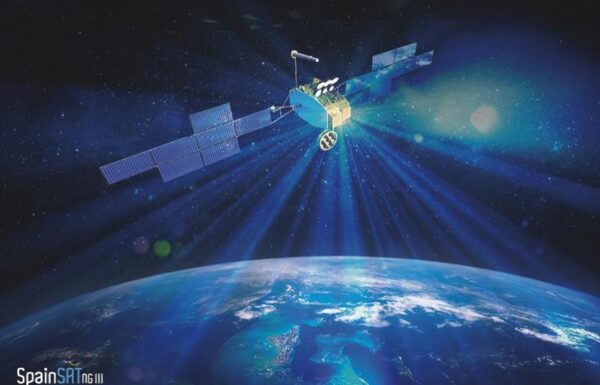
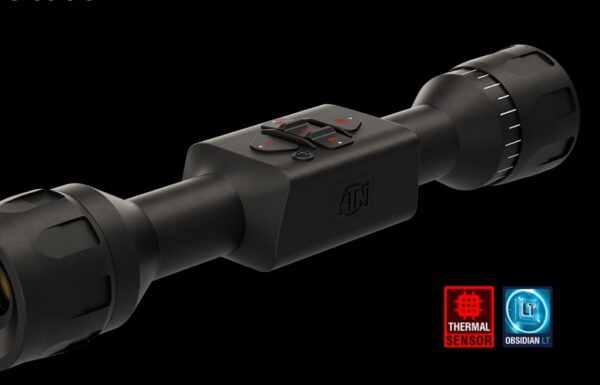
Systems using cameras, drones, satellites, and environmental sensors can automatically analyze imagery and detect smoke, elevated temperatures, or unusual environmental changes. Thanks to machine-learning algorithms, it is possible to distinguish a real threat from false alarms, such as fog or dust. This can reduce emergency response times by up to several dozen minutes, which is crucial in the case of forest fires.
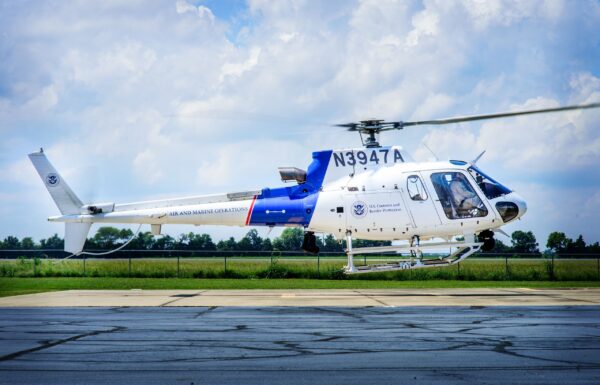
During firefighting operations themselves, AI systems support crisis management. They can analyze the direction in which a fire is spreading, model the impact of weather conditions, and recommend optimal evacuation routes and the deployment of rescue forces. AI-equipped drones can conduct reconnaissance in areas dangerous for firefighters, transmitting real-time imagery to command centers.
Technology to Increase the Effectiveness of the Police and Border Guard
The main task of the newly established body will be to develop safe and transparent rules for the use of AI. This technology is intended to support police officers in areas including:
- Analysis of evidence: AI can search through thousands of hours of recordings or thousands of documents in seconds.
- Pattern detection: Systems will help connect seemingly unrelated facts more quickly and identify patterns in the actions of criminals.
- Fighting cybercrime: Modern algorithms will automatically detect irregularities online.
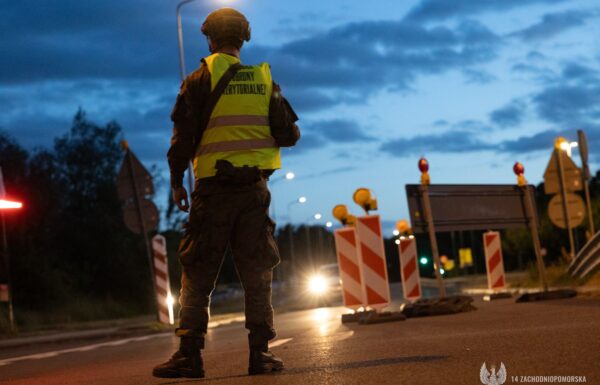
Meanwhile, the Border Guard will be supported by automation mechanisms in areas such as biometrics, image recognition, and the automatic detection of all disruptions, including border violations. AI will support the day-to-day operational work of officers. Their tasks are to receive strong support from modern technological solutions.
Artificial intelligence is also expected to be used in the 112 emergency notification system, helping assess the credibility of callers while also assigning appropriate forces and, for example, reserving hospital beds. Instead of work being carried out step by step by multiple operators, the system would be supported by AI.
The team’s work will be conducted in line with European security standards, so that the technology serves citizens while fully respecting their privacy.
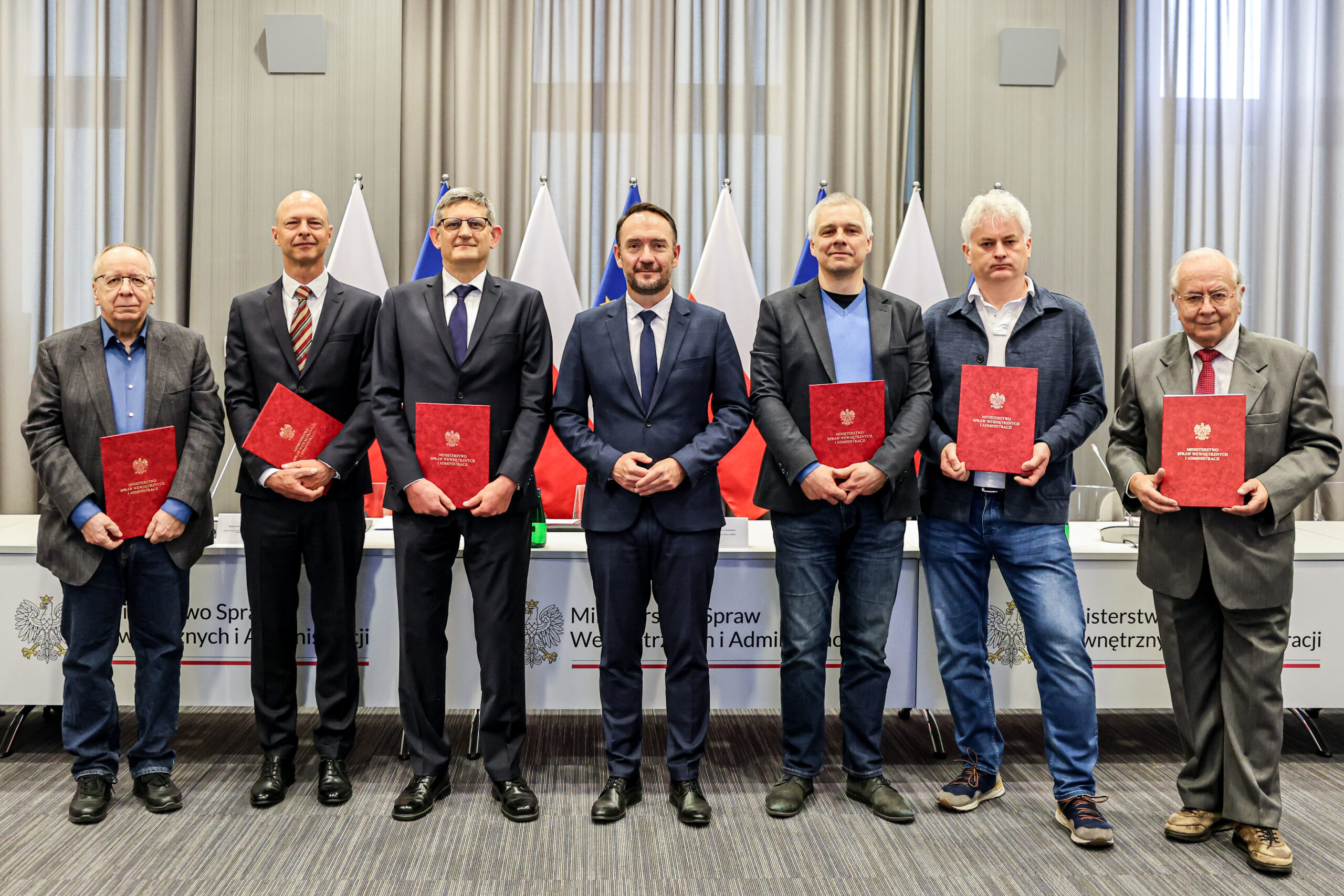
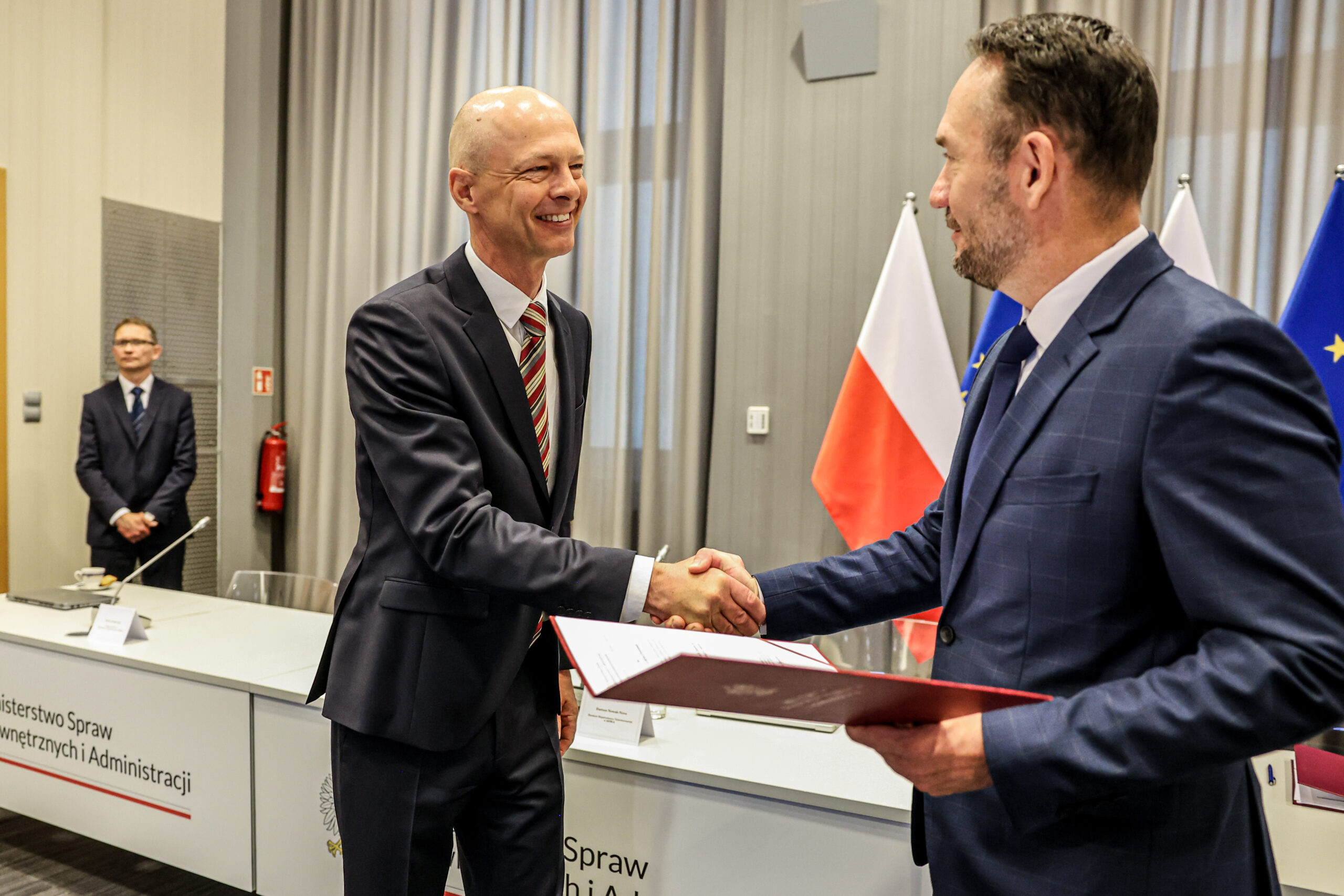
The AI team will include not only officials and officers, but also representatives of academia. This is intended to ensure that Polish services use the latest technological achievements developed by domestic experts and universities. During the first meeting, Deputy Minister Tomasz Szymański presented appointments to join the teams to, among others, Prof. Piotr Sankowski, DSc, PhD, director of the IDEAS Research Institute, and Prof. Piotr Bliski, DSc, PhD, Eng., an expert in the application of AI in technical and natural sciences.
The IT tools currently used by the services require further modernization. The new team is to work on this by introducing artificial intelligence (AI) algorithms where work has so far been carried out manually or using outdated tools. AI systems may support the activities of all services subordinate to the Ministry of the Interior and Administration, helping, among other things, to combat criminals and fight fires.