





























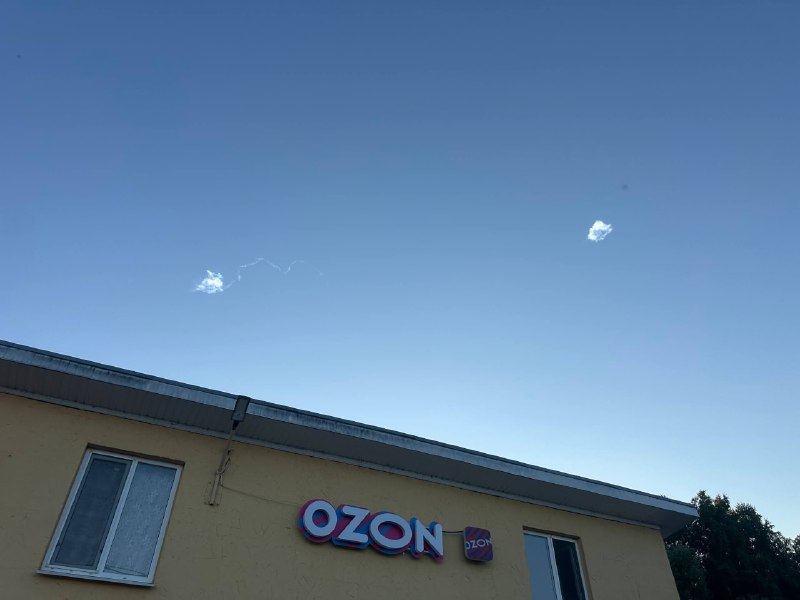
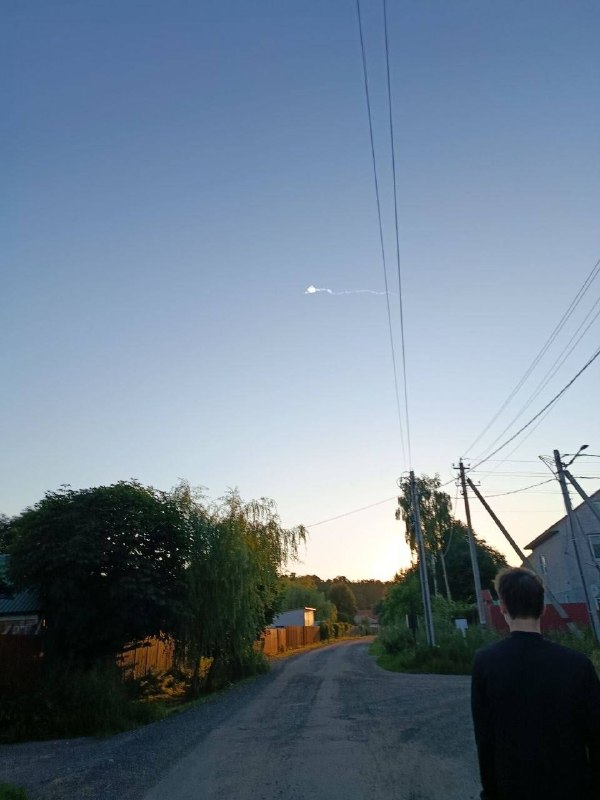
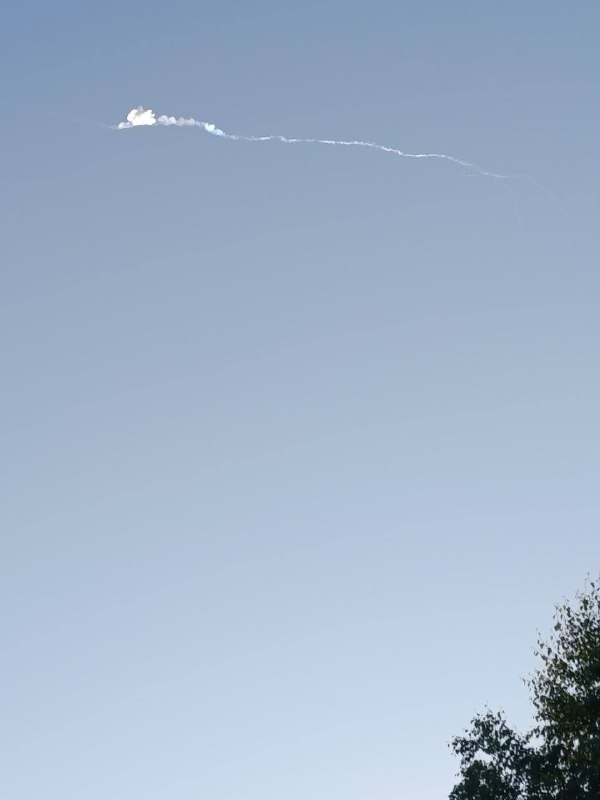
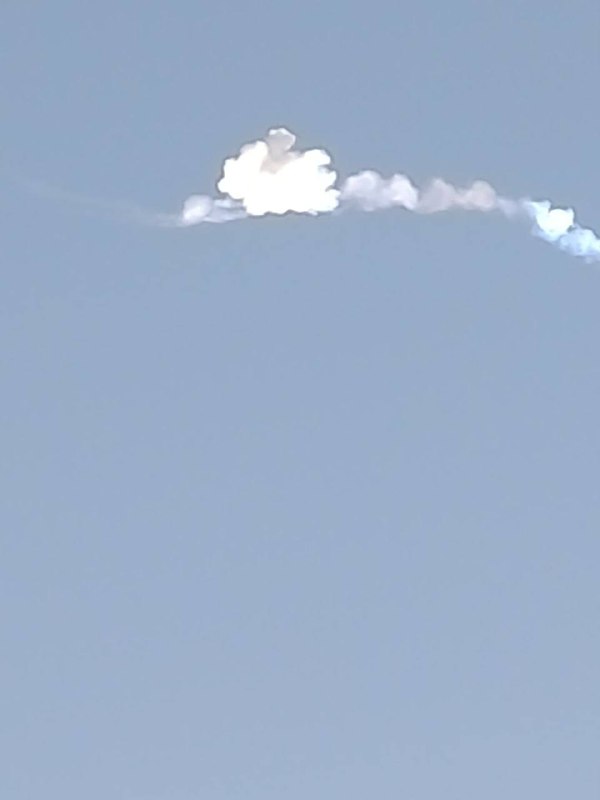


Photos: Voyennyy Osvedomitel via Telegram
“During an air raid alert in the Moscow Oblast, the S-300/400 air defense system detected a target operating at high altitude, atypical for a drone or cruise missile, and a large crater was recorded on the ground after the intercepted object came down.”
“It is possible that this was an intercepted Ukrainian ballistic missile, but there is insufficient information to draw any definitive conclusions – only circumstantial evidence,” reads the post, accompanied by photographs from Voyennyy Osvedomitel.
A video was also published on the Exilenova+ channel:
The site where one of the missiles landed in the Moscow Region.
It’s hard to say whether it was shot down or fell short, but the warhead is powerful enough for that distance. pic.twitter.com/tKqFNA6NXv
— Exilenova+ (@Exilenova_plus) June 30, 2026
The target’s debris reportedly fell in the village of Yudanovka in the Moscow Oblast, located approximately 24 km from Podolsk and approximately 54 km from central Moscow in a straight line. The village lies to the southwest of the capital, along the Warsaw Highway corridor. The distance from the state border with Ukraine is approximately 500 km.
According to findings by Ukrainian OSINT analysts from the KiberBoroshno Telegram channel, the coordinates of the impact site are 55°31′16.20″N and 37°23′04.63″E.
There is currently no official confirmation of the nature of the intercepted target from either the Ukrainian or Russian side.
 Image: Fire Point
FP-9
It cannot be ruled out that this was a failed missile strike on Moscow using the latest Ukrainian FP-9 ballistic missile being developed by Fire Point, as publicly announced by Denys Shtilerman, the company’s chief designer and co-founder.
“We have everything needed for the FP-9, which can reach Moscow, except for the engine,” Denys Shtilerman said in a recent interview with Pressing, published just on June 27 of this year. “We will test the engine this month and expect to begin test flights soon. Once the test flight shows that everything is working correctly, the next flight should be launched toward Moscow.”
The company is responsible for developing the FP-1 long-range strike drone series (1,600 km range), the FP-2 medium-range drone (200 km range), the FP-5 Flamingo long-range cruise missiles (3,000 km range), and more recently ballistic missiles: the tactical FP-7 with a range of 200 km and the operational FP-9 with a range of 855 km, as well as the FP-7.x interceptor missile under the pan-European Freya anti-missile defense system project.
According to earlier announcements, a test of the FP-9 cruise engine was to be conducted in June, followed by a combat test on Russian territory. As Shtilerman announced, the missile is intended to allow striking the Russian capital from Ukrainian territory, carrying a conventional 800 kg warhead. The missile is to travel at speeds of up to 2,000 m/s (Mach 7) at altitudes of up to 70 km. The cruise engine burn time is to be 520 seconds. The missile’s accuracy is stated at 20 m CEP.
The missile is to be launched from a ground platform, providing high strategic flexibility, mobility, and the ability to adapt the system to various operational scenarios and mission requirements.
The FP-9 was designed for operational-strategic applications, meeting contemporary requirements for range, reliability, and effectiveness. The system architecture enables integration with existing command, control, and reconnaissance systems, and allows for future upgrades.
The June 30 incident may indirectly suggest that Ukraine has begun testing the FP-9 not under firing range conditions, but in real operational conditions, precisely at the moment when Denys Shtilerman stated that the company would begin doing so.
