























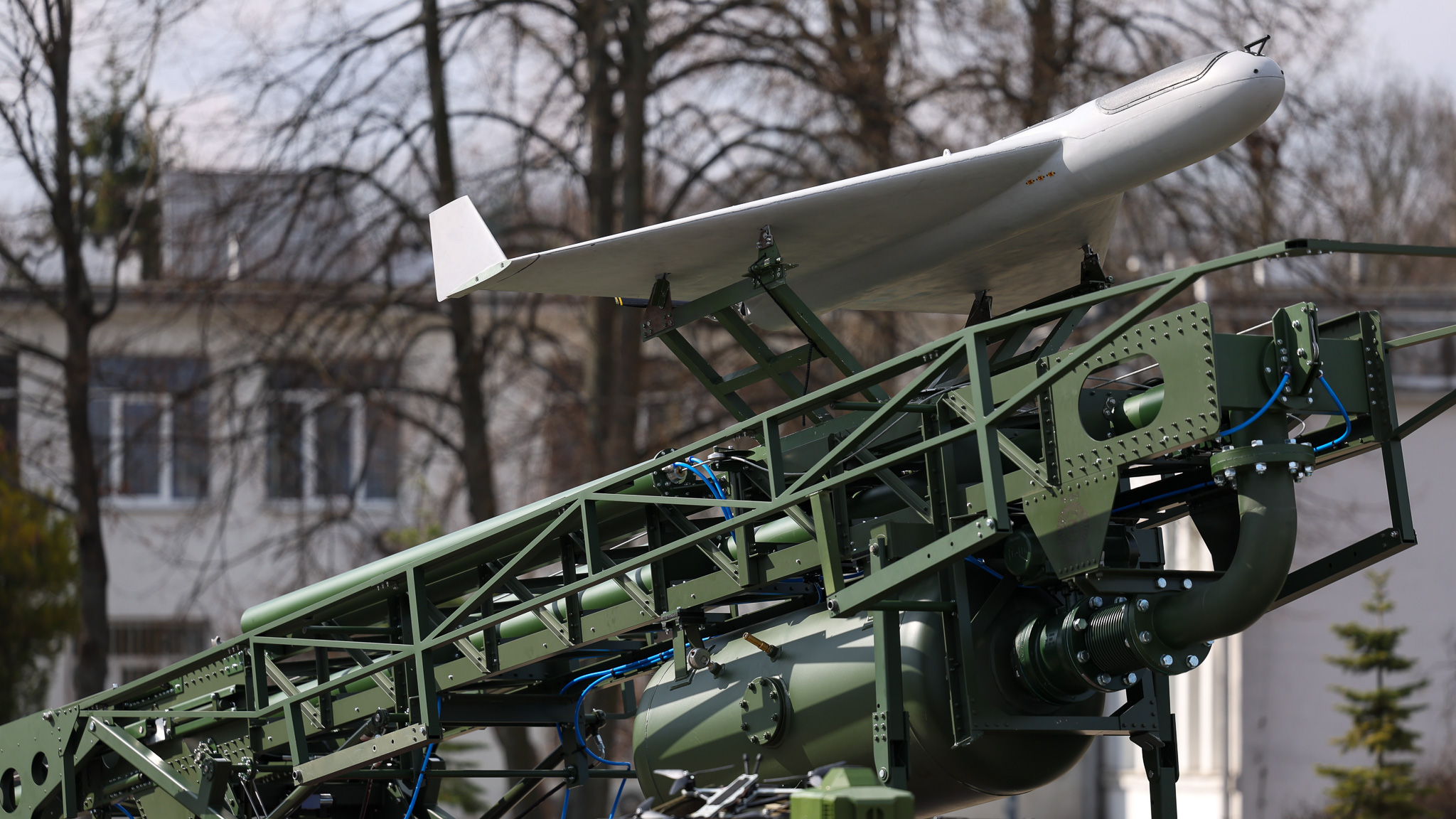
On Thursday, July 9, 2026, a production line for unmanned aerial weapon systems was unveiled at the Hornet – Polskie Drony facility in Sochaczew. The event was attended by Secretary of State at the Ministry of National Defence Cezary Tomczyk and Undersecretary of State Stanisław Wziątek.
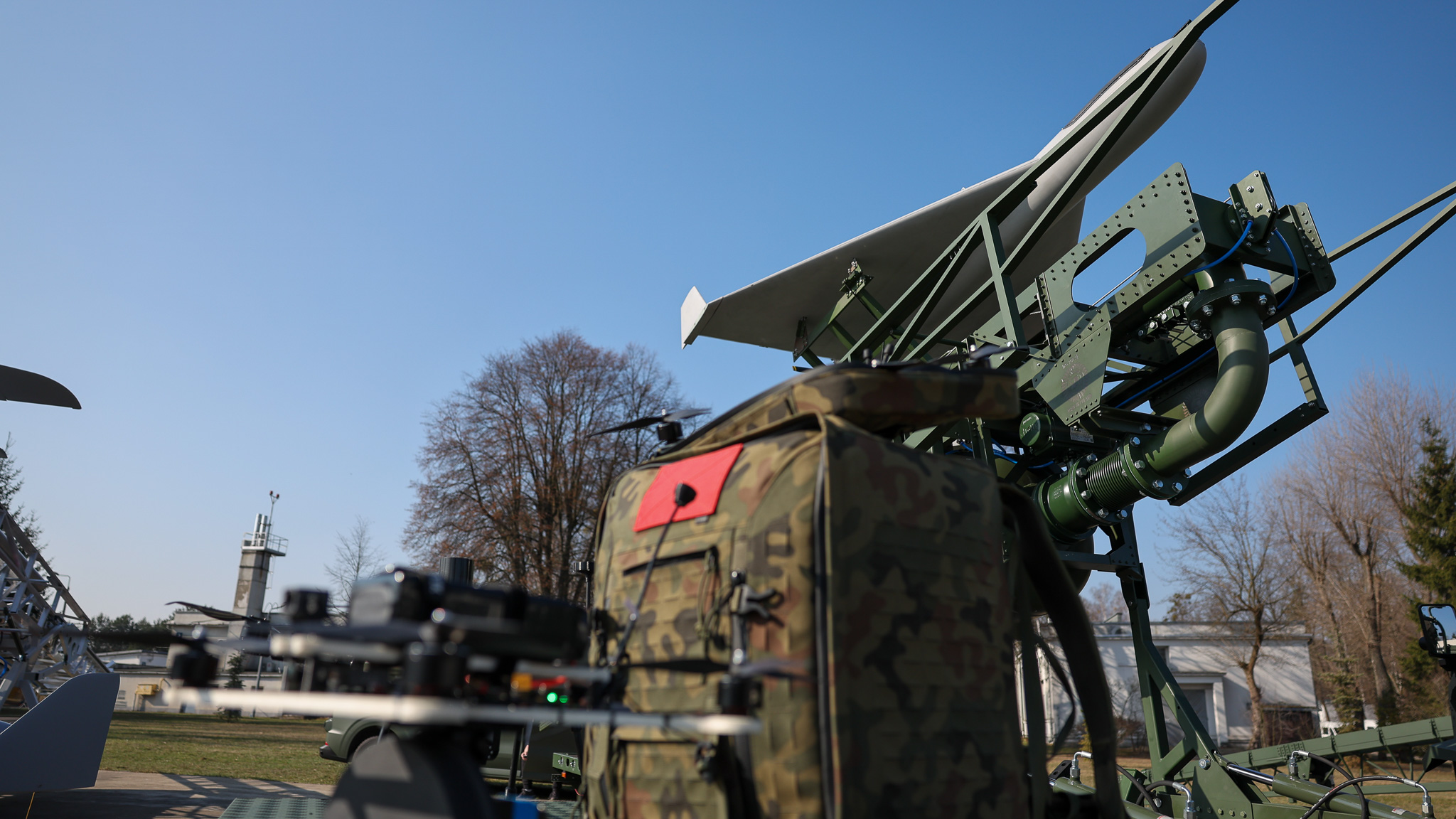 Photo: Krzysztof Gumul/WCEO
The Hornet project is being developed using Poland’s domestic technological and industrial capabilities. The system was designed by the Air Force Institute of Technology (ITWL), giving the state control over its further development, modernization, and production.
During his remarks, Minister Cezary Tomczyk emphasized that lessons from the modern battlefield, particularly the war in Ukraine, have confirmed the crucial role of unmanned systems. He said the Ministry’s priority is to build domestic capabilities for designing, producing, and developing drones, while also ensuring that they can be manufactured rapidly when required.
“The war in Ukraine has clearly demonstrated that unmanned systems play a key role on the modern battlefield. That is why we are consistently supporting the development of Polish expertise in this field and the expansion of domestic production capacity. This is an investment in Poland’s security and sovereignty,” Deputy Minister of National Defence Stanisław Wziątek said during the conference.
The unveiling of the Hornet production line forms part of the broader effort to integrate drones across the Polish Armed Forces. An important role in this process is played by the Autonomous Systems Center (OSA), which is tasked with bringing together the capabilities of the military, academia, and industry, while shortening the path from concept and testing to deployment with the Polish Armed Forces (Ministry of National Defence: OSA Autonomous Systems Center to strengthen the Polish Armed Forces’ drone capabilities).
Minister Tomczyk also highlighted a shift in the approach to acquiring equipment for the military. Testing, practical evaluation by service members, and the ability to adapt technologies to rapidly changing battlefield conditions are of key importance.
The development of Polish drones such as the Hornet strengthens the capabilities of the Polish Armed Forces, increases the country’s technological independence, and supports the growth of a domestic defense innovation ecosystem. The ultimate objective of these efforts remains the security of Poland and the protection of soldiers’ lives.
.@CTomczyk: Rok 2026 to wydatki rzędu 26 mld zł na polskie drony i systemy antydronowe. To dzisiaj pokazuję tę skalę.
Podczas prezentacji linii produkcyjnej spółki „Hornet – Polskie Drony” w Sochaczewie ⤵️ pic.twitter.com/m6q8qvkOyb
— tvp.info 🇵🇱 (@tvp_info) July 9, 2026
Przed Państwem Hornet – znany również jako 🇵🇱 polski Shahed!
To konstrukcja opracowana przez Instytut Techniczny Wojsk Lotniczych. Patenty są własnością @MON_GOV_PL, więc to w 100% polski projekt! pic.twitter.com/Zs2W3Rm2vb
— Cezary Tomczyk (@CTomczyk) July 9, 2026
See also:
- Poland’s Military Institute of Armament Technology launches Innovator’s Proving Ground initiative
- Poland: Open Trials of Unmanned Weapon Systems at the WITU Proving Ground
- The Polish Ministry of Defence announces tests of unmanned ground weapon systems
- Polish Ministry of Defence: Testing of Technical Solutions for Countering Unmanned Aerial Vehicles
- Polish PM Tusk: Advancing Military Tech for the Armed Forces
- Polish Ministry of National Defence: There Will Be No Secure Poland Without a Drone Force