









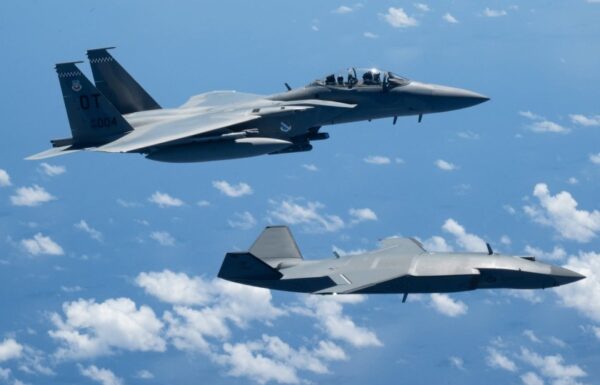






















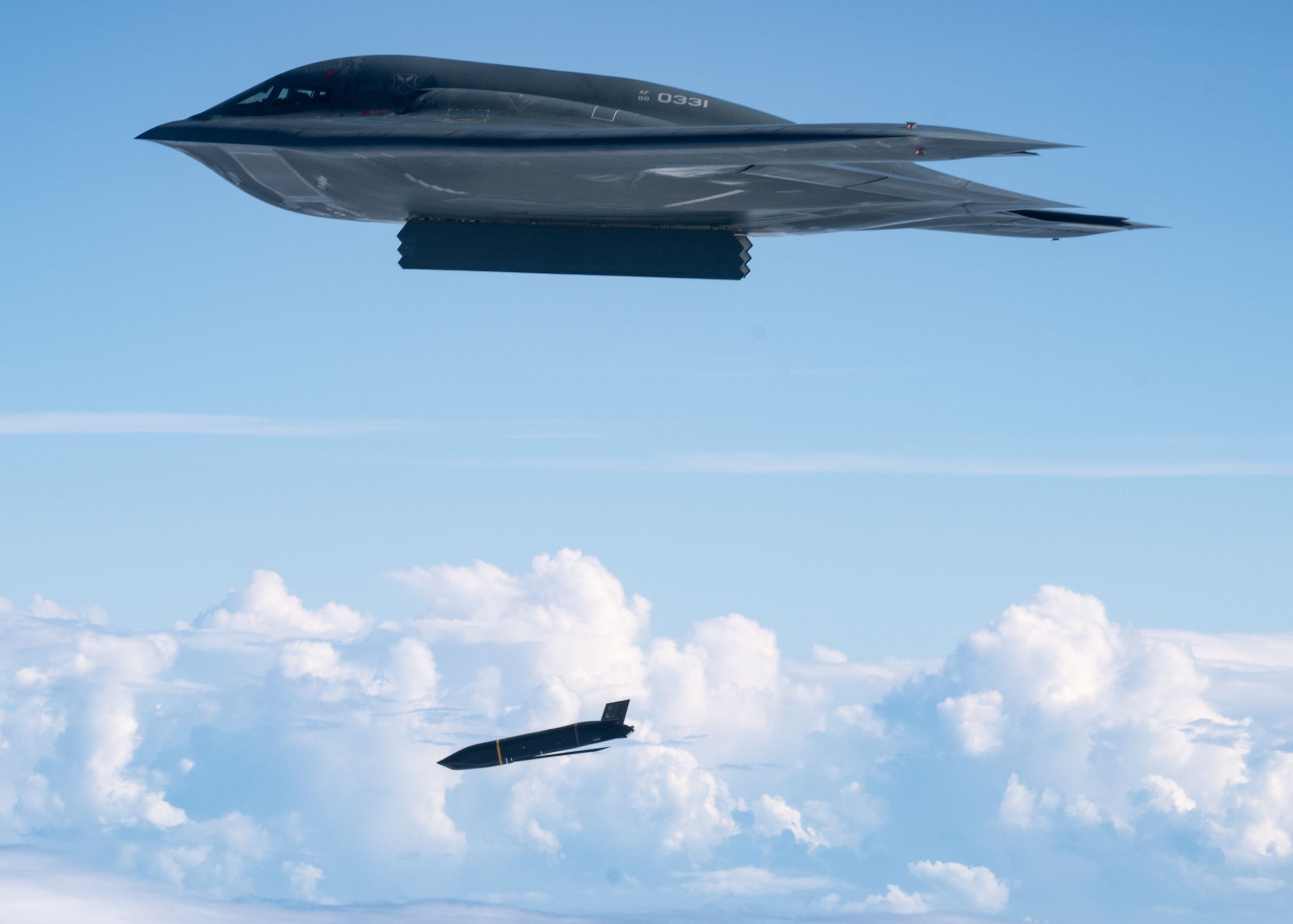
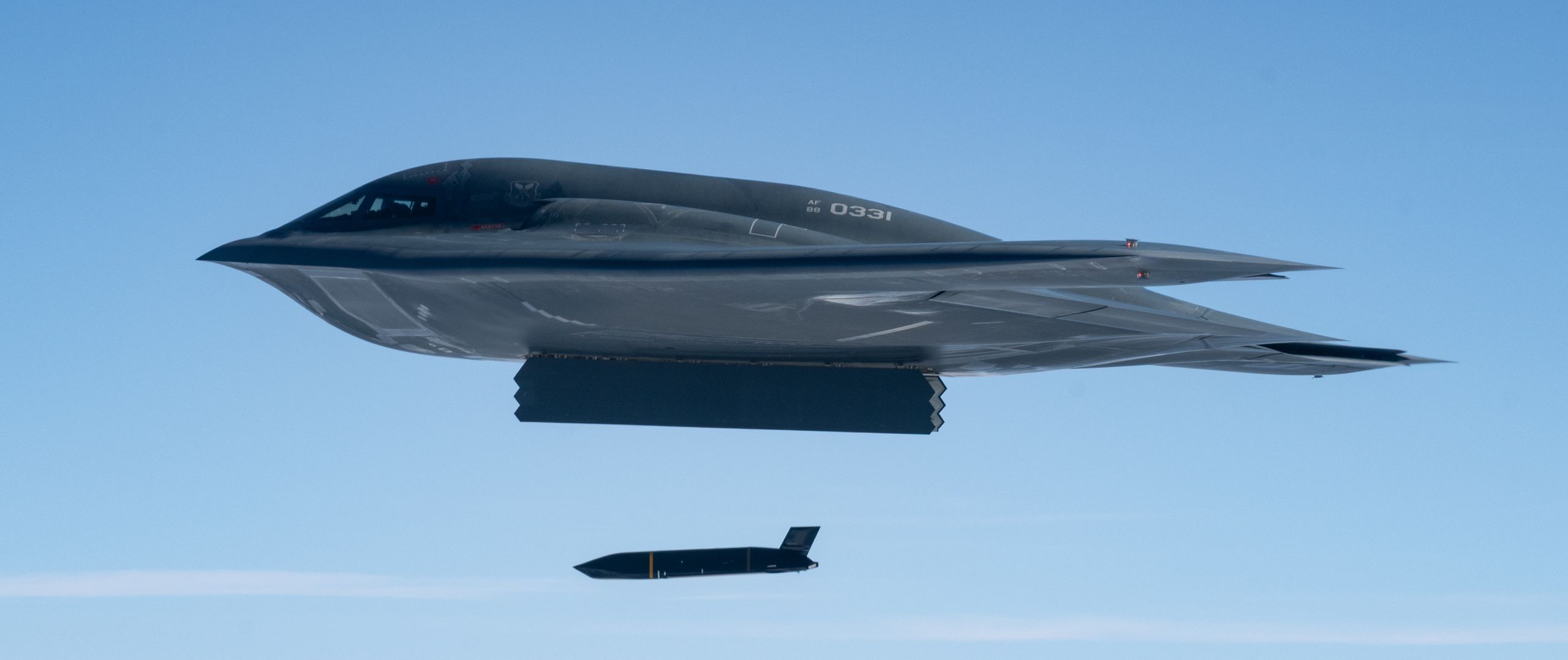
On Monday, June 29, 2026, the public affairs office of the United States Pacific Air Forces (PACAF) announced the participation of a Northrop B-2A Spirit strategic bomber in exercise Valiant Shield 26 in the Mariana Islands area. For the first time, it was revealed that the aircraft has been integrated with an additional type of armament: the Lockheed Martin AGM-158C LRASM (Long Range Anti-Ship Missile).
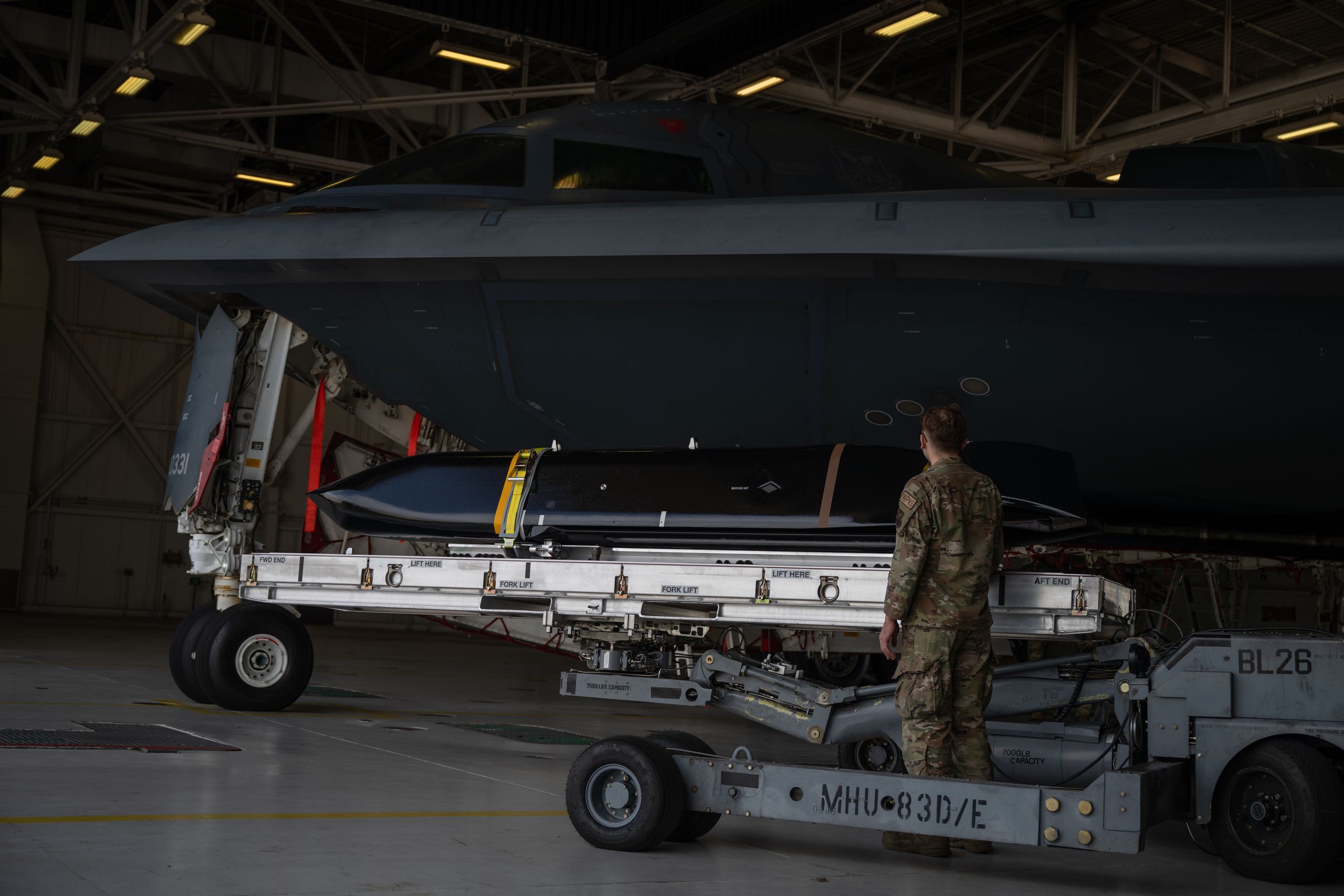
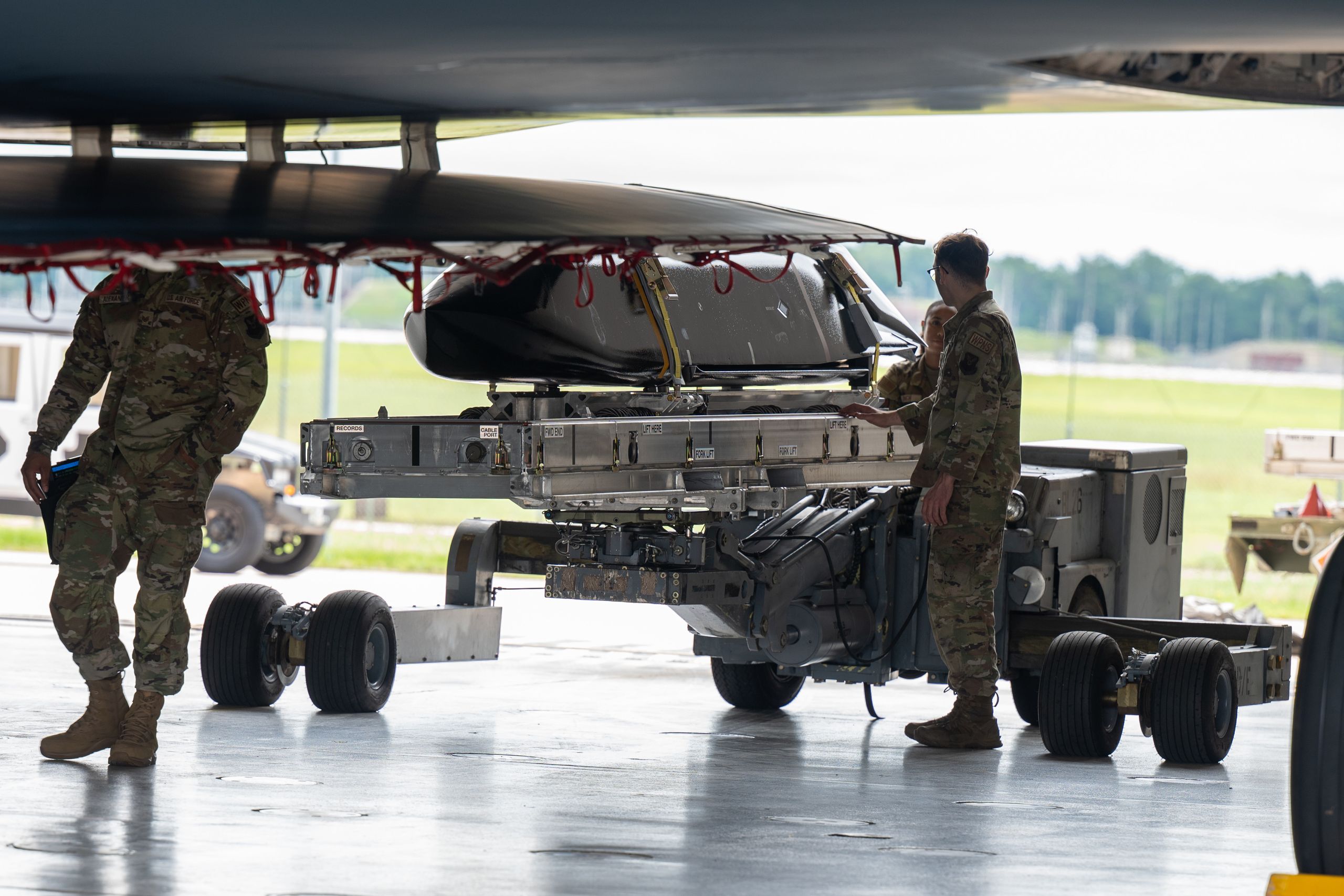
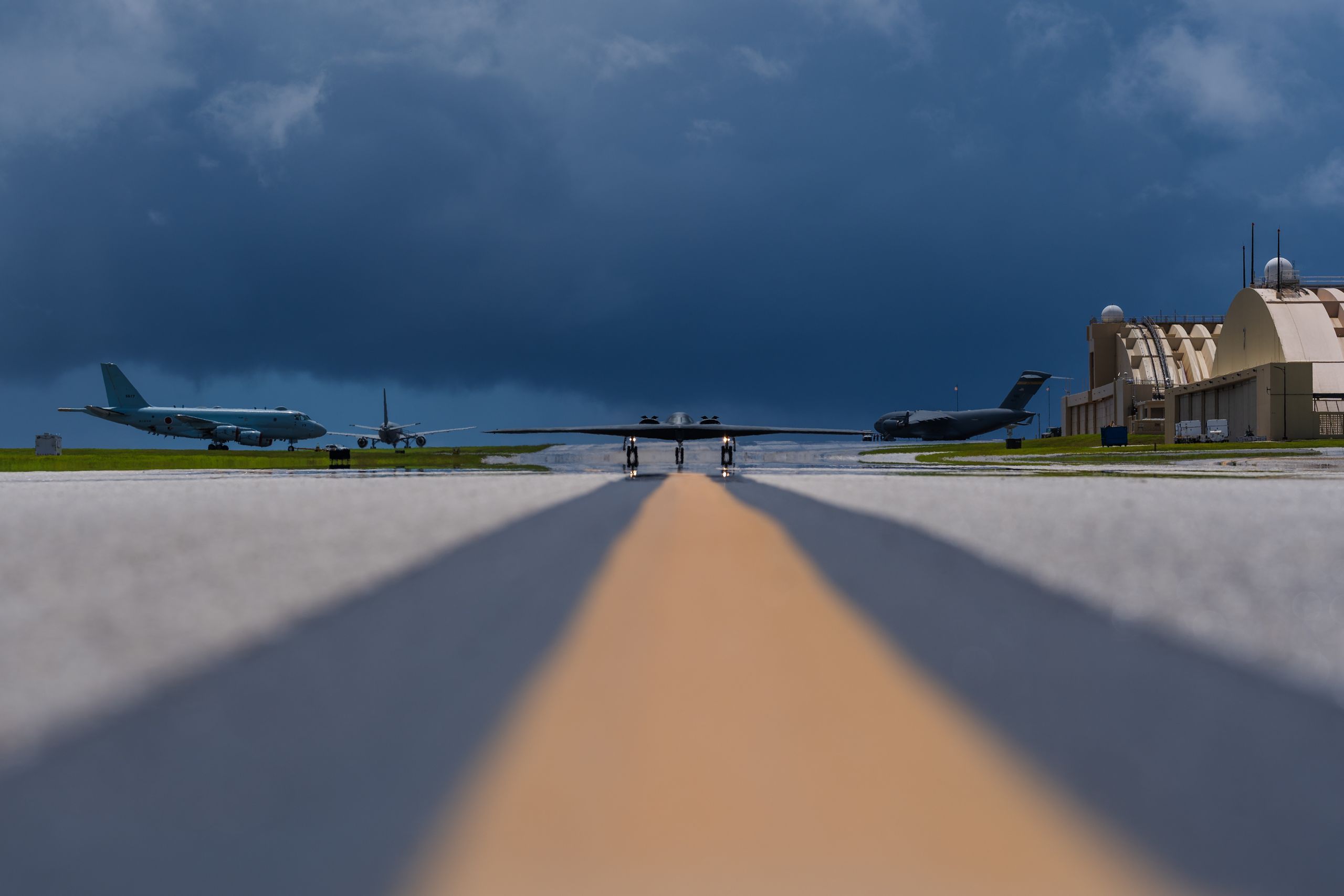
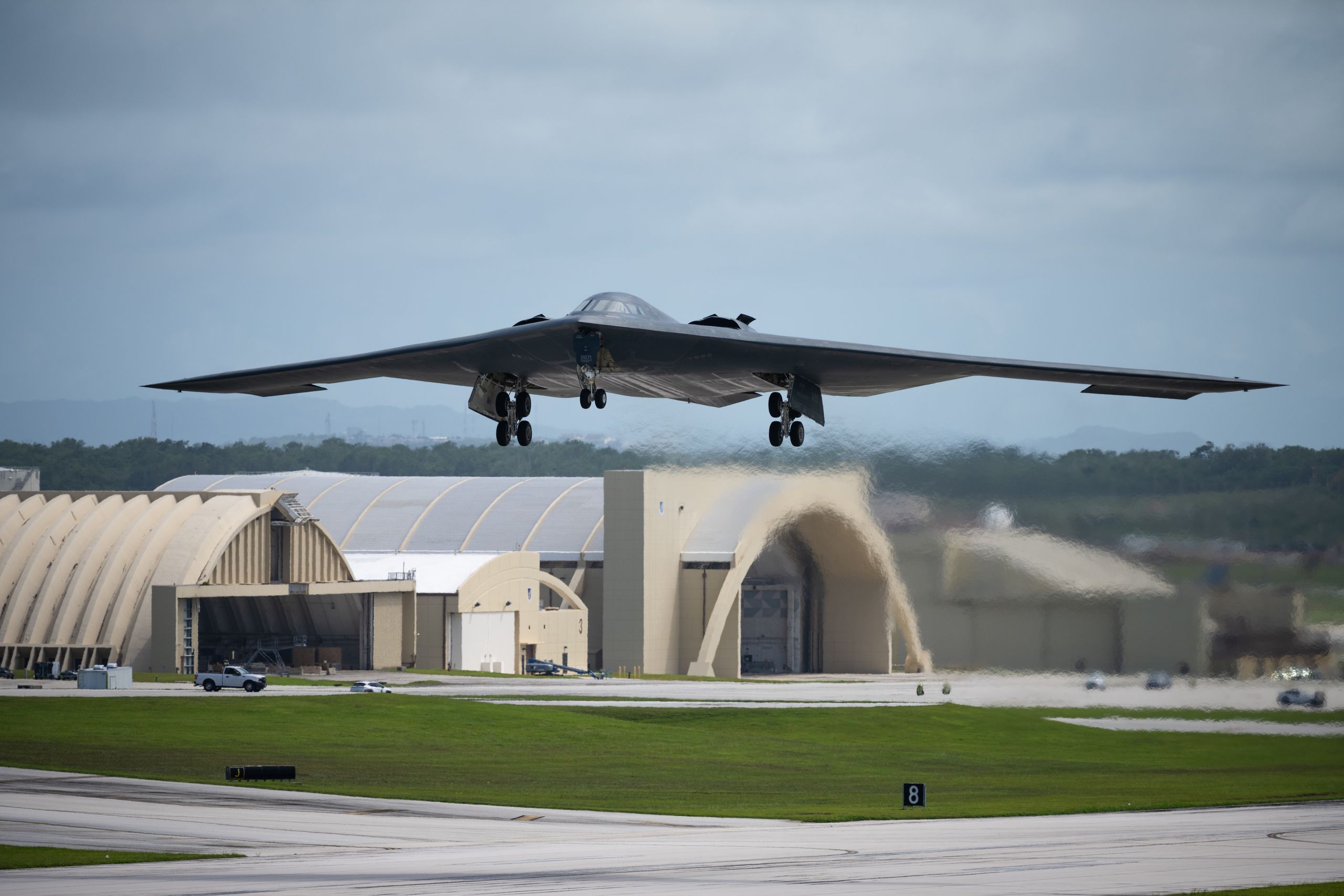
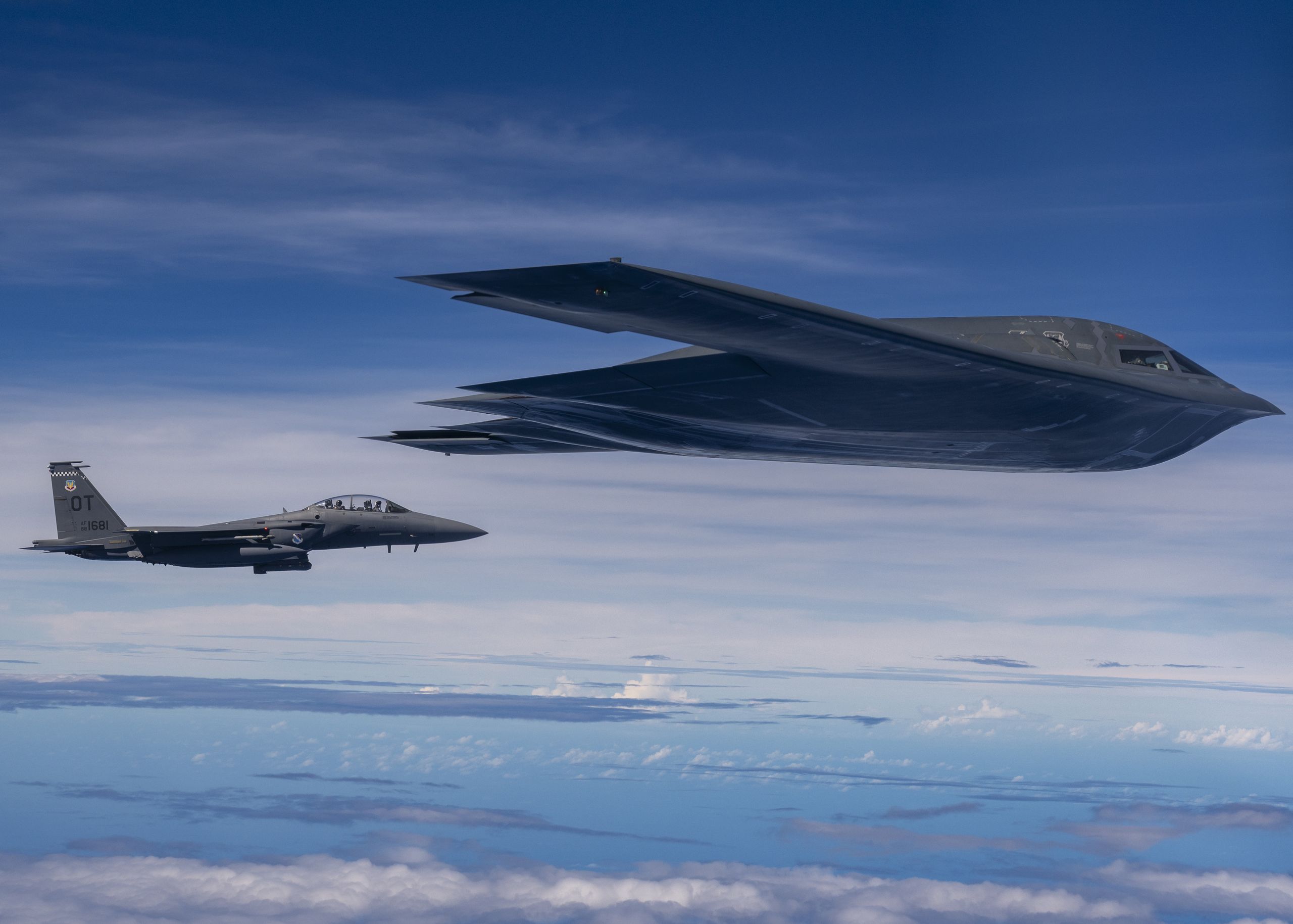
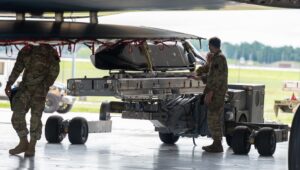
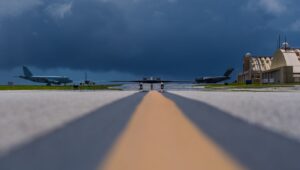
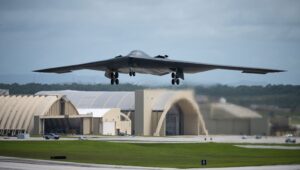
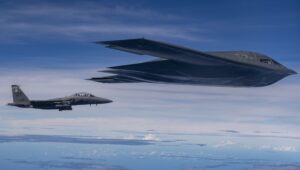
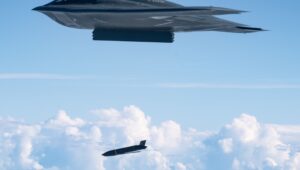
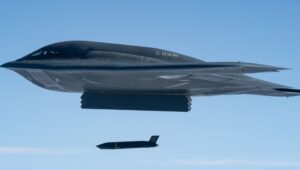
Photos: Tech Sgt. Thomas Barley, Senior Airman Bryce Moore, Staff Sgt. Joshua Hastings, Staff Sgt. Blake Wiles, Tech Sgt. Thomas Barley, USAF
It was announced that the bomber participated in a SINKEX episode, firing an LRASM at a moving maritime target as part of the broader Valiant Shield 26 exercise, thereby demonstrating an enhanced ability to achieve strategic objectives within range of potential threats.
“The B-2’s impressive performance underscores the US military’s commitment to adaptability and flexibility in the face of emerging security challenges,” said General Kevin B. Schneider, Commander, Pacific Air Forces. “By prioritizing counter-maritime strike operations, we can maintain a decisive edge over adversaries, protect our national interests and ensure the free and open Pacific that underpin our global security.”
According to the announcement, the integration of the LRASM system with the B-2A Spirit bomber represents a significant step forward for US Pacific Air Forces in countering maritime threats. This milestone constituted an impressive, advanced innovation, reinforcing the US military’s commitment to protecting national interests and maintaining global security.
The integration of the B-2A Spirit with the AGM-158C LRASM is surprising, as it had not been publicly communicated by the US Department of Defense. There is no mention of it in the fiscal year 2027 budget documents. To date, these missiles have been integrated with F/A-18E/F Super Hornet multirole aircraft in the US Navy (as well as Australian Navy) and B-1B Lancer bombers in the USAF. Platforms currently undergoing integration include the F-15E Strike Eagle and F-15EX Eagle II, F-16, F-35 Lightning II (including the conventional take-off F-35A and carrier-based F-35C), and the P-8A Poseidon maritime patrol and anti-submarine aircraft, with the B-52H/J Stratofortress planned.
Regarding the B-2A’s anti-ship strike capabilities, it was previously integrated with Quicksink precision-guided anti-ship bombs, which use the JDAM-ER (Joint Direct Attack Munition-Extended Range) laser guidance kit.
As for the LRASM, it derives from the AGM-158 JASSM (Joint Air-to-Surface Standoff Missile) cruise missile family. The B-2A could likely carry as many as 16 LRASM missiles, as an equivalent JASSM payload is feasible for this platform.
The currently produced LRASM variants, C-1 and C-2, have ranges of 320-480 km and 930 km respectively. The C-3 variant, in turn, is expected to have a range of up to 1,600 km, so it may receive the designation LRASM-ER (Extended Range). The variant is to introduce significant improvements, though details are largely classified. It is known, however, that the C-3 is to feature enhanced data exchange with other platforms (such as satellites, drones, and ships) for improved reconnaissance and attack coordination, as well as machine learning (artificial intelligence) algorithms for autonomous decision-making in dynamic combat conditions, particularly in heavily jammed environments. It is assessed that it will receive a more advanced imaging infrared (IIR) or radio frequency (RF) seeker.
Interest in procuring the LRASM has been expressed by the United Kingdom, Singapore, Canada, and previously also Poland and Japan.