

























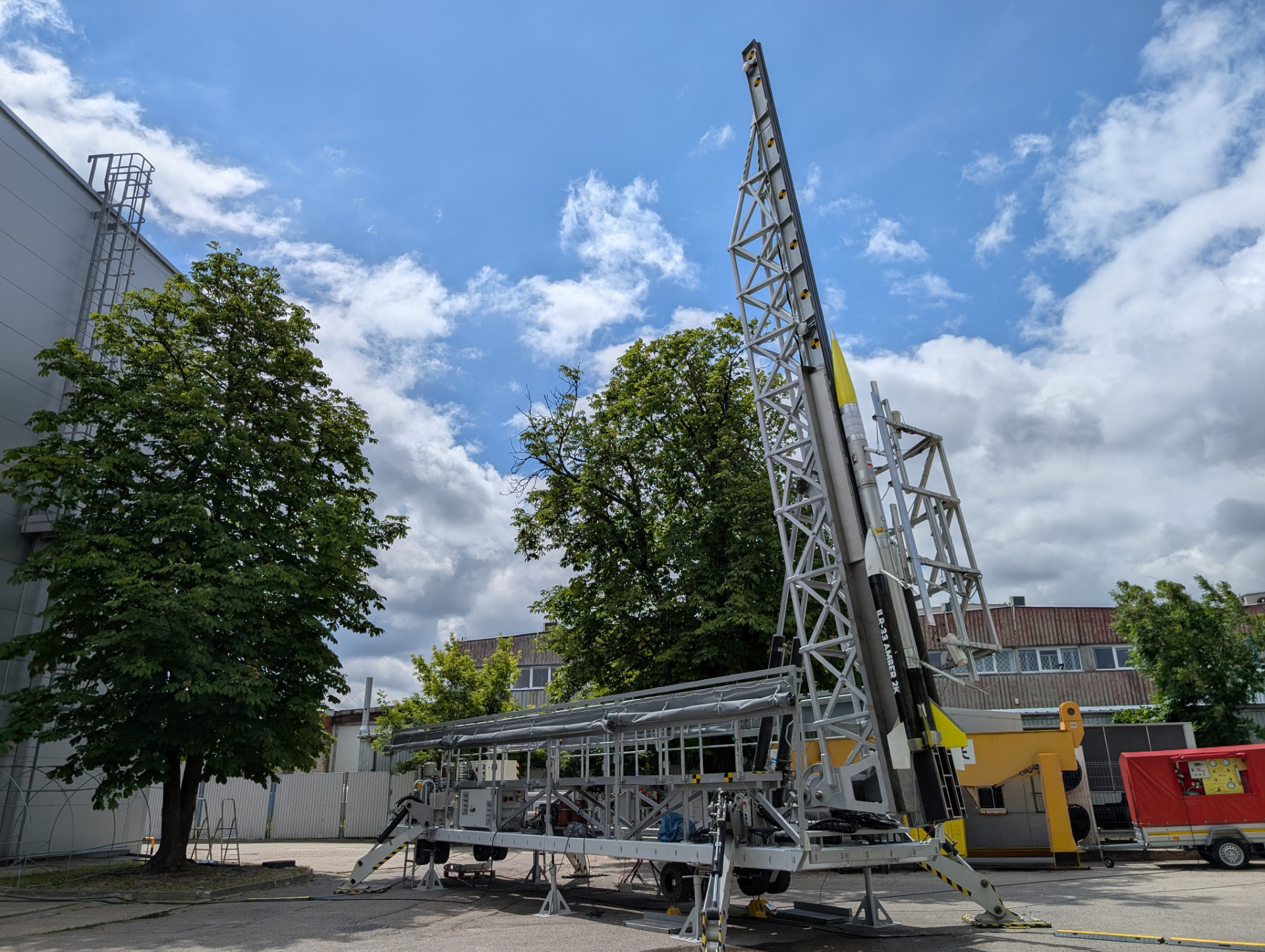
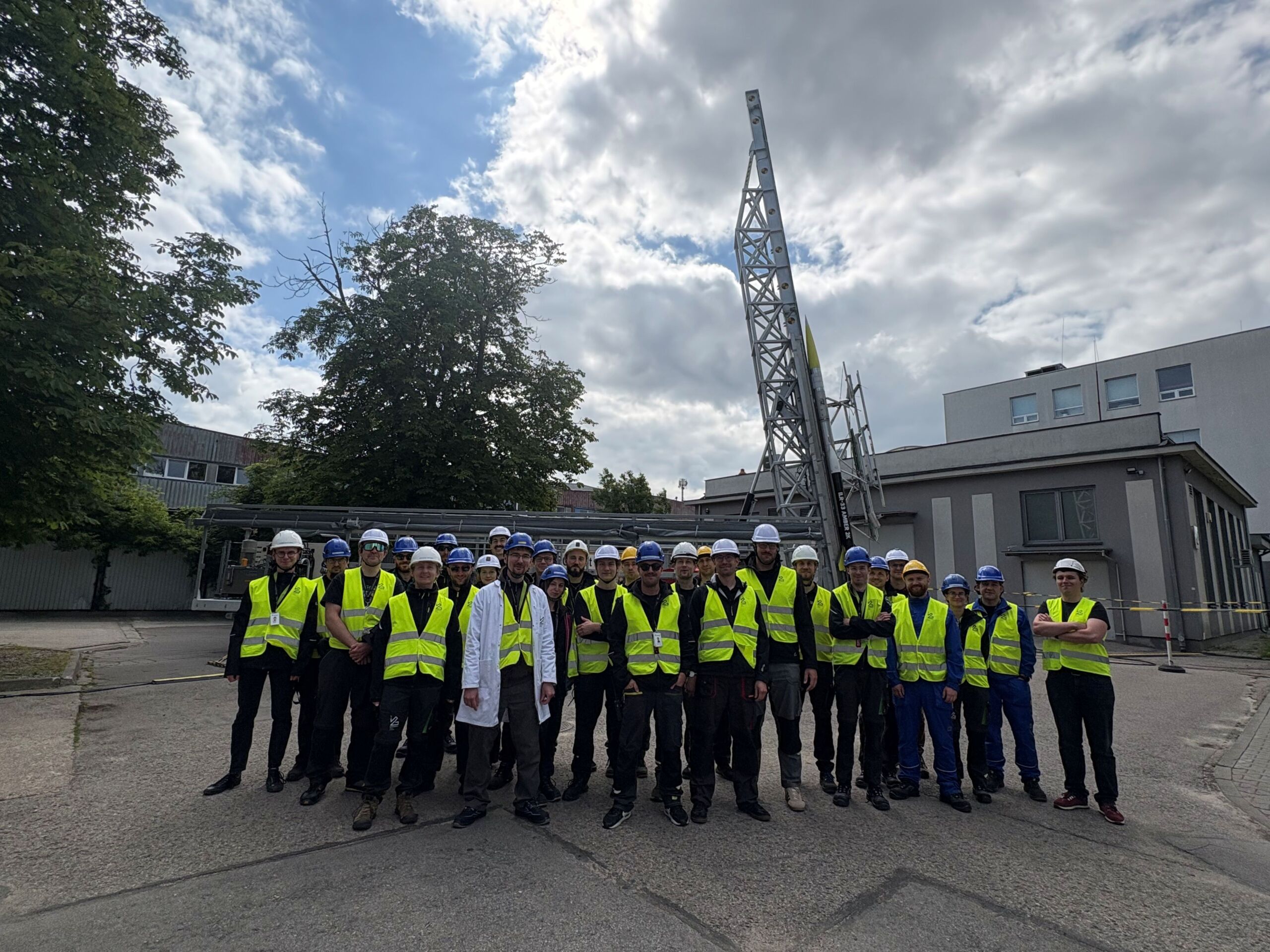
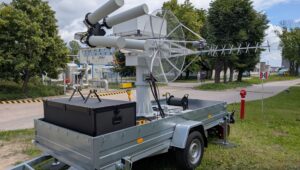
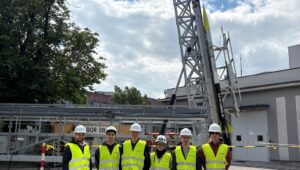
On Tuesday, June 23, 2026, a functional test of the ILR-33 Bursztyn (Amber) 2K rocket launch system, adapted to the requirements of the SUBCOM project, was successfully completed at the Łukasiewicz – Institute of Aviation (ILOT). The project is co-financed from the funds of the National Centre for Research and Development (NCBiR), and its leader is Thorium Space. This is an important step bringing the consortium closer to conducting field trials – the flight will be the first use of the ILR-33 Bursztyn 2K rocket for a dedicated customer mission.
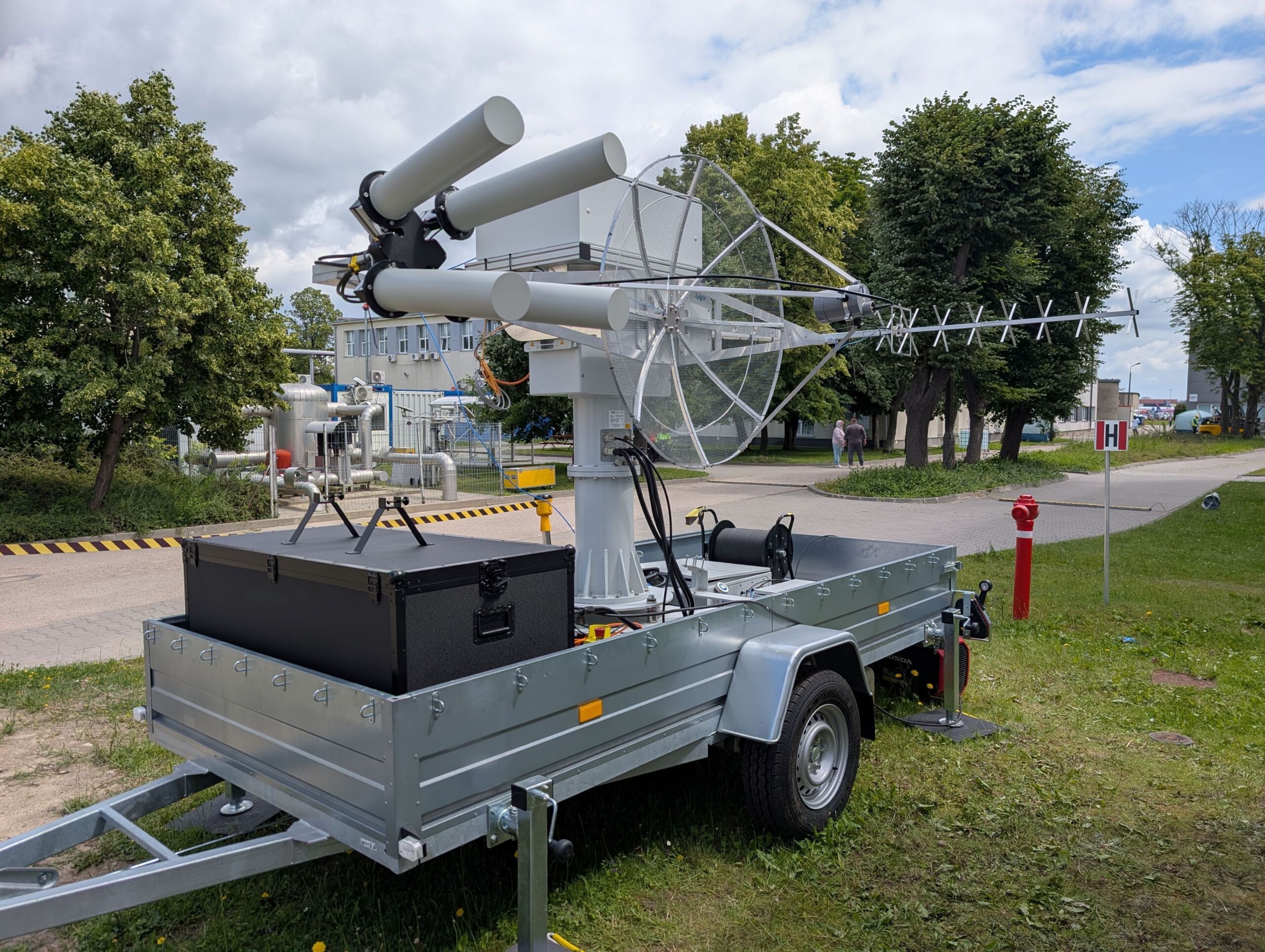
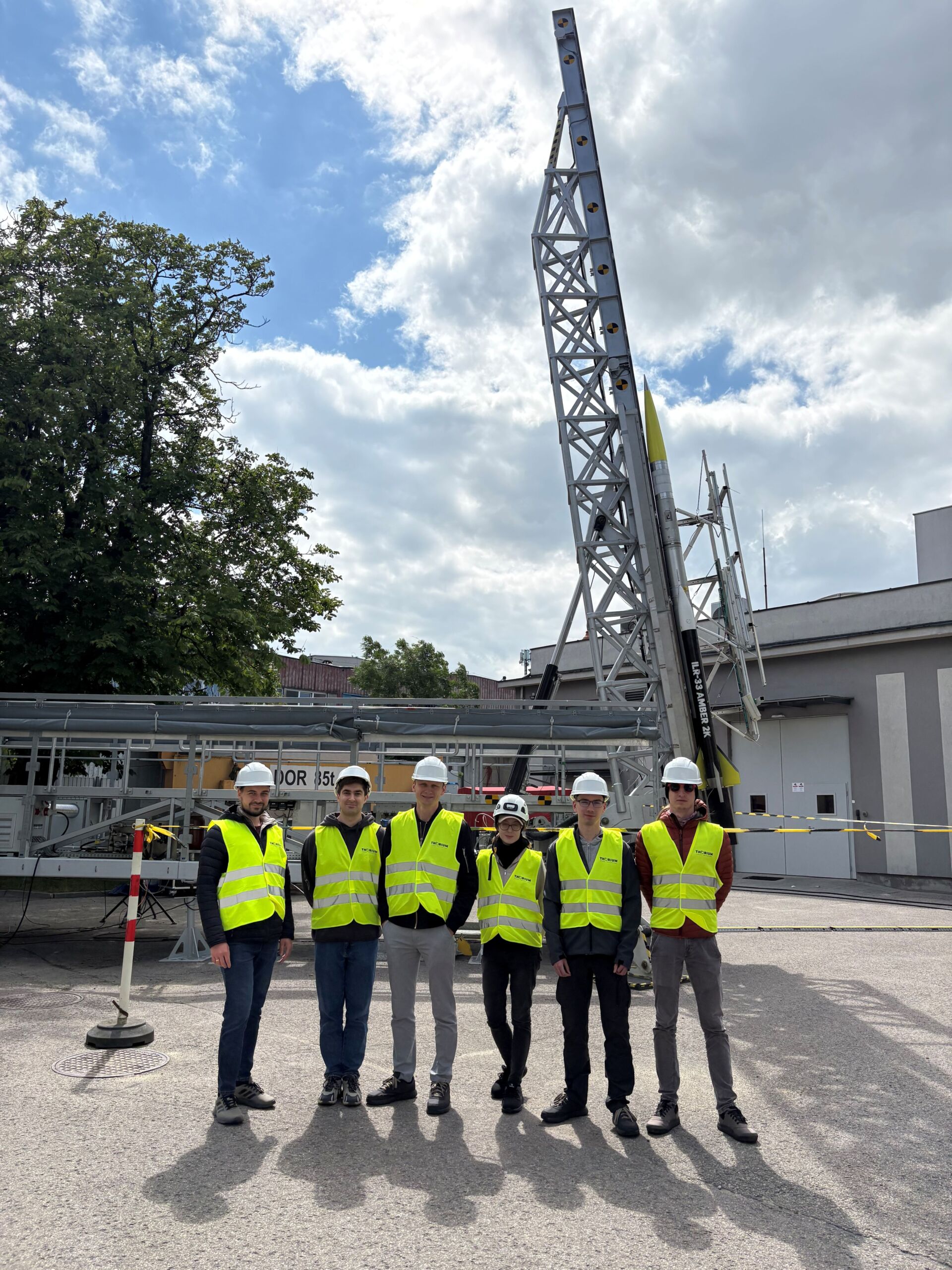
Photos: Łukasiewicz – Institute of Aviation
Celem testu, który w czerwcu odbył się w ramach infrastruktury Łukasiewicz – ILOT, było kompleksowe sprawdzenie sprawności technicznej systemu oraz poprawności działania wszystkich kluczowych elementów w warunkach zbliżonych do operacyjnych. W trakcie testów zweryfikowano m.in. dostosowane do konkretnej misji procedury operacyjne, interfejsy pomiędzy rakietą suborbitalną ILR-33 Bursztyn 2K a rozszerzoną o nowe możliwości infrastrukturą naziemną, w tym działanie rozwijanych w ramach projektu systemów komunikacji, lokalizacji i śledzenia. Przeprowadzono również badania technologii, które będą wykorzystywane w kolejnych etapach projektu.
“Successful completion of the functional tests of the SUBCOM system confirms that its key components operate in line with assumptions, providing a foundation for further work — including system validation in operational conditions. As the project encompasses a complete system of many interrelated elements, it serves as an excellent demonstration of the company’s expertise in antenna design, RF systems, mechanical structures, and software. Its implementation confirms the capability to carry out complex, interdisciplinary projects requiring the integration of knowledge from multiple engineering domains,” says Phd Piotr Mierzejewski, CEO of Thorium Space SA.
“The completed test represents an important step toward the development of national rocket and satellite technologies. It brings us closer to delivering commercial missions commissioned by clients who – by placing their payloads onboard the ILR-33 AMBER 2K rocket or its future modifications – will be able to test their solutions in suborbital conditions, and ultimately also orbital ones,” emphasizes PhD DSc (Eng.) Cezary Szczepański, Professor, Director of the Łukasiewicz – Institute of Aviation
About the SUBCOM project
The SUBCOM Phase II project envisages the development of advanced communications and navigation systems for space and rocket applications. The project is implemented under funds provided for the co-financing of projects in the European Funds for a Modern Economy 2021-2027 (FENG) competition. The project is a direct continuation of Phase I, implemented under the POIR program. Phase II of the project falls within the specific objective of FENG Priority 1, which is to develop and strengthen research capabilities and the use of advanced technologies.
The project will enable the introduction of innovative communications systems to the global market, targeting manufacturers of satellites, suborbital rockets, and military rockets.
See also: