





















On Monday, August 10, 2026, Australian company DroneShield announced the launch of its latest flagship product, RfRecon, a portable radio-frequency (RF) intelligence solution designed to detect unmanned aerial vehicles for armed forces, security services, and government organizations. The system is intended to give users a better understanding of the electromagnetic emissions environment wherever operations are being conducted.
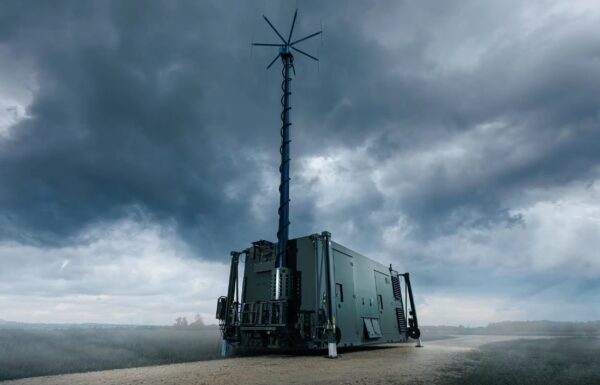
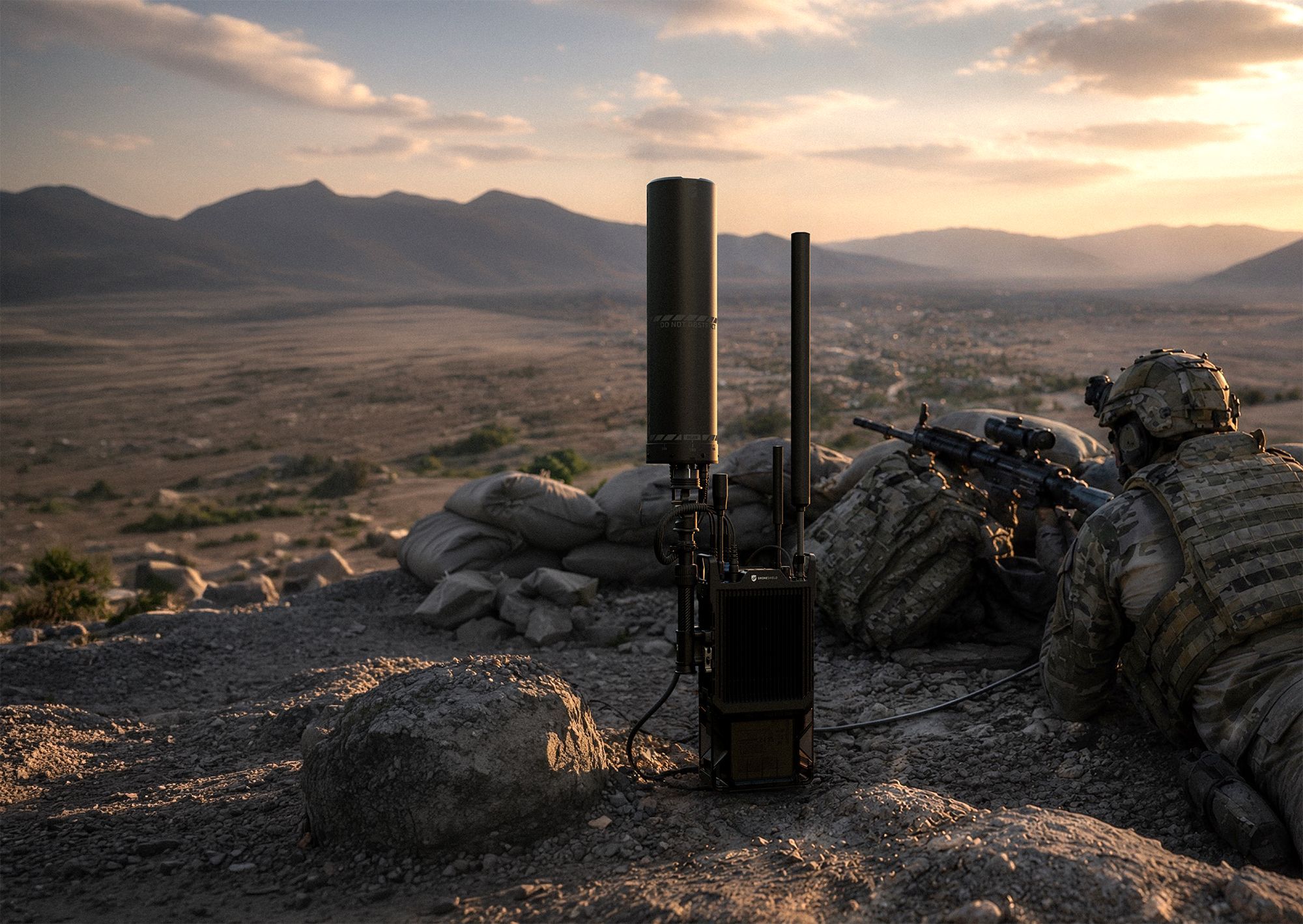 RfRecon’s multirole design expands radio-frequency (RF) intelligence from tactical advantage to command and control / Photos: DroneShield
Built on DroneShield’s recently launched proprietary RfAI-3 software, RfRecon’s intelligence architecture will allow users to rapidly detect, identify, locate, and assess radio-frequency (RF) activity using a single device. Rather than simply collecting spectrum data, the system will provide the operational context needed to support faster and better-informed decisions in the field. Modern operations increasingly depend on understanding the electromagnetic emissions environment. The rapid development of unmanned systems, electronic warfare capabilities, and wireless communications has dramatically increased the complexity of the RF signature environment surrounding today’s users. Although detection technologies have become more capable, interpreting this information still requires multiple systems, specialist expertise, or time-consuming analysis.
RfRecon was developed to address this challenge.
By combining ultra-wideband spectrum awareness, precise direction finding, and RfAI-3-based signal intelligence within a single portable capability, RfRecon will provide immediate understanding of the operational environment while reducing operator workload and accelerating decision-making at the tactical edge.
RfRecon will deliver a step change in capability compared with previous industry-adopted solutions, combining approximately six times greater RF spectrum coverage, four times more processing and AI computing power, 31 times more storage, and eight times more memory*. At the same time, it introduces advanced capabilities including emitter direction finding, Bluetooth and Wi-Fi Remote ID, AIS/ADS-B transponder signal detection, integrated GNSS satellite navigation, and hardware security features. Taken together, these improvements position RfRecon as a significantly more capable and future-ready sensor platform.
*Approximate capability increases compared with previous industry-adopted solutions. Results may vary depending on the operational environment and other conditions of use.
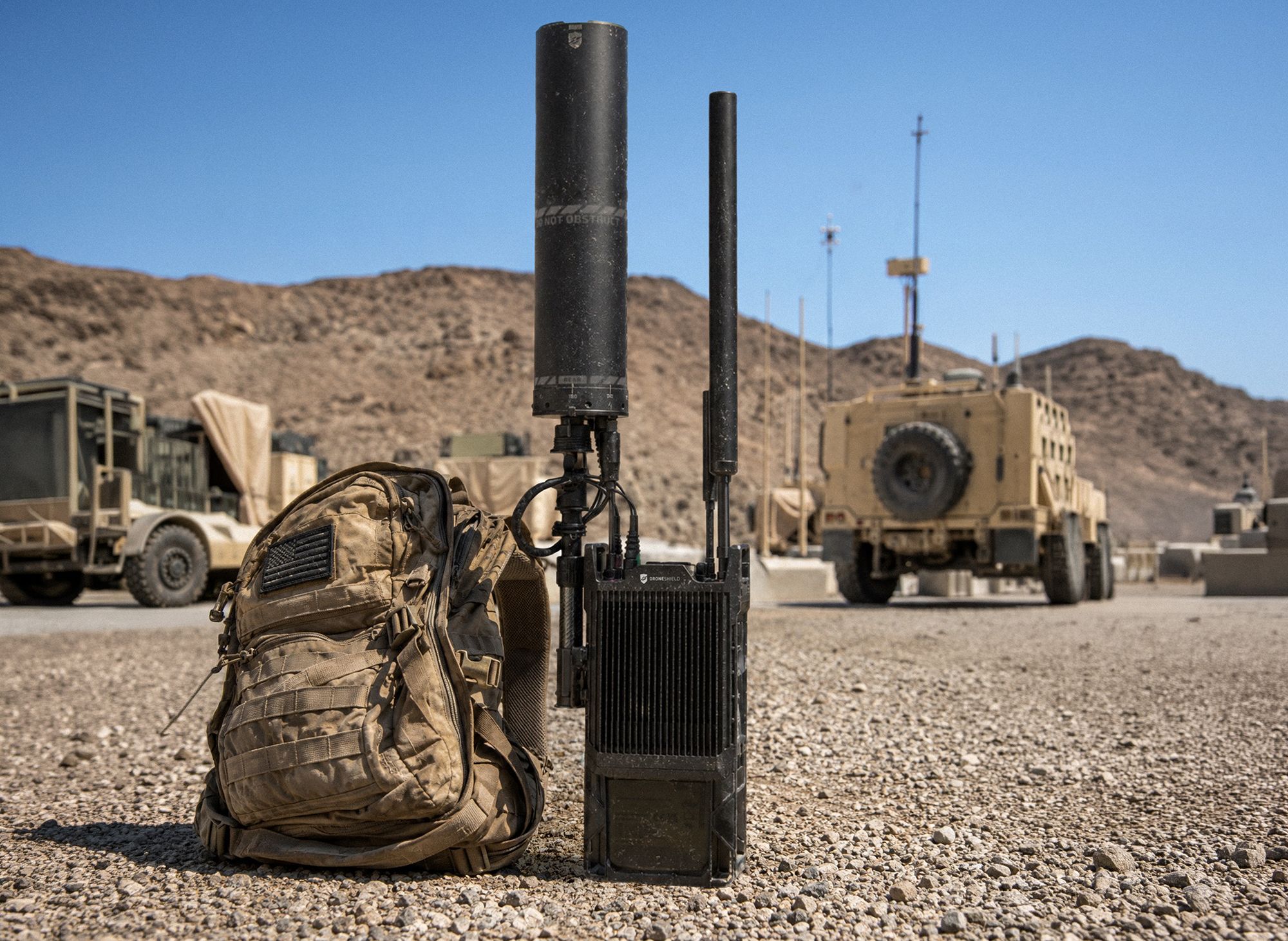 RfRecon, powered by RfAI-3 software, detects previously unknown RF activity in the electromagnetic environment surrounding today’s users
„The electromagnetic spectrum has become one of the most important sources of operational intelligence on the modern battlefield, but collecting data is no longer enough,” said Angus Bean, Chief Executive Officer of DroneShield. „The teams that gain the greatest advantage will be those that can rapidly understand what they’re seeing and confidently act on it. RfRecon reflects that shift by bringing RF intelligence directly to the tactical edge.”
RfRecon was designed to operate as part of a layered defense architecture, extending RF intelligence from the tactical edge to command and control. The capability can be operated by dismounted personnel and mounted on vehicles, expeditionary platforms, and fixed installations, while its open architecture and support for industry-standard data transfer enable rapid integration with existing military and security ecosystems.
RfRecon works with tools already relied upon by operators, including the Android Team Awareness Kit (ATAK) ecosystem, external command-and-control platforms, and complementary sensor technologies. It can also form part of layered counter-UAS architectures incorporating cyber takeover and kinetic defeat capabilities. Whether deployed as a standalone system or integrated into broader architectures, RfRecon will help users build a more complete understanding of activity across the electromagnetic environment. RfRecon will continue to benefit from improvements introduced through DroneShield’s software development roadmap, giving customers access over time to future enhancements in RF intelligence capabilities.
“The RfRecon is not another radio frequency sensor. This is an AI enabled intelligence platform designed to counter tomorrow’s threats.” – Angus Bean, CEO, @DroneShield#RfRecon #CounterUAS #CUAS #DroneShield pic.twitter.com/c0Iahx2Cps
— DroneShield® (ASX:DRO) (@DroneShield) August 12, 2026
The electromagnetic perimeter is now as critical as the physical one.
As drones proliferate and extend their reach, the gap between periodic and persistent RF monitoring is where adversaries operate.
Read: https://t.co/FPSl0lPcS9#CUAS #DroneDetection #RFIntelligence #RfRecon— DroneShield® (ASX:DRO) (@DroneShield) August 10, 2026
See also: