





















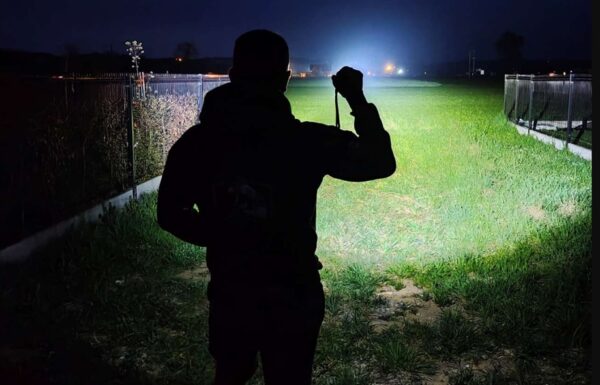


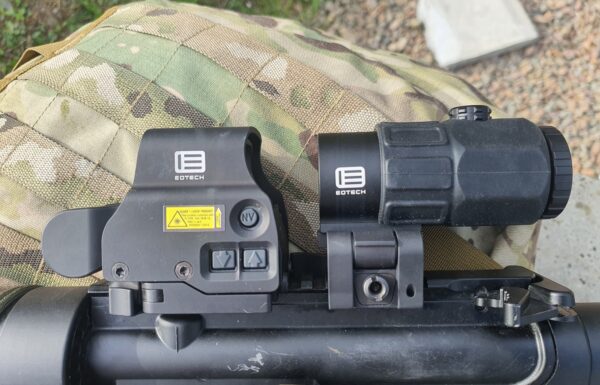


On Wednesday, August 19, 2026, German defense group Rheinmetall AG and Hensoldt announced in separate press releases that, during the German Air Force’s Timber Express 2026 exercise in Manching, Bavaria, they demonstrated the effectiveness of the Twinvis passive radar integrated into the architecture of a modern air defense system.
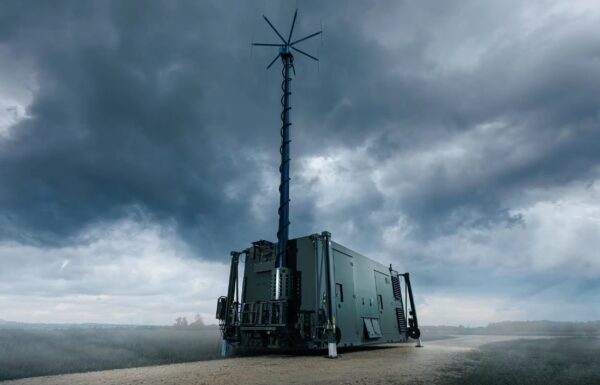
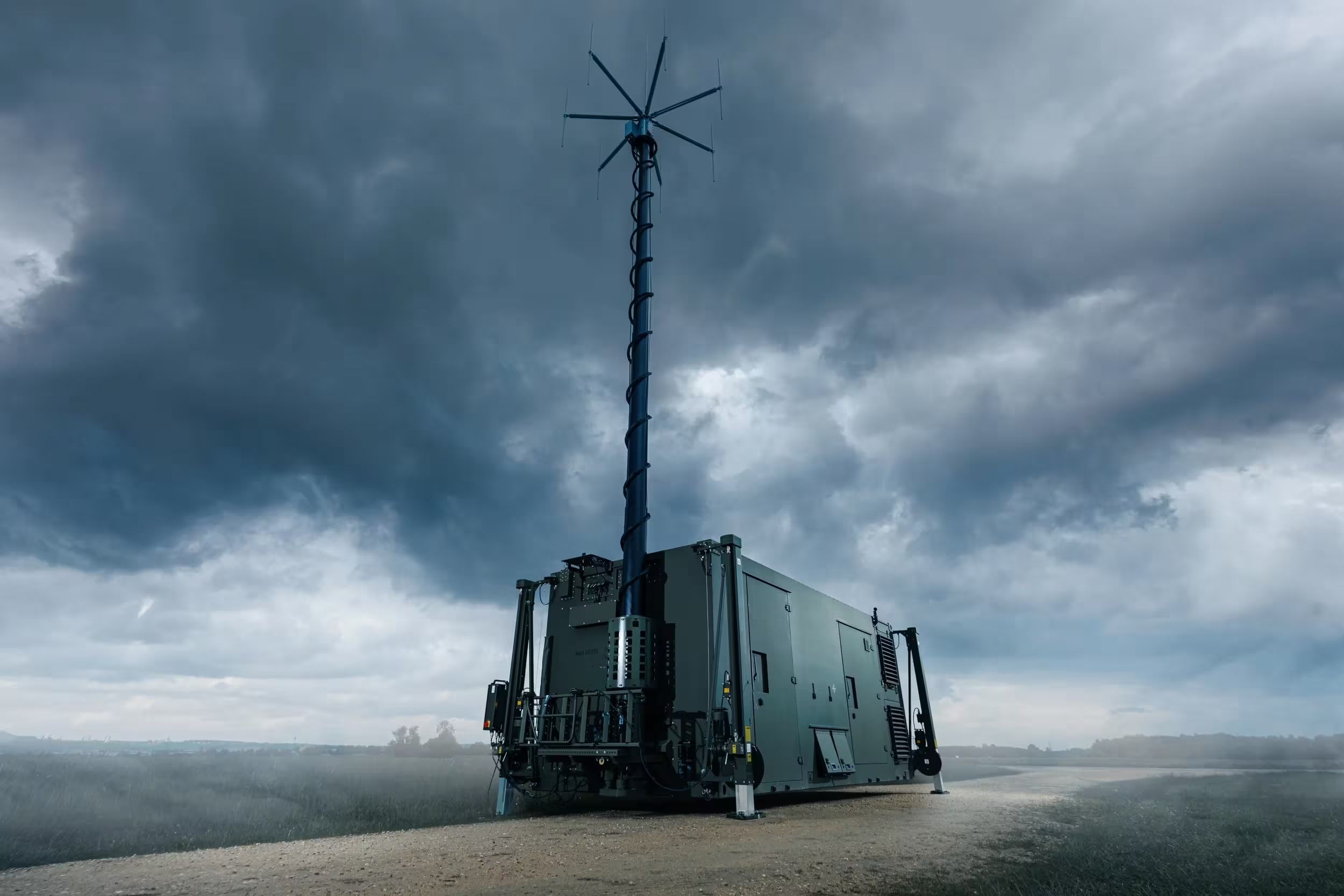 Twinvis passive radar / Photo: Hensoldt
Rheinmetall Air Defence, a subsidiary of Rheinmetall, and Hensoldt have achieved a milestone in the development of future network-centric air defense. During the German Air Force exercise, the air picture generated by Hensoldt’s Twinvis passive radar was successfully integrated with Rheinmetall’s Skymaster C2 command-and-control and air-target engagement system, equipped with an electro-optical sensor head, which controlled a battery of the 35 mm Oerlikon Skynex air defense system deployed as part of the exercise scenario.
The integration took place under realistic NATO network-centric conditions and demonstrated the high flexibility and open architecture of the Skymaster system. A common air picture could be generated by fusing and correlating sensor data within the NATO Link 16 communications network. Hensoldt’s passive radar demonstrated excellent performance in detecting and tracking aerial targets. This confirms the high operational value of modern passive sensor technology in air defense. Twinvis is a passive radar based on the latest digital technology and can be used for wide-area military airspace surveillance or civilian air traffic control.
Of particular note is Skymaster C2’s ability to combine active and passive radar sensors with electro-optical sensors to generate a comprehensive air picture within a network-centric air defense architecture. This creates new opportunities for reliable, low-emission airspace surveillance in line with modern emissions control (EMCON) concepts, while at the same time improving situational awareness for the protection of high-value infrastructure, critical facilities, and mobile military units.
The demonstration highlights the future viability of distributed and interconnected sensor networks and illustrates how passive sensor technologies can effectively expand and complement existing air defense systems. In addition, passive systems increase network survivability by avoiding a readily detectable emissions signature. These findings provide an excellent basis for integration with fixed Skynex systems, mobile Skyranger 30/35 solutions, and modern counter-UAS systems such as Skyspotter.
The success of the test was made possible by close and constructive cooperation between the participating organizations: the German Air Force, the exercise management team, and expert teams from Rheinmetall Air Defence and Hensoldt. Together, they achieved high-quality integration in accordance with NATO standards in a demanding technical environment, making an important contribution to the continued development of modern integrated air defense capabilities.
▶️Rheinmetall and Hensoldt demonstrate successful integration of passive sensor technology into a modern air defence systemhttps://t.co/SfAqvyFKYg pic.twitter.com/1hb6GlvGRV
— Rheinmetall (@RheinmetallAG) August 19, 2026
During the German Air Force’s Timber Express 2026 exercise, the air picture generated by @HENSOLDT‘s #Twinvis passive radar was successfully integrated into @Rheinmetall’s #Skymaster command and weapon engagement system. Read more: https://t.co/BsX8DhE84f #TimberExpress pic.twitter.com/h9vPDy6dGZ
— HENSOLDT (@hensoldt) August 19, 2026