

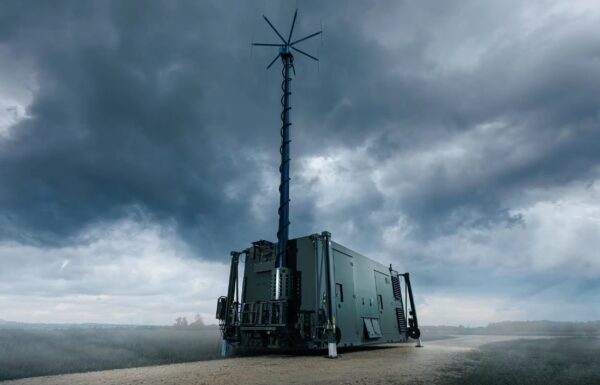

























On Tuesday, June 30, 2026, the US Army Contracting Command (ACC) from Redstone Arsenal in Alabama, on behalf of the US Department of Defense, signed a framework contract with a maximum value of USD 2,998,742,163 with Lockheed Martin for the serial production and operational support of upgraded AN/MPQ-64 Sentinel A4 radar systems featuring an Active Electronically Scanned Array (AESA) antenna.
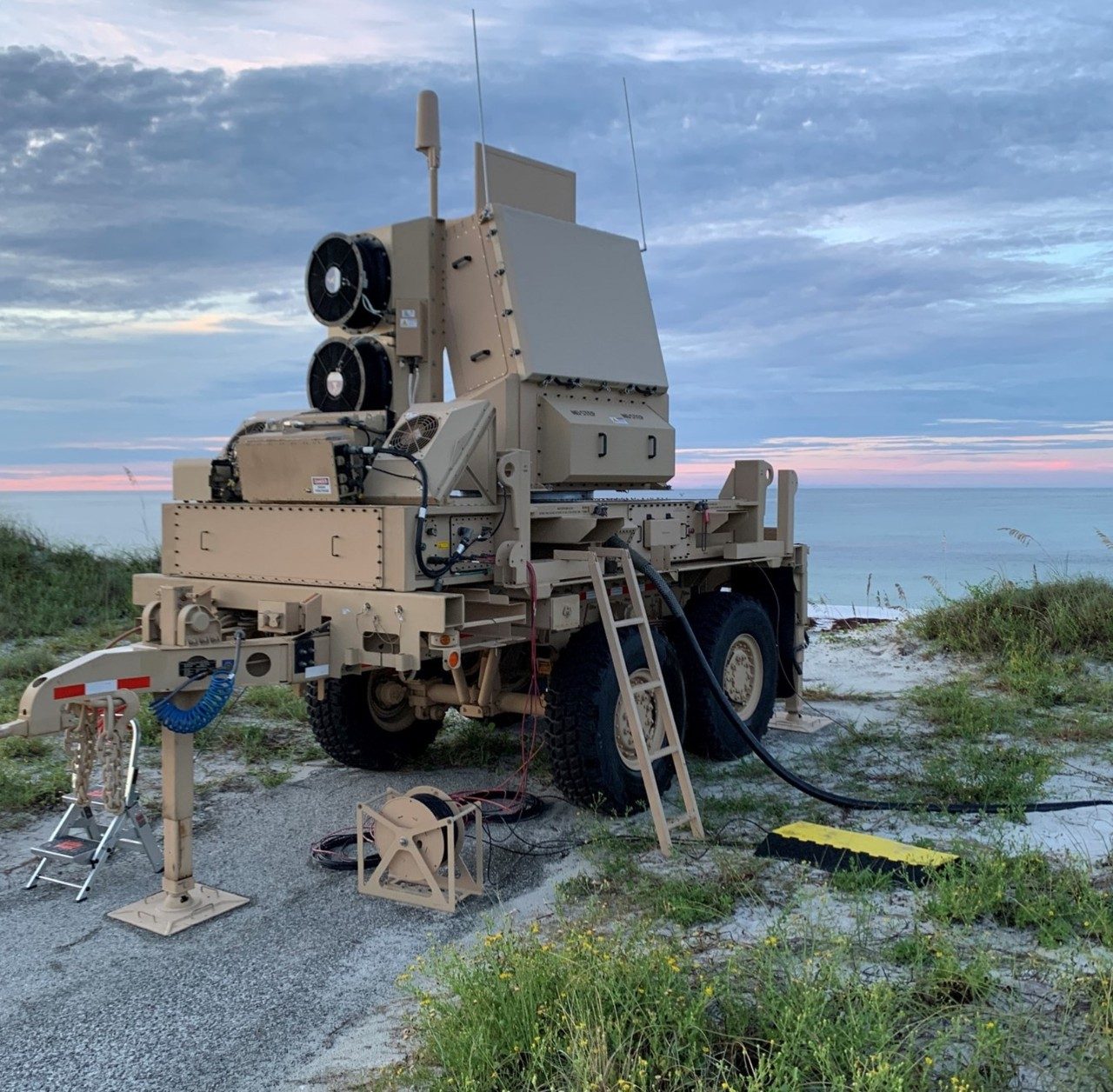 Photo: Lockheed Martin
The place of performance and funding will be determined with each individual delivery order. The estimated completion date is June 29, 2031.
Previously, on March 17, 2025, a contract worth 213,001,070 USD was awarded for Low-Rate Initial Production (LRIP) of these radars. The contract, which will expire on September 13, 2027, provides for the delivery of an unspecified number of Sentinel radars and spare parts kits. Work is being performed in Liverpool, New York.
It is worth noting that the first batch of 18 units was ordered on September 25, 2019, for a value of 281,076,408 USD, with deliveries through the end of March 2026. Deliveries began in August 2022, ahead of the contractual deadline, and covered 5 radars. Following a series of initial tests at the White Sands Missile Range in New Mexico in April 2023, which yielded positive results, a Milestone C decision was issued to initiate low-rate initial production. Comprehensive testing is expected to conclude in 2027.
The Sentinel A4 is equipped with an X-band AESA antenna with a new transmitter, electronic subsystems, and power and cooling systems. The radar is transported on a two-axle trailer for FMTV 6×6 tractors. The system interface is compatible with the Integrated Battle Command System (IBCS).
In accordance with the contracting authority’s requirements dated January 10, 2018, the upgraded radars, which are to replace the older AN/MPQ-64 Enhanced Sentinel A3, were required to increase the radar’s instrumented detection range by at least 75% to over 130 km, triple the number of searches, and double the number of tracks. The upgraded radar was also required to operate in environments of heavy electromagnetic jamming, as well as the influence of environmental factors such as mountains, bodies of water, and urban agglomerations.
The radar’s design drew on experience with the AN/TPY-4(V)1 long-range air surveillance systems developed for the US Air Force (USAF) under the 3DELRR (Three-Dimensional Expeditionary Long-Range Radar) program and for export (so far to Norway, Sweden, and Denmark).
The AN/MPQ-64 Sentinel A4, with a total planned order of 240 units, will work in conjunction with 400 planned Enduring Shield anti-aircraft launchers, as well as launchers of the NASAMS (National Advanced Surface-to-Air Missile System), which is responsible for the protection of Washington and the air defense of Guam.
Interestingly, RTX corporation developed the competing GhostEye MR radar, which in 2024 underwent trials conducted by the US Department of Defense.