















On Monday, July 6, 2026, Canadian Prime Minister Mark Carney announced during a waterfront press conference in the port of Halifax, Nova Scotia, that Germany’s TKMS had been selected for the Canadian Patrol Submarine Project (CPSP), offering 12 conventional U212CD-design submarines. The decision rejects the competing bid from South Korea’s Hanwha Ocean, based on the KSS-III Batch II design.
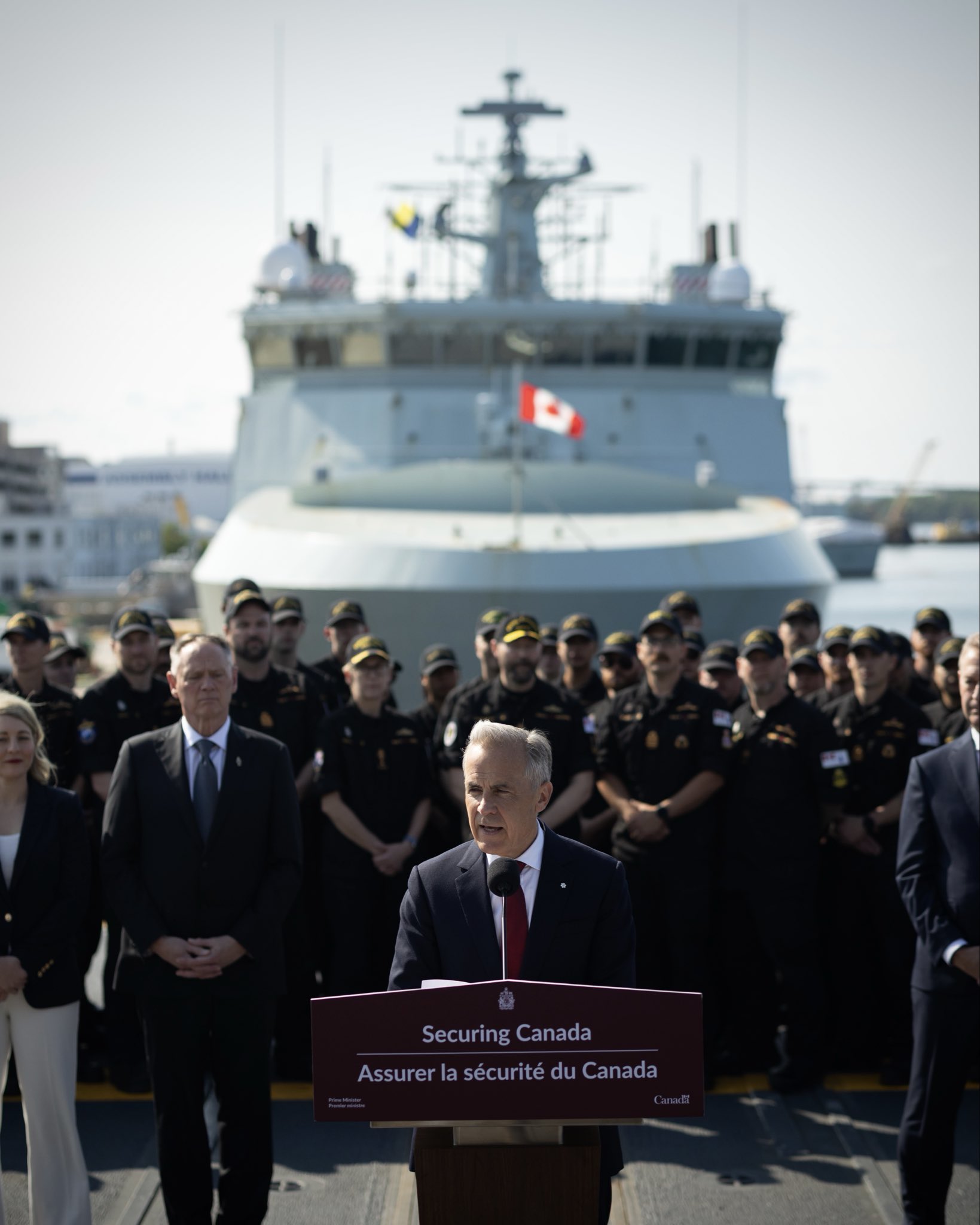 Photo: Mark Carney via X
“Our government campaigned on the promise we would fix Canada’s chronic defence procurement problems. Today’s announcement is another important step in that direction,” – said Canadian Prime Minister while announcing his decision. “Consistent with that strategy, this project is about much more than acquiring submarines. It builds Canadian industrial capacity. It is a partnership with Canadian companies and workers. It creates sovereign sustainment, meaning Canada will maintain and support these capabilities for generations, maximising the long-term economic impacts across Canada.”
TKMS has been named the preferred supplier to begin contract negotiations covering the technical, operational, and economic elements of the program. The contract must be negotiated and signed no later than the end of 2027, although according to the Prime Minister, this could be completed within a few months. The first four submarines are expected to be delivered by 2034, before the planned retirement of the four Upholder/Victoria-class diesel-electric submarines: HMCS Victoria (SSK 876), Windsor (SSK 877), Corner Brook (SSK 878), and Chicoutimi (SSK 879), which is planned for the mid- to late 2030s.
“In the event that negotiations with TKMS are unsuccessful, Canada retains the right to designate Hanwha Ocean, currently the reserve supplier, as the preferred supplier, and enter negotiations with them,” – added Prime Minister Carney. “This was a difficult, close decision between two highly qualified suppliers. Both the TKMS and Hanwha platforms met the capabilities of the Royal Canadian Navy, and both bidders put forward strong proposals to maximise benefits for Canadian workers and businesses.”
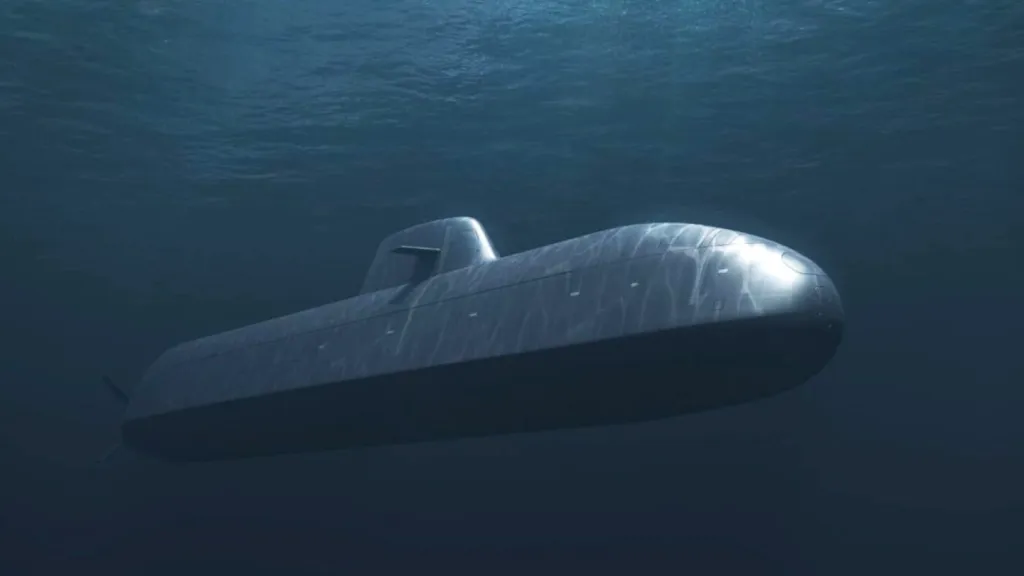 Images: TKMS
“As dynamic, reliable, like-minded democracies, Germany, Norway, and the Republic of Korea are each critical strategic partners to Canada in this new world. In the end, this decision was about choosing the absolute best platform and partnership to meet Canada’s combined strategic, security, and economic interests,” – Mark Carney concluded before his flight to NATO summit in Ankara.
On July 10, 2024, Canada’s Department of National Defence announced the long-awaited launch of the CPSP program, and Requests for Information (RFIs) were sent out between September 2024 and February 2025. On August 26, 2025, two bidders, TKMS and Hanwha Ocean, were shortlisted and received bid instructions in November. Final offers were submitted in March this year and were reviewed until April 29. The program is managed by the Defence Investment Agency, established on October 2 last year.
The first information about plans to launch a procurement program for new submarines was announced on April 9, 2023. At the time, it was estimated that acquisition and implementation, expected to take 15–25 years, would cost around 60 billion CAD. According to current statements, the Canadian side expects to close the contract at 24 billion CAD.
The key requirements included quiet underwater operation, combat capabilities, autonomy, and the ability to carry out missions in the Arctic, meaning the submarines must have greater range and increased underwater endurance.
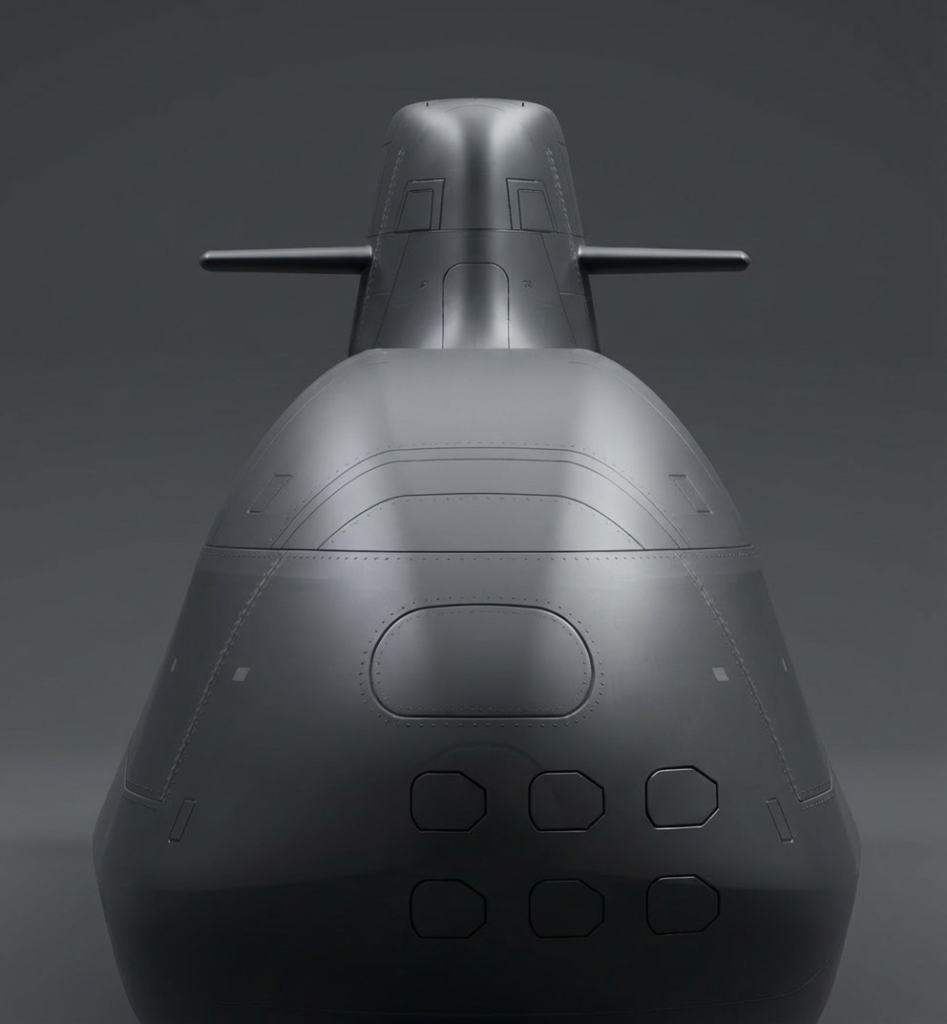
TKMS is partnered with Norwegian industry, as submarines of this type are currently being built for Germany, which initially ordered two boats and later increased the order to six, and Norway, which increased its order from four to six. The offer is expected to generate 167 billion CAD in total economic activity across Canada, provide more than 86 billion CAD in economic impact, and support more than 650,000 person-years of work across Canada over the life of the program. TKMS says it can deliver the first submarine by 2033.
“This is an important day – for Canada, Germany and Norway,” said Oliver Burkhard, CEO at TKMS. “With the CPSP, we are proud to take on the largest single order in the history of TKMS – and with it comes a clear promise: we will deliver. The CPSP is more than a procurement program; it is the foundation of a long-term strategic partnership between trusted allies. Together with Canada, we are taking the next step as NATO partners – built on trust, shared values and a common commitment to defence. We stand ready to work alongside the Government of Canada, Canadian industry and our partners in Germany and Norway to deliver a world-class submarine capability that will strengthen security, create economic opportunity and generate lasting benefits for future generations. Last year our independence marked the beginning of a new era for TKMS. The CPSP is the next chapter of that journey. Canada will benefit from the full force of the current unique European program – the combined strength of Germany and Norway, united in purpose, and committed to delivering the very best and to create a new kind of transatlantic coalition.”
Dr. Volkmar Dinstuhl, Chairman of the Supervisory Board at TKMS:
“Canada’s trust in Team 212CD is testament to TKMS’s international competitiveness. This is a very important demonstration of NATO’s capacity to act and the capabilities of the German and European defence industries. The fact that Canada is committing to a joint submarine capability with the 212CD together with Germany and Norway underlines the strong and trustful security and industrial cooperation between close allies. With this decision, TKMS confirms its role as a reliable strategic partner for maritime security worldwide. A good day for Canada, Germany and Norway. A good day for TKMS as a leading maritime powerhouse.“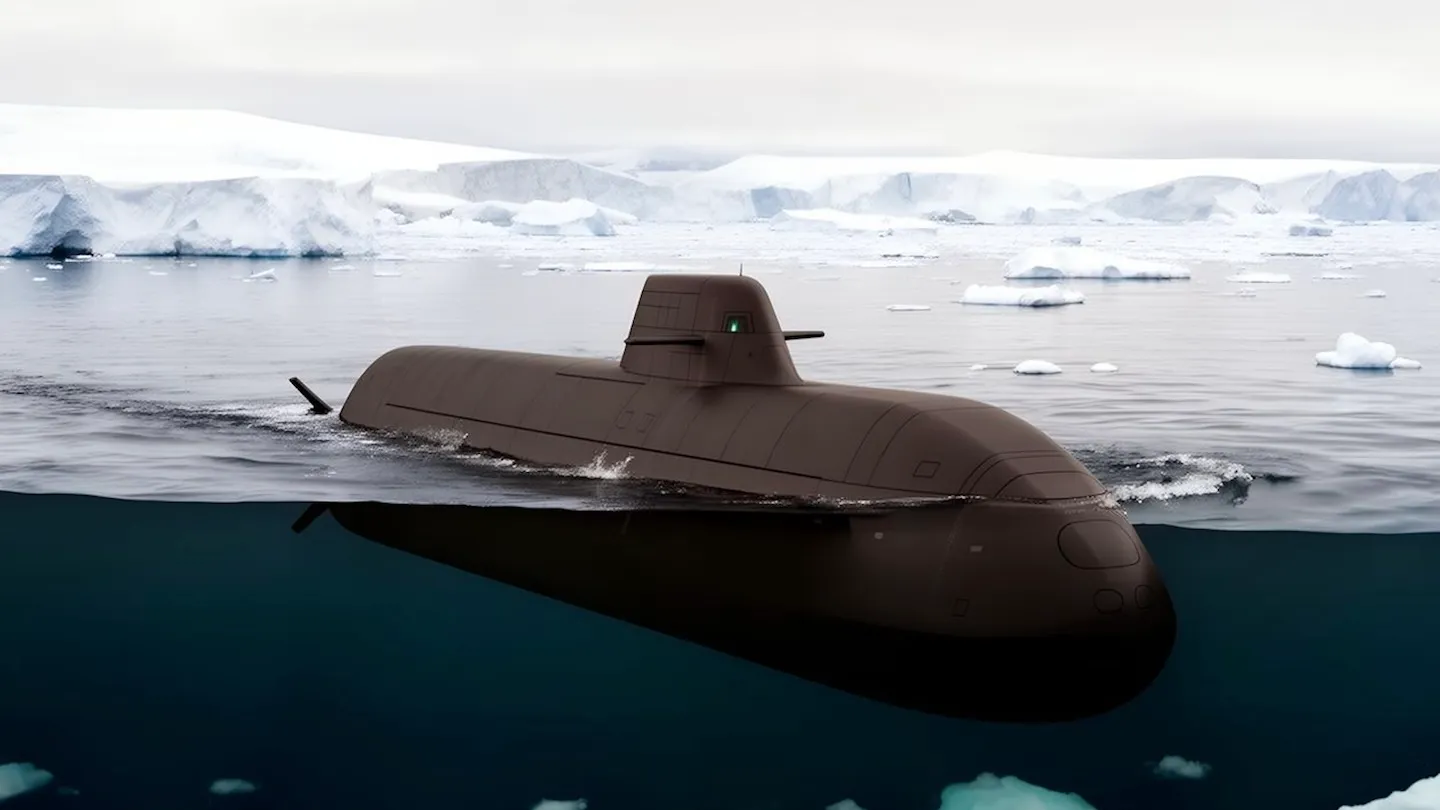
“Canada’s decision in favour of Team 212CD is a tremendous success for TKMS – and a powerful validation of our strategy. With the spin-off of TKMS, we laid the foundation for the company to unfold its full potential as an independent champion in the international naval business. Today’s announcement proves that this was the right path. We are convinced that this trilateral partnership between Canada, Germany and Norway will create lasting value – for TKMS, for our shareholders and for the transatlantic security architecture. thyssenkrupp stands firmly by TKMS’s side as the company takes this important step,” said Miguel López, CEO of thyssenkrupp AG.
U212CD
The submarines will be equipped with new sensors, an improved HDW/Siemens PEM FC (Polymer Electrolyte Membrane Fuel Cell) air-independent propulsion (AIP) system, lithium-ion batteries, and the new Kongsberg ORCCA combat management system. The submarines will be 73 meters long, 10 meters in diameter, and 13 meters high overall, including the sail, while their internal volume will amount to 2,500 cubic meters. They will therefore be larger than the Type 212A, which is 56 meters long in the first batch and 57.2 meters in the second batch, with a diameter of 6.8 meters. Maximum speed will exceed 20 knots.
The submarines will receive Hensoldt OMS 150 and OMS 300 optronic masts with the i360°OS panoramic surveillance system, SA9510S MkII sonar for navigation and obstacle avoidance, including minefields, EM2040 Mil and EA640 echo sounders for navigation close to the seabed, and four 533 mm tubes for DM2A4 heavyweight torpedoes and IDAS (Interactive Defence and Attack System for Submarines) missiles. The submarines will also receive the new ORCCA combat management system.
Right now, only 1 of Canada’s submarines is seaworthy.
With the longest coastline in the world, Canada’s security depends on our ability to defend our waters. It’s time to build a new fleet. pic.twitter.com/VGq4Dxo13t
— Mark Carney (@MarkJCarney) July 7, 2026
Learn more:https://t.co/jEXMYv2lwE
— Mark Carney (@MarkJCarney) July 6, 2026