








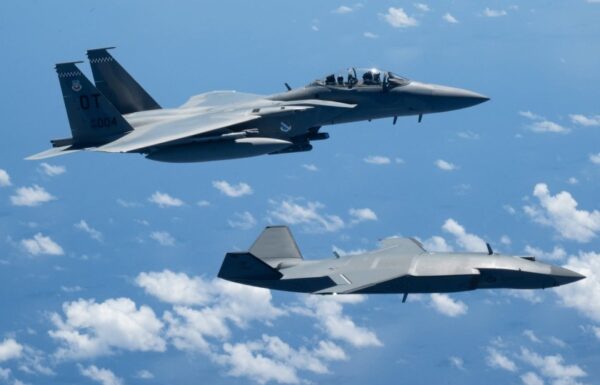

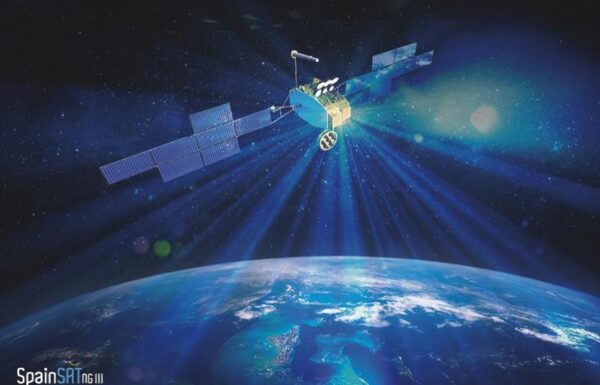











On Friday, July 3, 2026, Edgewing, a joint venture, announced that it had received an 18-month contract worth 4.6 billion GBP from the Global Combat Air Programme International Government Organisation (GIGO, or GCAP Agency). The contract covers completion of the advanced concept and assessment phase and further detailed design and development work under the UK-Italian-Japanese GCAP program to develop a sixth-generation multirole aircraft.
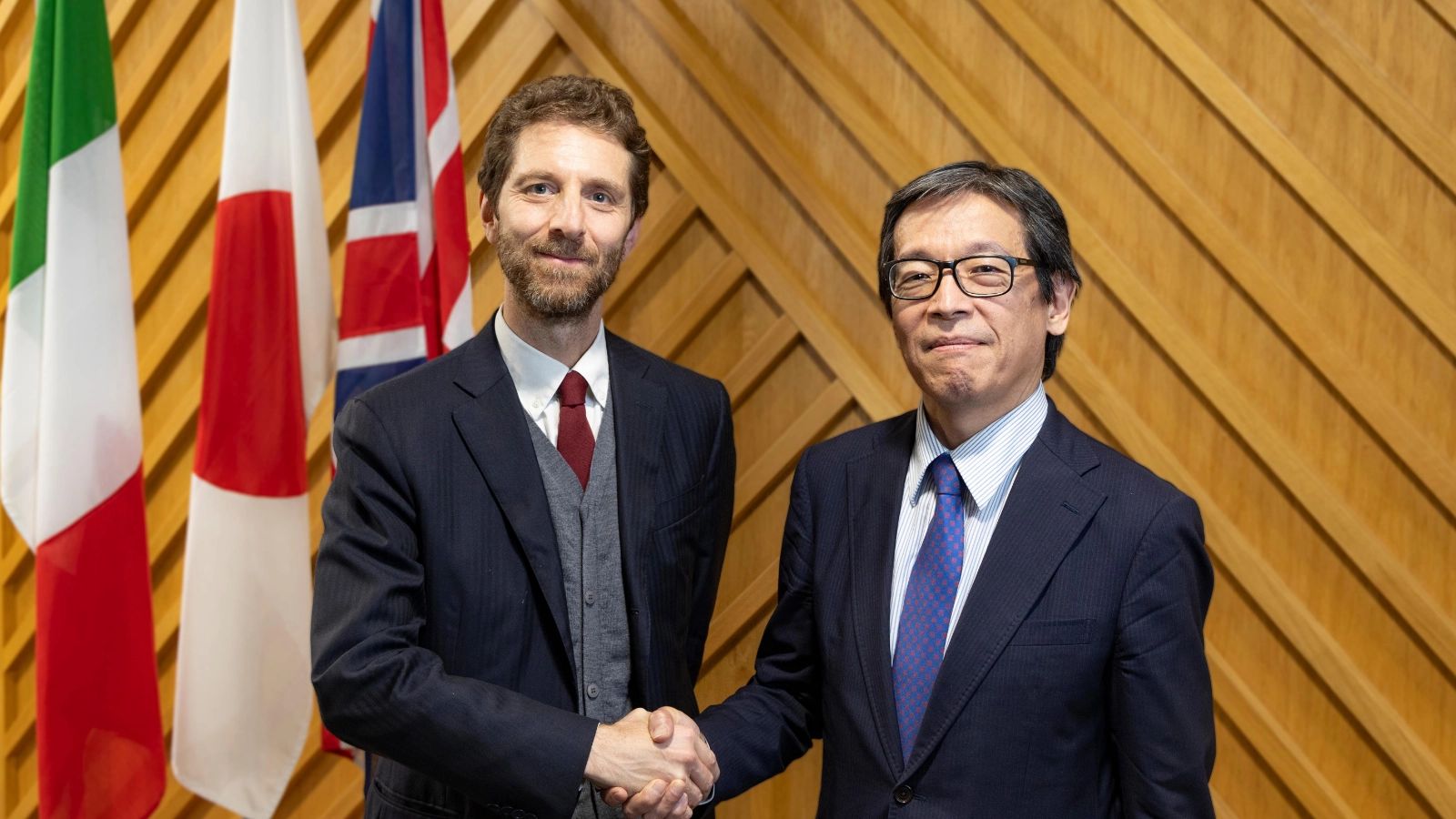 Photos: Edgewing
The award of this contract marks another major milestone for the program, underscoring the pace of progress and strengthening GCAP’s position as a flagship example of innovative defense cooperation. Funded jointly by the three countries, the contract will drive the next phase of key design and engineering activities under the program. This long-term investment reflects the confidence, unity, and momentum behind this highly important defense partnership.
It is the second joint international contract awarded to Edgewing by the GCAP Agency, following the first, worth 686 million GBP, which was signed on April 2, 2026.
„I am delighted to sign this international contract on behalf of the three GCAP nations – Italy, Japan and the UK. It will enable the GCAP Agency and Edgewing to continue making huge progress in all areas of delivery. The programme is vital for global security and defeating future threats, while sharing costs, technological advantages and creating highly skilled jobs in all three nations. With this long-term funding, the future of GCAP has never been more assured. I am excited about what we will achieve over the next 18 months and the opportunities we can create to grow the programme further,” ‒ said Masami Oka, GCAP Agency Chief Executive.
The GCAP program is being carried out by the Edgewing joint venture, composed of BAE Systems of the United Kingdom, Leonardo of Italy, and Japan Aircraft Industrial Enhancement Co. Ltd. of Japan, and is overseen on behalf of the participating governments by the coordinating body known as the Global Combat Air Programme International Government Organisation, currently referred to as the GCAP Agency. One year after its establishment, Edgewing brings together world-class expertise from different countries to drive rapid progress and provide an efficient, unified mechanism for delivering the GCAP program.
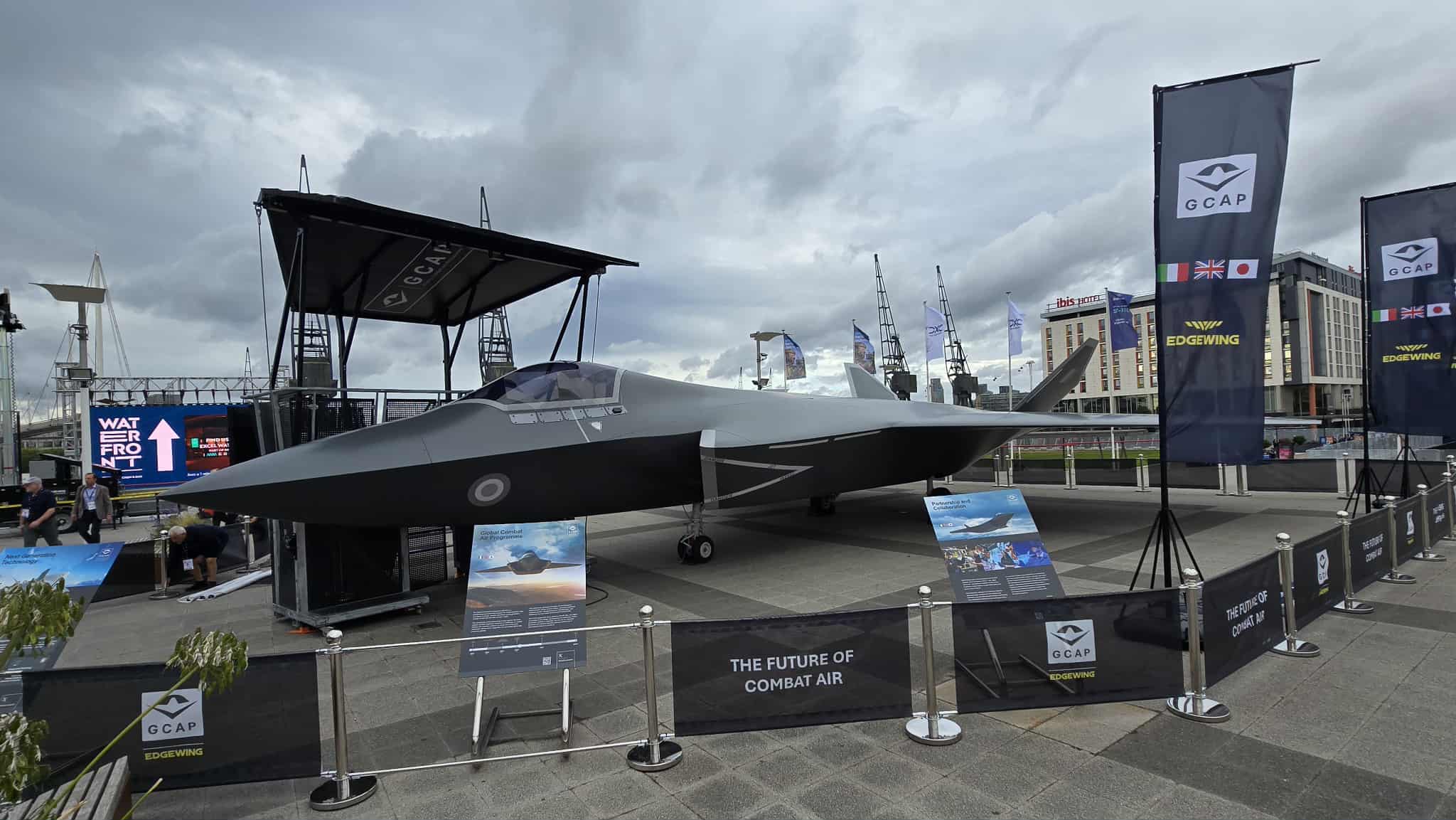 Photo: Jakub Link-Lenczowski, MILMAG
Edgewing is responsible for the design, development, and delivery of the next-generation combat aircraft, targeting 2035, and will remain the design authority for GCAP throughout its service life, which is expected to extend beyond 2070.
„This contract represents the trust placed in us by all three nations and our GCAP Agency partners, trust fostered by the rapid progress made under the first international contract. This momentum is being driven by our disruptive new model of defence collaboration: the first time that three countries have come together to create a single engineering prime, working on behalf of our national industries, with a single empowered customer. As we continue to ramp up operations and execute this next phase of the programme, I look with pride at the strides we have already made and with confidence at the future still to come,” ‒ added Marco Zoff, Edgewing Chief Executive Officer.
Broader implementation is supported by trinational industrial cooperation involving leading Italian, Japanese, and British companies. This includes the GCAP Electronics Evolution (G2E) consortium, which is developing an advanced sensor and communications system, and the power and propulsion consortium, which is working to provide increased range and endurance.
With teams from all three countries, GCAP will strengthen industrial capacity, support advanced design and manufacturing, and generate high-value jobs, intellectual property, and economic growth.
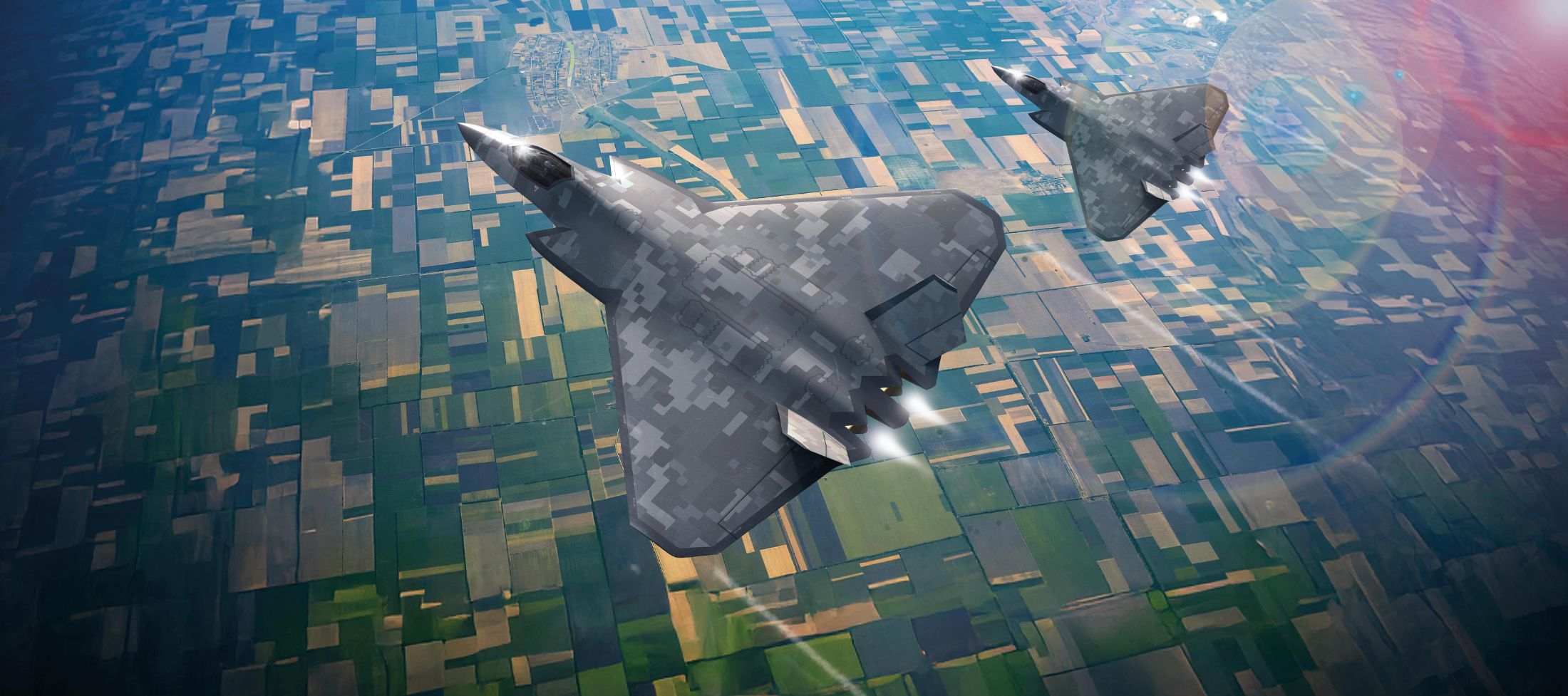 Image: Edgewing
Future GCAP technologies are already being tested. On December 9, 2024, Leonardo UK and 2Excel conducted the first flight of the Excalibur test aircraft, based on a Boeing 757, for the UK Ministry of Defence.
Interestingly, Poland has expressed interest in joining the program, as reported on March 19 this year by Deputy Minister of State Assets Konrad Gołota, who is responsible for oversight of state-owned defense industry companies. Saudi Arabia had previously expressed interest in joining, while other interested parties reportedly include Australia, Canada, and Portugal.
The GCAP program was launched on December 9, 2022, and replaced earlier national initiatives: the British Tempest and Japan’s F-X. The new aircraft is to replace the Eurofighter Typhoon aircraft currently operated by the United Kingdom and Italy, as well as Japan’s F-15J/DJ Eagle and F-2, while also complementing the F-35 aircraft now being introduced by all three countries. The program also assumes the development of an unmanned combat aerial vehicle, or so-called loyal wingman, together with its armament. Sweden had previously been interested in participating, but in 2023 Stockholm announced that it would instead develop a successor to the JAS 39 Gripen on its own.
In addition to the three companies mentioned as program leaders, Leonardo said in a separate press release that the subcontractors include Avio Aero of Italy, ELT Group of Italy, IHI of Japan, MBDA of Italy and the United Kingdom, Mitsubishi Electric of Japan, and Rolls-Royce of the United Kingdom.
In Europe, two alternatives to GCAP can be identified. Although the failure of the German-French-Spanish FCAS/SCAF/FSAC program was announced in early June this year, entities from Germany and Spain soon afterward announced a partnership called Team Gen 6. There is also Sweden’s KFS program (Konceptprogram Framtida Stridsflygsystem), codenamed Vägval, but GCAP is currently the most advanced and best-funded of these efforts.
We are proud to announce the signing of the second joint international contract, worth £4.6 billion, enabling the Global Combat Air Programme (GCAP) to forge forwards.https://t.co/CHZ2xSJTHN pic.twitter.com/KAdEGYZtOD
— Edgewing (@EdgewingLtd) July 3, 2026