

























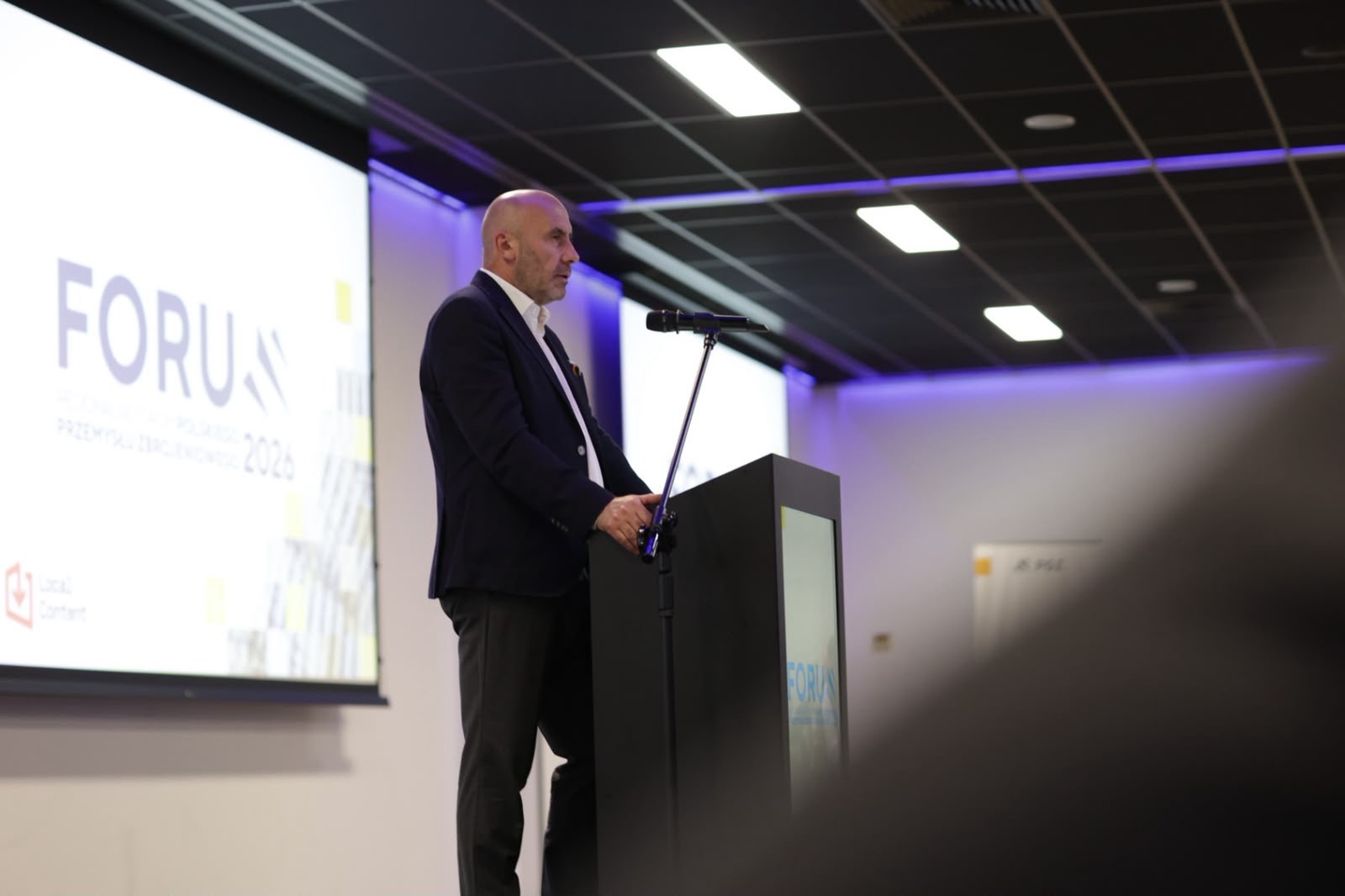
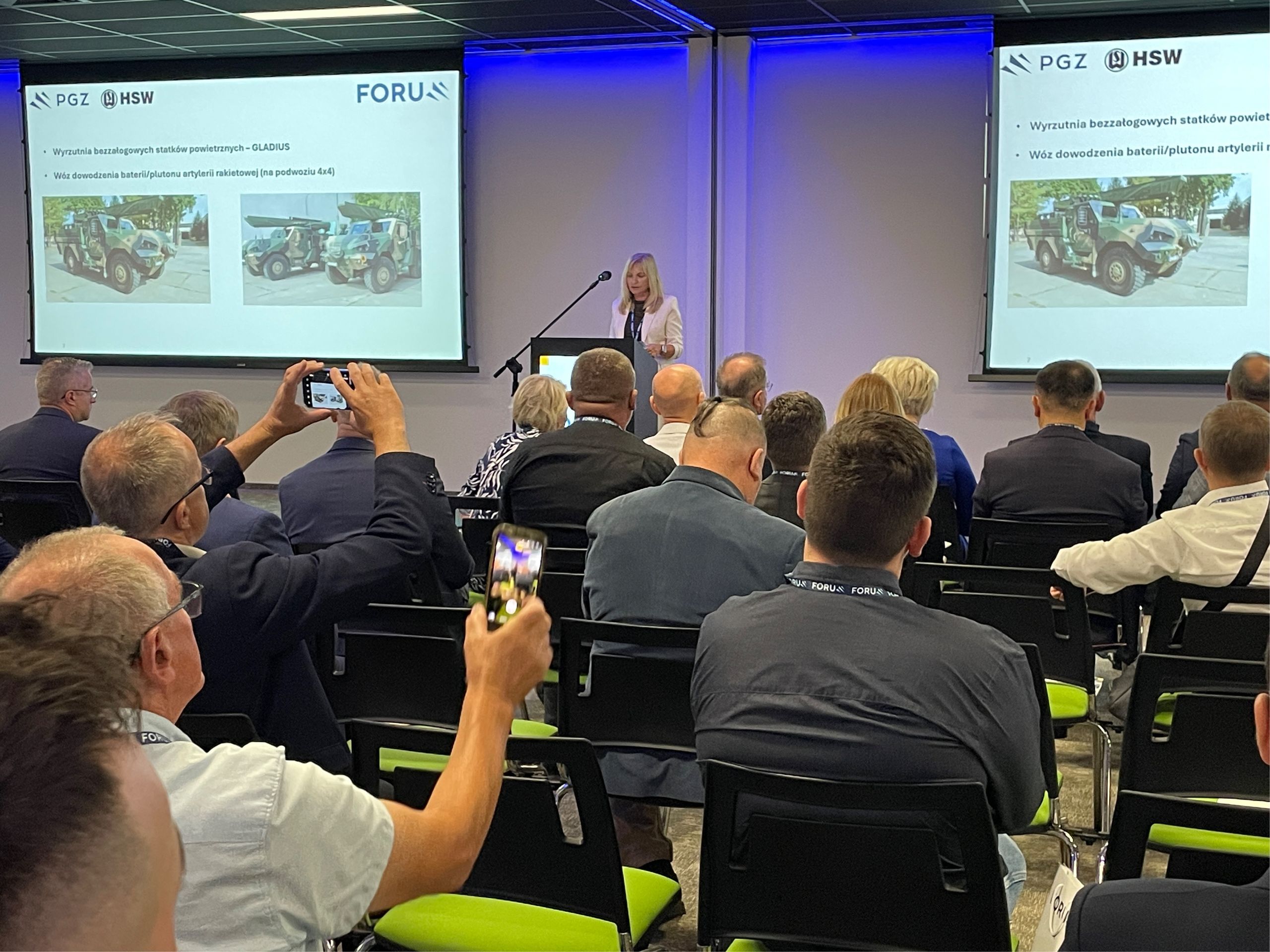
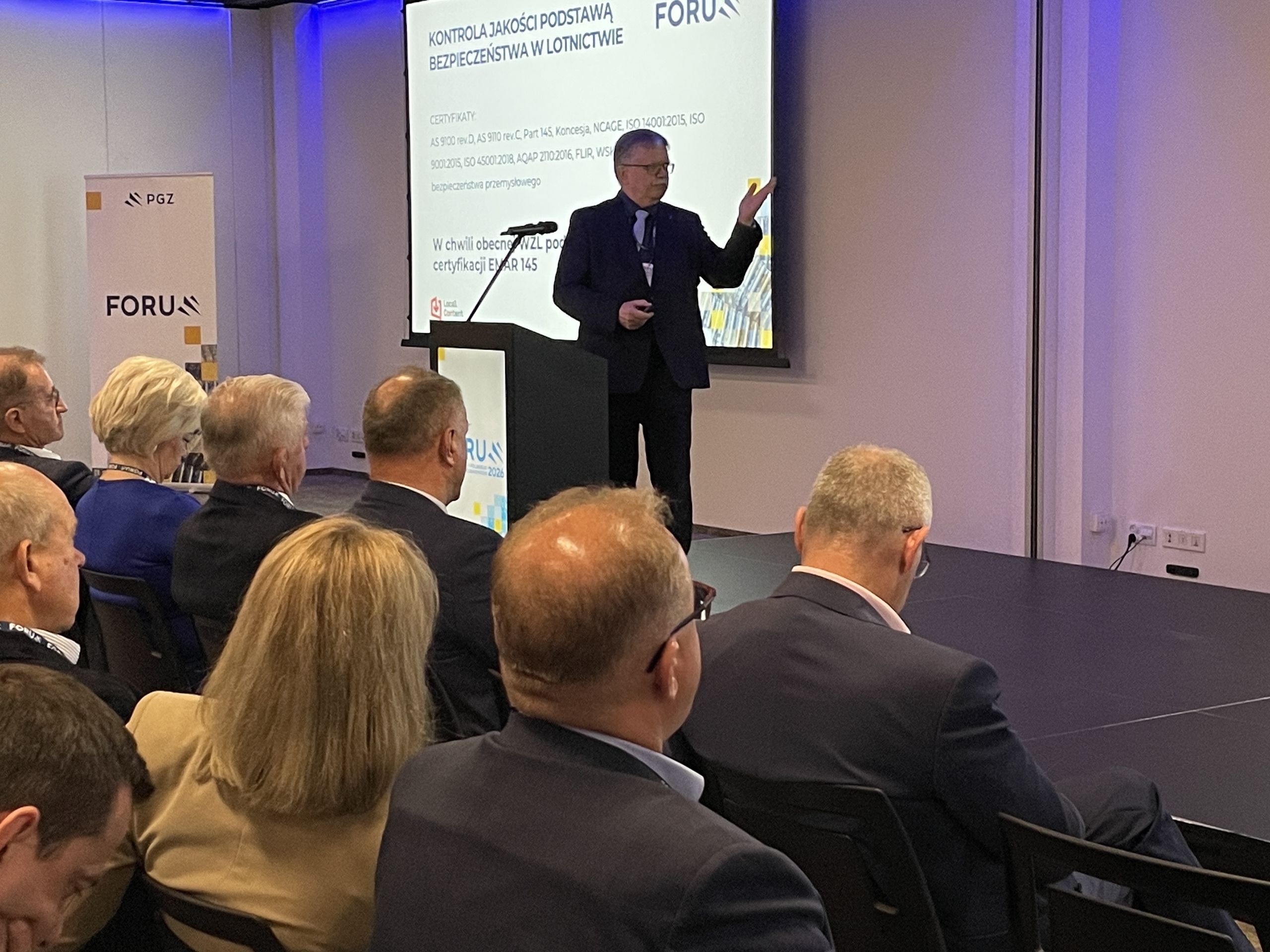
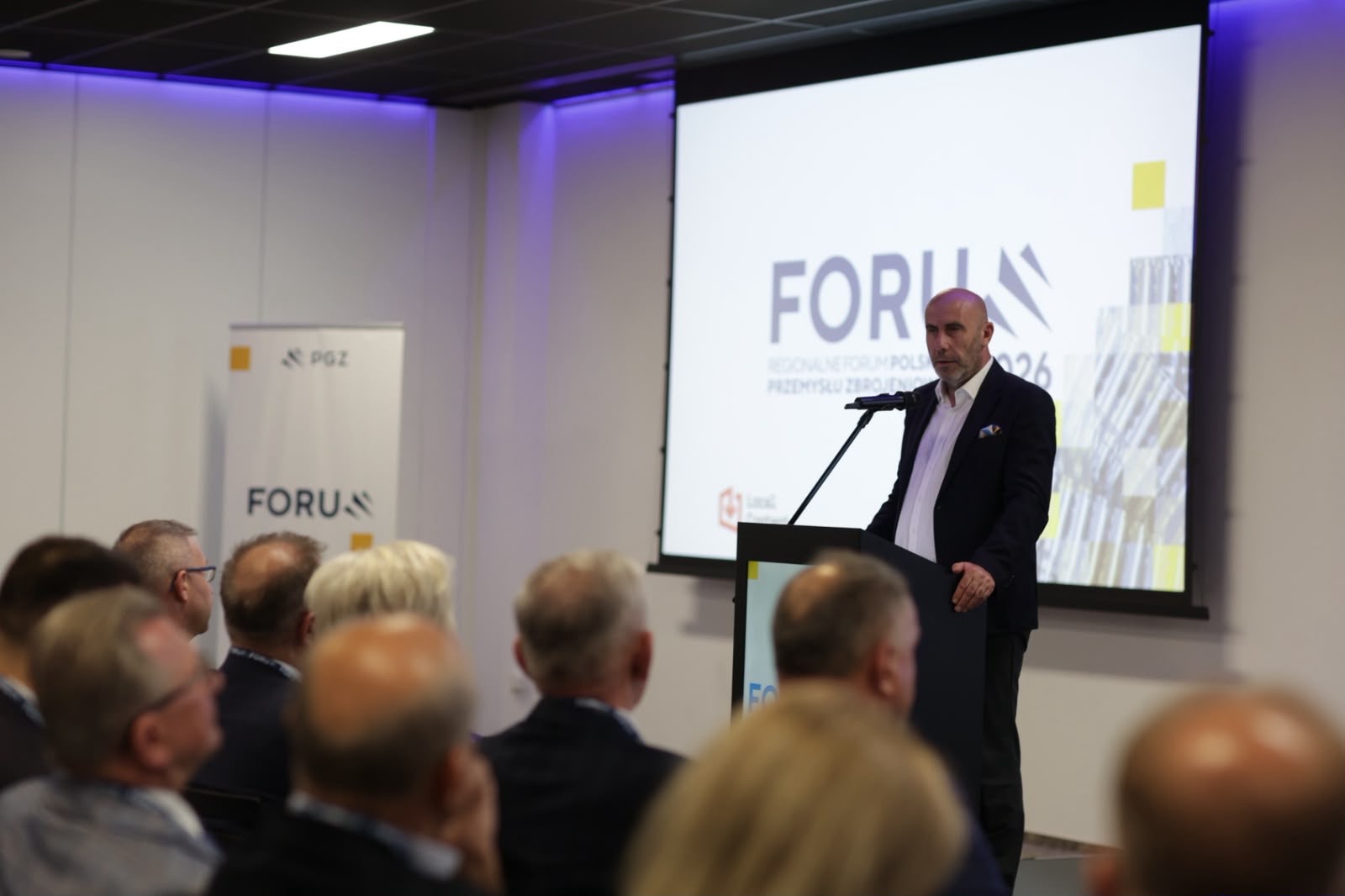
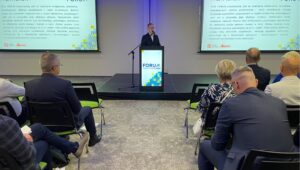

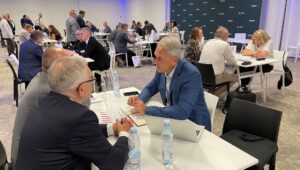
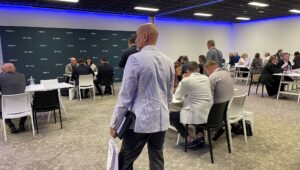
Photo: PGZ
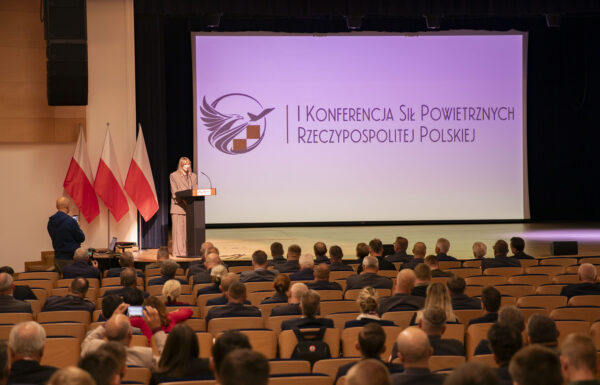
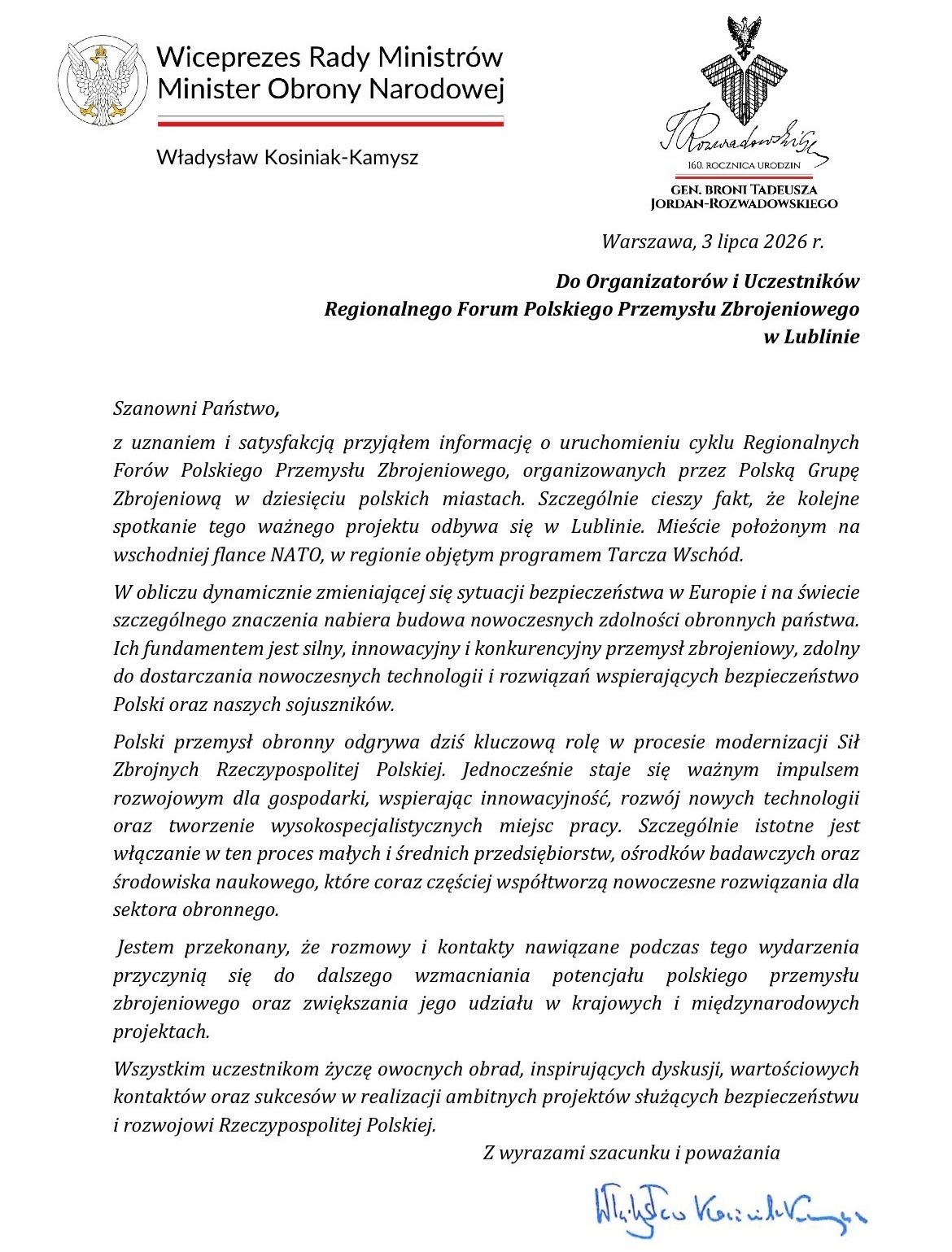
“It is particularly gratifying that another meeting of this important project is taking place in Lublin, a city located on NATO’s eastern flank, in a region covered by the East Shield program,” Deputy Prime Minister and Minister of National Defence Władysław Kosiniak-Kamysz, who has granted honorary patronage to the entire series of events, said in a letter. “Today, the Polish defense industry plays a key role in the modernization process of the Armed Forces of the Republic of Poland. At the same time, it is becoming an important development driver for the economy, supporting innovation, the development of new technologies, and the creation of highly specialized jobs. It is particularly important to involve small and medium-sized enterprises, research centers, and the scientific community in this process, as they are increasingly co-creating modern solutions for the defense sector,” he added.
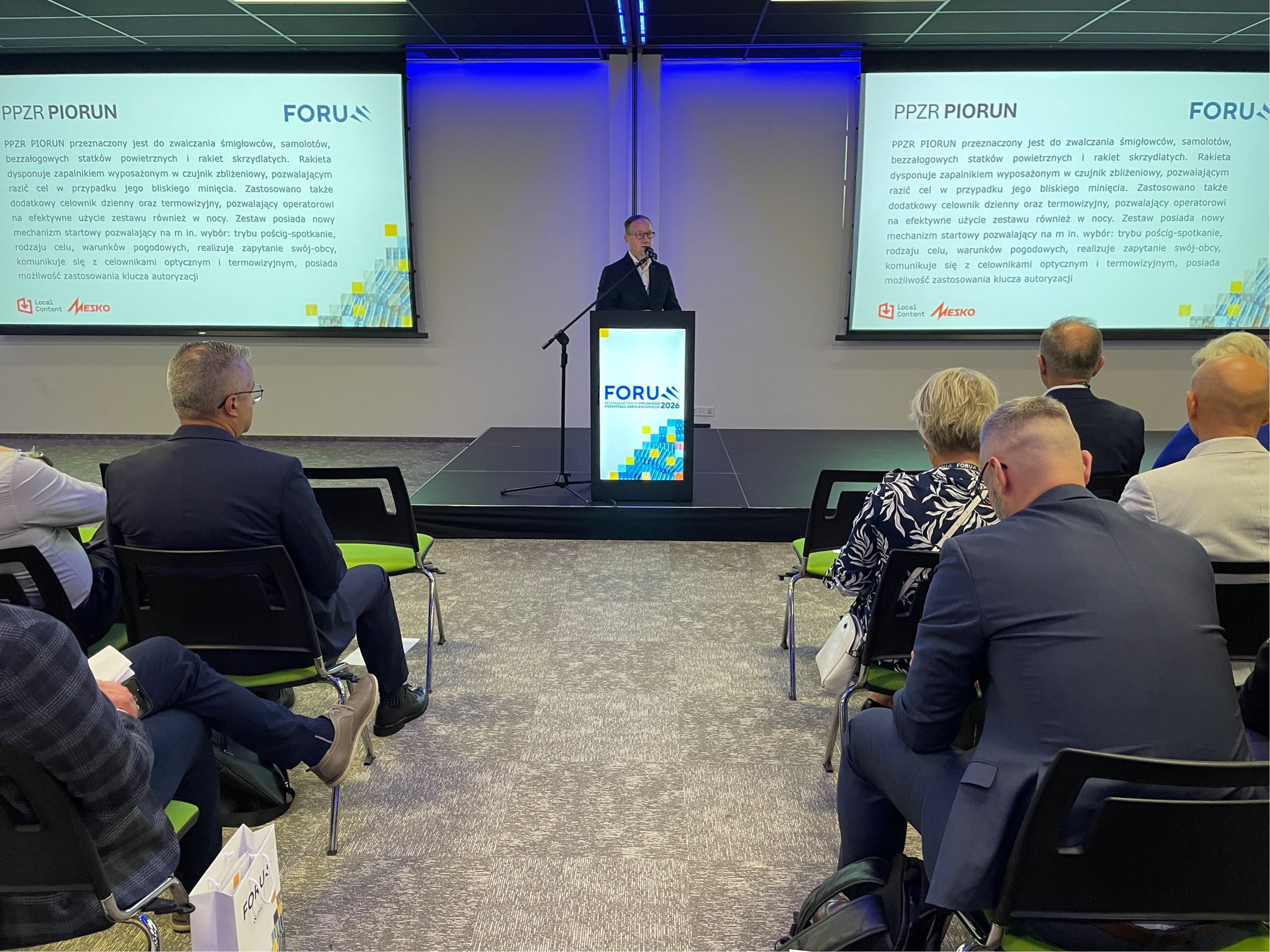
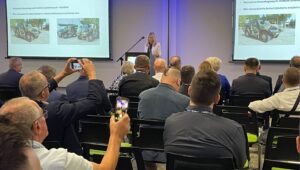
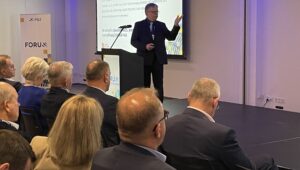
During the presentation part of the event, participants discussed, among other topics, security certification rules, the supplier qualification procedure, quality requirements, and currently sought components and services. The entrepreneurs in attendance were also presented with the terms of cooperation with PGZ Group.
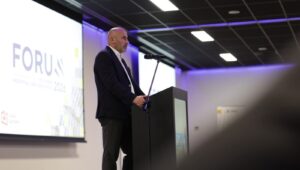
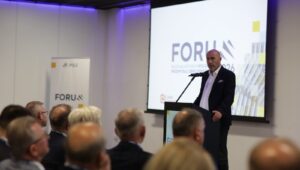
“We need a broad and efficiently functioning network of partners across Poland. Together, we have a chance to build more resilient national supply chains based on the potential of domestic entrepreneurs. We place strong emphasis on the development of dual-use technologies that can be used in both the civilian and defense sectors. We are taking on the role of integrator and helping companies adapt to the requirements of the arms industry. In this way, we are building sovereignty, understood in production, technological, and competence terms alike, while the idea of local content becomes not only an economic indicator, but a key part of building state resilience,” said PGZ President Adam Leszkiewicz.
In addition to PGZ, the event was attended by representatives of local PGZ Group companies: Wojskowe Zakłady Lotnicze Nr. 1 (WZL-1, Military Aviation Works No. 1), Dęblin Branch; Huta Stalowa Wola, Dęblin Branch; and Mesko, Kraśnik Department, as well as Karolina Hytrek-Prosiecka, Management Board Representative for the implementation of local content principles at Polska Grupa Zbrojeniowa.
The Dęblin Branch of WZL-1 provides comprehensive maintenance, repair, and modernization services for helicopters and trainer aircraft, as well as aircraft engine overhauls. An Authorized Service Center for Abrams tank engines, the AGT1500 power units, is currently being established there – the only one in Europe and the third in the world. The center will be responsible for the full scope of inspections, repairs, and overhauls of these engines. In the future, the center’s activities may also be expanded to include the production and overhaul of selected spare parts.
The Dęblin Branch of Huta Stalowa Wola produces, among other systems, the Baobab-K automated scatterable mine-laying vehicle, which enables mine barriers to be laid. An Unmanned Aircraft Launcher is also being developed there, intended for launching and supporting combat operations using loitering munition-class drones. The branch is also responsible for repairs, modernization, and modifications of engineering equipment, wheeled vehicles, tracked vehicles, and selected engines used by the Armed Forces.
Mesko’s Kraśnik Department produces nearly 30,000 bodies for 155 mm artillery shells annually. An ongoing capacity expansion includes the modernization of the existing production hall and the construction of a new hall and storage buildings. New, largely automated production lines will allow up to 150,000 bodies to be manufactured annually, meaning that a total of up to 180,000 bodies per year could be produced in Kraśnik.
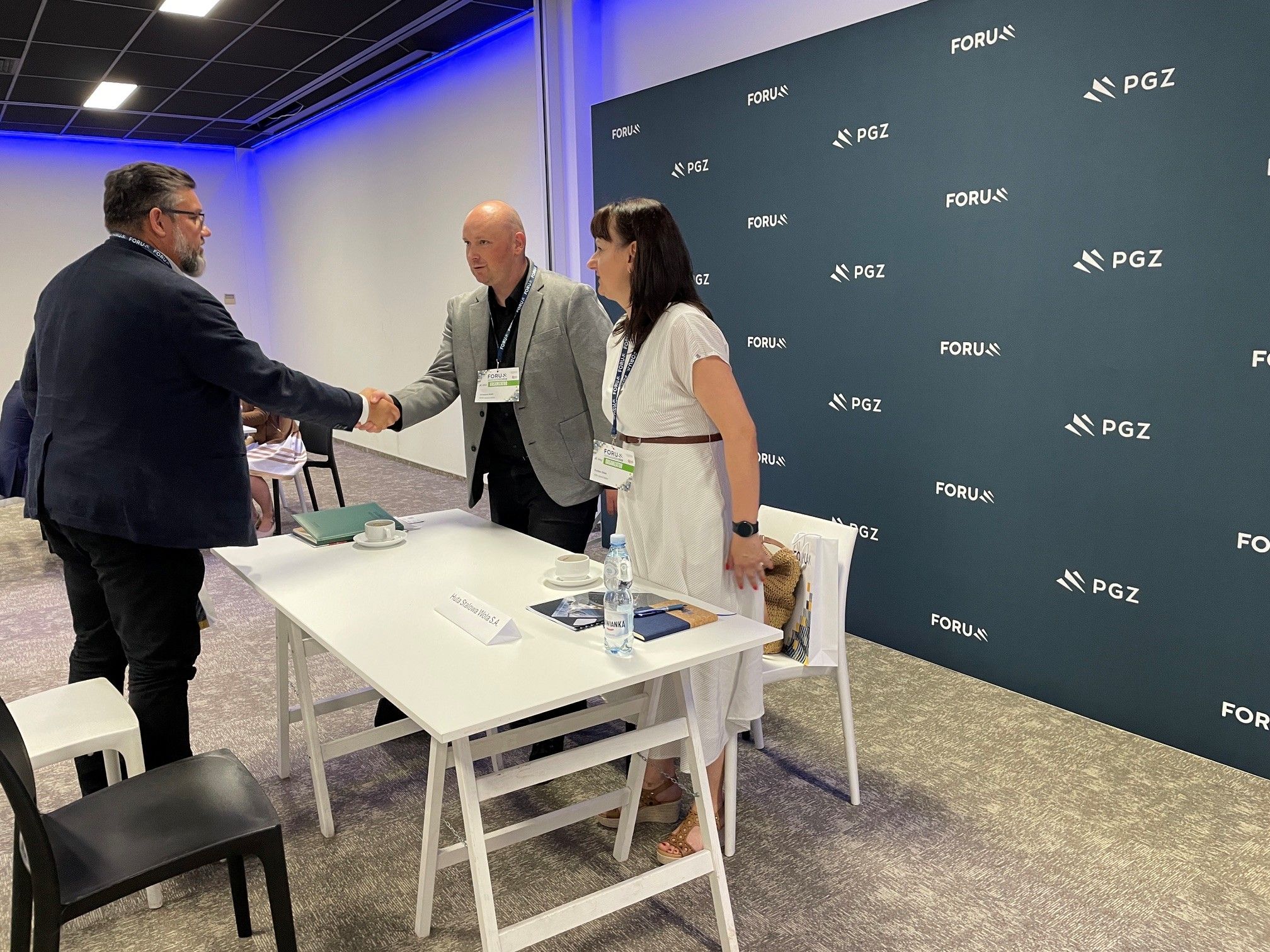
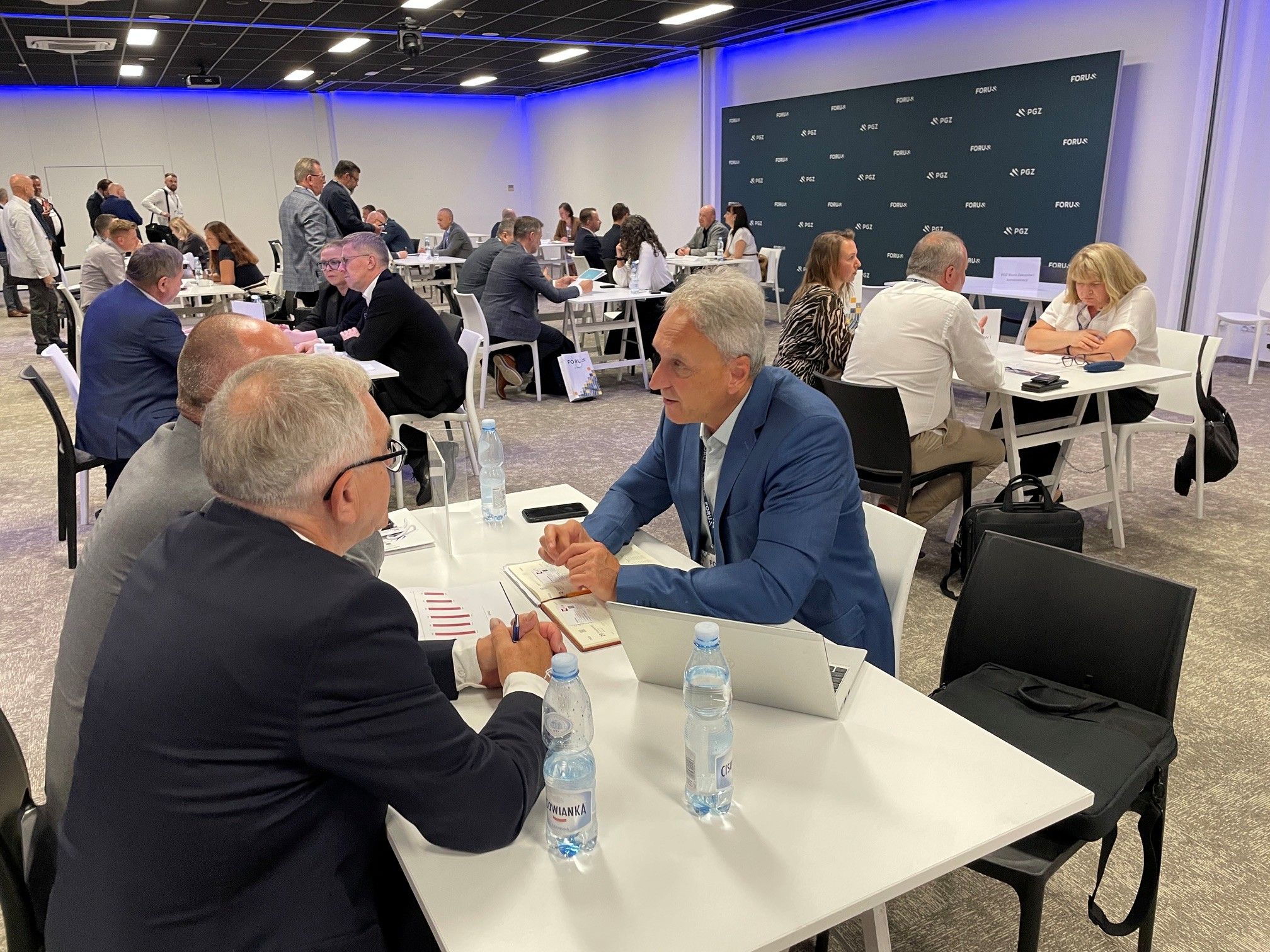
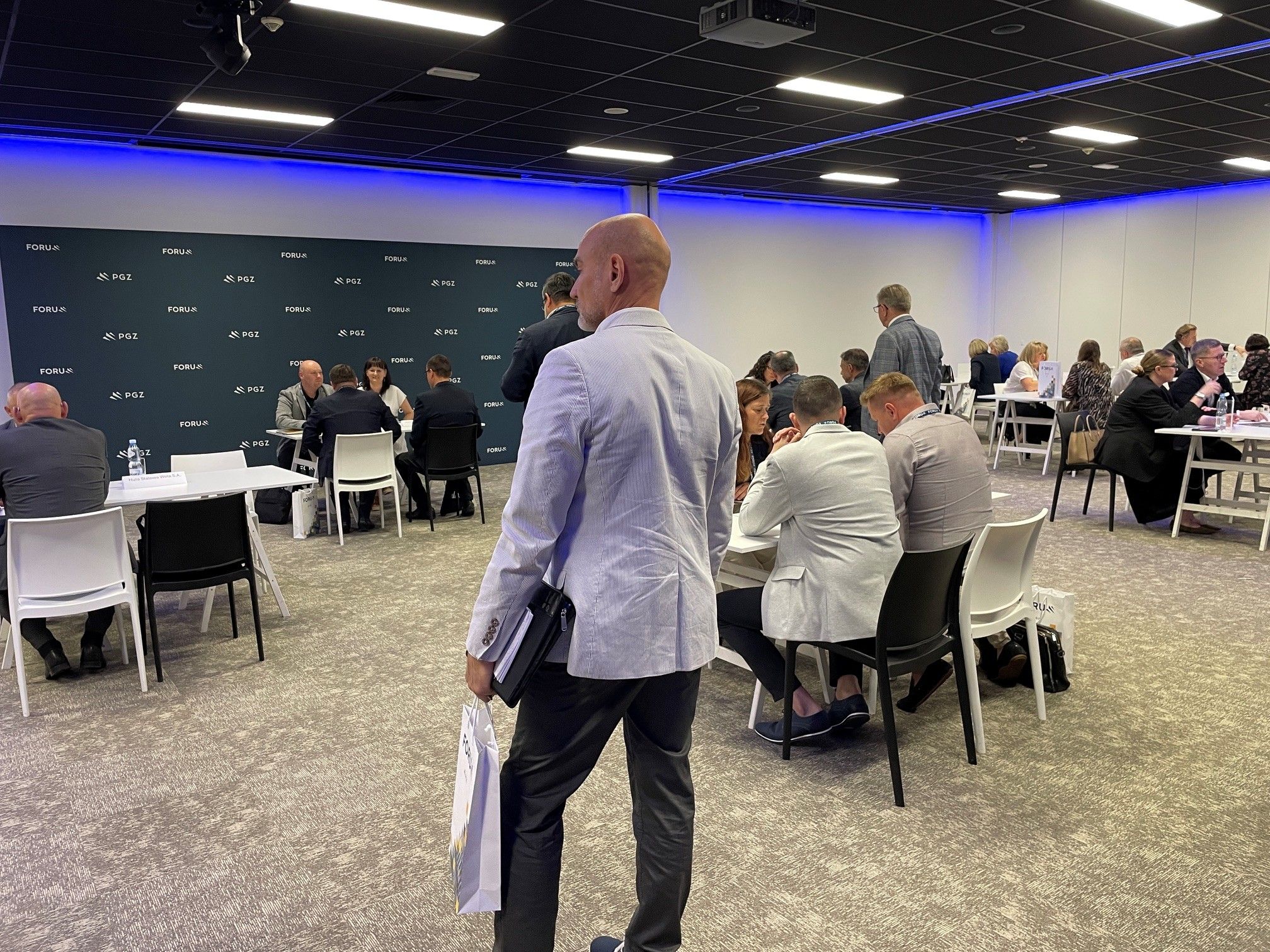
After the presentation part, individual and direct business talks were held with entrepreneurs interested in cooperation. During these meetings, opportunities for joint activities were discussed in detail and preliminary company qualification was carried out.
The event in Lublin concluded the first part of the Regional Forums of the Polish Defense Industry series. Earlier meetings with companies were held in Opole, Tarnów, Łańcut, Gdynia, Szczecin, and Łódź. Further events will be organized after the vacation break. Meetings in Gliwice and Toruń are already planned for September, with Jelcz, Kalisz, Skarżysko-Kamienna, and Zielonka among the locations planned for later.
📍 #Lublin | VII Regionalne Forum Polskiego Przemysłu Zbrojeniowego
Blisko 200 przedsiębiorców zainteresowanych współpracą z Grupą @PGZ_pl wzięło udział w VII Regionalnym #ForumPPZ, które odbyło się 3 lipca w Lublinie.
🗣️ – Potrzebujemy szerokiej i sprawnie funkcjonującej sieci… pic.twitter.com/Bc5FO3DDWz
— Polska Grupa Zbrojeniowa🇵🇱 (@PGZ_pl) July 3, 2026
See also:
