

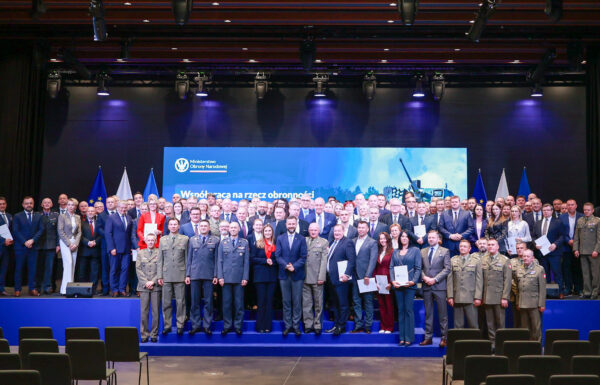
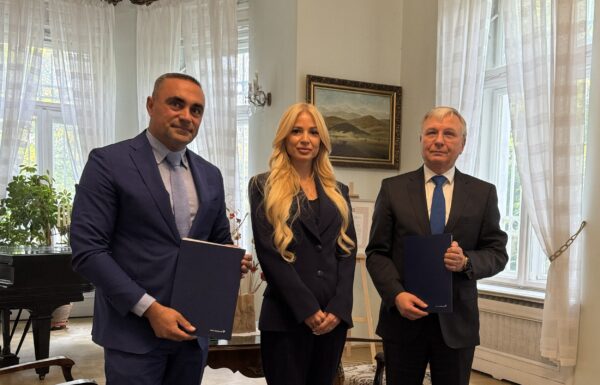



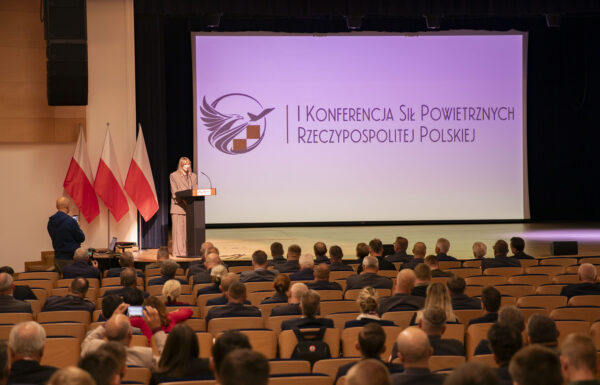



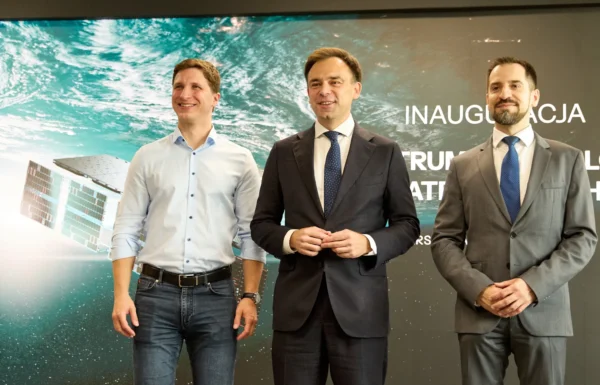









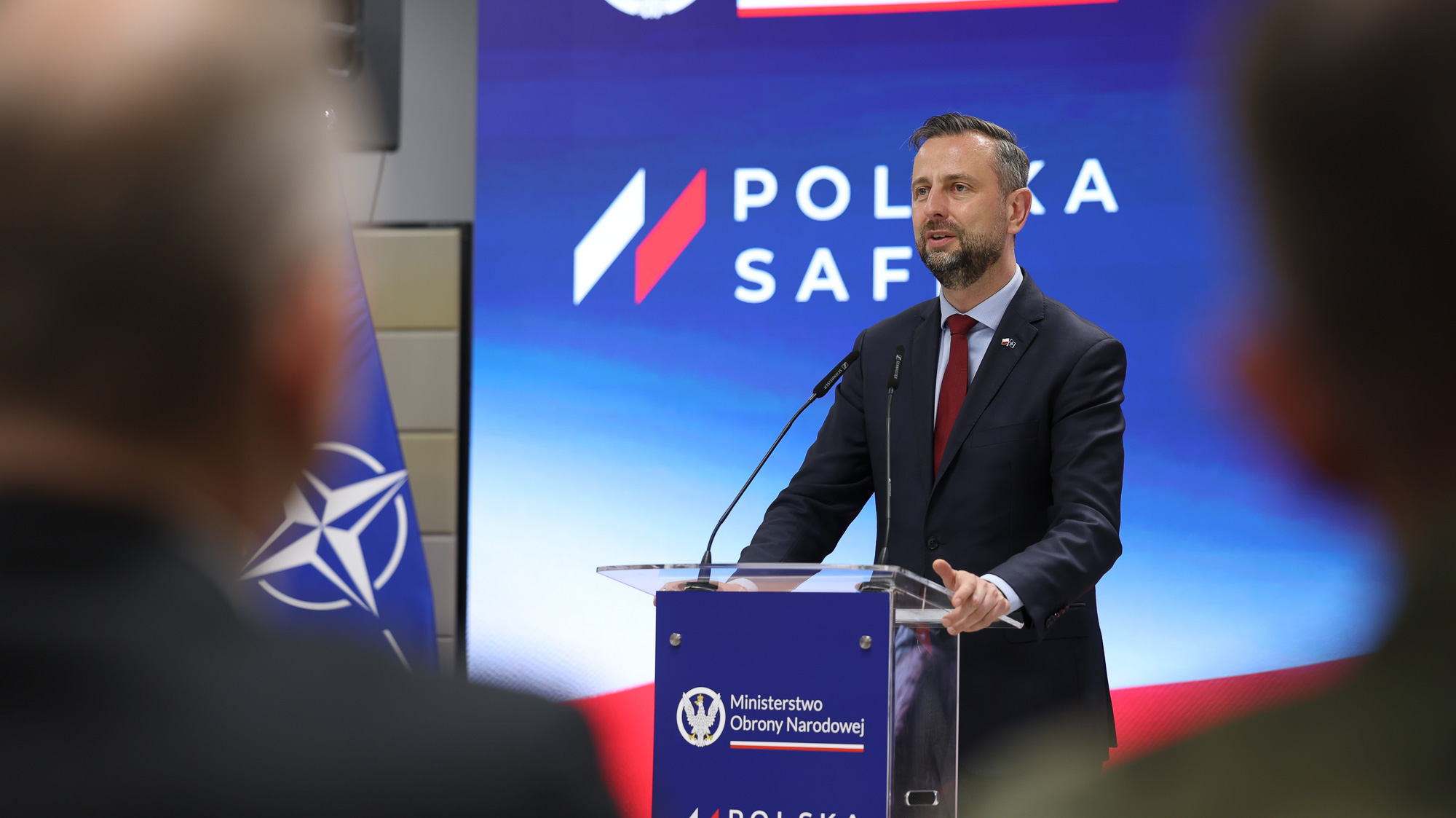
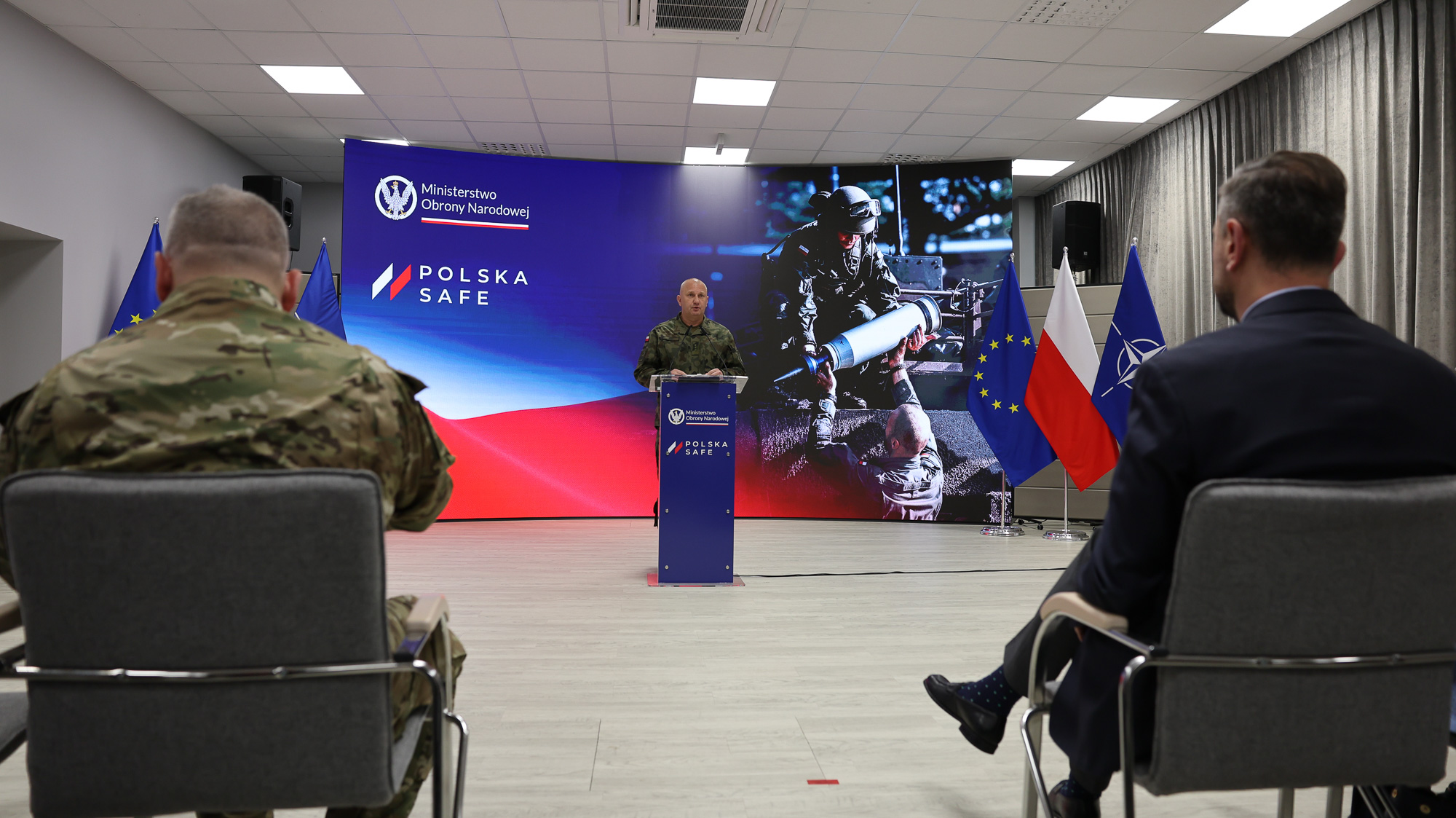
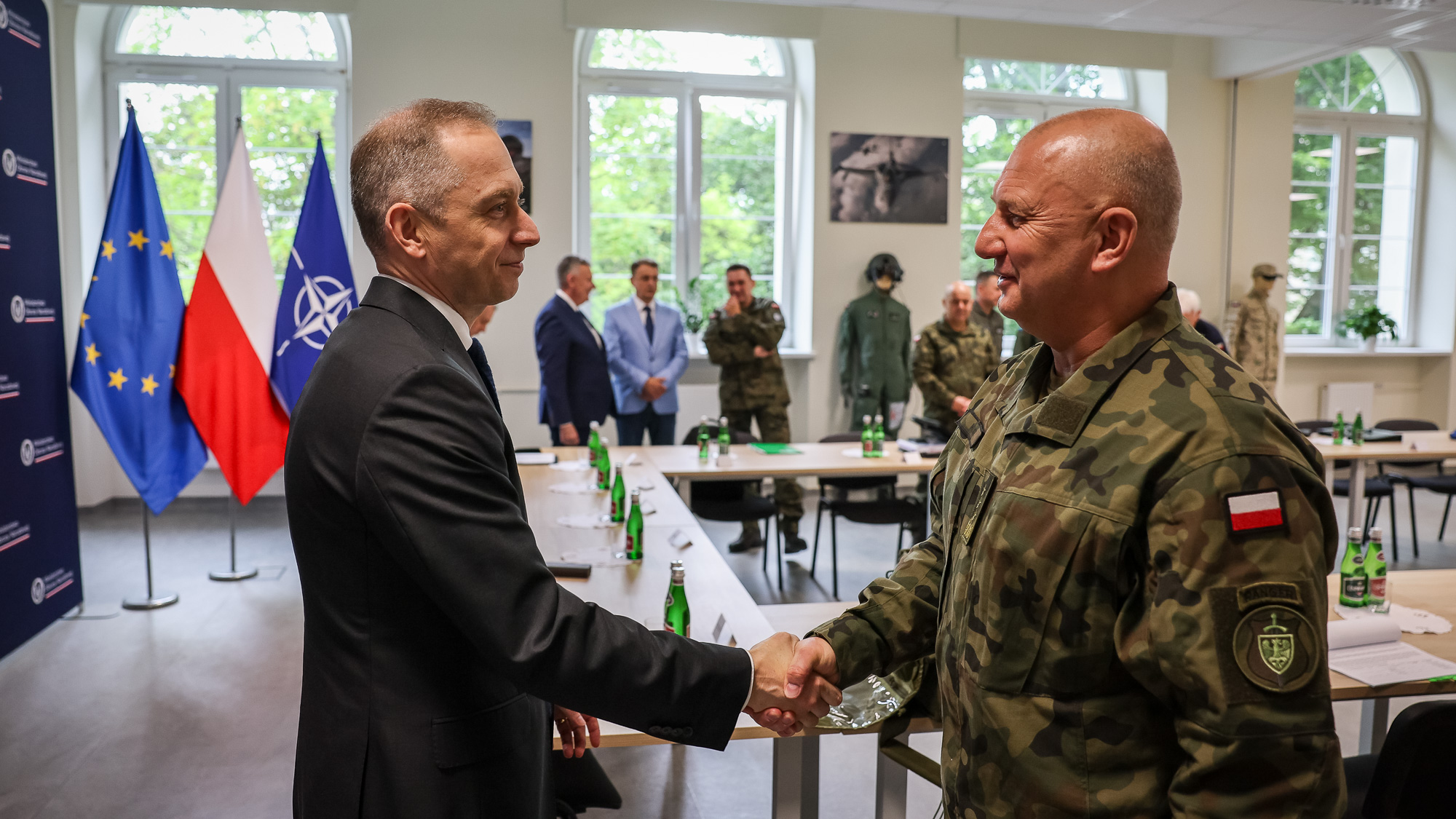
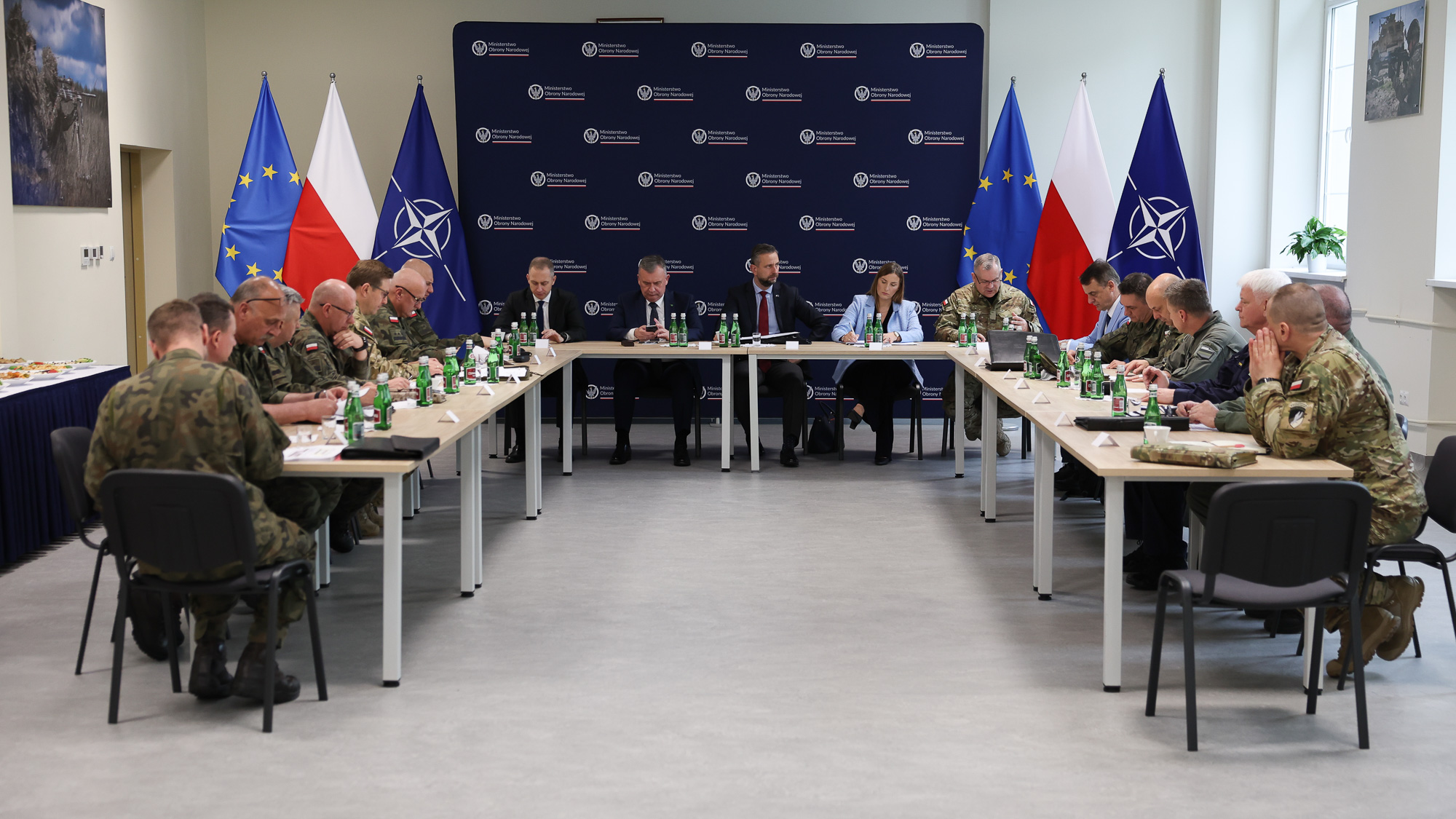
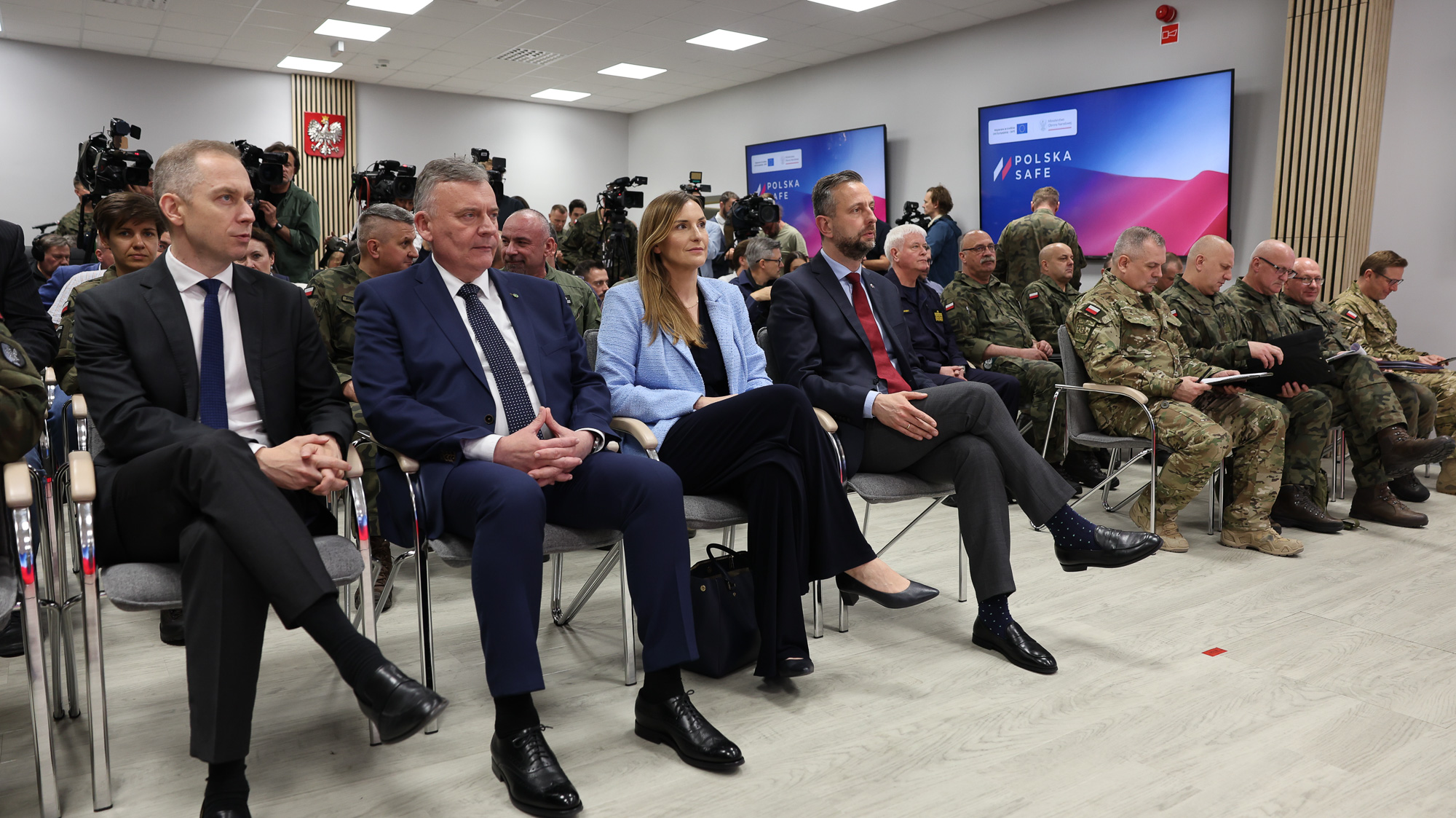
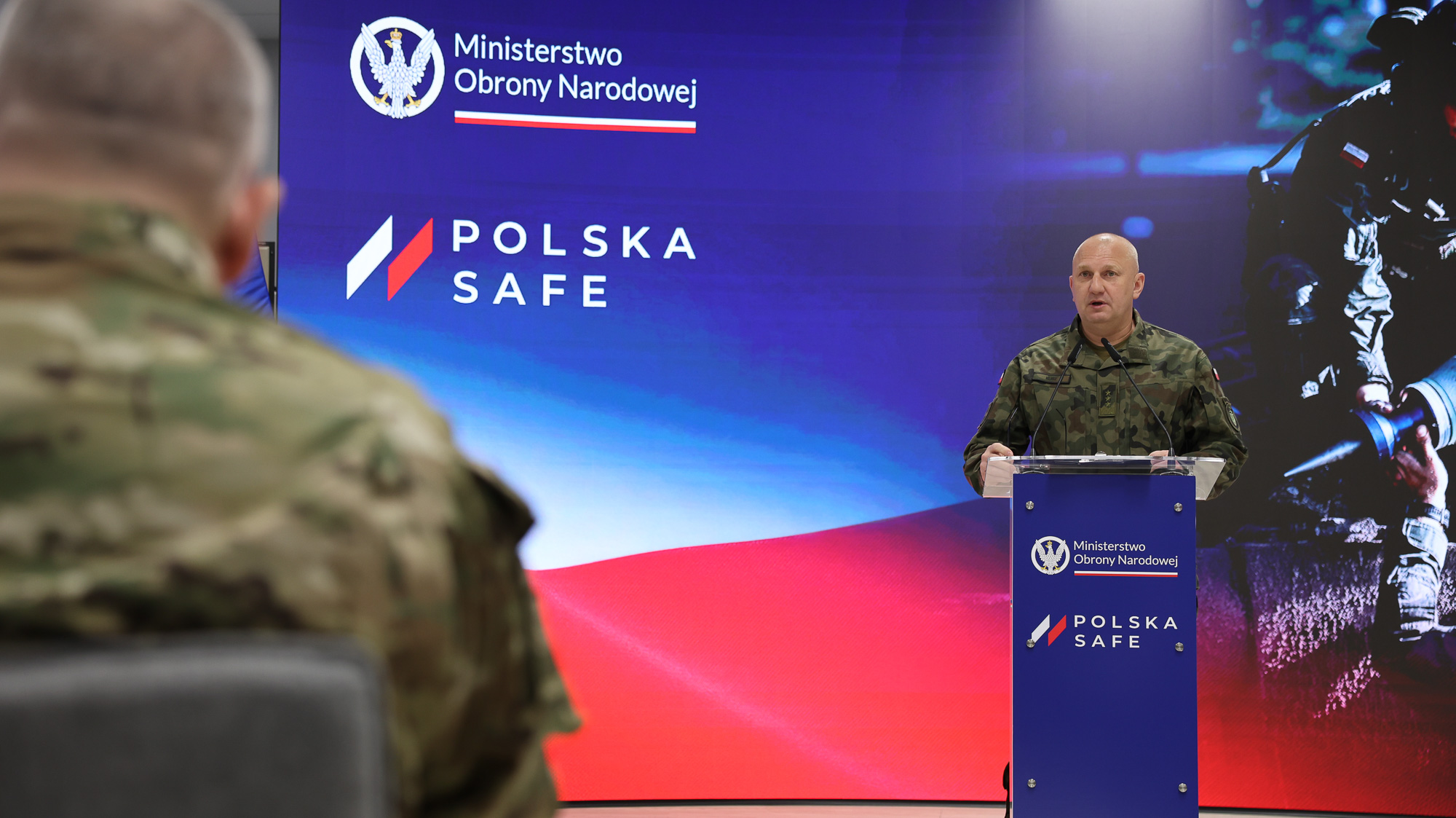
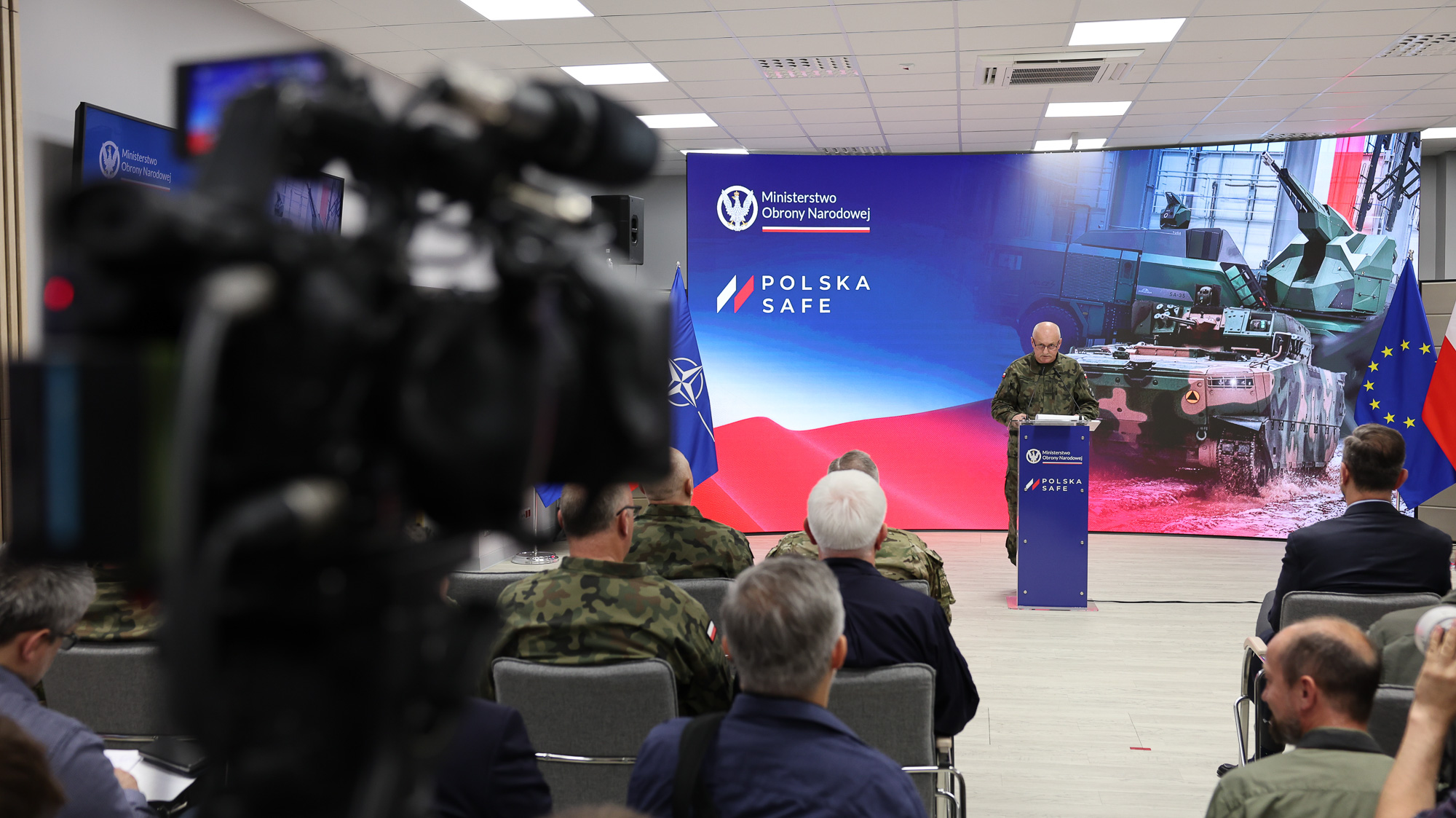
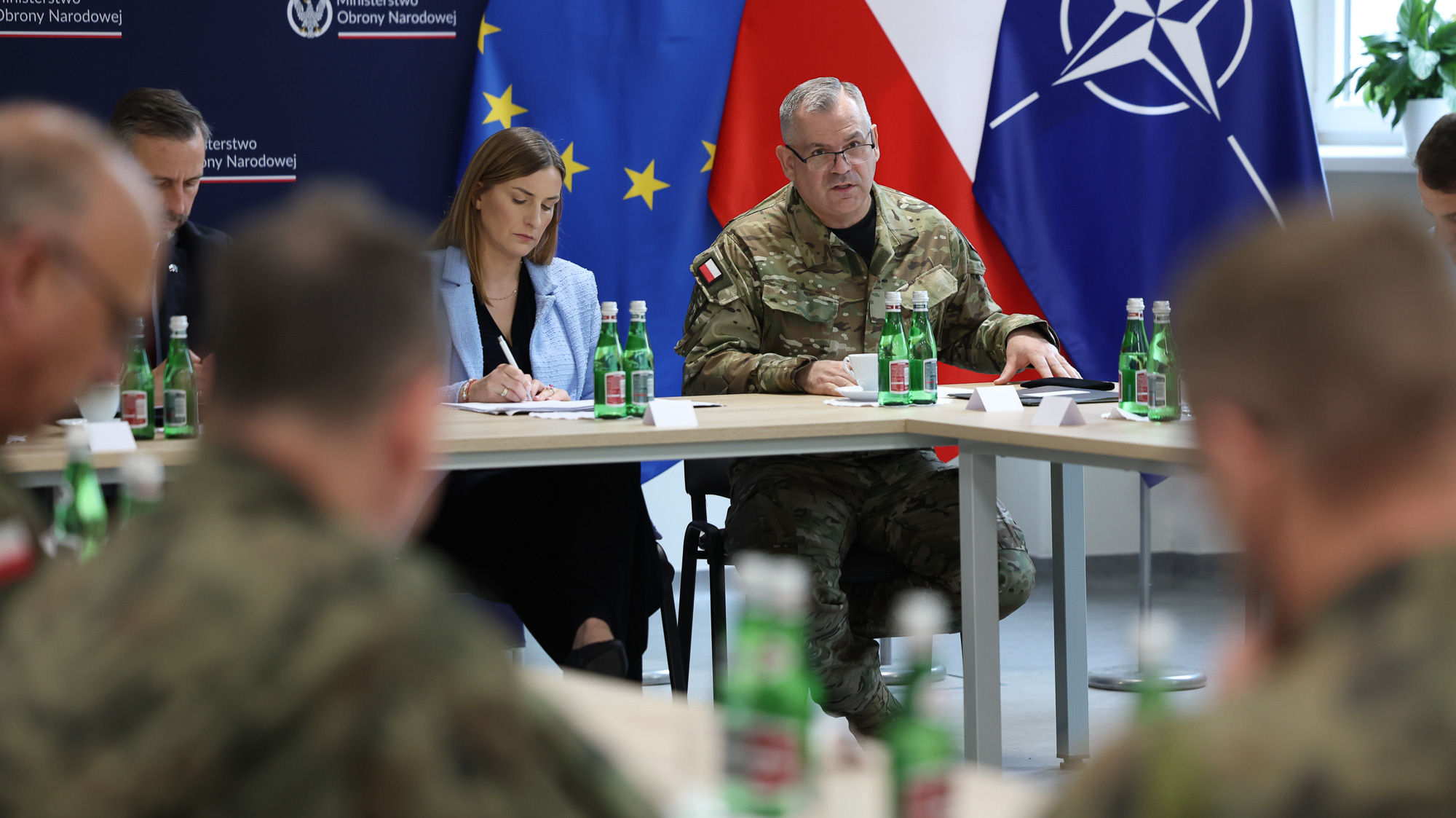
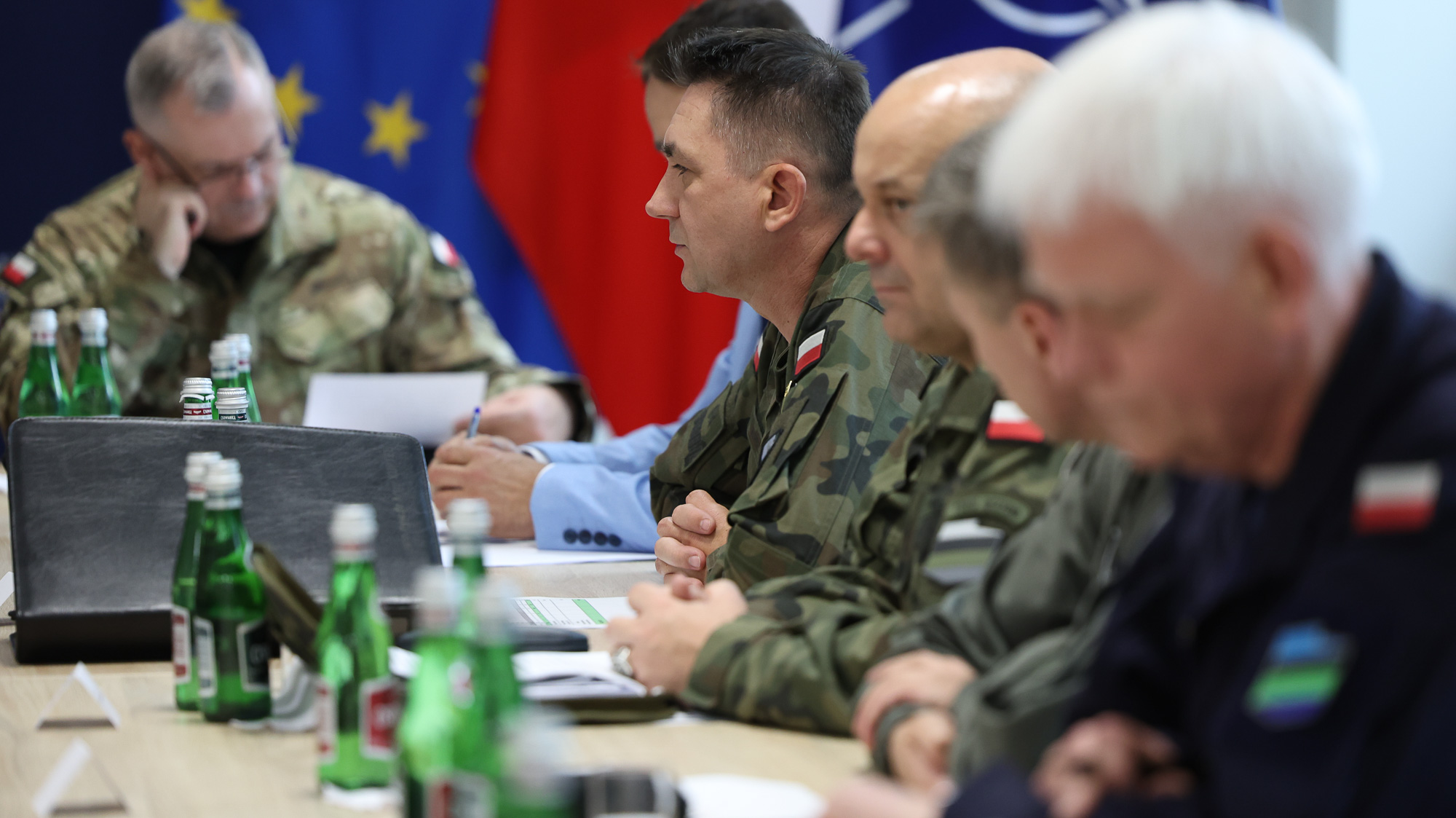
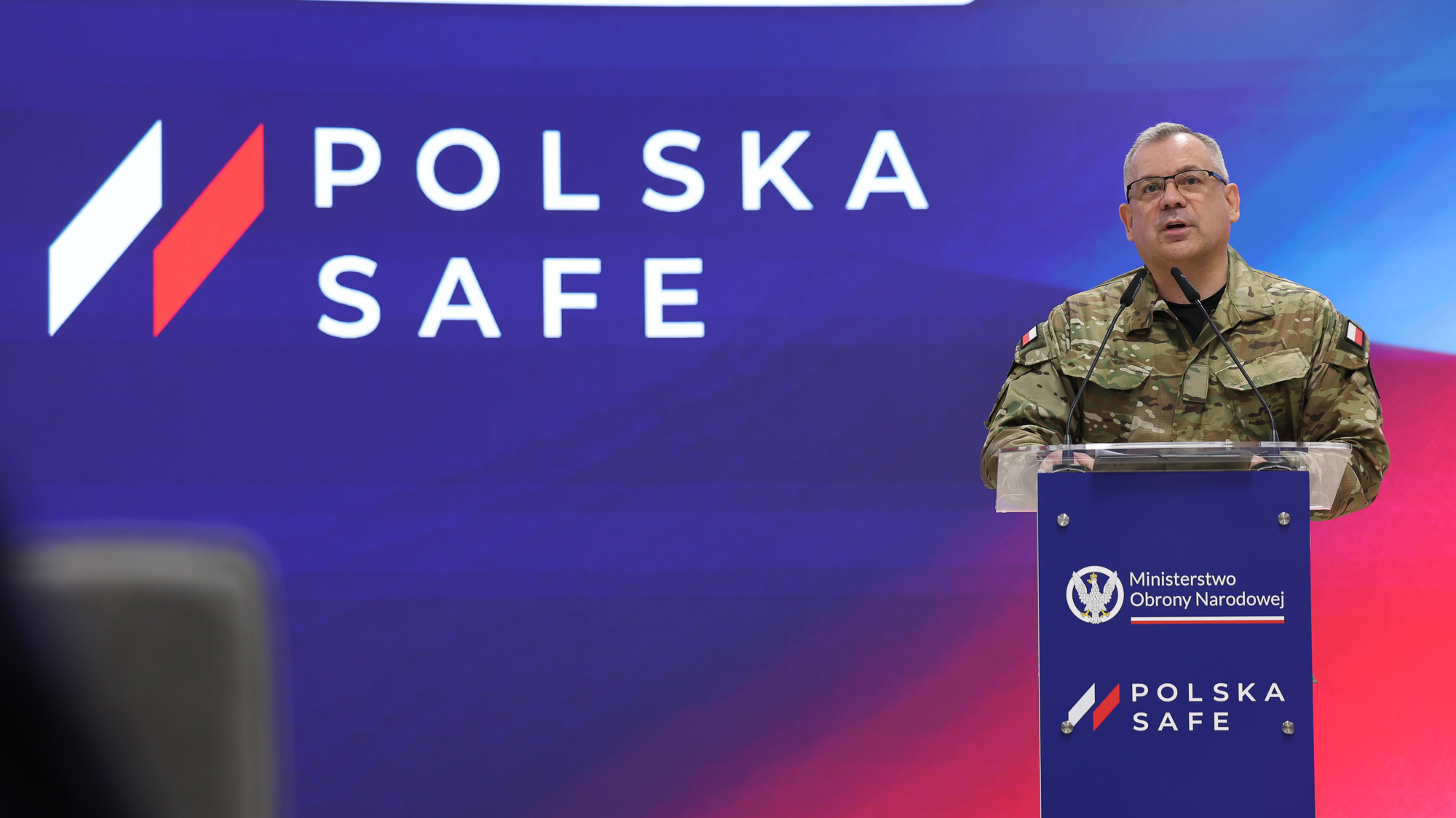
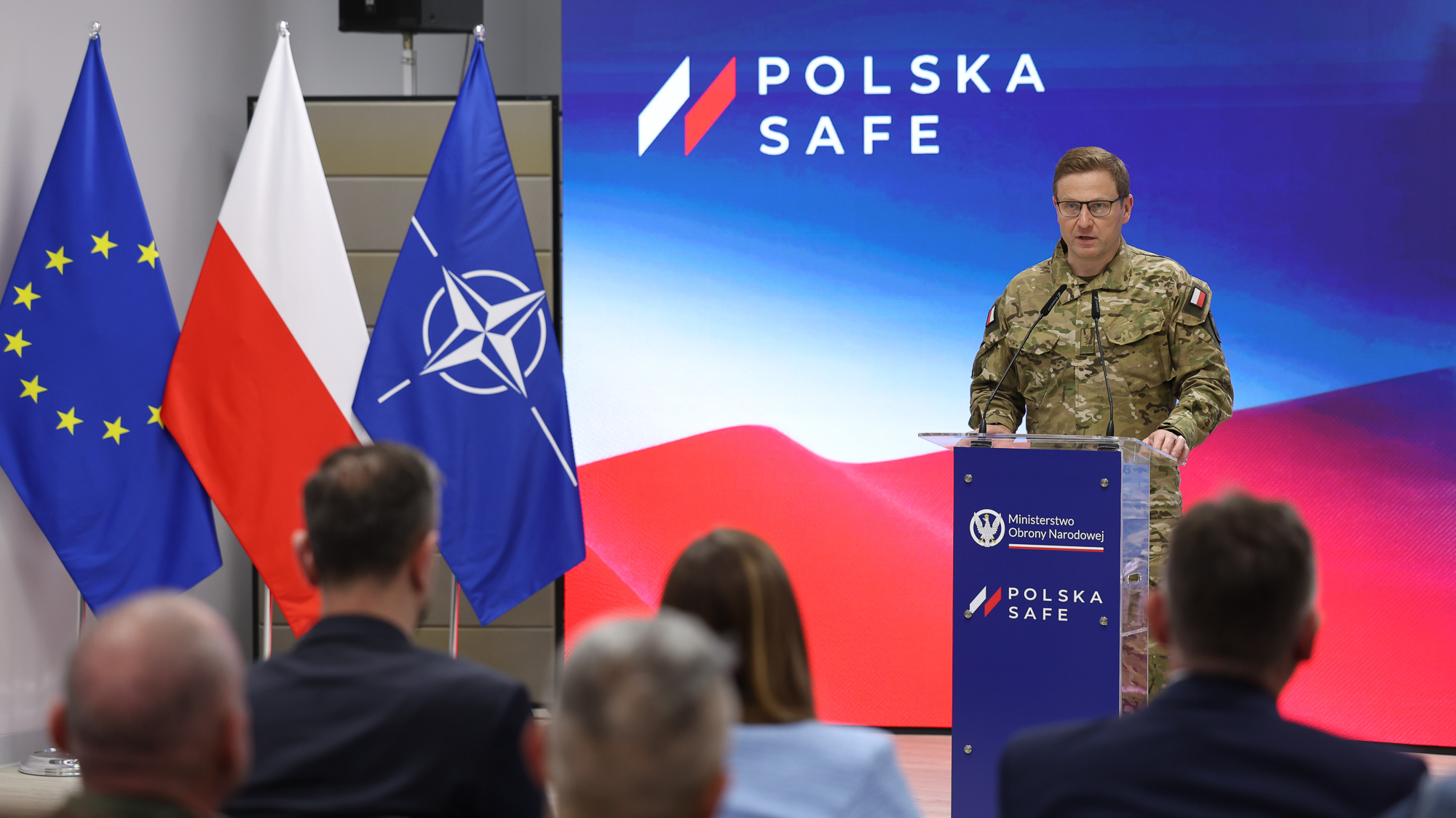
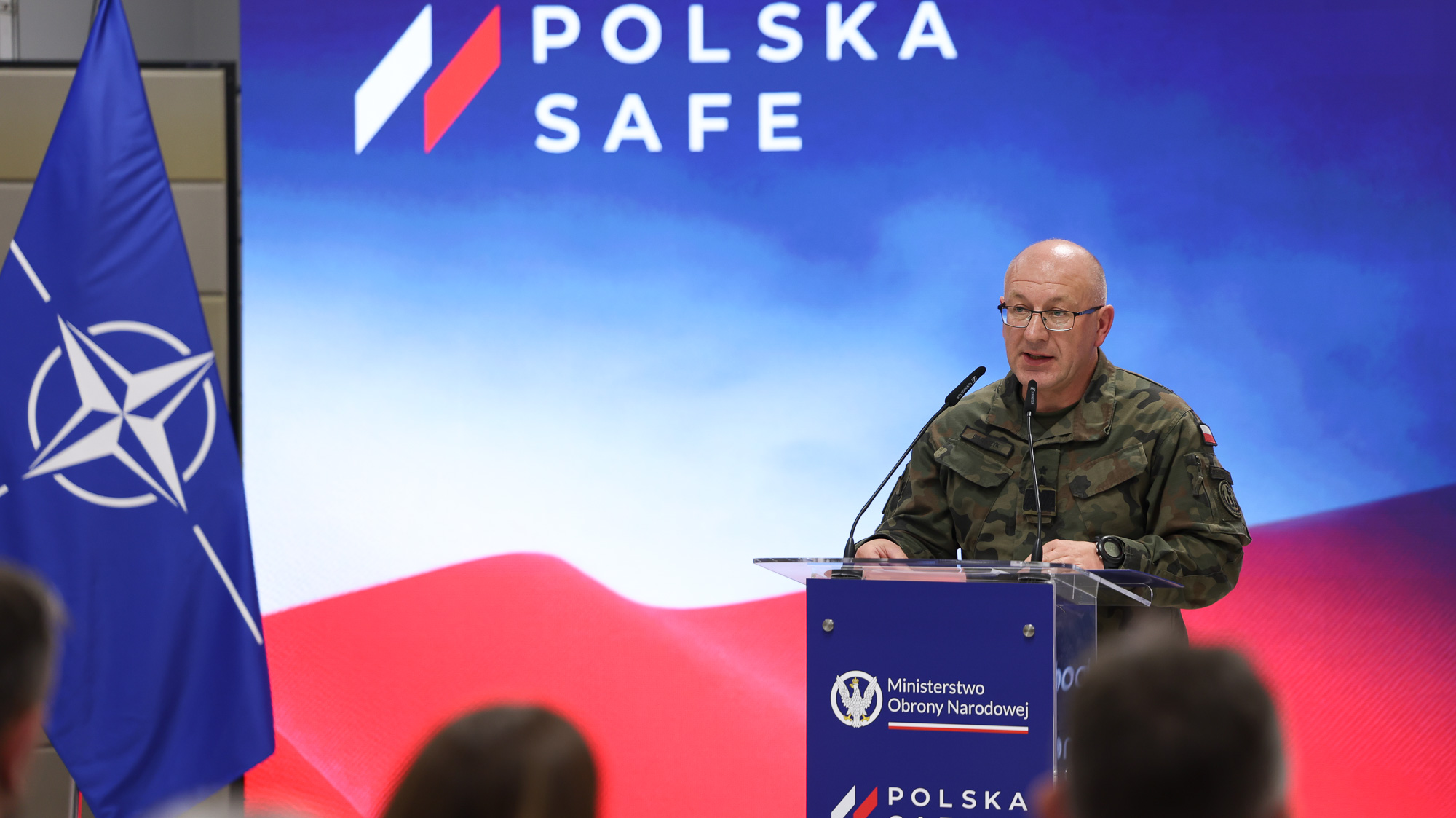
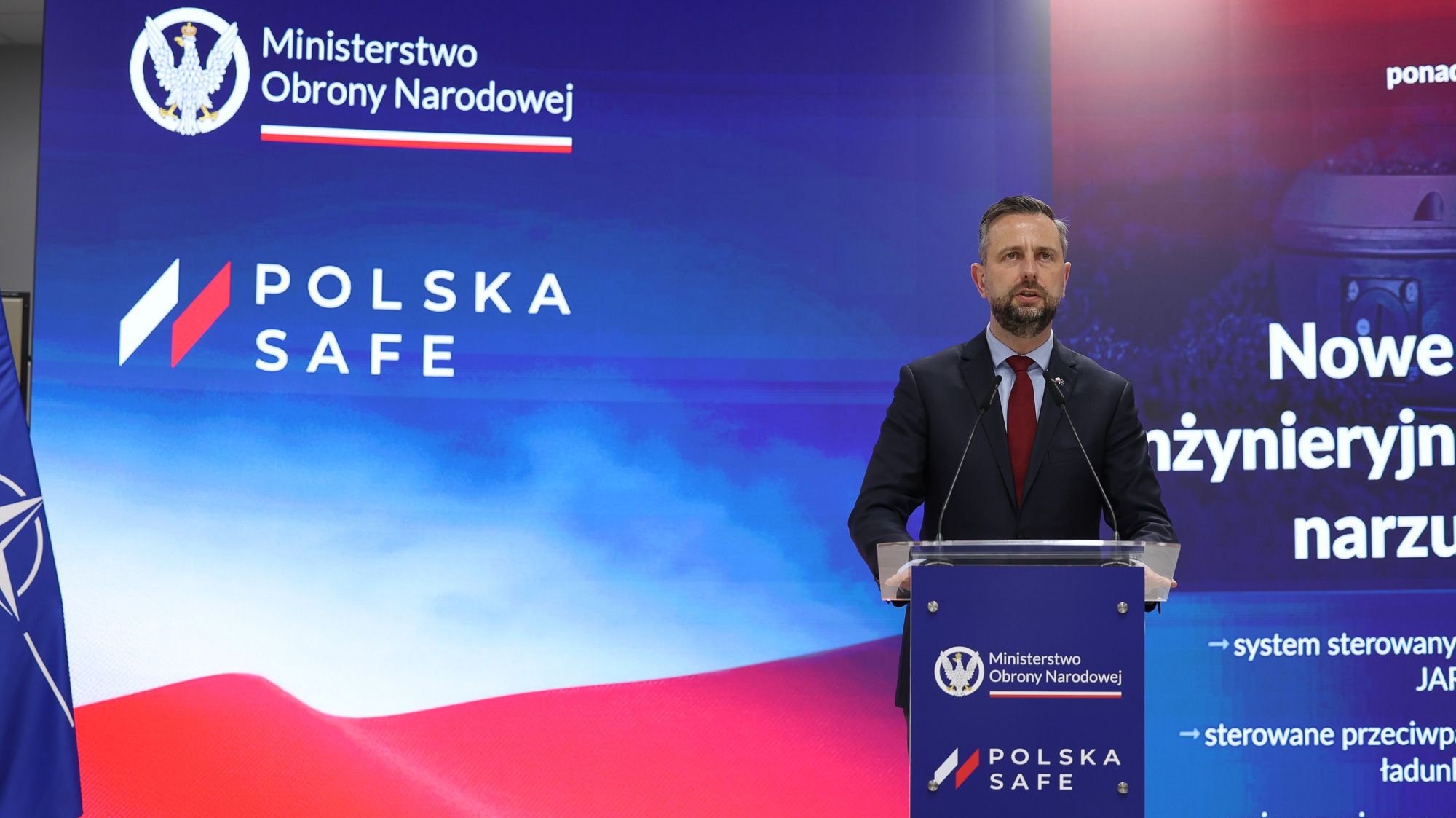
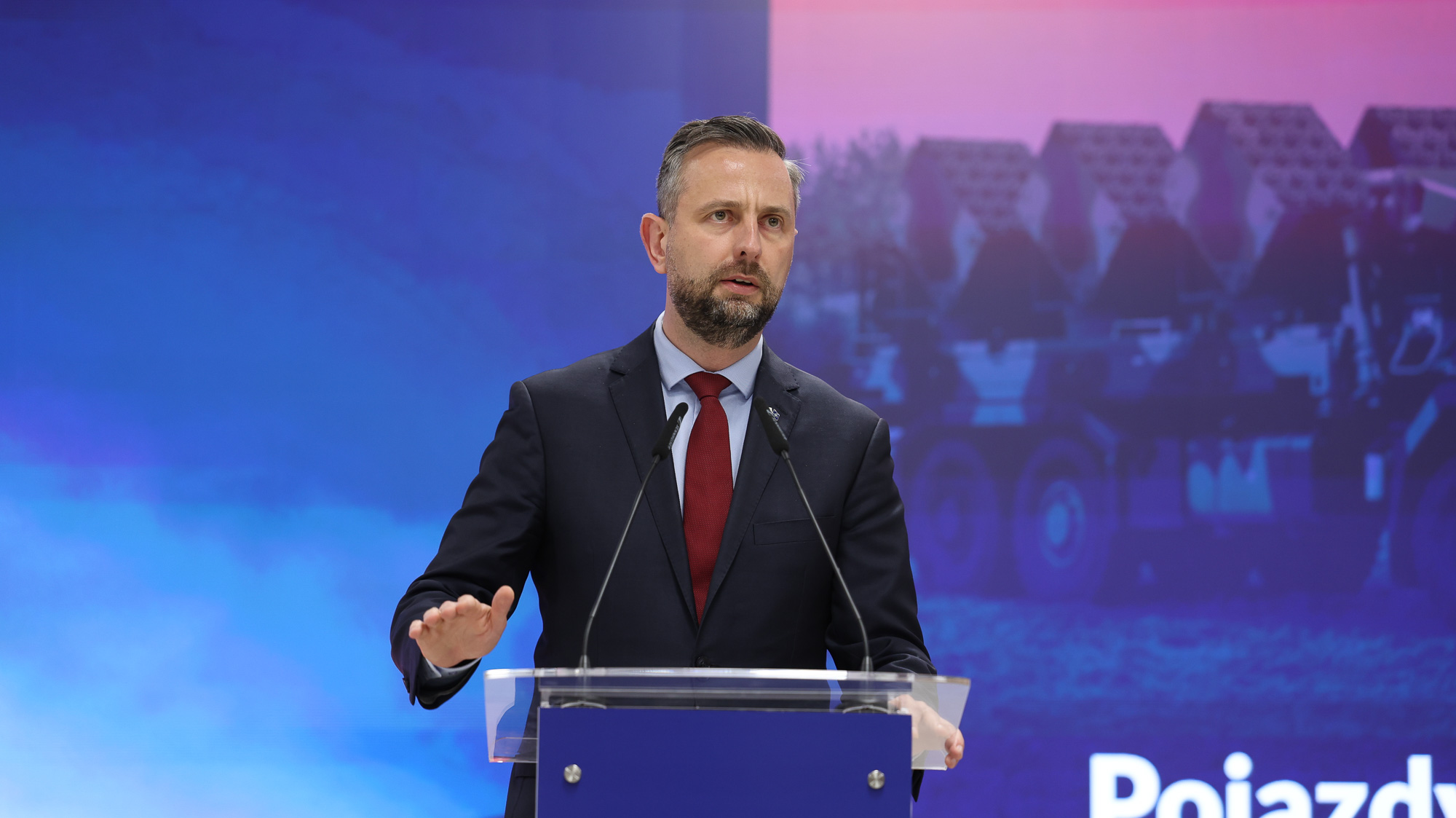
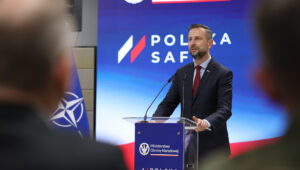
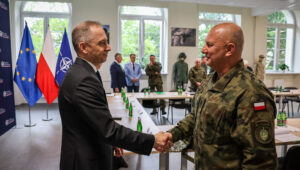
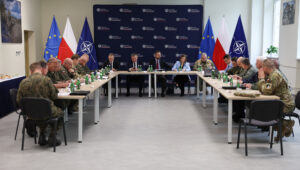
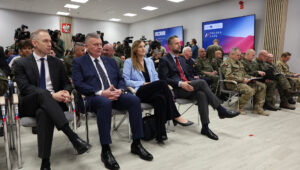
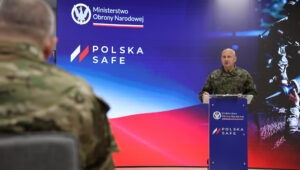
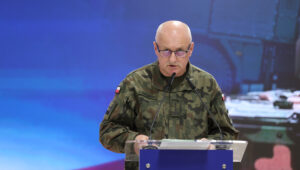
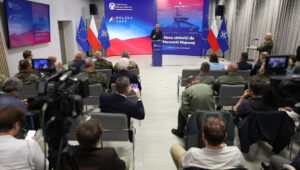
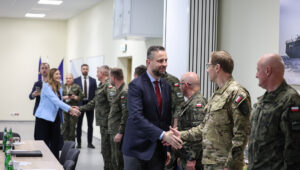
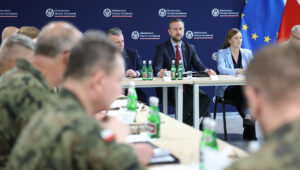
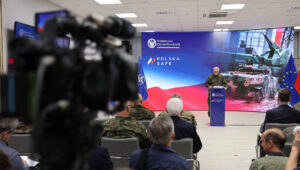
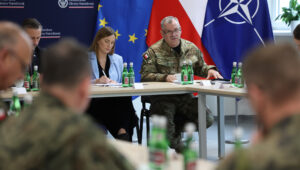
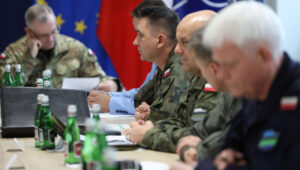
On Tuesday, June 2, 2026, in Warsaw, Deputy Prime Minister and Minister of National Defence Władysław Kosiniak-Kamysz, together with the command staff of the Polish Armed Forces, summarized the implementation of the EU’s SAFE (Security Action for Europe) loan program. The meeting was also attended by Magdalena Sobkowiak-Czarnecka, Government Plenipotentiary for the Instrument to Strengthen European Security, and Deputy Ministers of National Defence Paweł Bejda and Cezary Tomczyk.
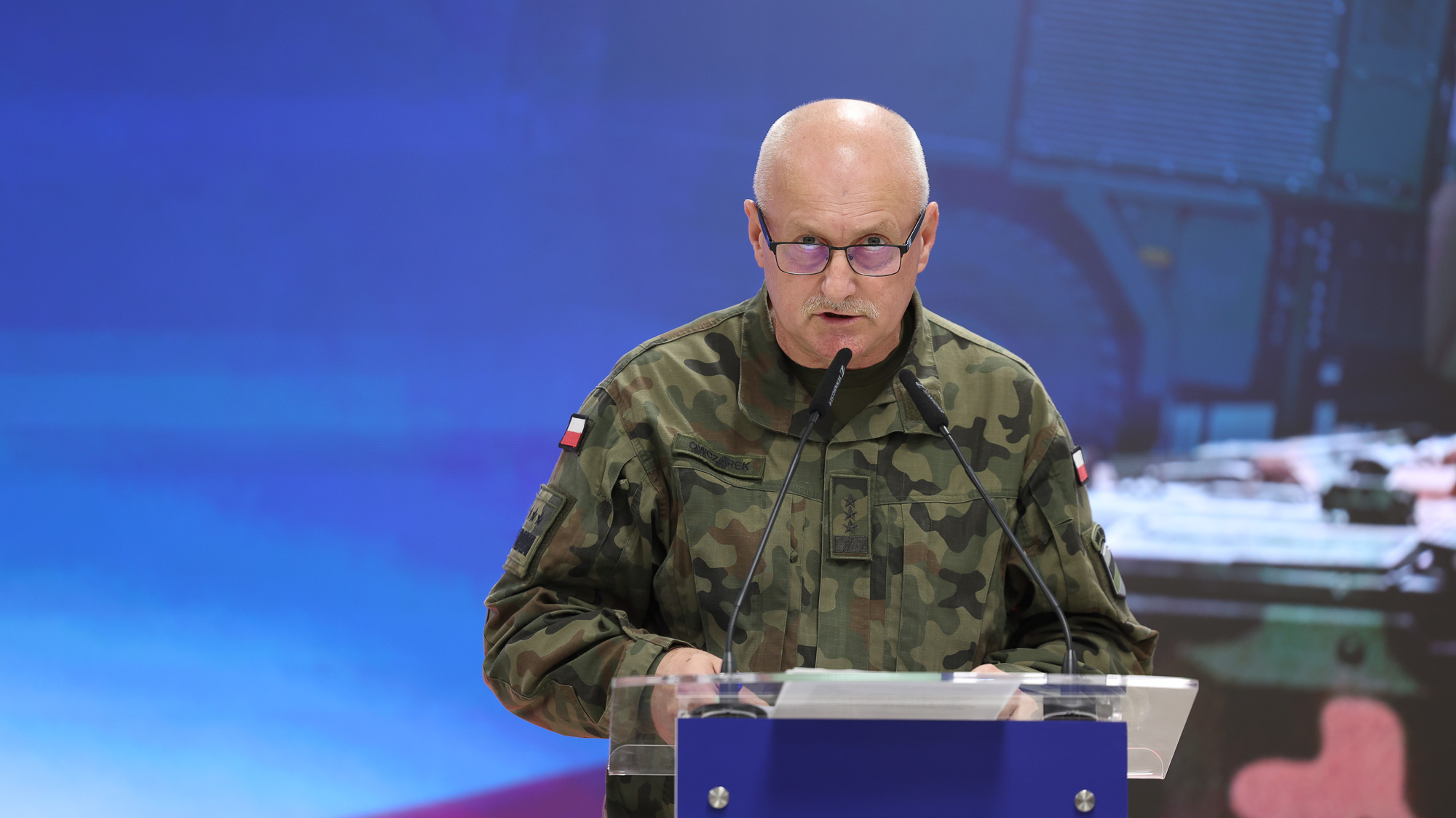
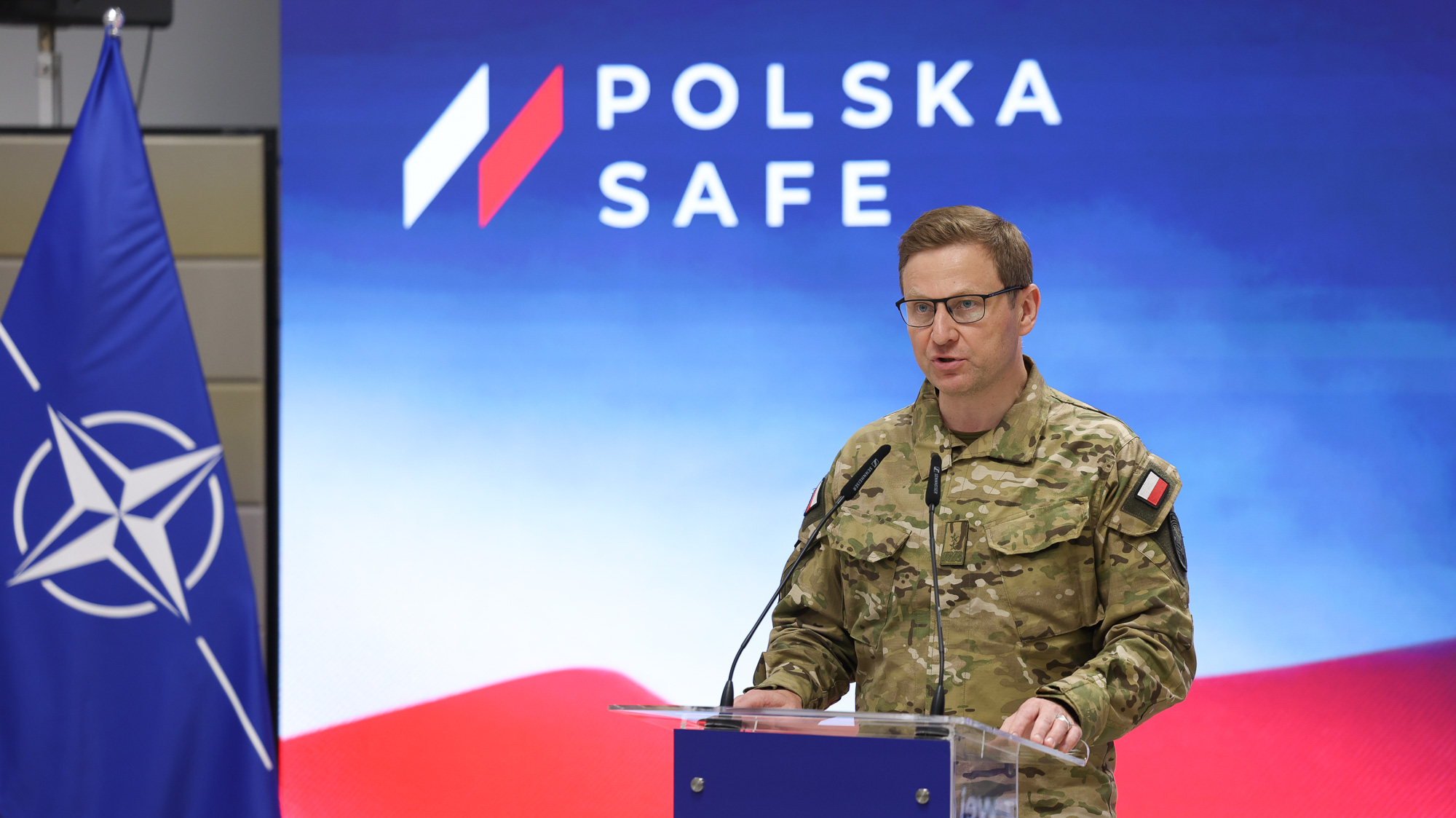
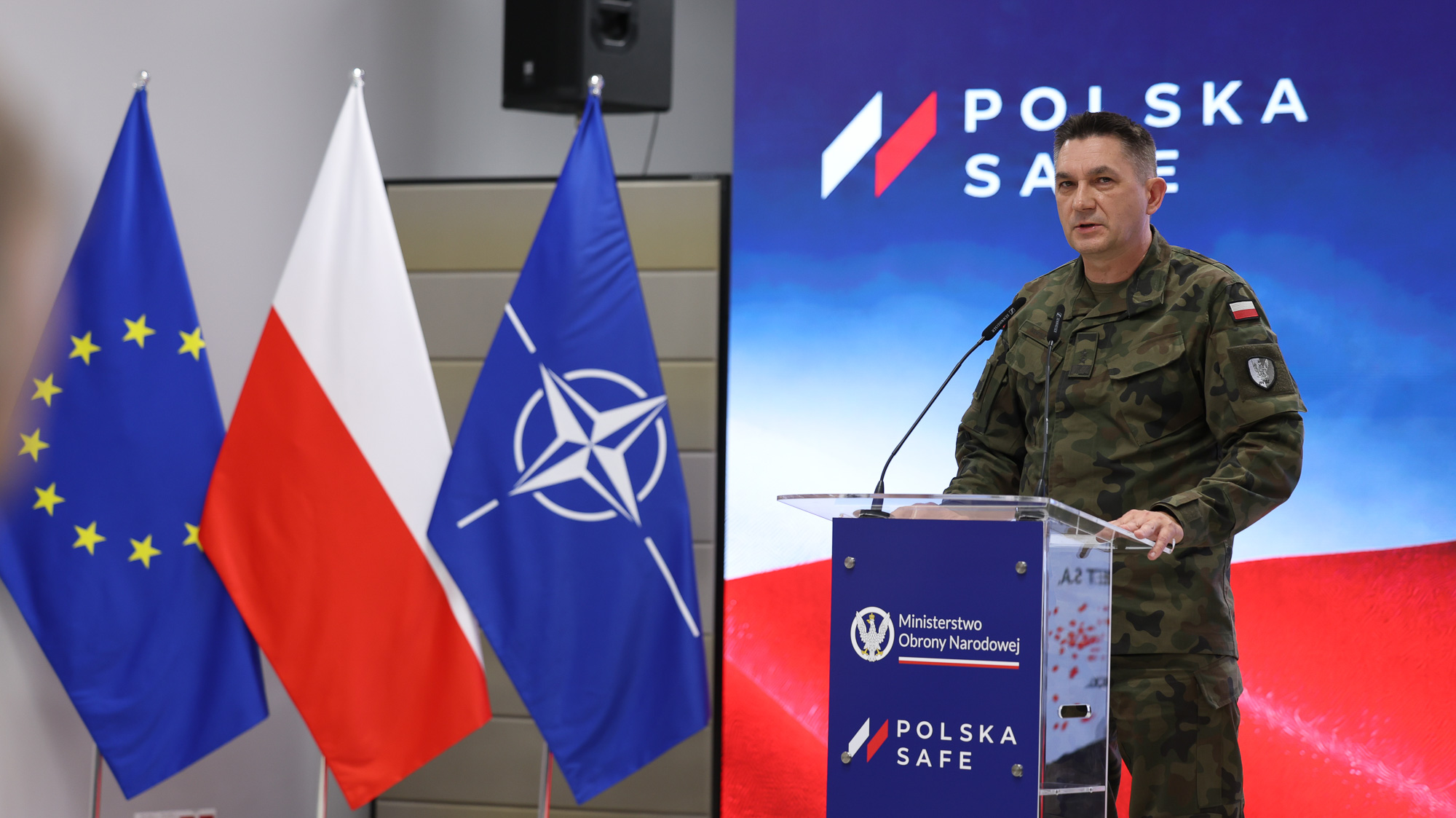
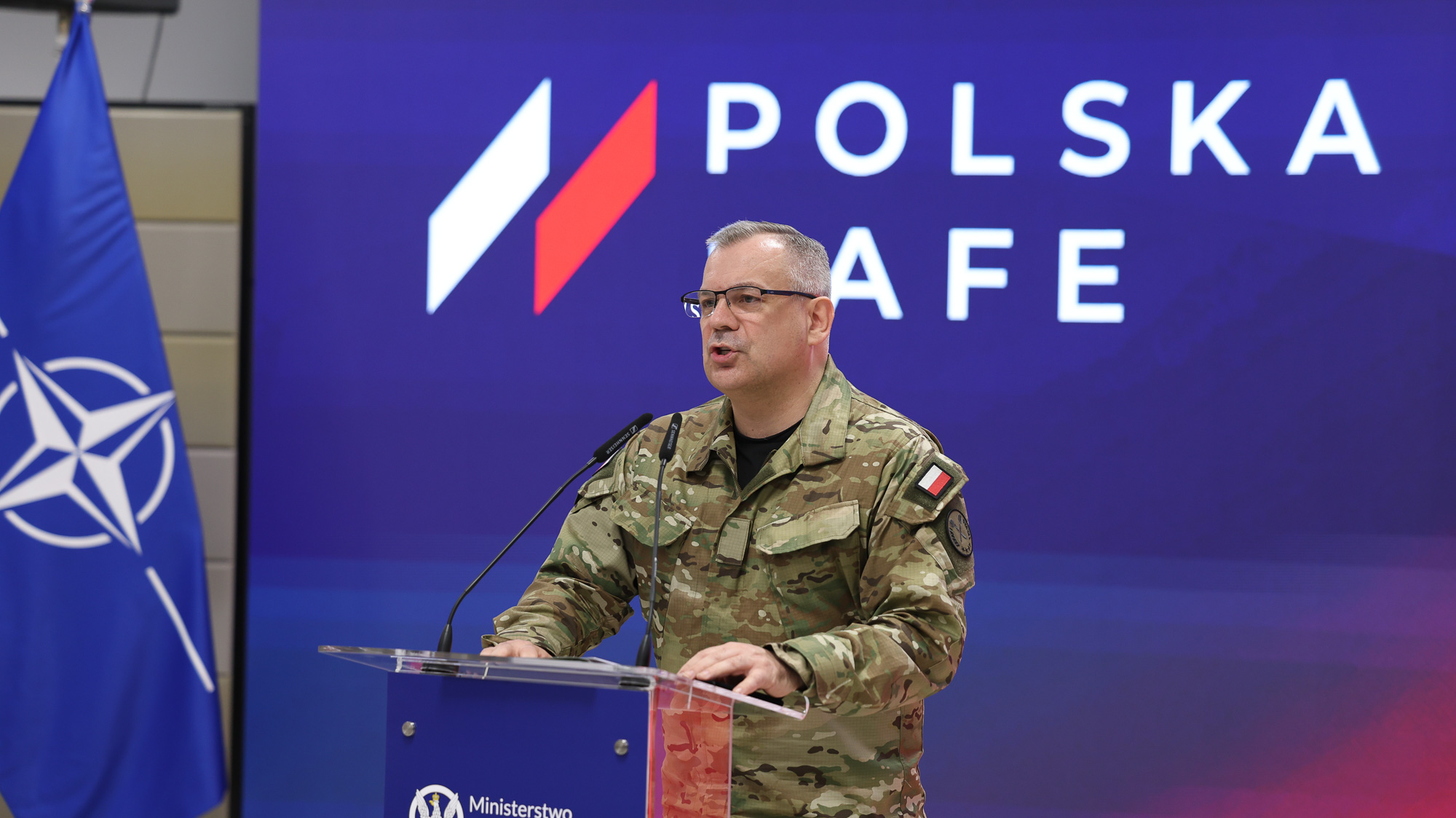
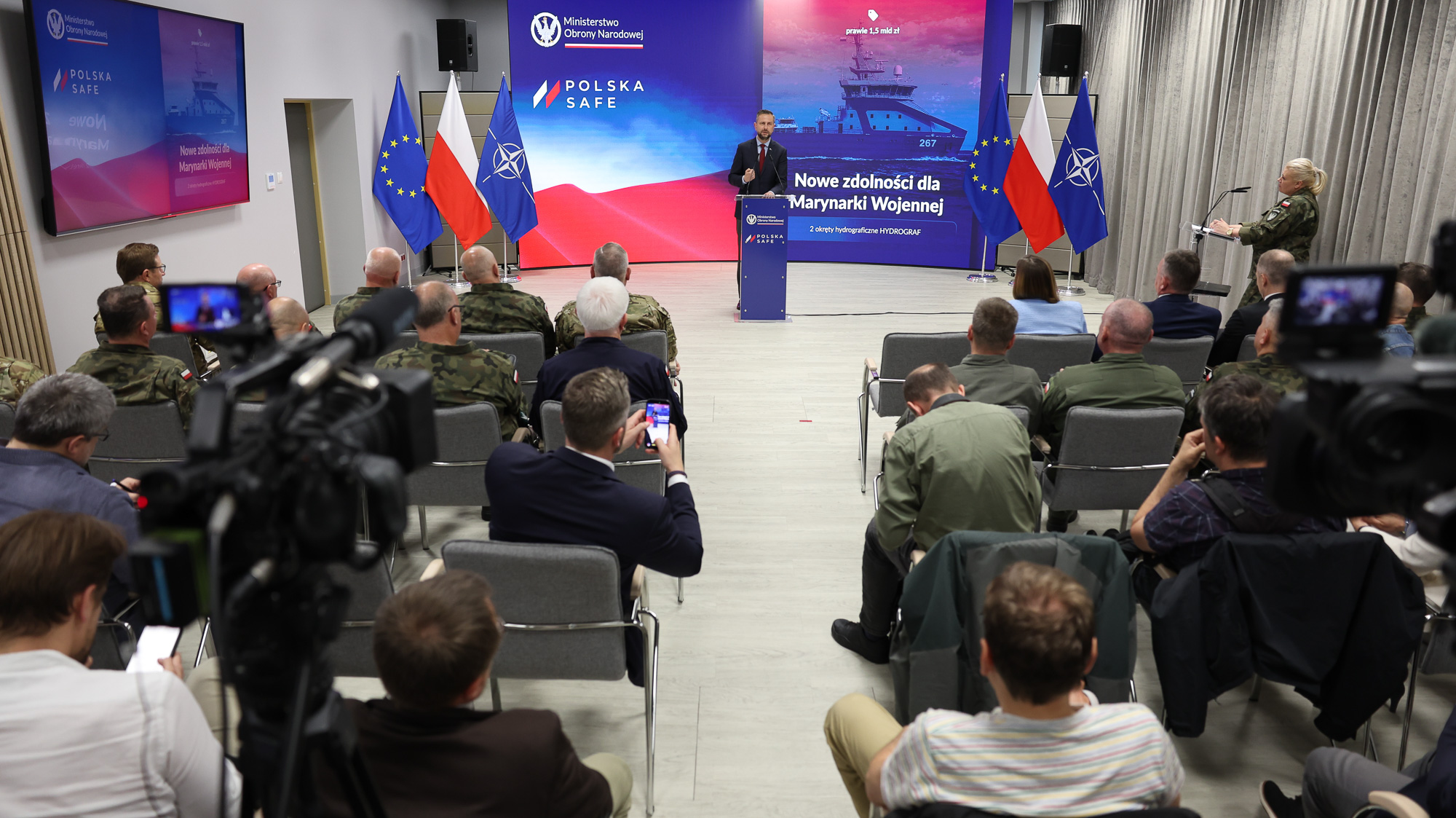
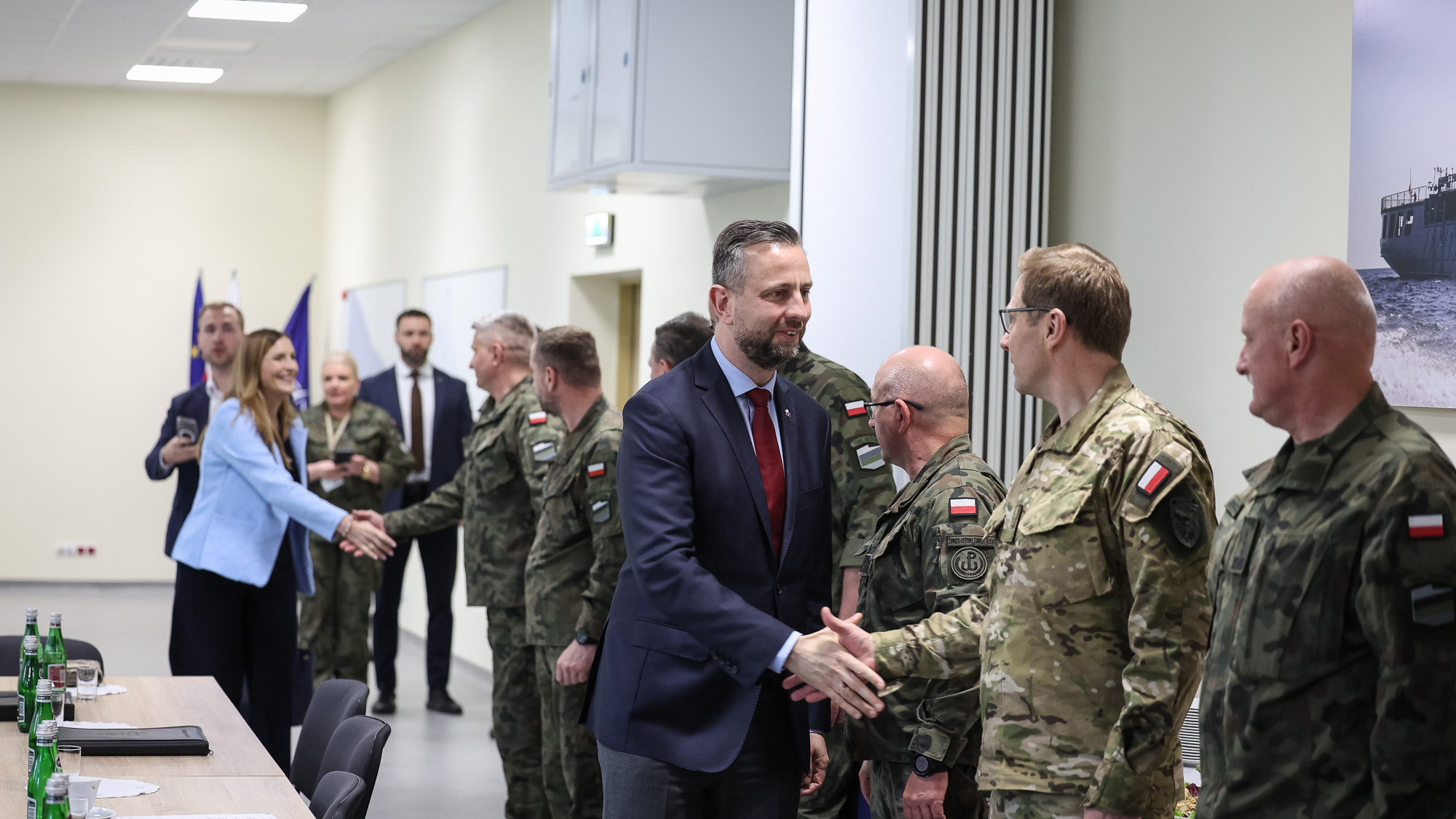
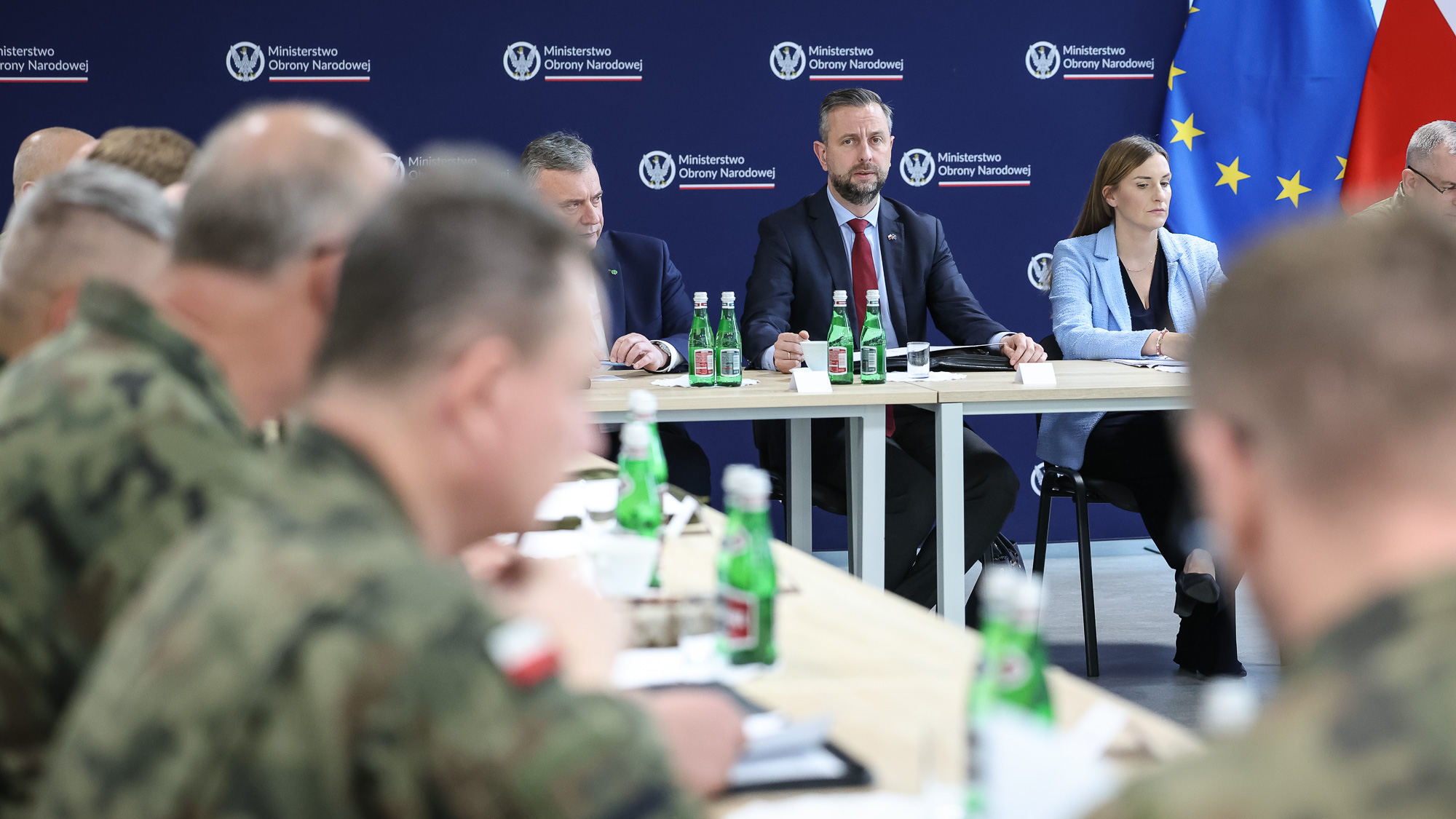
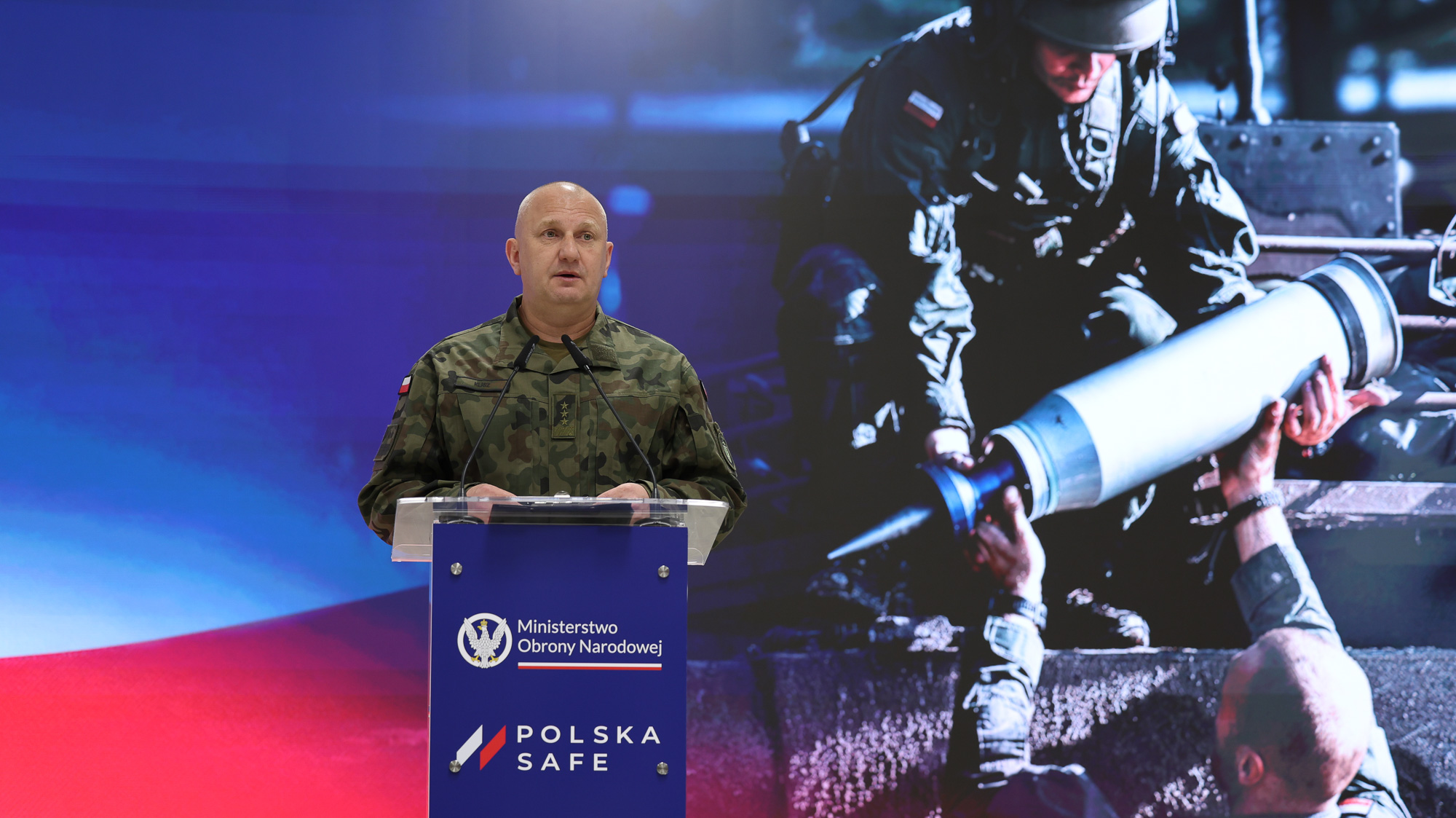
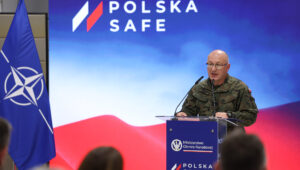
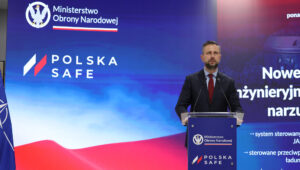
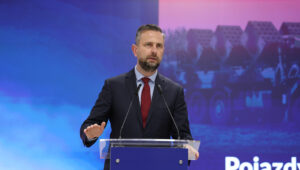
Photos: Krzysztof Gumul/WCEO
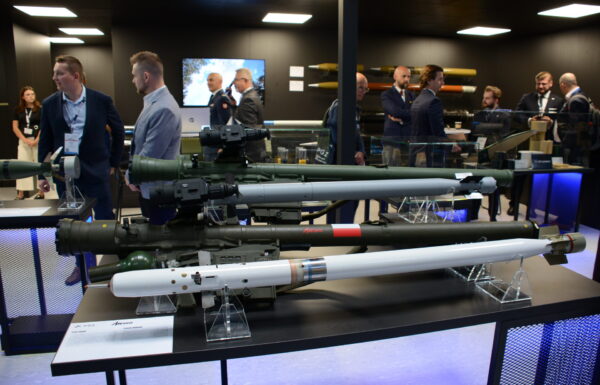
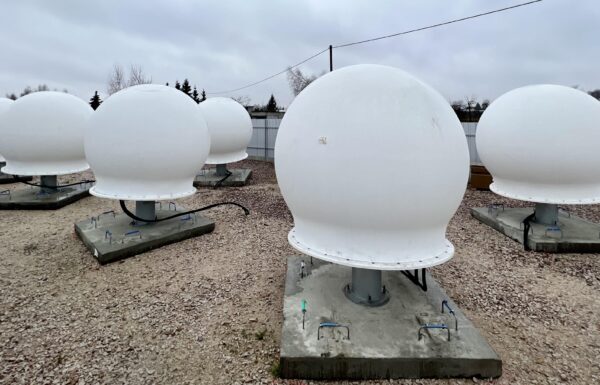
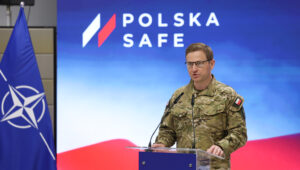
“We have just concluded a briefing with the command staff of the Polish Armed Forces on Operation SAFE, the SAFE program, the summary of its first stage and the transition to the second stage, to further tasks. (…) The SAFE program means Polish armaments for the Polish military, and this was stated clearly today. The German narrative that had been repeated for many weeks ‒ that this would be equipment bought in Germany, from German companies ‒ has simply collapsed over the past three days. It is no longer defensible. I expect those who repeated it for many months to now repeat the names of Polish equipment purchased under the SAFE program. I will remind you of these names so that they become fixed in your memory. This is the Rak program, the Baobab program, Krab howitzers, Rosomak vehicles, mines under the Jarzębina and Tulipan programs. These are vests and helmets under the Tytan program. These are Waran vehicles, which will serve to enable better and more efficient command. These are all activities related to East Shield and the San system ‒ the counter-drone and air defense system, today’s most important layer. These are the activities connected with each of the programs concerning all branches of the armed forces,” the head of the Ministry of National Defence said during the event.
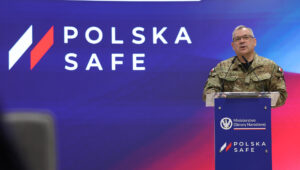
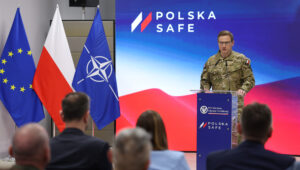
Polish SAFE is a program for the modernization and expansion of the Polish Armed Forces, adopted by a resolution of the Council of Ministers. Polish SAFE represents the largest investment funds for security and the military in the history of the country.
“There is no branch of the armed forces that has been omitted from the SAFE program, and there is no branch of the armed forces that will not be reinforced with new equipment and capabilities. What was also said during today’s briefing deserves attention. The commander responsible for training pointed out that this equipment will go to units in an army that is increasing in size ‒ equipment that is very much needed to train and prepare soldiers. This is equipment for combat use, but also for logistical and training support, which is the most important element in building deterrence potential. As General Kukuła said: we are arming ourselves in order to be so strong that no one will ever want to attack us. Building this military potential is an investment in future generations. And all those who are now saying these foolish things ‒ that our children and grandchildren will bear the consequences of our actions today, that we are putting the state into debt and that someone will have to repay these obligations ‒ we are doing this so that our children and grandchildren will not have to pay with their blood for Poland’s security. Because if we invest in this security today, our children, grandchildren and future generations will simply be safe, because no one will attack Poland,” the deputy prime minister emphasized.
The program was created in response to the difficult geopolitical situation along Europe’s borders. Its financial basis is the European SAFE instrument, from which funds will be transferred to Bank Gospodarstwa Krajowego for the Armed Forces Support Fund.
“This is a program of an ambitious Poland that is changing. It is, in fact, an aspirational program. In our activities, we have often said that for our government, it is not only the here and now, not only today, that matters, but also what lies ahead. In fact, thinking about future generations is prudent care for the common good for years to come. (…) We have broken an absolute world record. In three days, we concluded 62 contracts worth 120 billion złoty with the Polish defense industry. (…) We must have greater operational capabilities and, day by day, also independence in defense production. (…) This is a program for Poland’s development, a program that meets Poles’ expectations of a safe Poland and the expectations and aspirations of Poles regarding the economic development of our homeland. I would like to sincerely thank everyone who worked on this plan, the entire Polish Armed Forces, through General Kukuła, for also saying clearly and explicitly that he expects funds from other sources as well, and that the military will accept any money. (…) I thank all soldiers, all planners, the entire staff, all commanders, including those in the General Command who will manage this equipment, those in the Operational Command who will use this equipment, and the Cyber Defence Forces Component Command, because this is exceptional for cyber defense. For the Territorial Defence Forces, for the special forces, for every branch of the armed forces, for the Navy, the Air Force and the Land Forces,” added Władysław Kosiniak-Kamysz, deputy prime minister.
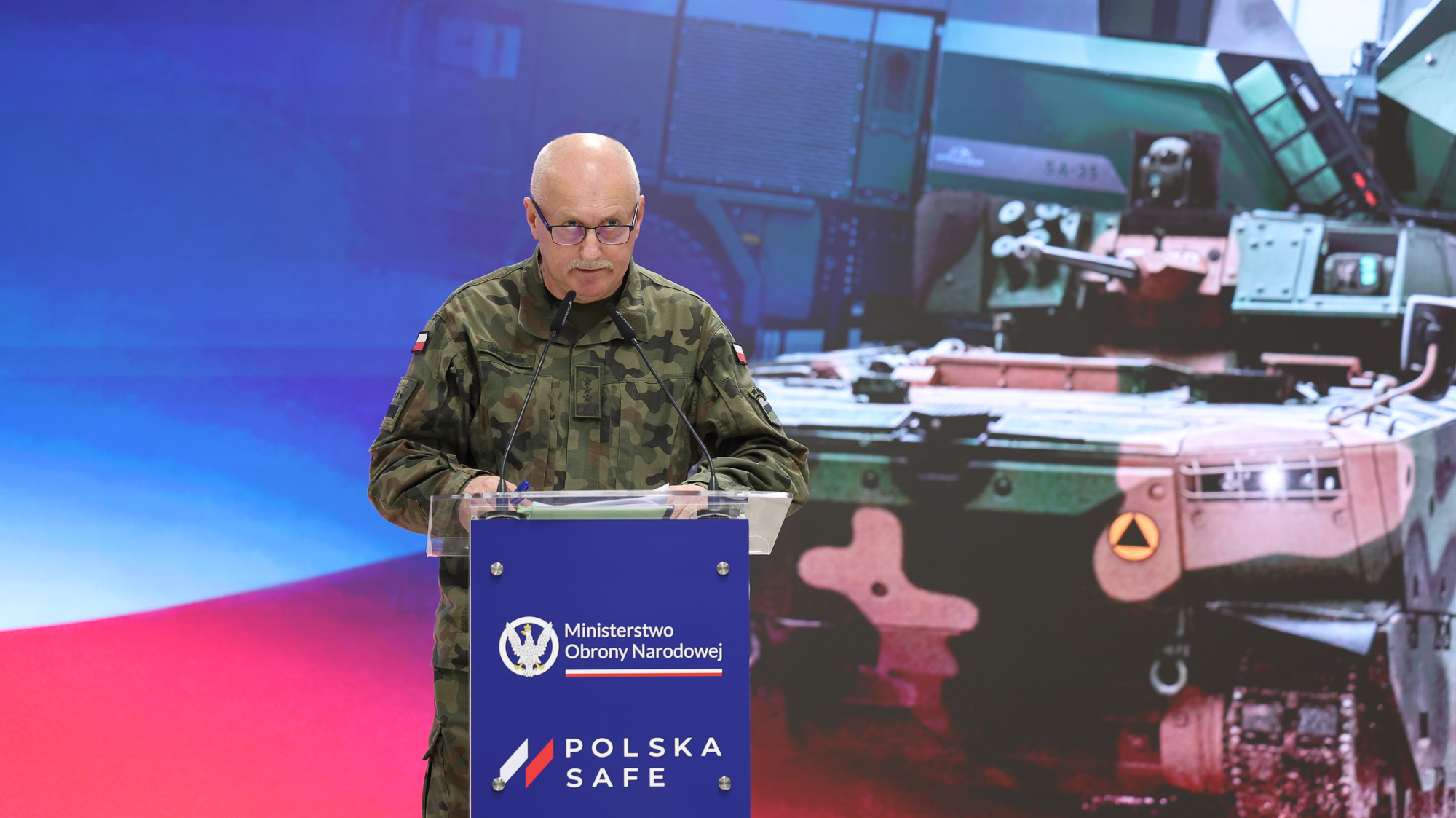
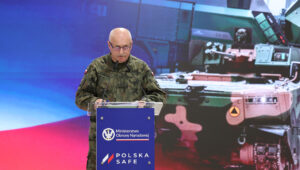
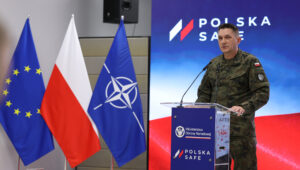
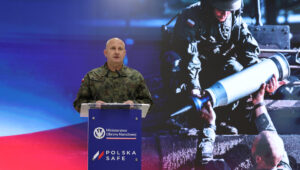
“The current transformation of the Armed Forces, the largest in the history of the Polish state, focuses on building deterrence potential sufficient to minimize the risk of the outbreak of armed conflict in the shortest possible time. Given the current geopolitical situation, the fundamental factor determining the value of this transformation is its speed ‒ that is, the time in which weapons systems defining the core capabilities of the armed forces will be acquired. The key challenge of the current development program of the Polish Armed Forces is the need to balance two fundamental challenges. The first stems from the need to fill gaps in existing capabilities caused by almost 30 years of limited financial resources allocated to the modernization of the armed forces, as well as donations of equipment to the Armed Forces of Ukraine. The second challenge remains the creation of new capabilities connected with the changing paradigm of deterrence and the pursuit of technological and quantitative advantage on the future battlefield,” said General Wiesław Kukuła, Chief of the General Staff of the Polish Armed Forces.
The program’s priority is to support the Polish defense industry. A significant part of the order will go directly to domestic production plants, including Rosomak S.A. in Siemianowice Śląskie, Huta Stalowa Wola, Mesko S.A. in Skarżysko-Kamienna, Fabryka Broni Łucznik-Radom and PGZ Stocznia Wojenna in Gdynia. A total of 11,981 partners across the country are involved in the implementation of the program.
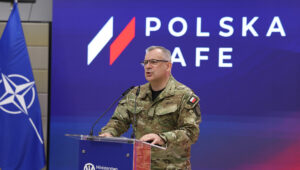
“From the point of view of the Operational Command, the SAFE program is not only a financial or procurement benefit, but above all Poland’s security and the resilience of the state. (…) We are directly exposed to the actions of the Russian Federation and Belarus. And this issue, as you are well aware, is not only military in nature, but also connected with provocations. (…) Therefore, from my point of view as operational commander, the most important thing is that every purchase strengthens the operational capabilities of the Polish Armed Forces,” emphasized Lieutenant General Maciej Klisz, Operational Commander of the Armed Forces Branches, who attended the meeting.
The program involves thousands of business and institutional partners across Poland, translating into thousands of jobs in the defense sector and related industries. SAFE is not only about economic benefits for Poland, but also about the development of production, research and development, and logistics facilities.
“The armaments under SAFE that are to be delivered to military units will above all lead to a leap in the combat capabilities of the Land Forces, the Polish Navy, the Air Force, the Special Forces and the cyber forces. From the point of view of the individual branches of the armed forces, it will increase firepower and the ability to strike the enemy, strengthen armored and mechanized forces, reinforce the integration of unmanned systems at all levels, support the construction of multilayered force protection, and increase logistical resilience and the mobility of troops. It will also strengthen the implementation of the East Shield program, where a number of investments and purchases will be made so that they can be combined with equipment and with the performance of tasks at the border,” said Lieutenant General Sławomir Owczarczyk, First Deputy General Commander of the Armed Forces Branches.
The program was created in response to changes in the security situation in Europe. Poland, as a country bordering Ukraine, Belarus and Russia through the Kaliningrad Oblast, is in a particularly exposed geopolitical position. Defense investments have a deterrent character ‒ a strengthened army reduces the risk of conflict and increases Poland’s credibility as a NATO ally.
“As far as the Territorial Defence Forces are concerned, the signing of contracts under the SAFE program will above all increase our strike, logistical and reconnaissance capabilities. The program also includes individual soldier equipment. (…) These capabilities will also affect the implementation of the national East Shield deterrence program. I would like to emphasize that from 2028, the Border Defence Component will be responsible for this element of the program in terms of surveillance and use. To sum up, the main beneficiaries of the SAFE program will be the territorial defense brigades deployed in the eastern part of the country. But not only them, because the Territorial Defence Forces are responsible for the crisis management system, and here the program will significantly increase our capabilities in reconnaissance and logistical support for local communities,” said Major General Krzysztof Stańczyk, Commander of the Territorial Defence Forces.
“Purchases under the SAFE program represent a very concrete reinforcement of operational capabilities for the Cyber Defence Forces in three key areas: cyber, IT and cryptography. As part of this stage, 12 contracts were signed that are not simply purchases of equipment. They involve building a coherent ecosystem of capabilities, from information exchange and modern cryptology to artificial intelligence, mobile server rooms and 5G networks. First, we are strengthening the security of military information and communications. The cryptographic solutions being acquired, including post-quantum technologies, are intended to protect the armed forces against both current and future threats. Second, we are increasing operational mobility. Mobile cybersecurity laboratories, mobile cryptography management centers and modular containerized server rooms make it possible to operate not only from a fixed location, but also wherever the operational situation requires. Third, we are investing in artificial intelligence and data analysis. As a result, we are building capabilities for the rapid detection of threats, a better understanding of the operational situation and more effective support for the decision-making process,” Major General Karol Molenda, Commander of the Cyber Defence Forces Component, summarized the contracts.
Major General Artur Kuptel, head of the Armament Agency, which is responsible for preparing specific armaments contracts, described the SAFE program as a great opportunity for the Armed Forces and industry.
“The flagship task of the Armament Agency is to create conditions for increasing the operational capabilities of the Polish Armed Forces, and these tasks are carried out primarily through the effective acquisition of military equipment. The funds that the Armament Agency has now received have made it possible to make a leap forward and massively strengthen this capability area. (…) I am very pleased that today, in talks with commanders, I received information that they are glad that the equipment will arrive in a step-change manner and will significantly increase the capabilities of the Polish Armed Forces. Let us remember one thing: the Armament Agency is a kind of interface between what the Polish Armed Forces expect and what Polish industry can offer. The capabilities built by Polish industry over many years have now been verified. We expect that by 2030 all these tasks, covering vast quantities of armaments and equipment ‒ from strike systems, through protection and support systems, individual systems, command and communications systems, unmanned systems, and logistics systems ‒ will be delivered to the Polish Armed Forces. The first phase has just been completed. As of today, we have begun very intensive activities, which in fact were initiated several weeks ago and concern joint procurement. As part of these activities, we will also seek contractors abroad. But note this: all tasks carried out under the single procurement formula today have the best possible advertisement, which is the Polish military. We will also promote them abroad. If the Polish Armed Forces use a given piece of equipment, this is the best proof of its quality and effectiveness. All participants in the SAFE mechanism are interested in this. We will support activities that will allow the production capacities offered by Polish manufacturers to be positively verified on foreign markets as well. The coming days will, I hope, bring more good news regarding orders, not only those carried out under the common procurement formula. Let us remember that the SAFE mechanism is one of the instruments financing the current modernization tasks of the Polish Armed Forces,” said the head of the Armament Agency.
See also:
- SAFE: 60 billion PLN for Poland’s company Huta Stalowa Wola
- SAFE: Package of agreements signed under Polish Narew and Wisła air defense programs
- Belma awarded SAFE contracts for new engineering and scatterable mine-laying systems for the Polish Armed Forces
- SAFE: Contracts for Medium Satellite Terminals and additional LOTR Kleszcz systems
- Two hydrographic ships for Poland under the SAFE program
- WB Group to supply the Polish Armed Forces with more UAVs under the SAFE Program
- PSO Maskpol, Celtech, and Jelcz awarded contracts under the SAFE program
- First Contracts Signed under the SAFE Program for Equipment for the Polish Armed Forces
