


















On Wednesday, January 21, 2026, the European consortium MBDA announced that it had signed a contract with the Meteor International Joint Program Office (IJPO), acting on behalf of the Bundeswehr’s procurement authority BAAINBw (Bundesamt für Ausrüstung, Informationstechnik und Nutzung der Bundeswehr), for the fourth batch of long-range Meteor BVRAAM (Beyond Visual Range Air-to-Air Missile) air-to-air missiles.
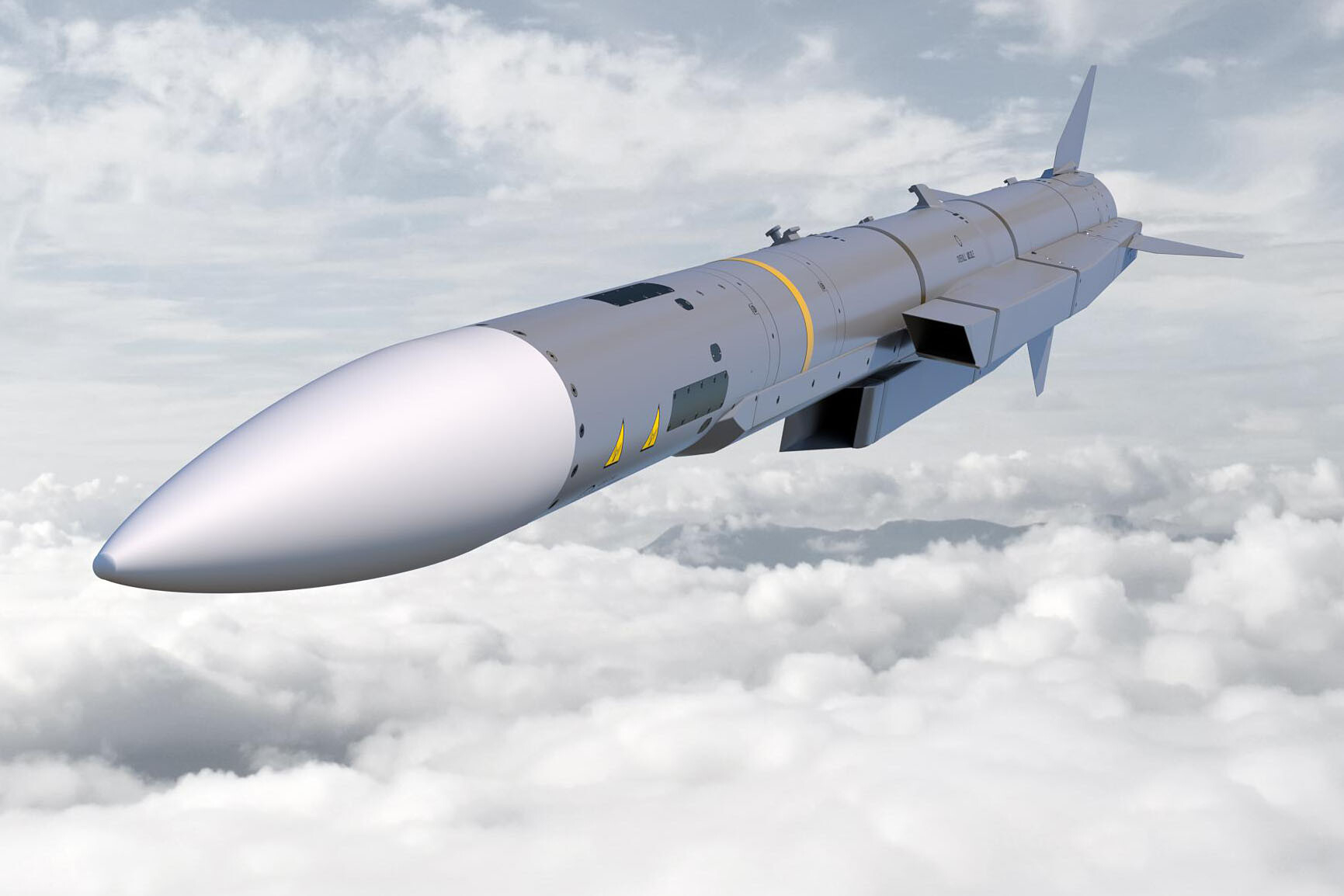 Image: MBDA
The funding request submitted by the German Federal Ministry of Defence for the purchase was approved by the Bundestag’s Budget Committee (Haushaltsausschuss) on December 19, 2025.
The first batch of 150 missiles was ordered in 2013, with deliveries carried out between 2016 and 2018. The second batch covered a further 100 missiles valued at 185 million EUR; deliveries were also completed, although the exact timing was not specified. On November 13, 2024, the purchase of a third batch of Meteor missiles worth approximately 531 million EUR was approved, but the number of missiles ordered was not disclosed. The first operational tests from the Eurofighter EF-2000 Typhoon multirole aircraft were conducted in December 2024.
Eric Béranger, Chief Executive Officer of MBDA, stated:
“METEOR is a defining example of the strength of multinational collaboration in delivering world-leading defence capabilities. This latest contract from Germany, one of the missile’s development partners, reflects continued confidence in a programme that unites cutting-edge technologies from six European nations, through a unique partnership led by MBDA, to deliver a common decisive military capability. In 2025, we saw another successful year for METEOR, as nations continued to invest in its air dominance and secure the sovereignty of their airspaces.”
Meteor is the result of cooperation among a consortium of European partners led by MBDA. The partnership includes Germany, the United Kingdom, France, Italy, Spain, and Sweden. The missile is powered by a ramjet, a variable-flow, ducted solid-fuel rocket motor, manufactured in Germany by MBDA subsidiary Bayern-Chemie. This ramjet provides sustained thrust until target intercept, giving the missile a unique and exceptionally large no-escape zone compared with many other air-to-air missiles.
Meteor missiles can be employed in all weather conditions against combat aircraft, unmanned aerial vehicles, and cruise missiles. The actively radar-guided missile is equipped with a data link, enabling network-centric operations and improving airpower effectiveness. The missile is 3.7 meters long, 178 mm in diameter, and weighs 190 kg. It features impact and proximity fuzes and a fragmentation warhead, enabling engagement of targets at ranges of up to approximately 150 km, as noted.
The missiles have entered service with the armed forces of the United Kingdom, Italy, France, Croatia, Greece, India, Qatar, Spain, and Brazil, with South Korea and the United Arab Emirates set to follow. Hungary previously planned a purchase, while Saudi Arabia later withdrew from its plans.
In addition to Typhoons, Meteor has been integrated on Dassault Rafale, Saab JAS 39 Gripen, and KF-21 Boramae multirole aircraft. In 2025, integration with the F-35 made progress, beginning with the first flight on the F-35B and ground tests ahead of the first flight on the F-35A. In November 2025, the Brazilian Air Force confirmed successful missile tests from F-39E Gripen fighters.
MBDA has received a new order for #METEOR beyond visual range air-to-air missiles for the German Armed Forces 🇩🇪
A flagship European #cooperation programme bringing together six partner nations.
🗞️ Read more: https://t.co/Zh8CSswQ3F#MBDA #Defence pic.twitter.com/QSsJn73HNk— MBDA (@MBDAGroup) January 21, 2026