































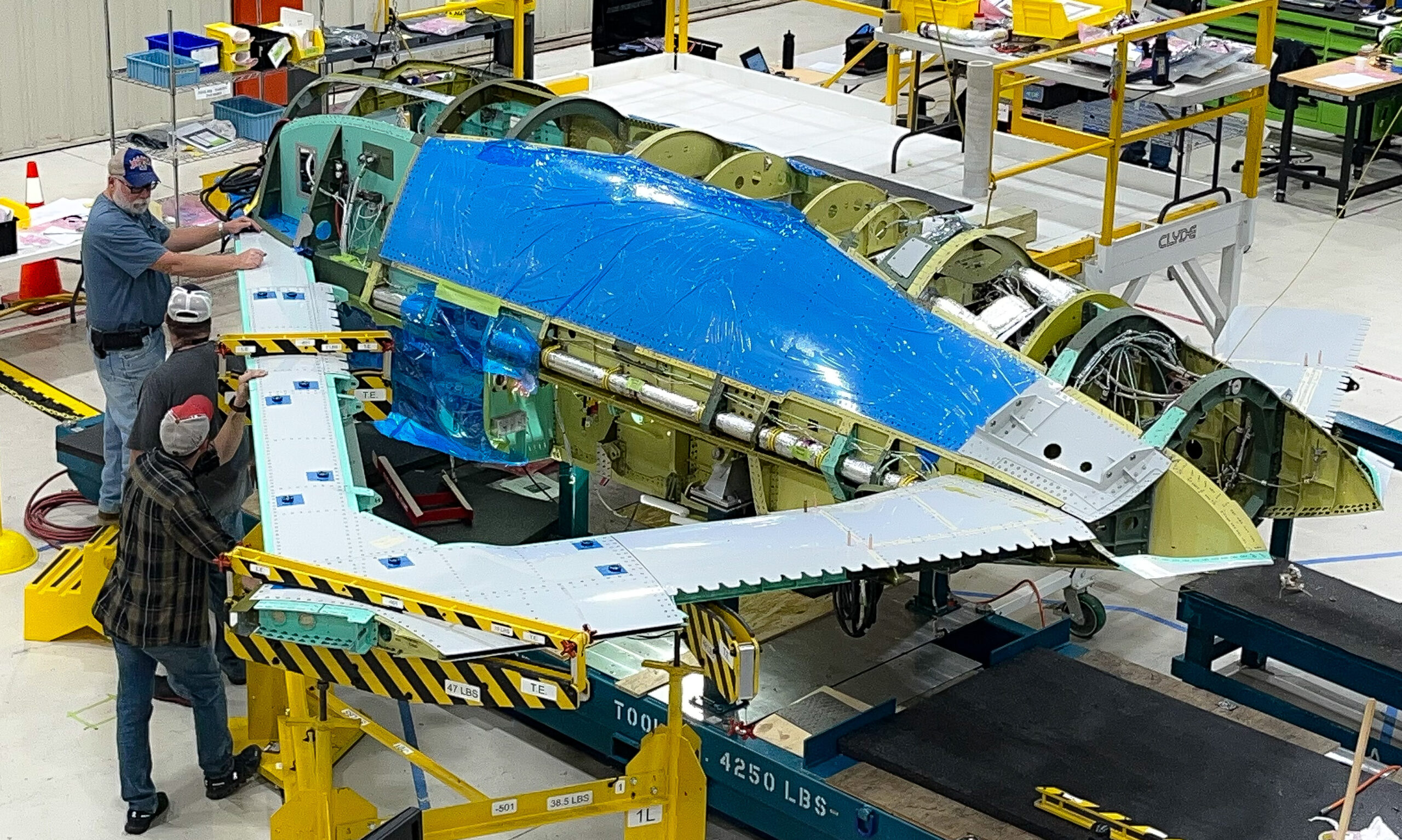
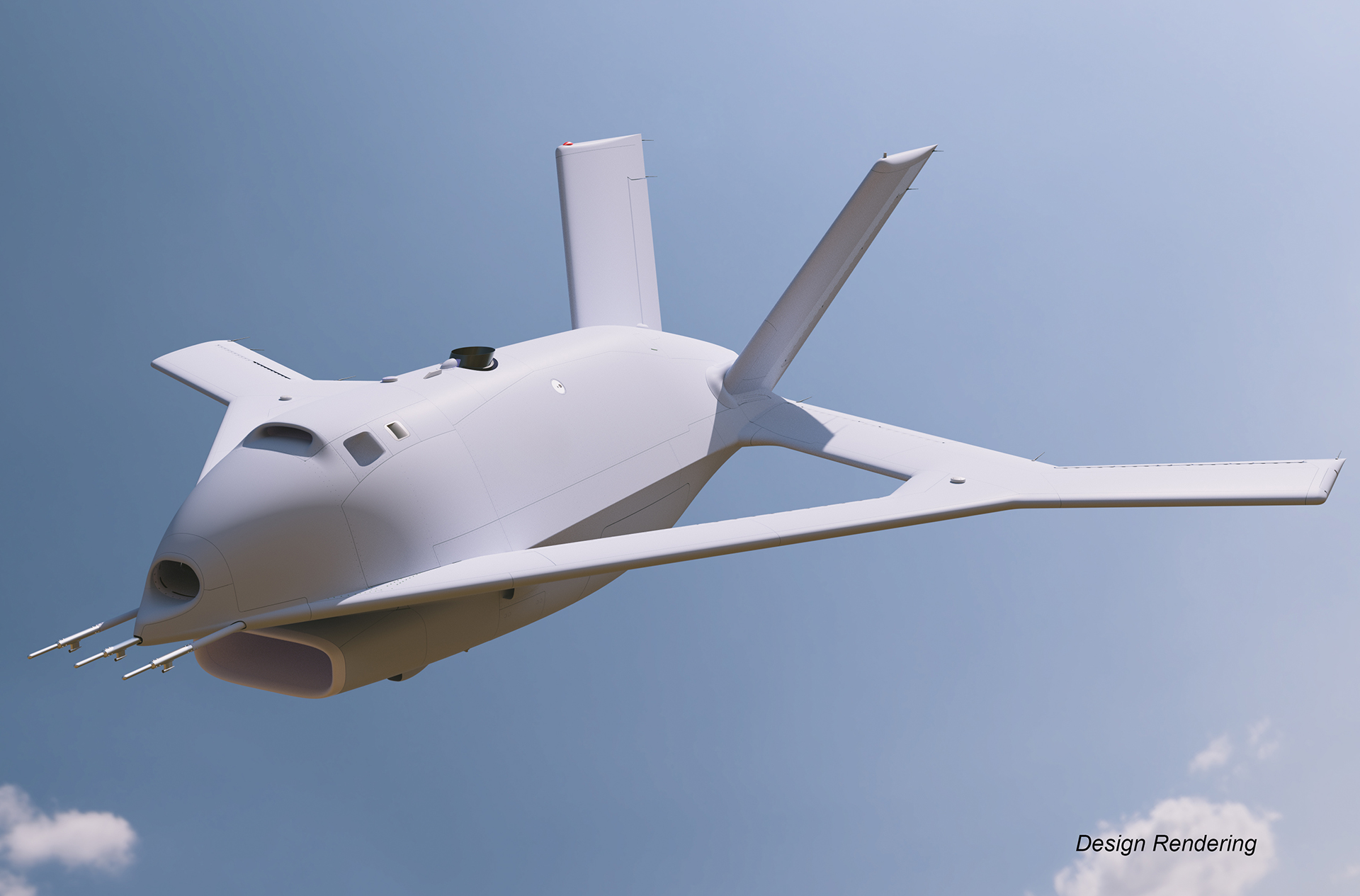
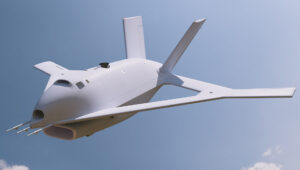
On Tuesday, June 23, 2026, American company Aurora Flight Sciences (part of Boeing) announced via social media further progress in the construction of the X-65 aircraft technology demonstrator under the CRANE (Control of Revolutionary Aircraft with Novel Effectors) program, which is designed to perform in-flight maneuvers without the use of external movable (mechanical) control surfaces.
Photos: Aurora Flight Sciences
The work was commissioned by the Defense Advanced Research Projects Agency (DARPA) under a contract dated January 17, 2023. The alphanumeric designation X-65 was assigned to the project on May 15, 2023.
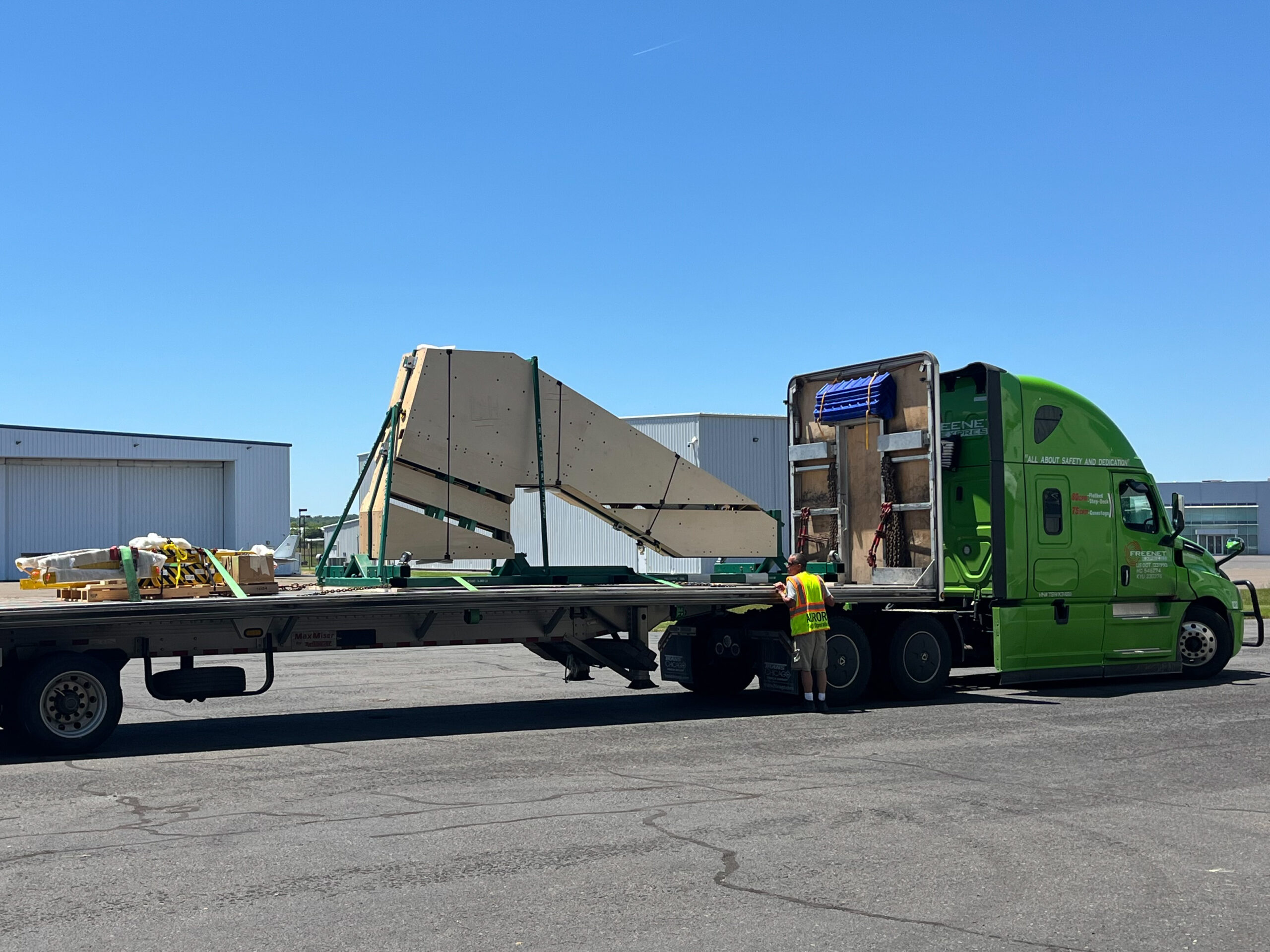
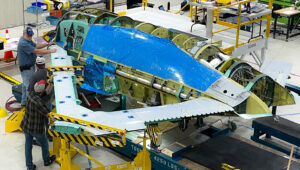
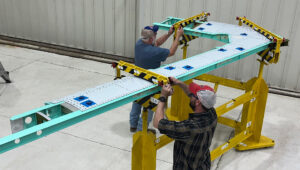
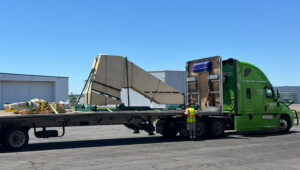
On April 2 of this year, it was reported that the fuselage of the future aircraft had arrived at Aurora Flight Sciences’ facility in Alexandria, Virginia, following which integration of the electrical, propulsion, and aerodynamic control systems began. The wings have now arrived from the West Virginia facility, and final assembly will be completed upon delivery of the tail components. The aircraft’s maiden flight is planned for 2027 (originally scheduled for 2025 – ed.).
It is worth recalling that the key to its aerodynamic layout and fuselage construction is to be an Active Flow Control (AFC) system. The company is currently executing an option for the third phase of the program, under which it is building a full-scale unmanned technology demonstrator weighing up to 3,175 kg (7,000 lb) with a wingspan of 9.14 m (30 ft), capable of reaching Mach 0.7. It will be controlled using the Active Flow Control system and equipped with modular wing configurations that will enable future integration of advanced technologies for further testing by DARPA or potential transition partners.
AFC technologies enable improvements in aircraft performance, such as the elimination of movable control surfaces, aerodynamic drag reduction and high angle of attack, thicker wing cross-sections for structural efficiency and increased fuel tank capacity, and simplified high-lift systems.
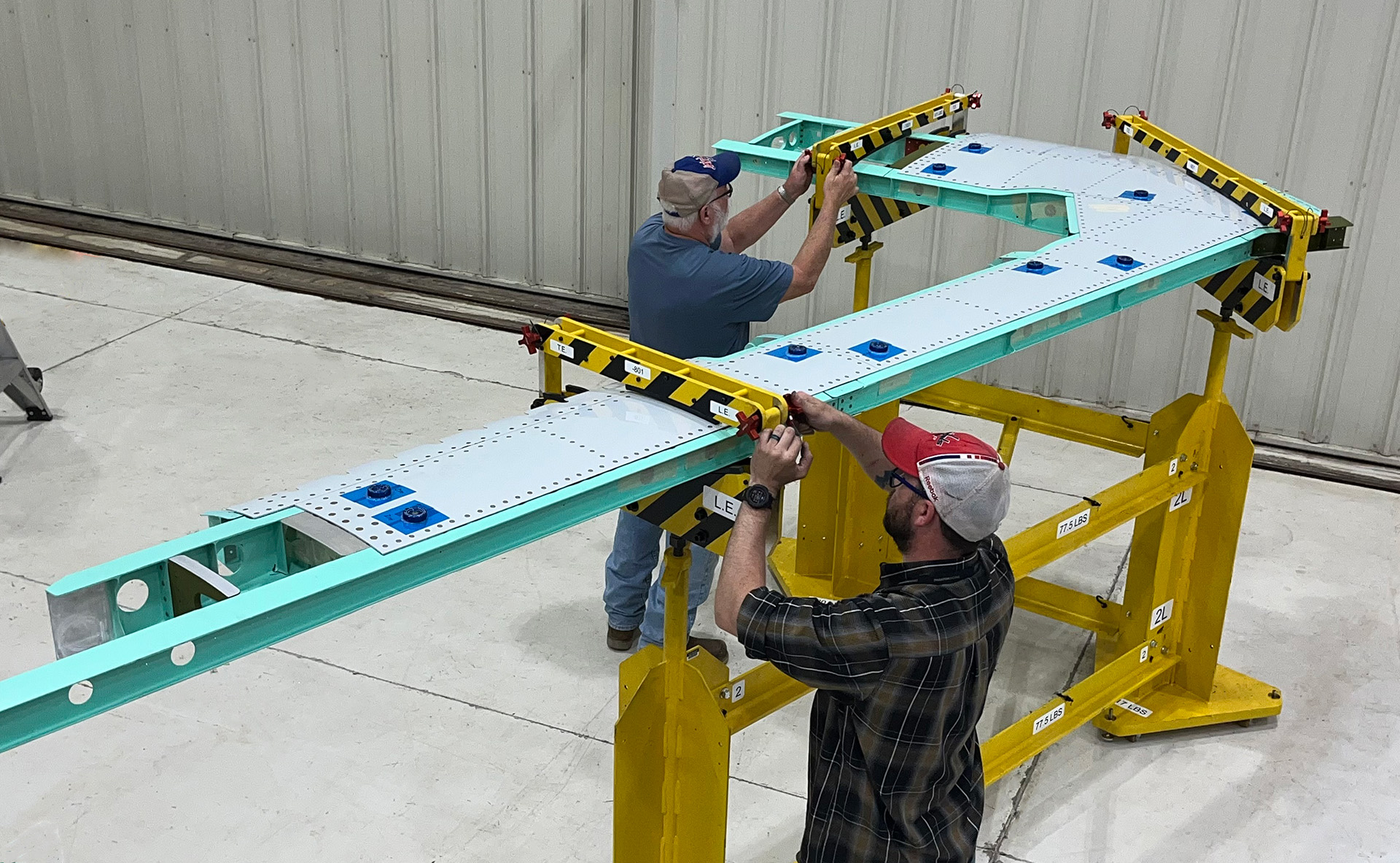
The wings have arrived — the next big milestone for X‑65! Built at our WV facility, the triangular wings enable active flow control testing across multiple sweeps. Integration is underway in VA as we push toward first flight for the @DARPA CRANE program. pic.twitter.com/w6jhT7ptzI
— Aurora Flight Sciences (@AuroraFlightSci) June 23, 2026
Building X-65 is a masterclass in precision and coordination. Our team works from a platform that provides bilevel access to key areas, with protections to prevent FOD. Installation follows a careful sequence. With @DARPA, we’re advancing X-65 to demonstrate active flow control. pic.twitter.com/3Vb4j42kMF
— Aurora Flight Sciences (@AuroraFlightSci) May 5, 2026
The United States is not, however, a pioneer in translating AFC concepts into metal. On December 13, 2017, BAE Systems revealed that the MAGMA unmanned aerial vehicle, developed jointly with specialists from the University of Manchester, had completed its maiden flight. The aircraft is controlled exclusively through the ejection of air bled from a jet engine compressor. Development work had been underway since 2010.
Two technologies are responsible for the innovative MAGMA UAV control system:
- Wing Circulation Control – drawing air from the jet engine and releasing it at supersonic speed through the trailing edge of the wings, providing control over changes in flight altitude;
- Fluidic Thrust Vectoring – releasing the bled air beneath the engine exhaust nozzle, causing deflection of the exhaust gases and enabling changes in flight direction.
See also: