













On Tuesday, May 12, 2026, Swiss company Pilatus Aircraft Ltd. announced on social media that the first of 19 PC-21 turboprop trainer aircraft for the Royal Canadian Air Force (RCAF), where they will receive the designation CT-157 Siskin II, has completed factory acceptance at the company’s facility in Stans.
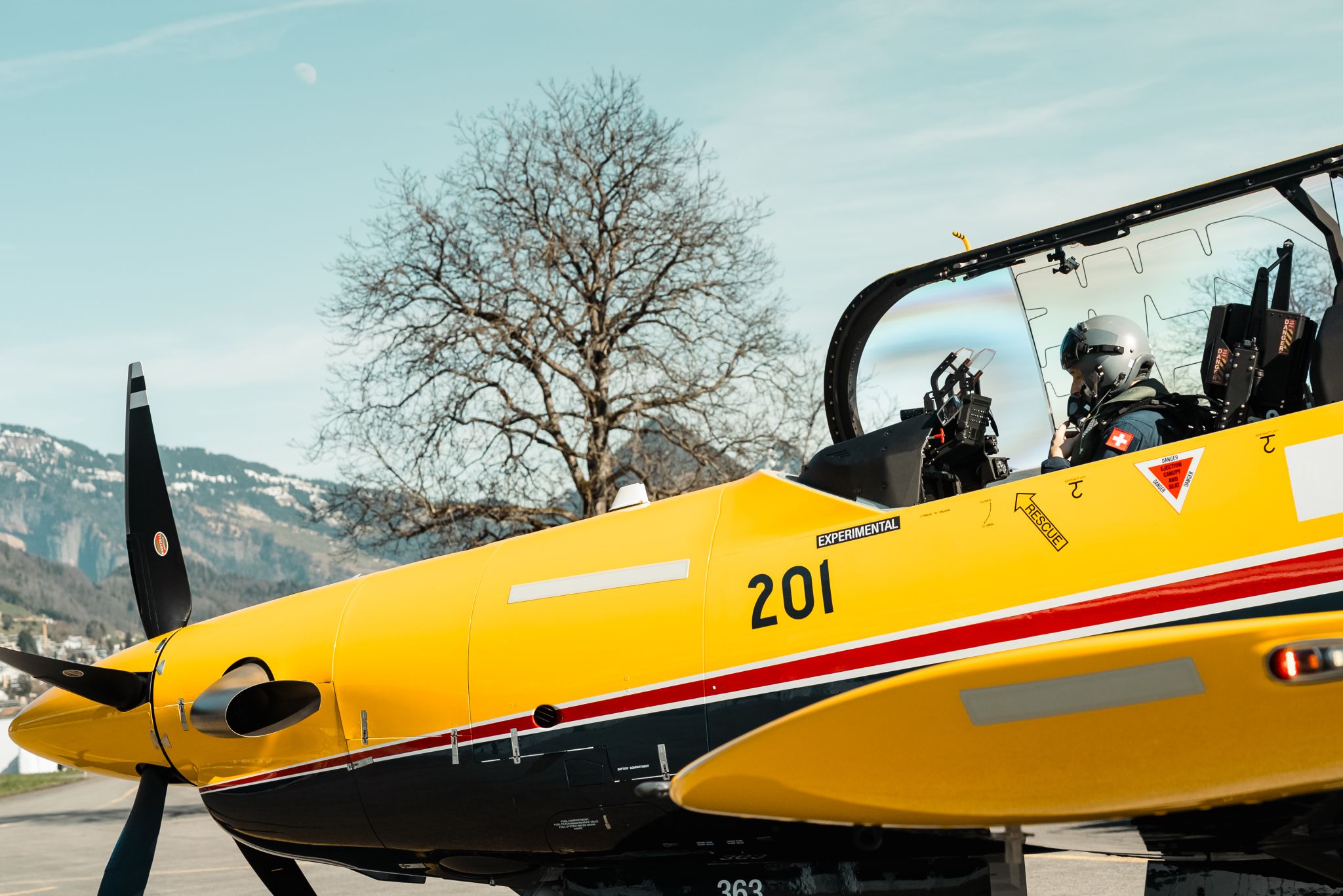 Photos: Pilatus Aircraft Ltd.
The aircraft made its maiden flight on February 26 this year, completing a flight lasting 1 hour and 15 minutes, which included advanced mechanical and avionics tests to ensure smooth flight operations and optimal system performance. This included functional tests of the engine, aircraft systems, and flight controls, which form part of Pilatus’ production processes.
It should be recalled that on November 28, 2024, Pilatus Aircraft announced the signing of a contract with Canadian company KF Aerospace for the delivery of 19 PC-21 aircraft for Canada. The aircraft procurement plan was announced by Canada’s Department of National Defence on May 29-30 of the same year during the CANSEC 2024 trade fair in Ottawa, organized by the Canadian Association of Defence and Security Industries (CADSI).
KF Aerospace, in cooperation with SkyAlyne Canada Limited Partnership, was selected by the government in Ottawa as the provider of training services for RCAF pilots under the Future Aircrew Training (FAcT) program, worth 11.2 billion CAD, over 25 years. The program more broadly covers various training platforms that will replace those currently in use. Then-Defense Minister Bill Blair also announced the purchase of Grob G120TP light trainer aircraft, to be designated CT-102B Astra; Beechcraft King Air 260 aircraft, to be designated CT-145E Expeditor II; De Havilland Dash 8-400 aircraft, to be designated CT-142Q Citadel; and Airbus H135 helicopters, to be designated CT-153 Juno.
The 19 CT-157 Siskin II aircraft will be based at the air base of 15 Wing RCAF at CFB Moose Jaw in Saskatchewan starting in 2026. They will be used primarily to provide advanced training for future military pilots.
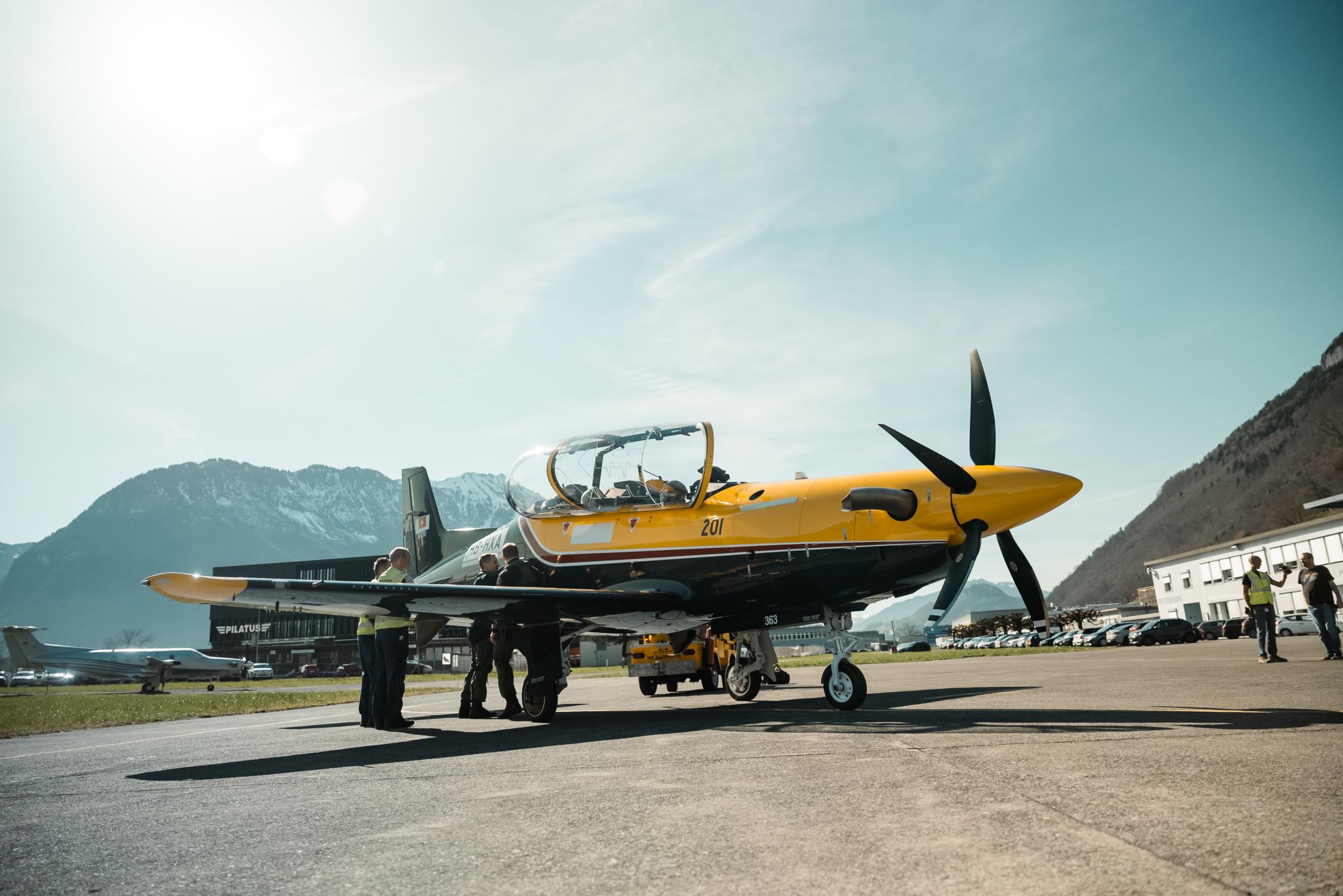
The PC-21 is an advanced training platform specifically designed to meet the requirements of modern pilot training. Known for its performance and versatility, the PC-21 is recognized worldwide as a leading trainer aircraft. In addition to the aircraft itself, the PC-21 integrated training system also includes mission planning and debriefing systems, as well as training materials ‒ all essential elements supporting ground-based training.
The global PC-21 fleet currently comprises just under 250 aircraft. Its users include leading air forces in Europe, the Middle East, the Far East, and Australia. The Swiss Air Force introduced the PC-21 into service in 2008 and has since successfully used it to train future military pilots.
The Pilatus PC-21 is powered by a single Pratt & Whitney Canada PT6A-68B turboprop engine rated at 1,600 hp. It enables a maximum speed of 685 km/h and a range of 1,333 km. The two-seat aircraft, with a tandem cockpit, is 11.233 m long, has a wingspan of 9.108 m, and is 3.74 m high. Its empty weight is 2,270 kg, while maximum takeoff weight is 4,250 kg. The aircraft can be adapted to carry 1,150 kg of air-to-ground weapons on four underwing hardpoints and one centerline hardpoint.
The first Pilatus PC‑21 (CT‑157 Siskin II) has officially passed Factory Acceptance in Stans. That means one thing: Canada’s next-generation trainer is real and ready! pic.twitter.com/KB5lptbQAD
— Pilatus Aircraft Ltd (@PilatusAircraft) May 12, 2026