

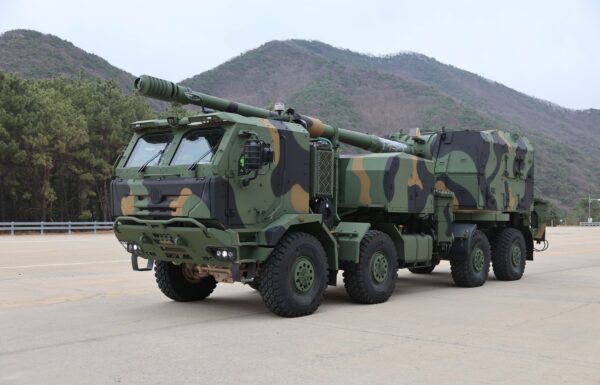
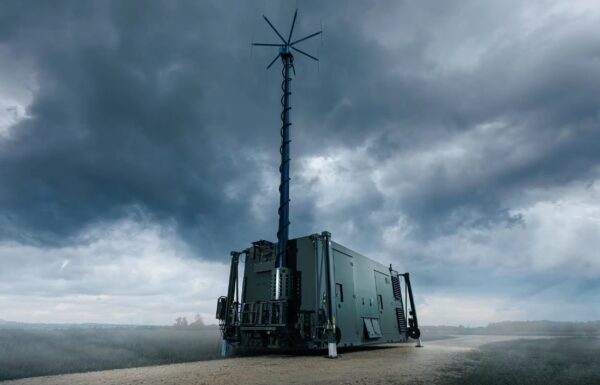



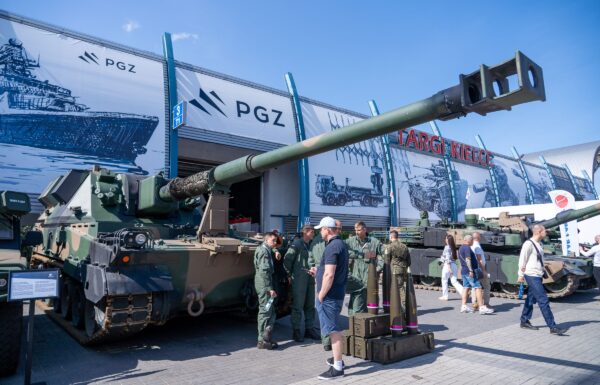





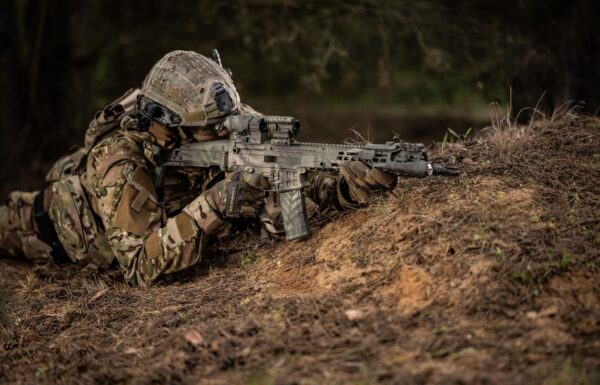














SAFE is not merely an assistance fund, but a strategic instrument worth 150 billion EUR, designed to drive the consolidation of the European Defence Technological and Industrial Base (EDTIB) through a mechanism of preferential loans and stringent requirements regarding the origin of components. As a pillar of the broader Readiness 2030 strategy and the ReArm Europe plan, the program is intended to address capability shortfalls resulting from assistance provided to Ukraine. Above all, however, it seeks to ensure the development of Europe’s defense capacity so that it becomes capable of deterring aggression without complete reliance on external security guarantees. The following analysis of the SAFE program focuses on its impact on the modernization of Member States’ armed forces, the transformation of the defense industry, and relations with key external partners.
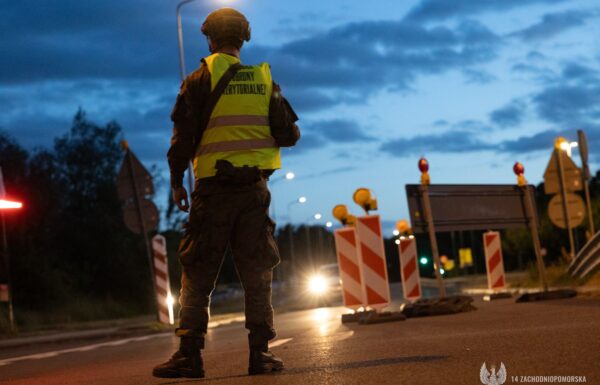
 Image: European Comission
Origins and Development of the SAFE Program
The origins of the name SAFE date back to 2009, when the European Parliament adopted a resolution concerning the concept of Synchronised Armed Forces Europe. The original SAFE was a voluntary model for synchronizing armed forces within the framework of the Common Security and Defence Policy (CSDP), aimed at laying the foundations for a European army through improved coordination of training and human resources. For more than a decade, the concept remained largely theoretical, blocked by resistance from Member States guarding their military sovereignty and by British vetoes.
The breakthrough came in 2025, under the impact of Russia’s full-scale aggression against Ukraine and growing uncertainty regarding the direction of U.S. policy. The European Commission, under the leadership of Ursula von der Leyen, rebranded SAFE, transforming it into a purely financial instrument: Security Action for Europe. The new SAFE was anchored in Article 122 of the Treaty on the Functioning of the European Union (TFEU), enabling its rapid implementation as an “emergency measure.” This transformation from a coordination initiative into a financial instrument demonstrates that the European Union has shifted into a mode of intensified wartime spending. The Union recognized that without substantial investment in the defense industry, Europe’s strategic ambitions would remain confined to rhetoric.
Początki nazwy SAFE sięgają roku 2009, kiedy to Parlament Europejski przyjął rezolucję dotyczącą koncepcji Synchronised Armed Forces Europe. Pierwotne SAFE było dobrowolnym modelem synchronizacji sił zbrojnych w ramach Wspólnej Polityki Bezpieczeństwa i Obrony (CSDP), dążącym do stworzenia fundamentów europejskiej armii dzięki lepszej koordynacji szkolenia i zasobów ludzkich. Przez ponad dekadę koncepcja ta pozostawała w sferze teorii, blokowana przez sprzeciw państw członkowskich strzegących swojej suwerenności militarnej oraz przez brytyjskie weta.
Evolution of SAFE program

Financial Framework
SAFE is based on a back-to-back lending strategy, under which the European Commission, leveraging its highest credit rating, borrows funds on international capital markets and then passes them on to Member States in the form of low-interest loans. This mechanism enables countries such as Poland or Romania to secure defense financing at costs significantly lower than those associated with issuing national bonds.
The financial terms offered under SAFE are unprecedented in the defense sector. Loan maturities may extend up to 45 years (until 2070), with the possibility of a 10-year grace period on principal repayment. Interest rates fluctuating around 3–3.3% constitute a powerful incentive for states compelled to rapidly increase defense spending while maintaining fiscal stability and avoiding a drastic expansion of budget deficits. An additional advantage is the possibility of obtaining pre-financing of up to 15% of the loan value, enabling immediate advance payments to manufacturers and the reservation of production capacity, which, amid a global arms race, is becoming an increasingly scarce commodity.
Struktura finansowania SAFE dla kluczowych beneficjentów

These allocations indicate a clear priority for the EU’s eastern flank states, which bear the greatest costs of deterring Russia. Poland, absorbing nearly 30% of the total SAFE budget, is becoming the central pillar of Europe’s defense capability rebuilding, raising both hopes for enhanced security and political concerns over the scale of indebtedness.
Project Classification and Technological Requirements
The SAFE Regulation precisely defines investment areas, dividing them into two categories, each designed to address a different type of operational gap.
Category 1
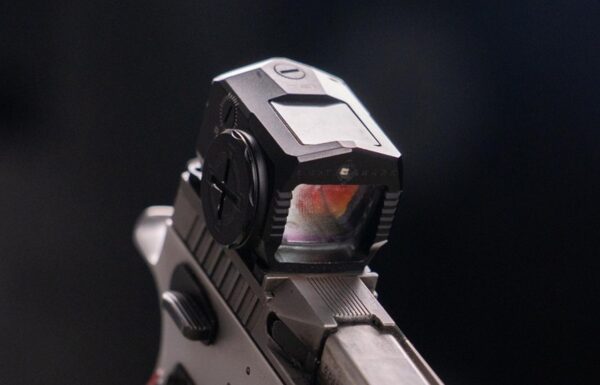
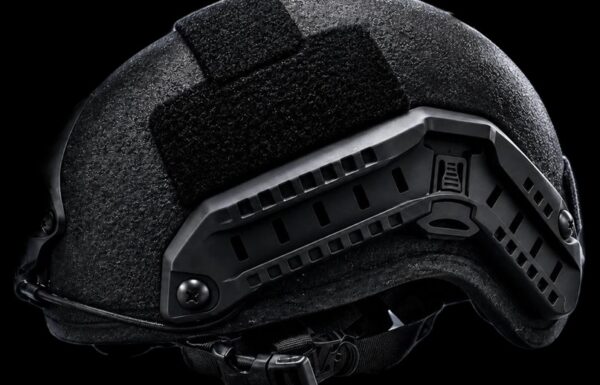
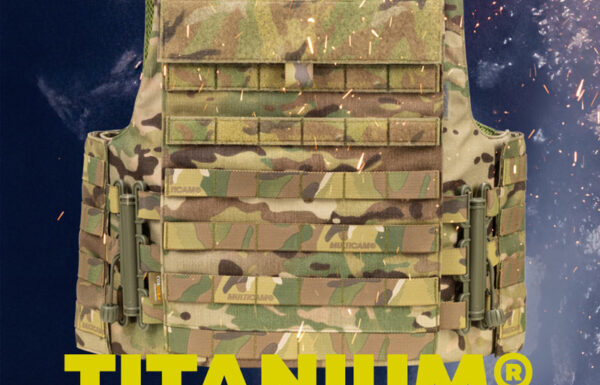
Category 1 focuses on replenishing critical military capabilities. It includes the production and stockpiling of large-caliber ammunition, the development of artillery systems, the modernization of land forces, and the procurement of small drones (NATO Class 1) and counter-drone systems. Funding in this category is the most readily accessible, as it addresses the most urgent battlefield needs identified during the war in Ukraine. A key component also includes the protection of critical infrastructure and cybersecurity, demonstrating that SAFE approaches defense in an integrated manner.
Category 2
Category 2 covers strategic and highly complex projects, such as integrated air and missile defense, electronic warfare systems, space technologies, and artificial intelligence in military applications. For this category, stringent Design Authority requirements have been introduced. Contractors must demonstrate full control over the project and the ability to modify it without restrictions imposed by third countries. This requirement directly targets dependence on technologies from the United States or Israel and aims to foster European equivalents of key weapons systems.
Technological scope of SAFE projects

The 35% Rule and the “European Preference” Mechanism
At the core of SAFE as an instrument of industrial protectionism lies the rule that no more than 35% of the cost of components in procurements financed through SAFE loans may originate from outside the European Union, the EEA-EFTA states, or Ukraine. This is a powerful mechanism compelling a shift away from “off-the-shelf” purchases from the United States or South Korea in favor of long-term investment in European production lines.
This rule has deeper implications:
- Stimulation of the EDTIB: Companies such as Rheinmetall or Saab must build European supply chains, integrating smaller enterprises from countries like Poland or Romania into broader production structures.
- Supply Chain Resilience: Limiting non-EU components to 35% significantly reduces the risk of political export or servicing restrictions imposed by third powers during crises.
- Standardization: Joint procurement under SAFE (requiring the cooperation of at least two states) naturally drives equipment harmonization across Europe, addressing the long-standing logistical challenge of operating numerous types of tanks or howitzers.
The introduction of these restrictions was the primary reason the United Kingdom withdrew from participation in SAFE. London deemed the requirement to transfer design rights to the EU and the barriers imposed on British components unacceptable – highlighting that SAFE represents a broader effort to build a “Fortress Europe” in the defense-industrial sphere.
Poland and 139 Modernization Projects
Poland occupies a unique position within SAFE, being both the state with the greatest security needs and one of the most eager beneficiaries of EU loans. The National Defence Investment Plan approved by the European Commission includes 139 projects with a total value exceeding 43 billion EUR (The European Commission approved Poland’s applications for SAFE program).
Poland’s Key Investment Priorities
Poland’s strategy under SAFE rests on three pillars: the construction of a physical defensive barrier, the modernization of armored and mechanized forces, and the achievement of dominance in the drone and counter-drone domain.

The government of Donald Tusk argues that SAFE represents “economic patriotism,” as the 65% EU-content requirement means that the majority of the 185 billion PLN will be spent in Polish factories rather than through foreign intermediaries. Criticism from President Karol Nawrocki, however, focuses on the risk of reduced flexibility in relations with the United States and on ambiguities surrounding anti-corruption safeguards. This dispute illustrates a fundamental dilemma: whether to build security primarily on the basis of a proven alliance with Washington, or to pursue deep integration with the European defense industry, which offers more favorable financial conditions but more limited expeditionary capabilities.
Flagship Readiness 2030 Initiatives as SAFE’s Operational Objectives
SAFE does not merely finance national procurement; it also serves as the financial engine for four major European projects intended to define the EU’s defense architecture after 2026.
European Air Shield (EAS)
European Air Shield (EAS) aims to build an “iron dome” over Europe, integrating various systems (IRIS-T, SAMP/T, and potentially U.S. solutions) into a single command network. SAFE is expected to finance joint purchases of missile batteries, lowering unit costs through economies of scale. A key challenge lies in interoperability with NATO Command and Control (C2) systems, which the European Commission considers a priority.
European Space Shield
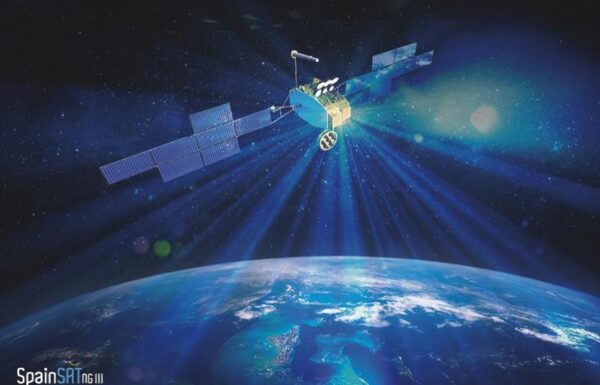
European Space Shield is designed to safeguard European sovereignty in space. It includes the development of satellite-based early warning systems against ballistic and hypersonic missiles, as well as the protection of the Galileo and IRIS2 constellations from physical and electronic attacks. SAFE provides funding mechanisms for participating states, as these highly advanced projects exceed the financial capacity of individual countries.
European Drone Wall and Eastern Flank Watch
European Drone Wall and Eastern Flank Watch are closely interconnected initiatives aimed at creating an integrated barrier of sensors and strike systems along the EU’s eastern border. The “drone wall” is intended to enable the automatic detection and neutralization of hybrid threats. Initial implementation is scheduled for the first quarter of 2026, with full operational capability expected by 2028.
Timeline of Flagship Defense Projects

The launch of SAFE triggered an unprecedented surge in the share prices of European defense corporations, giving rise to what has been described as a “defense supercycle.” Investors recognized that 150 billion EUR in loans translates into guaranteed orders for years to come, enabling companies to undertake bold investments in expanding production capacity.
Market Analysis of Sector Leaders
- Rheinmetall (Germany): It has effectively become the primary beneficiary of SAFE in the land and ammunition domains. A 28% increase in sales in 2025, combined with strategic acquisitions of shipyards and expansion into satellite radar intelligence (through a partnership with ICEYE), positions the company as a European counterpart to Lockheed Martin.
- Saab (Sweden): It has emerged as a leader in innovation in the maritime and air domains (GlobalEye, the Orka submarine program for Poland, and Gripen aircraft for additional states). A nearly 200% increase in share value within a year reflects strong market confidence in Swedish technology as an alternative to non-EU systems.
- Leonardo (Italy): Owing to its dominance in defense electronics and its participation in key helicopter and missile programs, the company has become an indispensable partner in most Category 2 SAFE projects.
For smaller players such as the Polish Armaments Group (PGZ), SAFE represents a challenge that compels rapid improvements in production standards and transparency in order to become part of Brussels-funded consortia.
The Special Status of Ukraine and Canada
SAFE redefines the EU’s relationships with external partners by creating a circle of “trusted partners” with varying degrees of access to EU defense financing.
The most striking feature of SAFE is the full integration of Ukraine into the European procurement system. The regulation allows financing for projects involving at least one EU Member State and Ukraine. This is not merely military assistance, it represents the construction of a joint defense market stretching from Lisbon to Kharkiv. Fifteen Member States have already declared projects involving Ukrainian industry, enabling the incorporation of Kyiv’s unique battlefield experience into the development of new weapons systems.
After difficult negotiations, an agreement with Canada was announced on 1 December 2025, making it the only country outside Europe’s geographic area to receive preferential access to the SAFE program. Canadian defense firms can now compete for contracts alongside EU manufacturers, which is particularly significant for strengthening supply chains in the maritime and aerospace domains. The agreement is viewed as a potential model for future arrangements with Japan or South Korea, provided they accept strict requirements regarding technology sharing.

Legal and Political Challenges
The use of Article 122 TFEU as the legal basis for SAFE has caused significant turbulence within the EU’s institutional structure. This provision, originally designed as an “emergency clause” in the event of natural disasters, allows the Council to adopt legal acts without the participation of the European Parliament.
The main points of contention include:
- Lack of parliamentary oversight: The European Parliament, traditionally more skeptical of large-scale defense spending, was entirely excluded from the decision-making process concerning 150 billion EUR.
- Challenge before the CJEU: A complaint against Regulation 2025/1106 argues that an “exceptional crisis situation” cannot be used to establish a permanent industrial policy, which should instead be based on Article 173 TFEU.
- Solidarity vs. Sovereignty: Article 122 requires a spirit of solidarity, yet SAFE is seen as promoting the interests of the largest industrial players, which critics argue distorts the intent of the provision.
Regardless of the outcome of the legal dispute, SAFE has set a precedent: defense has been recognized as an existential domain in which the speed of executive action (by the Commission and the Council) outweighs standard democratic procedures.
Outlook
Demand for SAFE loans has proven so substantial that the 150 billion EUR budget may be exhausted as early as the beginning of 2026. Intensive work is underway in Brussels on a new financial mechanism to replace or expand SAFE (SAFE defense funding program attracts strong EU interest, second edition possible).
Options under consideration include:
- Defense Bonds: The issuance of joint EU debt dedicated exclusively to defense purposes, potentially becoming a permanent budgetary instrument.
- Expanded role for the European Investment Bank (EIB): Transforming the EIB into the primary lender for the defense sector, which would require further amendments to its statute.
- Readiness 2030 Fund: Integrating SAFE into the new Multiannual Financial Framework (MFF 2028–2034), under which the defense and space budget is expected to increase to 131 billion EUR in grants and blended instruments.
SAFE has fulfilled its initial mission: it has “normalized” EU-level defense financing and created an irreversible momentum toward industrial integration. Europe has moved beyond merely discussing strategic sovereignty, it has begun to purchase it.
Final Conclusions
The introduction of the Security Action for Europe (SAFE) program enables several strategic conclusions for Member States and the industrial sector. SAFE is a transformative instrument that ends the era of the peace dividend in Europe, introducing stringent market mechanisms into the sphere of security.
Key observations:
- EU Financial Power: Leveraging the Union’s balance sheet to finance armaments marks a breakthrough, allowing Member States to circumvent national debt constraints and rapidly rearm in real time.
- Protectionism as Strategy: The 35% rule and the Design Authority requirement send a clear signal to non-EU suppliers: access to the European market will require technology transfer and production localization.
- Poland as a Leader of Change: Assuming the role of the primary SAFE beneficiary gives Poland a unique opportunity to leapfrog several technological generations in armaments –provided it maintains investment momentum beyond 2026.
- Integration with Ukraine: SAFE is effectively building a joint European industrial backbone in which Ukraine serves as both a testing ground and a strategic reservoir of innovation.
Ultimately, SAFE is not only about money or tanks; it is about the survival of the European political model in a world where hard military power has once again become the ultimate arbiter. The program’s success will be measured by whether, by 2030, the European Defence Technological and Industrial Base (EDTIB) can independently meet 55% of the Union’s defense needs – an ambitious target set out in the Readiness 2030 strategy. SAFE has laid a solid EUR 150 billion foundation for that objective.
See also:
- SAN: The First Polish Contract under the SAFE Program
- Poland: National Security Council Meeting – SAFE Among the Topics
- Polish Minister of Defence: SAFE Strengthens Our Country’s Defense and Industrial Potential
- Innovations for Poland’s East Shield Program: Over 660 Submissions, Field Tests and Deployments
Sources
1. SAFE | Security Action for Europe – European Commission – Defence Industry and Space, https://defence-industry-space.ec.europa.eu/eu-defence-industry/safe-security-action-europe_en
2. EU Unpacked # 4 Security Action for Europe (SAFE) through the …, https://euawareness.org/wp-content/uploads/2025/06/GR-SAFE-Instrument-06.25.pdf
3. The SAFE Regulation and Its Implications for Non-EU Defence Suppliers, https://www.iiss.org/research-paper/2025/12/the-safe-regulation-and-its-implications-for-non-eu-defence-suppliers
4. Commission approves second wave of SAFE defence funding for eight Member States, https://ec.europa.eu/commission/presscorner/detail/en/ip_26_211
5. A Turning Point for EU Security & Defence? Unpacking the White Paper on Defence, https://europeanmovement.eu/policy-focus/a-turning-point-paper-on-defence/
6. 11. Defence and security – Brexit FactBase, https://brexitfactbase.com/11-defence-and-security/
7. Collective Security in Europe: SAFE[r] Than NATO? – Michigan Journal of International Law, https://www.mjilonline.org/collective-security-in-europe-safer-than-nato/
8. CESI & EUROMIL on June European Council on security and defence challenges: Do not make the EU’s defence a victim of austerity! – cesi.org, https://www.cesi.org/posts/6378
9. Towards an EU defence force? – Open Briefing, https://www.openbriefing.org/publications/report-and-articles/towards-eu-defence-force
10. Legal bases in Article 122 TFEU – European Parliament, https://www.europarl.europa.eu/RegData/etudes/BRIE/2025/769579/EPRS_BRI(2025)769579_EN.pdf
11. Moving towards a SAFE Defense Policy in Europe – Verfassungsblog, https://verfassungsblog.de/safeact-eu-defense/
12. Isomorphic Spillover and Its Limits: The Institutionally Constrained Defence Industrial Policy of the European Union – Cogitatio Press, https://www.cogitatiopress.com/politicsandgovernance/article/download/11114/4863
13. The European Defence Industry Programme: The Last Piece of the EU Defence Puzzle? | Istituto Affari Internazionali, https://www.iai.it/en/publications/c41/european-defence-industry-programme-last-piece-eu-defence-puzzle
14. Program SAFE to bezpieczeństwo i rozwój polskich firm. „Weto byłoby niepowetowaną stratą” – Kancelaria Prezesa Rady Ministrów – Gov.pl, https://www.gov.pl/web/premier/program-safe-to-bezpieczenstwo-i-rozwoj-polskich-firm-weto-byloby-niepowetowana-strata
15. EU SAFE program sparks political dispute in Poland – Politico – УНН, https://unn.ua/en/news/eu-safe-program-sparks-political-dispute-in-poland-politico
16. EU greenlights Polish defense projects under SAFE program – Anadolu Ajansı, https://www.aa.com.tr/en/europe/eu-greenlights-polish-defense-projects-under-safe-program/3825928
17. Unijne pożyczki na obronność. Polska beneficjentem programu SAFE, https://polska-zbrojna.pl/home/articleshow/43873
18. Zielone światło z UE. Zatwierdzili polskie projekty w ramach programu SAFE, https://www.money.pl/gospodarka/zielone-swiatlo-z-ue-zaatwierdzili-polskie-projekty-w-ramach-programu-safe-7252882610121088a.html
19. Commission approves first wave of defence funding for eight Member States under SAFE, https://defence-industry-space.ec.europa.eu/commission-approves-first-wave-defence-funding-eight-member-states-under-safe-2026-01-15_en
20. Polska dostanie miliardy z programu SAFE. “To nie granty, ale fundusz pożyczkowy”, https://wiadomosci.onet.pl/swiat/miliardy-na-obronnosc-czym-jest-unijny-program-safe-wyjasniamy/cyw6d3c
21. Eastern Flank Watch and European Drone Wall | Epthinktank, https://epthinktank.eu/2025/10/23/eastern-flank-watch-and-european-drone-wall/
22. Polish President and opposition question Polish participation in EU’s rearmament loans programme, https://brusselssignal.eu/2026/02/polish-president-and-opposition-question-polish-participation-in-eus-rearmament-loans-programme/
23. Program SAFE: decyzja KE w sparwie Polski i znaczenie dla województwa podlaskiego, https://edpodlaskie.eu/program-safe-decyzja-ke-w-sparwie-polski-i-znaczenie-dla-wojewodztwa-podlaskiego/
24. Program SAFE dla Polski. Szczegóły będą ukryte, https://www.rmf24.pl/fakty/polska/news-program-safe-dla-polski-szczegoly-beda-ukryte,nId,8063467
25. White Paper for European Defence – Readiness 2030, https://commission.europa.eu/document/download/e6d5db69-e0ab-4bec-9dc0-3867b4373019_en?filename=White%20paper%20for%20European%20defence%20%E2%80%93%20Readiness%202030.pdf
26. EU to Replace SAFE With New Defense Lending Program, https://militarnyi.com/en/news/eu-to-replace-safe-with-new-defense-program/
27. The summary of the ReArm Europe Plan/Readiness 2030 – Bird & Bird, https://www.twobirds.com/en/insights/2025/the-summary-of-the-rearm-europe-planreadiness-2030
28. Statement by Commissioner Kubilius at the COMPET Council discussion on Space implementation dialogue: state of play and next steps – European Commission, https://ec.europa.eu/commission/presscorner/detail/en/speech_25_2992
29. EDIP Regulation: EU’s long term framework for joint defense procurement, industrial ramp up and security of supply – A&O Shearman, https://www.aoshearman.com/en/insights/eus-long-term-framework-for-joint-defence-procurement-industrial-ramp-up-and-security-of-supply
30. PISM SAFE nowym impulsem dla bezpieczeństwa i obrony UE, https://www.pism.pl/publikacje/safe-nowym-impulsem-dla-bezpieczenstwa-i-obrony-ue
31. EDIP Regulation: A New European Framework for Defence Industrial Sovereignty – CMS, https://cms.law/en/tur/publication/edip-regulation-a-new-european-framework-for-defence-industrial-sovereignty
32. European Commission advances first wave of SAFE loans for eight states, https://www.army-technology.com/news/europan-commission-safe-loans/
33. Wiceszef MON zapowiada ujawnienie listy zadań programu SAFE. “Wojsko ma swoje tajemnice” – Portal Obronny, https://portalobronny.se.pl/polityka-obronna/wiceszef-mon-zapowiada-ujawnienie-listy-zadan-programu-safe-wojsko-ma-swoje-tajemnice-aa-AagP-CoXQ-yiDE.html
34. Posłowie przyjęli unijny zbrojeniowy program SARE. Opozycja: obciążenia pożyczką i ograniczenia zakupowe do Europy – Region Gdański NSZZ „Solidarność”, https://solidarnosc.gda.pl/aktualnosci/https-solidarnosc-gda-pl-aktualnosci-134399/
35. Rząd przyjął projekt ustawy wdrażającej program SAFE -unijnego instrumentu obronnego, https://www.prawo.pl/samorzad/safe-unijny-instrument-obronny-dla-polski-ustawa,1538436.html
36. How Poland’s SAFE loan is caught in a sovereignty clash [ANALYSIS], https://tvpworld.com/91553115/poland-safe-defense-loan-at-risk-of-veto
37. European Defence Projects of Common Interest: From concept to …, https://www.europarl.europa.eu/RegData/etudes/STUD/2026/775284/EXAS_STU(2026)775284_EN.pdf
38. EU presents Defence Roadmap aiming for 2030 readiness – Eunews, https://www.eunews.it/en/2025/10/16/eu-unveils-its-defence-roadmap-work-to-start-in-early-2026-aiming-for-2030-readiness/
39. What’s in the Commission’s Defence Readiness Roadmap – Euractiv, https://www.euractiv.com/news/whats-in-the-commissions-defence-readiness-roadmap/
40. EU to Roll Out European Space Shield Initiative in 2026, https://europeanspaceflight.com/eu-to-roll-out-european-space-shield-initiative-in-2026/
41. European Defence Readiness Tracker | Think Tank Europa, https://thinkeuropa.dk/en/explainer/2026-01-european-defence-readiness-tracker
42. Readiness Roadmap 2030 – European Commission – Defence Industry and Space, https://defence-industry-space.ec.europa.eu/eu-defence-industry/readiness-roadmap-2030_en
43. European Defense Stocks Rally on War Risk—Are They Still a Buy? | Morningstar UK, https://global.morningstar.com/en-gb/stocks/european-defense-stocks-rally-war-riskare-they-still-buy
44. Europe’s 2025 defense winners include Saab, Rheinmetall; FCAS falters, https://www.defensenews.com/global/europe/2025/12/31/europes-2025-defense-winners-include-saab-rheinmetall-fcas-falters/
45. Defence industry continues to grow – Saab, https://www.saab.com/newsroom/stories/2025/december/defence-industry-continues-to-grow
46. Canada joins EU’s €150 billion SAFE defense program – Naval Today, https://www.navaltoday.com/2025/12/02/canada-joins-eus-e150-billion-safe-defense-program/
47. Japan applies to join SAFE – Ukrinform, https://www.ukrinform.net/rubric-polytics/4068996-japan-applies-to-join-safe.html
48. Canadian Companies To Be Allowed Preferential Access Under EU SAFE Defence Investment Program | Insights | Squire Patton Boggs, https://www.squirepattonboggs.com/insights/publications/canadian-companies-to-be-allowed-preferential-access-under-eu-safe-defence-investment-program/
49. Prime Minister Carney secures Canada’s participation in the European Union’s SAFE initiative, https://www.pm.gc.ca/en/news/news-releases/2025/12/01/prime-minister-carney-secures-canadas-participation-european-unions
50. Case C-560/25: Action brought on 20 August 2025 – European Parliament v Council of the European Union, https://eur-lex.europa.eu/legal-content/EN/TXT/PDF/?uri=OJ:C_202505209
51. Legal bases in Article 122 TFEU: Tackling emergencies through executive acts | Think Tank, https://www.europarl.europa.eu/thinktank/en/document/EPRS_BRI(2025)769579
52. Safeguarding the Effectiveness of the Security Action for Europe through Soft Law | IEP@BU, https://iep.unibocconi.eu/safeguarding-effectiveness-security-action-europe-through-soft-law
53. EU greenlights Polish defense projects under SAFE program – EDNEWS, https://ednews.net/en/news/country/715908-greenlights-polish-defense-projects-under