



























In Brief:
- During PROTEGA 2026, visitors to the LifeStraw stand (Pavilion 6, stand no. 42) will be able to explore the full range of water filters offered by this global leader.
- LifeStraw filters use advanced hollow-fiber membranes, are highly valued by outdoor enthusiasts, and are often used during natural disasters.
- At PROTEGA, the full range of LifeStraw filters will be on display: from personal filters from the Peak line, including Solo and Personal, through LifeStraw 2 GO filter bottles, to high-performance Escape systems capable of purifying up to 20 liters of water.
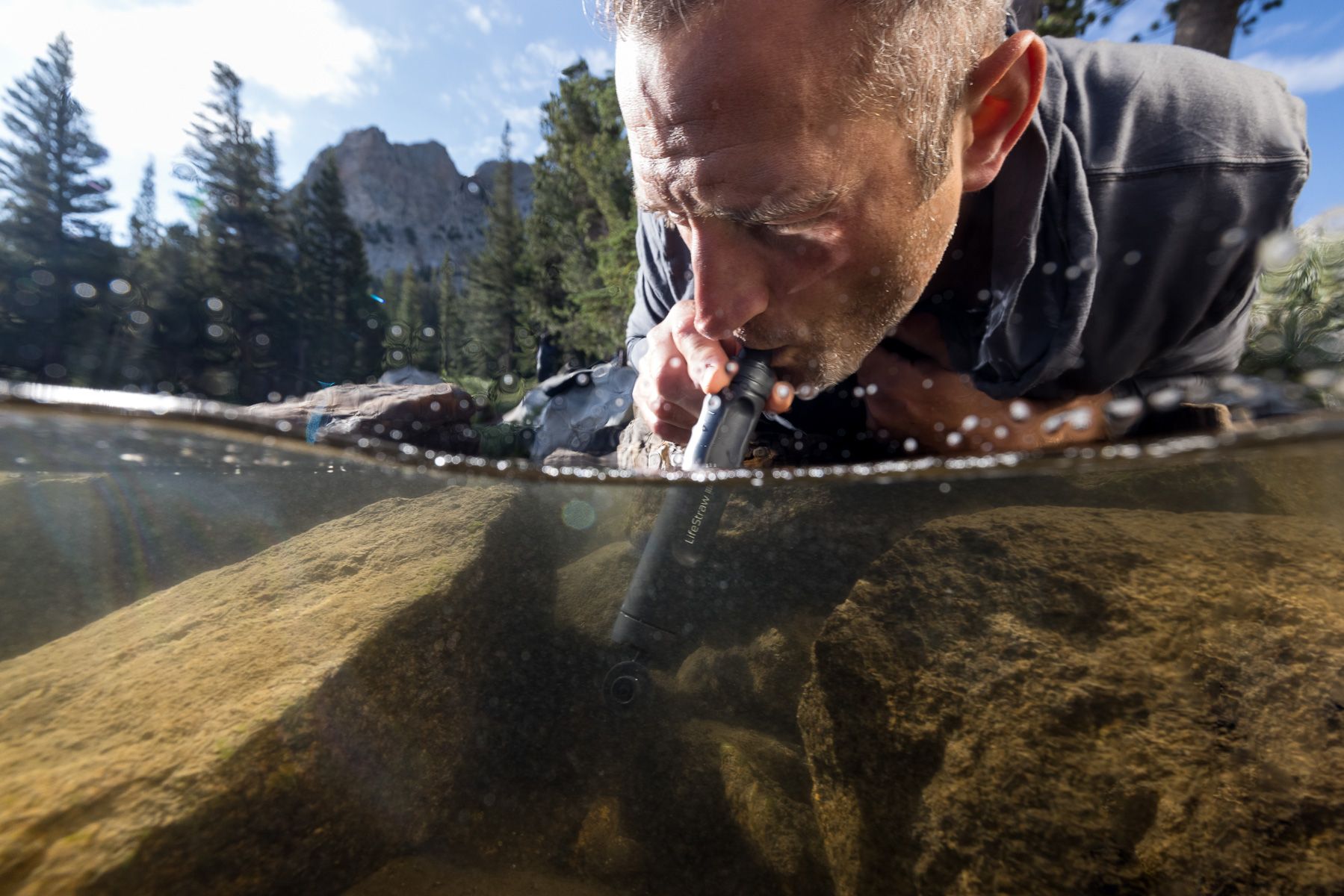 Photo: LifeStraw
Swiss company Vestergaard Frandsen, which owns the LifeStraw brand, is a global leader in the production of filters based on hollow-fiber membranes. Its flagship products, LifeStraw personal filters from the Peak line, are favorite pieces of equipment for thousands of trekkers and bushcrafters, while its larger solutions, such as Escape, have repeatedly been used in response to natural disasters.
At the stand, visitors will be able to see the full range of LifeStraw products: from the aforementioned Peak line, which includes two particularly interesting devices, Solo and Personal, through LifeStraw 2 GO, tritan bottles with filters built into the neck, to powerful devices from the Escape line, which allow up to 20 liters of water to be purified quickly.
During a visit to the stand, it is worth taking a closer look at the compact LifeStraw Peak Solo: lightweight, pocket-sized filters that can remove bacteria and microorganisms from up to 2,000 liters of water. What is more, this model can be expanded with a special carbon-filter module, allowing the water to be purified also from chemical contaminants. LifeStraw Peak Solo is an ideal device both for the trail and for personal water purification in the event of any natural disaster.
During PROTEGA 2026, it is definitely worth visiting the LifeStraw stand and taking an interest in its range of water-purification filters. After all, during natural disasters and other types of emergencies, ensuring access to clean, drinkable water is the most important task of all. After all, water is life.
Sponsored content
See also: