






















“First, Europe has decided to invest enormous sums in security. Second, it has appointed a Commissioner for Defence. Third, it has launched three programs: Military Mobility, EDIP, and SAFE. The latter has attracted the most commentary because huge amounts of money are involved. It is a 45-year loan, and 19 countries have already made use of it. Those that have not are asking whether there will be a SAFE 2,” Dariusz Joński, a Member of the European Parliament from Civic Coalition, told Newseria.
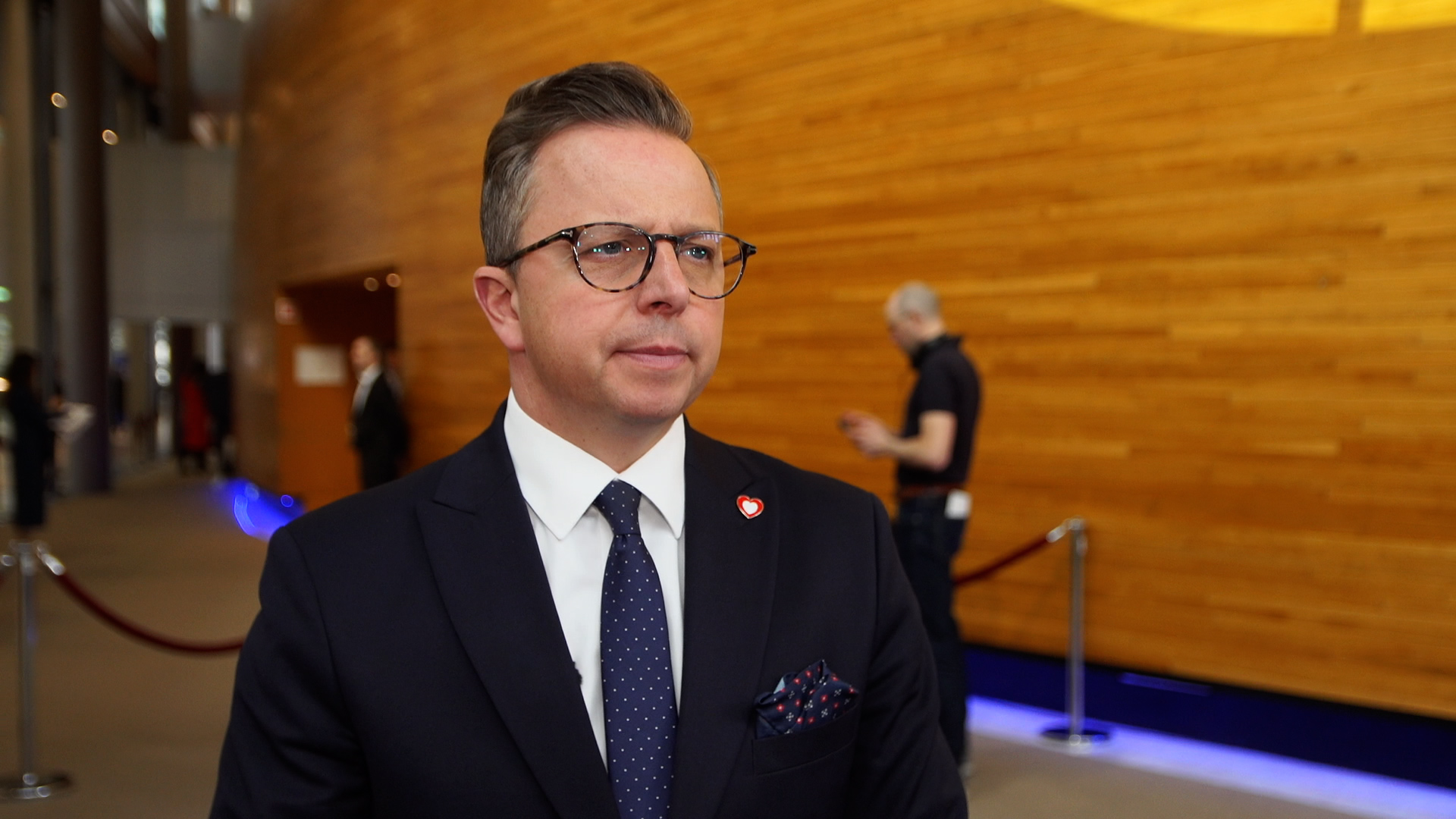 Photo: Newseria
Under the Security Action for Europe (SAFE) instrument, the European Union provides financial assistance in the form of loans totaling up to 150 billion EUR. The instrument is intended to help member states rapidly and significantly increase defense investment through joint procurement. The program is financed through the European Union’s borrowing capacity by issuing EU bonds under a unified funding approach. Poland has become its largest beneficiary, with the Council of the EU approving more than 43 billion EUR in funding. According to the government’s announcement, most of this amount is to remain in the domestic industry.
“We are not able to produce everything. However, we would like to use European capabilities so that we support European industry and jobs. This is possible, and it is happening. Each country is preparing a list of companies and entities that will be able to get involved in this process,” the Civic Coalition MEP emphasized.
As Prime Minister Donald Tusk stressed in February this year, almost 12,000 companies cooperating with the Polish defense industry will benefit from the SAFE program. According to announcements by representatives of the Polish government, the first funds from the SAFE program are to reach Poland later this May. As the head of the Ministry of National Defence reported on social media, the final agreement with the European Commission is to be signed on May 8 this year.
“Purchases in Poland and Europe are not entirely welcomed overseas, or outside Europe more broadly. However, even American banks have calculated precisely how much Poland will gain if we invest 80 percent of SAFE funds here. How many billions will be injected into jobs, technical expertise, and companies. Polish entrepreneurs and engineers will benefit, and Polish technical know-how will also be exported beyond Europe’s borders. We will gain jobs, thriving companies, know-how, research, and development,” Dariusz Joński said.
EDIP, in turn, is the European Defence Industry Programme, a 1.5 billion EUR instrument financed from the EU’s multiannual budget for 2021–2027. The grants are intended to help increase European defense readiness in 2025–2027.
Although security and defense remain national competences, the Community complements and strengthens the individual efforts of member states, both by enabling them to increase national defense spending and by using EU budgetary resources. The geopolitical conditions have changed since Russia launched its war against Ukraine in 2022.
“The 27 member states decided to launch three security programs, listening to what Trump is saying: take care of your own security yourselves. Besides, the war is next door, so we must respond together,” the MEP said. “Cooperation among European states must be tightened even further.”
One area of joint response to threats is the project to create a so-called military Schengen. According to the timetable, the relevant regulations are to enter into force in 2027.
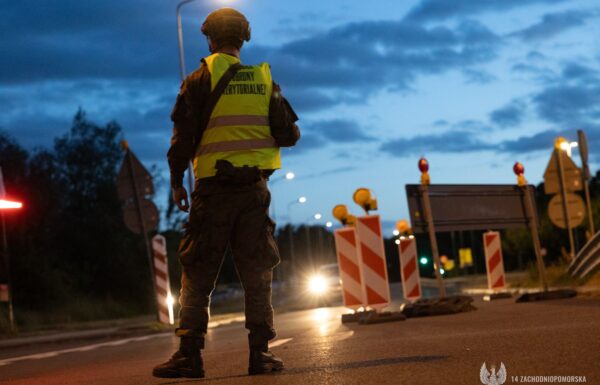
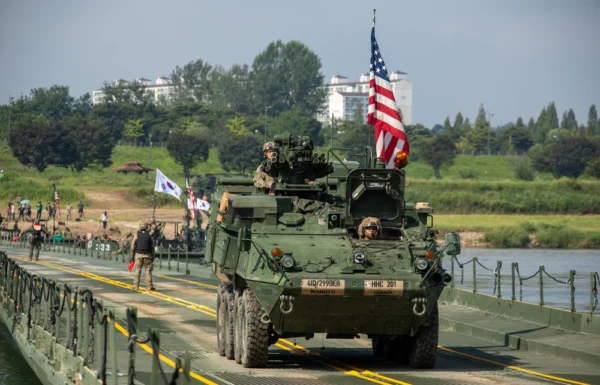
“The European Union currently has enormous shortcomings when it comes to military mobility. Equipment often waits at the border for 30 days,” Dariusz Joński explained. “In July, we want to vote in the European Parliament on changes that, in the event of a threat, would make it possible to rapidly move troops and heavy equipment between countries.”
In a resolution adopted in December 2025, Members of the European Parliament called for increased investment in transport infrastructure, especially along the EU’s four military mobility corridors. They also demanded that the issuing of permits for cross-border movement be accelerated through a single point of contact.
“It is not the case that everything and everyone will be able to move. Both the government sending the equipment and the government receiving it will have to confirm this. The document also defines corridors through which such transport will be possible, including air and sea corridors. In addition, the quantities of equipment, railcars, tanks, and ships have been precisely specified. All of this is to ensure that no one can challenge it,” the Civic Coalition MEP noted.
The plan presented by the European Commission also includes, among other things, the creation of institutions that will guide the implementation of these regulations and monitor the readiness of member states.
“We are currently in a fast-track procedure for adopting these documents and amendments. The aim is for military Schengen to function across Europe. Just as we can drive by car from Poland all the way to Portugal without showing a passport, in the event of a threat, heavy equipment will also be able to be moved quickly, with the consent of governments,” Dariusz Joński emphasized.
Video: Newseria
See also: