





















Germany
On Monday, May 18, 2026, Norwegian company Kongsberg Defence & Aerospace (KDA) announced that the Bundeswehr’s defense procurement office, BAAINBw (Bundesamt für Ausrüstung, Informationstechnik und Nutzung der Bundeswehr), had contracted a second batch of JSM missiles worth the equivalent of 3.5 billion NOK. The first batch, worth 6.5 billion NOK, was contracted in June 2025.
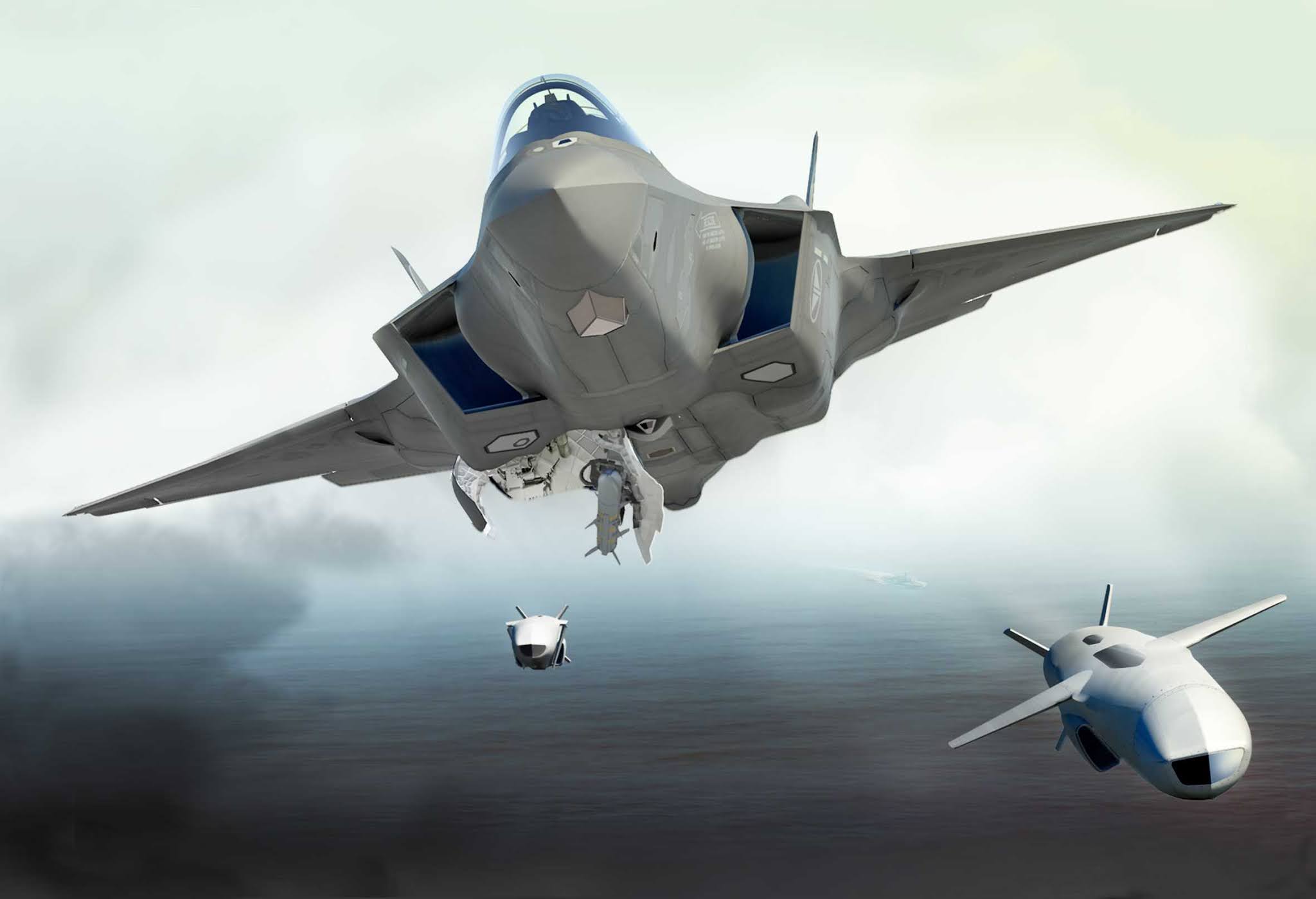 Image: KDA
„The new order shows the importance of JSM for F-35, where Germany has started building up its readiness level of the missiles,” said Øyvind Kolset, Executive Vice President, KONGSBERG and head of the Missiles and Aerostructures division.
„This agreement is another example of the strong bonds between KONGSBERG and Germany, where we are engaged in a range of projects with local partners,” said Eirik Lie, President and Chief Executive Officer of KONGSBERG.
„When Norway and Germany entered into the historic Hansa Agreement earlier this year, the goal was to establish even closer and more operational defence cooperation between our two countries. The JSM agreements show how we are already translating the strategic partnership into concrete capabilities that strengthen both our own defences and NATO,” said Tore O. Sandvik, Norway’s Minister of Defence.
„In addition to delivering strike missiles, combat systems for the 212CD submarines and remote weapon stations, KONGSBERG is developing a new supersonic strike missile with industry partners Diehl Defence and MBDA and we have teamed up with Helsing and other partners to accelerate the realisation of critical European space capabilities,” said Lie.
Germany decided to purchase the JSM on January 4, 2025. The missiles will enter service with 35 F-35A Lightning II multirole aircraft, the first of which entered final assembly in March this year at the FACO (Final Assembly and Check-Out) facility in Fort Worth, Texas.
Germany’s F-35As will also be armed with AIM-120C-8 AMRAAM medium-range air-to-air missiles, AIM-9X Block II+ Sidewinder short-range missiles, AGM-158B JASSM-ER extended-range cruise missiles, GBU-53/B SDB II StormBreaker guided bombs, GBU-31 JDAM and GBU-54 JDAM guided bombs, and, most importantly, B61-12 guided bombs with thermonuclear warheads under NATO’s Nuclear Sharing program, which was the main reason the Berlin government chose this platform.
Belgium
Also on May 18 this year, the U.S. Department of State approved the potential sale to Belgium of an undisclosed batch of JSM missiles in a package worth up to 236 million USD.
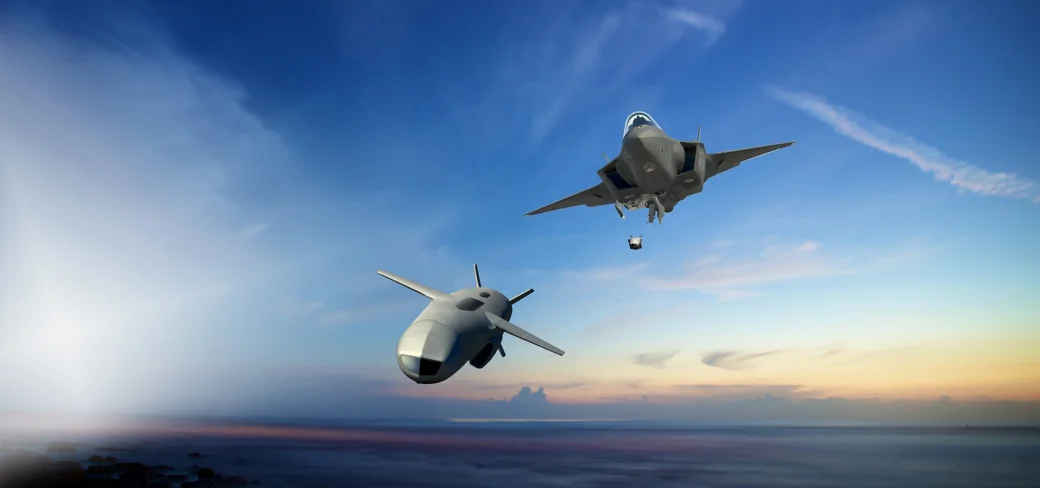
The government in Brussels also requested the possible procurement of spare parts, consumables and accessories; repair and return support; training aids; equipment and spare parts; multifunctional test and missile equipment; classified and unclassified software delivery and support; classified and unclassified publications and technical documentation; transportation support; engineering, technical and logistics support services provided by the U.S. government and the contractors, Kongsberg and RTX Corporation; and other related elements of logistics and program support.
Belgium has ordered 34 F-35As and plans to acquire another 11. Eight of the aircraft remain in the United States for training purposes, while four have been deployed to Belgium, where they will gradually replace the F-16AM/BM fleet, the last of which will be transferred to Ukraine. Belgium previously ordered AIM-120C-8 AMRAAM medium-range air-to-air missiles for the aircraft, receiving approval to purchase up to 120 missiles; 196 GBU-53/B StormBreaker guided bombs, formerly known as the Small Diameter Bomb II; and AIM-9X Sidewinder Block II/II+ short-range air-to-air missiles, with approval for up to 578 missiles.