


























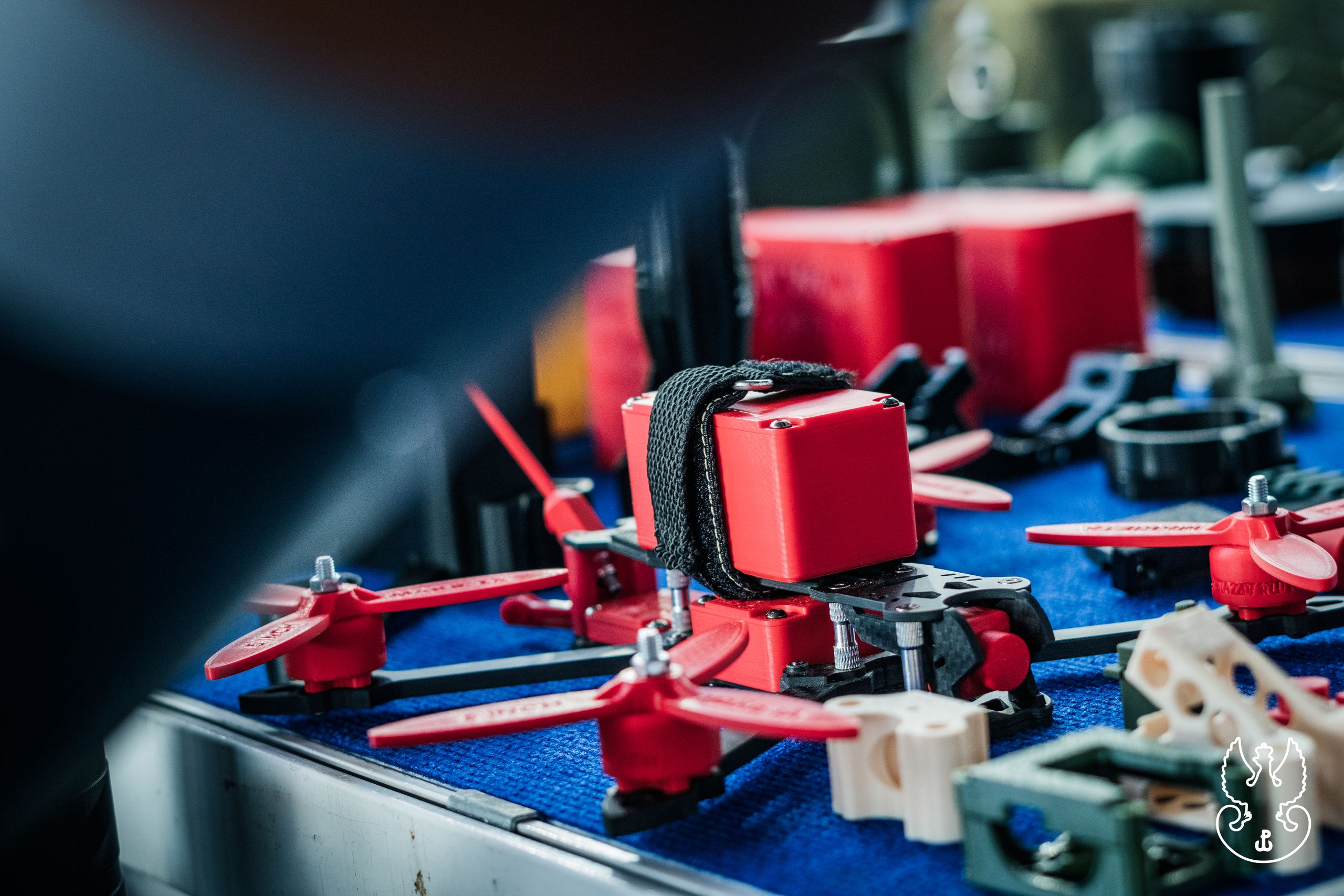
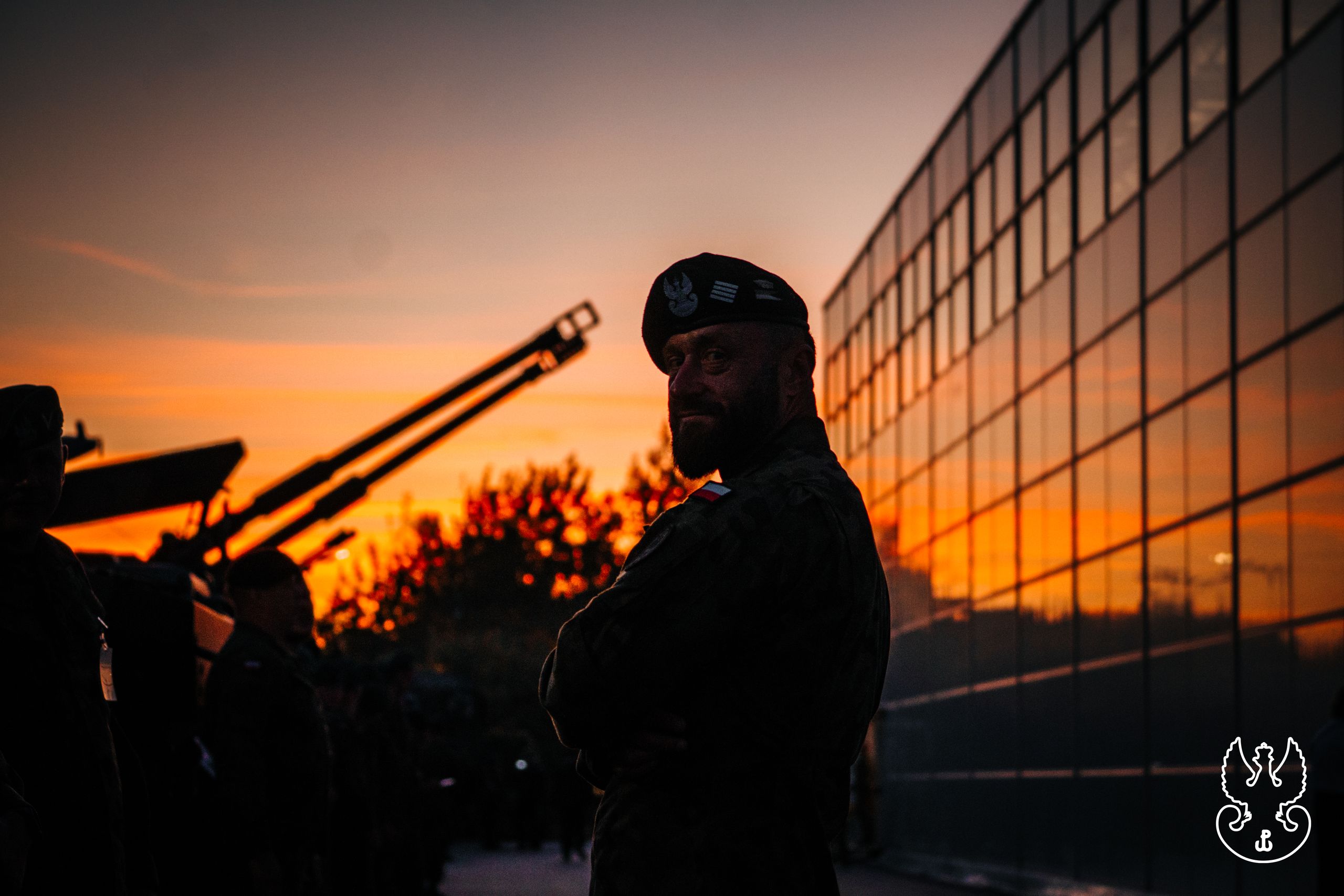

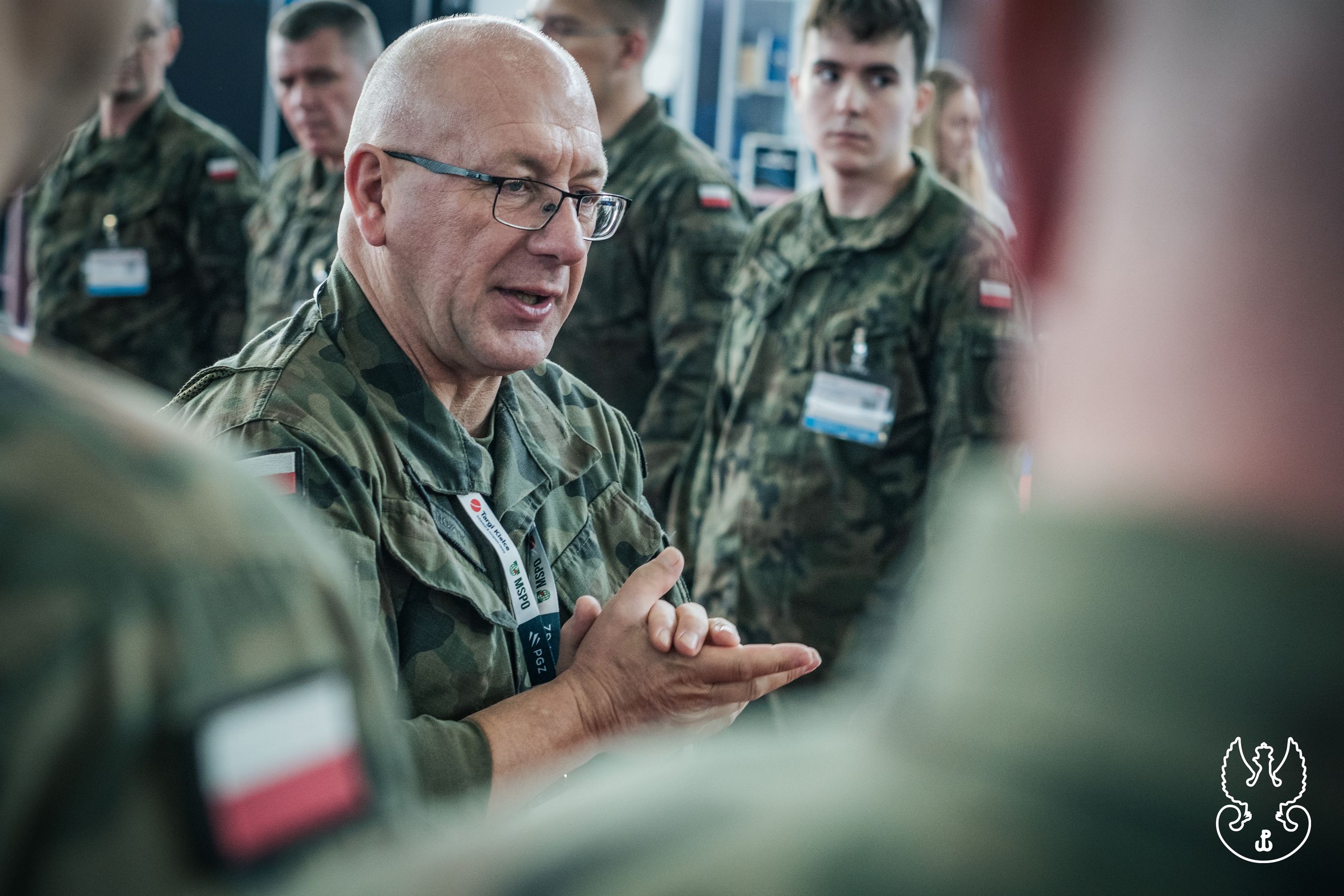






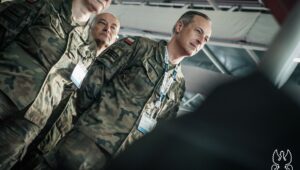
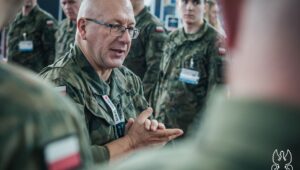




“Investment in the future advancement of the Territorial Defence Forces is an investment in soldiers’ capabilities: their mobility, reconnaissance, operational effectiveness, and protection against threats. We need technologies that respond to specific service requirements, as well as people who are able to make full use of their capabilities. This is why direct contact between soldiers, designers, and manufacturers is so important. User experience should translate into solutions that are delivered to subunits,” said Maj. Gen. Krzysztof Stańczyk, Commander of the Territorial Defence Forces.
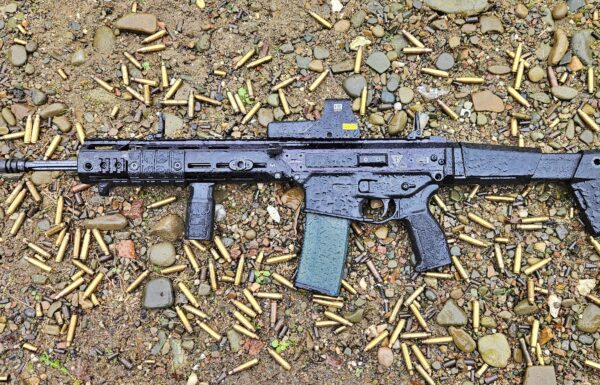
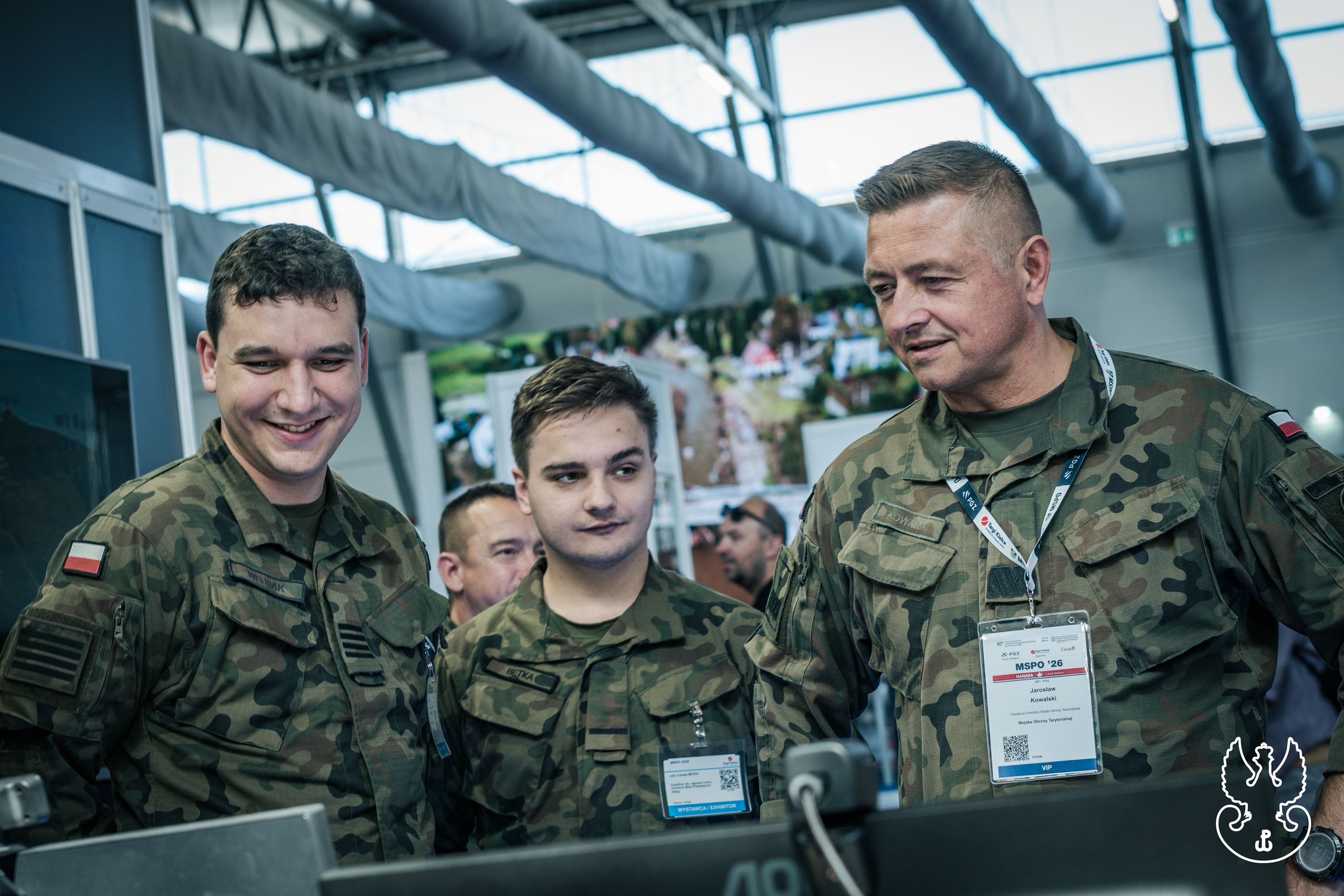
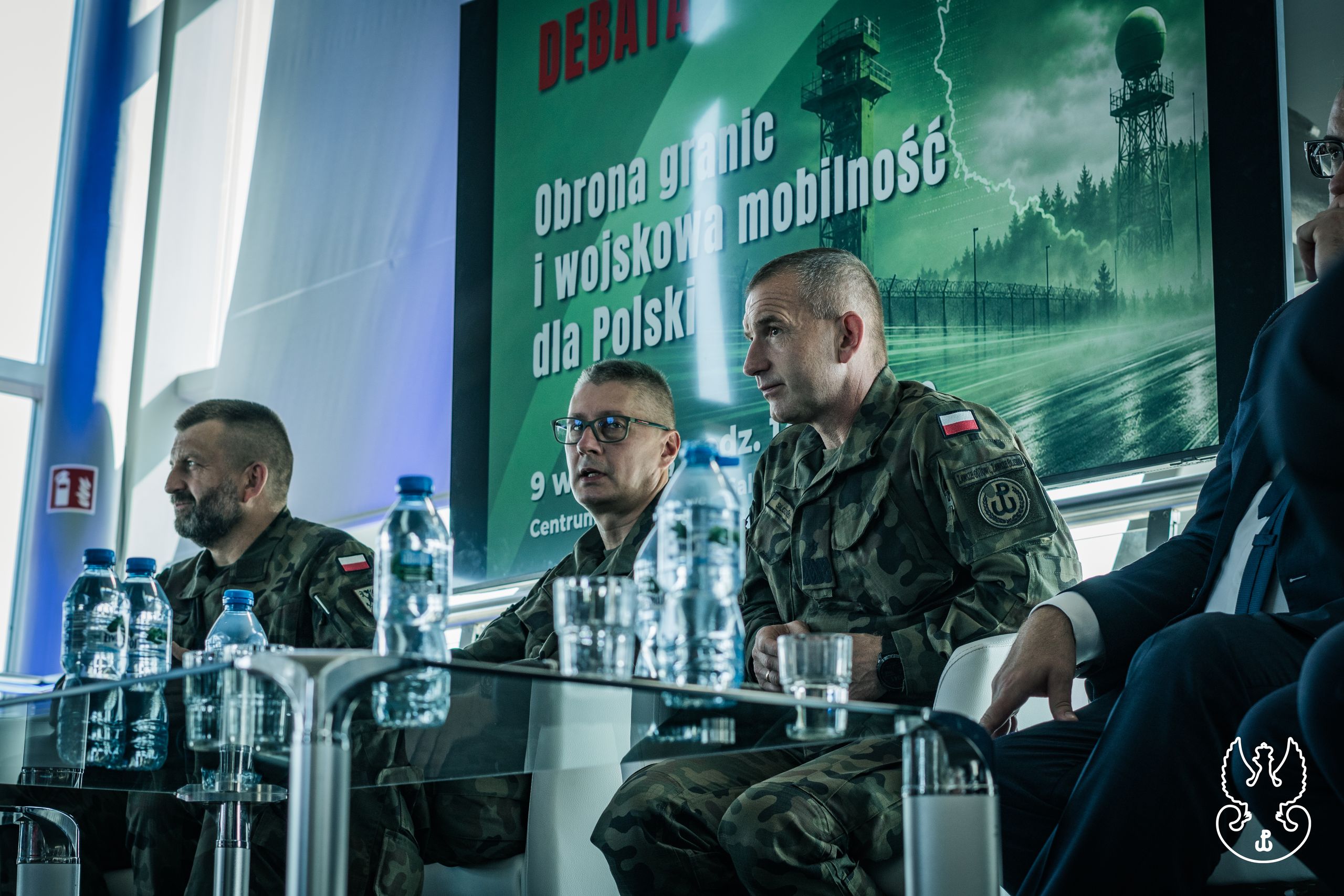
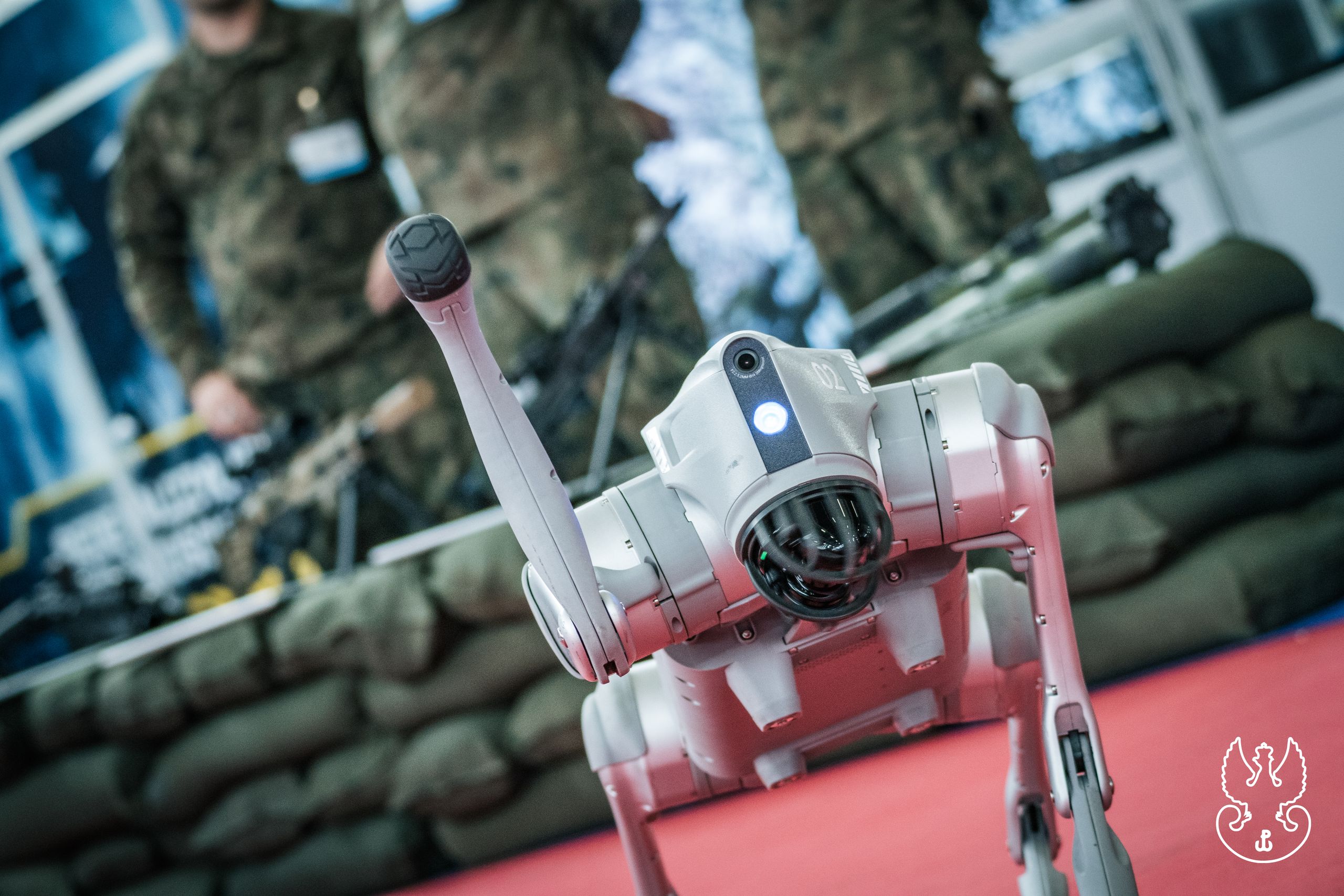
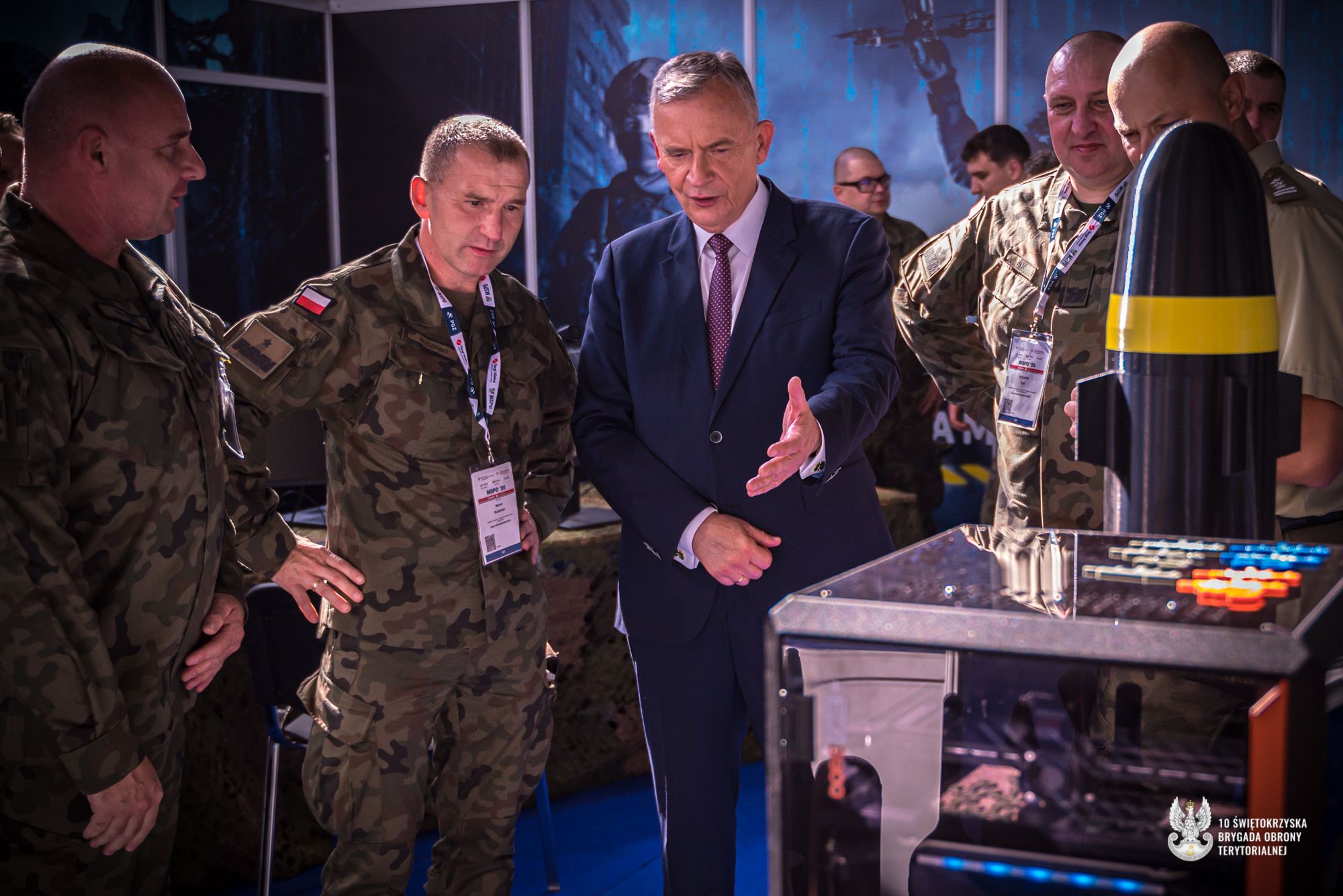
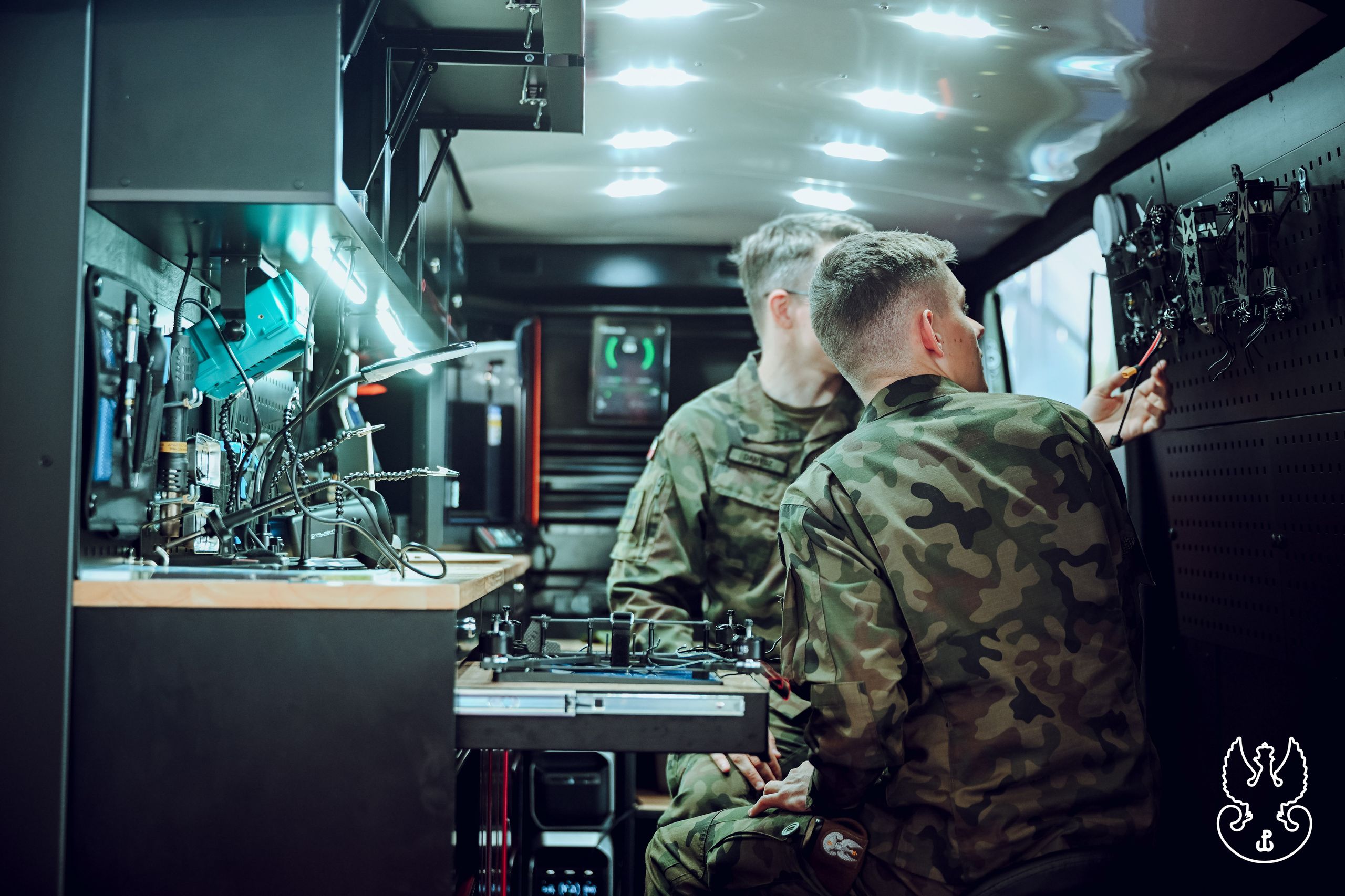
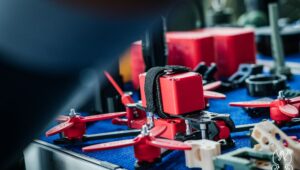
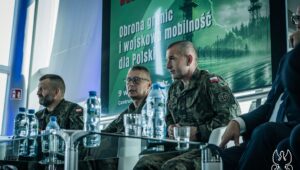
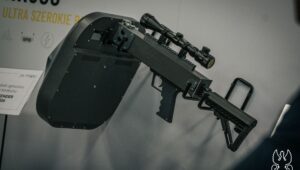
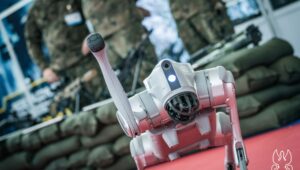
The direction of the formation’s development at MSPO was presented by Maj. Gen. Krzysztof Stańczyk, Commander of the Territorial Defence Forces; Brig. Gen. Jarosław Kowalski, First Deputy Commander of the Territorial Defence Forces; and Brig. Gen. Marcin Siudziński, Deputy Commander of the Territorial Defence Forces. Strengthening border defense and developing the Border Defense Component account for a significant share of the Territorial Defence Forces’ modernization requirements. These priorities are linked to expanding reconnaissance capabilities, increasing the use of unmanned systems, improving counter-UAS protection, and ensuring efficient logistical support. In an interview with Polska Zbrojna, Maj. Gen. Krzysztof Stańczyk discussed the importance of mobility, brigade readiness levels, and the provision of additional equipment to units in eastern Poland. Among the identified requirements were lightly armored vehicles, artillery support, and drone and counter-drone systems. He also announced that border defense brigades would be given priority in receiving Grot A3 rifles. Brig. Gen. Marcin Siudziński, meanwhile, took part in the Defence24 debate “Border defense and military mobility for Poland.” The discussion covered the “East Shield” program, cooperation between the Armed Forces and the Border Guard, and the use of robotics and sensor systems for border security.
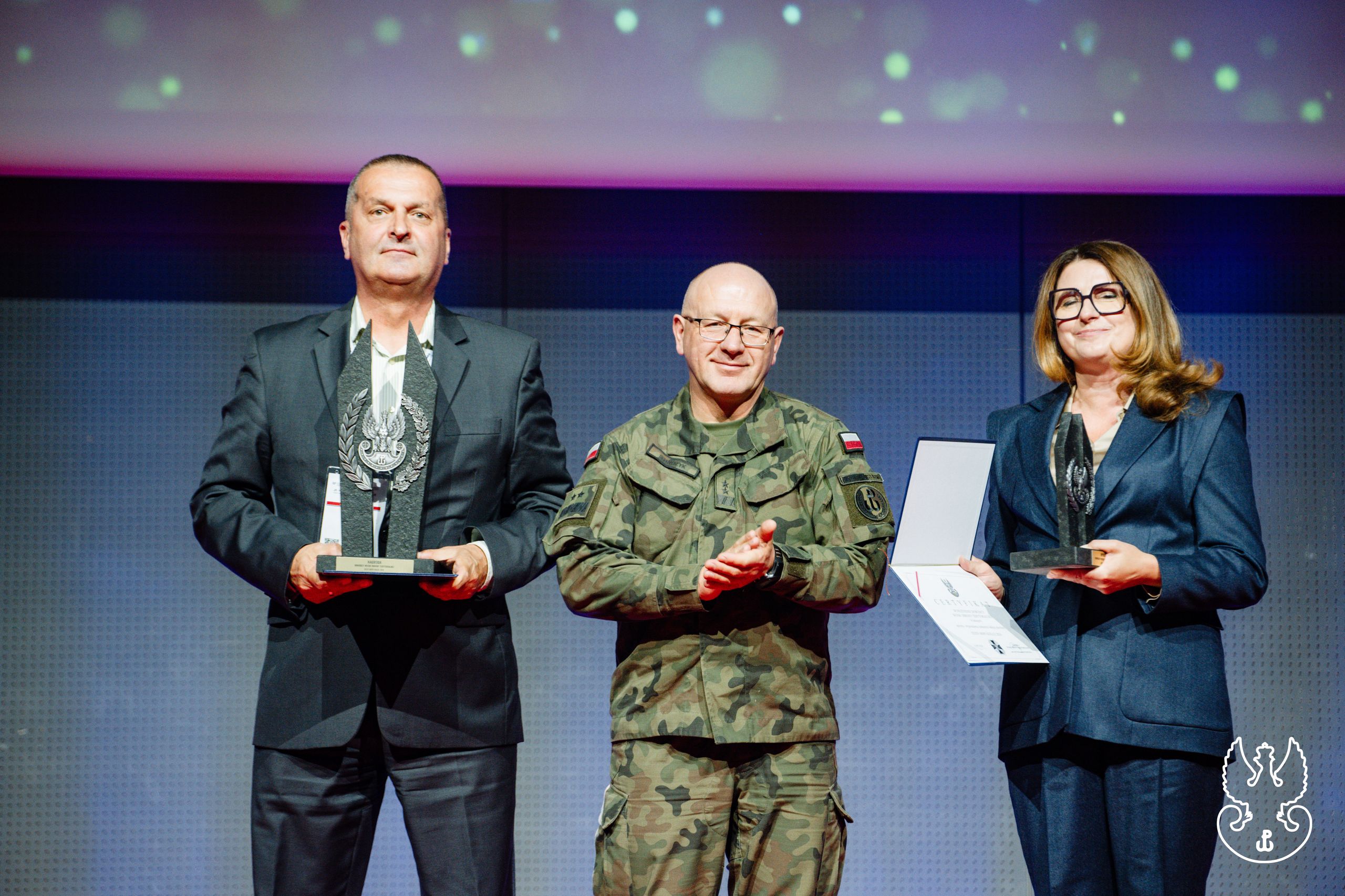
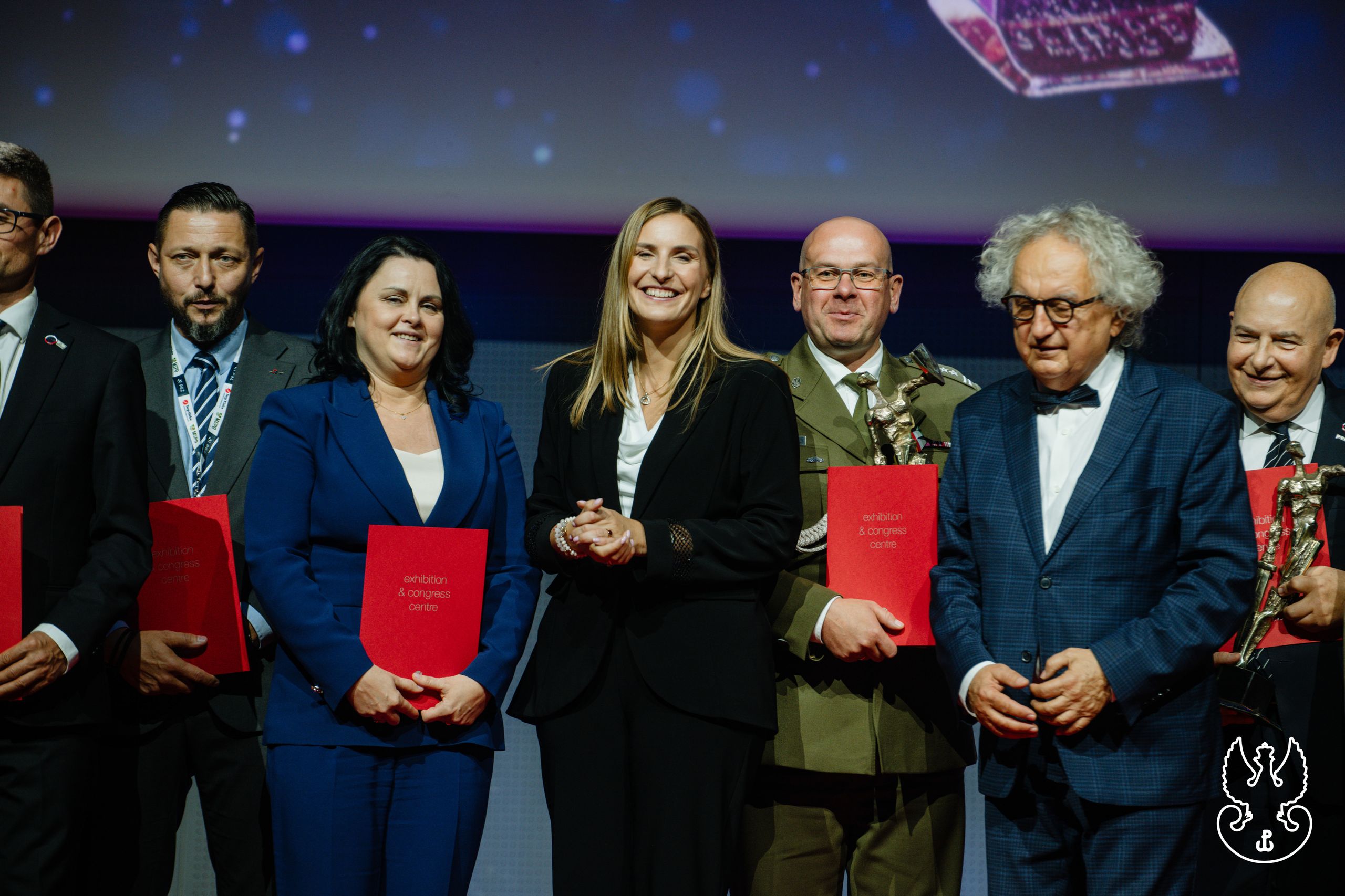
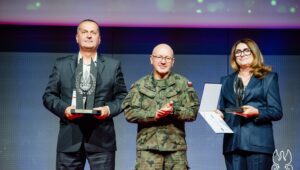
The importance of mobility and protection for subunits was also reflected in awards presented to representatives of the defense industry. The Territorial Defence Forces Commander’s Award was presented to Concept of Bielsko-Biała for the Wirus-L Light Strike Vehicle (MSPO 2026: Concept receives award for Wirus-L light combat vehicle).
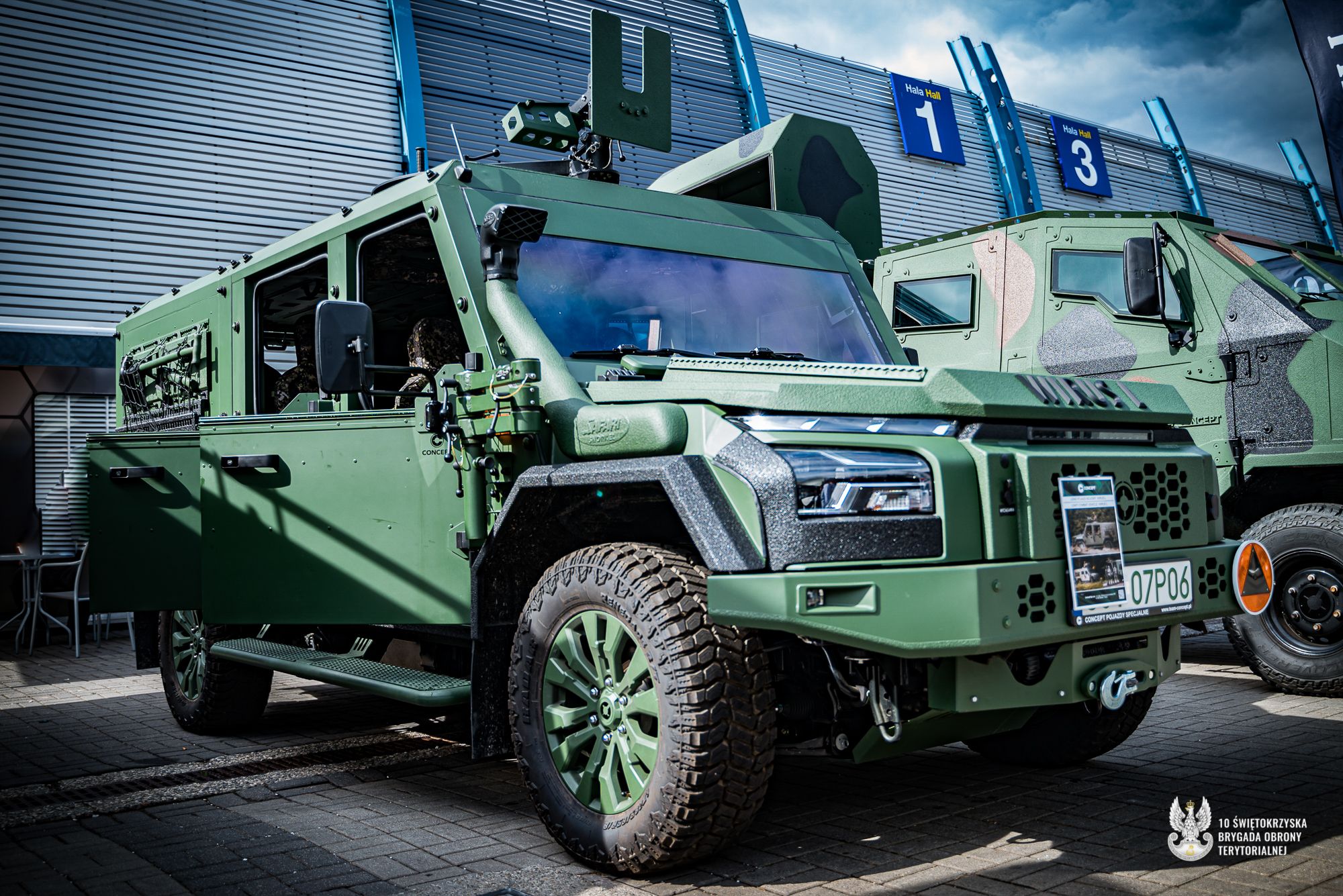
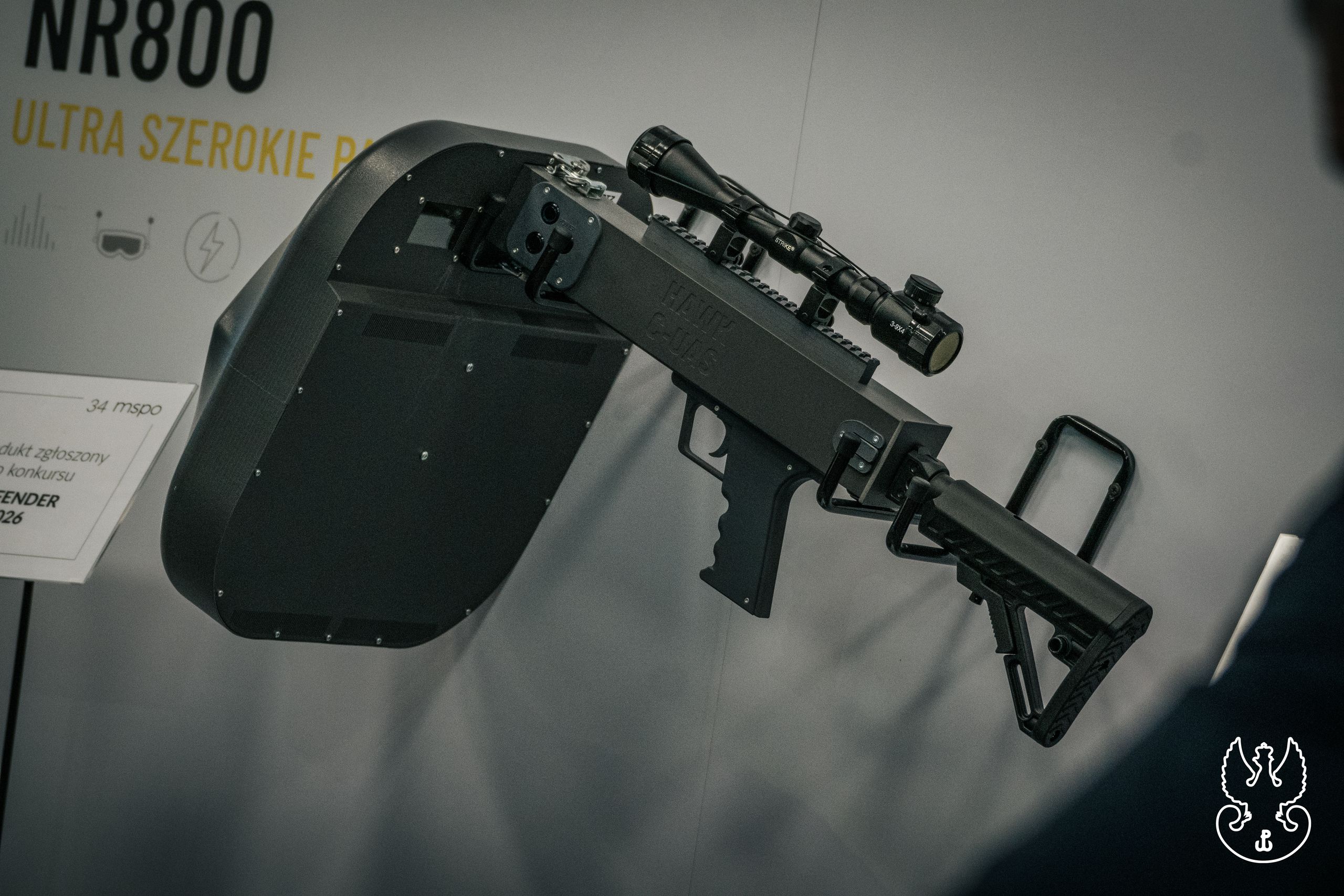
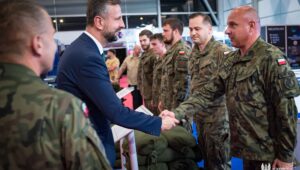
The Territorial Defence Forces Commander’s Commendation was awarded to Hertz Systems for its portable modular counter-UAS system. Both solutions were recognized in the category of equipment and gear for light infantry soldiers. The awards highlighted the importance of technologies that support the mobility of subunits and improve their safety during operations.
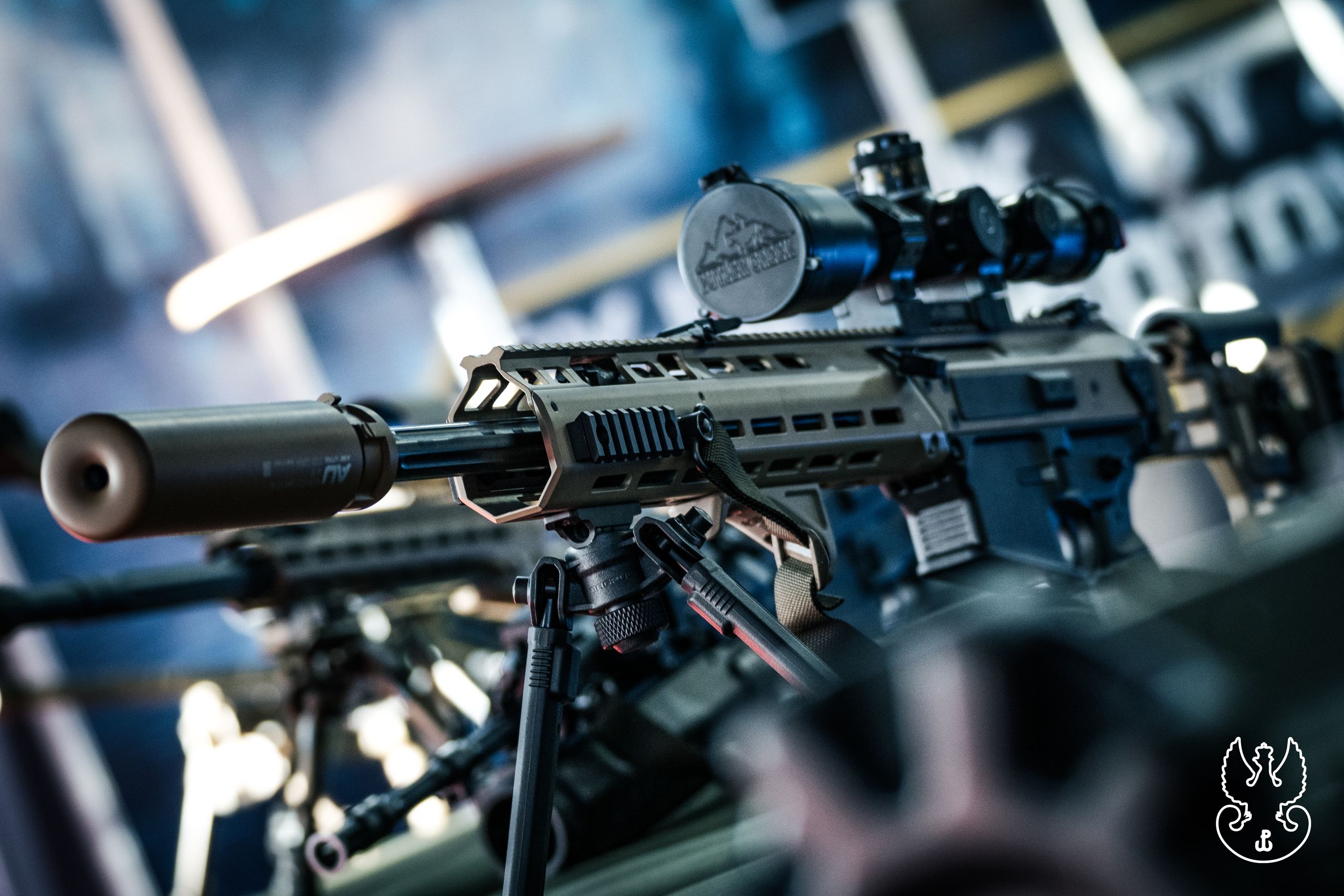
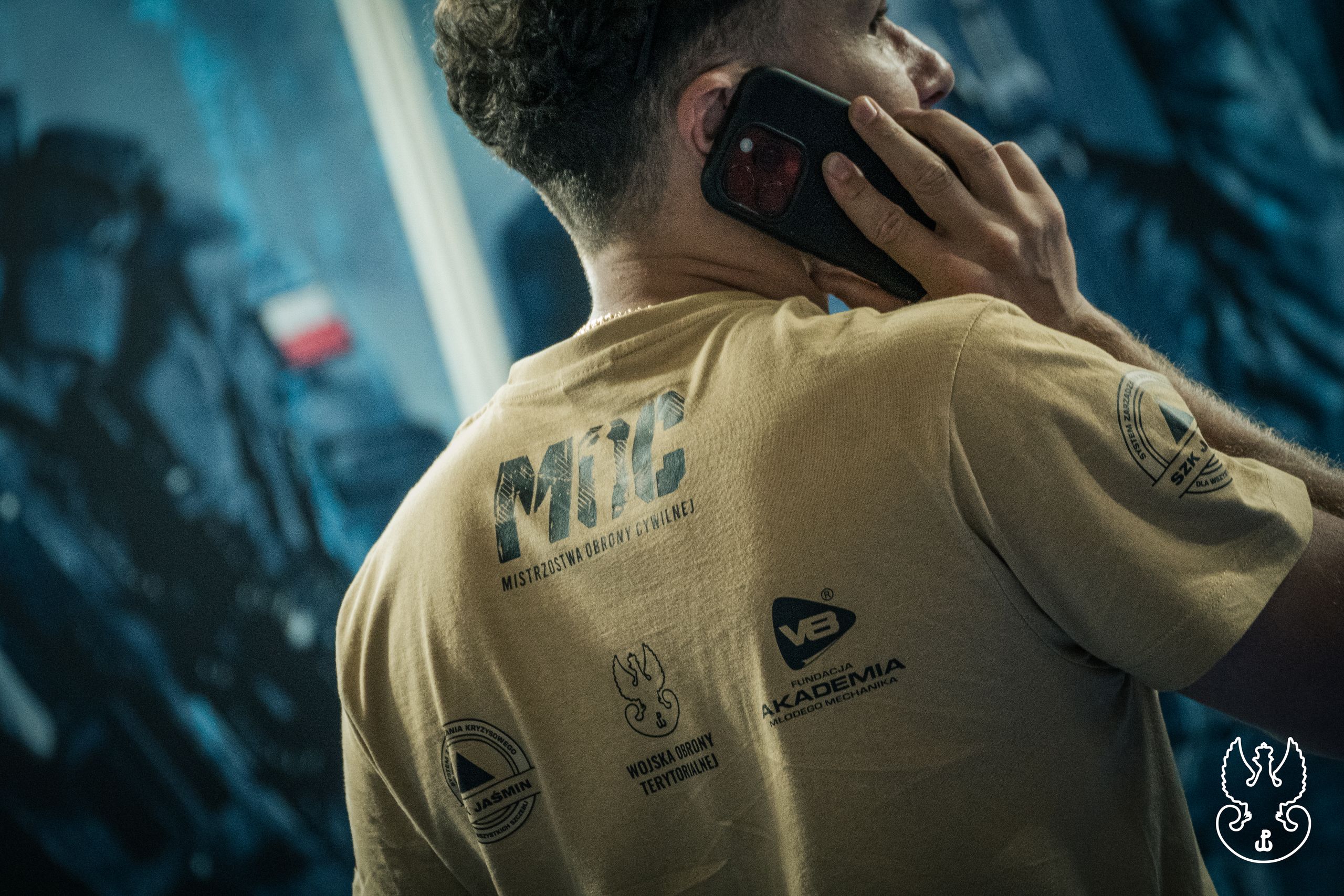
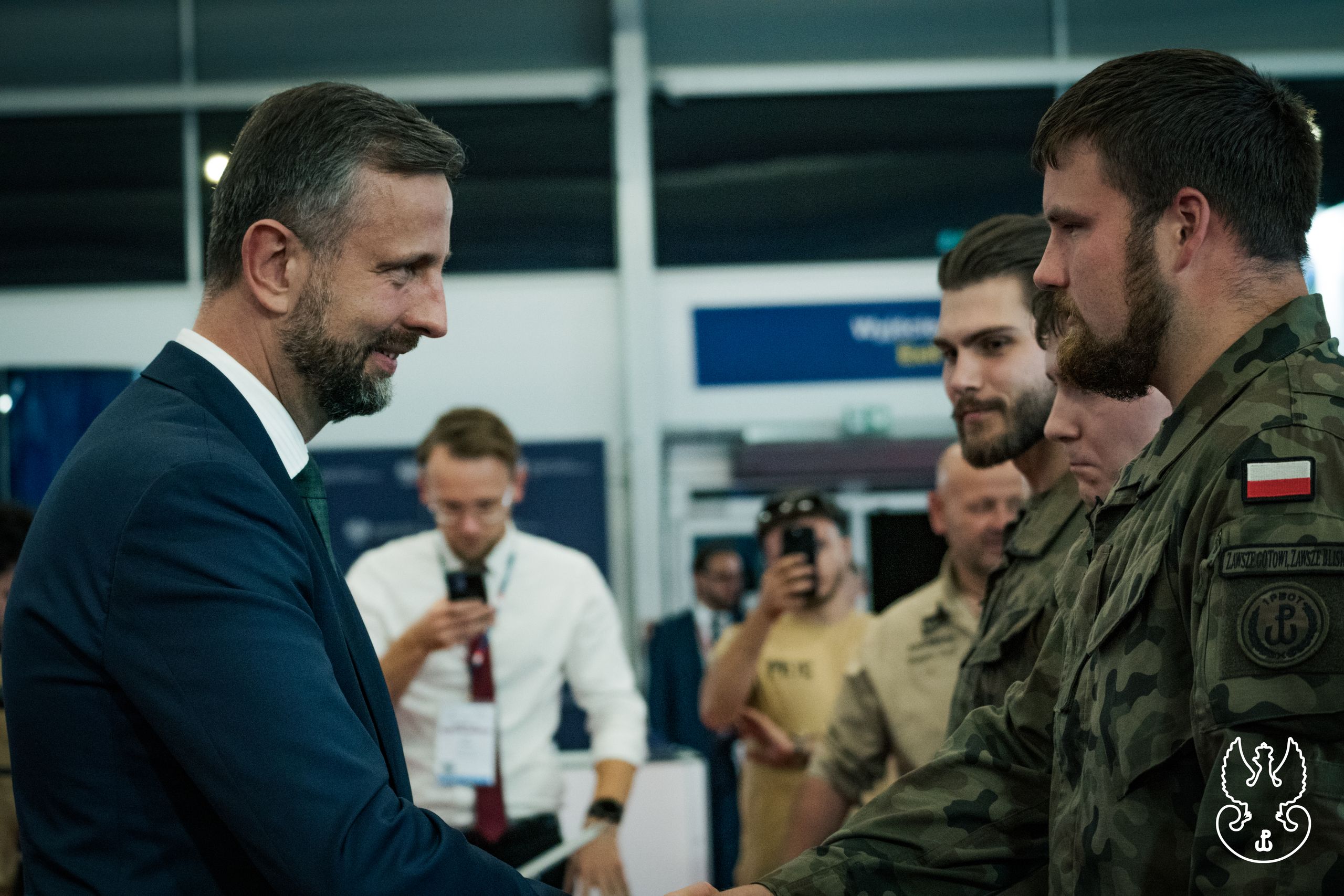
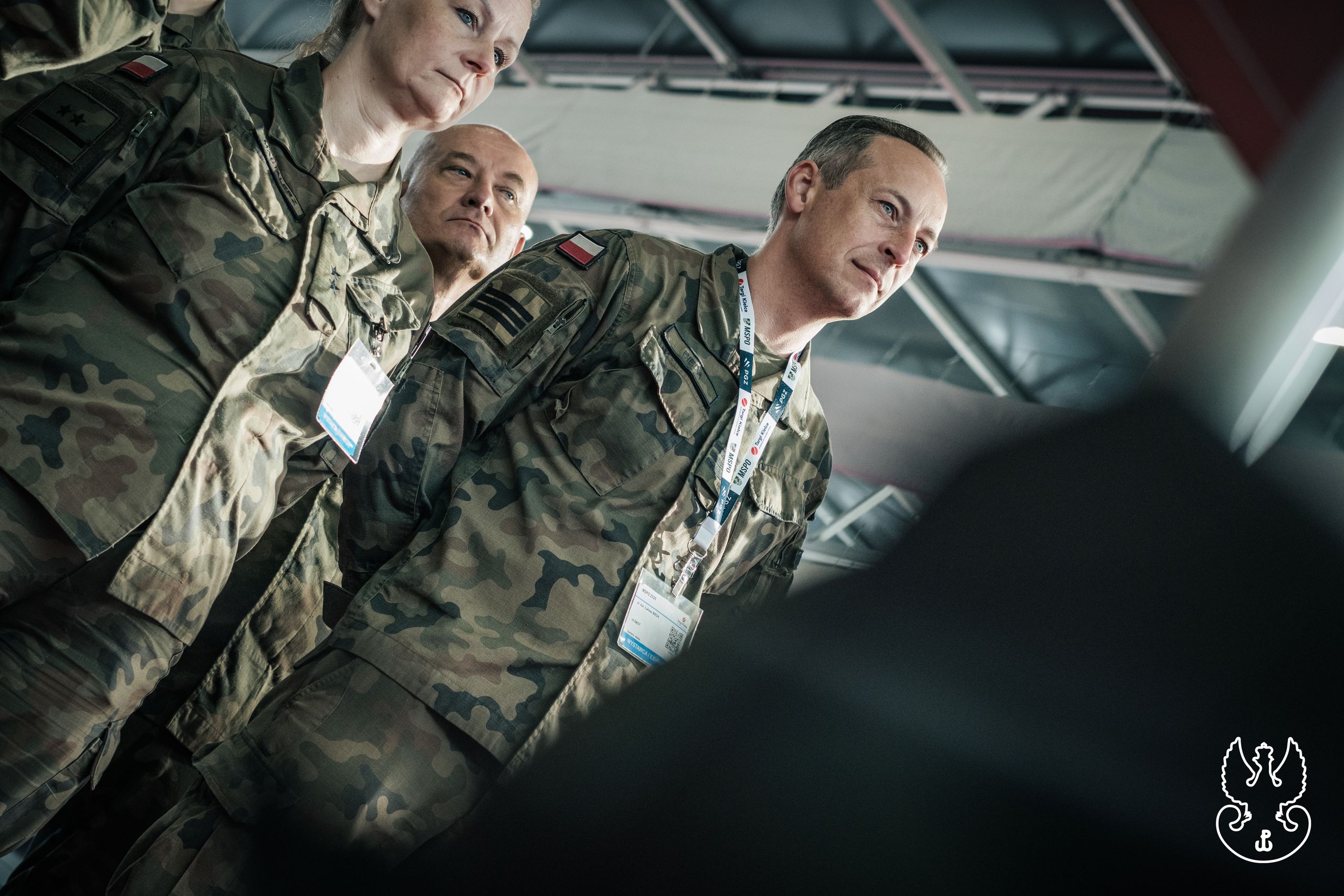
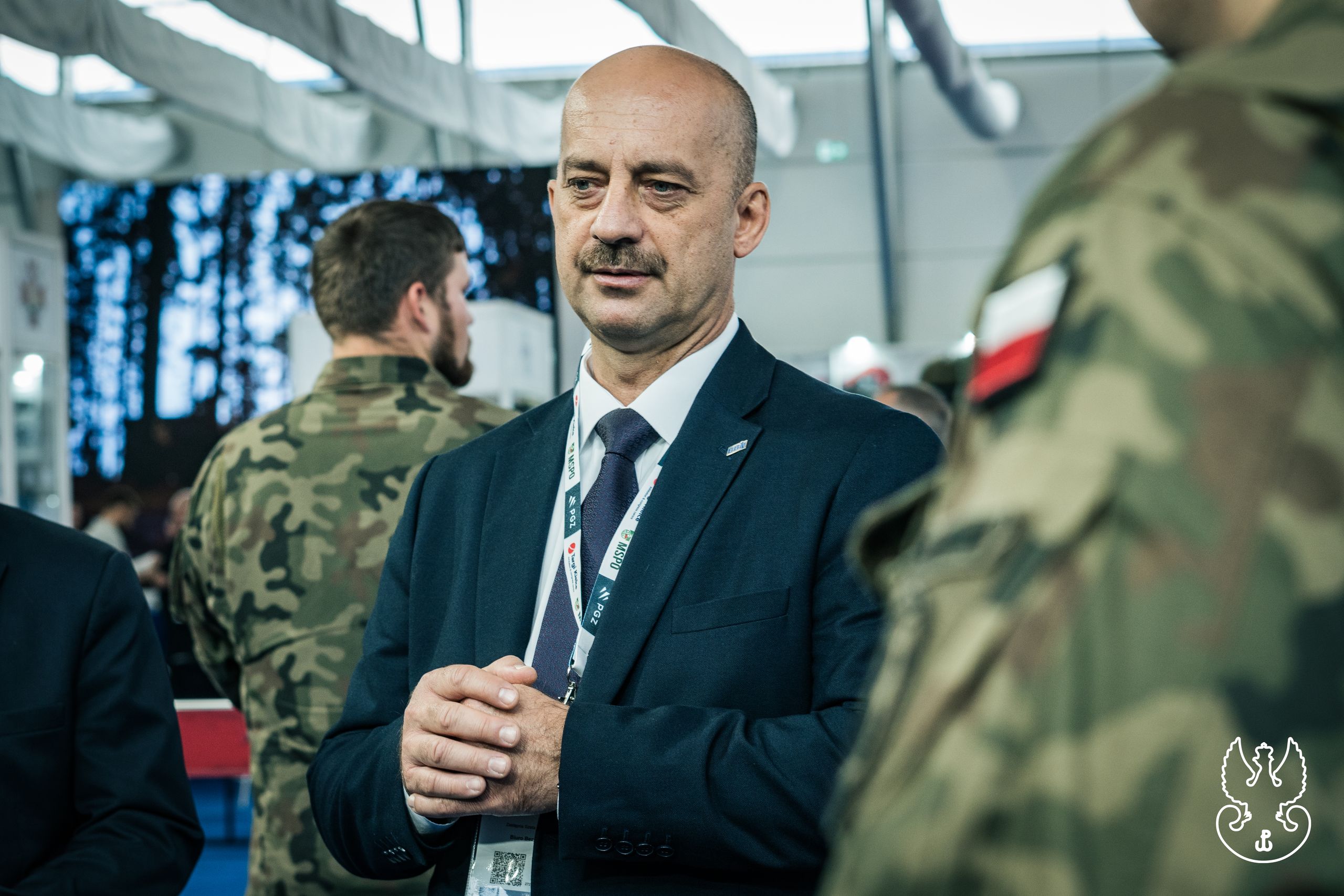
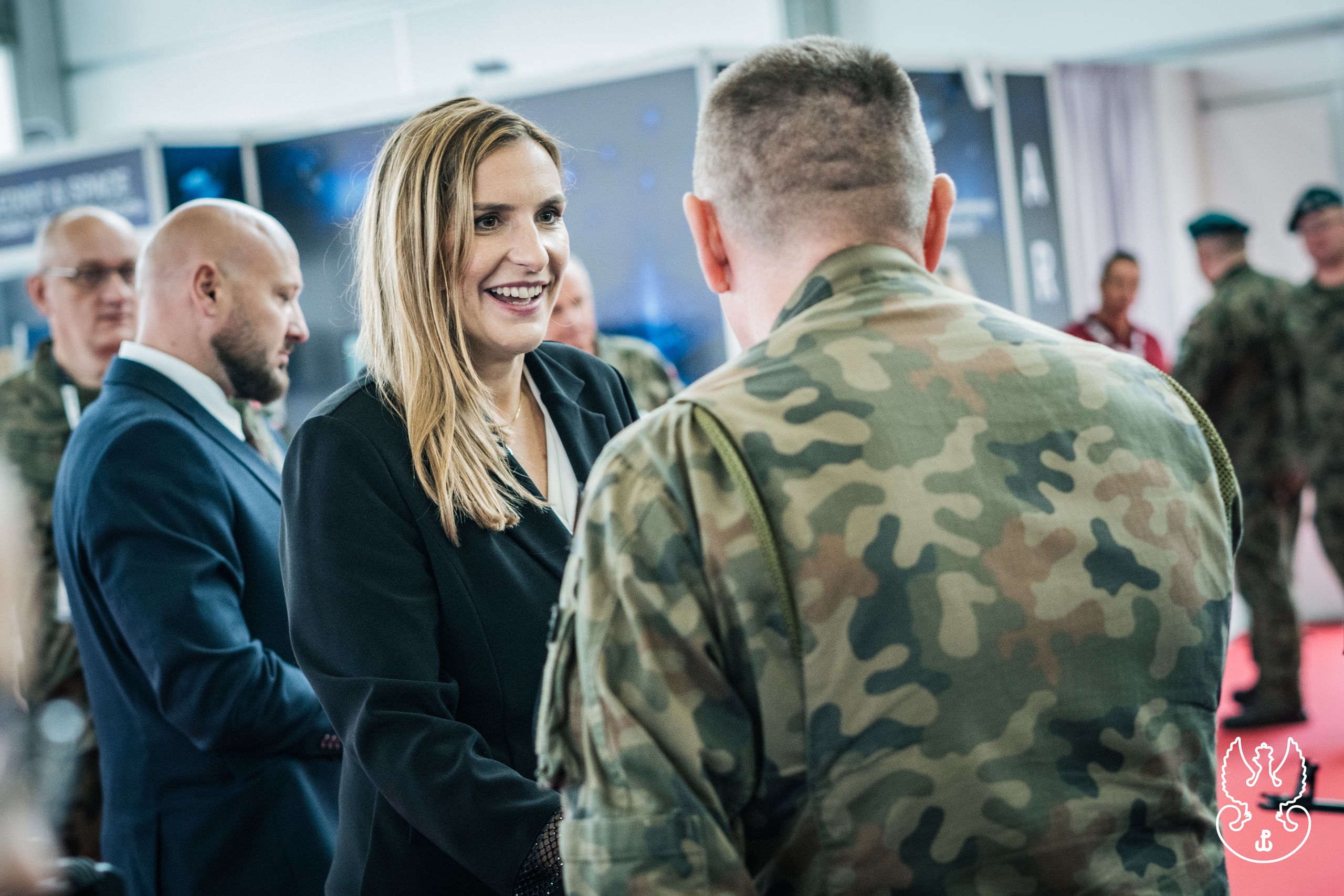
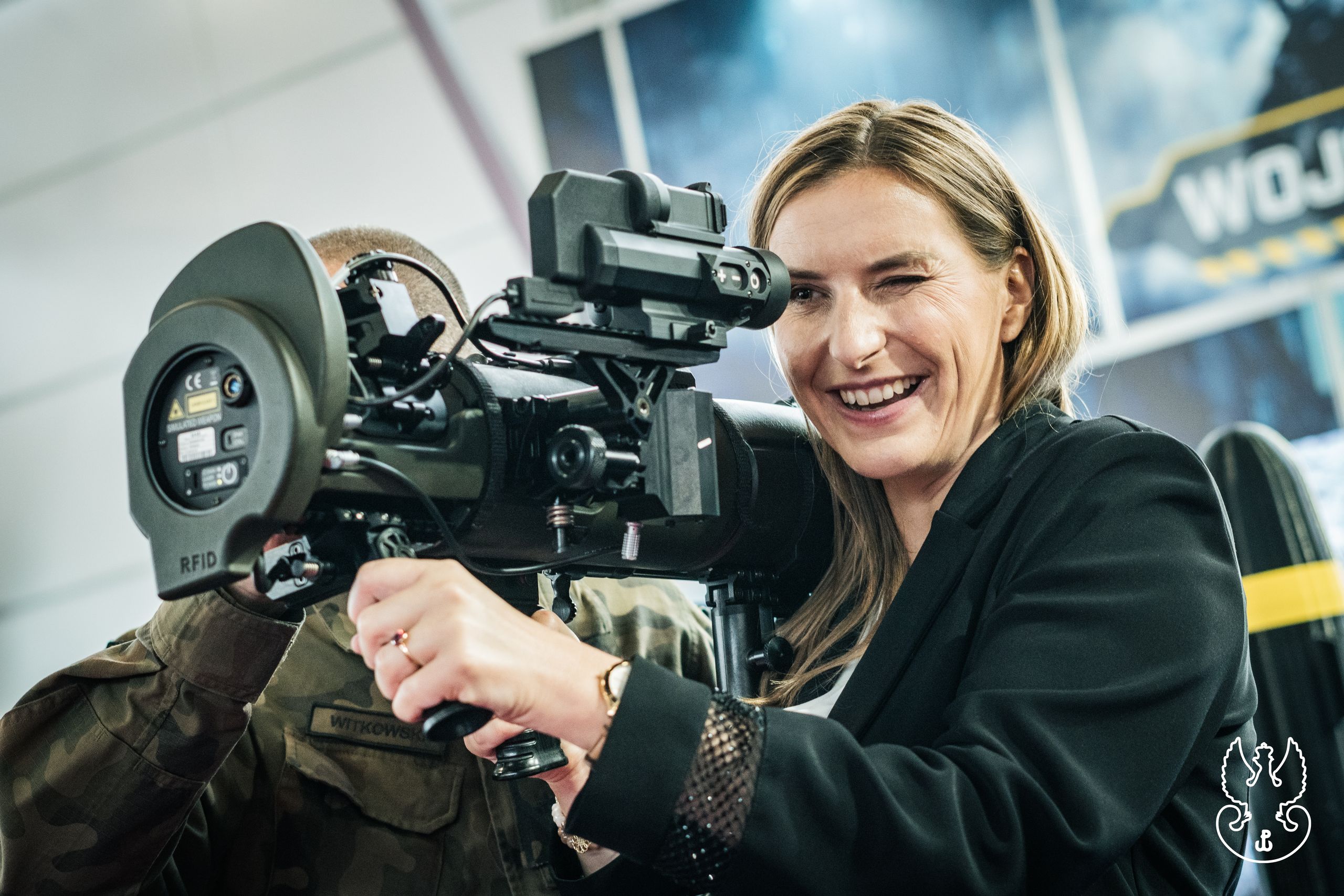
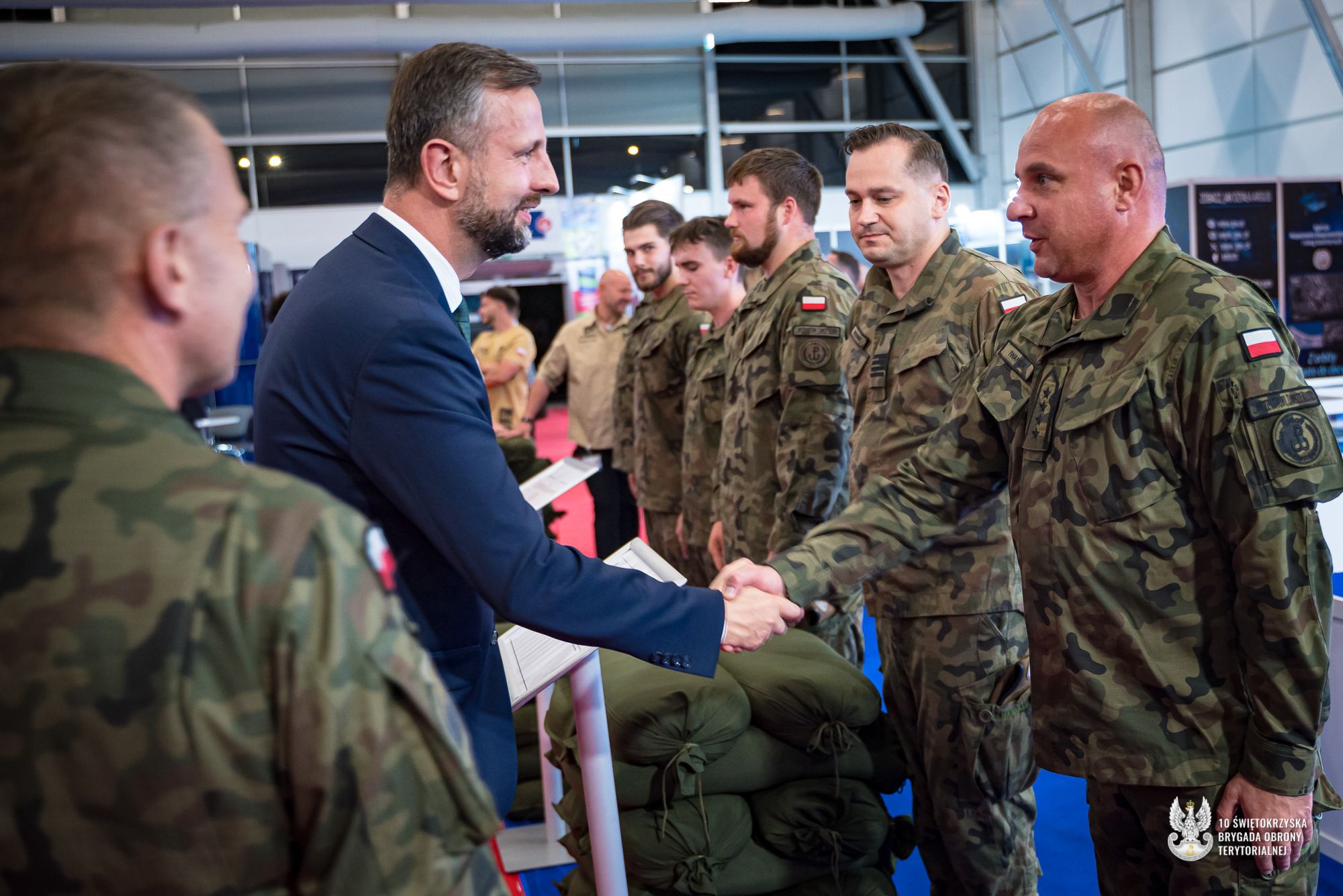
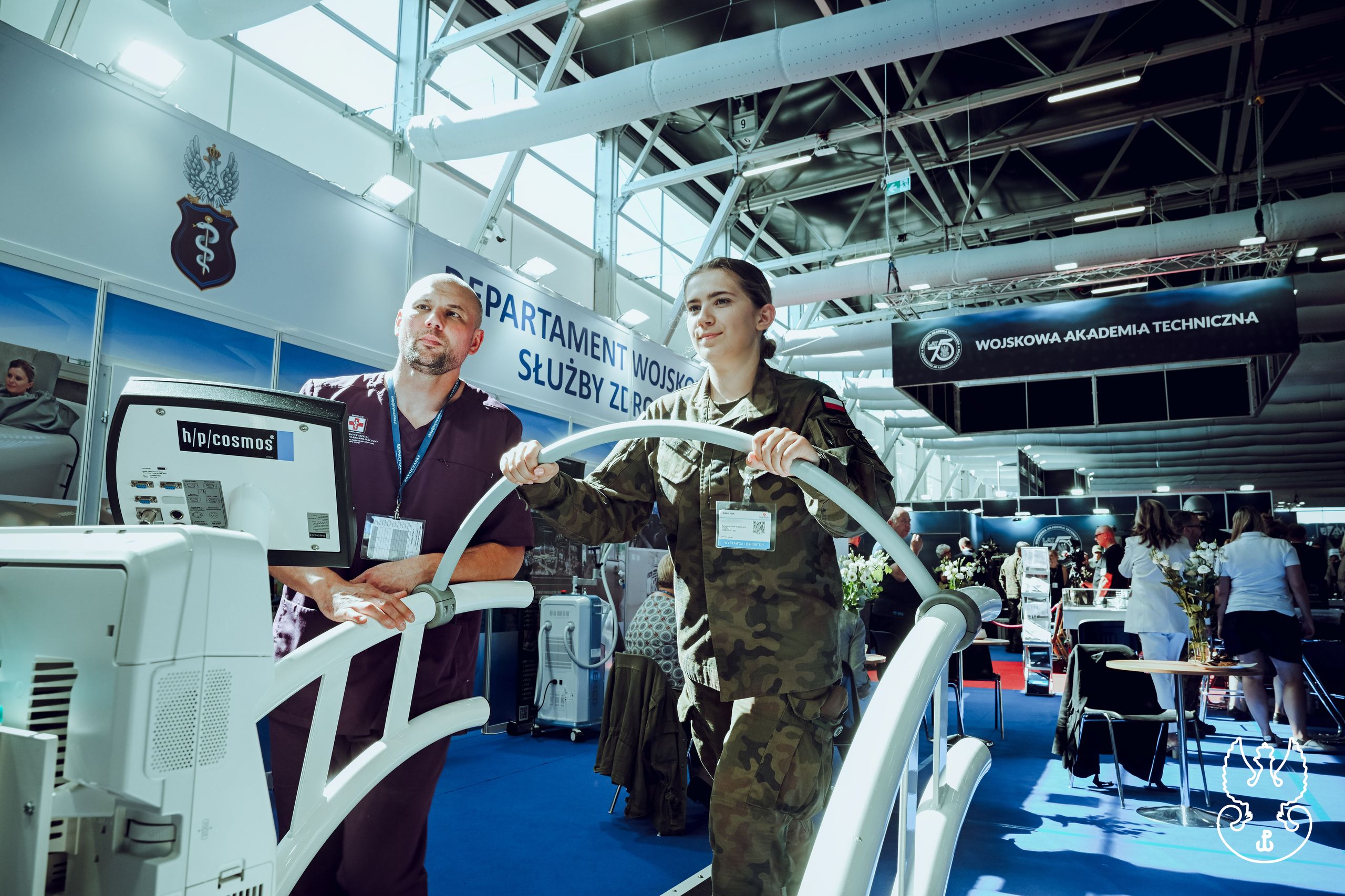
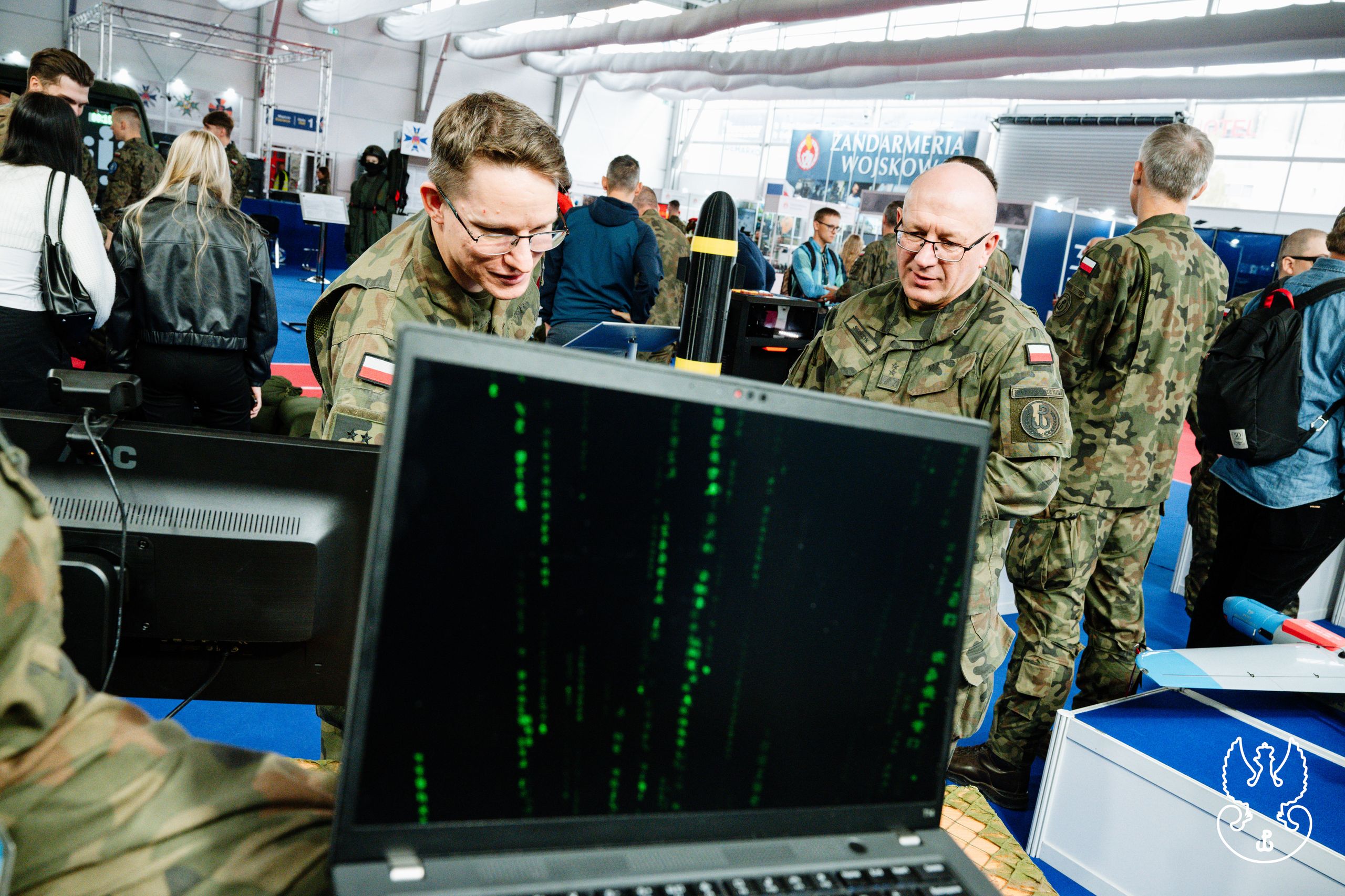
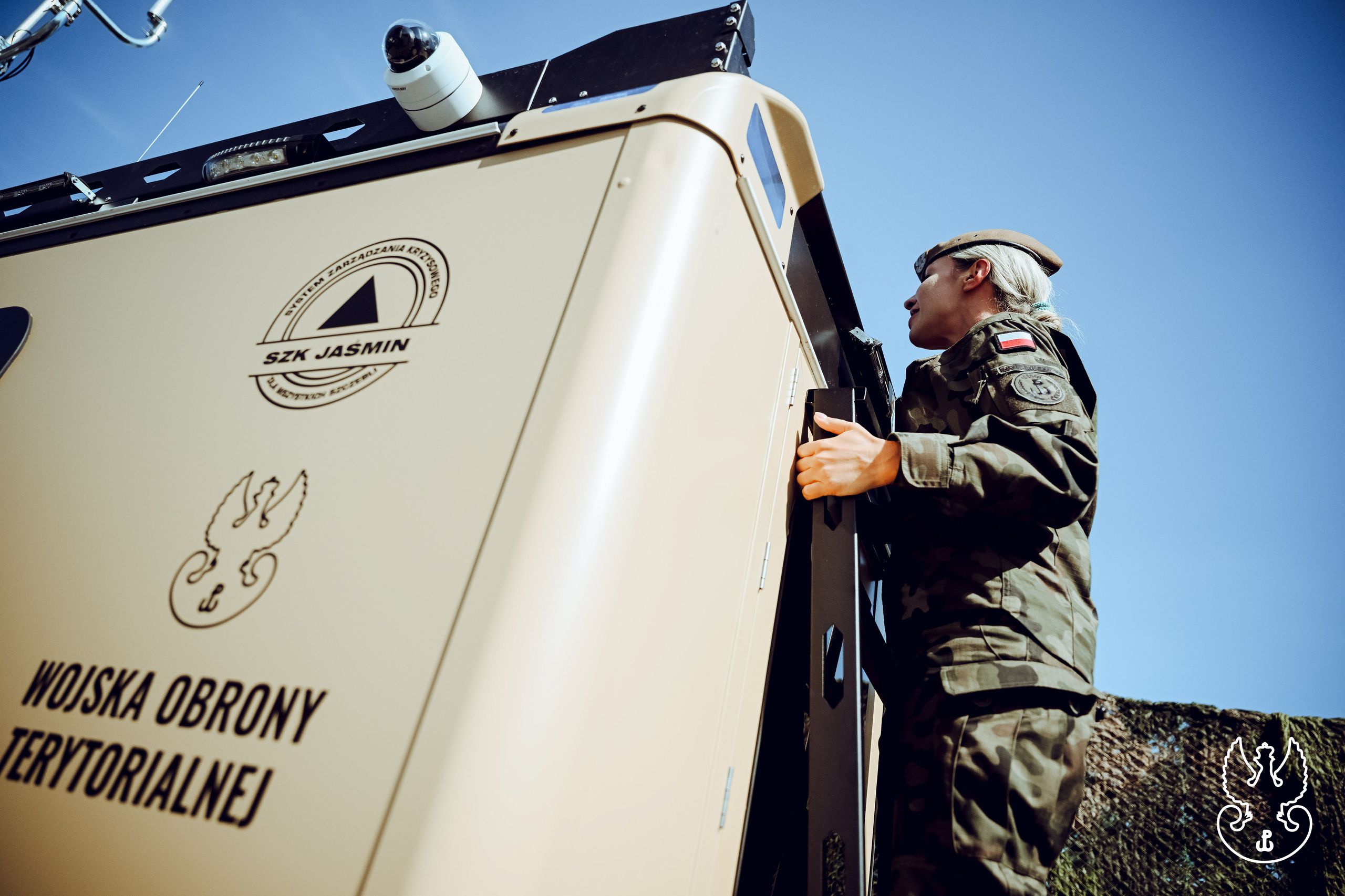
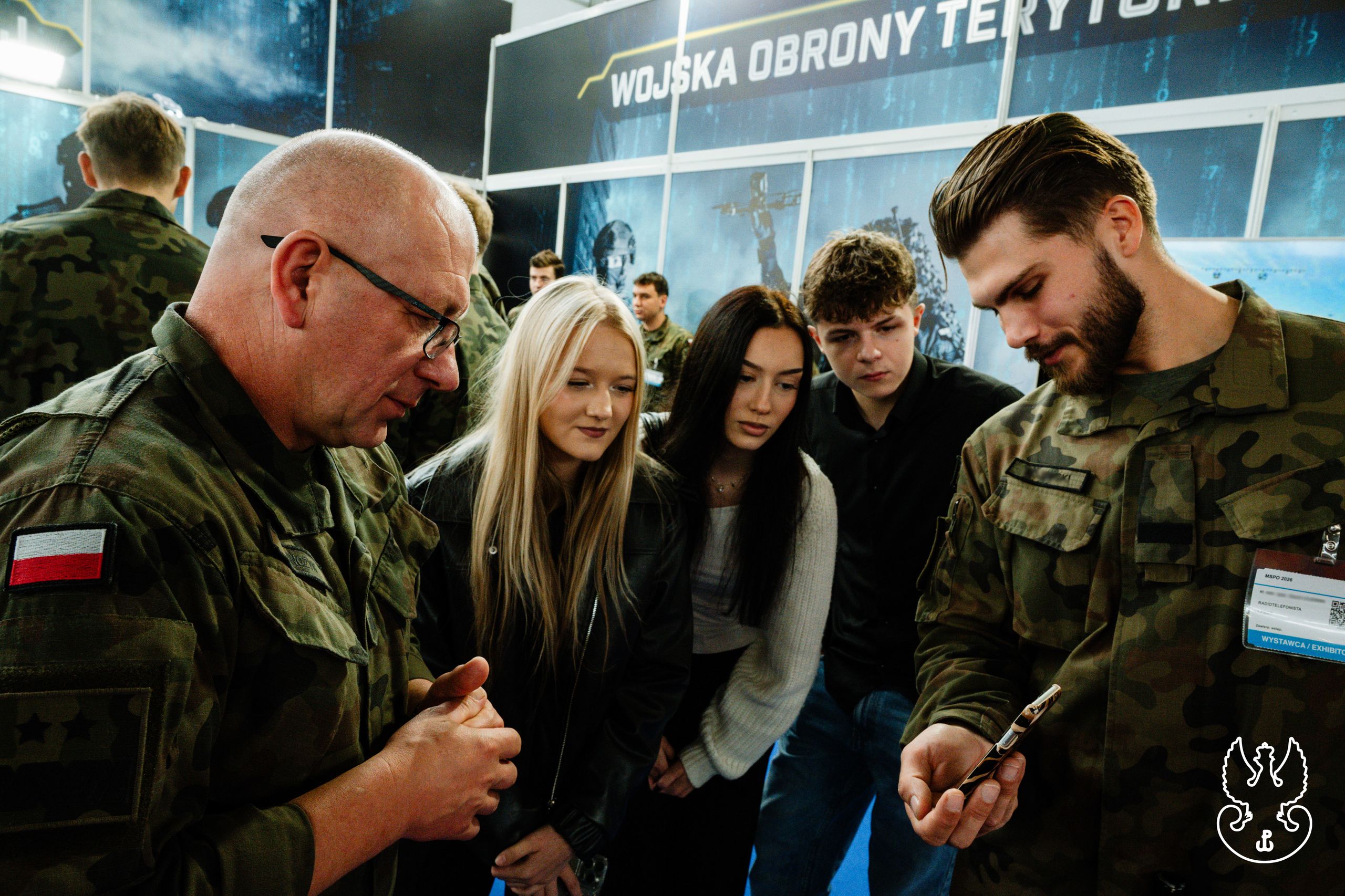
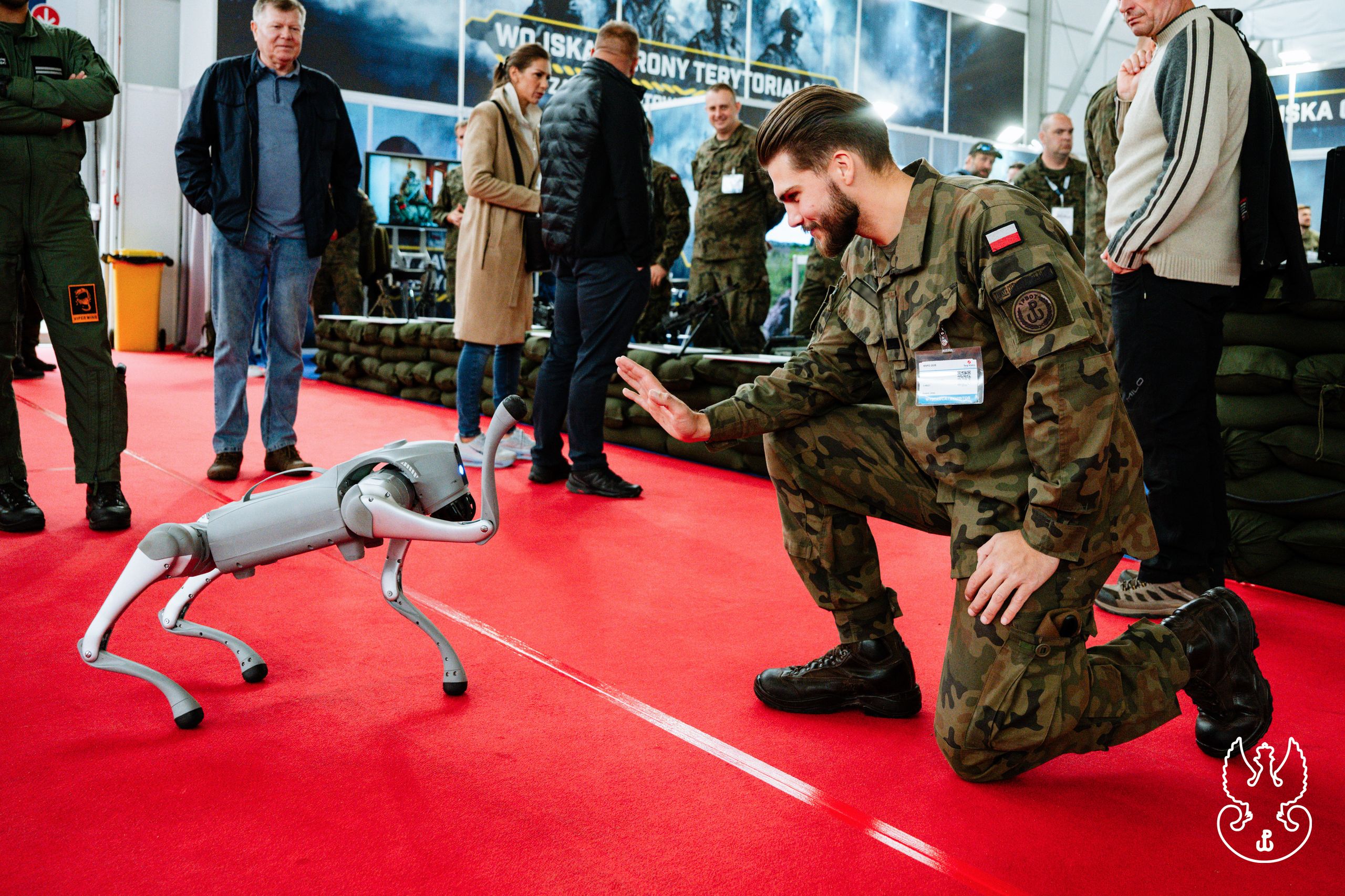
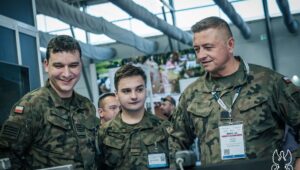
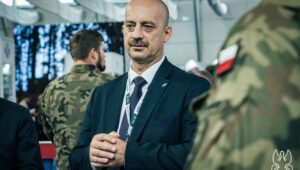
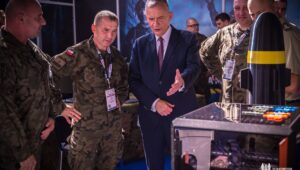
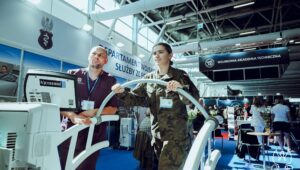
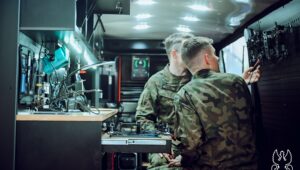
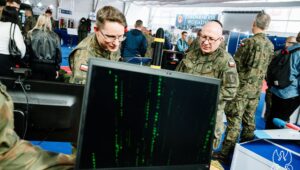
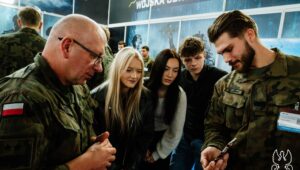
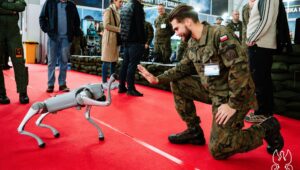
The Territorial Defence Forces’ stand was visited by Deputy Prime Minister and Minister of National Defense Władysław Kosiniak-Kamysz, as well as Ministry of National Defense Secretaries of State Magdalena Sobkowiak-Czarnecka and Paweł Bejda. The exhibition was jointly prepared by soldiers of the 10th Świętokrzyska, 3rd Podkarpacka, and 5th Mazowiecka Territorial Defence Brigades, as well as the 1st Podlaska and 4th Warmińsko-Mazurska Border Defense Brigades. Instructors from the Territorial Defence Forces Training Center and specialists from the Cyber Operations Team also presented their capabilities. The stand also featured representatives of the Civil Defense Championships, a nationwide educational and social project combining security, technology, and practical skills. Their participation broadened the presentation to include issues related to preparing society to respond to emergencies and cooperation aimed at strengthening national resilience. The shared space enabled exhibitors to exchange experience with equipment users, while visitors could learn more about the day-to-day service of Territorial Defence Forces soldiers.
The Territorial Defence Forces’ participation in MSPO 2026 made it possible to compare operational experience with the capabilities offered by the defense industry and to present the formation’s future development priorities. Direct knowledge exchange between soldiers and technology developers helps identify which solutions can best meet the requirements of individual subunits. For the Territorial Defence Forces, the measure of progress remains the practical usefulness of these solutions in carrying out missions and their impact on readiness to defend the country. Consistently combining investment in equipment with investment in personnel forms the foundation for building the capabilities required in a changing security environment.
