















On Friday, September 11, 2026, the final day of the 34th International Defence Industry Exhibition (MSPO 2026) at Targi Kielce, the exhibition awards were presented. Among the recipients was Bielsko-Biała-based Concept, which received a distinction from the Commander of the Territorial Defence Forces in the category of equipment and gear for light infantry soldiers for the Wirus-L Light Strike Vehicle.
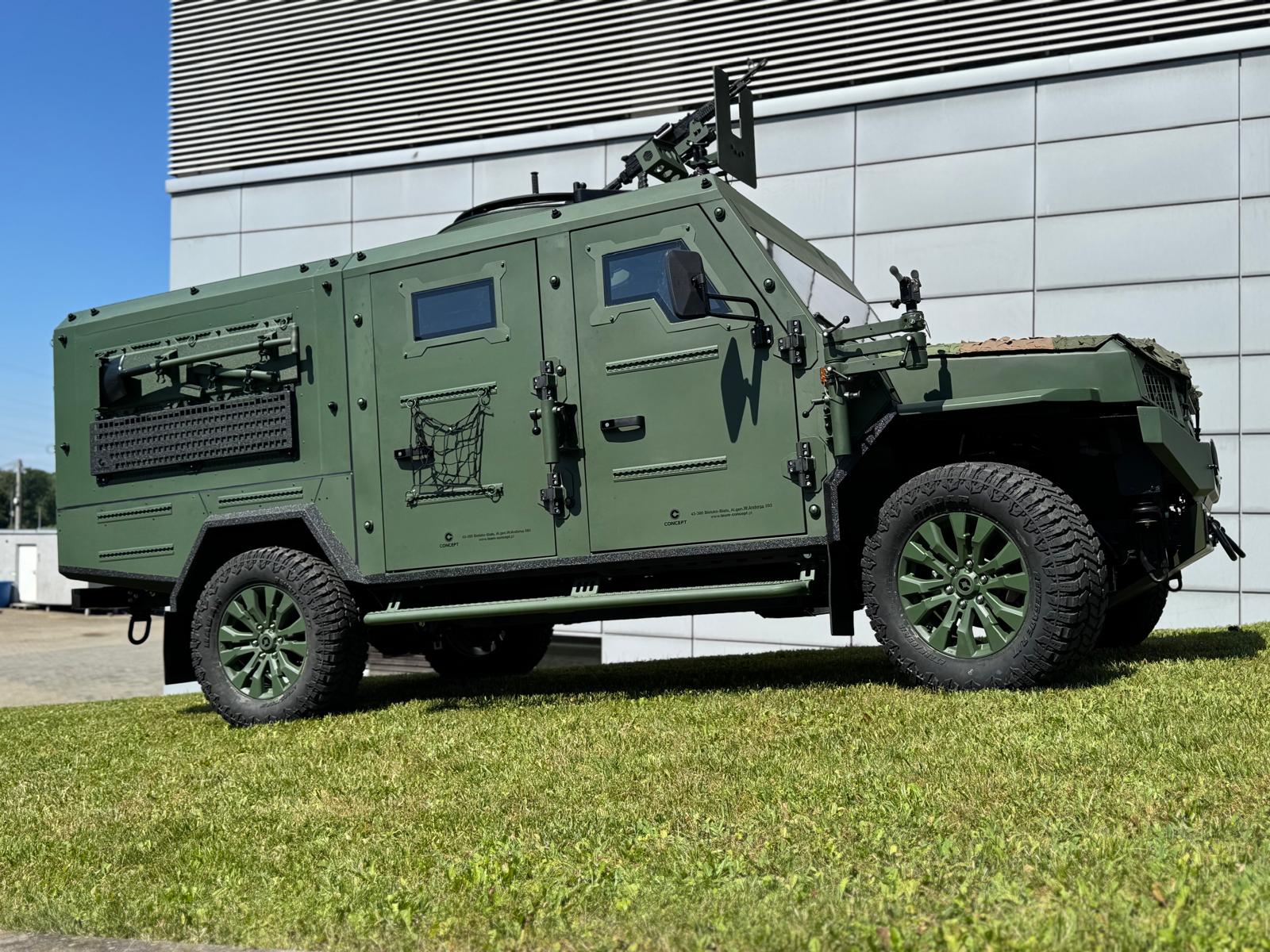
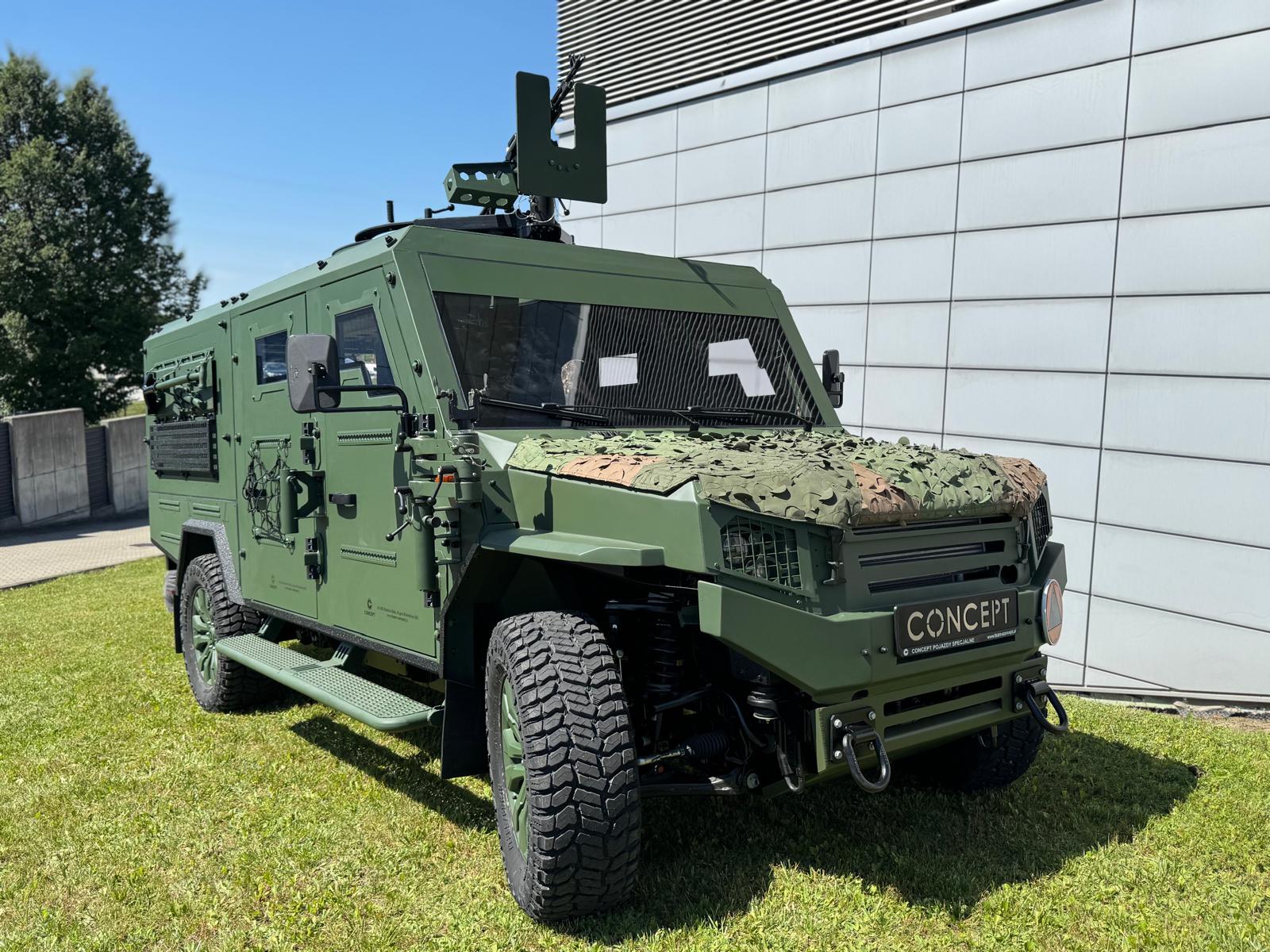
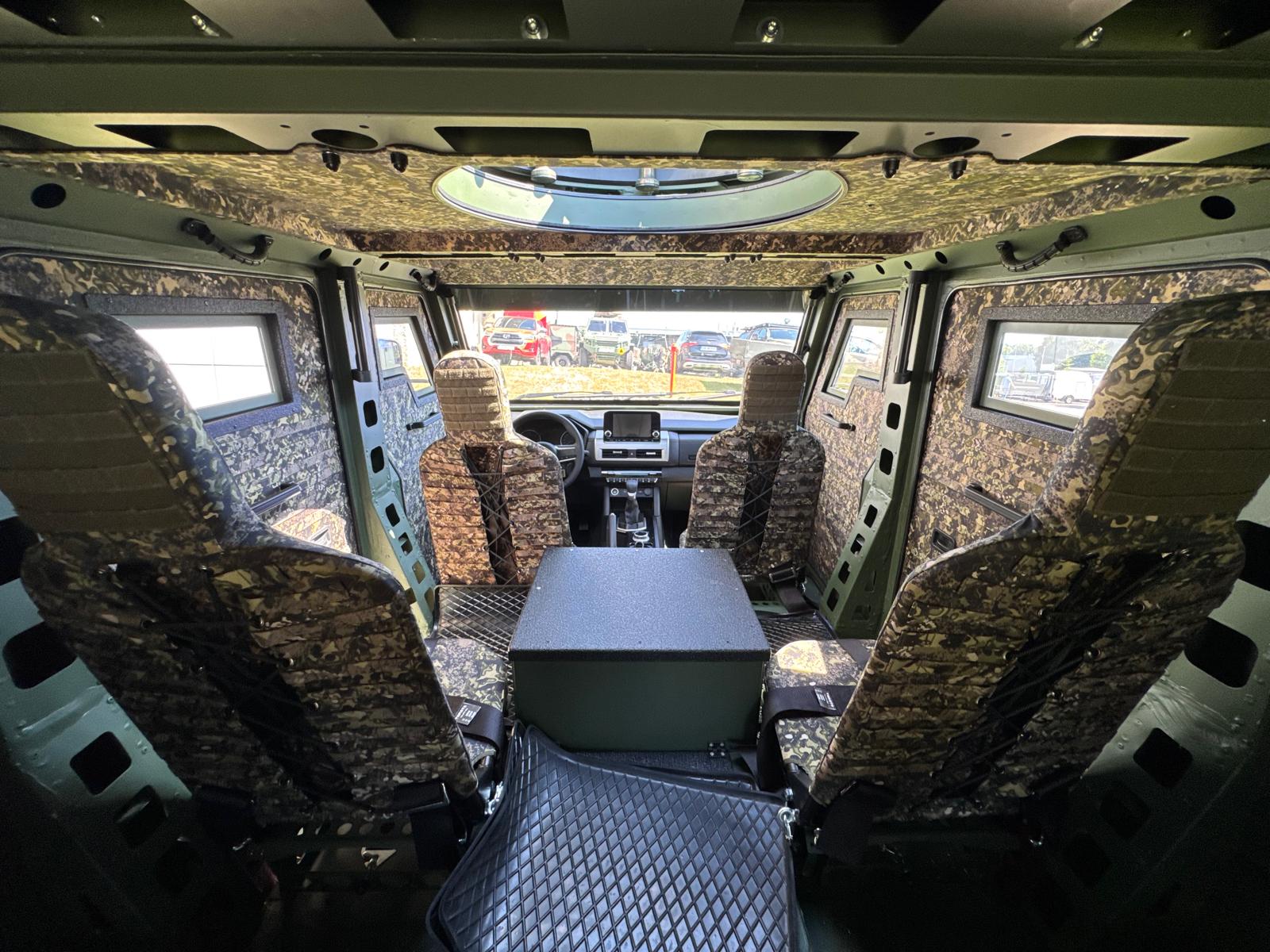



Photos: Jakub Link-Lenczowski, MILMAG
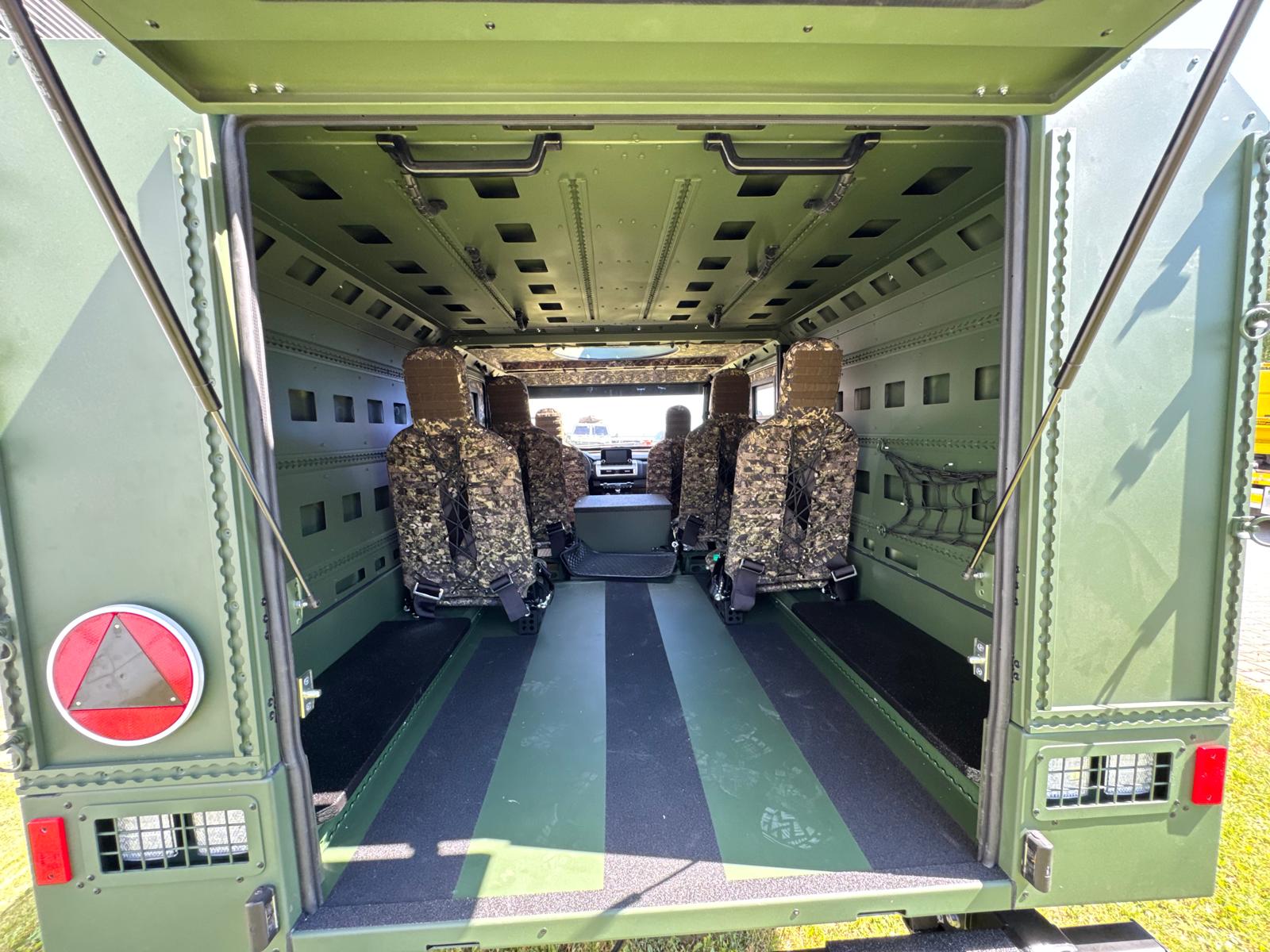
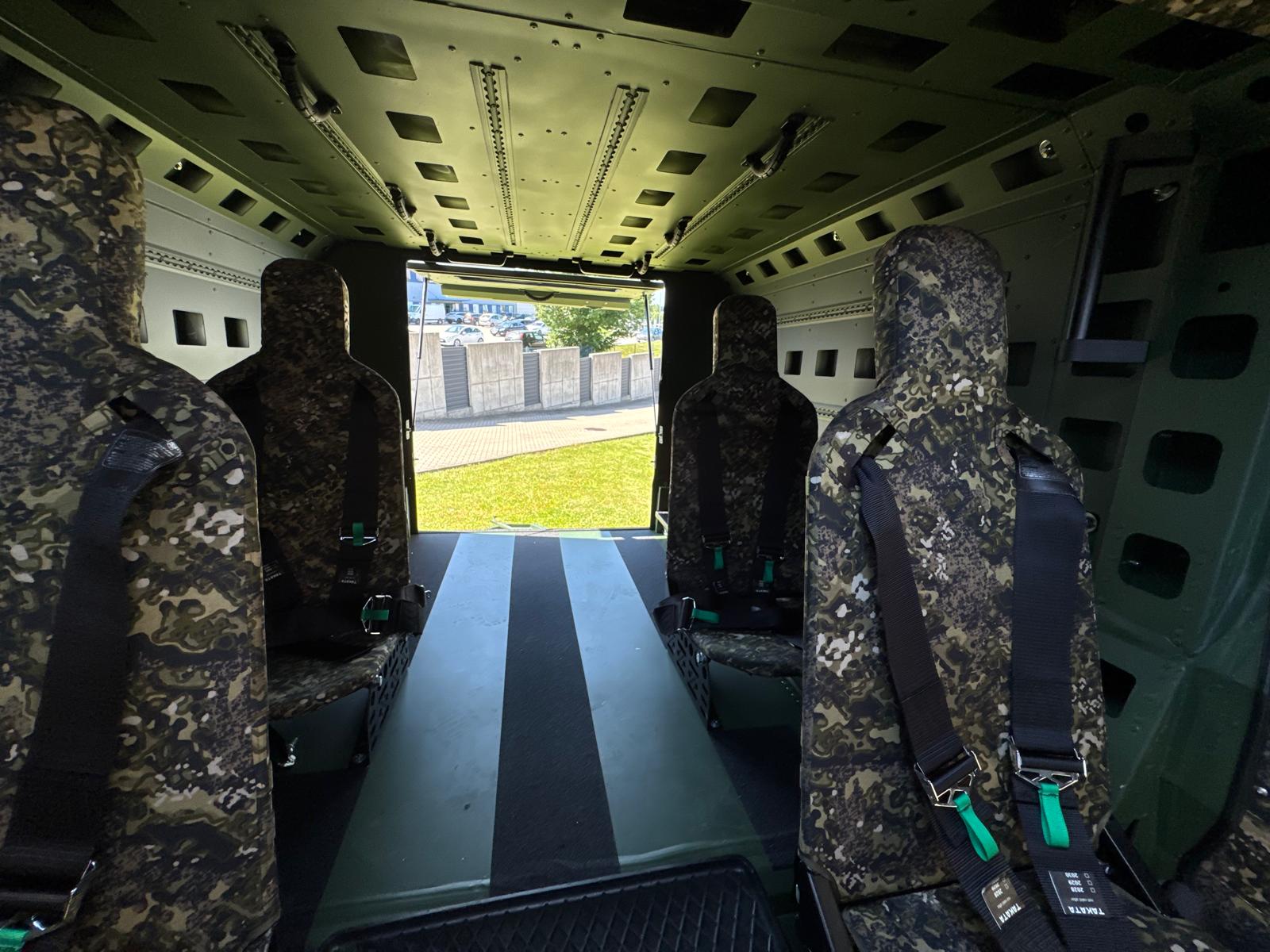
The vehicle was developed in response to the armed forces’ requirement for a versatile, light, high-mobility vehicle capable of conducting patrol missions, transporting soldiers and equipment, and performing medical evacuation. The Wirus-L is a development of the LPU Wirus 4 design used by the Polish Armed Forces in the PDR Żmija long-range reconnaissance variant. Thanks to the significantly enlarged body, the vehicle offers much more space in the crew compartment, allowing it to carry four or six soldiers and a substantial amount of equipment, or alternatively four additional personnel.
The vehicle is based on a rigid frame fitted with a body made of high-strength steel. The new Wirus-L is powered by a turbocharged four-cylinder 2.4-liter diesel engine producing a maximum of 180 hp and 430 Nm of torque. The engine meets Euro 2 emissions standards, without a DPF or SCR system, and is adapted to operate on lower-quality fuels and F-34 fuel. A Euro 6-compliant version can also be offered as an option.
The drivetrain uses a six-speed automatic transmission and a transfer case with a center differential, low-range gearing and the ability to disconnect the front axle drive. The front suspension is independent, with double wishbones, coil springs, shock absorbers and an anti-roll bar. The rear axle uses leaf springs and telescopic shock absorbers. The rear axle is rigid and fitted with a locking differential. A front axle differential lock is available as an option.
In its basic configuration, the Wirus-L features a Combat-VAN body, with the cargo section integrated with a four-door driver’s cab. The body volume has been significantly increased compared with both the PDR Żmija and civilian-market pickup trucks or SUVs. This makes the interior suitable for transporting soldiers wearing full combat equipment and helmets. The enlarged equipment compartment allows the transport of equipment in crates and transport containers, including UAVs, communications systems and reconnaissance systems, as well as soldiers’ personal gear.
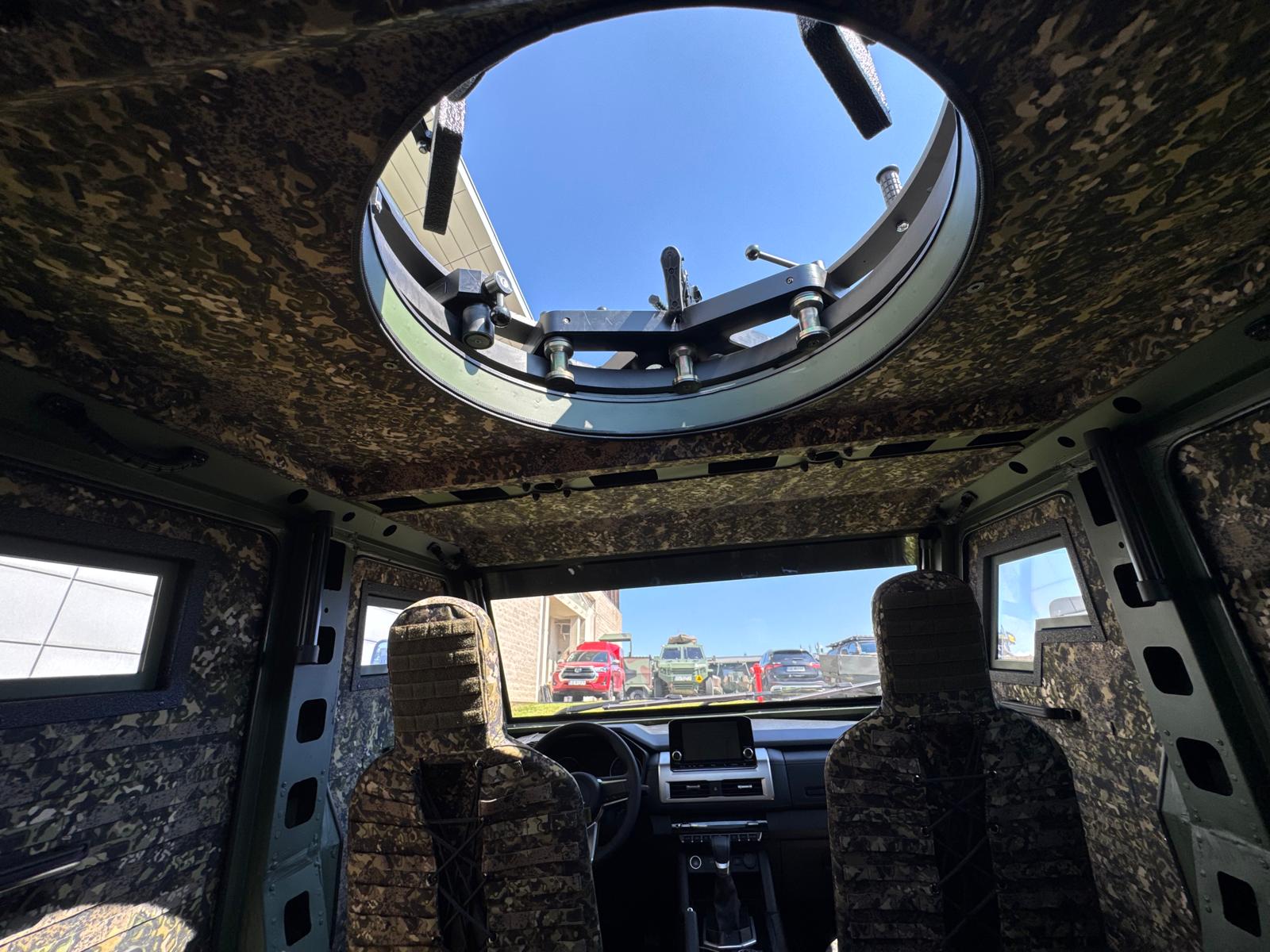
The cab is equipped with heating, air conditioning and interior lighting. A roof hatch has been incorporated into the cab roof, allowing the installation of a gunner’s position with a lightweight 360-degree ring mount for 7.62 mm or 12.7 mm automatic weapons. The vehicle doors can be quickly removed and fitted with mounts for 5.56 mm or 7.62 mm machine guns on two- or three-arm supports for firing from the vehicle. The body also features mounting points for optional lightweight armor providing protection against artillery fragments or handgun ammunition up to 9 mm Magnum.
The body has a modular design, allowing the vehicle to be configured with a short two-seat cab or a four-door double cab for four or five occupants, combined with either a containerized body or a cargo bed, including an open flatbed platform with optional side panels and a frame with a tarpaulin.
In its current configuration, the vehicle is fitted with a standard ring mount. However, as MILMAG has learned, it can also be equipped with a remotely controlled weapon station. Earlier SOF variants of the Wirus were presented with lightweight weapon stations developed by Arex, a WB Group company.
Basic technical data:
Engine:
- 4-cylinder turbocharged diesel engine (MMC 4N16) with intercooler and direct Common-Rail injection
- Displacement: 2,442 cc
- Emissions standard: Euro 2
- Maximum power: 135 kW (180 hp) at 3,500 rpm
- Maximum torque: 430 Nm at 2,500 rpm
- Fuel: 75-liter tank, F-54 diesel, adaptable to F-34
Drivetrain:
- 6-speed AISIN automatic transmission with torque converter
- Transfer case with center differential and low-range gearing
- Center differential lock and rear axle differential lock
- Disconnectable front axle drive, while retaining the ability to use 4×4 drive on any surface
Suspension:
- Front: independent, with double wishbones, coil springs, shock absorbers and anti-roll bar
- Rear: rigid axle with elliptical leaf springs and shock absorbers
Electrical system:
- 12–14 V, negative ground
- Main electrical system switch in the driver’s cab
- 130 A alternator (1,820 W)
- 2×75 Ah Optima batteries
- Optional 24–28 V system with an additional 24 V alternator and 2×60 Ah batteries
Dimensions:
- Length: 5,100 mm
- Width: 2,000 mm
- Height: 2,200 mm
- Ground clearance under the axles: 250 mm
- Fording depth: 600 mm
- Minimum turning radius: 6.5 m
Weights:
- Curb weight without armament: approx. 2,300 kg
- Gross vehicle weight: 3,500 kg
- Payload: approx. 1,200 kg
Tactical parameters:
- Range: 600 km
- Maximum speed on paved roads: 140 km/h
- Maximum speed on unpaved roads: 80 km/h
- Approach / departure / breakover angles: 45° / 35° / 25°
- Gradeability: 45°
During MSPO 2026, the company also presented vehicles developed on the Mercedes-Benz G350d platform in several configurations, as well as a mobile power station with an 80 kWh energy storage system.
See also:
