























New, technologically advanced helicopters are already in service with the Polish Armed Forces, including the AW101 and the first of the ordered AW149 helicopters. Under a July 2022 agreement between the Ministry of Defense and WSK PZL-Świdnik, the military will acquire a total of 32 AW149 multirole helicopters for the Land Forces. Meanwhile, the four AW101 helicopters that have been ordered and delivered, which are urgently needed for Baltic Sea missions, may not fully address the Navy’s requirements. Therefore, an increase in their number in service could be expected to optimize the Navy’s aviation capabilities. Additionally, a fleet of 96 attack helicopters has already been contracted under the Land Forces’ modernization program. The number of rotary-wing aircraft is set to grow under current and, hopefully, future programs. These new and state-of-the-art helicopters significantly enhance the military’s capabilities, meaning that a similar qualitative leap is needed in the training of pilots, crews, and ground support staff. A training system based on simulators and training devices is necessary to replicate the real helicopter, operational environment, and allow students and soldiers to immerse themselves in a virtual world. This approach enables them to practice complex operations on simulators first before transitioning to a training/combat helicopter, and later train on specific models in their military units. Simulators and training devices, however, are utilized at every stage of training.
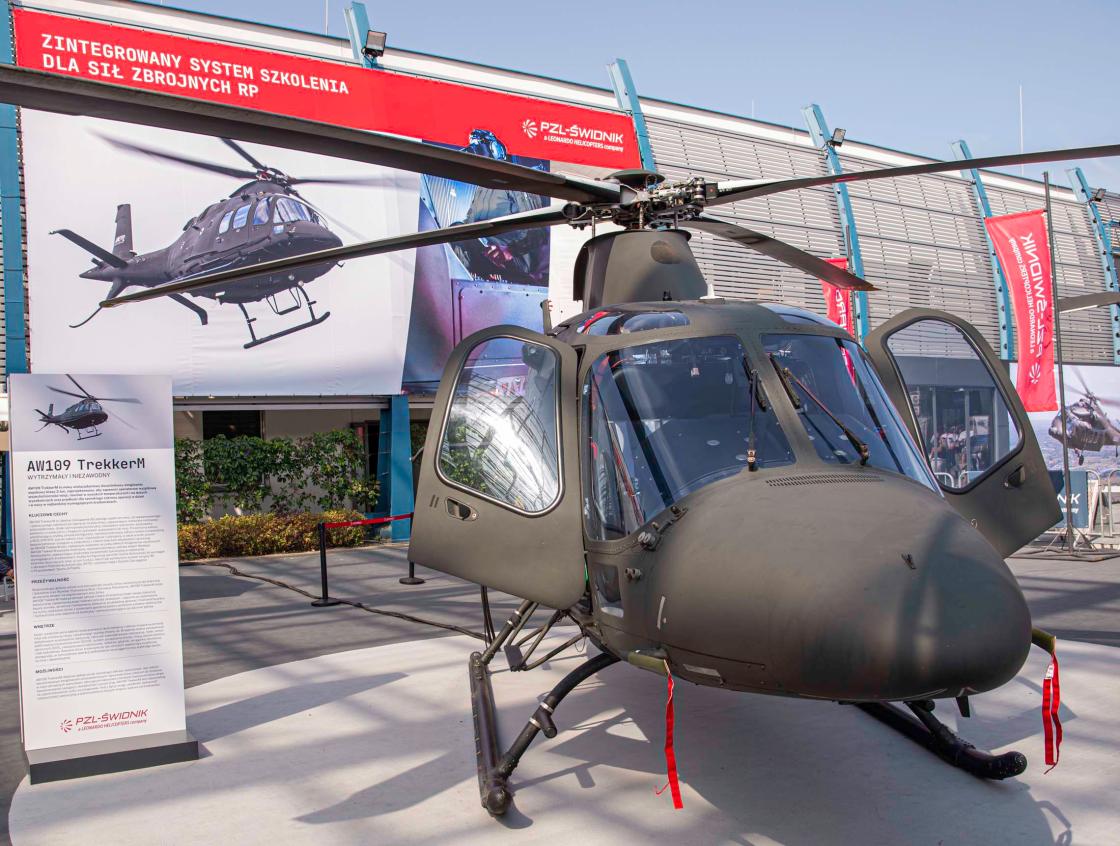 Photos: WSK PZL-Świdnik
With the increasing technological sophistication of helicopters, including their computerization, advanced avionics, onboard systems, numerous avionics subsystems, self-defense and electronic warfare systems, weaponry, and modern sensors, the demands placed on pilots, crews, and ground support staff are evolving. Modern helicopters, thanks to complete computerization, increasingly reduce the workload of pilots regarding basic flight operations but require interoperability and focus on complex tasks, thereby necessitating a completely new approach to training. This is why simulators and training devices that utilize artificial intelligence and virtual reality are crucial components of a comprehensive training system. Helicopters process vast amounts of data, especially when operating in a network-centric environment. Training devices and simulators, along with training rooms equipped with appropriate technology, streamline the training process and ensure cost optimization. Virtual and augmented reality, combined with artificial intelligence integrated into the most advanced simulators, offer pilots and crews sensory experiences akin to those on a real helicopter. This combination provides extensive training capabilities and is ultimately the most effective approach to preparing personnel.
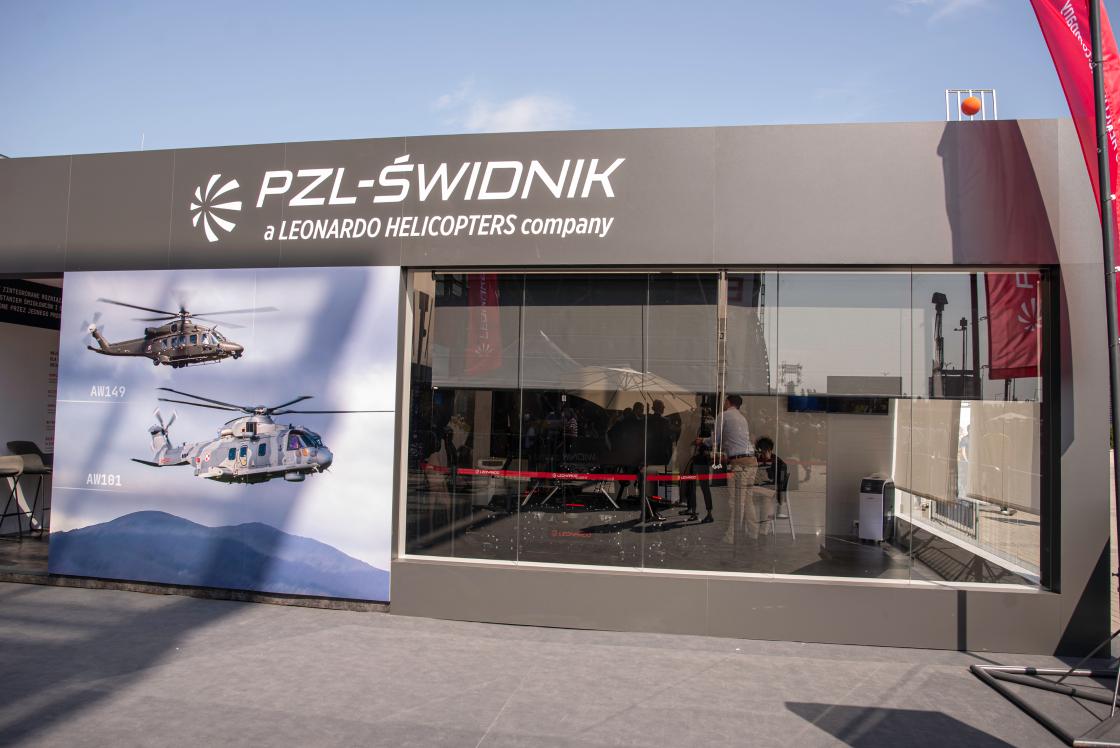
All of this requires a new approach to preparing pilots and technicians, as well as advanced training and logistics. For the Polish Armed Forces, the direct supplier of a comprehensive training system would be PZL-Świdnik, catering to both ground and flying personnel. This would leverage the extensive experience of Leonardo Helicopters in supporting helicopter fleet operators worldwide with training programs utilizing simulators and training devices. The comprehensive training system would include simulators, training devices, training/combat helicopters, as well as full logistical and service support from PZL-Świdnik (PZL-Świdnik offers complete training solutions for helicopter crews and ground personnel).
Official information released by the Armament Agency outlines the general framework of the training program. Within this scope, the following are to be acquired: 24 helicopters configured for training with the use of aerial combat systems, a training system including simulators and training devices, a logistics package for training support, material support services, a training package, and the adaptation or construction of infrastructure closely tied to the training system (Market Consultations Regarding Purchase Of 24 Training Helicopters).
Helicopters, as demonstrated by the experiences of NATO countries, including the U.S. military, need to be cost-effective as well as efficient in terms of training outcomes. For instance, the U.S. Navy currently utilizes helicopters from the Leonardo family, specifically the single-engine AW119, designated in the U.S. as the TH-73A Thrasher. This model is based on the same platform as the AW109 TrekkerM proposed for Poland, but the AW109 is a twin-engine version. In addition to the TH-73A, training in the U.S. is conducted on other platforms, although their replacement is being considered due to the high costs of acquisition and maintenance for certain types of training/combat helicopters. The AW119, or the AW109 proposed for Poland, are ideal solutions. PZL-Świdnik’s offer for the Polish military takes into account the cost-effectiveness balance. The AW109 Trekker is also an ideal training helicopter for future pilots of AH-64E Apache combat helicopters, of which Poland plans to acquire 96 units.
The comprehensive training system proposed by PZL-Świdnik consists of three pillars: simulators, helicopters, and, as the third pillar, full service support (known as PBL – Performance-Based Logistics). This support model is based on operational data from helicopter usage and meets the most demanding expectations for fleet readiness. Manufacturer-led maintenance ensures all the benefits of close collaboration between the military and industry. The foundation of this system lies in sharing information on fleet usage, allowing the manufacturer to plan maintenance and ensure the availability of necessary parts “on the shelf” to keep helicopters fully operational. This approach caters to the current needs of the Polish Air Force University, maximizing readiness and operational efficiency.
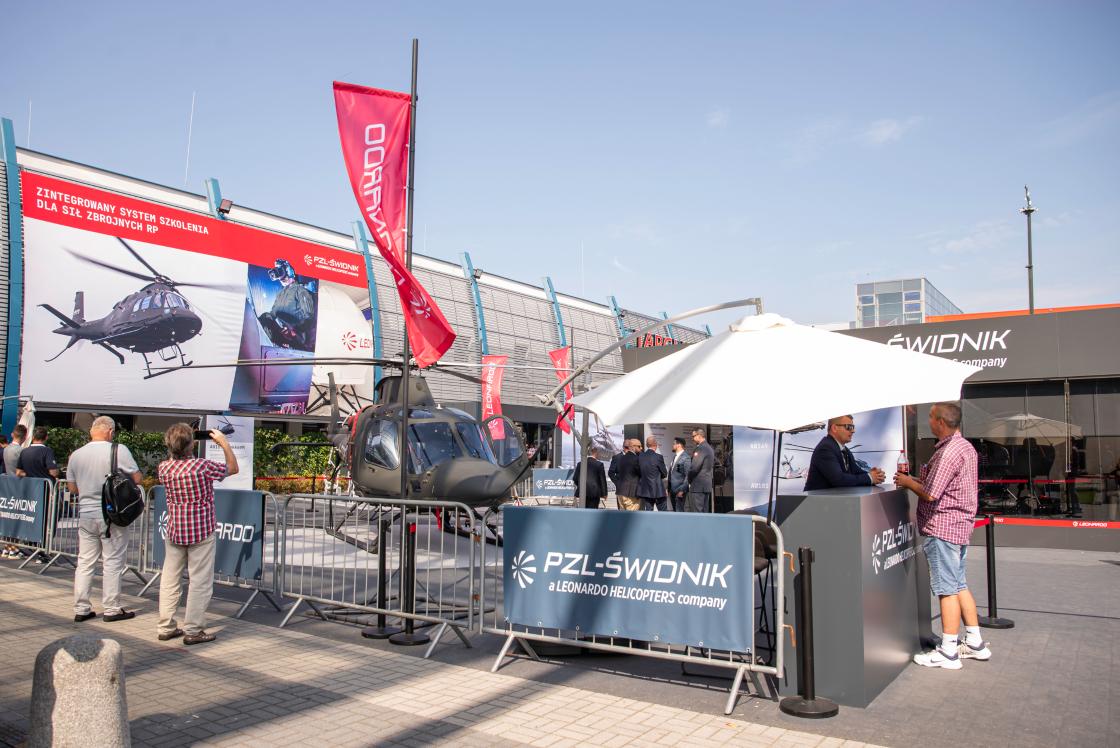
This is precisely the purpose of the PBL model, which has not yet been implemented in Poland but brings significant benefits in fleet management across many NATO countries. Additionally, and equally important, according to PZL-Świdnik’s proposal, the helicopters can be delivered from Poland. Fully assembled AW109 TrekkerM helicopters could roll out from the Świdnik facility, much like the military has secured deliveries of the AW149. Thus, it would be a local product with global pedigree — manufactured for other customers as well at Leonardo facilities in Italy and delivered worldwide.
The Unique Capabilities of Simulators and Training Devices as an Integral Part of a Comprehensive Training System
As part of a pragmatic approach, training is tailored to the operational requirements of the military and conducted in a representative environment that replicates most typical operational conditions. These include broadly defined reconnaissance tasks — ISR (Intelligence, Surveillance, and Reconnaissance) using modern sensors, search and rescue missions, including combat scenarios, and medical evacuation (SAR/CSAR MEDEVAC/CASEVAC), anti-armor combat operations, heavy cargo transport in demanding scenarios, multi-platform training involving joint training for multiple crews, formation flights, and cooperation with other military units.
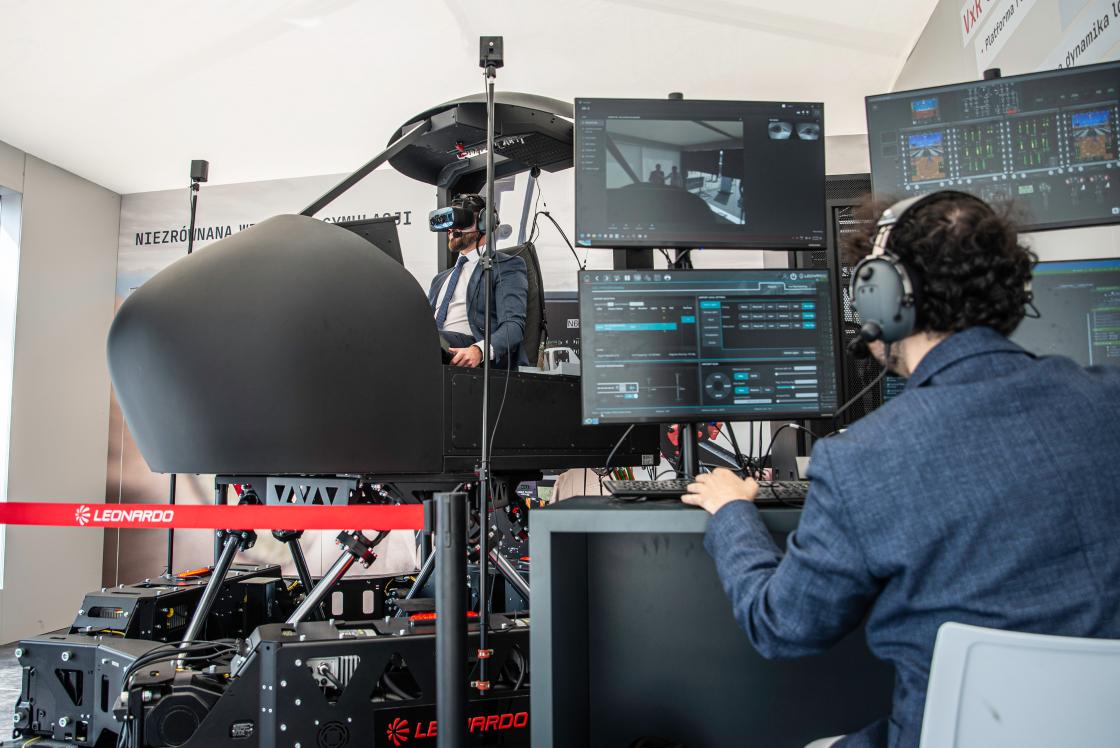
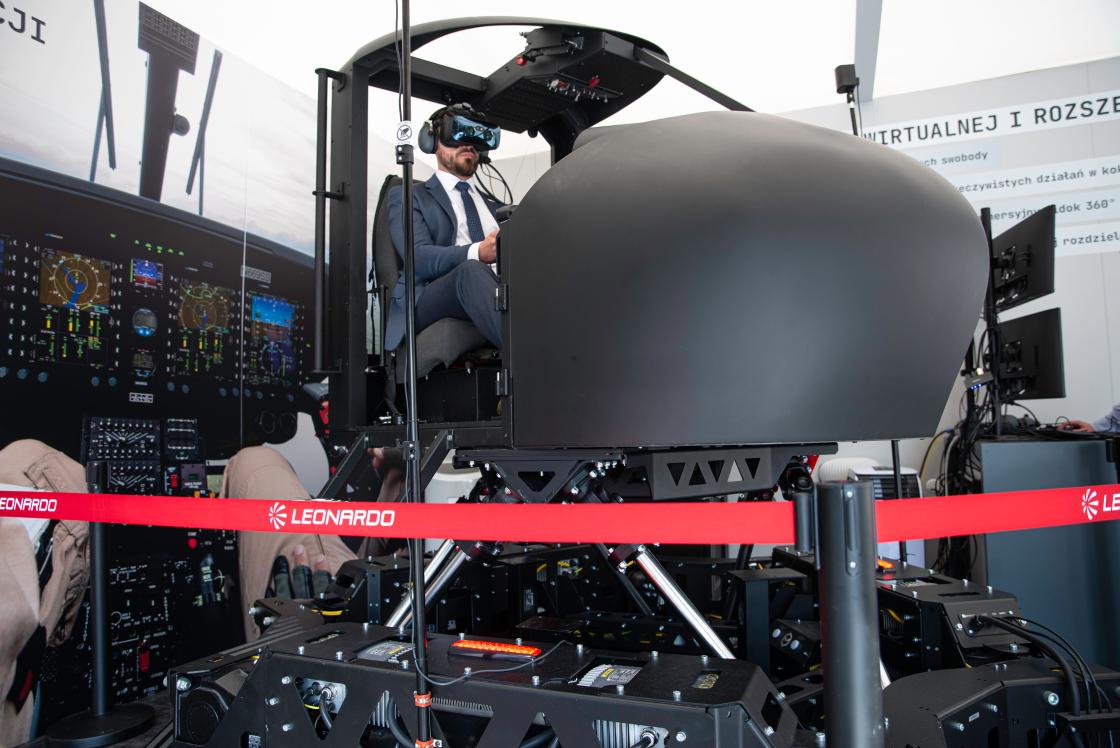
One example of an advanced simulator is the state-of-the-art ETD e-Motion (Enhanced Training Device). This device leverages the capabilities of a Full Flight Simulator, combines them with the cost-effectiveness of Leonardo’s stationary Flight Training Devices (FTD), and delivers unparalleled simulation fidelity. It offers vibrations, motion cues, and realistic, defined scenarios to elevate the training experience to the next level. The simulator includes a high-quality replica of a platform-specific cockpit and features realistic helicopter dynamics.
Additionally, portable containerized simulator setups enable the operation of the device without requiring specialized infrastructure and can be rapidly deployed to any location.
Another example of mobile simulators and cutting-edge technical and technological solutions that are revolutionizing pilot and ground crew training is the VxR Virtual Reality Simulator. This simulator has enabled the integration of two major technologies: Virtual Reality (VR) and Artificial Intelligence (AI), which support operations. By applying AI algorithms to analyze available data from helicopter fleet operations, Leonardo, through PZL-Świdnik, can offer significantly improved services at lower costs.
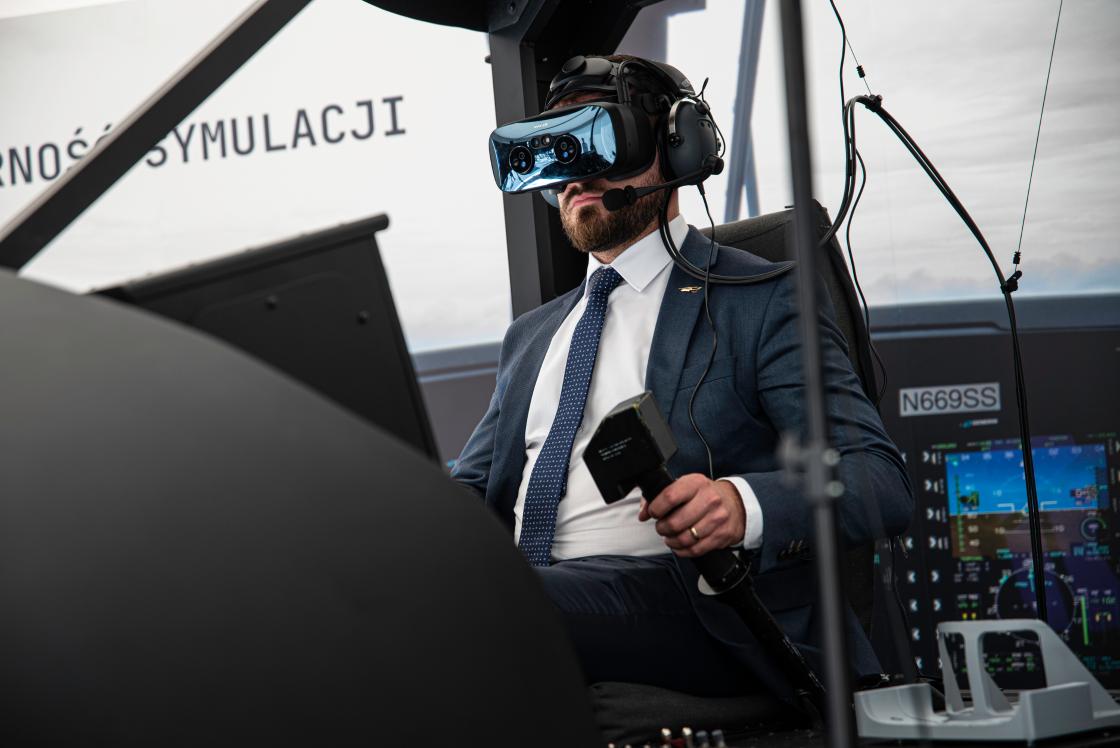
The VxR technology was designed and built based on original helicopter data (as are all Leonardo simulators and training devices, a unique feature in the helicopter market) to ensure the highest level of fidelity. It leverages advanced design capabilities and incorporates real-flight testing. This approach guarantees compatibility and compliance with the requirements of regulatory authorities, including the European Union Aviation Safety Agency (EASA) and the Federal Aviation Administration (FAA).
The VxR provides exceptional efficiency and cost savings due to its smaller size and minimal infrastructure requirements, allowing it to be used wherever it is needed. These features reduce acquisition and training costs while enhancing the safety of helicopter operations. The VxR simulator is also ideal for independent practice by students, who can use it to reinforce their knowledge on their own. Additionally, its significantly lower acquisition cost compared to other simulation devices makes it feasible to purchase in larger quantities.
VxR simulators are already being implemented in Italy and the United States to train pilots at Leonardo Training Academies in these countries.
Ground crew training also ensures thorough familiarization with the helicopter, enabling the inclusion of practical elements in training. This is achieved through the use of the Interactive Virtual Maintenance Trainer Simulator (IVMTS). This training device includes key helicopter components, such as the engine and main gearbox, for mechanical systems training. It also features a set of Virtual Maintenance Training Stations (VMT) designed for training on other helicopter systems, such as avionics and more.
Helicopter Service and Logistics
The helicopter, to ensure the highest level of ground service support, is integrated into a Health and Usage Monitoring System (HUMS). This system enables the use of data collection and analysis techniques to ensure planned operational availability, reliability, and safety of the helicopter. With augmented reality, technicians gain tools for flight and inspection planning, as well as access to logistics packages, with direct access to manufacturer data. Skyflight Mobile and Heliwise are key advanced services that provide operators with state-of-the-art solutions for flight planning and data analysis on helicopter condition and usage (i.e., the HUMS system).
AW109 TrekkerM
Light training helicopters can perform a variety of additional missions (beyond training) during crises. However, they are not designed to fulfill strictly combat roles, as armed forces acquire helicopters of appropriate tonnage and specifications tailored to specific mission types, such as attack, transport, or multirole helicopters. Training/combat helicopters are primarily intended for advanced training with weaponry. Nonetheless, light helicopters like the AW109 TrekkerM – the military variant – can effectively serve in command and control roles, such as C2 (Command & Control) and C4ISR (Command, Control, Communications, Computers, Intelligence, Surveillance, and Reconnaissance). They can also be used for search and rescue (SAR), medical evacuation (MEDEVAC), battlefield casualty evacuation (CASEVAC), and logistical and combat support involving weaponry. This versatility aligns with the operational needs of the Polish Armed Forces. The AW109, equipped with modern avionics, sensors, weaponry, and communication systems (including cryptographic capabilities) and integrated within a network-centric environment, could be a vital asset for the Polish military. Moreover, its acquisition and operational costs remain low, partly due to the proximity of PZL-Świdnik, which provides direct support to the armed forces.
The light multirole AW109 helicopters proposed by PZL-Świdnik would be capable of providing aerial fire support and escorting specialized helicopters en route to mission areas. With mission management systems and armament including unguided rockets and door-mounted machine guns operated by the crew, they provide scalable capabilities. External pods for heavy machine guns, cannons, and rockets enhance their ability to counter threats effectively, particularly in low-intensity combat scenarios or asymmetric threats such as those near state borders.
PZL-Świdnik already manufactures complete AW109 airframe structures for all Leonardo programs and is fully prepared to perform final assembly of these helicopters in Świdnik for the Polish military.
Advertising cooperation
