






















On Wednesday, May 13, 2026, the US Department of Defense announced that it had signed framework agreements with Anduril Industries, CoAspire, Leidos and Zone 5 Technologies under the Low-Cost Containerized Missiles (LCCM) program.
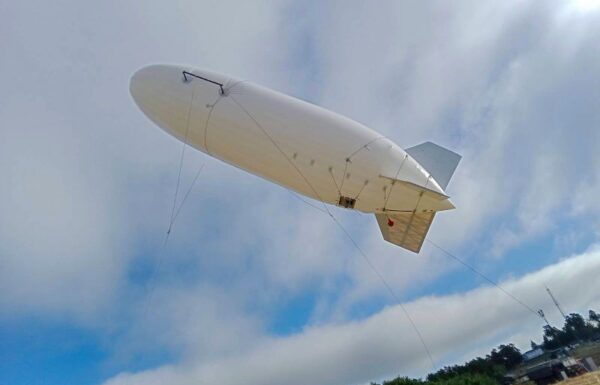
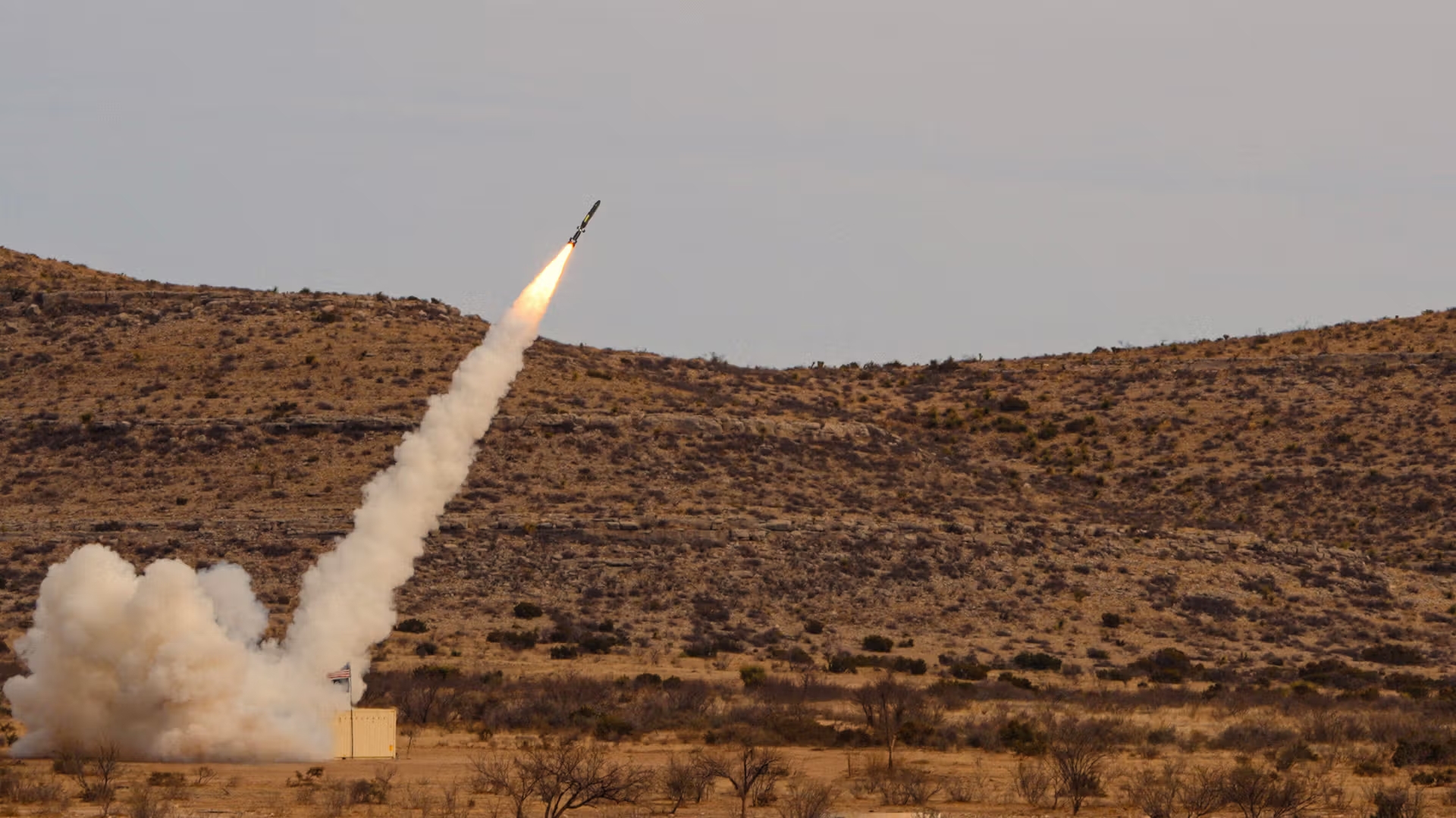 Photo: Anduril Industries
As the Department of Defense emphasizes, all of these agreements will enable the rapid delivery of effective and affordable long-range weapons at scale, as part of a broader initiative to increase weapons production.
This effort will allow the Department to procure more than 10,000 low-cost cruise missiles from four suppliers in just three years, starting in 2027. The framework agreements also provide for fixed unit costs for serial production in 2027–2029.
Under these framework agreements, the selected suppliers are to achieve the required scale of high-volume production without direct Department of Defense involvement, reflecting a new model of commercial partnership that rewards speed, innovation and private-sector capital investment.
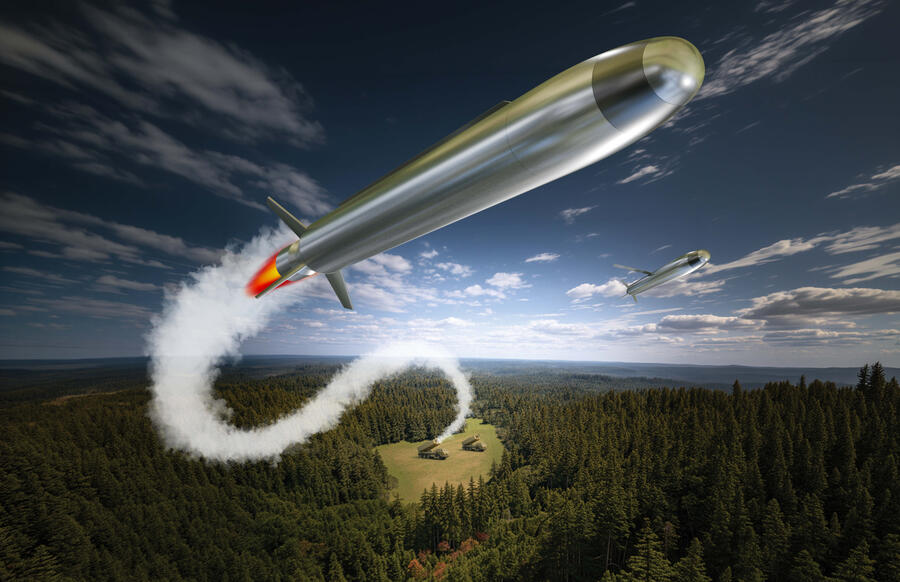 Image: Leidos
The experimental campaign and assessment of the selected weapon systems under the LCCM program will be conducted by the Office of the Under Secretary of Defense for Research and Engineering, while the Army Program Executive Office Fires will serve as the transition partner and acquisition lead. To launch this initiative, the Department of Defense will acquire test missiles from all four suppliers starting in June 2026, providing the basis for the program’s evaluation phase. These agreements were developed in close cooperation with the US Air Force Program Executive Officer for Weapons, the Test Resource Management Center, and multiple organizations within the Department of Defense, including the Office of the Under Secretary of Defense for Acquisition and Sustainment.
The LCCM program is being carried out in parallel with the Blackbeard low-cost hypersonic missile program, for which Castelion Corporation is responsible. Plans call for an execution agreement for a period of two years, with an option to extend it to five years, providing for the production of at least 500 hypersonic missiles annually ‒ more than 12,000 over five years.
 Photo: CoAspire
According to an Anduril Industries press release, the company will supply the ground-launched variant of the Barracuda-500M missile, designated SLB-500M, with a payload of more than 45 kg (100 lb) and a range of up to 926 km (500 nautical miles). The SLB-500M launcher will be housed in a standard 6-meter ISO container and will hold 16 missiles in storage. Interestingly, the Barracuda-500M missile is being offered jointly with the Polish Armaments Group to the Polish Armed Forces.
Leidos will supply a missile based on the air-launched AGM-190A Small Cruise Missile, called Black Arrow. It will be an approximately two-times-larger variant of the original missile and a development of technology from a program for US SOCOM, under which the missiles were intended to be carried aboard the AC-130.
CoAspire has offered ground-launched variants of the RAACM (Rapidly Adaptable Affordable Cruise Missile), including the extended-range RAACM-ER (Extended Range) variant. Zone 5 Technologies, which was recently acquired by Norway’s Kongsberg Defence & Aerospace, will in turn supply AGM-188 Rusty Dagger missiles in a containerized variant. It is worth adding that both CoAspire and Zone 5 Technologies are contractors under the US Air Force’s ERAM (Extended Range Attack Munition) precision air-launched missile program, which will also be supplied to Ukraine.
The @DeptofWar has reached new framework agreements with a slate of disruptive new entrants to aggressively expand the United States military’s lethal cruise missile and hypersonic missile strike capabilities.
Low-Cost Containerized Missiles (LCCM) Program:
• Anduril
•… pic.twitter.com/Fr2xAnBM7y— Department of War CTO (@DoWCTO) May 13, 2026
See also:
