
































According to data published on Friday, April 17, 2026, by the European Border and Coast Guard Agency (Frontex), the number of attempts to illegally cross the external borders of the European Union in the first three months of this year fell by 39% compared with the same period last year, with just over 21,400 crossings recorded. This was mainly due to poor weather on the main migration routes.
 Photos and images: Frontex
With more than 3,700 officers deployed at the EU’s external borders, Frontex continues to support national authorities in protecting Europe’s borders and saving lives at sea.
Key developments:
- The Eastern Mediterranean was the busiest route, accounting for around one third of all illegal crossings of the EU border;
- The Western African route recorded the largest decline, with detections down 83% compared with the first quarter of 2025;
- The Western Mediterranean was the only major route to record an increase.
The number of illegal crossings of the EU’s external borders continues to fall, but the human cost keeps rising. According to the International Organization for Migration (IOM), nearly 1,000 people have died in the Mediterranean this year. Many of these tragedies occurred in poor weather conditions. Smuggling networks are well aware of the risks. Even so, they send desperate people out in unseaworthy boats because there is money to be made.
Meanwhile, the situation in the Middle East threatens to increase displacement in the region in the coming months. So far, this has not had a noticeable impact on the migration situation at the EU’s external borders. Frontex continues to monitor developments closely.

Most active routes
The Eastern Mediterranean was the most active migratory route into the EU in the first quarter, with 6,455 arrivals recorded, including 2,453 in March alone. The number of detections on this route fell by 34% year on year. Most of those detected were nationals of Afghanistan, Bangladesh, and Sudan.
The Central Mediterranean recorded 6,162 illegal crossings in the first quarter, down 33% compared with the same period last year, including 2,194 in March alone. Most of those detected were nationals of Bangladesh, Somalia, and Pakistan.
The Western Mediterranean was the only route to record an increase in detections, with a total of 4,402, including 1,340 in March alone. Year on year, this figure rose by 66%, although March saw a decline compared with February. Most of those detected were nationals of Algeria, Mali, and Morocco.
The Western Balkans route recorded a 14% decrease, to 1,966 detections, including 672 in March alone. Most of those detected were nationals of Türkiye, Egypt, and Afghanistan.
The Western African route saw a sharp 83% drop, to 1,640 detections, including 366 in March. Most of those detected were nationals of The Gambia, Senegal, and Mali.
On the EU’s eastern land border – Poland, Lithuania, and Latvia with Belarus, and Poland with Ukraine – detections fell by 58%, to 682, including 412 in March alone. Most of those detected were nationals of Ukraine, Bangladesh, and Russia.
The number of detected attempts to reach the United Kingdom via the English Channel, including both people who reached the UK and those prevented from departing, fell by 41%, to 6,630, including 2,756 in March alone. Most of those detected were nationals of Sudan, Eritrea, and Afghanistan.
Ministry of the Interior and Administration: Zero Illegal Crossings of the Border with Belarus
On Monday, April 27, a briefing was held at the headquarters of the Polish Ministry of the Interior and Administration, attended by Minister of the Interior and Administration Marcin Kierwiński, Deputy Minister Czesław Mroczek, representatives of the Ministry of National Defense and the Ministry of Infrastructure, commanders of the Border Guard and Police, as well as the military and other services involved in protecting the borders and maintaining public order.
 Photos: Polish Ministry of the Interior and Administration
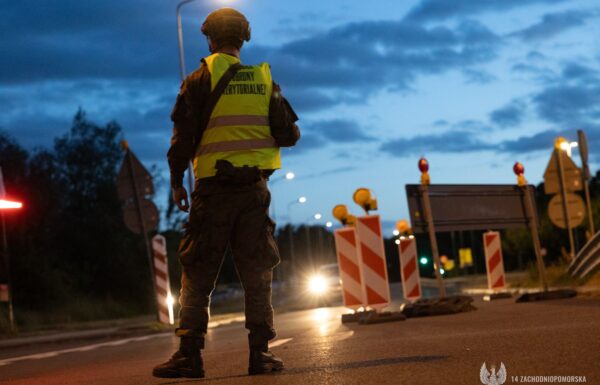
“Poland’s eastern border has become an impassable barrier for illegal migrants. In the first three months of 2026, Polish services thwarted all attempts to illegally enter from Belarus, achieving the full, 100-percent effectiveness of the barrier.” This was announced by Minister of the Interior Marcin Kierwiński during a briefing of the services responsible for the security of Poland’s borders. The head of the Ministry of the Interior and Administration added that in 2025 the Border Guard issued nearly 15,000 decisions requiring foreigners to return to their countries — twice as many as in 2022.
“The number of people who illegally crossed the border with Belarus in the first quarter is zero. Our border today is so tight and so well guarded because, since December 2023, we have moved from words to deeds. This is the result of our firm policy and the enormous commitment of officers and soldiers. We have kept our word. We promised Poles secure borders, and that is what they are,” said Minister Marcin Kierwiński.
Since the beginning of the year, the number of attempts to breach the barrier has fallen from nearly 3,900 in 2025 to just 150 this year.
“Our strategy was simple and brought measurable results. We are not only stopping crossing attempts, but we have also extinguished migratory pressure. After years in which we recorded 30,000 incidents annually, today we are talking about zero successful attempts. This shows that consistent action has made the Polish border an impassable barrier,” said Deputy Minister of the Interior and Administration Czesław Mroczek.
The End of Illegal Crossings
Poland has also become an EU leader in return policy. The effectiveness of returning people not entitled to stay has increased by 150% compared with 2022 and remains at 65%.
“We are pursuing a zero-tolerance policy toward violations of the law. If someone abuses Polish hospitality and breaks the rules, they must leave. In 2025, we issued nearly 15,000 mandatory return decisions – twice as many as just a few years ago. This is real protection for the security of Poles,” emphasized Marcin Kierwiński, Minister of the Interior and Administration.
Polish Technical Expertise Protects the Skies and the Ground
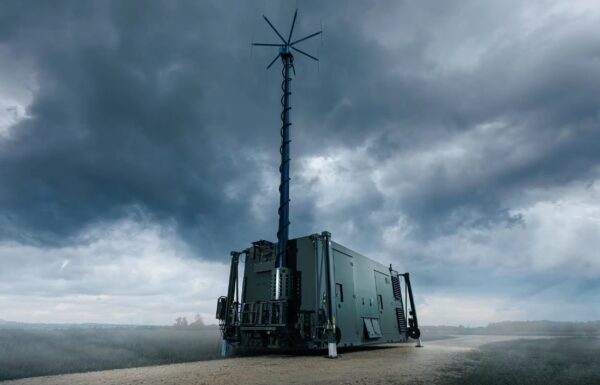
The Ministry of the Interior and Administration has focused on modern solutions produced by domestic companies. Since March 2026, the border has been protected by an advanced anti-drone system worth 60 million PLN, which detects flying objects from distances of hundreds of kilometers. At the same time, the Entry/Exit System (EES) is operating at all 71 border crossings. So far, it has registered 5.6 million operations and collected biometric data from more than 2 million travelers (Borders Under Control: The Entry/Exit System Is Operating at All Border Crossing Points in Poland).
“We invested nearly 3 billion PLN to turn the former fence into a barrier impossible to breach. Thanks to modern electronics and Polish technology, we see every threat before it reaches our border line,” emphasized Marcin Kierwiński, head of the Ministry of the Interior and Administration.
The minister also stressed the importance of cooperation with the Military Gendarmerie, the Railway Protection Guard, and the Road Transport Inspectorate.