

























On Wednesday, March 18, 2026, during the presentation of its 2025 results at the Tel Aviv Stock Exchange headquarters, Elbit Systems President and Chief Executive Officer Bezhalel (Butzi) Machlis revealed that at the end of last year the company had signed a contract with the Israeli Ministry of Defense to integrate an Airborne High-Power Laser system onto military aircraft.
 Images: Elbit Systems
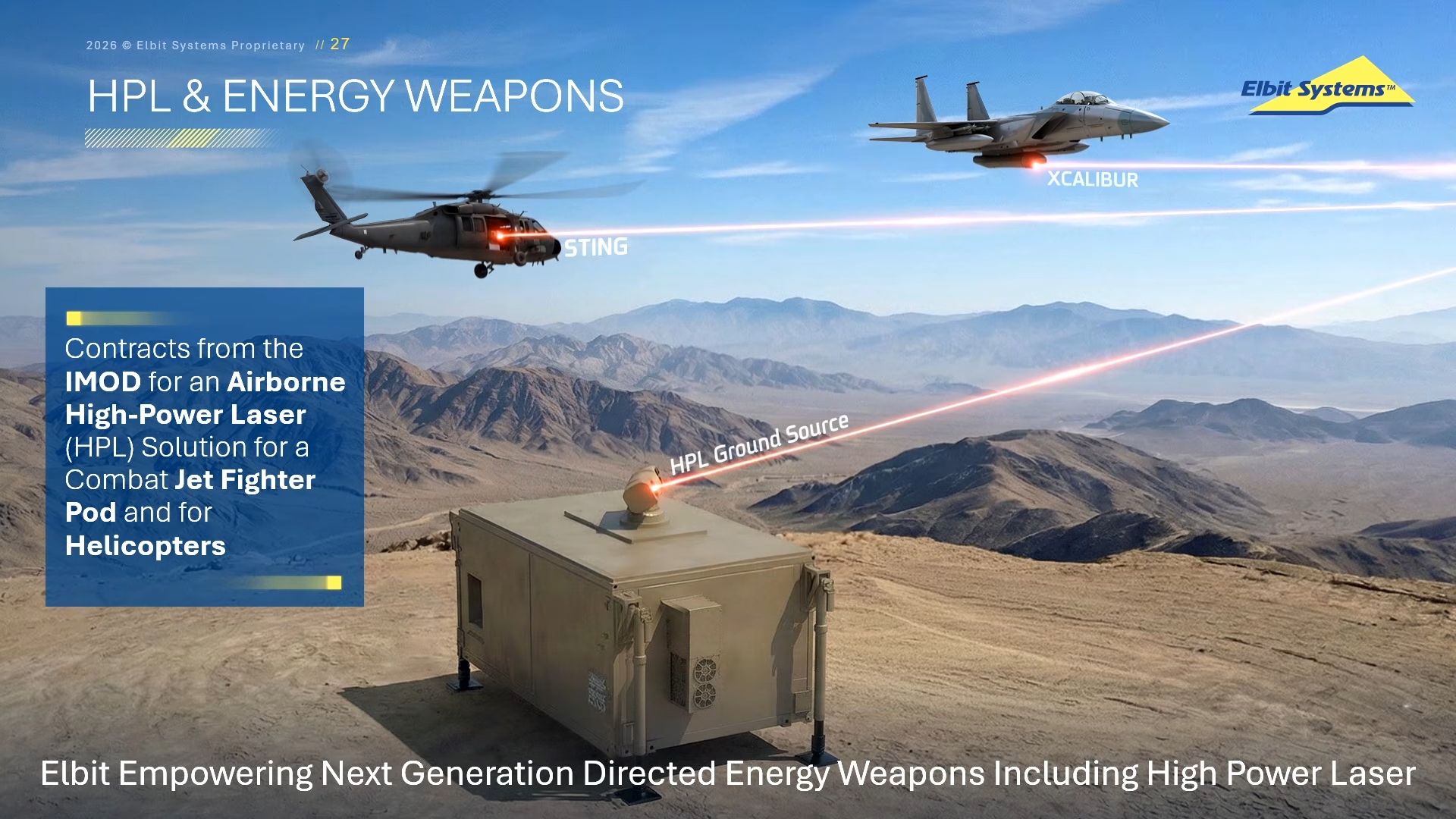
During the presentation, slides were shown featuring three variants of next-generation directed energy weapon systems, including high-energy laser systems:
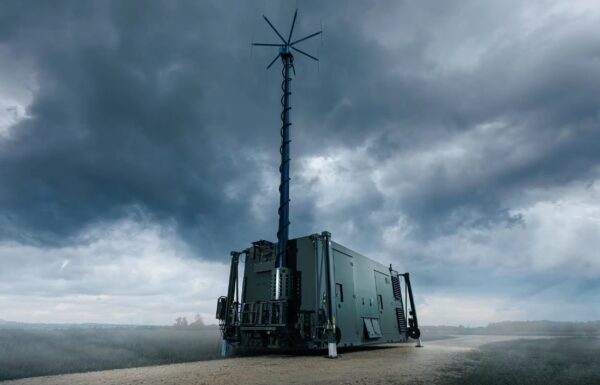
- the ground-based HPL Ground Source,
- the airborne XCalibur for multirole aircraft,
- the airborne Sting for helicopters.
Bezhalel Machlis emphasized that such weapon systems are a cost-effective solution in the era of asymmetric warfare, where instead of allocating significant resources to missile-based air defense systems to counter drones, cheaper energy-based solutions can be used.
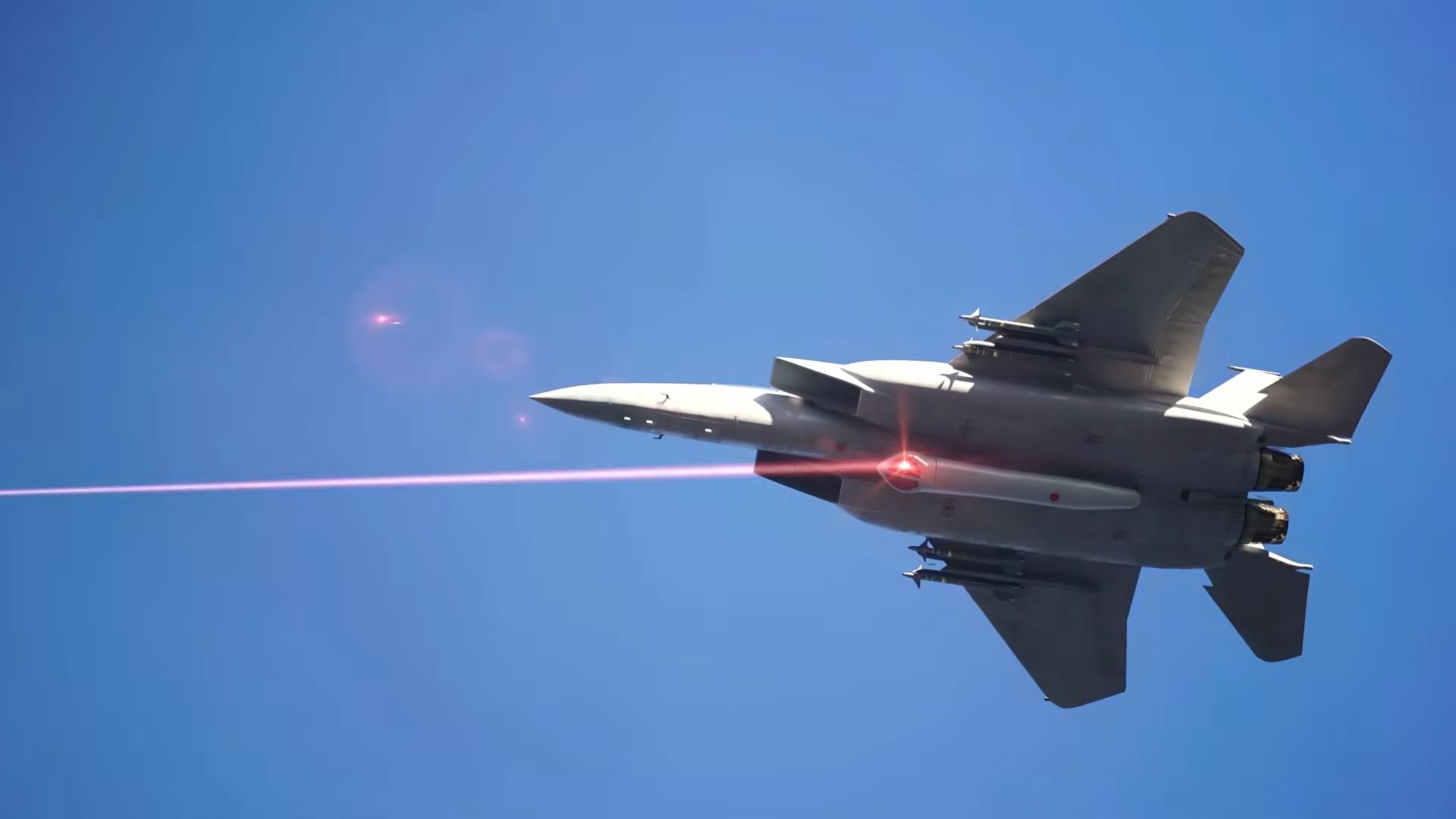 XCalibur on F-15I Ra’am
Machlis noted that airborne laser systems benefit from operating at higher altitudes, where atmospheric conditions such as humidity, rain, and dust have less impact. This allows them, for example, to operate above cloud cover and engage threats before they reach their targets, since they can detect and track them from the air.
He added that integrating laser weapons onto moving aerial platforms presents multiple challenges, particularly related to size, cooling systems, and stabilization. According to him, components must be significantly miniaturized, and maintaining precise target focus while in motion requires a very high level of accuracy.
However, he emphasized that Elbit Systems has managed to overcome these challenges, and thanks to substantial investments and progress made, the company is now in a position to cooperate with air forces. He also expressed the view that there is strong global market potential for such systems.
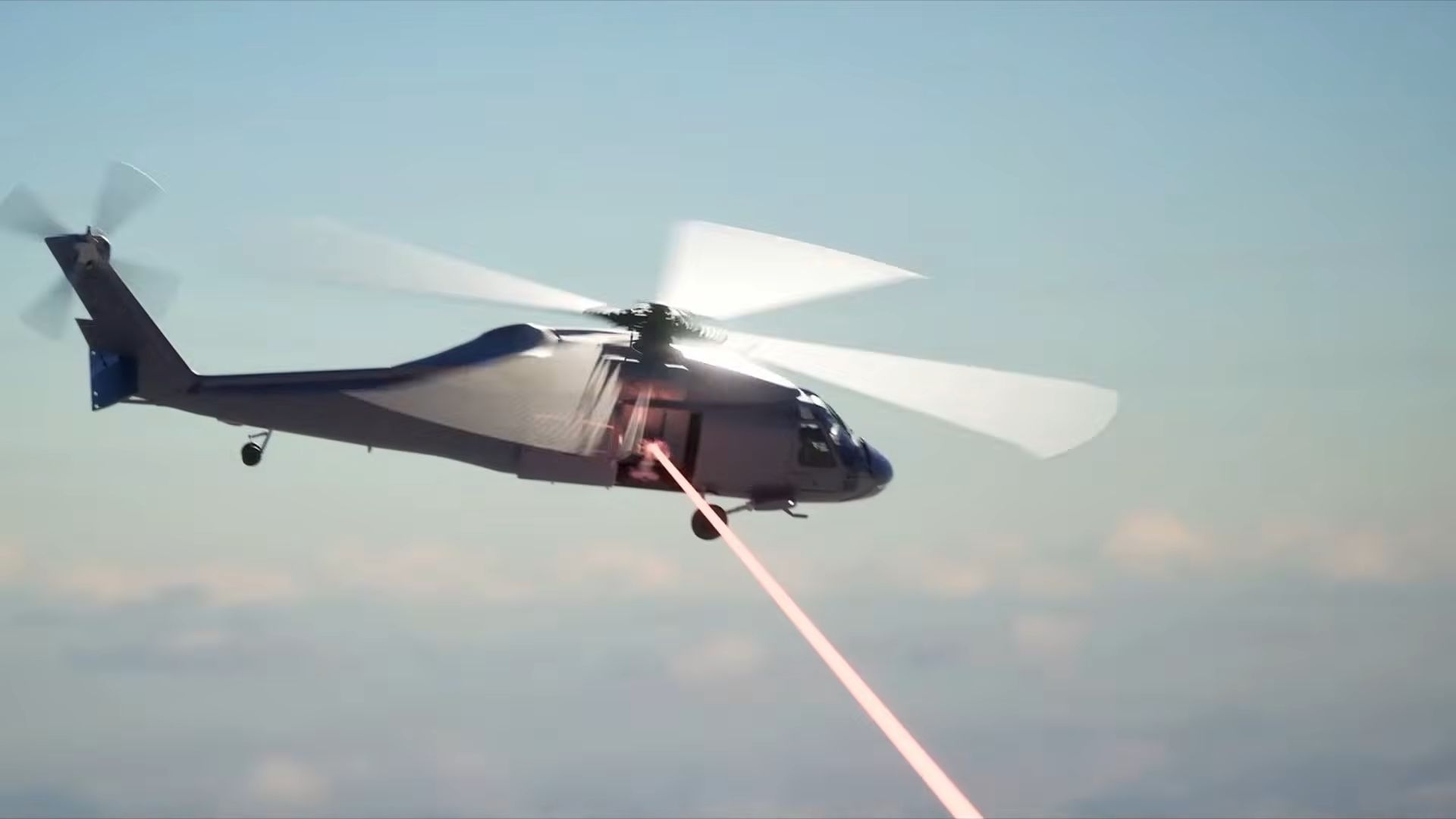 Sting on UH-60A/L Janszuf
In an animation shown during the investor conference, a multirole F-15I Ra’am aircraft was depicted carrying the XCalibur laser weapon system in an under-fuselage pod, destroying an enemy cruise missile and a drone resembling the Iranian Shahed-136. In subsequent scenes, a UH-60A/L Yanshuf multirole helicopter was shown with the Sting laser weapon system installed in its cabin, destroying loitering munitions.
Machlis stated that while Gulf states are regularly attempting to defend themselves against Iranian attacks, the tactic of using expensive interceptor missiles to destroy relatively inexpensive drones is unsustainable.
He also added that high-power lasers are not limited to defensive use, noting that they have broader applications, although he did not elaborate further on what those might be.
At 40 minut mark:
It is worth noting that high-energy laser weapons are not new to Elbit Systems’ portfolio. The company is currently a subcontractor to Rafael Advanced Defense Systems, supplying the laser component for the Iron Beam family of laser weapon systems: the 50 kW mobile Iron Beam-M (250), the 100 kW containerized naval Naval Iron Beam, and the 100 kW containerized land-based Iron Beam 450, selected by the Israel Defense Forces as Magen Or (a miniature 10 kW Lite Beam is being developed independently by Rafael—editor’s note).
Earlier, on April 6, 2021, Elbit Systems presented a concept for integrating a high-energy laser weapon with the Hermes 900 Kochav unmanned aerial vehicle, developed under a contract from the Israeli Ministry of Defense. Subsequently, on June 21 of the same year, the Israeli Air Force (Chejl-ha Awir), together with Elbit Systems, conducted tests of an HPL technology demonstrator integrated with a Cessna 208B Grand Caravan light transport aircraft.