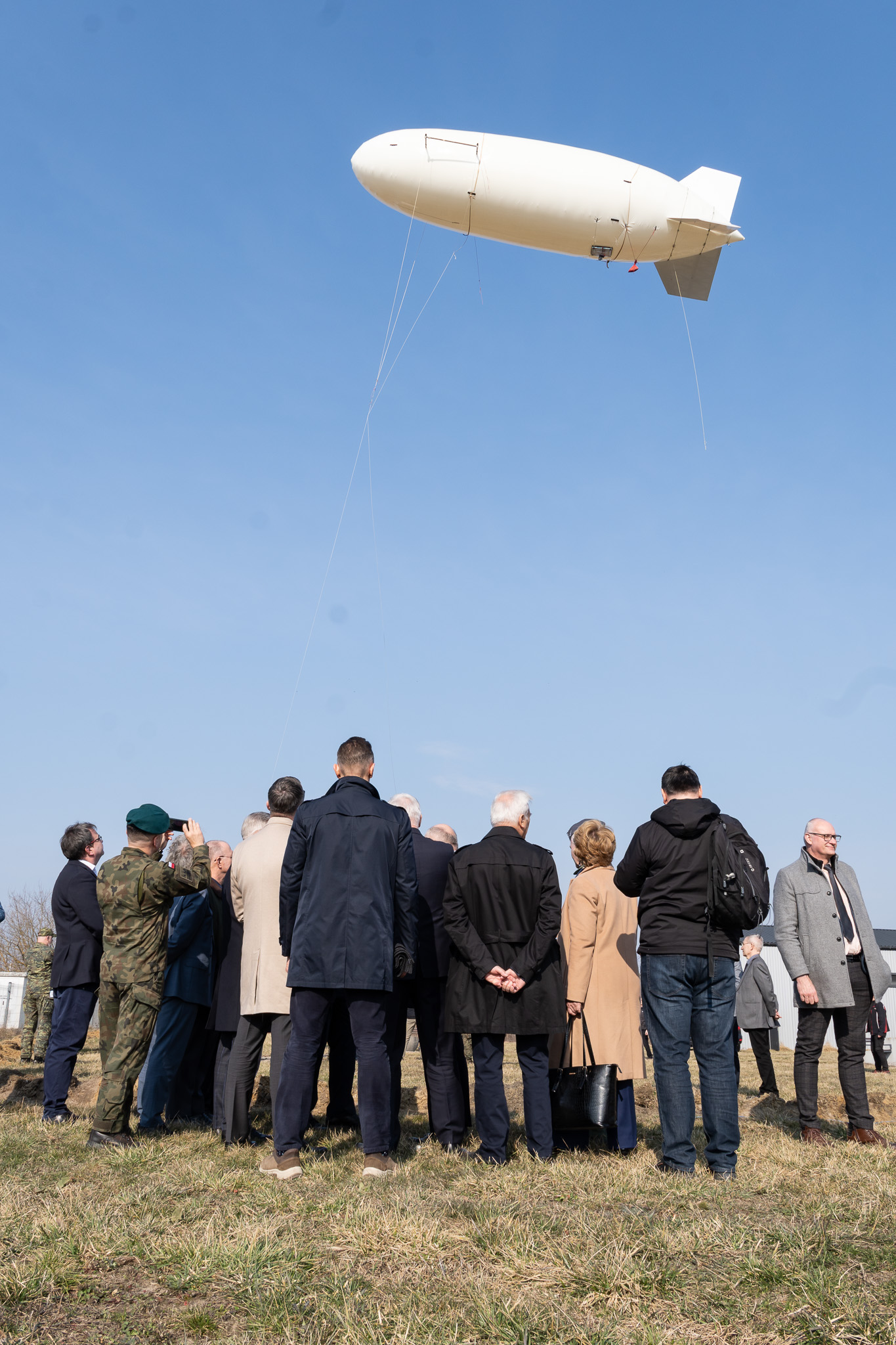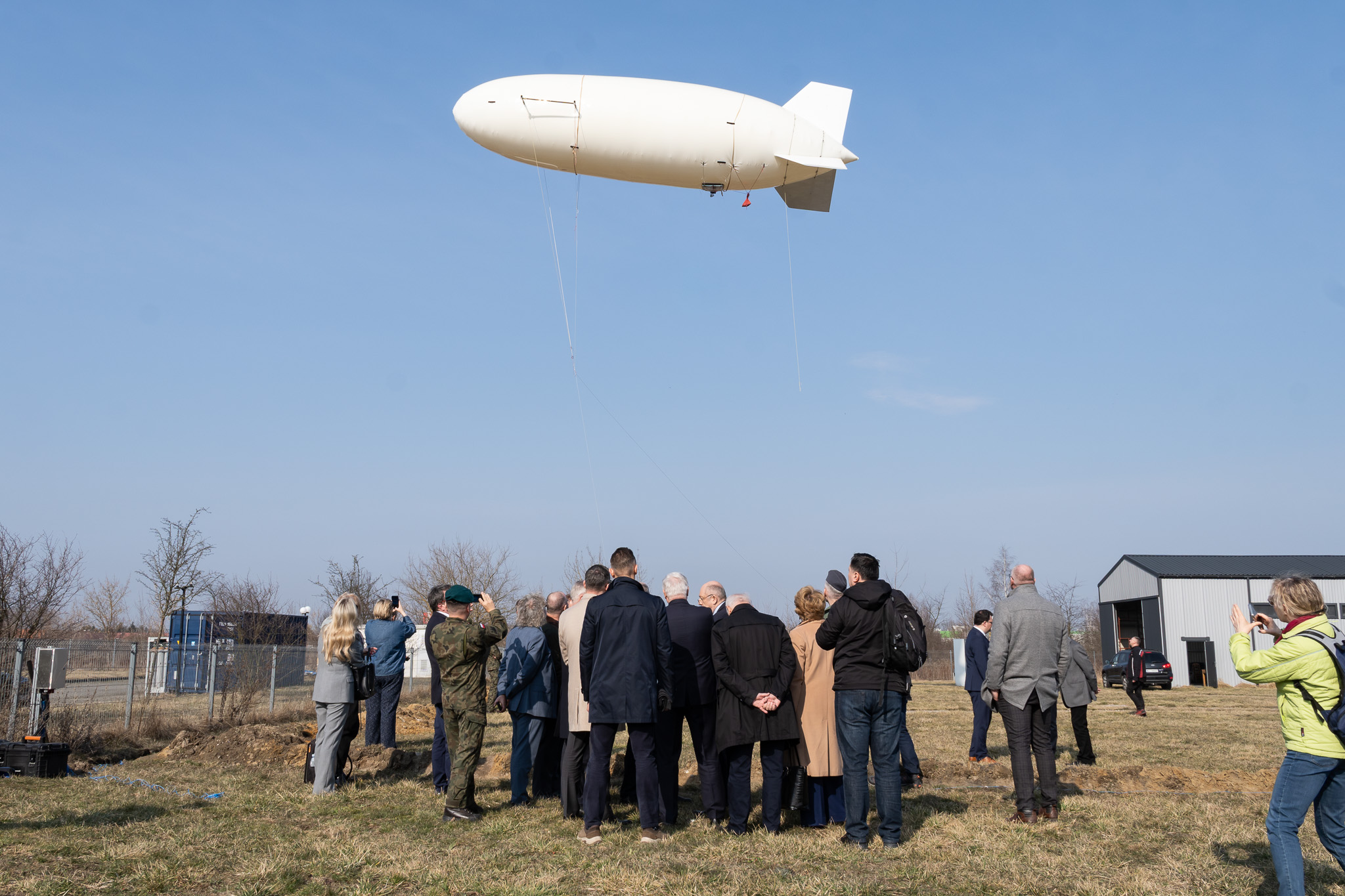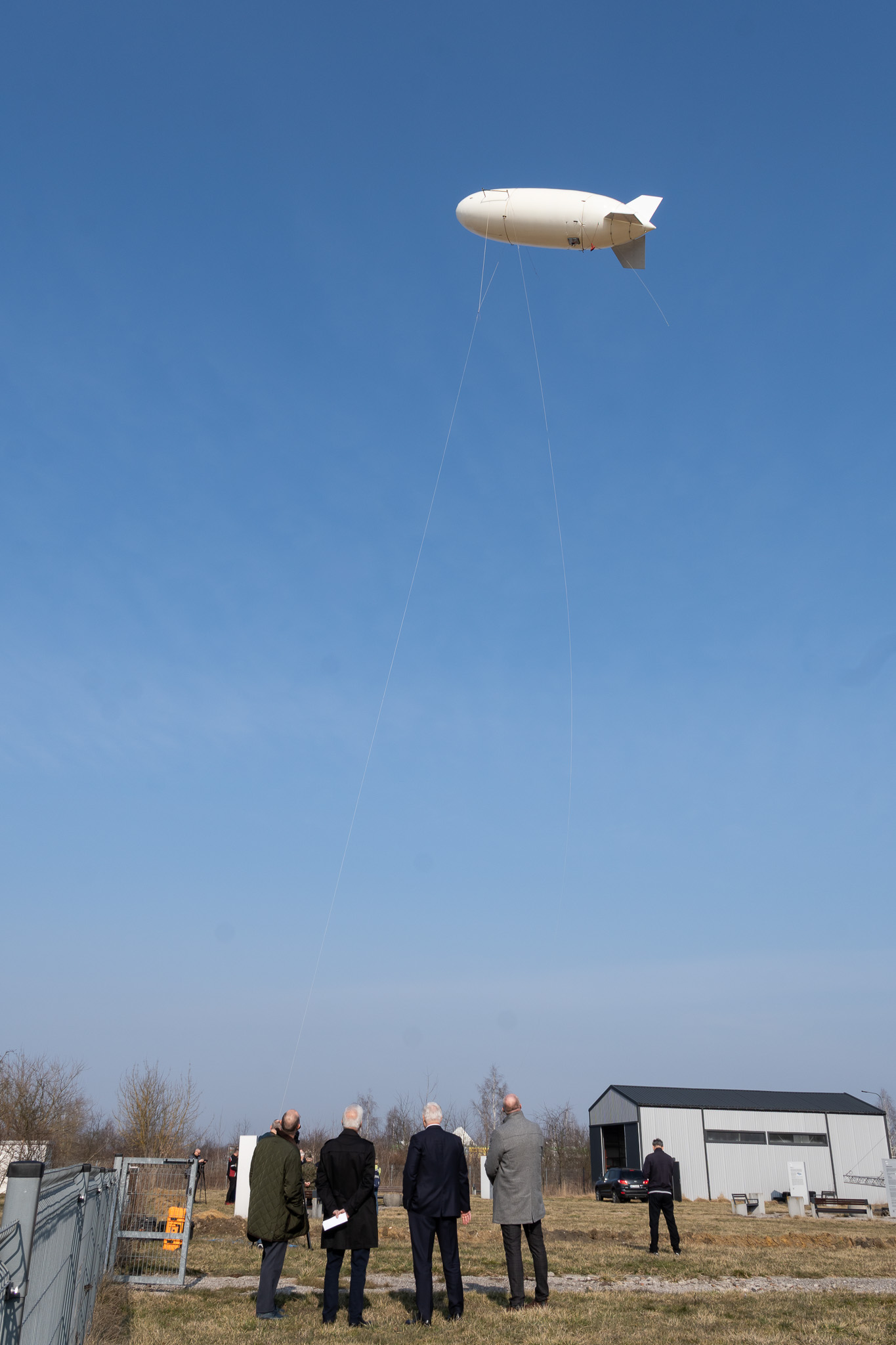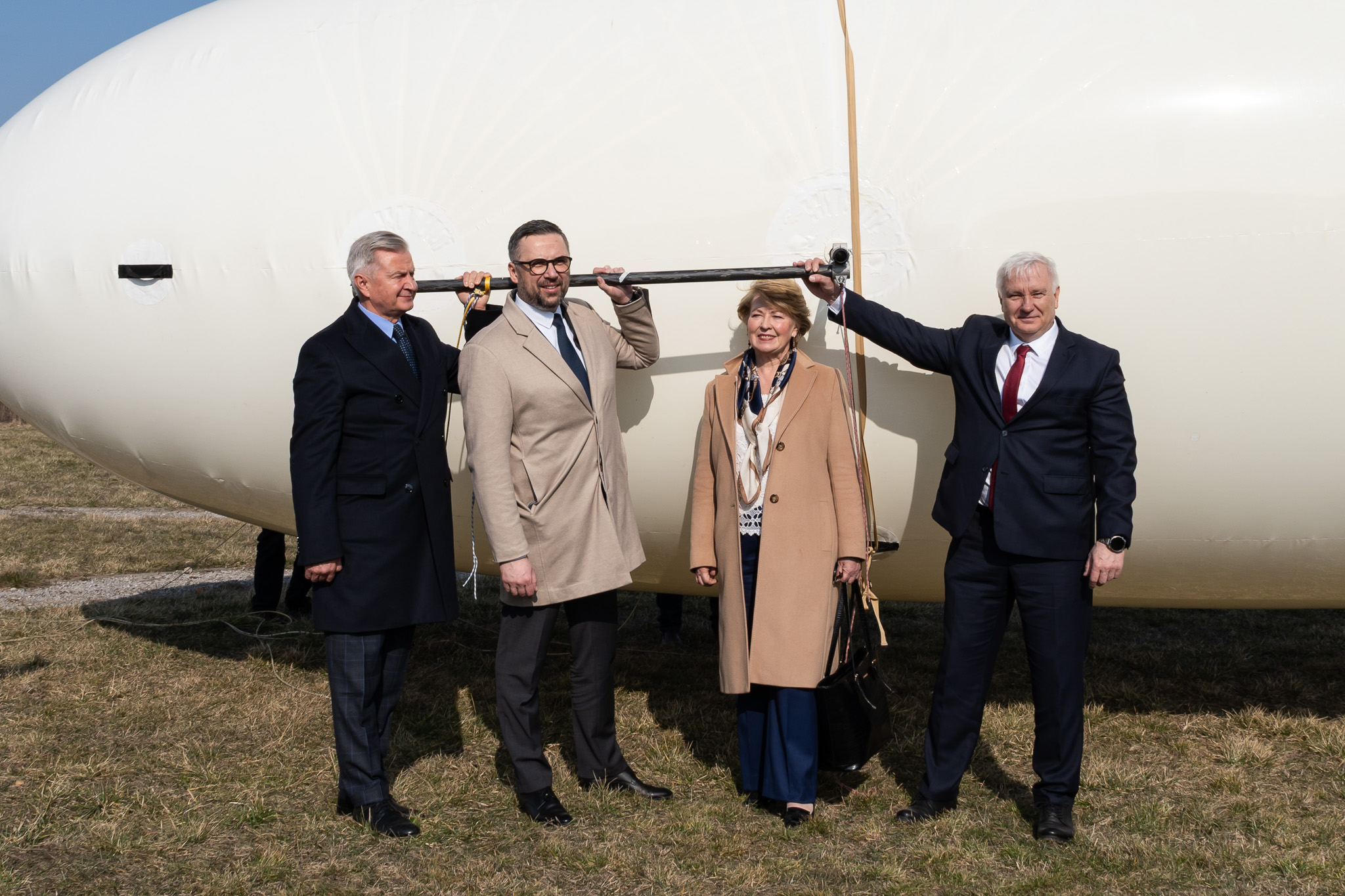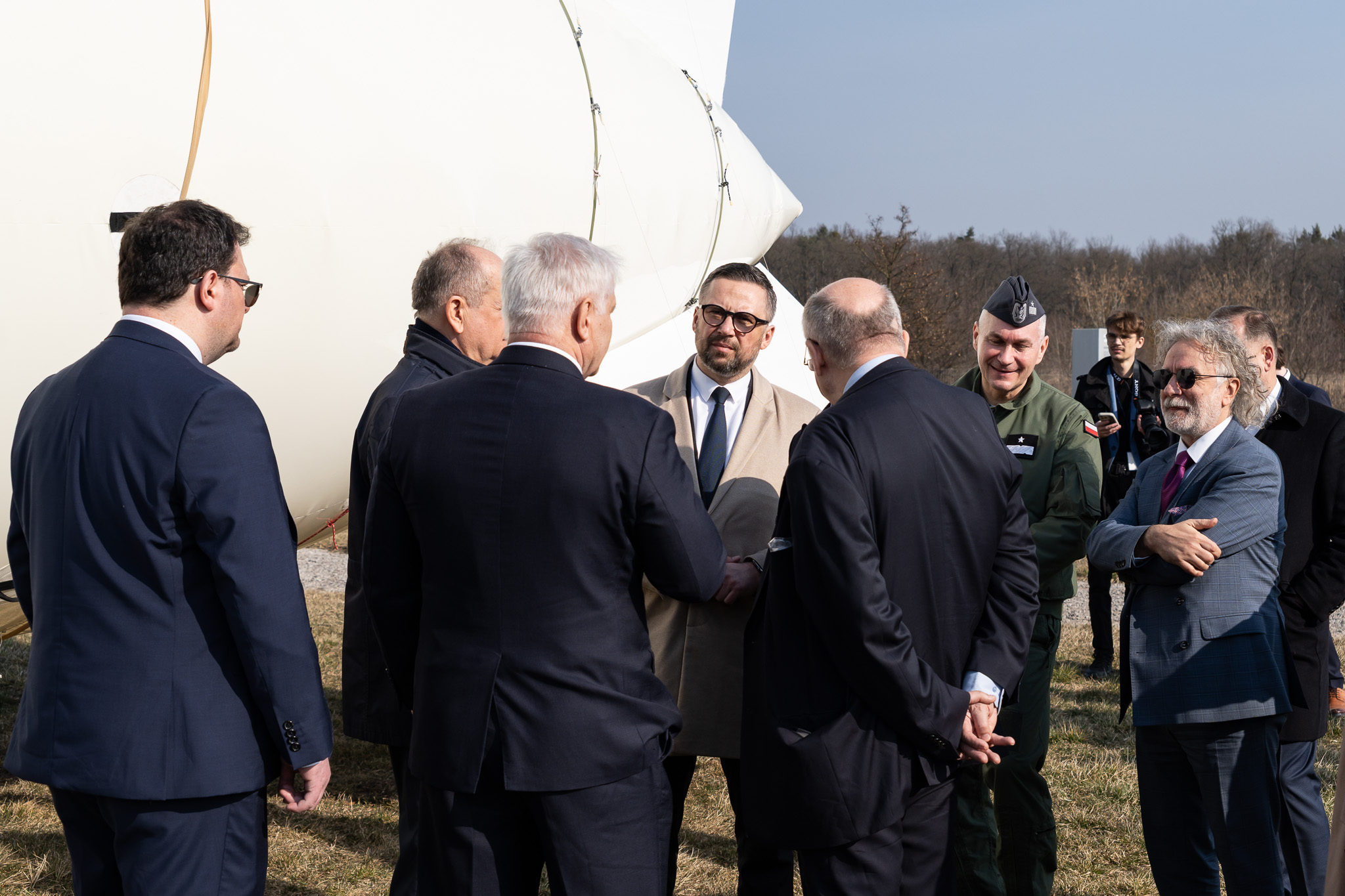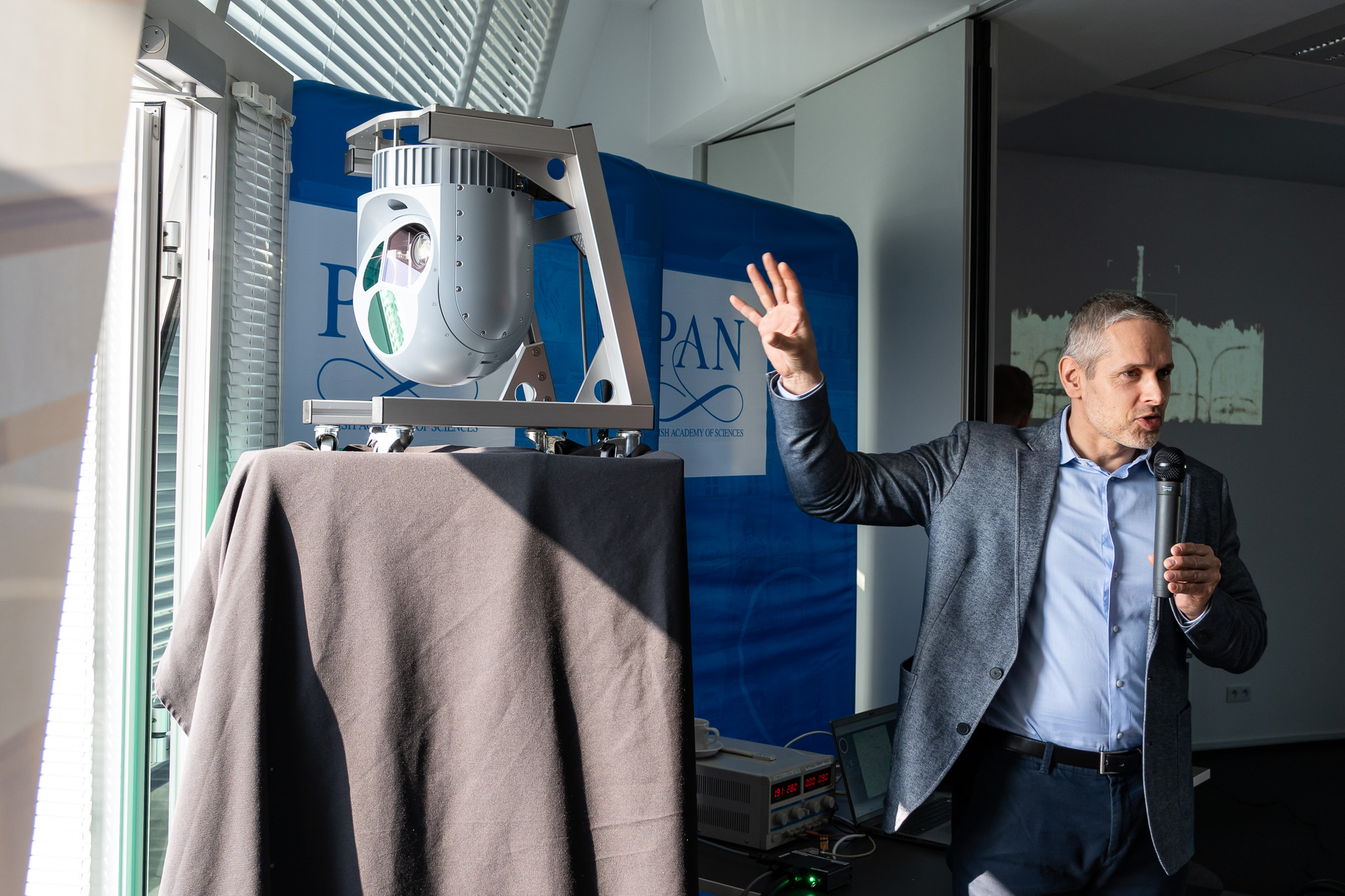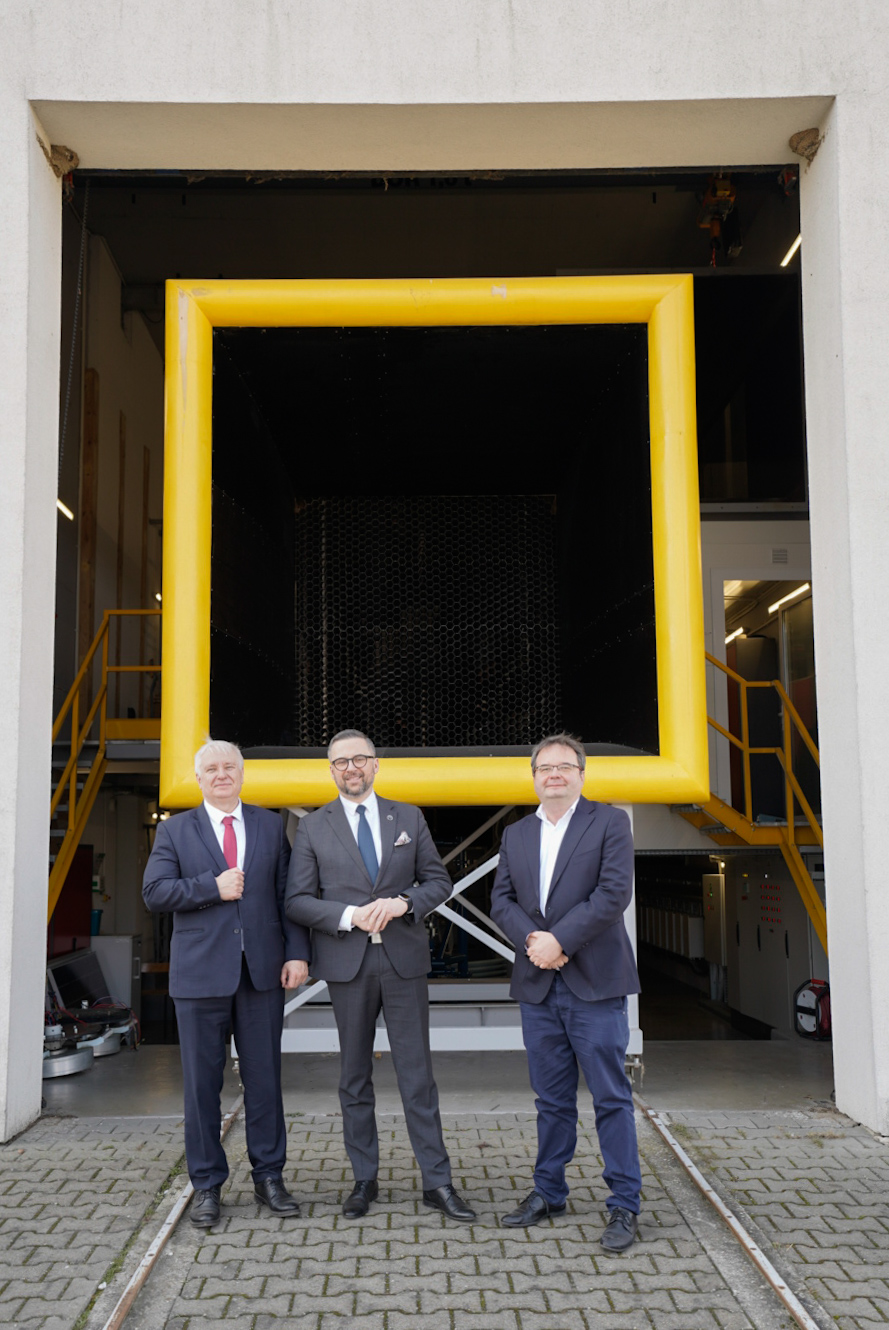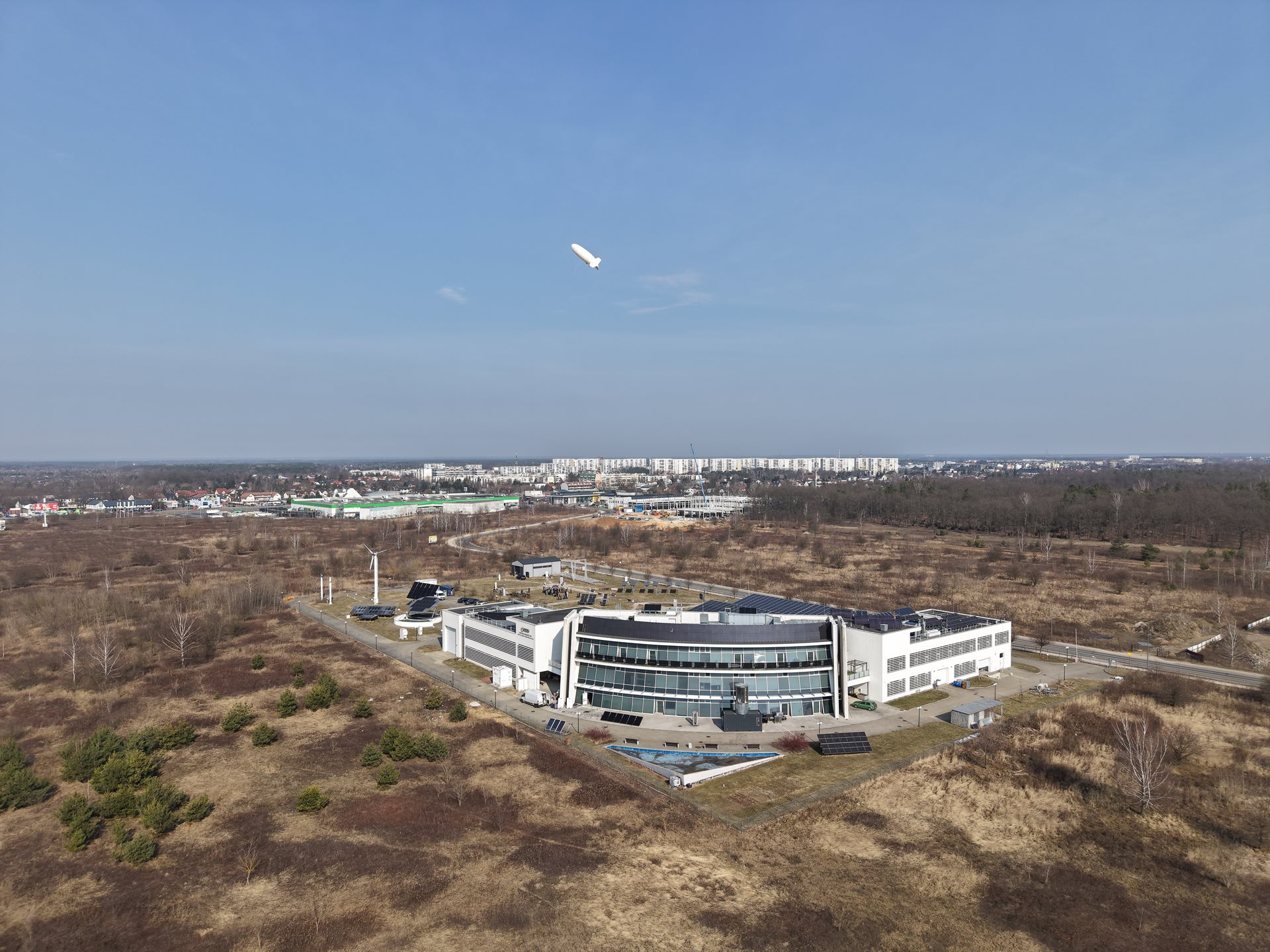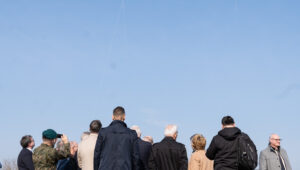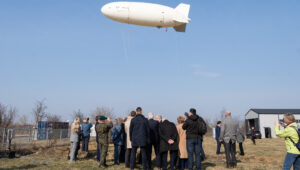




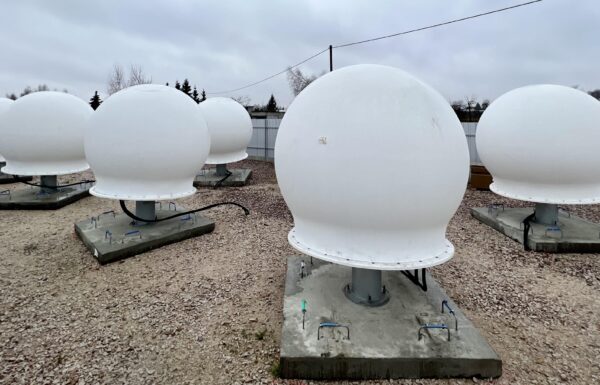

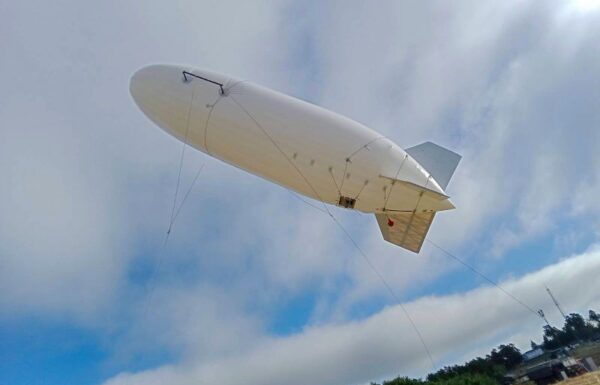













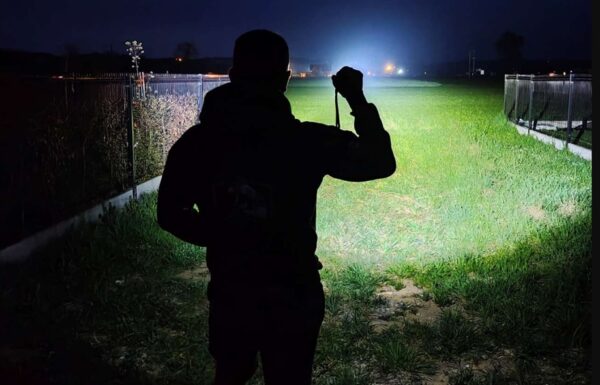





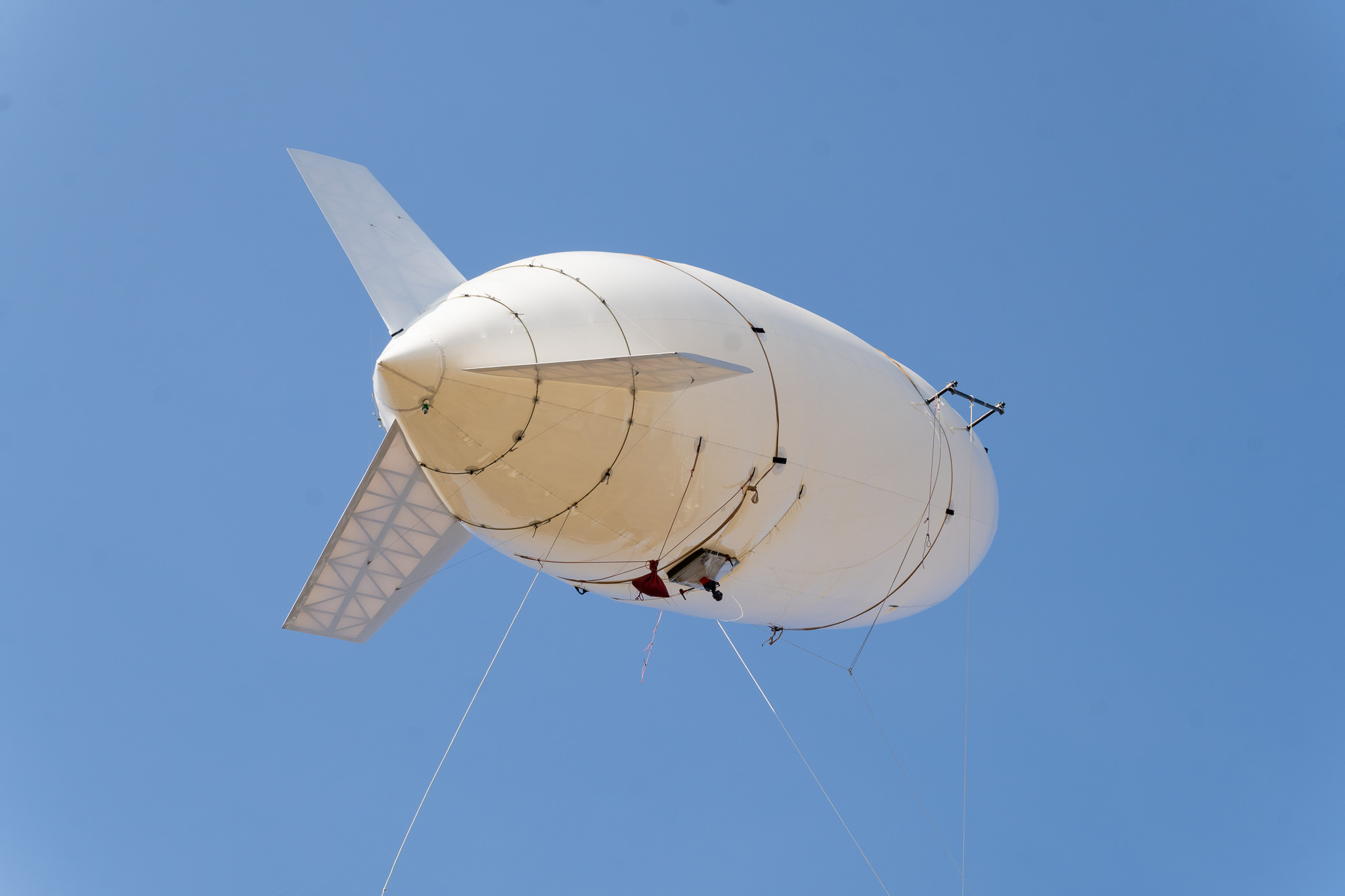
On Thursday, March 12, 2026, at the KEZO Research Centre of the Polish Academy of Sciences, BASIA (Bierny Aerostatyczny System Informacyjno-Analityczny; Passive Aerostatic Information and Analysis System) was presented – an innovative solution being developed by scientists from PAS institutes in cooperation with industrial partners. The system, based on an aerostat that lifts observation sensors above the horizon, is intended to fill one of the most serious gaps in space monitoring – it can detect not only very low-flying objects, including drones and small unmanned aerial systems, but also vehicle movement and even individual persons.
(Basia is a affectionate form of name Barbara in Polish – translator’s note)
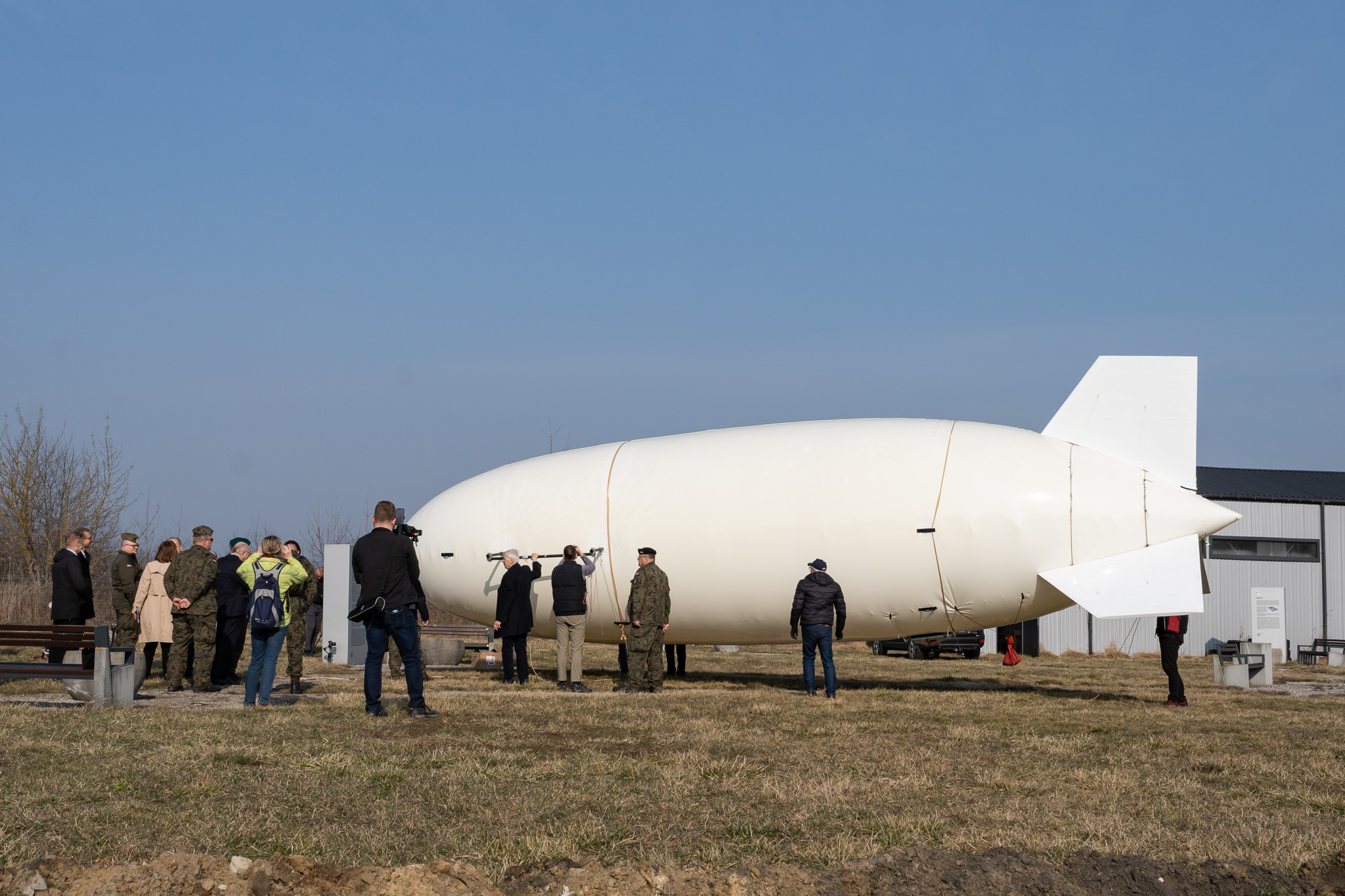 Photo: the Polish Academy of Sciences
Science, defense, and industry in one place
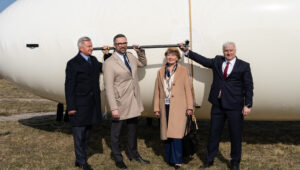
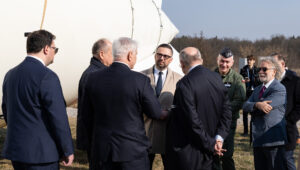
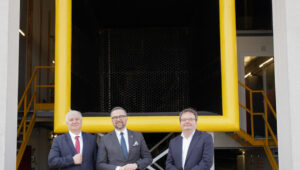
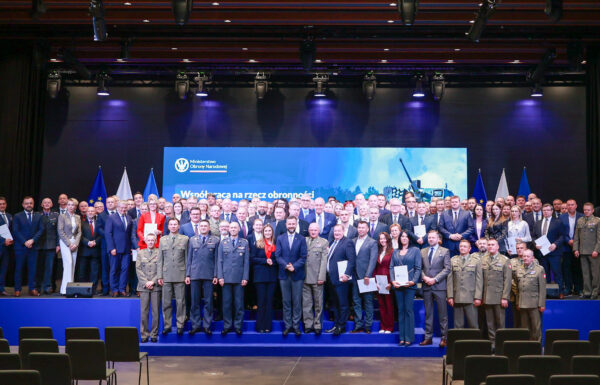
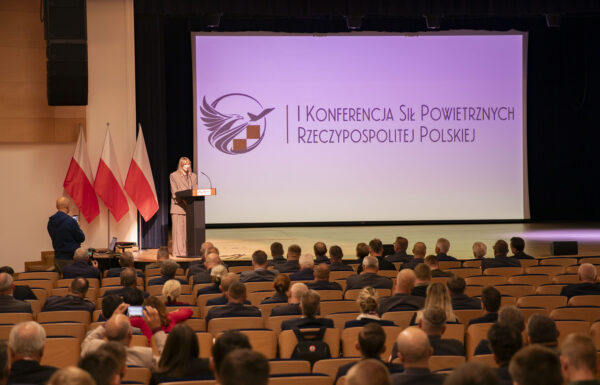
The BASIA system presentation brought together representatives of the government administration, the military, industrial partners, and the scientific community. The event provided an opportunity to showcase a solution created through close cooperation between research institutions and the business sector.
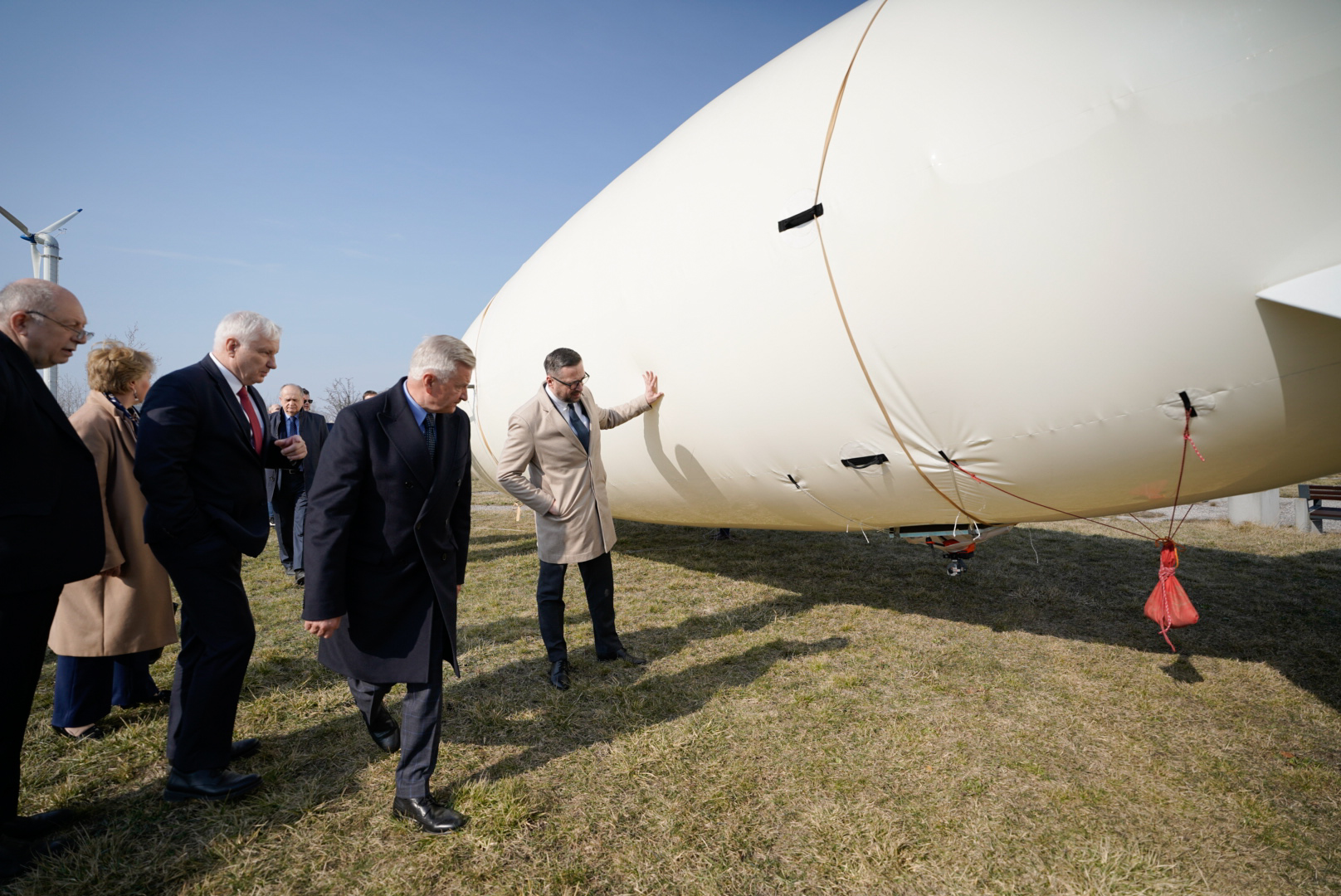
The Minister of Science and Higher Education, Dr. Marcin Kulasek, emphasized that the project is an example of the effective use of the potential of Polish science to strengthen state security. He pointed out that three key areas come together in one place: scientific research, defense, and industry.
As the minister noted, the BASIA system demonstrates that Polish scientists are capable of developing technological solutions that until now had to be purchased abroad at very high cost. In his view, the presented solution is a valuable addition to the modernization process of the Polish Armed Forces.
Deputy Minister of National Defence Stanisław Wziątek also stressed that the project is not only a successful technological undertaking, but also an example of a broader philosophy of cooperation for state security. He underlined that, in building national resilience, cooperation among science, public administration, and business is of key importance, as it makes it possible to translate research results into real operational solutions.
Cooperation between scientific and industrial communities
The President of the Polish Academy of Sciences, Professor Marek Konarzewski, noted that the BASIA project is proof of effective cooperation between the scientific community and industrial partners. During the presentation, he pointed out that the aim of the undertaking was to create a technologically advanced solution that would at the same time remain cost-rational.
As he emphasized, the proposed system can be described as budget-friendly while still meeting all the requirements expected of this type of design. BASIA is a dual-use solution – it can be used both by the armed forces and other state services, such as the Border Guard or the Police, as well as by industry, for example to monitor the surroundings of strategic energy infrastructure facilities.
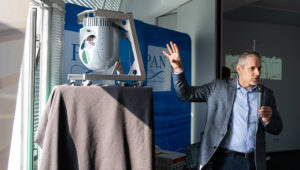
The meeting also featured a presentation of the project’s partners and their competencies. The development of the system involves research centers and companies specializing in radar technologies, aerial platforms, and optical systems.
BASIA program partners
The implementation of the BASIA program is based on cooperation among specialized research and technology teams responsible for individual elements of the system.
The program leader is XY Sensing, which is responsible for developing the system’s key component – the PCL (Passive Coherent Location) passive radar. This solution forms the basis of BASIA’s detection capabilities, making it possible to detect objects without emitting its own radar signal.
An important role in the project is played by the PAS Institute of Fundamental Technological Research (IPPT PAS), which is responsible for work related to the aerostatic platform – in particular structural design, the development of control and data-analysis algorithms, as well as expert support, consulting, and system testing.
Adaptronica, a company specializing in advanced mechatronic systems and adaptive technologies, is responsible for the construction and practical testing of the platform.
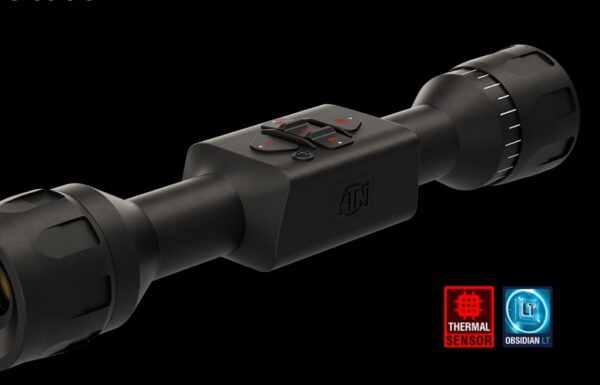
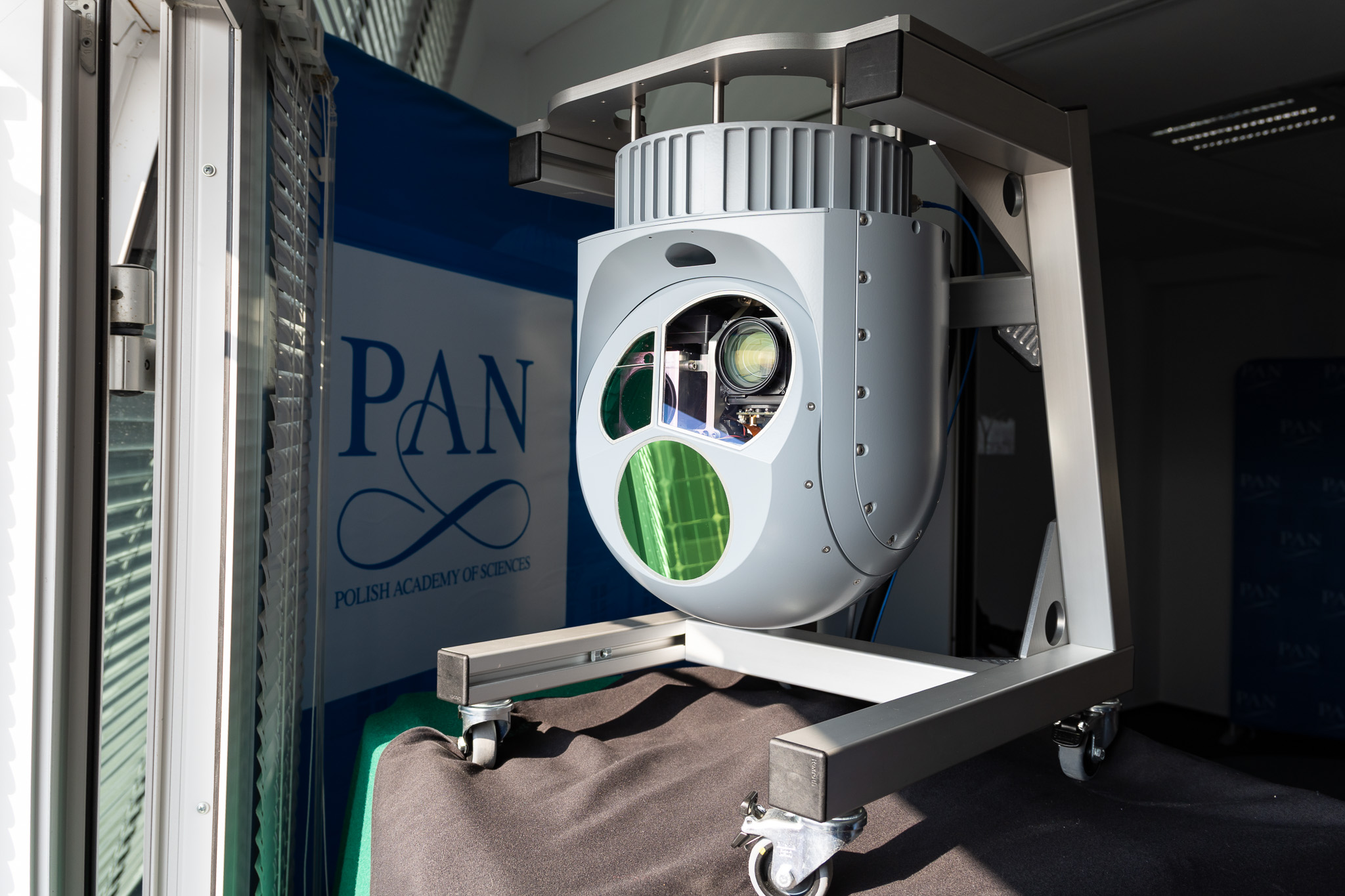
Another partner is the PAS Space Research Centre (CBK PAS), which contributes expertise in optical instruments to the project. The institute is responsible for the development of image-processing algorithms, the integration of optical systems, and their testing.
The Rzeszów University of Technology is also participating in the project, being responsible for the development of the ADS-B system as well as work on analytical algorithms and integration testing.
This consortium structure combines scientific experience, engineering expertise, and the implementation capabilities of industry, creating a solid foundation for the development of an advanced airspace surveillance system.
A gap in the airspace surveillance system
The starting point for the development of the BASIA system was the identification of a significant gap in the airspace monitoring systems currently in operation. Existing solutions have limited effectiveness in detecting very low-flying objects.
A particular challenge is posed by small unmanned aerial systems, which are relatively inexpensive, mobile, and difficult to neutralize. Under modern conditions, they are becoming one of the primary tools of asymmetric operations.
For this reason, the ability to detect drones and other small aerial objects at an early stage is becoming critically important for state security. The BASIA system was designed precisely to fill this gap.
Aerostat – a simple solution with major operational significance
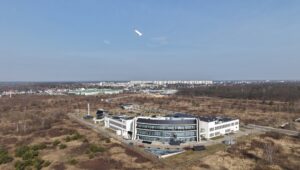
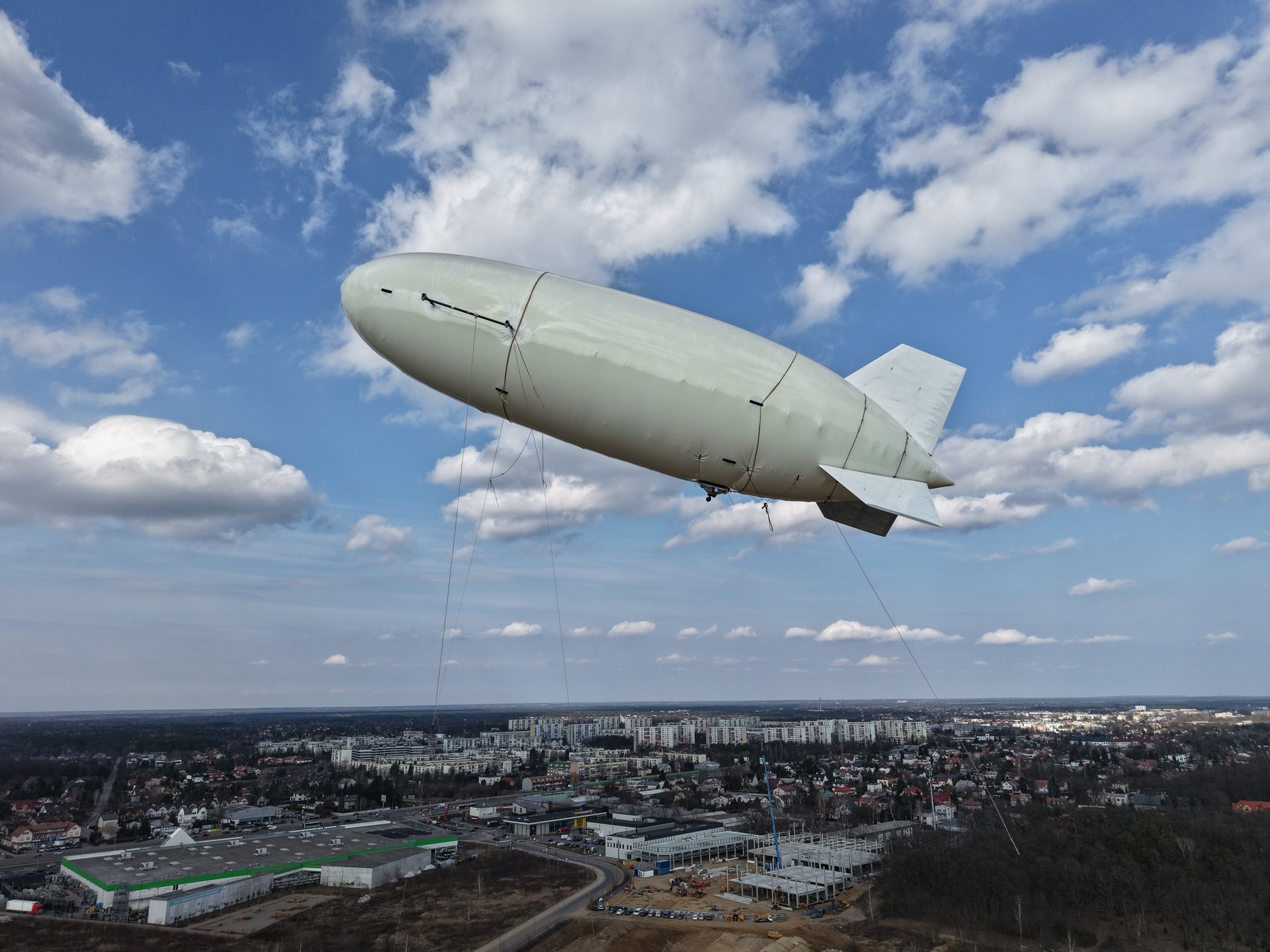
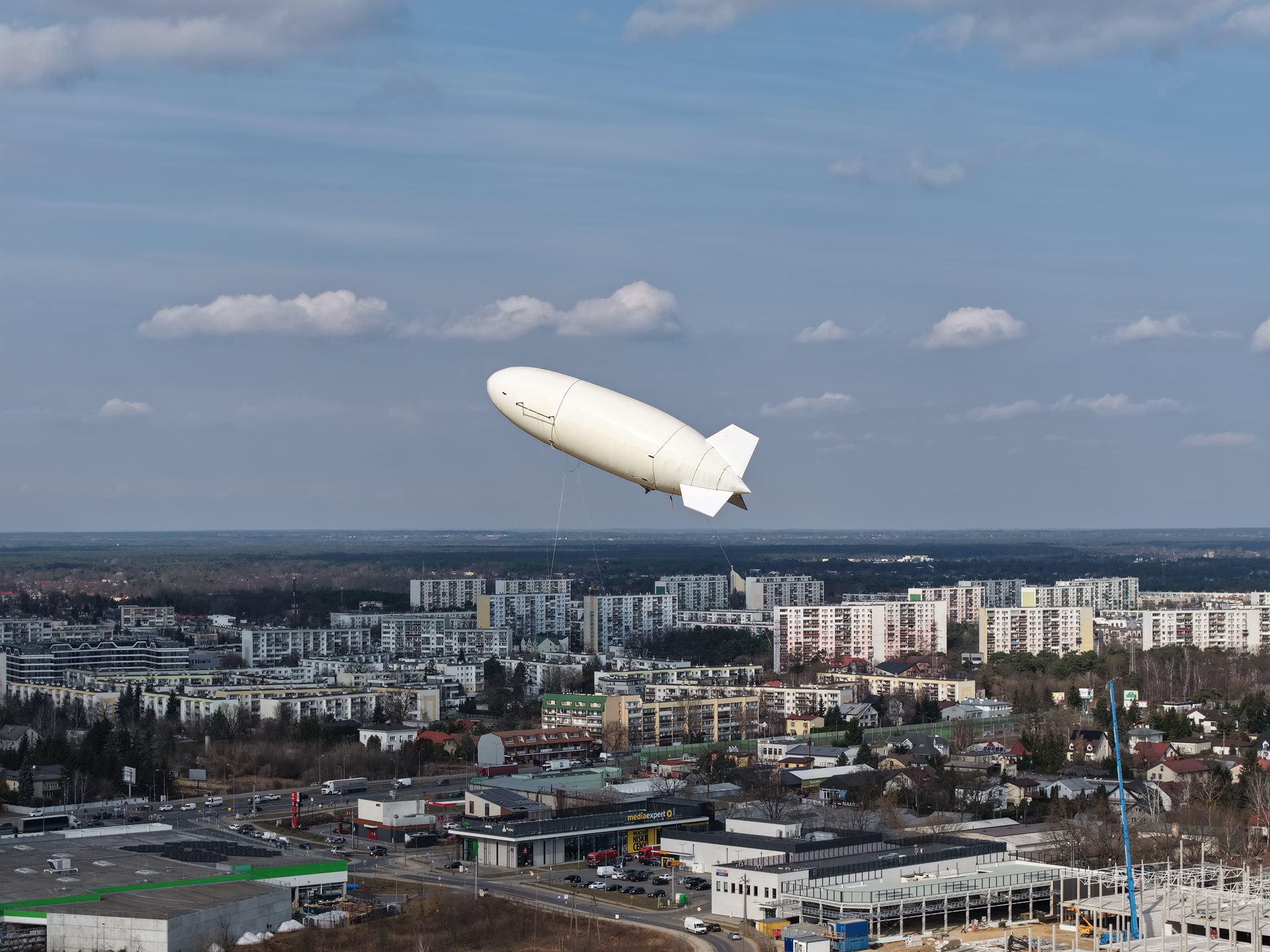
The central element of the system is an aerostat, that is, a tethered balloon that lifts a set of sensors to an altitude of about 300 meters. This solution makes it possible to significantly extend the range of observation and reduce the so-called dead zones resulting from the terrain.
The aerostat provides a stable and long-endurance airborne presence for the surveillance system. At the same time, it retains mobility – the entire system can be moved to another location and reactivated within a relatively short time.
The design solutions used in the project include, among other things, a proprietary tether attachment system and a vertical and horizontal stabilization system. These make it possible to increase the aerostat’s payload capacity and its resistance to strong winds. The tether is equipped with an optical fiber, which enables fast and secure data transmission as well as power supply to the airborne segment.
Polish technological sovereignty
Summing up the presentation, Professor Marek Konarzewski emphasized that the BASIA program is based on domestic scientific and technological competencies. It draws on expertise in passive radar, aerial platforms, and optical systems.
The project shows that integrating the potential of science and industry can lead to the creation of solutions that strengthen the state’s technological sovereignty.
As Deputy Minister Stanisław Wziątek noted, in the process of building the state’s defense capabilities, it is just as important to propose new solutions that may address future challenges as it is to respond to the current needs of the military. In his view, this very philosophy of cooperation forms the foundation for building the resilience of the entire state.