















On Monday, July 27, 2026, the Ukrainian Ministry of Defence announced that a 6×6 wheeled armored recovery vehicle based on the lengthened chassis of the new Inguar-4 Mine-Resistant Ambush Protected vehicle had entered service with the Armed Forces of Ukraine. The platform was first unveiled on May 10 this year by Kyiv-based Ukrainian company Inguar Defence.
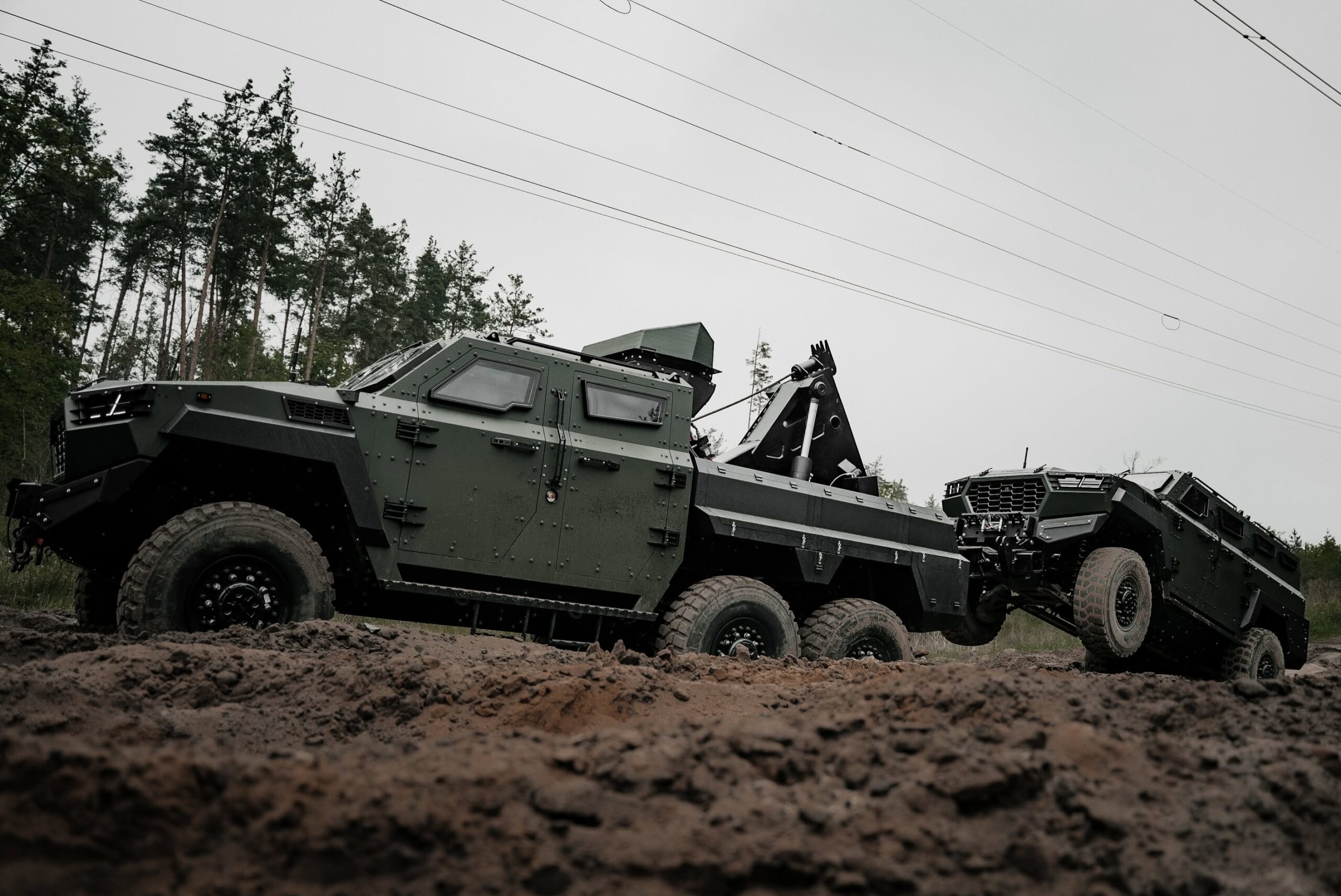
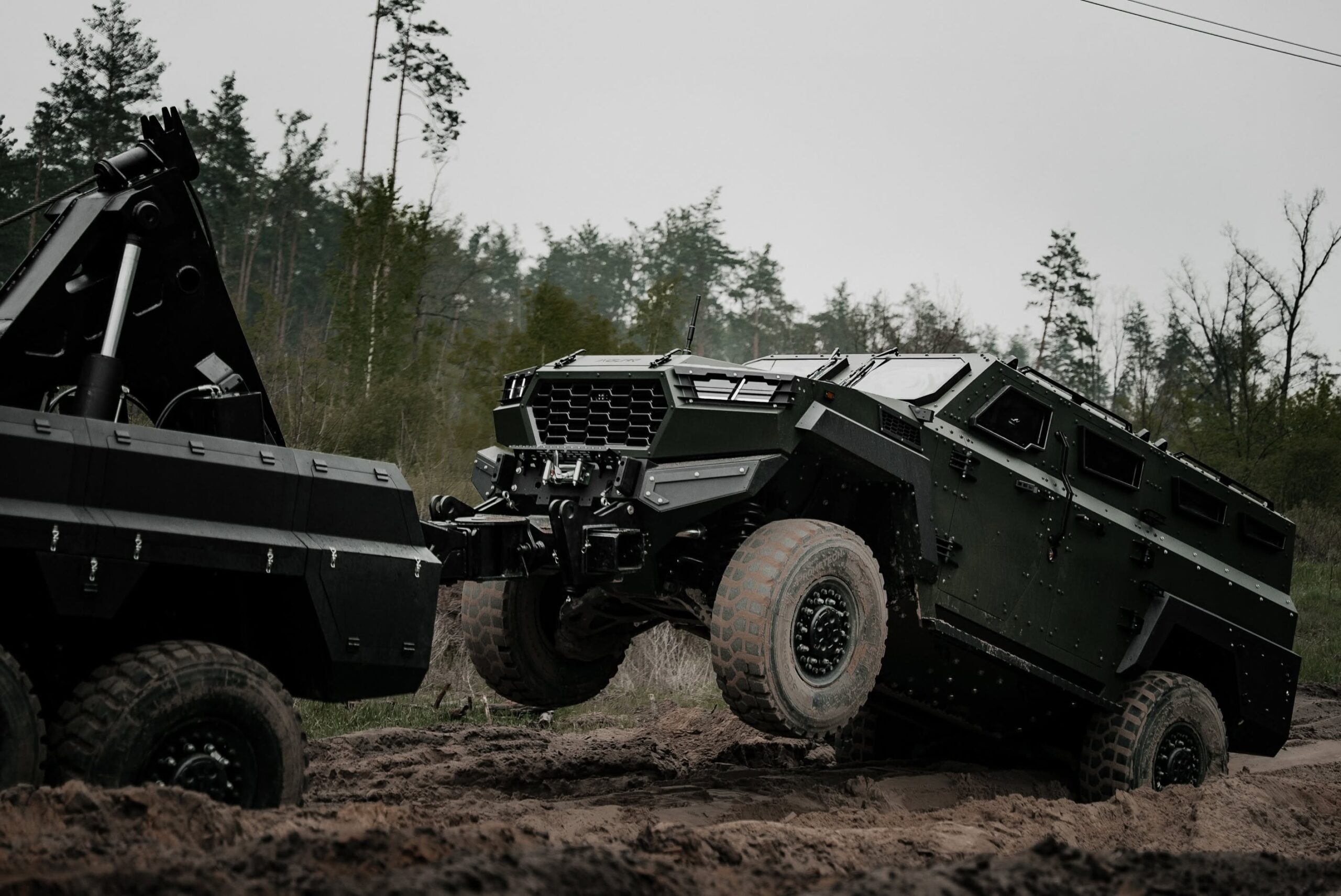
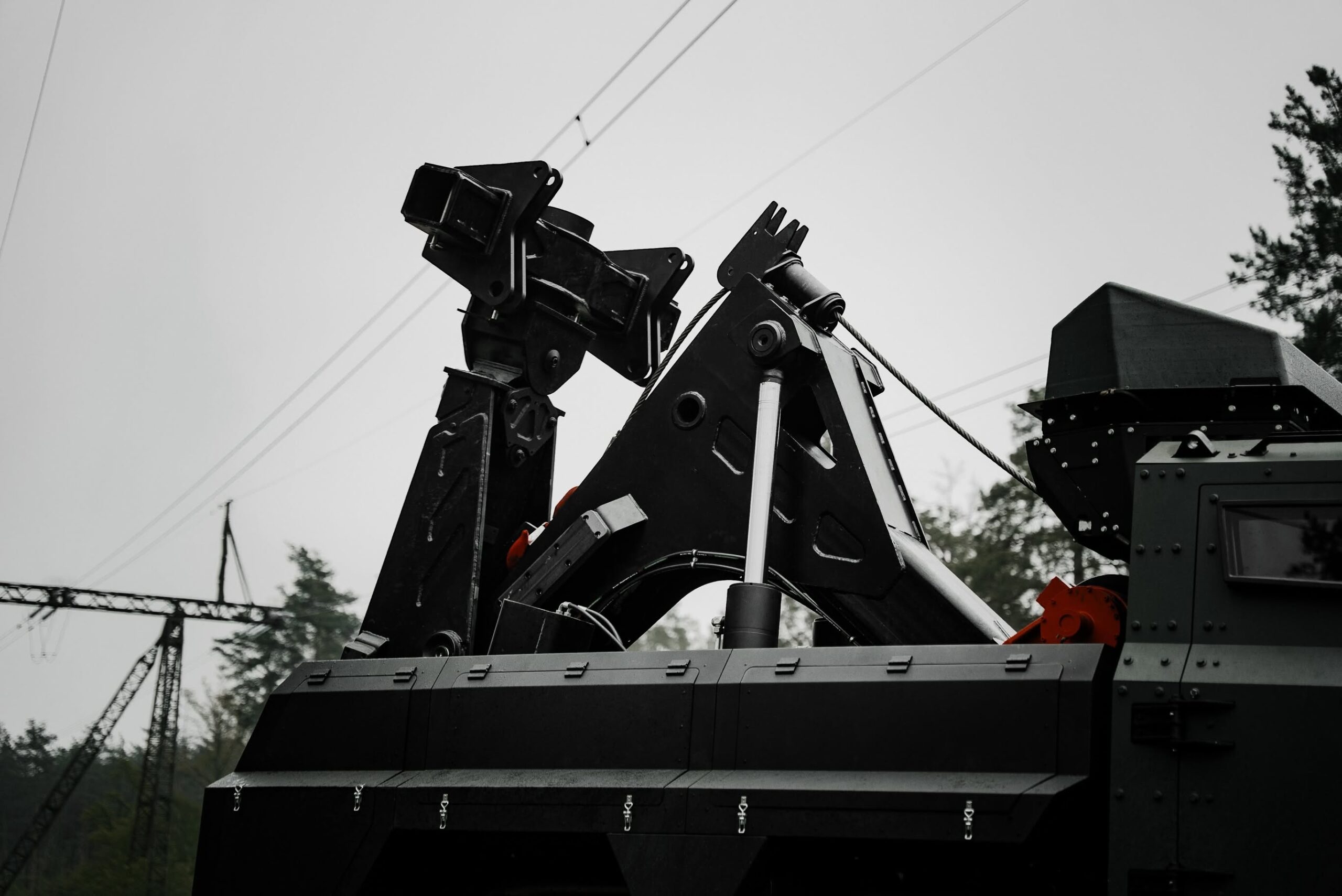
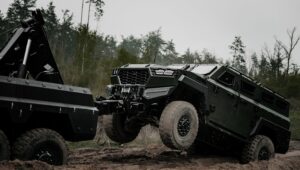
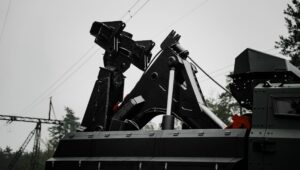
Photo: Inguar Defence
According to the press release, the Ukrainian Ministry of Defence has approved the Inguar 4 BREM 6×6 wheeled armored recovery vehicle and cleared it for operational use. The first vehicles have already been delivered to units of the Armed Forces of Ukraine.
It is designed to rapidly recover most Ukrainian and foreign specialized armored vehicles from the battlefield. The vehicle uses the same assemblies and components as the Inguar-3 special armored vehicle, which has been in production since January 2025. However, the new model features a reinforced frame, an additional driven axle, a powerful winch, and a hydraulic lifting and recovery system.
During trials, the Inguar-4 confirmed its declared tactical and technical characteristics and demonstrated a high capacity for recovering armored vehicles under difficult combat conditions. Compared with tracked armored recovery vehicles commonly used by the Armed Forces of Ukraine, it offers several advantages: faster recovery and higher speeds on public roads, greater range, no need for transport on a low-loader trailer such as those used for tanks, lower operating costs, simpler and less expensive maintenance, reduced noise, and improved battlefield survivability. The crew is also less fatigued during prolonged operations.
The Inguar-4 is intended to recover vehicles such as the Kozak, Roshel Senator, Varta-Novator, Giurza, International MaxxPro, BMC Kirpi, and other platforms with a combat weight of up to 30 tonnes.


The vehicle has a 6×6 drivetrain designed specifically for demanding military missions. Thanks to its distinctive design, powerful engine, and a range of innovative engineering solutions, the Inguar-4 achieves a higher maximum speed and greater mobility than other wheeled recovery vehicles in an 8×8 configuration, including Ukraine’s BREM-3BR and BREM-4M and Canada’s LAV Super Bison.
The Inguar-4 features multilayer armor made from Armox steel and aluminum components. Its protection meets STANAG 4569 Level 3 requirements. The vehicle is equipped with blast-attenuating seats, an automatic fire-suppression system, heated armored windows, and nonflammable interior materials. Almost 60% of the Inguar-4’s chassis and suspension components are manufactured in Ukraine.
As noted above, Inguar Defence is rapidly expanding several product lines simultaneously. The company has begun serial production of the Inguar-3, which completed trials in January 2025 and entered service with two Ukrainian customers in three configurations: the Inguar-3 armored personnel carrier, the Inguar-3 MED medical evacuation vehicle, and a specialized vehicle fitted with the CROWS C-UAS Kit counter-drone module. The latter recently made an unofficial debut in Norway, as Kongsberg Defence & Aerospace is a partner in the project.
The Inguar-3 armored personnel carrier provided the Armed Forces of Ukraine with a domestically produced solution at a time when deliveries of foreign vehicles were unable to keep pace with battlefield demand. Its introduction across several types of units also created an operational requirement that the Inguar-4 BREM recovery vehicle is now intended to meet. The Inguar-3 fleet generates a predictable recovery burden when vehicles are damaged in combat, and fielding a compatible recovery platform capable of supporting them closes a logistics gap that foreign-supplied recovery equipment, with its separate supply chains, cannot fully address.
The INGUAR-4 armored recovery vehicle has entered service.
Wheeled. 6×6. Pulls up to 30 tonnes off the battlefield. Ukrainian-made and already on missions.
Kozak, Novator, Gyurza, MaxxPro, Roshel Senator: if it’s stuck under fire, this brings it home.
Read more:…
— Defense of Ukraine (@DefenceU) July 28, 2026