




















On Wednesday, March 4, 2026, the Aviation Logistics division of the U.S. Army Contracting Command (ACC) at Redstone Arsenal, Alabama, acting on behalf of the U.S. Department of Defense, awarded a contract worth 183,682,456 USD to Raytheon (part of RTX) for operational support services for MIM-104 Patriot air and missile defense systems in the United Arab Emirates Land Forces.
 Photo: US Army
The contract covers new sets of equipment and services, including supply, installation, inspection, logistics support, program management, and support for the Patriot program in the United Arab Emirates. An option in the contract could increase its total value to 281,146,668 USD.
The work will be carried out at Raytheon facilities in Tewksbury, Massachusetts, with an estimated completion date of March 3, 2031, under the Foreign Military Sales (FMS) program, case AE-B-ZUW, for the United Arab Emirates. At the time the contract was awarded, all funds were obligated.
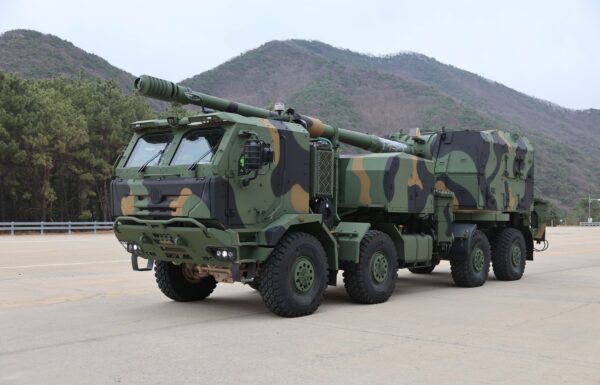
The MIM-104 Patriot system has been in service in the UAE since around 2012 and constitutes a key element of the country’s integrated air and missile defense, alongside the advanced THAAD upper-tier systems and South Korean KM-SAM medium-range air defense systems (also known as Cheolmae-2 or Cheongung).
The decision to purchase the Patriot systems was made in December 2007, and the intergovernmental agreement was announced a year later. It covered nine PAC-3 fire units with 288 missiles and three PAC-2 fire units with 216 GEM-T missiles. The contract, valued at nearly $4 billion, was finalized in 2014. In 2019, an additional 452 PAC-3 MSE missiles were purchased for 2.728 billion USD. They made their combat debut in October 2015, when two fire units were deployed at Safir Airport in Saudi Arabia’s Marib Province as part of support operations during the Yemeni civil war. At least two Houthi ballistic missiles were confirmed shot down (in the Al-Gofainah and Marib areas), and in 2022 the systems intercepted additional Houthi missiles targeting the UAE.
In recent days, these systems, together with the aforementioned THAAD and KM-SAM, as well as naval Barak-8 systems and Pantsir-S1 self-propelled gun-missile systems mounted on MAN SX45 8×8 chassis, have been used intensively in response to missile and drone attacks launched by Iran, including strikes targeting Dubai. According to the latest data as of March 7, 1,305 drones were detected (1,229 shot down and 76 crashed), 8 cruise missiles were detected and destroyed, and 221 ballistic missiles were detected (205 intercepted, 14 fell into the Persian Gulf, and 2 impacted on land).
الدفاعات الجوية الإماراتية تتصدى بنجاح للصواريخ الباليستية والجوالة والمسيرات الإيرانية.
UAE Air Defences Successfully Intercept
Iranian Ballistic and Cruise Missiles and UAVs Attacks#وزارة_الدفاع #وزارة_الدفاع_الإماراتية#MOD#UAEMinistryOfDefence pic.twitter.com/TYMDJop0AB— وزارة الدفاع |MOD UAE (@modgovae) March 7, 2026