



















On Friday, May 29, 2026, the Border Guard Headquarters published information on the cancellation of tender procedures for equipment and supplies that had been conducted under the original formula of the SAFE (Security Action for Europe) loan program. President Karol Nawrocki’s veto of the government bill on the SAFE Financial Instrument for Increasing Security meant that they cannot be financed.
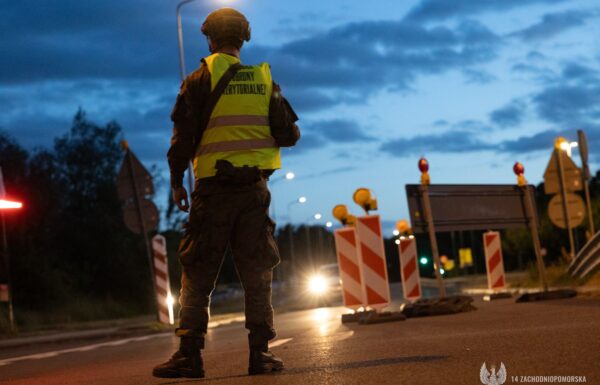
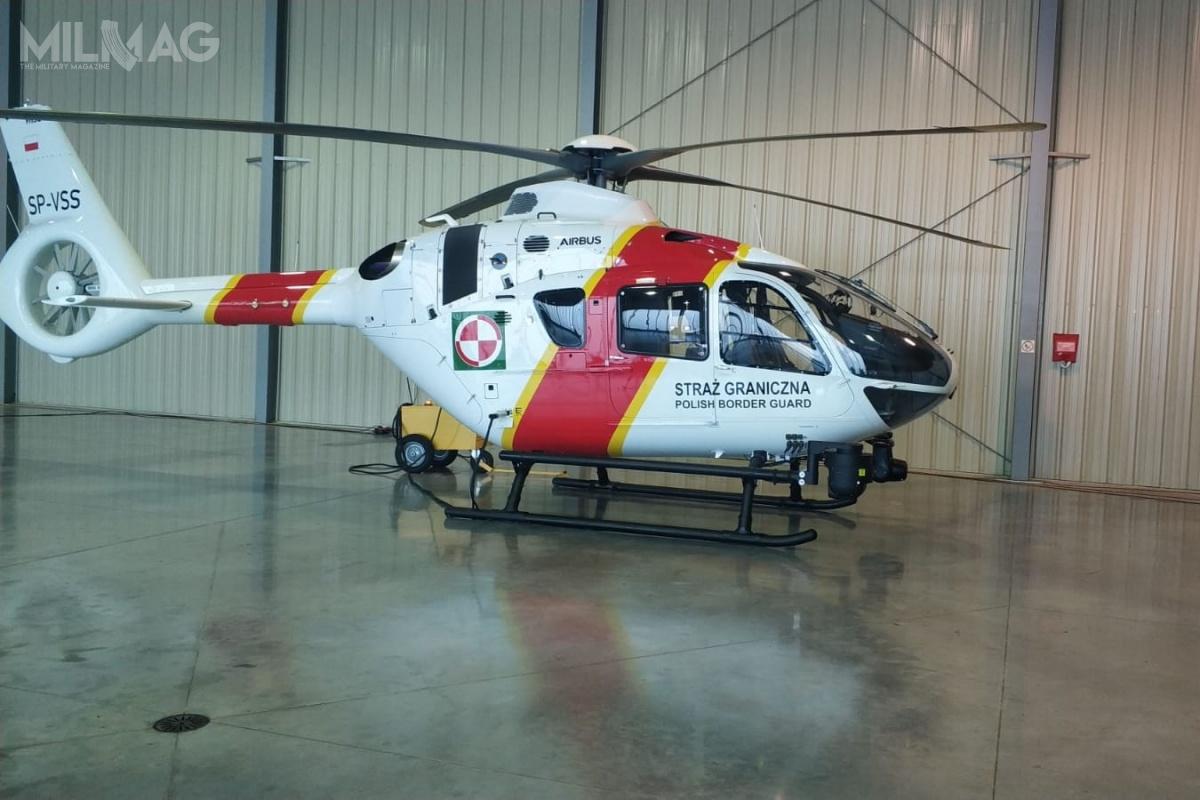 Photo: Border Guard Headquarters
Therefore, the government launched the Polska Zbrojna program, which was intended to bypass the head of state’s objection, and on May 15 this year, the Non-Military Defense Preparations Program was announced, dedicated to financing the Border Guard, the Police, and military mobility, including dual-use investments, which had been blocked by the veto.
The Border Guard Headquarters conducted negotiations without prior publication of a contract notice. This was due to the fact that the timelines of competitive procedures were incompatible with the urgent operational need.
The list of tasks for the Border Guard was presented on February 27 this year. At that time, funding of 3.2 billion PLN was declared, 81% of it involving Polish industry. Yesterday, deliveries of the following were canceled:
- 7.62 mm × 51 NATO machine guns;
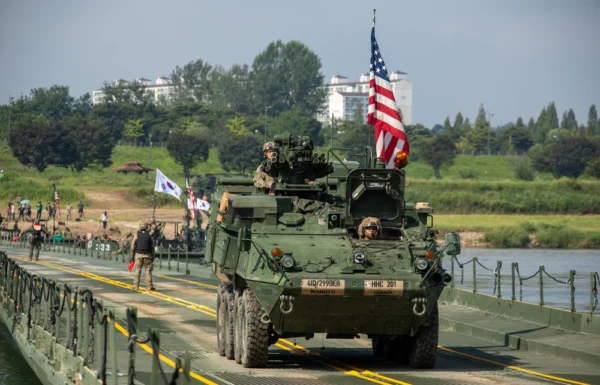
- kinetic neutralizers in the form of heavy machine guns mounted on armored off-road vehicles, intended for the physical neutralization of unmanned aerial vehicles and the protection of critical infrastructure;
- video surveillance devices to increase the Border Guard’s defense capabilities in detecting and neutralizing unmanned aerial vehicles along the land section of the EU’s external border and NATO’s eastern flank. Part 4: modernization of state border security along the border with Ukraine in the Bieszczady Border Guard Regional Unit;
- 5.56 mm × 45 NATO automatic carbines;
- video surveillance devices to increase the Border Guard’s defense capabilities in detecting and neutralizing unmanned aerial vehicles along the land section of the EU’s external border and NATO’s eastern flank. Part 3: modernization of state border security along the border with Belarus and Ukraine in the Nadbużański Border Guard Regional Unit;
- video surveillance devices to increase the Border Guard’s defense capabilities in detecting and neutralizing unmanned aerial vehicles along the land section of the EU’s external border and NATO’s eastern flank. Part 1: modernization of state border security along the border with the Russian Federation in the Warmian-Masurian Border Guard Regional Unit;
- 40 mm grenade launchers;
- 9 mm × 19 Parabellum pistol ammunition;
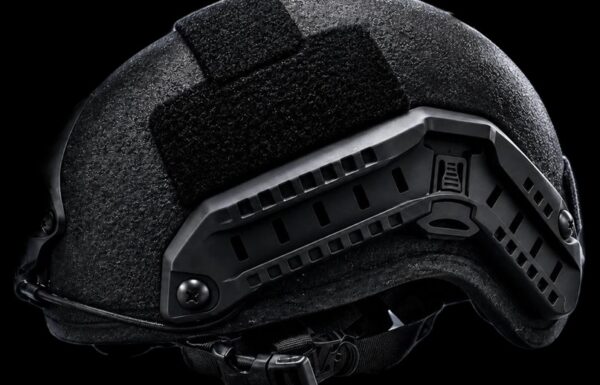
- ballistic helmets;
- ballistic plates;
- 7.62 mm × 51 NATO ammunition with M13 projectiles;
- coats;
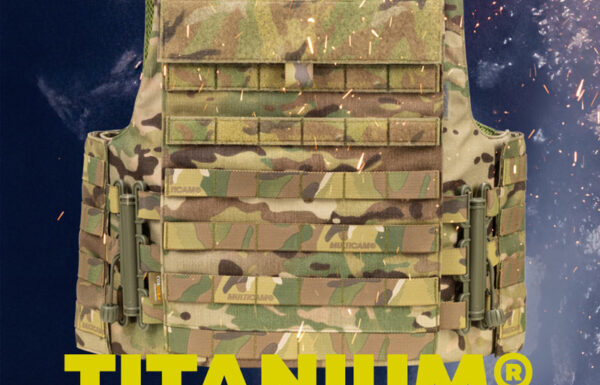
- bulletproof vests;
- insulated thermal clothing;
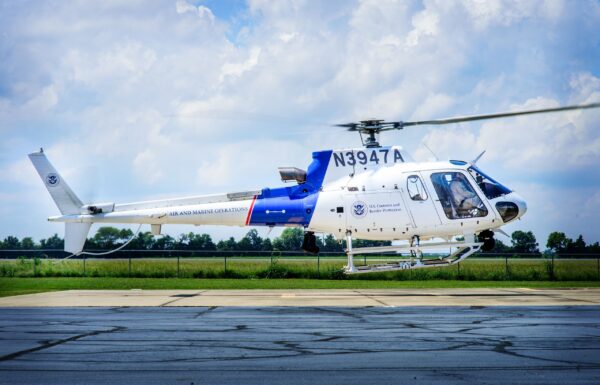
- multirole helicopters;
- 5.56 mm × 45 NATO ammunition;
- video surveillance devices to increase the Border Guard’s defense capabilities for infrastructure protection, using infrared technology supported by artificial intelligence solutions, along the EU’s external border and NATO’s eastern flank with Ukraine on the Bug River section;
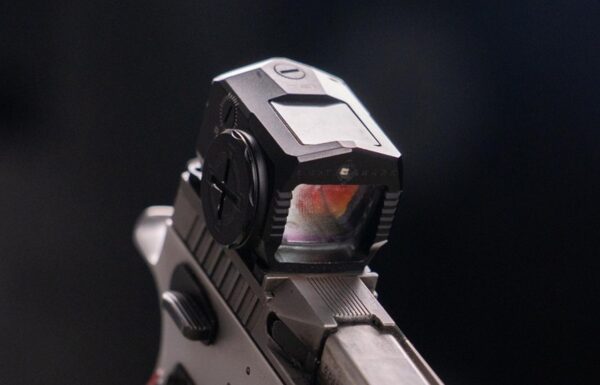
- video surveillance devices: delivery of optoelectronic devices as part of increasing the Border Guard’s defense capabilities in ground combat through the use of optoelectronic devices;
- video surveillance devices to increase the Border Guard’s defense capabilities in detecting and neutralizing unmanned aerial vehicles along the land section of the EU’s external border and NATO’s eastern flank. Part 2: modernization of state border security along the border with the Republic of Belarus in the Podlaskie Border Guard Regional Unit;
- 40 mm × 46 ammunition;
- gas masks.
As a result, the agreements are expected to be financed under the aforementioned Non-Military Defense Preparations Program.