





















On Monday, October 6, 2025, during a press briefing in the Oval Office of the White House, President Donald Trump stated that he has “sort of made a decision” regarding Tomahawk missiles for Ukraine but has certain conditions for Kyiv regarding their combat use against Russia.
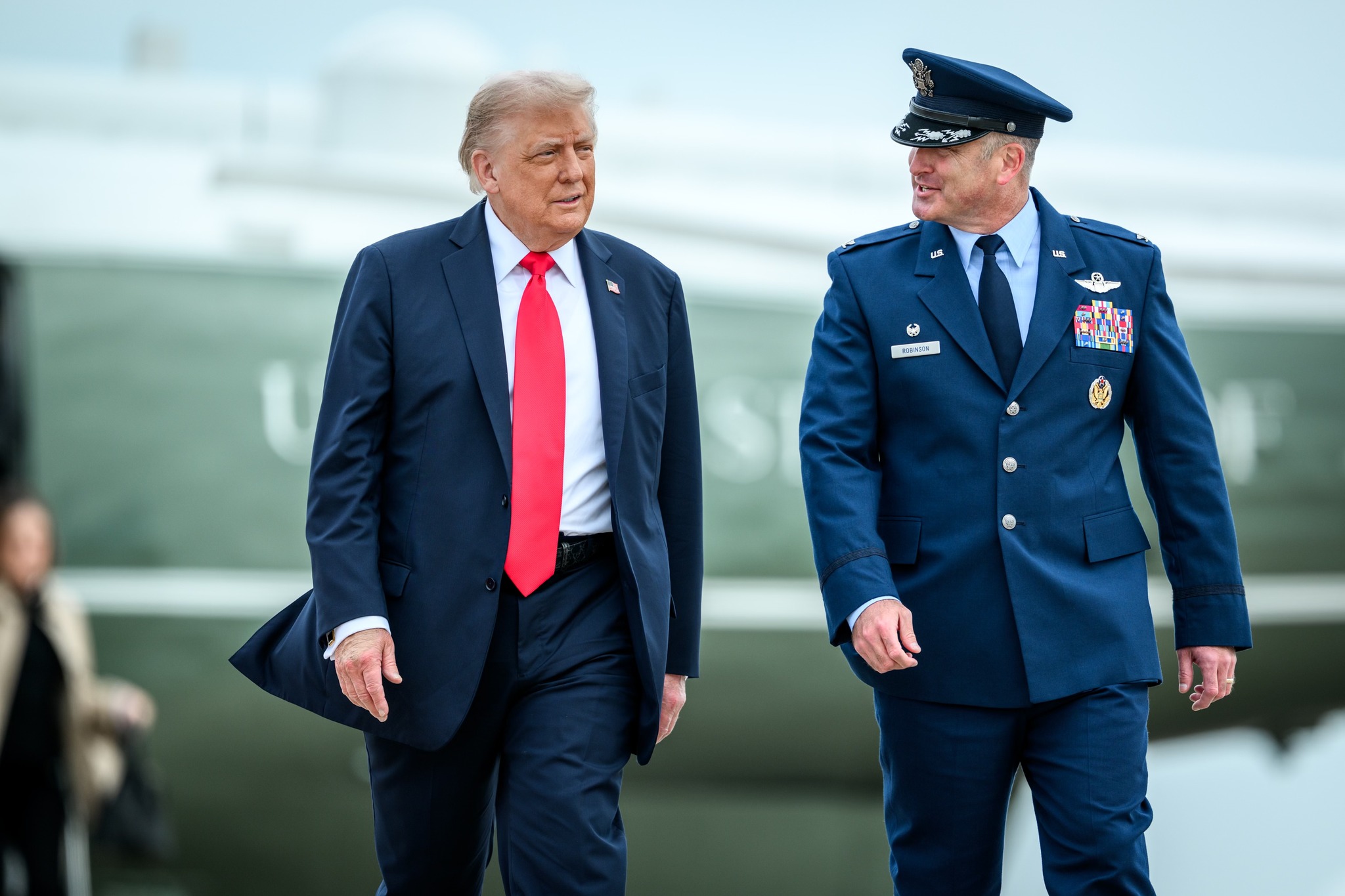 Photo: Daniel Torok, White House Press Office
When asked by a reporter about a possible transfer of BGM/RGM-109 Tomahawk cruise missiles — either directly to Ukraine or through NATO — President Donald Trump replied:
“I’ve sort of made a decision,” he said. “But I want to know what they’re doing with them. Where are they sending them? … I would ask some questions. I’m not looking to escalate that war.” The President added that the conflict between Russia and Ukraine should never have started, calling it a result of “bad judgments” on both sides. He emphasized that the human cost of the war remains devastating, with thousands of soldiers killed every week, and reiterated his view that the United States must avoid actions that could further escalate the fighting.
Video showing the question and President Trump’s response regarding Tomahawk missiles for Ukraine (starting at 30 minutes and 14 seconds):
The issue of supplying Tomahawk missiles to Ukraine resurfaced on Sunday, September 28, when during Fox News Sunday, Vice President JD Vance confirmed The Wall Street Journal’s report that the United States was considering providing the missiles—not as a direct donation, but through potential purchases by NATO allies. At the time, he noted that no final decision had yet been made.
That same day, during The Sunday Briefing on Fox News, Keith Kellogg, the U.S. Special Envoy for Ukraine and Russia, stated that Ukraine had been authorized to use U.S.-made long-range missiles to strike targets on Russian territory.
Russian President Vladimir Putin commented on these reports on October 2 during the plenary session of the Valdai Discussion Club in Sochi and again on October 5 in an interview with Russian media. On both occasions, he warned against escalating the conflict and further deteriorating relations with the United States.
“Using Tomahawk missiles without the direct involvement of American military personnel is impossible. That would mark a qualitatively new stage of escalation between Russia and the United States,” he said on October 2.
“Deliveries of such [Tomahawk] missiles to Kyiv would represent a qualitatively new stage of escalation, including in relations between Moscow and Washington,” he said three days later.
Putin added that while such missiles could potentially inflict damage on Russia, “we will simply shoot them down and improve our air defense systems.” He emphasized that this would not change the situation on the battlefield, where, according to him, the Russian army is “slowly but steadily advancing.”
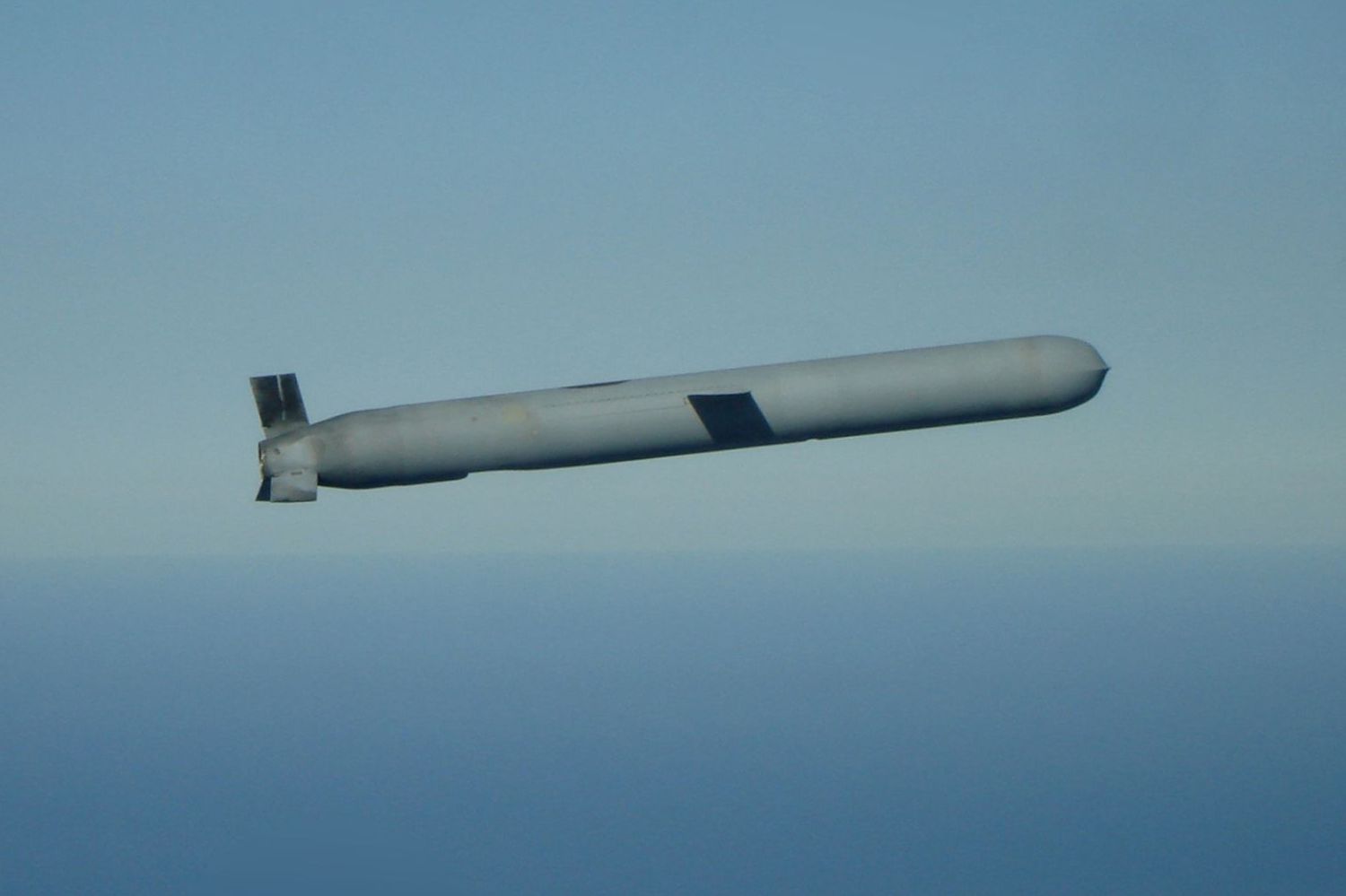 Photo: US Navy
It is worth noting that Ukraine had sought Tomahawk missiles as early as the Biden administration, as President Volodymyr Zelensky revealed on October 30, 2024. The request was firmly rejected at the time, but Zelensky emphasized that the missiles would only have been used if Russia refused to halt its military operations and continued escalating the conflict. In other words, the Tomahawks were intended to serve as part of a non-nuclear (conventional) deterrence package.
A few weeks later, on November 17, 2024, reports emerged that the Biden administration had authorized Ukraine to use ATACMS missiles. Those strikes were halted after Donald Trump took office in January 2025 but have recently been authorized again.
It should be noted that Tomahawk missiles were until recently launched exclusively from naval platforms, such as guided-missile destroyers, cruisers, and submarines, but the U.S. Army has since begun deploying Typhon mobile missile batteries (also of interest to Germany), while the U.S. Marine Corps (USMC) has been introducing unmanned launchers based on the ROGUE Fires system under the NMESIS program. Both systems are capable of firing the RGM-109E Tomahawk Block V in its Maritime Strike (anti-ship) variant.
These launch systems are new and still largely experimental (though not the missiles themselves). However, many systems at similarly early stages of development have been supplied to Ukraine as part of military aid, both to strengthen its defense and, in practice, to refine the technology through combat use.
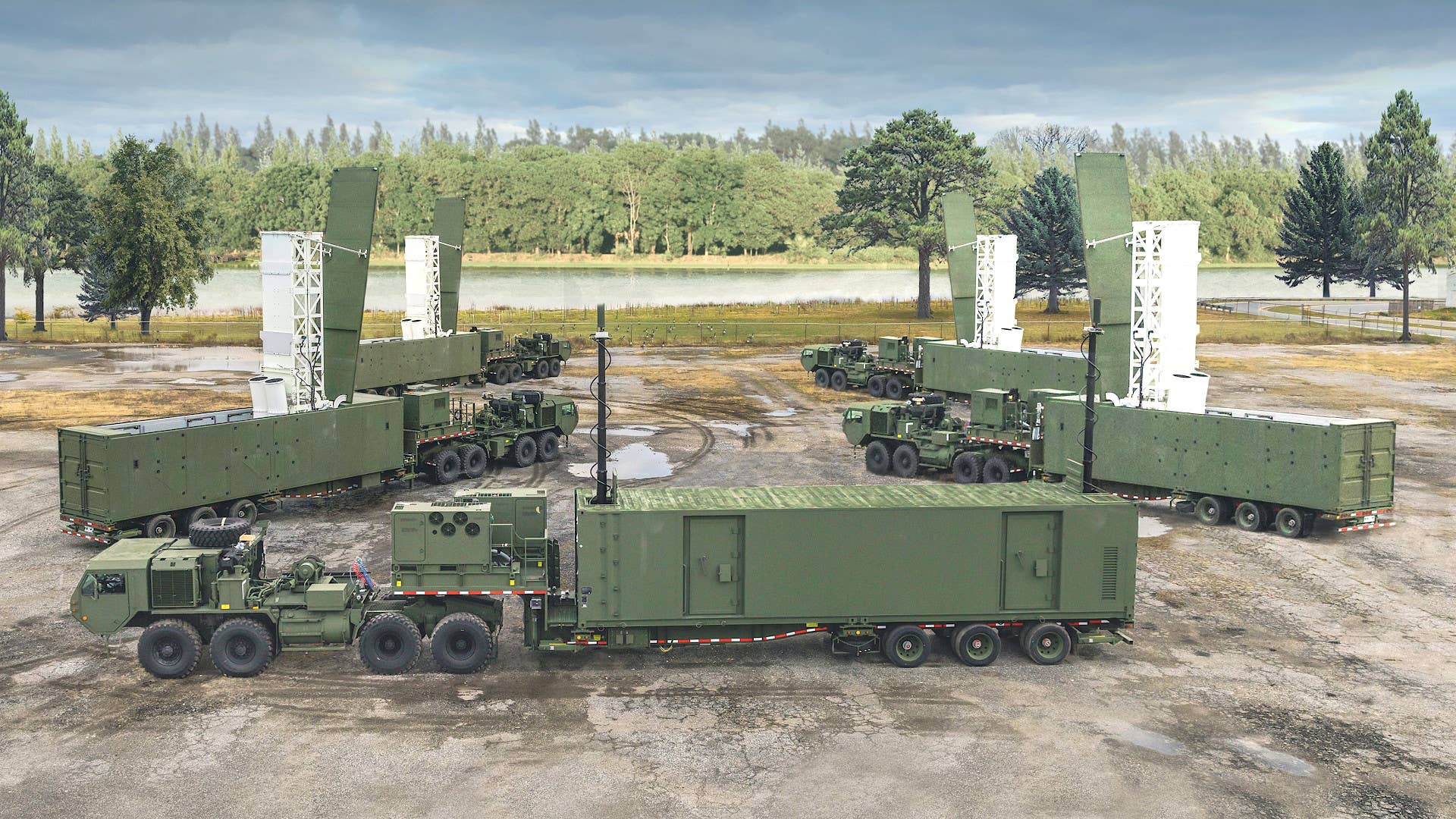 Typhon system battery / Photo: Lockheed Martin
 ROGUE Fires–based launcher for a single Tomahawk cruise missile / Photo: Lance Cpl. Migel A. Reynos, USMC
When it comes to Ukraine’s current capability to strike deep into Russia’s rear areas, including oil refineries, which has been happening in recent weeks, the strikes have primarily been carried out with a variety of long-range combat unmanned aerial vehicles fielded by the Unmanned Systems Forces, such as the An-196 Liutyj, A-22, Piekło, and Palanytsia.
August saw several noteworthy developments. On August 17, Ukraine unveiled a new FP-5 Flamingo cruise missile with a range of over 3,000 km (substantially greater than the Tomahawk), together with the FP-1 UAV with a 1,600 km range. Then on August 24, in a video released by the Ministry of Defence of Ukraine for Independence Day, the appearance of the Neptun-MD cruise missile (also referred to as Long Neptun) with a 1,000 km range was revealed for the first time; this missile has already been used in strikes on Russian territory. On October 5, the British magazine The Economist confirmed the combat debut of the FP-5 Flamingo in the current Ukrainian campaign targeting Russian oil-processing capabilities.