



















The CZ 600 Trail: A (Not-So) Long-Range Ugly Duckling
I absolutely do not recommend this firearm to enthusiasts of classic bolt-action rifles, or, in hunting terms, sporter rifles. Nor do I recommend it to devotees of American ARs, although the latter group may find the Trail somewhat closer to their taste. If only because of the ammunition, since the 600 is also available in .223 Remington, and its magazine compatibility with American-pattern magazines (AR-15).
The Trail’s aesthetics are, put simply, straightforward.
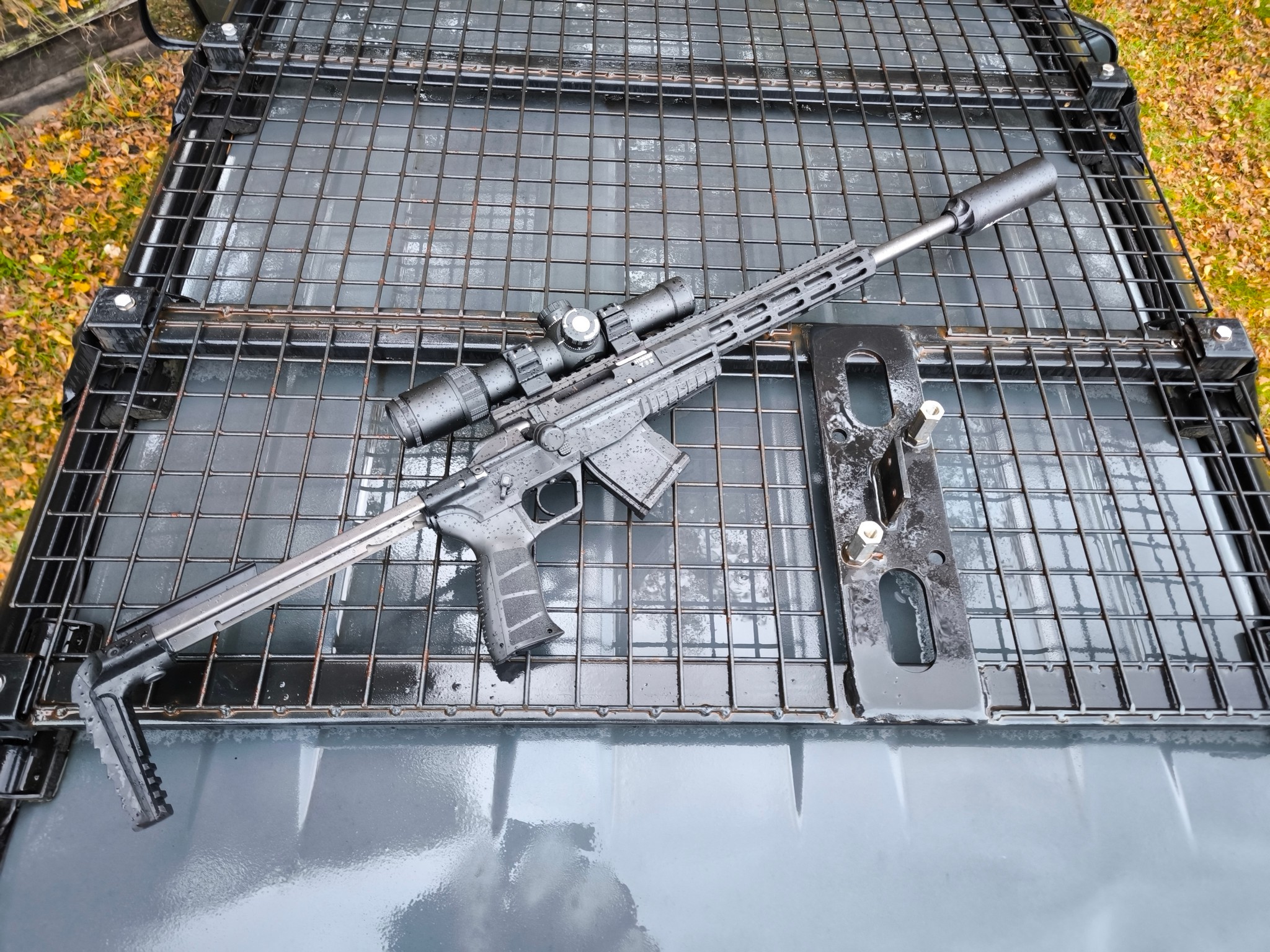
The purely utilitarian aesthetics of the CZ Trail. Aesthetic flourishes reduced to an absolute minimum / Photos: Bartosz Szymonik, Anna Mielczarek; MILMAG.
Aluminum and steel, where needed, machined by CNC. Plastic wherever possible. There is nothing wrong or cheap about such a choice of materials. There is simply no room here for refined form. According to CZ, all steel components are finished using the patented BobOx technology, a form of deep nitriding. The “heart” of the carbine is an aluminum receiver with an integrated Picatinny rail. The manufacturer rates the receiver’s service life at over 20,000 rounds for each caliber variant, so concerns about wear are largely unwarranted.
Substance matters, and here it means functionality. And functionally, the carbine lacks nothing – but more on that later.
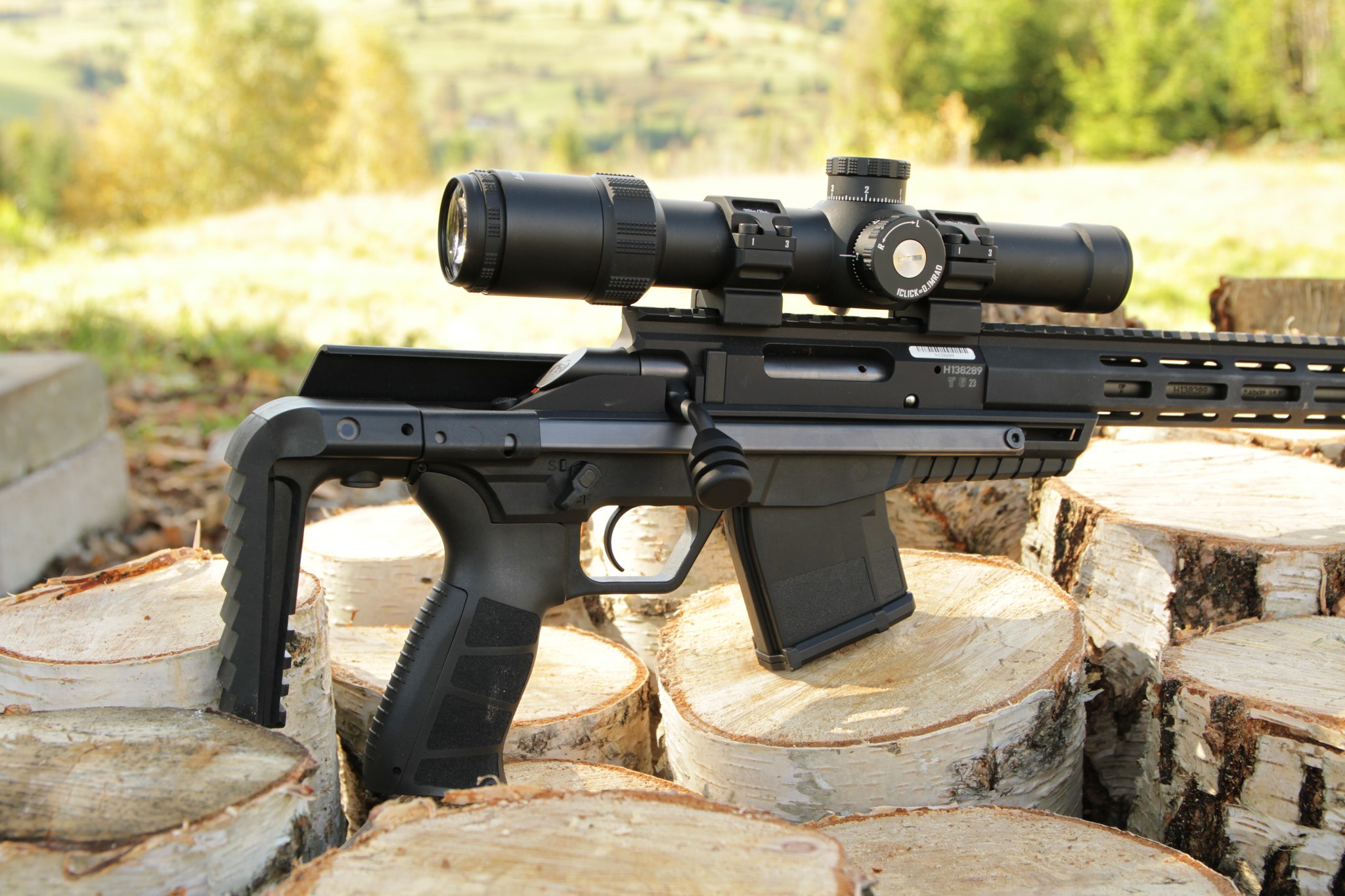
When folded, the stock is almost completely concealed within the length of the trigger housing. Beneath the buttpad, there is a push-button sling attachment point, and on the buttpad itself a short RIS rail intended for mounting a detachable support.
The rod-type stock, adjustable in four positions, works flawlessly. Its fourth, and shortest, setting is essentially a transport position. It is difficult to fire the rifle in a manner consistent with the operating logic of a bolt-action carbine when set this way. At most, one could attempt a “cowboy-style” hip shot – strictly in the context of repelling an immediate and unlawful attack on legally protected interests such as life or health…
Certainly not for accurate shooting at longer distances.
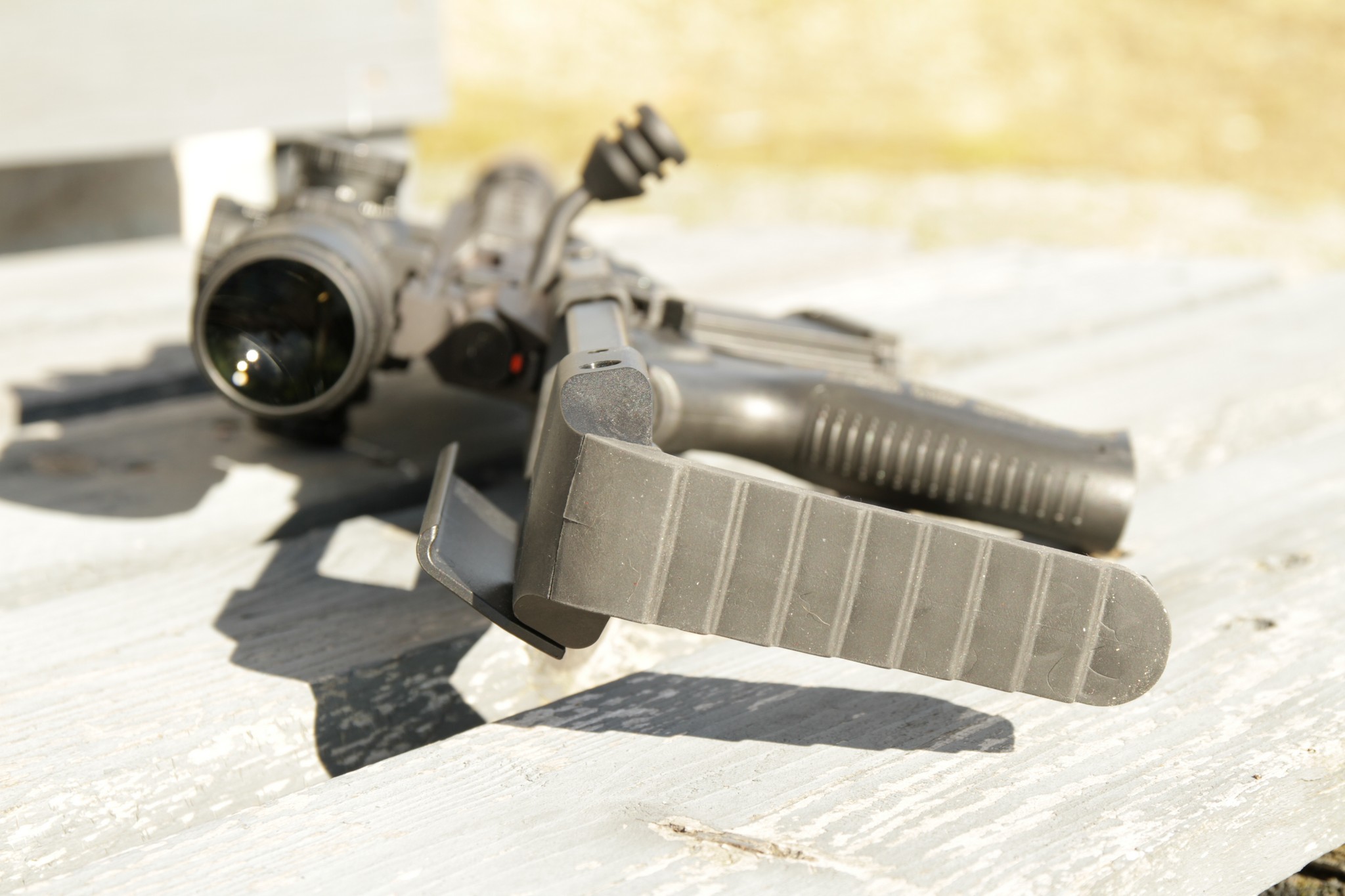
A rubber buttpad absorbs recoil – modest as it is. Also visible is a slightly offset cheek rest, which unfortunately has the drawback of not being reversible to the other side of the rifle. This is probably the Trail’s only truly non-ambidextrous functional feature.
The buttpad is equipped with a polymer mounting rail (non-removable), allowing the carbine to be fitted with a support. In my opinion, however, adding extra weight to this firearm is not worth it.
The pistol grip is fairly large and features interchangeable backstraps of the CZ P-09 standard. It allows adjustment to different hand sizes and is also compatible with AR-style grips. This will make potential modifications and fine-tuning easier for those who are perpetually dissatisfied.
I had no complaints. Perhaps my hands simply match the Czech mold.
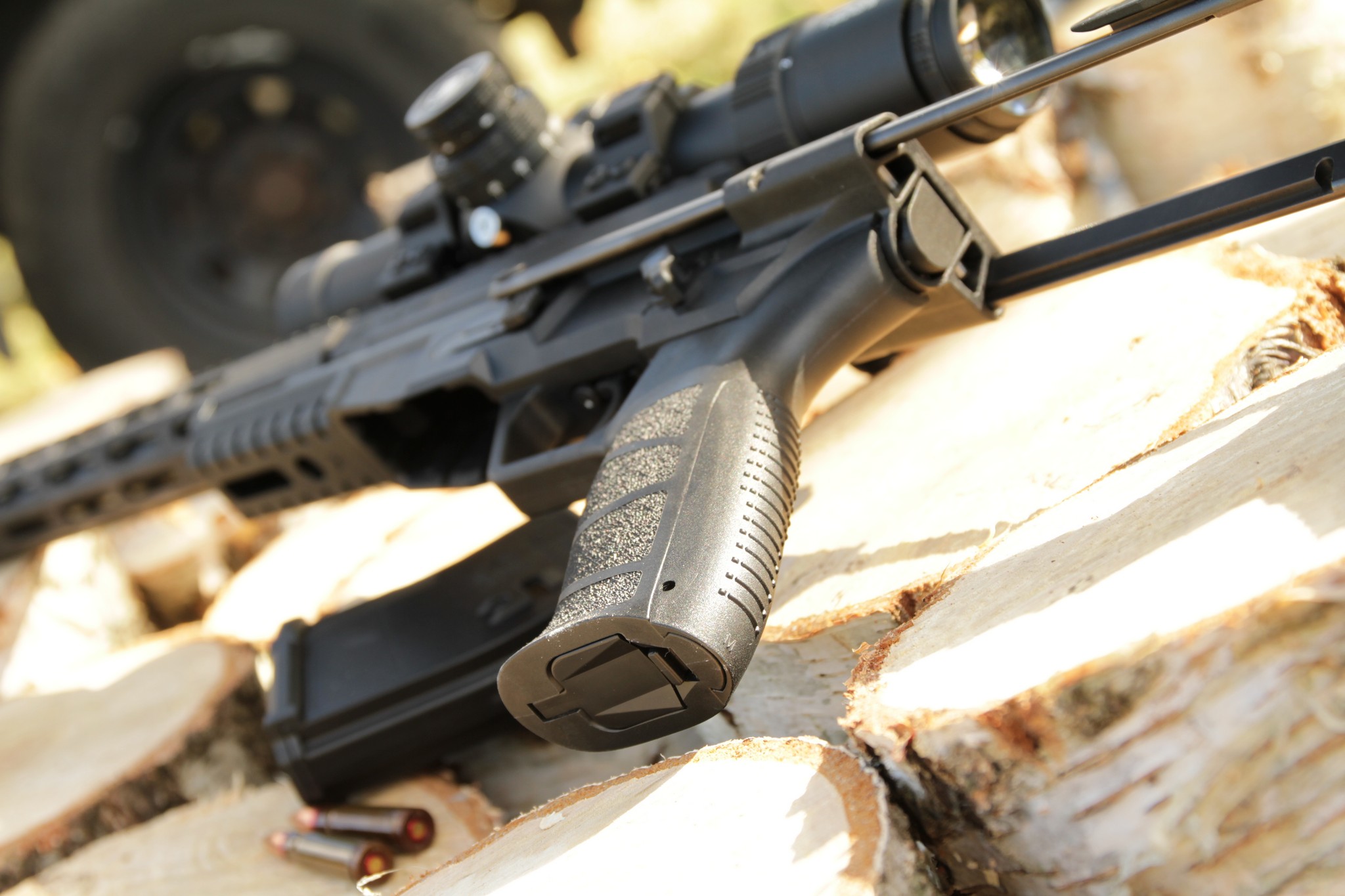
The grip with the size M backstrap fits my hand well (glove size 9). Inside, there is a small storage compartment for “who-knows-what”, where an AA battery will fit.
The plastic trigger guard is an integral part of the polymer trigger housing, which is combined with the magazine well and a very minimalist area intended for the support hand while shooting. I deliberately avoid using the word stock here, as it does not suit the technical, utilitarian form of this firearm at all.
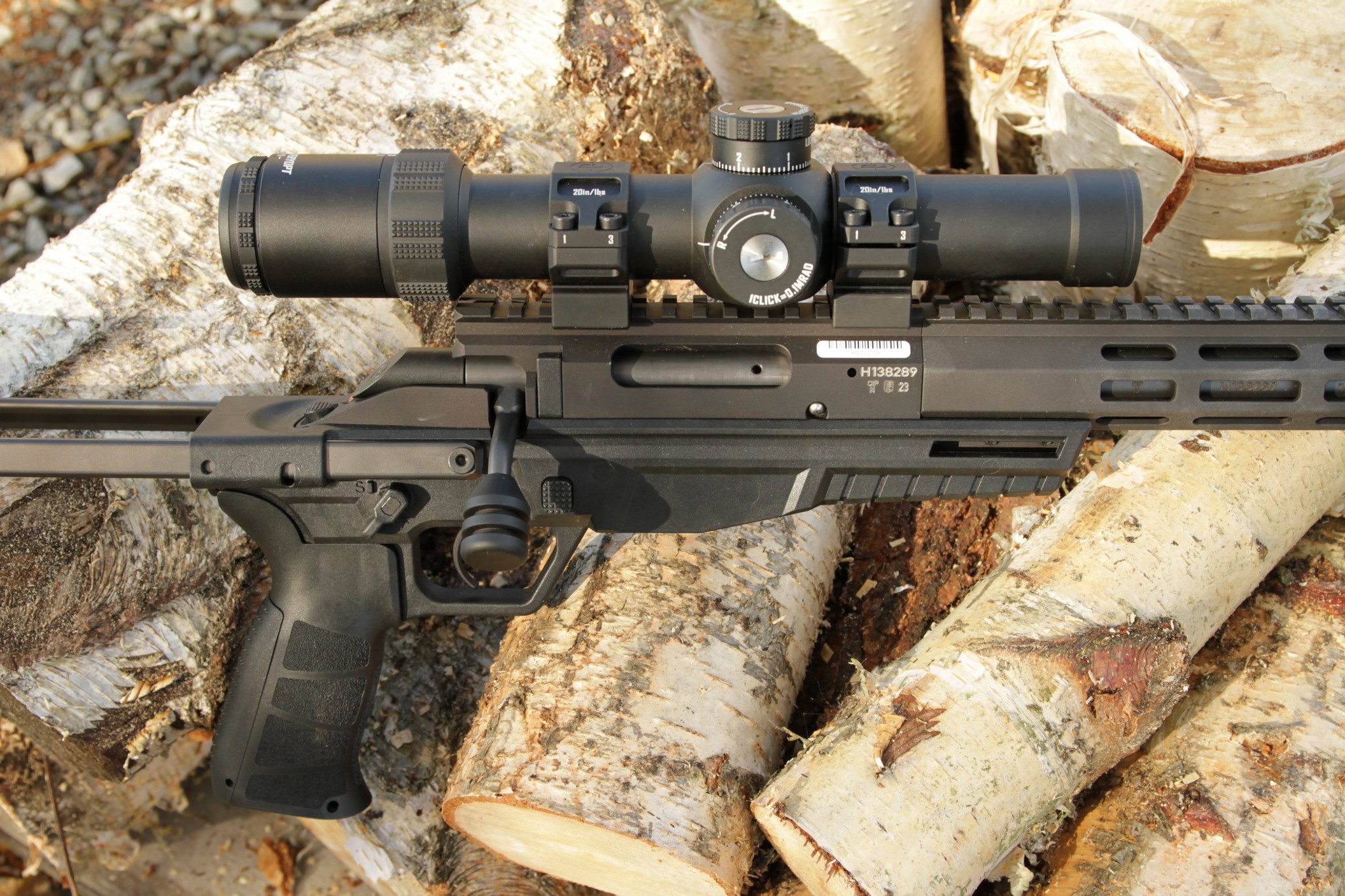
Trigger housing integrated with the magazine well, forming a minimalistic lower assembly
The magazine well does not protrude in any way beyond the line of the trigger housing. It accepts magazines compatible with the CZ Bren 2 standard.
Why not Kalashnikov-style magazines? From the manufacturer’s point of view, that would be economically illogical and inconsistent with the long-standing principle of avoiding compatibility with Soviet designs. Hence the choice of Bren 2 magazines, both short and long.
CZ 600 Trail Manipulators
The magazine release button also resembles that of the CZ’s semiautomatic rifle – it has been duplicated to ease the suffering of shooters (or operators) experiencing a left-handedness crisis. The two-position, wing-type safety is likewise mirrored on both sides of the firearm and can only be engaged when the firing pin spring is cocked. The absence of a third position that would lock the bolt closed will likely leave some traditionalists puzzled.
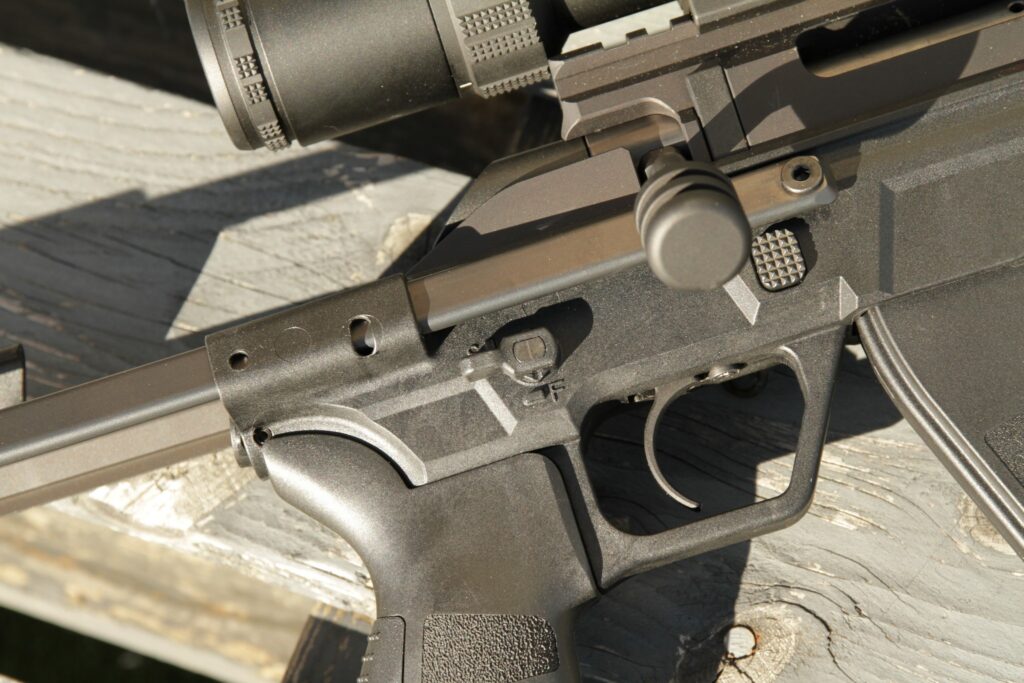
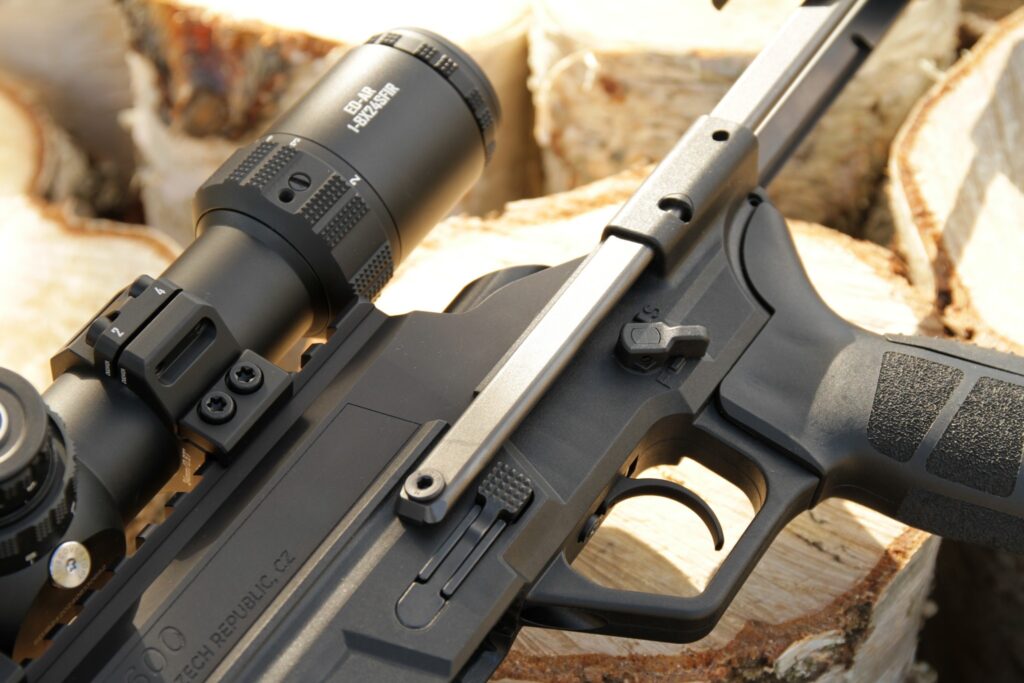
Controls: the bolt handle – obviously – sits only on the right side, but both the safety and the magazine release are ambidextrous. The safety rotates through 45 degrees and cannot be engaged unless the firing pin spring is cocked.
The bolt handle, together with the knob itself, is stylistically consistent with the rest of the rifle. The knob is set far enough away from the trigger housing that even a powered-armor glove from the Ultramarines would not hinder cycling the action. With the bolt open, there is more than enough clearance for a scope. It is also worth noting that the bolt throw is 60°, and its design is said to engage the cartridge rim with the extractor claw before the round is fully chambered. The manufacturer refers to this solution as “controlled feeding” and claims it ensures reliable cycling under harsh conditions.
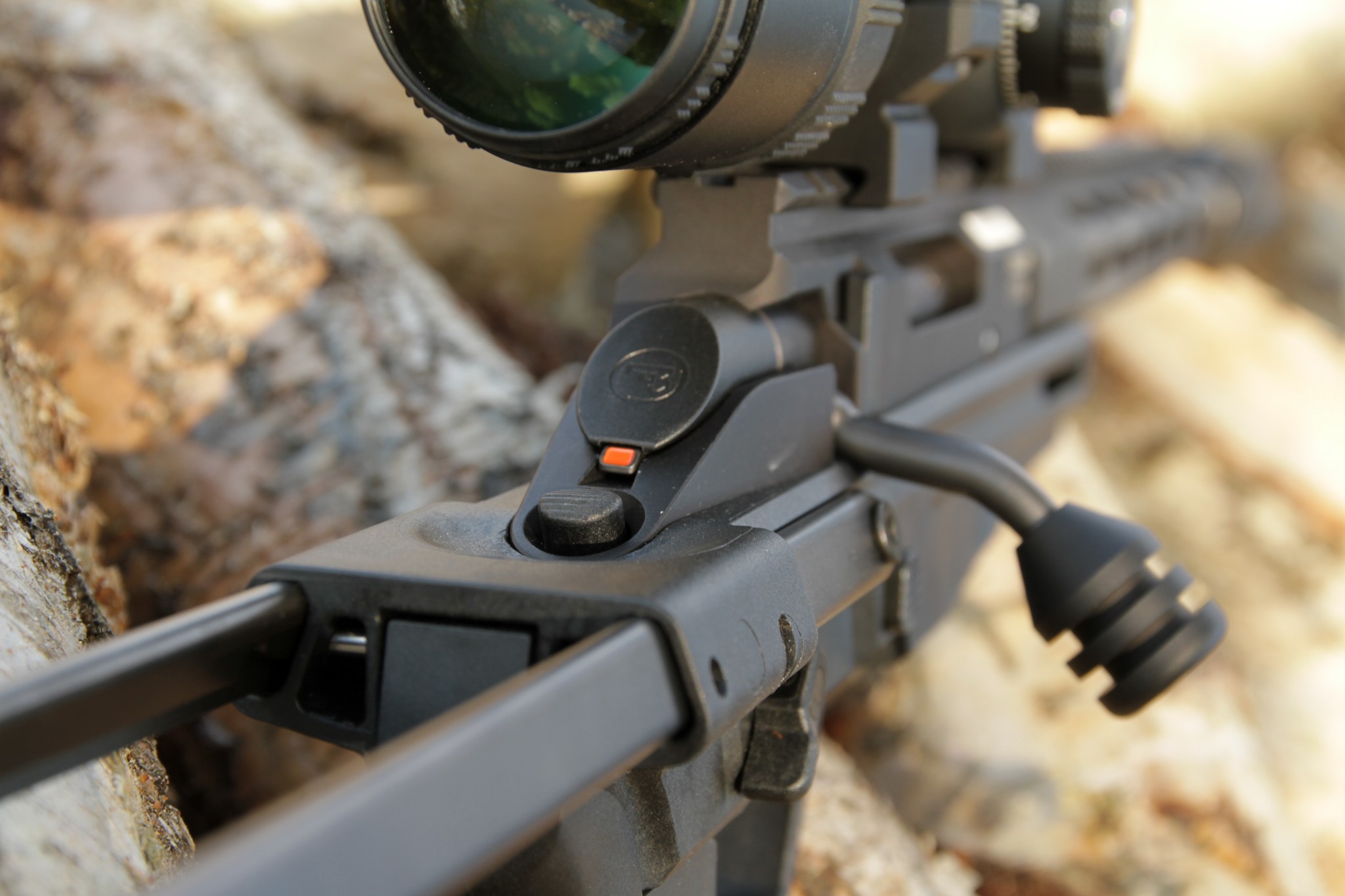
The cocking indicator is clearly visible and fairly easy to feel – once you know what to look for. It is also easy to see that, with the optic used, the clearance between the eyepiece and the top Picatinny rail is minimal.
Bolt disassembly is performed by pressing a lever located directly above the magazine release on the right side of the firearm.
Adjustment of the PDW-style stock length is controlled by a somewhat awkwardly placed button. This control is located just behind the bolt, between the stock rods. Once an optic is mounted, accessing it becomes quite difficult.
A Few Words on the Trigger Mechanism
This is definitely not a competition trigger. It is a two-stage unit, adjustable in four predefined pull-weight settings: 9, 11, 14, and 16.5 N (900, 1,100, 1,400, and 1,650 g). The trigger has a traditional, crescent-shaped profile. Flat triggers, aimed at those chasing trends, are probably already available, or will be soon. I see no reason to tinker with the trigger.
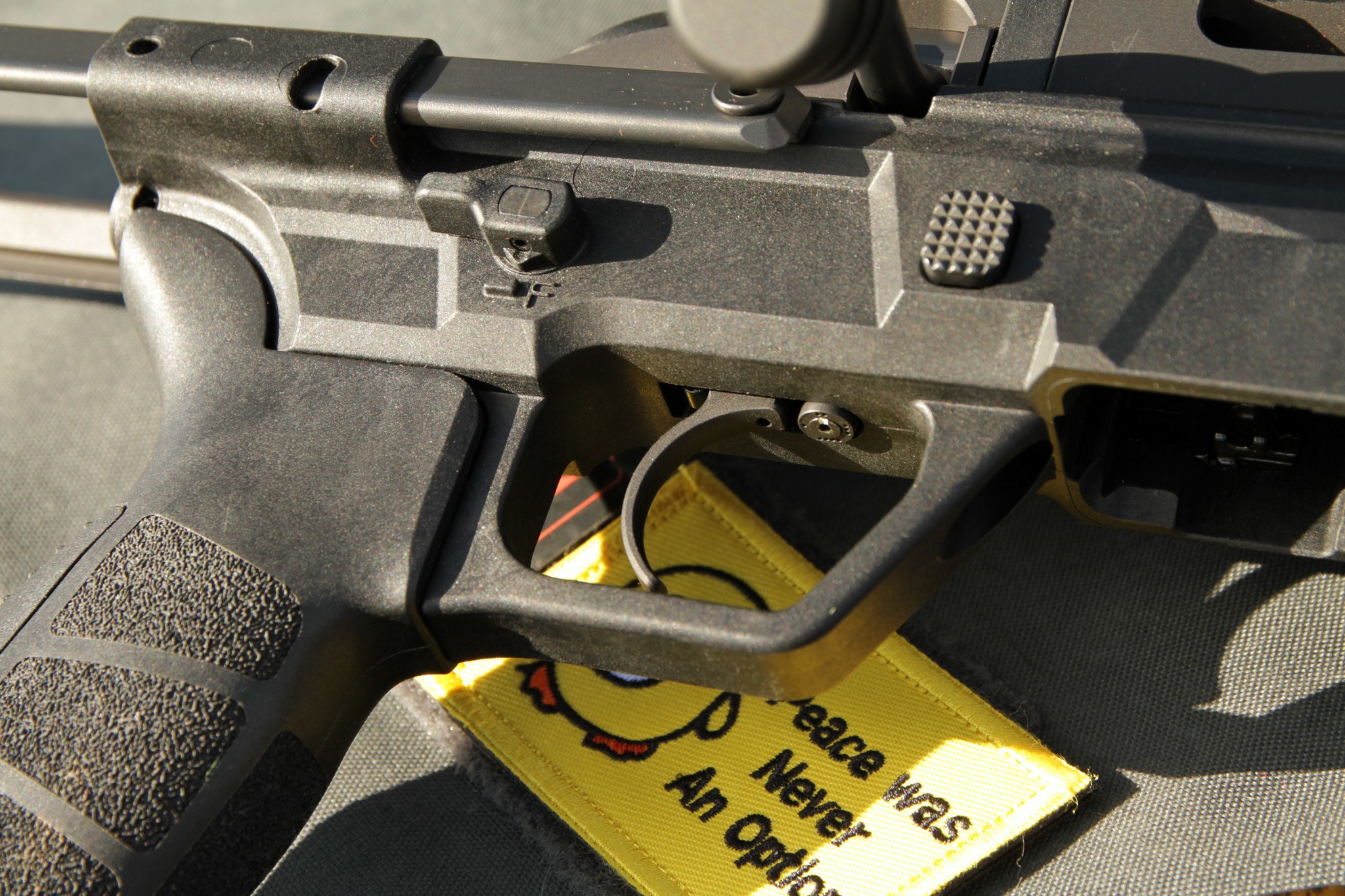
The trigger pull adjustment knob. Four clearly marked positions. Changing the settings is relatively easy
The trigger guard is large enough to accommodate a finger wearing Mechanix or Nomex gloves. A heavy winter glove would be cumbersome.
What Else Sets the CZ 600 Trail in a Soviet Caliber Apart?
At first glance, the ejection port seems a bit too small, but I was unable to induce any extraction issues, either from the chamber or during ejection from the firearm.
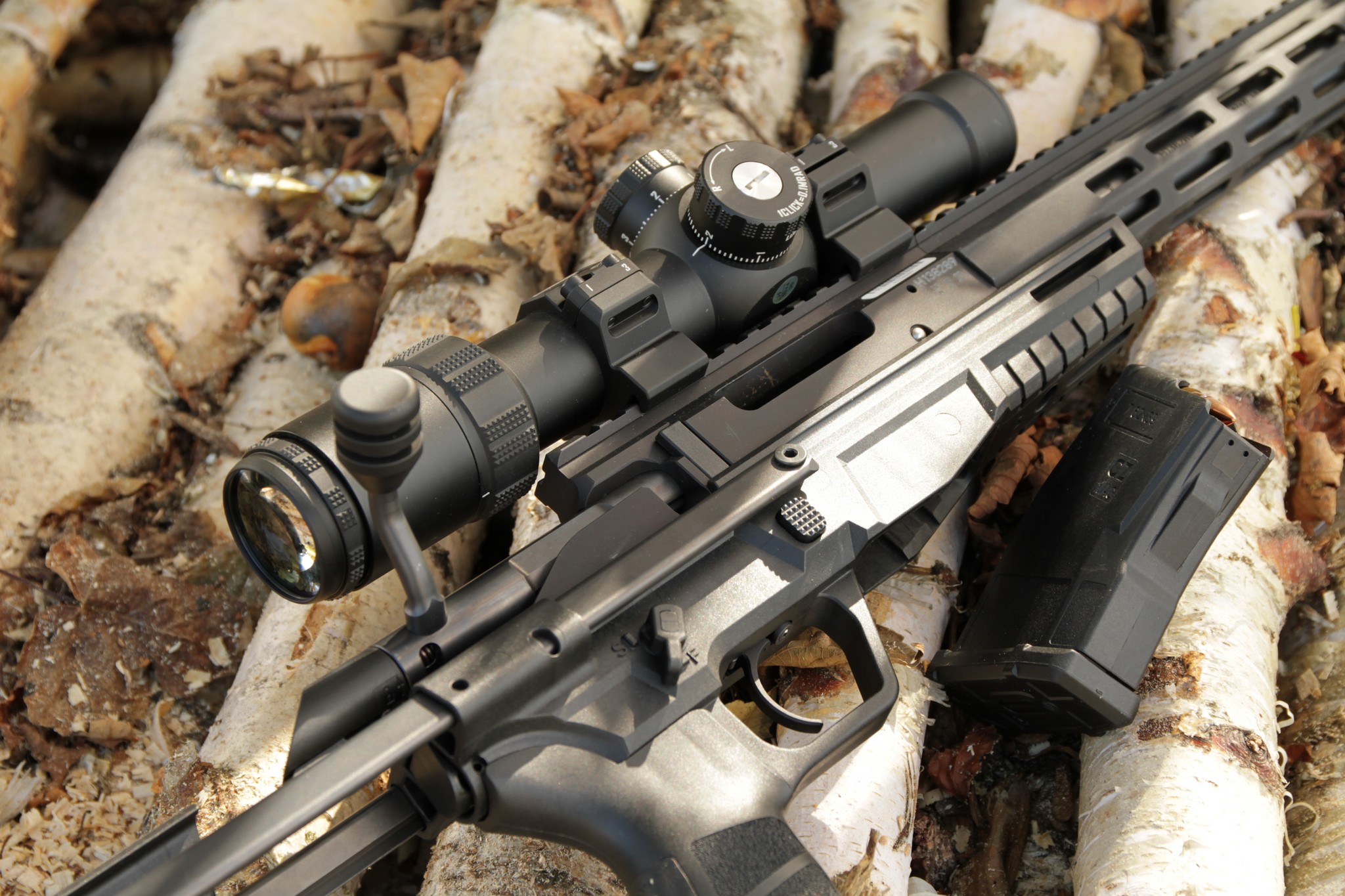
The ejection port looks suspiciously small – but it causes no problems
The receiver, made of aluminum, is fitted with an integrated mounting rail. There are no iron sights to be found, and anyone who needs them will have to source them independently. The rail, however, is long enough to comfortably mount either a traditional optic or a red dot sight, with or without a magnifier. A prism sight will, of course, fit as well.
The handguard, in both shape and function, echoes modern self-loading rifles. It is also manufactured as a one-piece aluminum monolith and is not attached to the Trail’s barrel at any point.
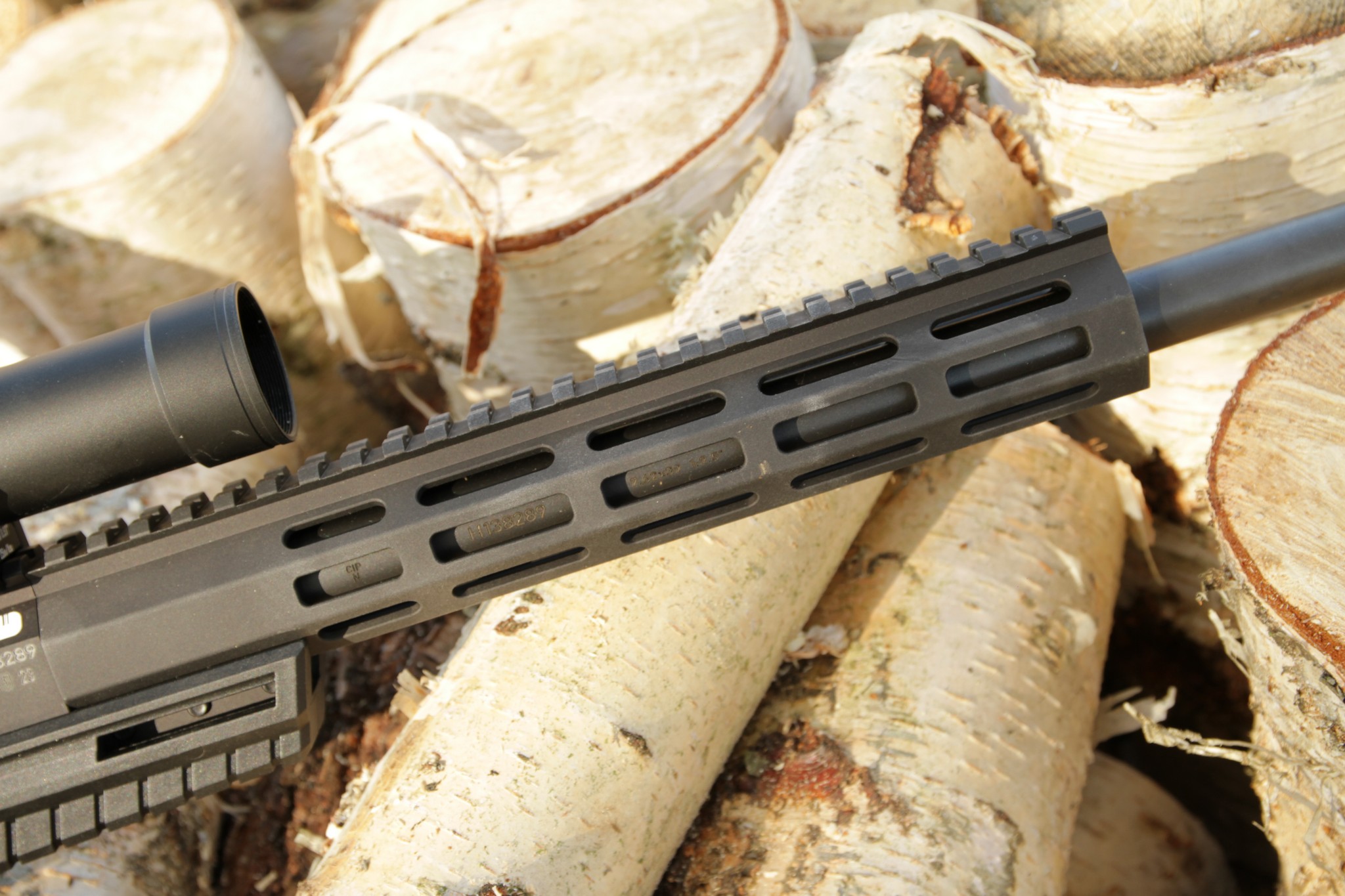
The Trail’s handguard features so many M-LOK attachment points that one could easily build the carbine up into a full-fledged infantry fighting vehicle – crew included
Running along the entire length of the handguard is a top rail, also in the RIS standard. Structurally, it is unfortunately independent from the rail on the receiver, but it sits at the same height, which may simplify the selection of backup iron sights. Across the remaining seven faces of the handguard, M-LOK–compatible slots have been machined. There are more than enough of them to allow the user to utterly ruin the rifle’s low weight with kilograms of unnecessary accessories.
The Trail’s 16-inch, cold hammer–forged barrel has a fairly thick semi-heavy profile and a length of 412 mm (approx. 16.2 inches), which should translate into good accuracy. It features a 1:9.5-inch (241 mm) twist rate.
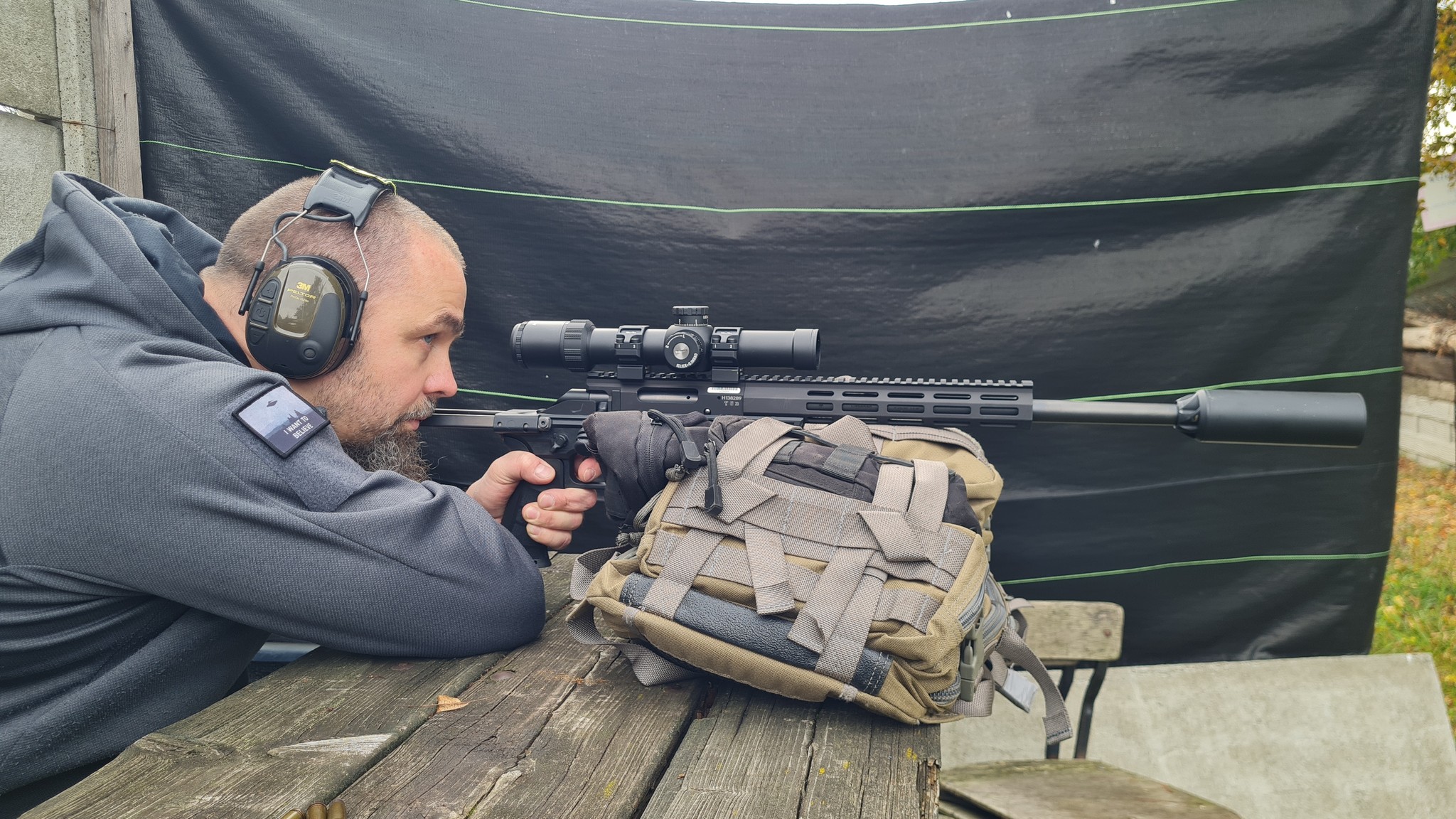
A suppressor on the Trail’s short barrel genuinely helps. Hearing protection becomes an unnecessary accessory. Even the neighbors of the shooting range lose one of their favorite arguments: “They’re always shooting like it’s a war over there – you can’t live like this!”
Of course, the barrel is threaded for a suppressor or other muzzle device. The thread is protected by a cap. The 5/8×24 UNEF thread pitch allows the use of a wide range of commercially available muzzle devices, compensators, and sound suppressors.
In the configuration described above, without optics, unloaded but with a magazine inserted, the rifle weighs approximately 2,800 grams and measures 690 to 890 mm in length, depending on the stock position.
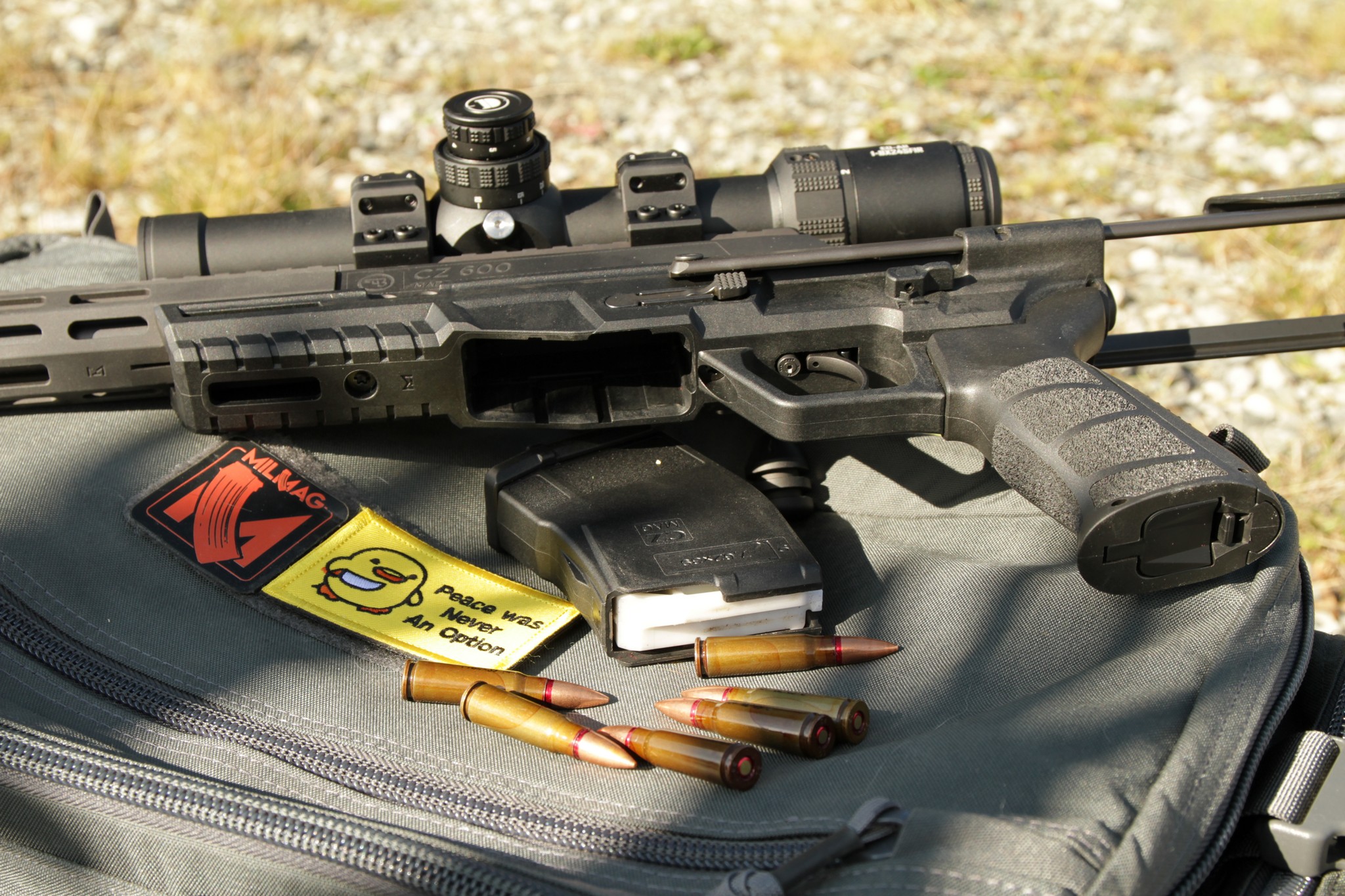
“Peace? Forget the promise of progress and understanding, for in the grim, dark future there is only war. There is no peace among the stars—only an eternity of slaughter and carnage, and the laughter of thirsting gods.”
(Warhammer 40,000)
CZ 600 Trail – User Impressions
As noted earlier, the firearm is delivered by the manufacturer without any iron sights. While this is hardly a drawback, the carbine almost begs for low-profile, rail-folding sights supplied as a factory set. They’re not there – too bad.
The first range session was devoted to zeroing the optic. In my case, it was a DiscoveryOpt 1–8× scope with a first focal plane reticle. It’s a budget option, but a fairly pleasant one—more on that in a follow-up piece. I asked for the lowest possible mounting rings and, naturally, overdid it a bit. Only by sheer coincidence did I manage to mount the magnifier in such a way that it could still be folded and the eyepiece didn’t interfere with the rail. Any lower would have been impossible.
I zeroed the rifle using standard military-spec ammunition – of course without an armor-piercing core.
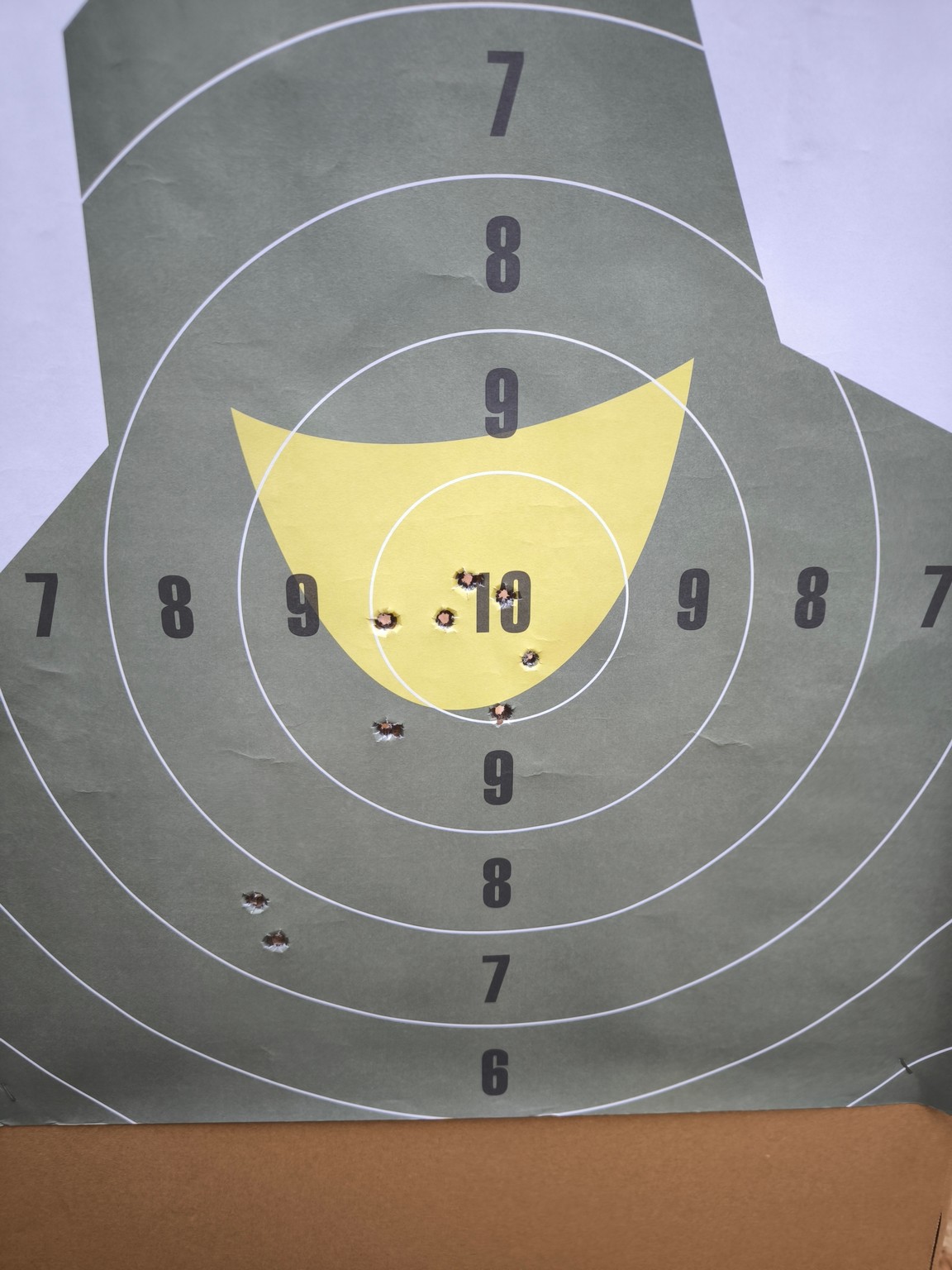
Lower left: the first three shots. The remaining six holes were made after (roughly) fine-tuning the scope
Zeroing at 50 meters took me fewer than ten rounds. Grouping on a standard military target was in the 2–3 MOA range. Several series at 100 meters confirmed that level of accuracy. I don’t expect more from a simple full metal jacket projectile.
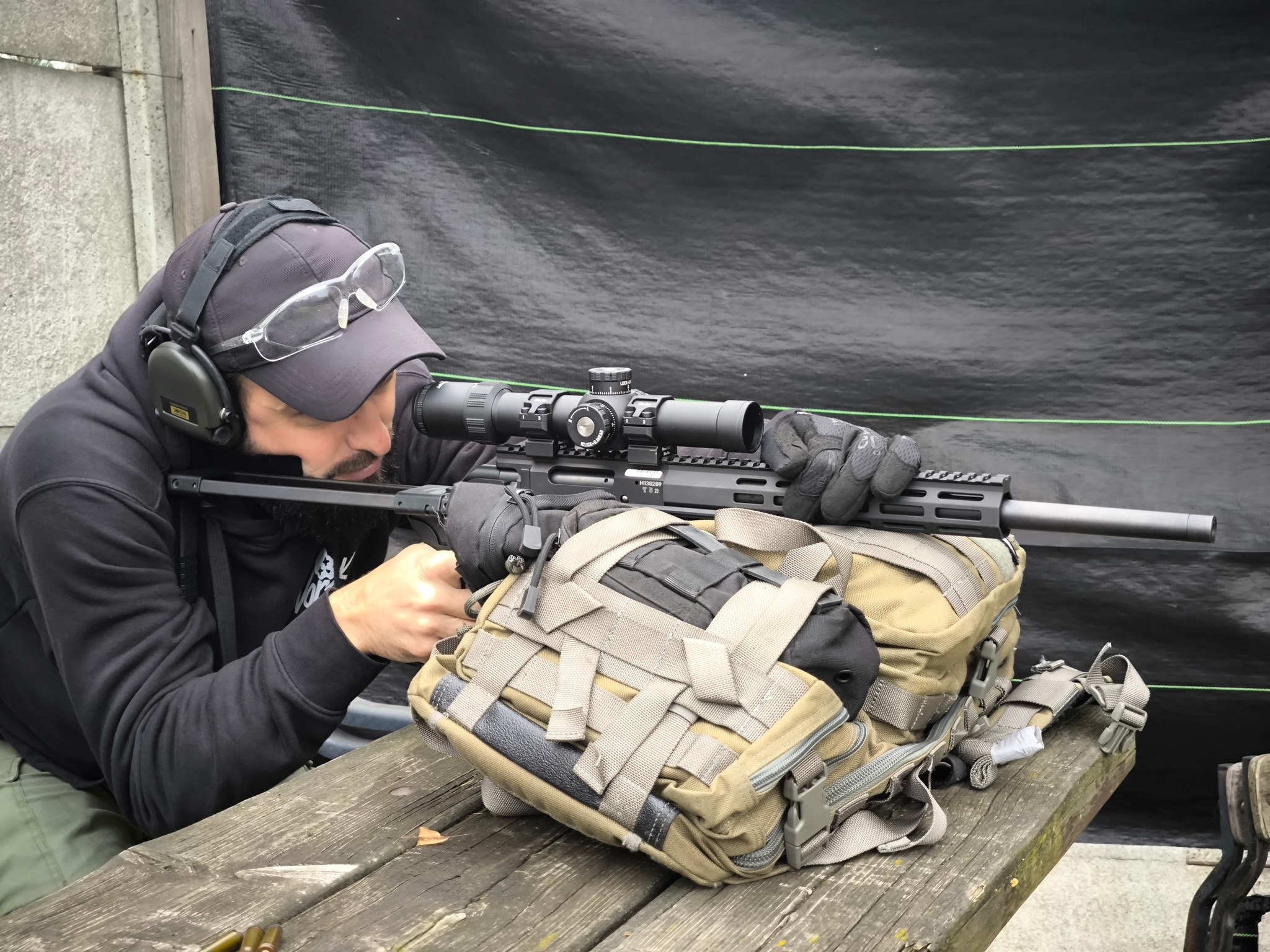
Zeroing under somewhat field-like conditions. Fortunately, no one feels the need to turn this into a laboratory exercise
After this warm-up, I remove the protective thread cap from the barrel and install an ASE Utra suppressor in its place. I fire a few more strings and, as expected, the point of impact shifts, but the grouping does not. The short titanium suppressor makes it possible to completely dispense with uncomfortable hearing protection. And that’s a good thing.
A few clicks on the turrets and we’re back on target at 100 meters. More or less, just as is usually the case with me. That’s good enough, and it’s time to head home because it’s raining. On subsequent range trips with the Trail, I no longer bring paper targets, only steel. Group size no longer interests me.
Shooting from more practical positions, on a timer and with the weak hand – since I suffer from the disadvantage of left-handedness – naturally worsens the grouping, but 20 cm steel plates between 50 and 100 meters ring often enough. No complaints here.
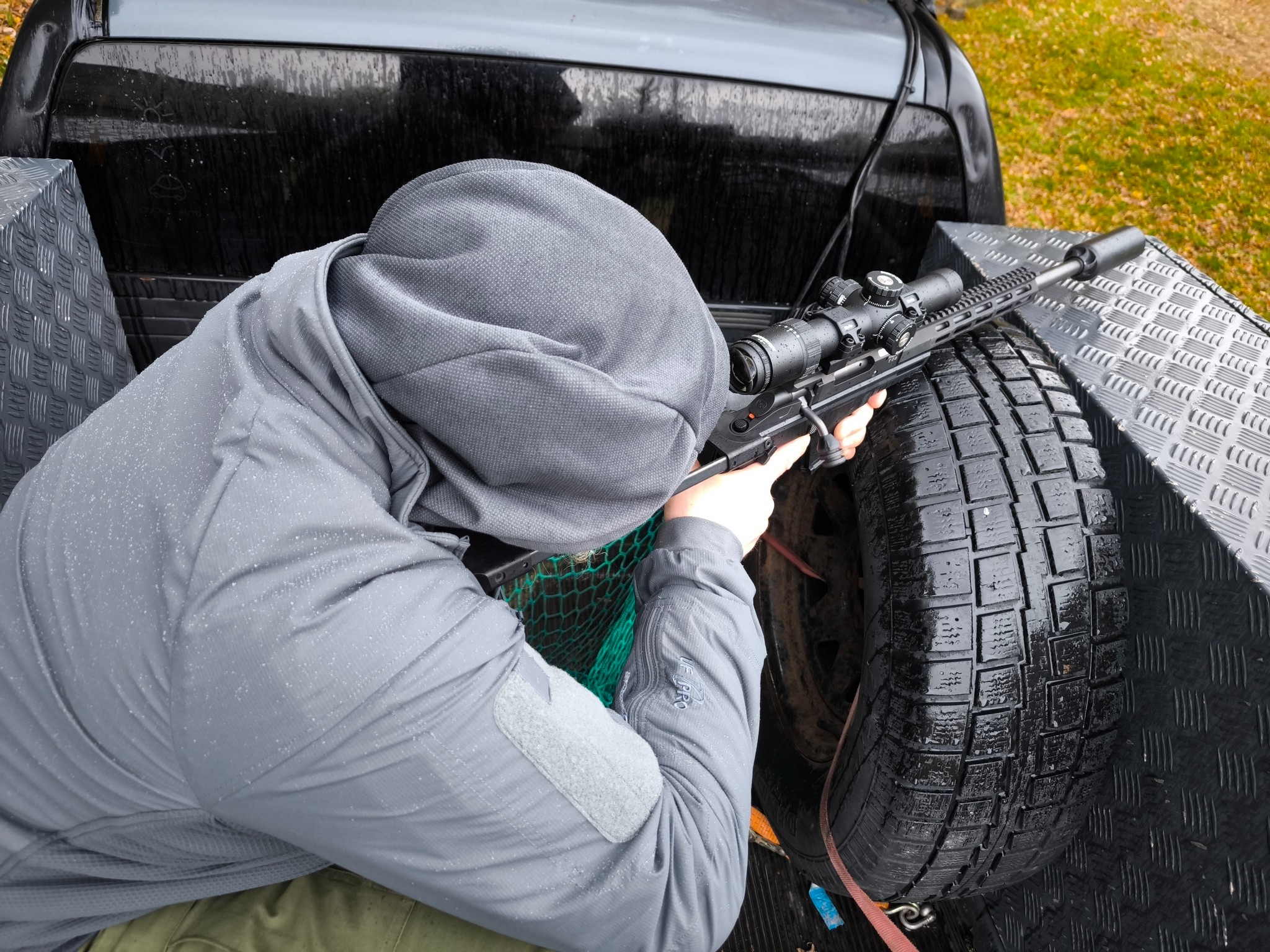
And this is exactly the kind of shooting the CZ 600 Trail was built for
Final Thoughts
So what will I complain about? The bolt doesn’t cycle as smoothly as it should, though it does wear in over time, with another hundred rounds or so. At the beginning, you simply have to push through it.
Second, the factory magazine works flawlessly, but a 30-round Bren 2 magazine required some trimming with a utility knife. Without that, it refused to lock into the magazine well. I don’t know whether Česká zbrojovka manufactures the magazines in-house or outsources them, but it’s clear that production consistency isn’t perfect.
Other than that, I don’t really see any major issues. I could nitpick the stock adjustment, which works in a somewhat half-measure way: in intermediate positions, the latches only prevent the stock from being shortened. You can extend it without using the button. A bit odd. The butt could snag on clothing or gear and suddenly become longer than intended.
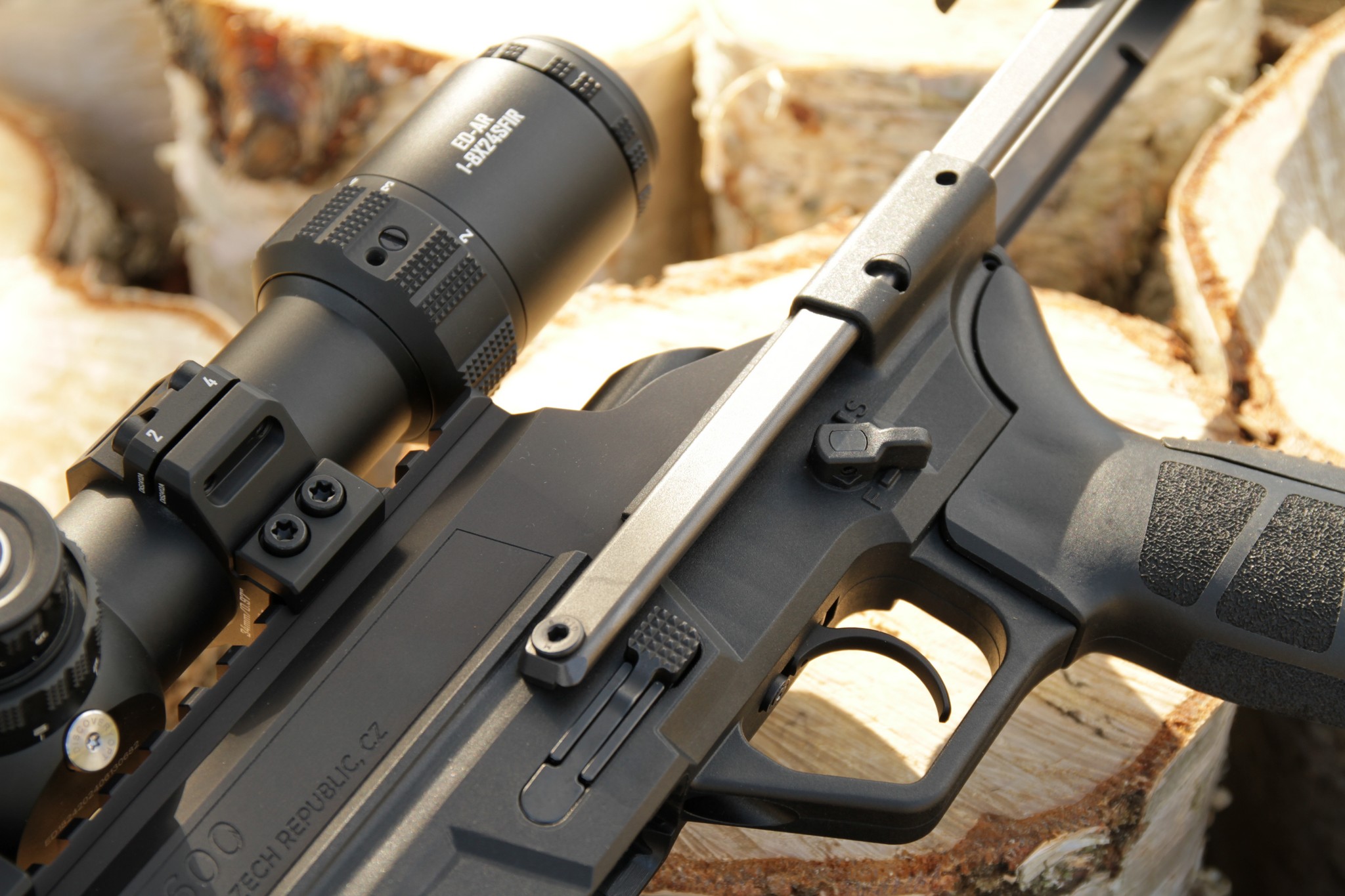
The folding stock mechanism is one of the few shortcomings that feels a bit forced
From the perspective of a user like me, it’s a negligible detail.
Overall, the CZ 600 Trail is a simple rifle – no gimmicks, but also no disqualifying flaws. Compact and lightweight, it is fed with extremely – very extremely – widely available ammunition, offered in many variants: from cheap surplus, through hunting loads, and likely even match-grade options.
Given its caliber, it performs well at distances out to 300 meters. Let’s not kid ourselves: who actually goes to longer-range shooting ranges, and how often? In Poland, 100-meter ranges dominate, at most. Longer ones are rare. So this is a firearm well suited to our local realities. The .300 BLK variant is, in my opinion – putting it mildly – a controversial idea. Expensive, odd ammunition that doesn’t really offer anything special, and is fashionable mostly because Americans are fond of it (someone seems to have forgotten that it is standard ammunition for modern suppressed carbines – editor’s note). .223 Remington, much like 7.62×39 mm, is a good choice as well – especially for anyone looking to stretch beyond 300 meters.
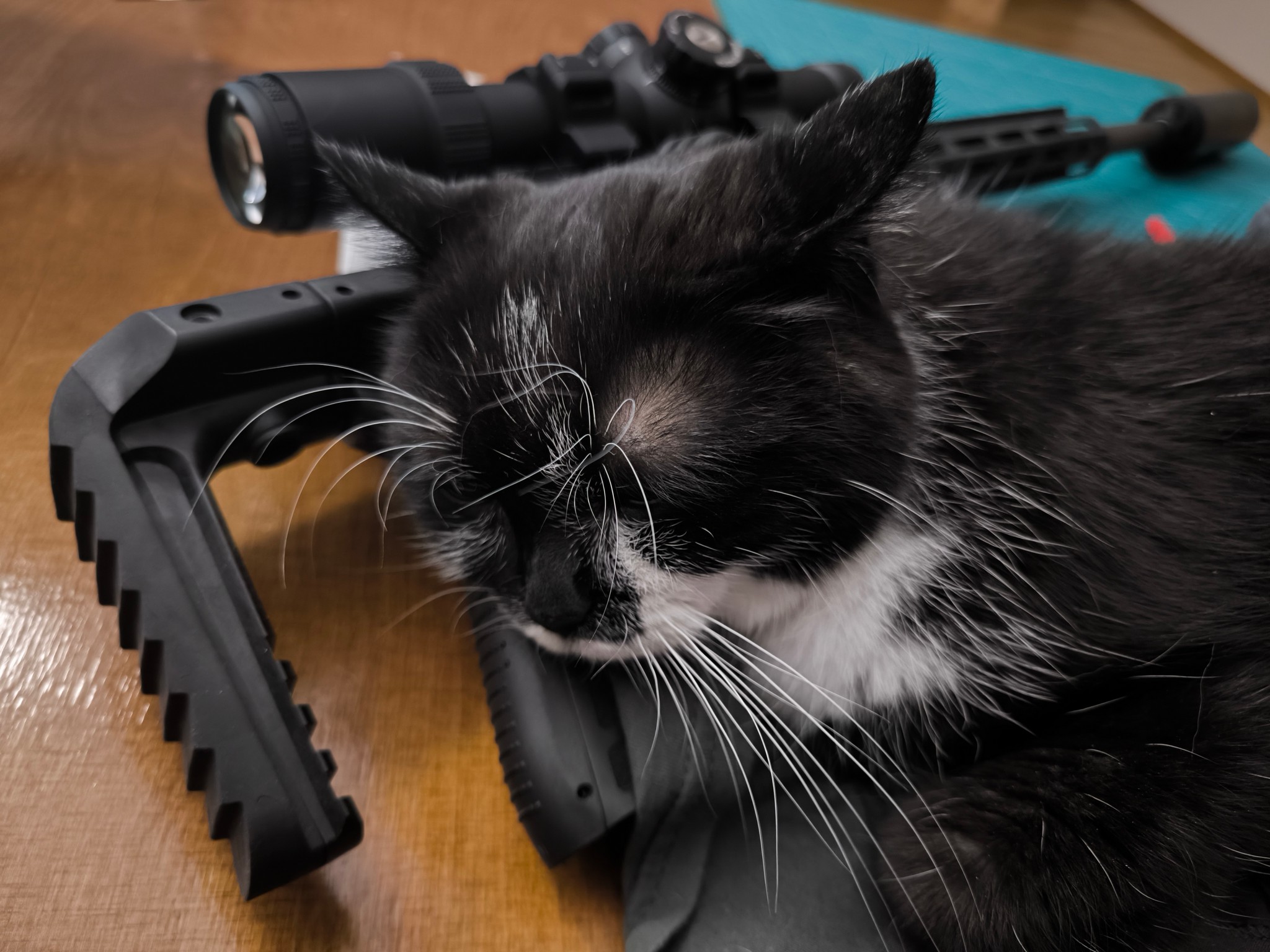
If it suits Wycior, I won’t complain. As you can see, the pistol grip is comfortable
As for me, since I don’t feel like searching for long-distance ranges, prefer shooting over traveling to the range, and because I’m also a hunter, I would choose the Kalashnikov caliber again. And maybe also because 7.62×39 mm hits harder than .223 Remington…
We would like to thank CZ for providing the 600 Trail rifle (7.62×39 mm) for testing. The distributor of CZ firearms in Poland is Hubertus Chodzież.
This article contains product placement of items supplied by the strzelse.pl store:
- Discovery Optics ED-AR 1–8×24 SFIR FFP MRAD LPVO,
- Discovery Optics 7075 two-piece mount (34 mm tube, 0.97).
Advertising cooperation. Product tests are conducted independently, and the opinions expressed are solely those of the author. The advertiser has no ability to influence the content of the review.