


















Features of CZ 600 Trail .223 Rem
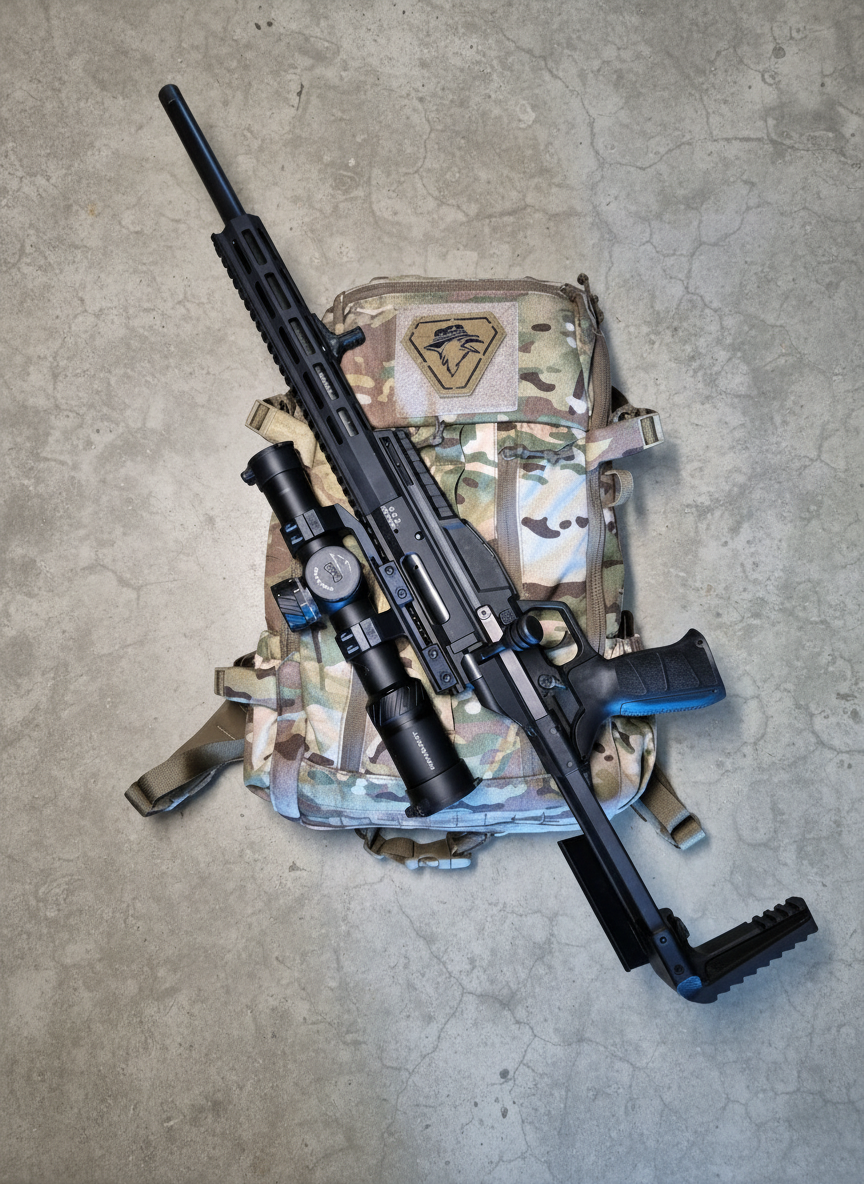
With the stock fully extended, the CZ 600 Trail has dimensions comparable to any other bolt-action rifle with a 16-inch barrel
Our journey with the CZ 600 Trail begins with a look at the carbine’s specifications.
We are dealing here with a cold hammer–forged, 16-inch (406 mm) semi-varmint–profile barrel chambered in .223 Remington, with a 1:7 twist rate. The barrel is finished with an M15×1 thread, which necessitates the use of specific muzzle devices – typically those intended for products from the German defense-industry giant.
Structurally, the carbine is, of course, a bolt-action design, with the bolt handle conveniently positioned on the right side. The manufacturer has not предусмотрed an option for left-handed users.
Interestingly, the controls of the CZ 600 Trail strongly resemble those used on the CZ Bren 2, and the magazine supplied with the rifle appears identical to the one included with the Bren (that is, AR-15–pattern standards, editor’s note).
The upper receiver is made of aluminum and fitted with a 15.3 cm Picatinny rail. Remember this figure; we will come back to it a bit later.
The rail transitions seamlessly into the top rail of the 10-inch aluminum, octagonal handguard, whose remaining seven faces are equipped with M-LOK–standard attachment slots.
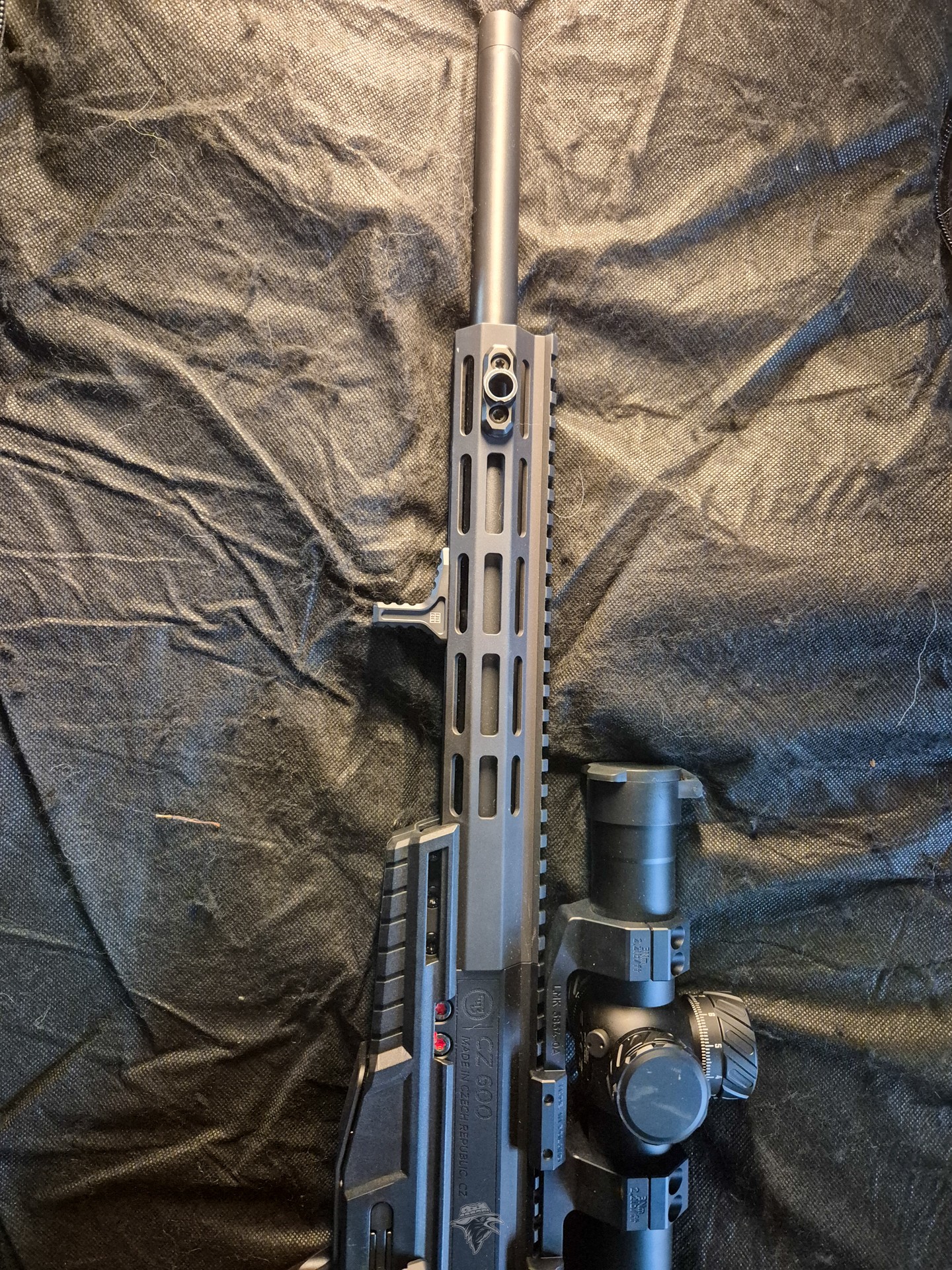
The metal, octagonal handguard is very slim, yet it features plenty of M-LOK slots – in case someone feels the urge to add weight to the rifle after all. In my test sample, I limited myself to mounting a QD sling point and a lightweight FTCS handstop.
The rifle’s stock assembly is made of polymer. The magazine well reveals the option of swapping inserts should one plan to change the barrel to a different caliber (currently available are 7.62×39 mm and .300 BLK), and it also allows the use of any AR-15–standard pistol grip. The trigger guard is non-removable, but its size does not hinder use with gloves.
Both the safety selector and the magazine release, following the pattern used on the Bren 2, are ambidextrous controls, which is an interesting design choice for a bolt-action rifle.
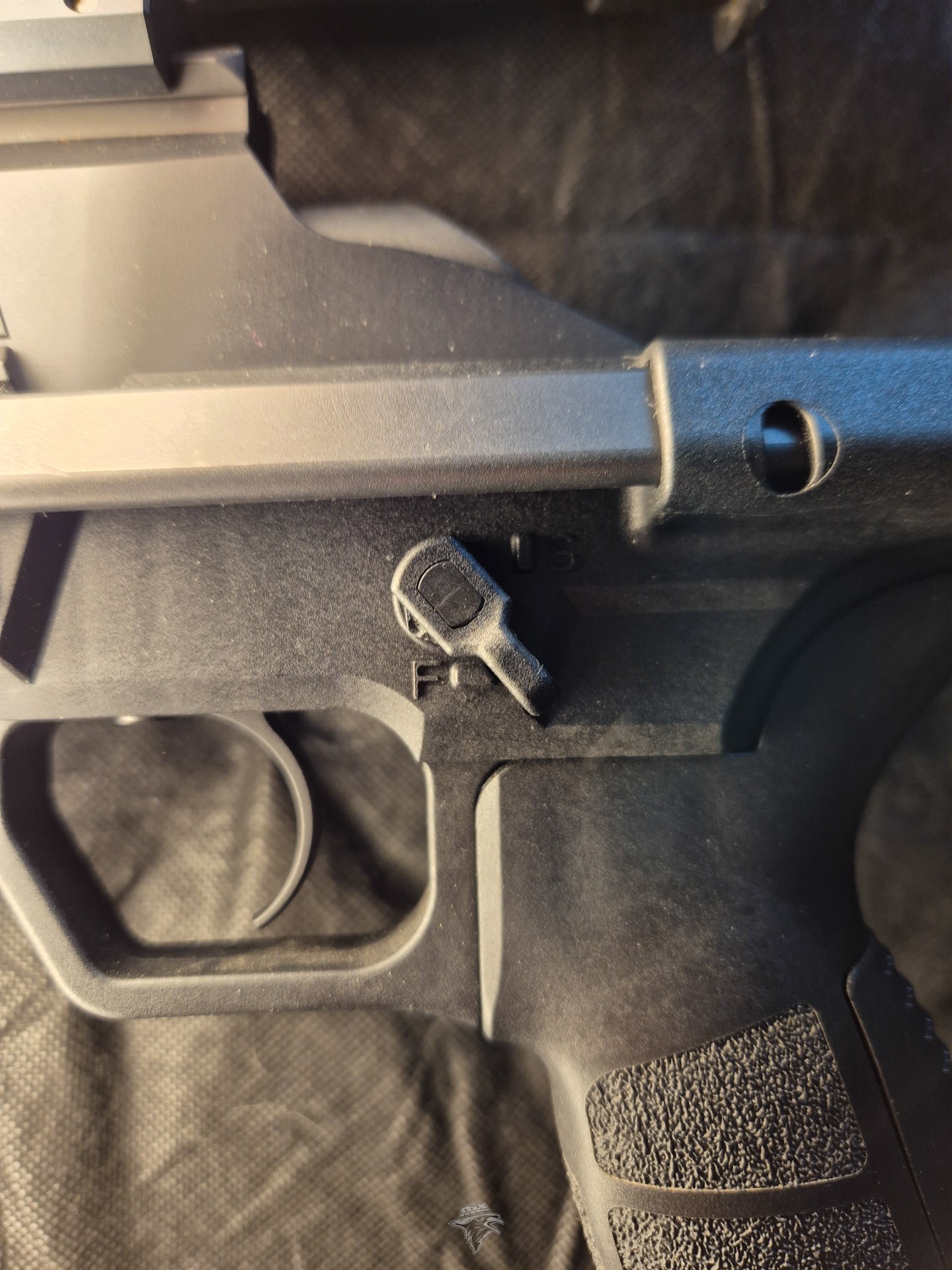
Bren users are well familiar with this 45-degree safety selector
The PDW-type stock – derived from short personal-defense designs popular with pilots and vehicle crews – allows the rifle to maintain very compact dimensions.
When collapsed, it protrudes just 6 cm beyond the rear of the receiver; when extended, it measures 30 cm in length. The stock lock is operated by a button in the guide rail and secures the stock only against collapsing. It can always be extended, with no option to lock it in a specific intermediate position. As a result, when the stock is not fully extended, cycling the bolt causes it to extend to full length. It has to be said: this is a design nonsensical choice.
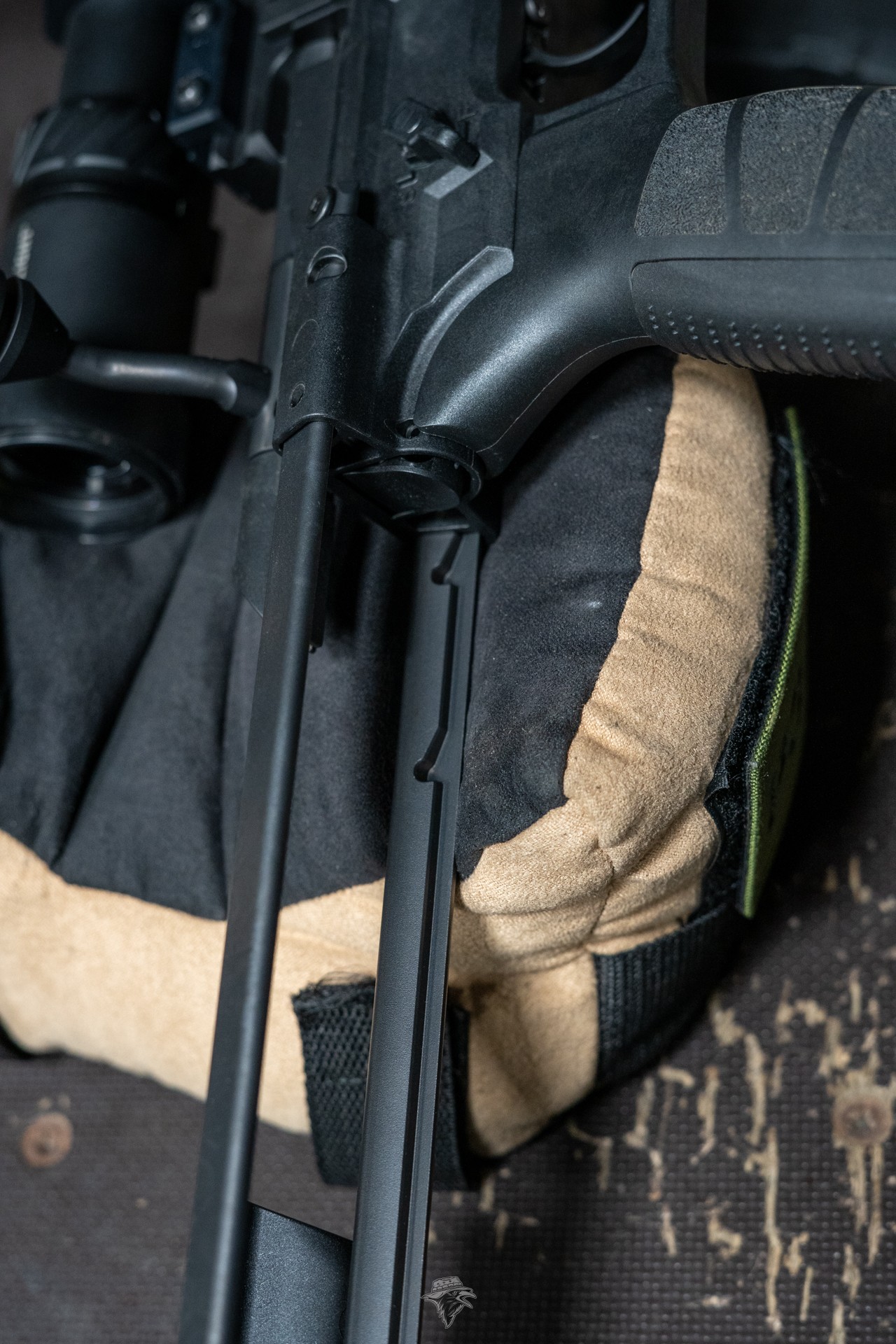
The visible machined notches on the stock do lock it in specific positions, yet still allow it to be extended in a single motion. I don’t understand this design decision
We’re shooting the trail rifle!
The rifle’s specifications suggest that we can expect very good accuracy. And indeed, a semi-varmint barrel is a guarantee of precision, albeit with certain caveats.
To test the rifle, I visited several shooting ranges, engaging targets at distances from 50 to 350 meters. Knowing that a 1:7 twist often does not favor lightweight ammunition, I deliberately chose a broader-than-usual range of bullet weights for the tests. The results below were obtained at a distance of 100 meters, shooting from a seated position, with support provided by a backpack and a PRS bag. I intentionally avoided creating laboratory-like conditions, because that is not what the 600 Trail is meant for.
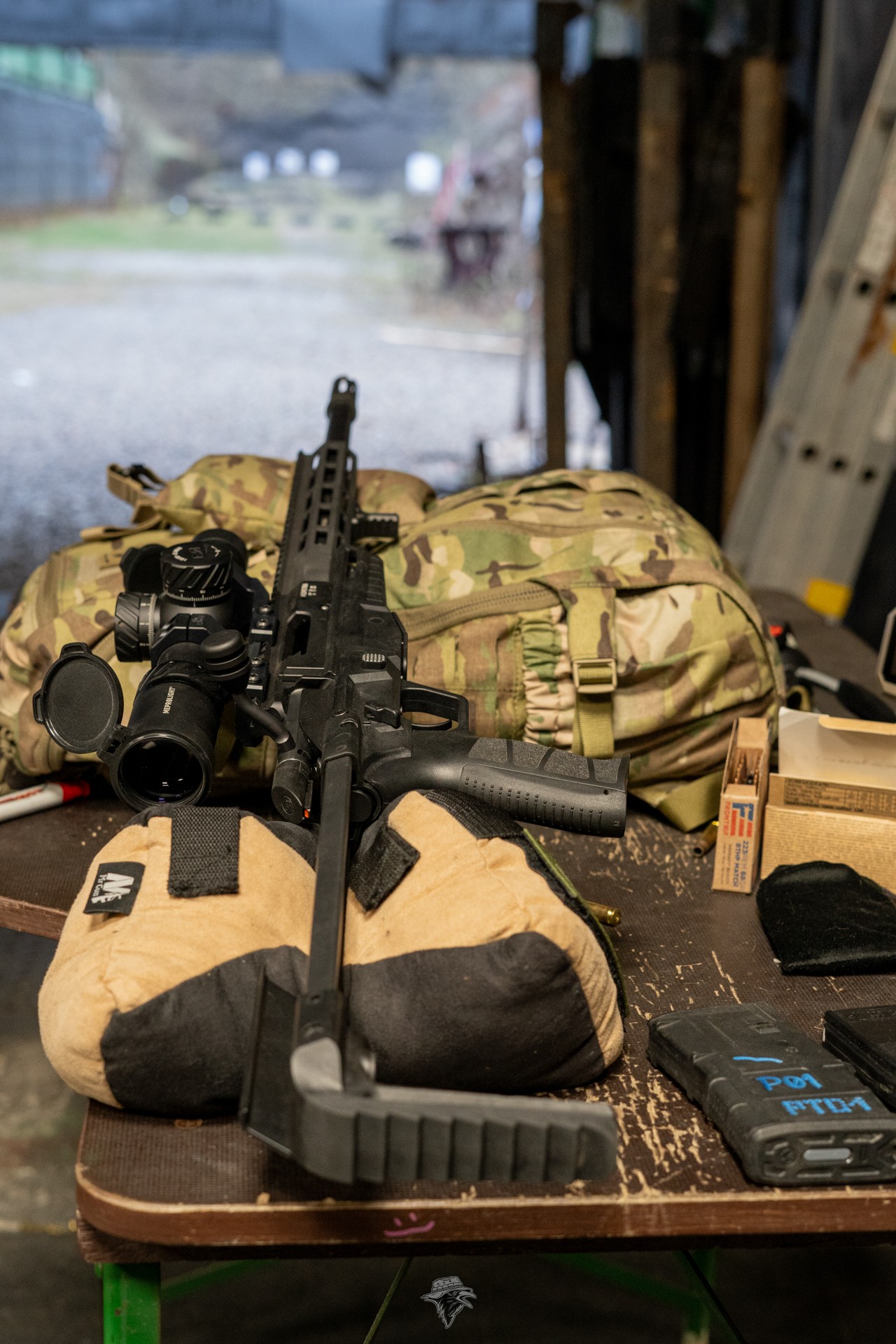
Ammunition testing required a somewhat more stable environment, but I still did not want to resort to laboratory-style conditions
Unsurprisingly, 55-grain S&B and GGG ammunition produced groups of around 5 MOA. This is a very poor result, but one that is predictable given the twist rate. I also assume another contributing factor, which I will share with you at the end of this section.
The 62-grain GGG loads reduced the group size to about 2 MOA, which I consider a very good result given the shooting conditions. Interestingly, using heavier and more precise Hornady Frontier 68-grain BTHP ammunition did not improve the grouping, only slightly shifting the point of impact.
Having tested the CZ 600 Trail over the past few months, I believe that the rifle’s specific ergonomics have a significant influence on shot grouping.
What Is the CZ 600 Trail Like to Use?
The CZ 600 Trail is a rifle full of contradictions. Its designers’ core assumptions, compactness and ease of carry, are executed very well. No matter how you look at it, it’s hard to find real competition, even among full-fledged rifles.
That said, the ergonomics of the CZ 600 Trail leave much to be desired.
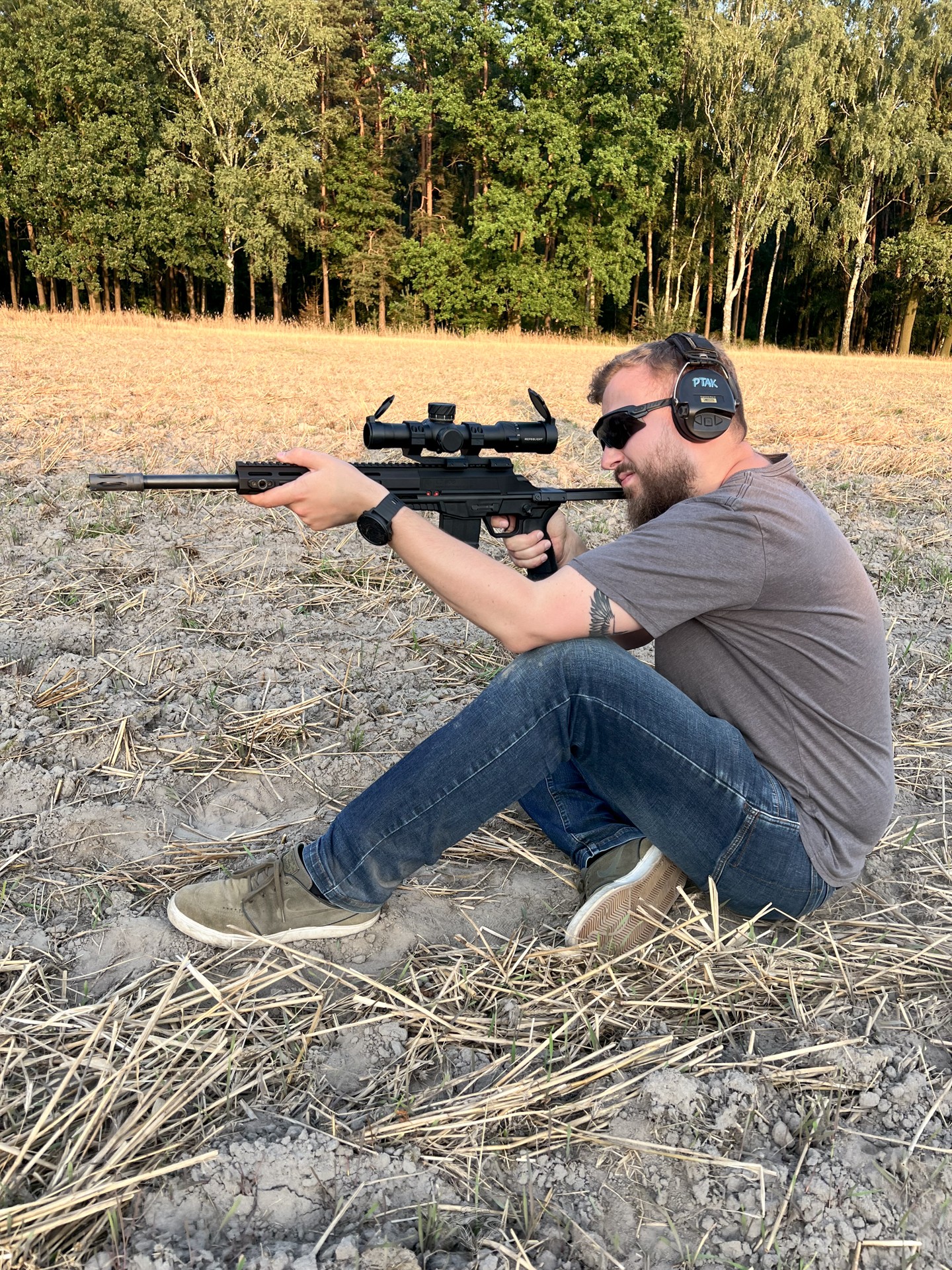
Several months with the CZ allowed me to test it in many conditions, sometimes quite spartan. Here, I’m shooting at a metal target roughly 200 meters away, sized at about a 1:2 bust silhouette. You can also see the specific, and very uncomfortable, finger placement on the trigger.
The adjustable two-stage trigger allows very easy switching between pull weights of 900, 1,100, 1,400, and 1,650 grams (measured values, not factory specs). An additional adjustment screw hidden inside the trigger shoe allows the user to set the pre-travel – that is, the distance the trigger must move from its starting position to the so-called wall. Adjustment can be carried all the way to an extreme setting, where the trigger effectively becomes single-stage, breaking almost immediately at the start of travel.
The trigger shoe has a classic crescent shape, but this is where problems begin – at least for shooters with long fingers. The factory pistol grip, combined with the trigger shape, causes the finger to operate in a very uncomfortable plane. The issue can be mitigated by installing a pistol grip with a different angle or size, but the out-of-the-box setup is somewhat frustrating.
The PDW stock used by the manufacturer makes the rifle extremely compact when collapsed. However, during firing it does not provide adequate stability. The “cheek pad” is very uncomfortable and offers little support for the shooter, which becomes particularly problematic in the prone position. Suffice it to say, I used a PRS bag several times as an improvised cheek rest just to achieve a better position for a precise shot.
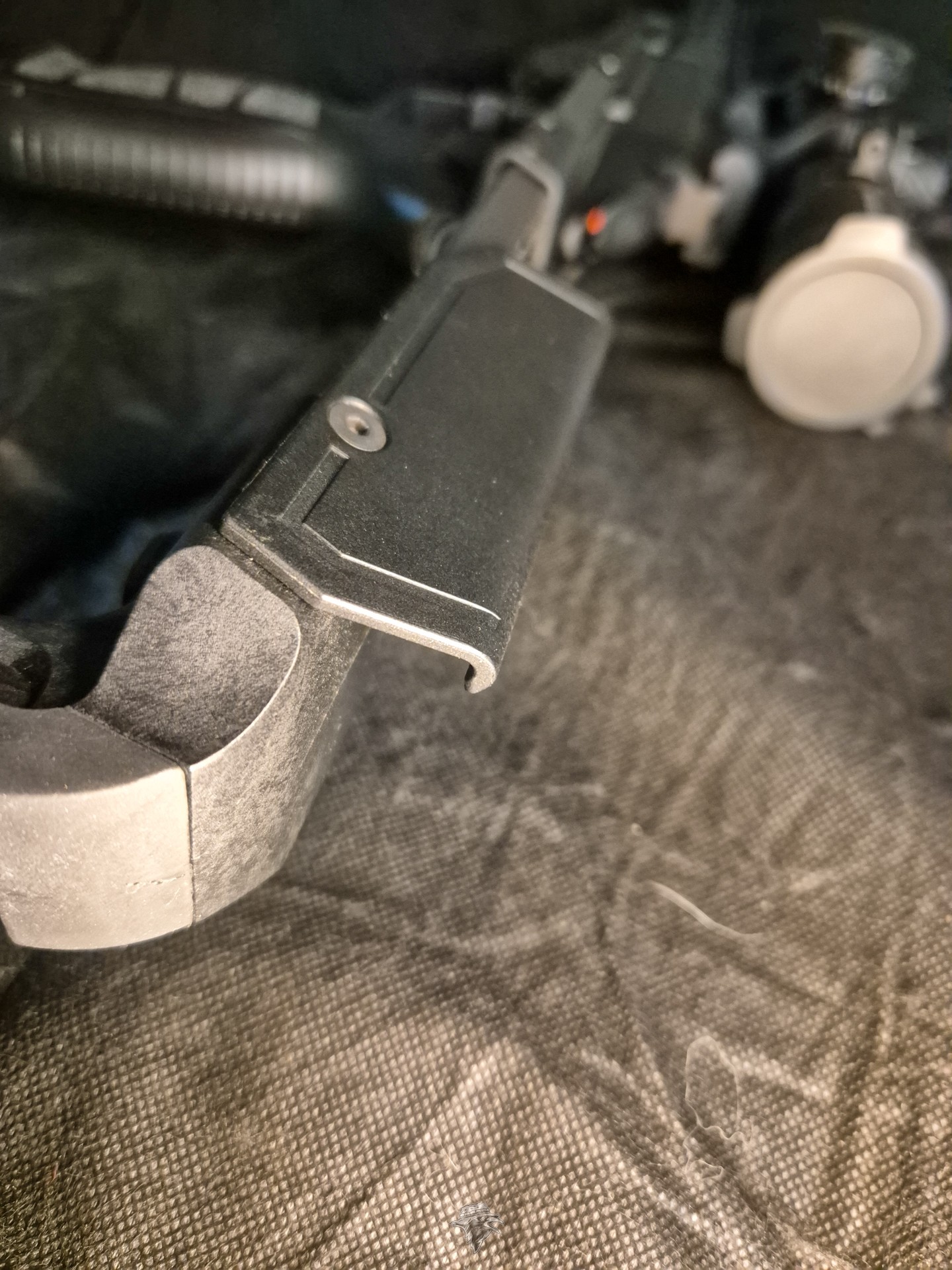
The cheek rest is so low-profile that it is practically unusable. Only when shooting from a standing position does it provide any support at all for the jawbone
While the bore line sits a reasonable 2.7 cm below the Picatinny rail, allowing the use of optics mounts as low as 1.54 inches, the aforementioned telescoping stock sits noticeably lower. Combined with the uncomfortable cheek pad, this makes achieving a proper cheek weld one of the least pleasant aspects of using the CZ 600 Trail. Aside from these issues, which can be addressed with aftermarket components, the overall ergonomics are acceptable.
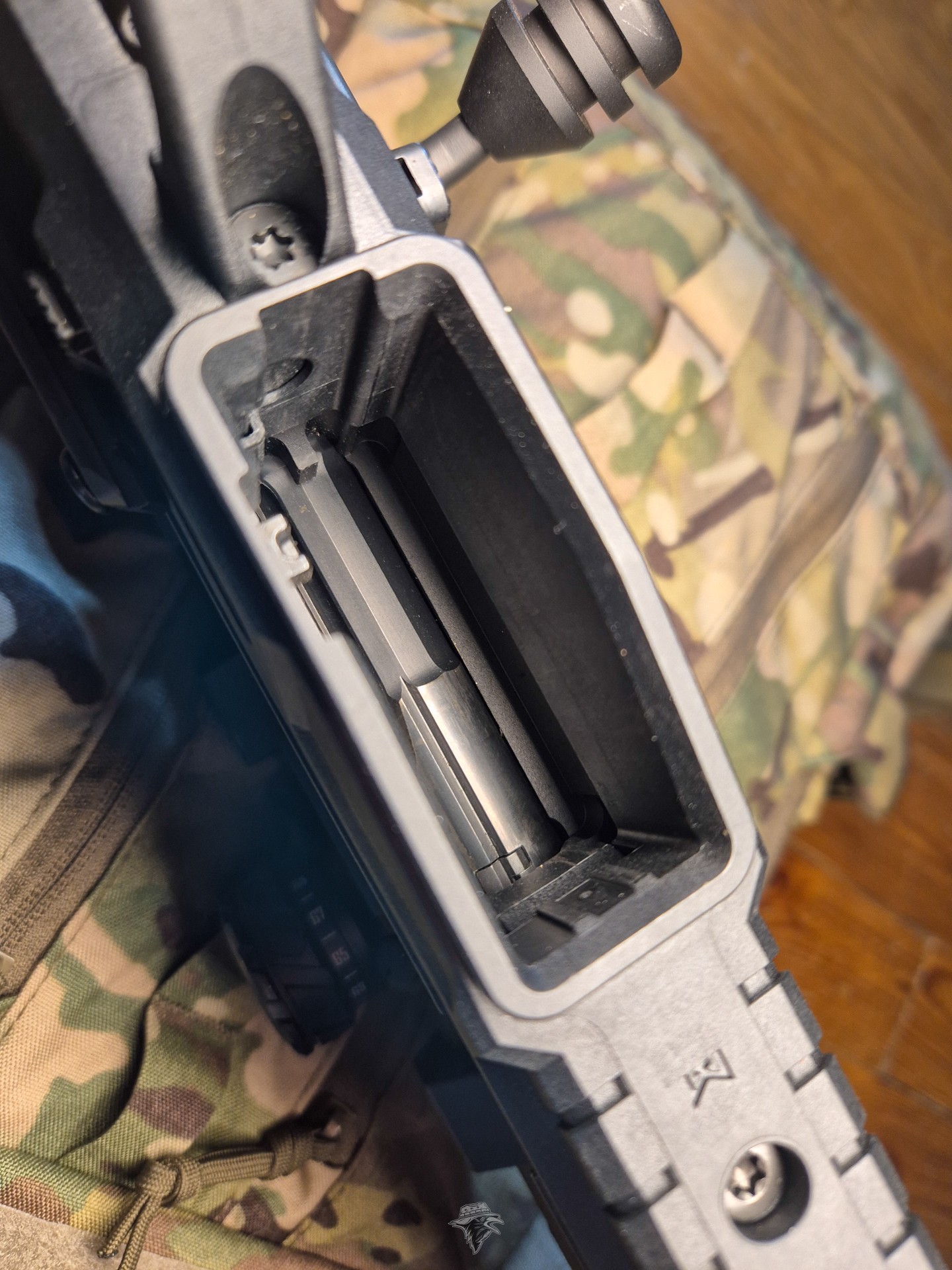
The polymer magazine insert allows for quick changes if the barrel is swapped for a different caliber
The bolt operates with slight resistance but does not produce any unexpected malfunctions. A significant advantage here is the controlled-feed system, which in practice means that the extractor claw engages the cartridge rim slightly earlier than in classic designs, making cycling the rifle easier even under difficult conditions.
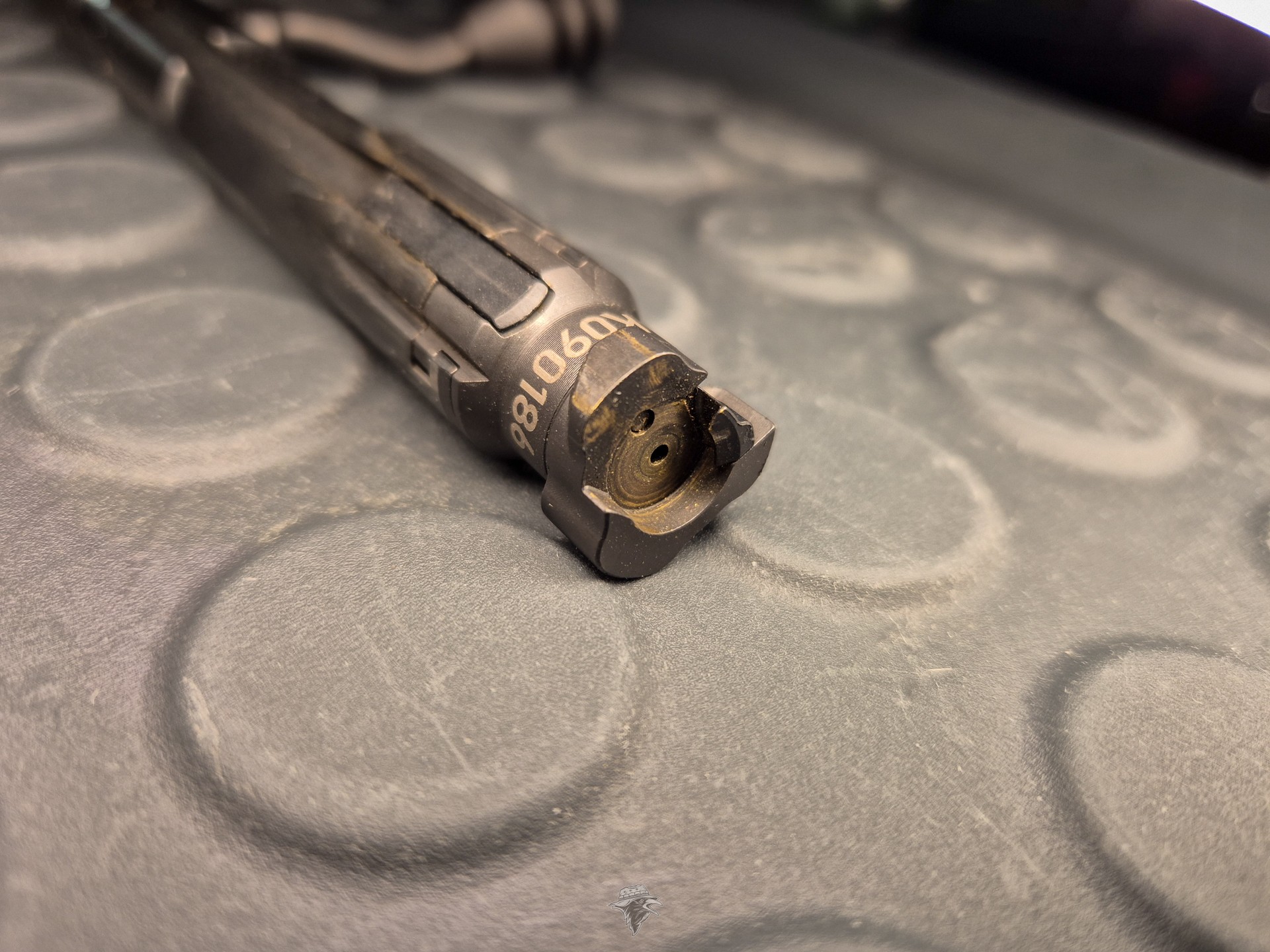
The bolt assembly is a simple, well-known design taken directly from the CZ 600 family
With the factory muzzle setup – or rather, effectively none at all, since the rifle is supplied only with a thread protector – the carbine presents no issues with recoil control, despite the system’s low overall weight.
Adding a B&T Birdcage–type muzzle device on the M15×1 thread further reduced the mild muzzle rise and, more importantly, allowed me to mount a Rotex A2 suppressor, which quiets the rifle to a level that permits comfortable use without hearing protection. Convenient, and perfectly in line with the Trail philosophy.
Interestingly, the design allows for very rapid fire, especially when using non-magnified optics. The bolt operates confidently, and the trigger placement is such that the internet is full of videos showing the 600 Trail being fired almost like a semi-automatic rifle.
The trick involves using the middle finger on the trigger, while the thumb and index finger operate the bolt handle. I tried shooting this way, and while it’s not the easiest technique with a scope, mainly due to losing the scope’s eyebox, it becomes quite enjoyable after a bit of practice, especially when shooting steel, which then rings like a first-rate orchestra.
Field-stripping the rifle for cleaning is a simple and satisfying process. The bolt can be removed in a single motion by pressing the latch on the right side of the receiver, and disassembly is carried out using the plastic wrench included in the kit. It’s clear that the CZ 600 series is a proven and well-thought-out design.
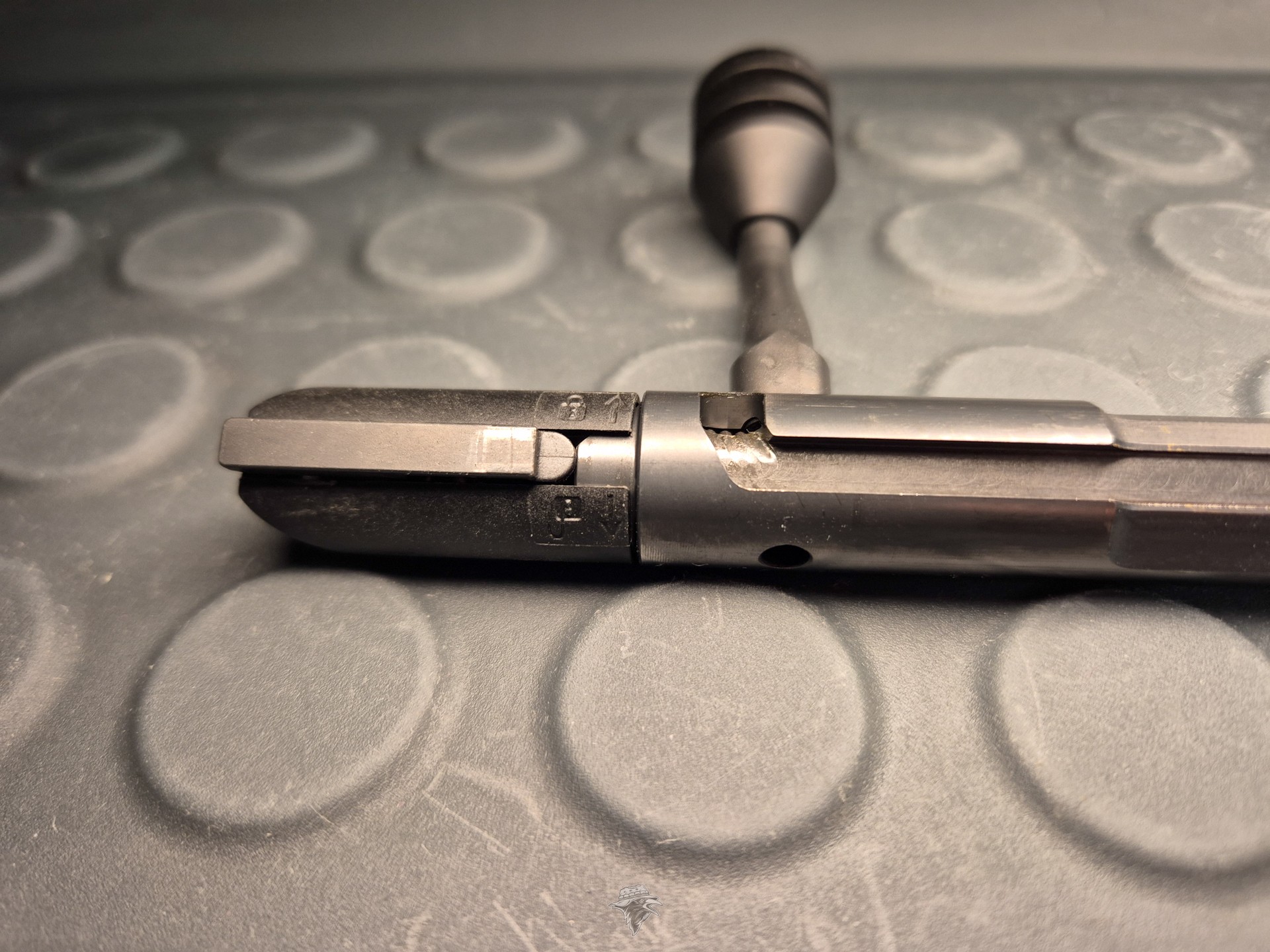
The bolt is disassembled using the dedicated tool
The CZ 600 Trail has its positives, and its negatives. But what matters is how light it is!
Shooting the CZ 600 Trail encourages experimenting with unconventional positions. The rifle’s light weight continues to surprise during firing, even when an optic is mounted.
For the test shooting, I installed a Meprolight MVO 1–8×24 scope on a mount from the Polish manufacturer Lambda Precision. This setup is quite heavy in itself, almost a kilogram, but when paired with the lightweight CZ 600 Trail, it did not cause any issues. Ultimately, however, I would definitely opt for a different, likely lighter, optic for this rifle.
The CZ 600 Trail is a rifle for people who are looking for exactly this type of design
It will not replace a semi-automatic firearm, nor will it fill the role of a precision long-range rifle. However, its compact design, low weight, and bias toward use in harsh conditions make it, for some shooters, an unmatched carbine, one that may be carried more often than fired, yet still delivers enjoyment with every kilometer on your back, while also allowing for plenty of fun at shooting ranges and sporting competitions where chasing top scores is not always the goal.
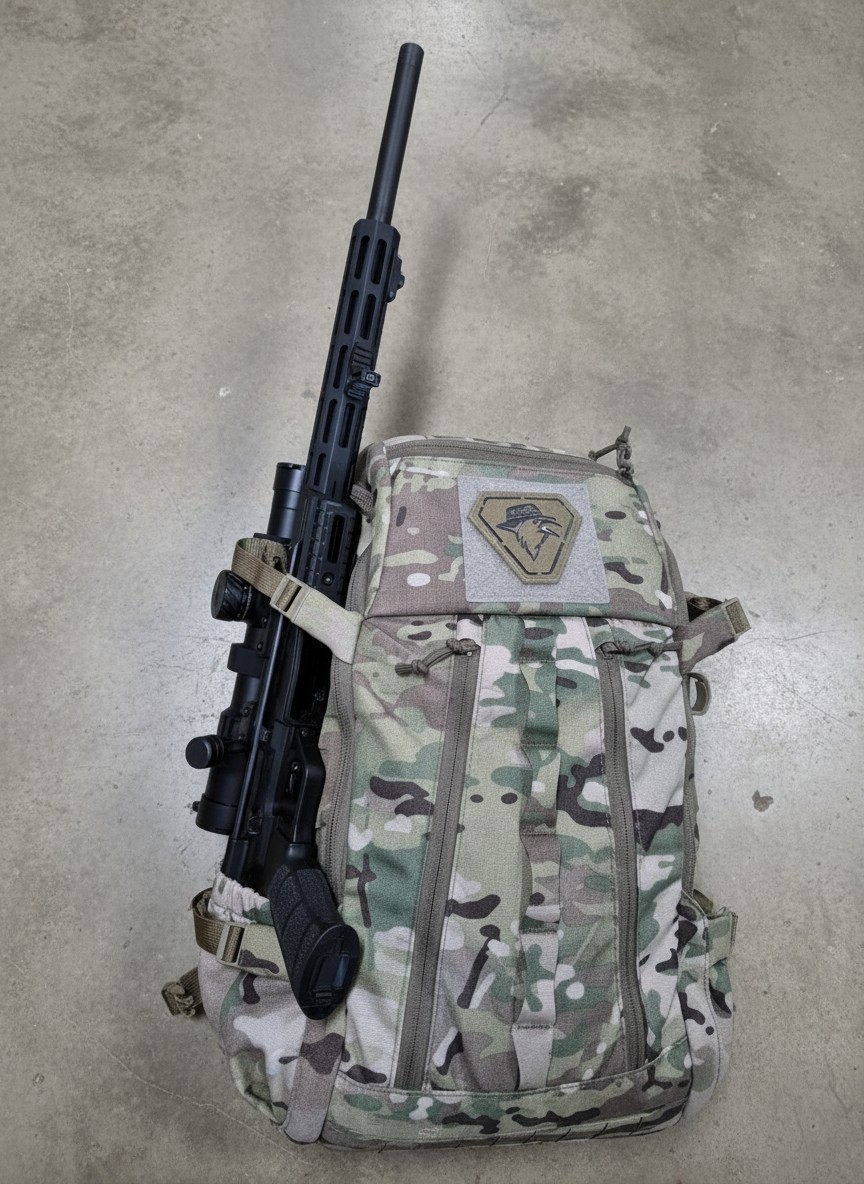
Once folded, it can be carried comfortably even in a backpack as small as the Direct Action Halifax Small
I don’t know about you, but I like indulging my whims and dreams.
We would like to thank CZ for providing the CZ 600 Trail rifle in .223 Remington for testing. The distributor of CZ firearms in Poland is Hubertus Chodzież.
This article contains product placement of the following items:
Advertising cooperation. Product tests are conducted independently, and the opinions expressed are solely those of the author. The advertiser has no ability to influence the content of the review.