




















On Tuesday, April 28, 2026, the Ministry of Defence of the Russian Federation announced via its official Telegram channel that, for the first time, this year’s Victory Parade marking the 81st anniversary of the victory over the Third Reich and the end of the Second World War in Europe would not feature ground vehicles, due to the current operational situation.
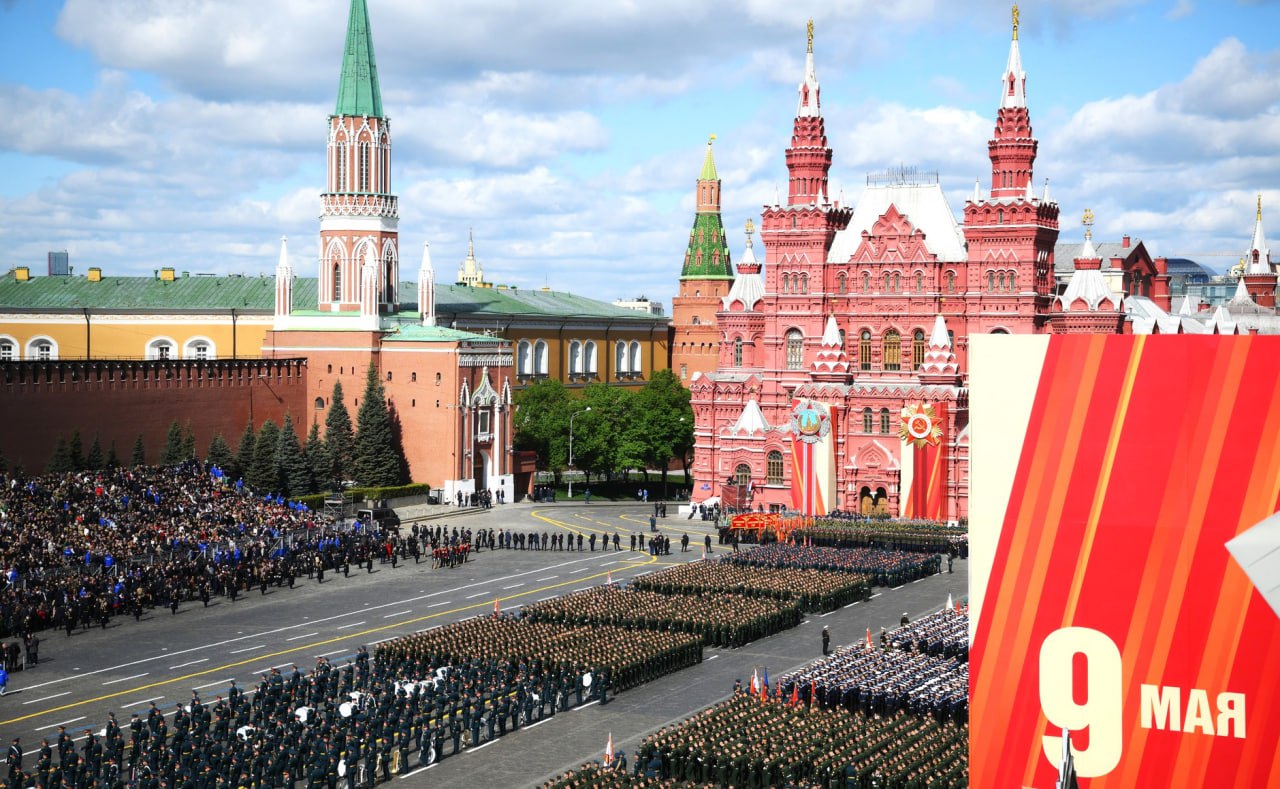 Photo: @Russia via X
On May 9, 2026, a military parade will be held on Red Square in Moscow to mark the 81st anniversary of Victory in the Great Patriotic War.
The marching column in the parade will include servicemen from higher military educational institutions representing all services and separate branches of the Armed Forces of the Russian Federation.
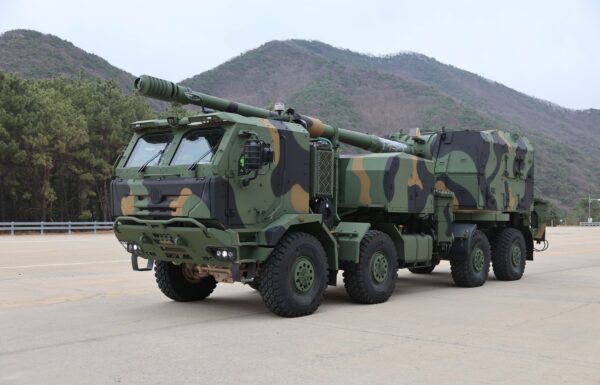
Cadets from Suvorov Military Schools and the Nakhimov Naval School, cadet corps, as well as a column of military equipment, will not take part in this year’s military parade due to the current operational situation.
The parade broadcast will show the activities of servicemen of the Armed Forces from all services and branches who are carrying out tasks in the special military operation zone, as well as those on combat duty and combat service, including crews at command posts of the Strategic Missile Forces, the Aerospace Forces, and aboard Navy ships.
During the aviation segment of the parade, aircraft of Russian aerobatic teams will fly over Red Square, and at the end of the parade, Su-25 attack aircraft pilots will color the Moscow sky in the colors of the flag of the Russian Federation.
Ministry of Defence of the Russian Federation
According to reports, the change to the program will shorten the ceremony from more than an hour to around 40 minutes, while fewer guests are expected to be seated in the stands set up on Red Square. The absence of ground equipment will be the first such case since 2008, when Putin restored the parade to its previous format for the first time since the collapse of the Soviet Union, although the celebrations themselves had resumed in 1995. The year 2020 was also exceptional due to the COVID-19 pandemic, when the celebrations were moved to June 24.
Kremlin spokesman Dmitry Peskov, commenting on the Defense Ministry’s latest decision on April 29, said the reason was the “terrorist threat from Ukraine” – namely, concerns about a drone attack on a column of equipment standing or moving through Moscow. In addition, a broader shutdown of mobile phone transmitters in the capital has been planned. A display of military equipment in St. Petersburg has likewise been canceled (the city hosts the country’s second-largest parade each year, while military marches are usually held in all garrison towns – editor’s note).
Last year, 11,000 troops marched through central Moscow, including 1,500 veterans of the war against Ukraine, and armored and mechanized columns also took part, although the parades have become increasingly modest year by year since the outbreak of the full-scale war. In addition, at the invitation of President Vladimir Putin, 27 leaders from friendly countries came to Moscow at the time, including Chinese President Xi Jinping.
The Second World War, known in Russia as the Great Patriotic War, but only the period after June 22, 1941, when the Third Reich attacked the USSR, is a central historical narrative of President Vladimir Putin’s rule. In his May 9 speeches, he has repeatedly invoked the victory over Nazi Germany to justify the full-scale invasion of Ukraine, calling “the Kyiv regime neo-Nazis” who must be removed from power.