






















On Friday, January 23, 2025, the WB Group announced that the Gdańsk University of Technology had signed a consortium agreement with Radmor for the development of the Pirania inspection vehicle. The new system, based on Polish engineering expertise, is intended to monitor critical underwater infrastructure, including pipelines and telecommunications cables.
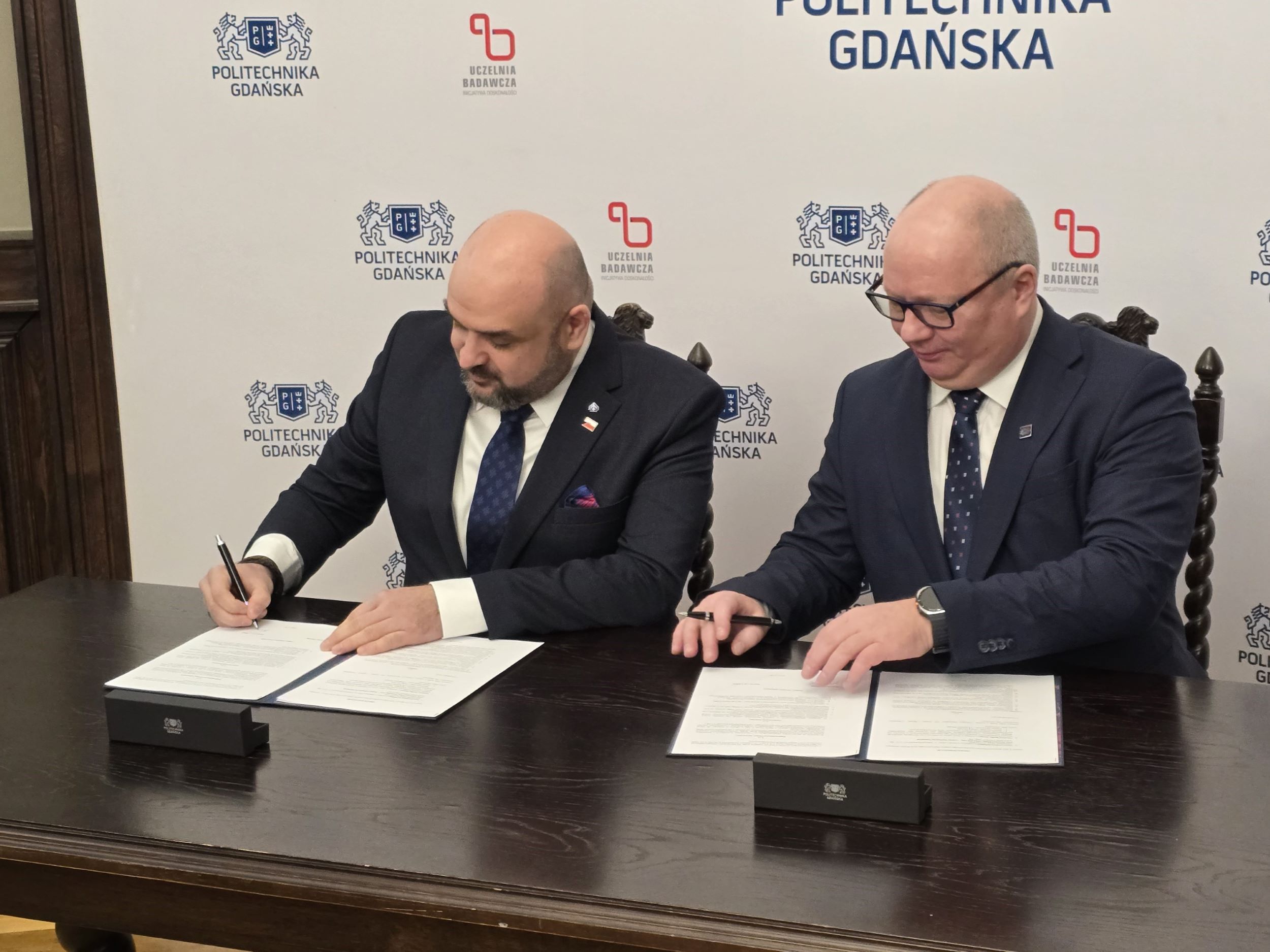 Photos: WB Group
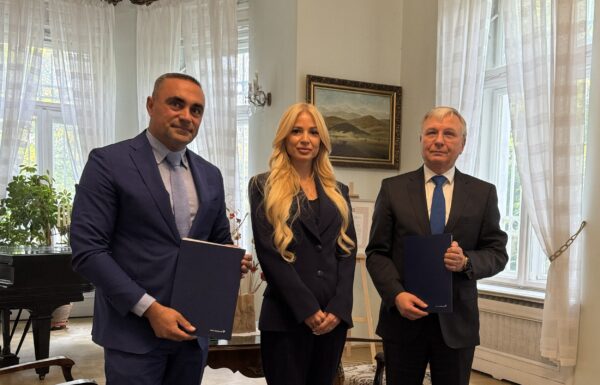
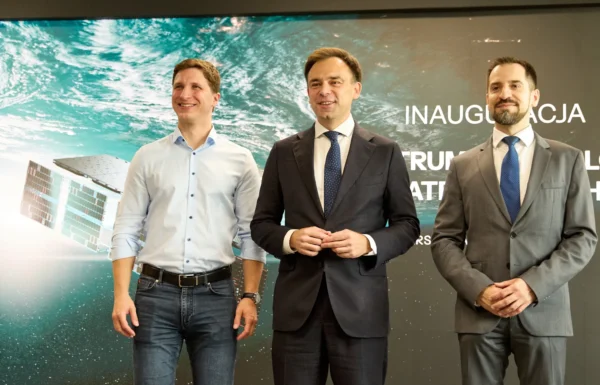
The ceremonial signing of the agreement took place on January 23 in the Senate Hall of the Gdańsk University of Technology. Under the agreement, a prototype of the Pirania vehicle will be developed at the university. The project will integrate the expertise of the university’s designers with systems supplied by Radmor, a leading manufacturer of communications and electronics for the defense sector and the WB Group’s center of competence for maritime unmanned systems.
“As a research university, we want to be not only a center of science and education, but also an active technological hub that provides real support to the Polish economy and defense. The PIRANIA project is an excellent example of the implementation of this strategy. It is another step in strengthening the relationship between the university and the defense industry,” said Professor Krzysztof Wilde, rector of Gdańsk University of Technology, during the ceremony.
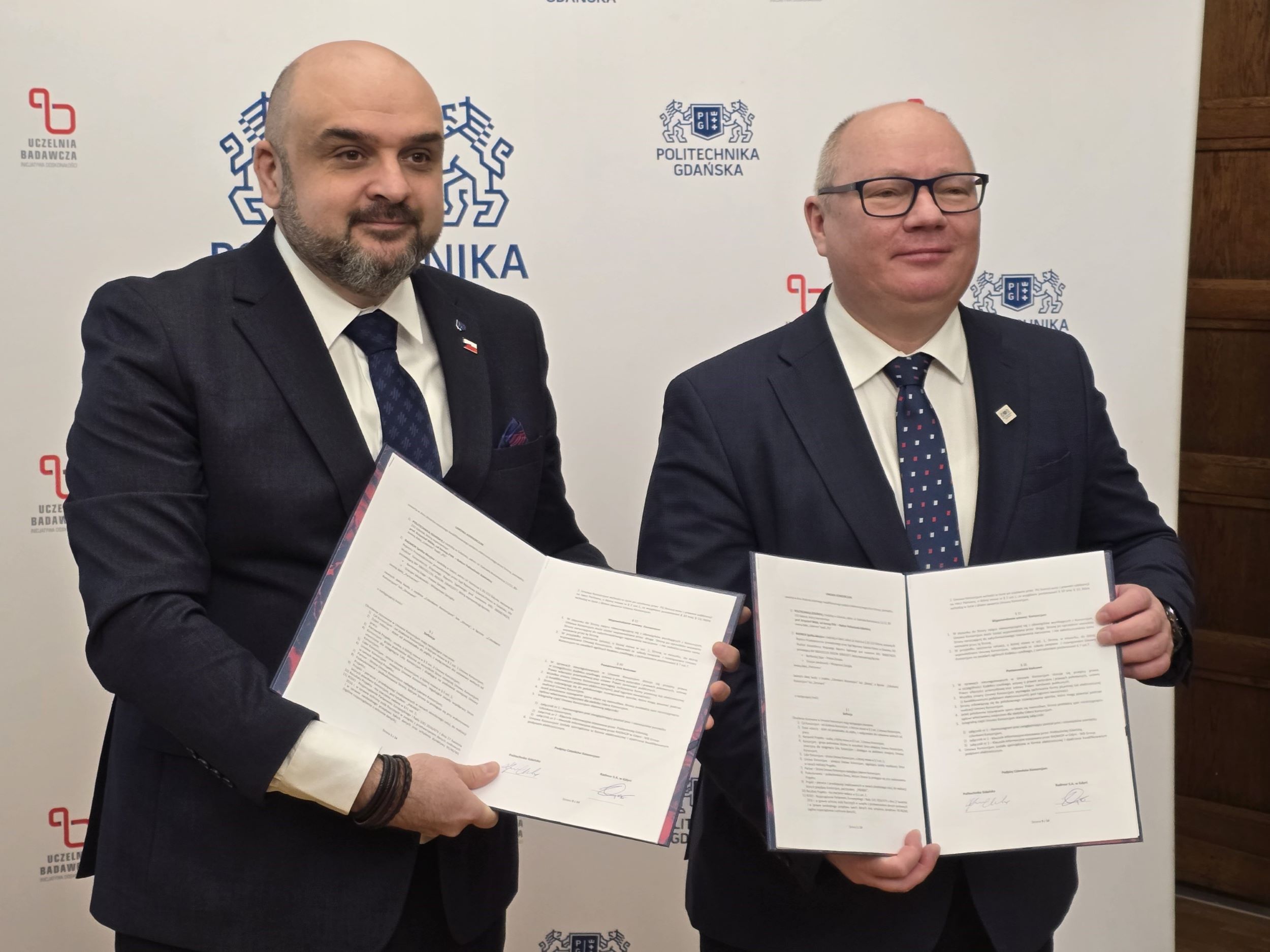
“This is another agreement between GRUPA WB and Gdańsk University of Technology, extending the existing cooperation to new areas related to national security and critical infrastructure protection. This is particularly important when our borders and important facilities are exposed to hybrid attacks and constant pressure,” said Bartłomiej Zając, president of RADMOR.
Technical execution of the project will be carried out by the team from the Deep-Sea Technology Laboratory at the Faculty of Mechanical Engineering and Ship Technology of the Gdańsk University of Technology. A key role in establishing the consortium was played by PG Biznes Hub, the unit responsible for intensifying cooperation between the university, the social environment, and the business community.
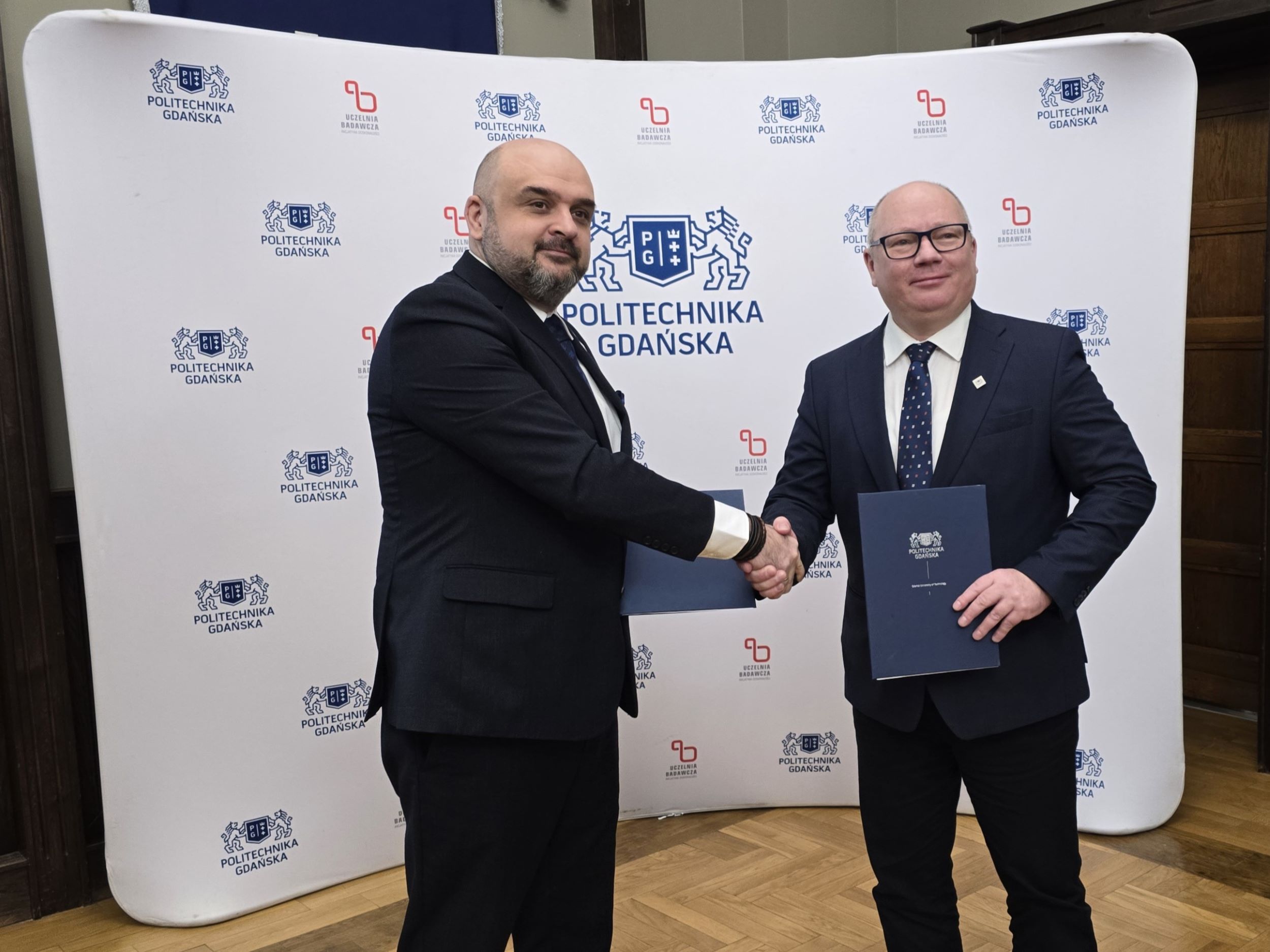
“We have unique expertise in marine engineering. Following the success of our combat systems, the time has come for technologies that protect what is invisible but crucial to the functioning of the state, namely the critical infrastructure of the Baltic Sea. By combining the scientific potential of Gdańsk University of Technology with the capabilities of the WB GROUP, we are creating a new generation of technological shields,” added Professor Krzysztof Wilde.
“I am confident that the modern technologies and technical solutions developed jointly will increase the security of the state. The agreement is an excellent example of building synergy between leading industrial and scientific centers, which will result in systems protecting underwater installations critical to the functioning of the state,” said Bartłomiej Zając.
The selection of the Gdańsk University of Technology was no coincidence, as the university has an extensive portfolio of implemented maritime solutions. Among others, Gdańsk-based teams developed the Głuptak mine countermeasures system for the Kormoran II–class minehunters. Pirania will build on these competencies, shifting the focus from mine neutralization to continuous monitoring and preventive protection of subsea pipelines and fiber-optic cables.
Press release
See also:
