























On Wednesday, May 6, 2026, the U.S. Department of Defense announced that Joint Interagency Task Force 401 had identified five military bases selected this year for a pilot program to strengthen the protection of critical infrastructure against threats from unmanned aircraft systems using high-energy laser weapon systems (HELWS) and high-powered microwave (HPM) weapons as part of counter-unmanned aircraft systems (C-UAS) capabilities.
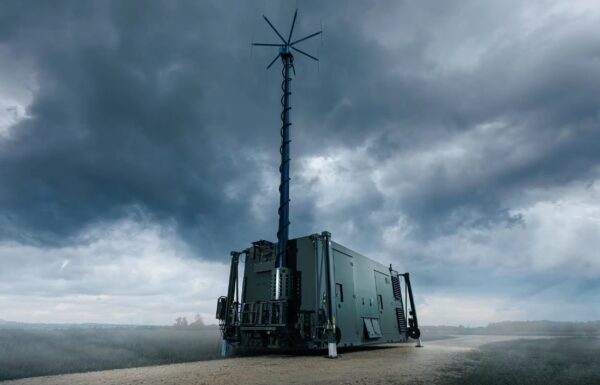
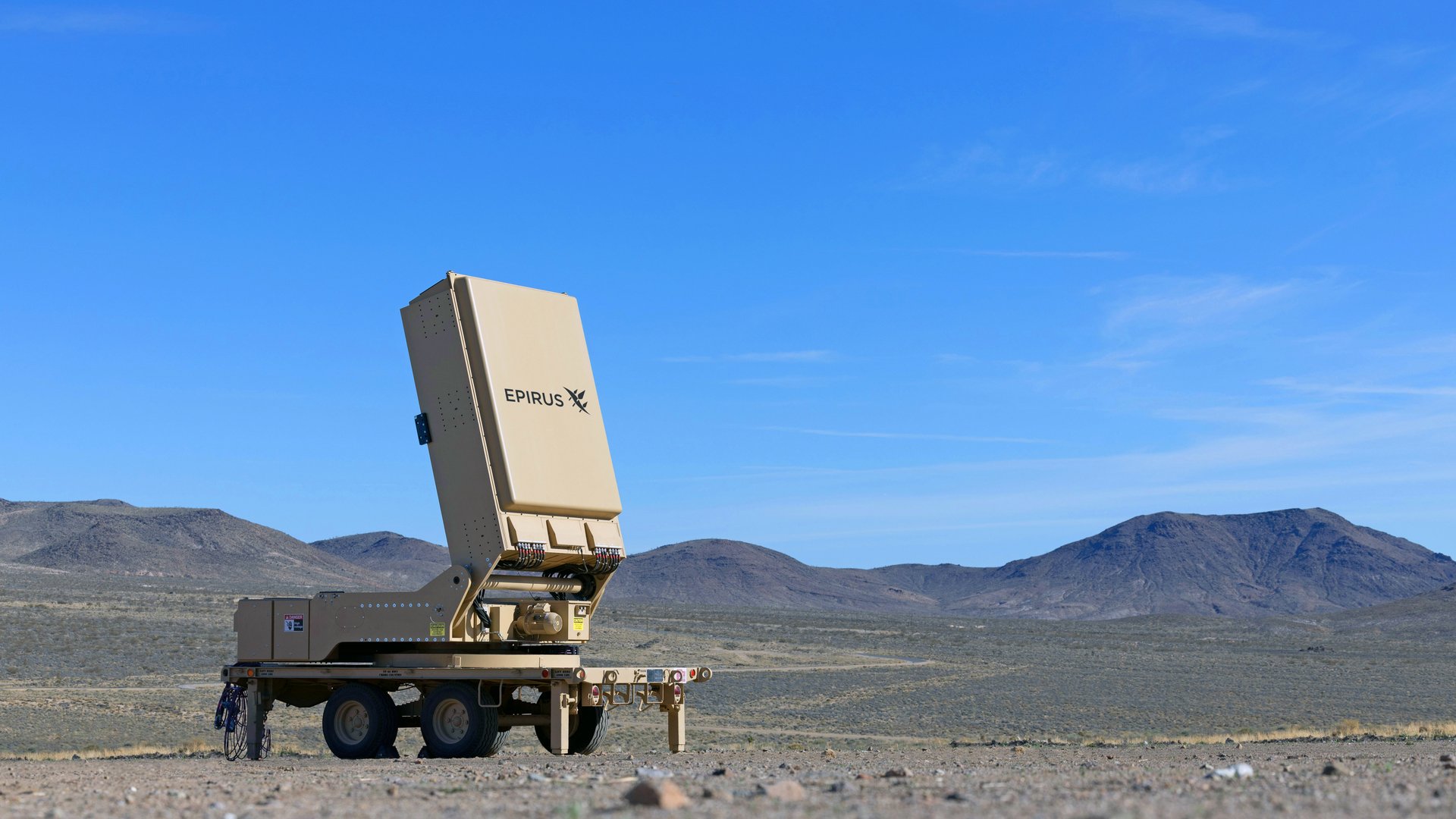 System generowania impulsu elektromagnetycznego i wiązki impulsu mikrofalowego Epirus Leonidas, zamówiony dla US Army / Zdjęcie: Epirus
Finansowanie programu pilotażowego odbywa się z funduszy pochodzących z budżetu obronnego w ramach ustawy federalnej NDAA na rok fiskalny 2026 (National Defense Authorization Act Fiscal Year 2026).
Ta inicjatywa przyspieszy wdrażanie i ocenę zaawansowanych zdolności w zakresie energii skierowanej w celu ochrony krytycznej infrastruktury, instalacji wojskowych i działań na terytorium USA. Lokalizacje zostały celowo wybrane, aby umożliwić rygorystyczne testy i oceny operacyjne w zróżnicowanych środowiskach i zestawach misji.
Obejmują one kluczowe instalacje na południowej granicy: Fort Huachuca w Arizonie i Fort Bliss w Teksasie, a także bazę morską Kitsap w stanie Waszyngton, bazę sił powietrznych Grand Forks w Dakocie Północnej i bazę sił powietrznych Whiteman w stanie Missouri.
“Countering unlawful and adversarial drone activity is a homeland defense imperative,” said Army Brig. Gen. Matt Ross, Joint Interagency Task Force 401 director. “There is no ‘silver bullet’ to address this challenge, and this pilot program integrates cutting-edge technology into the department’s broader counter-drone toolkit.”
These capabilities, including high-energy laser and high-powered microwave systems, are among the many counter-unmanned aircraft tools used as part of layered defense. The technology enables service members to disrupt and neutralize illegal or hostile drone activity while minimizing risk to nearby personnel and infrastructure.
The pilot program, developed in close coordination with the services, U.S. Northern Command (USNORTHCOM), and the Federal Aviation Administration (FAA), builds on several recent milestones that have contributed to the safe use of directed-energy systems in the United States. These include:
- A joint military and FAA demonstration at White Sands Missile Range in New Mexico, which confirmed that these systems do not pose an undue risk to passenger aircraft.
- The use of operational systems to support missions along the southern border.
- A recent military and FAA safety risk assessment that established procedures for future use to protect the nation’s airspace.
“Our collaboration with the FAA and the successful demonstration at White Sands were pivotal steps forward in our counter-UAS efforts,” said Army Col. Scott McLellan, deputy director of the task force. “We showed that directed-energy systems can counter drone threats while preserving the safety of air travelers. This pilot program now allows us to translate that progress into evolving operational capability for the homeland.”
Over the next 180 days, the Department of Defense will finalize deployment plans with installation commanders, enabling operations to begin later this year.
See also: