






























On Thursday, July 23, 2026, the Indian Ministry of Defence announced the completion of development work on the country’s first domestically developed expendable turbojet engine, designated ETJE, in the 350 kg-thrust class. The engine was developed by the Gas Turbine Research Establishment, a research institute operating under the government-run Defence Research and Development Organisation.
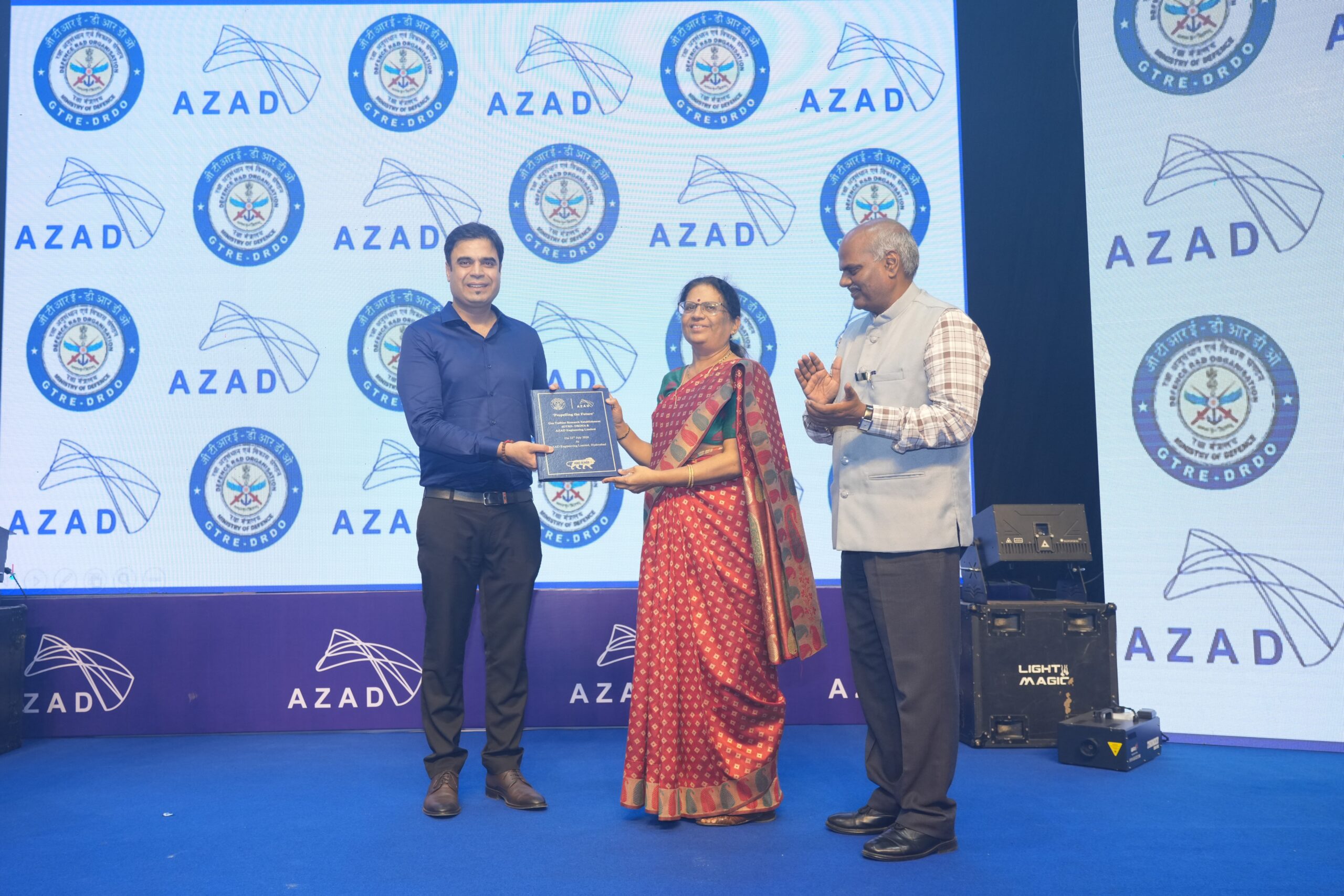 Photo: Indian Ministry of Defence
GTRE selected Hyderabad-based Azad Engineering as its industrial partner for the manufacture and assembly of the engine. On July 22 this year, the engine was successfully manufactured and delivered to GTRE by Azad Engineering, marking a major milestone for India’s aerospace and defense ecosystem. The delivery represents the culmination of years of precision engineering, advanced manufacturing, and close cooperation between India’s scientific and industrial communities.
Turbojet engine technology, mastered by only a small number of countries, is widely regarded as one of the world’s most advanced fields of engineering, requiring exceptional precision, sophisticated metallurgy, and uncompromising manufacturing standards. The delivery of such a complex system based on a DRDO design reflects the growing technological capabilities of India’s defense industry.
The prototype engine was formally handed over by Azad Engineering Chairman and CEO Shri Rakesh Chopdar to Dr. K. Rajalakshmi Menon, Director General for Aeronautical Systems, and Dr. S. V. Ramanamurthy, Director of GTRE.
Defence Secretary and Secretary of the Department of Defence Research and Development and DRDO Chairman Shri Rajesh Kumar Singh praised the partnership between GTRE and industry, which played a key role in transforming the vision into a historic milestone.
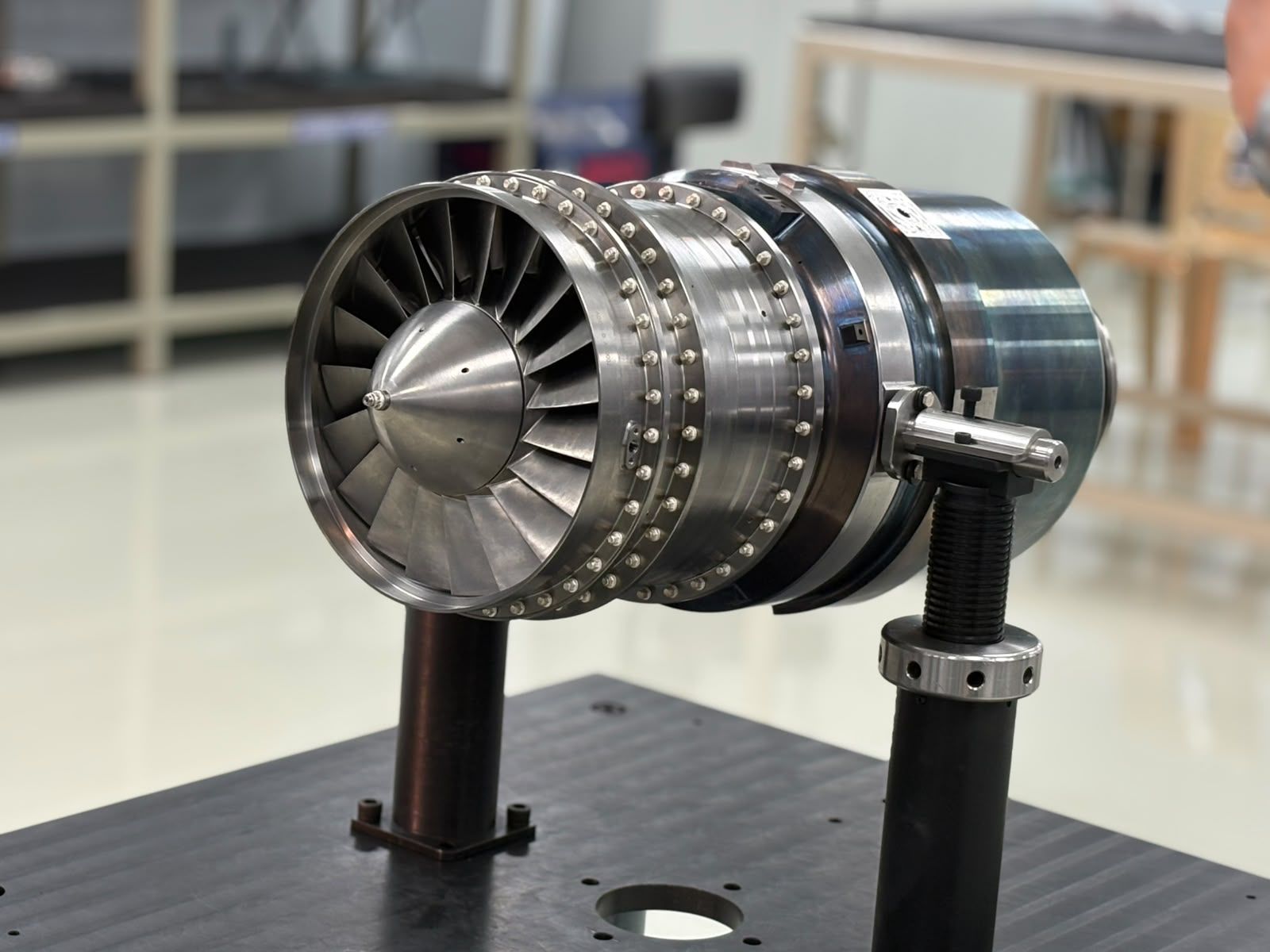
The ETJE 350 turbojet engine can be used to power short- and medium-range cruise missiles, anti-ship missiles, unmanned aircraft, long-range kamikaze drones, and other combat platforms that do not require high thrust and are designed for one-time use. The engine therefore does not need to be recovered, repaired, or reused. This allows it to be manufactured more cheaply and quickly, with less demanding service-life requirements, as it does not need to withstand thousands of operating hours like an aircraft engine.
India is also developing other military aviation propulsion systems in parallel. On January 9 this year, it was reported that the Defence Research & Development Laboratory in Hyderabad, Telangana, which operates under DRDO, had conducted further ground tests of a subscale scramjet engine technology demonstrator.
The objective of the project is to develop a full-scale scramjet engine to power a hypersonic cruise missile capable of sustained flight at speeds exceeding Mach 5, or more than 6,100 km/h.
DRDO’s GTRE has successfully developed India’s first indigenous Expendable Turbo Jet Engine in the 350 kg thrust class. Manufactured and assembled by industry partner Azad Engineering, the engine marks a historic milestone in indigenous jet engine technology and reflects the… pic.twitter.com/osIVeLdA2W
— Ministry of Defence, Government of India (@SpokespersonMoD) July 23, 2026