























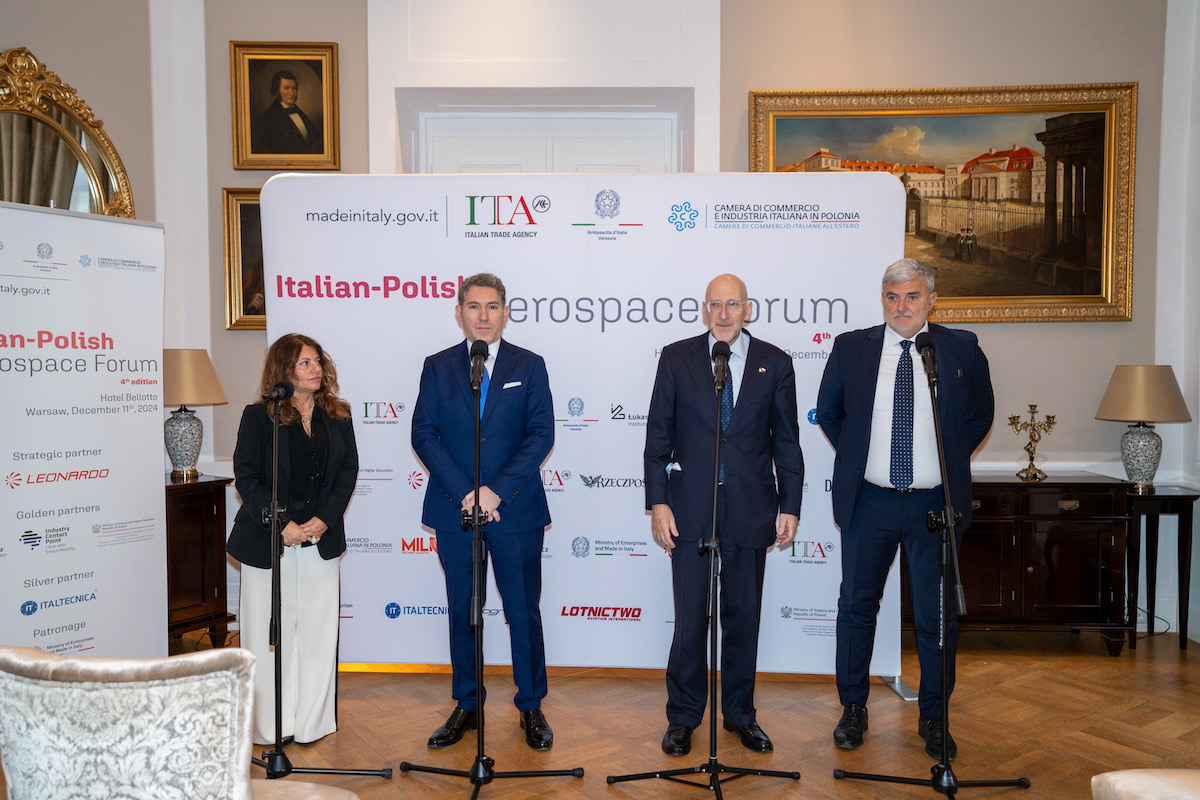
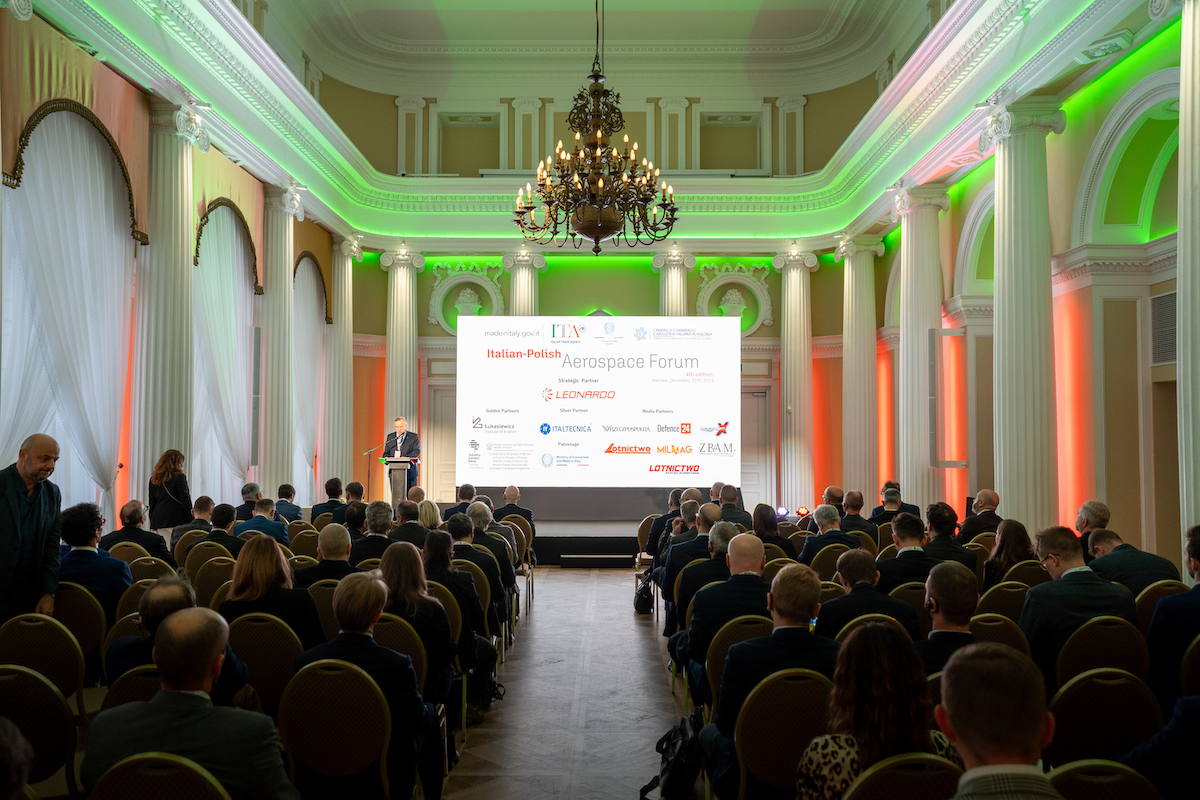
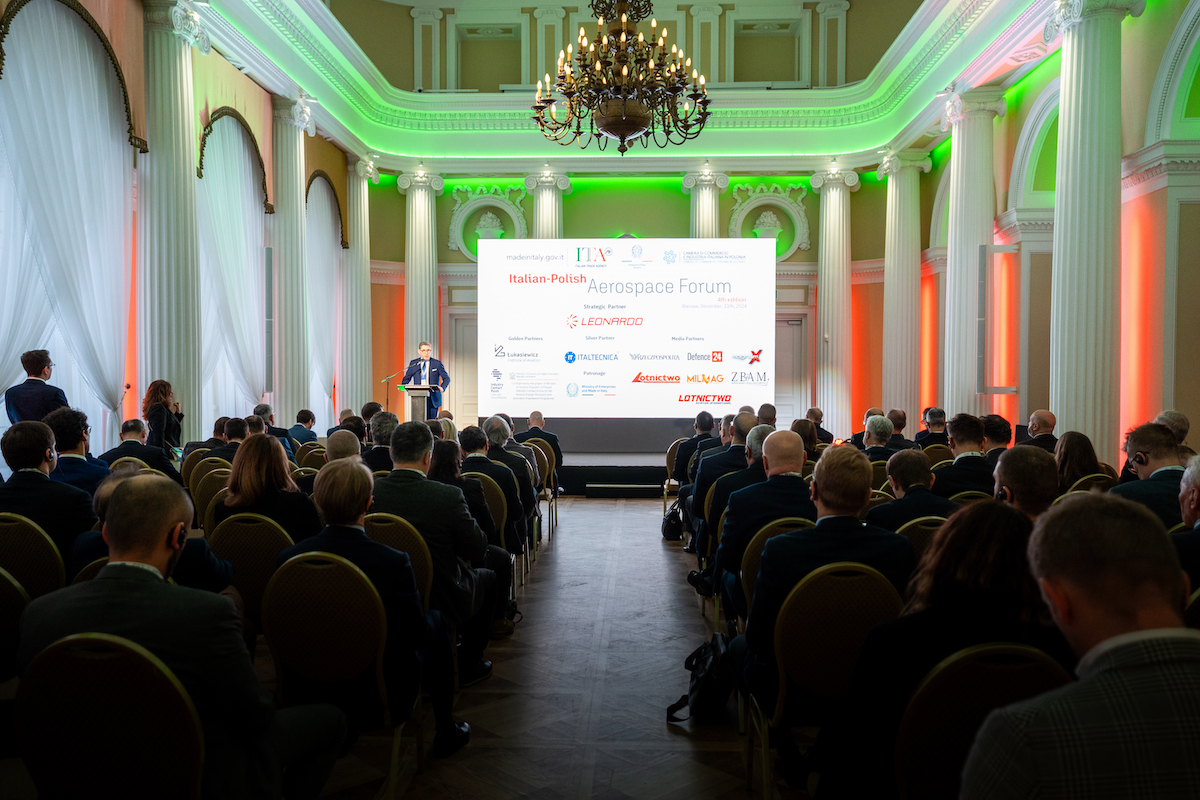
“This year, we also had the opportunity to delve deeper into a range of topics related to the aerospace and defense sectors together with renowned experts and Italian and Polish entrepreneurs. The increasingly close and expanded cooperation between our two countries in this area, which was at the heart of today’s debate, not only addresses the growing instability of the geopolitical context but also aims to create a solid foundation for a modern aerospace sector through the exchange of knowledge and services. The aerospace sector is crucial for security while also serving as a source of economic development and technological progress, as well as a strong synergy between Italy and Poland,” said H.E. Italian Ambassador to Poland Luca Franchetti Pardo.
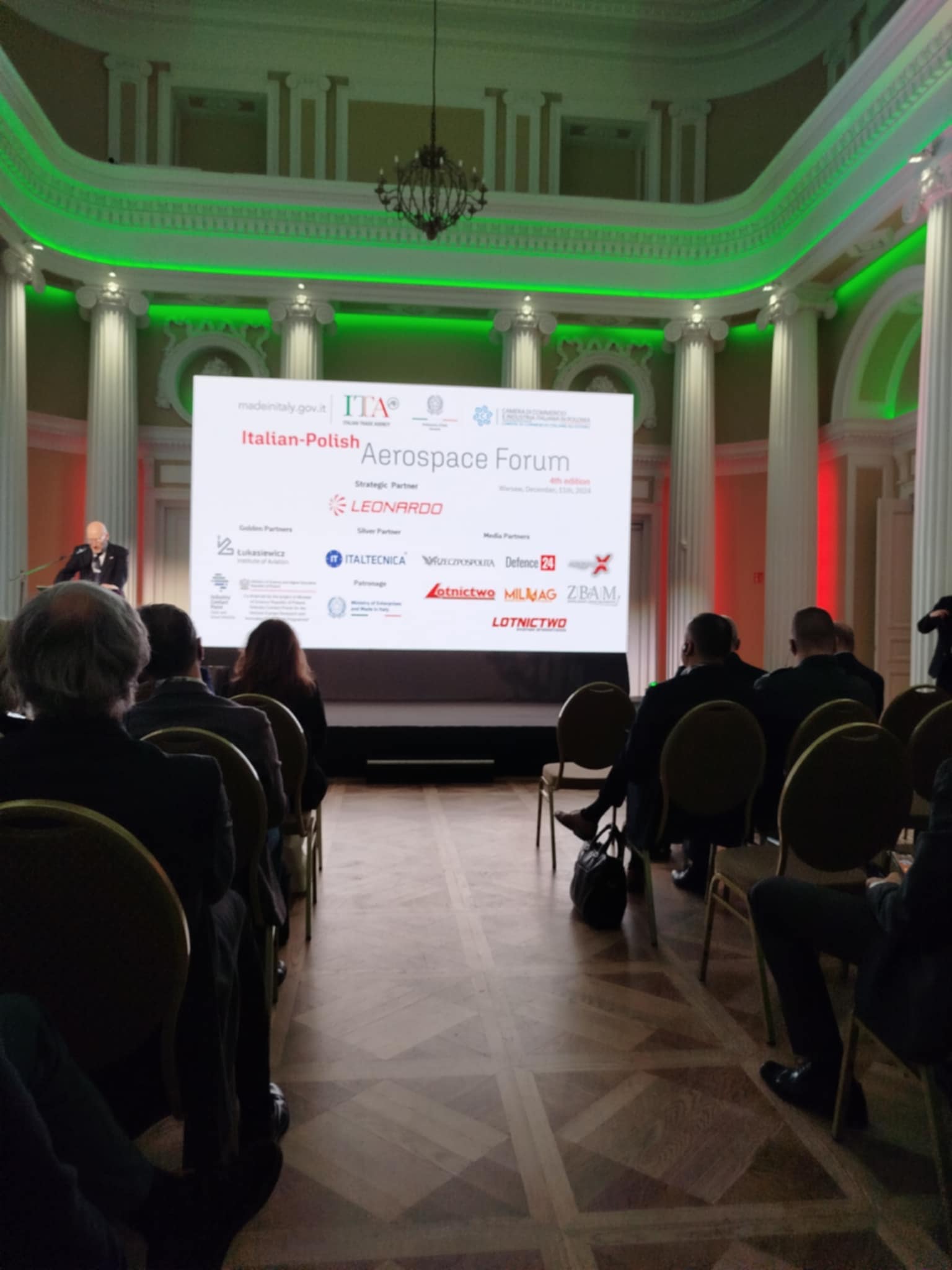 Photos: Sławomir Zagórski, MILMAG
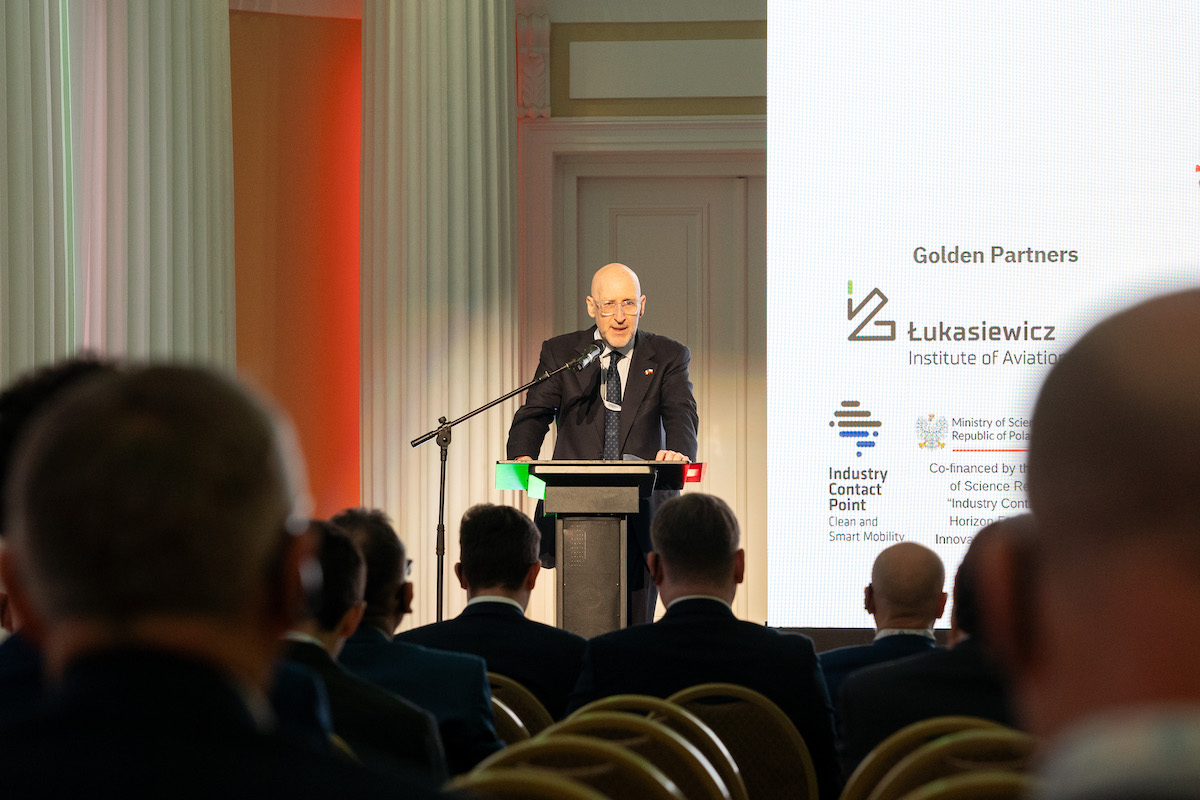
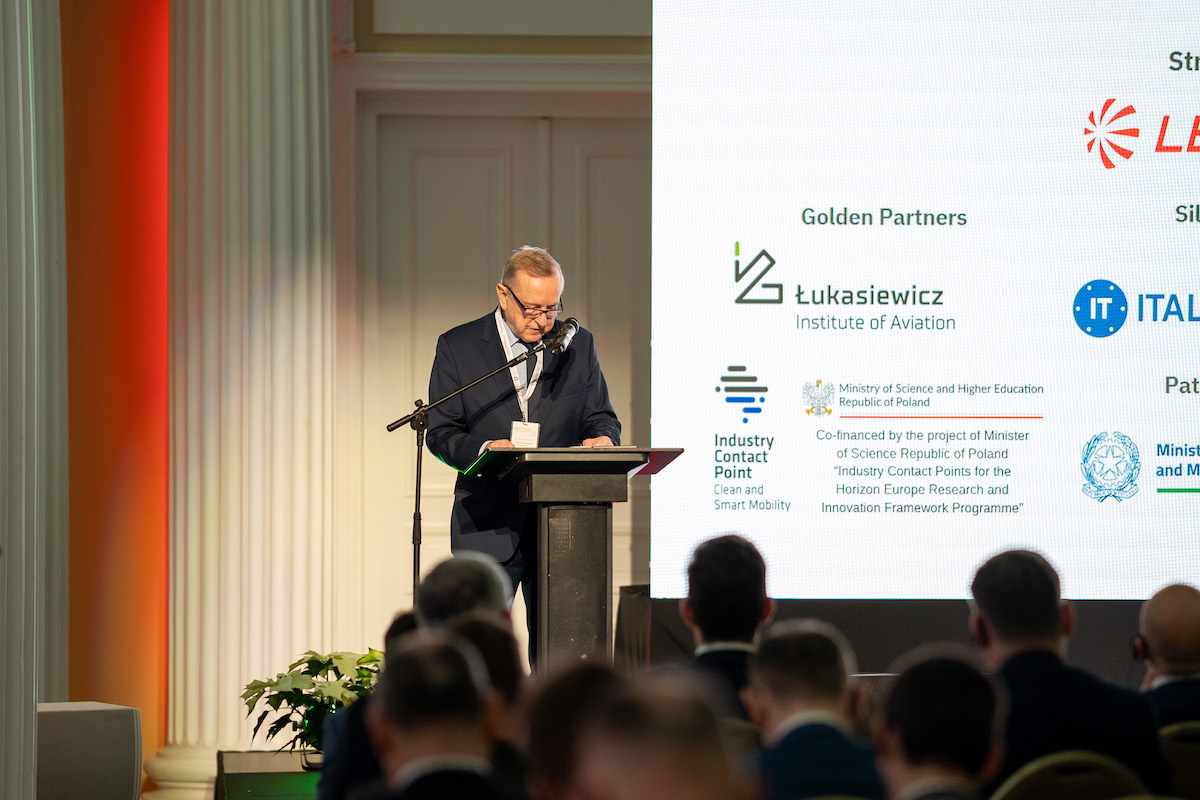
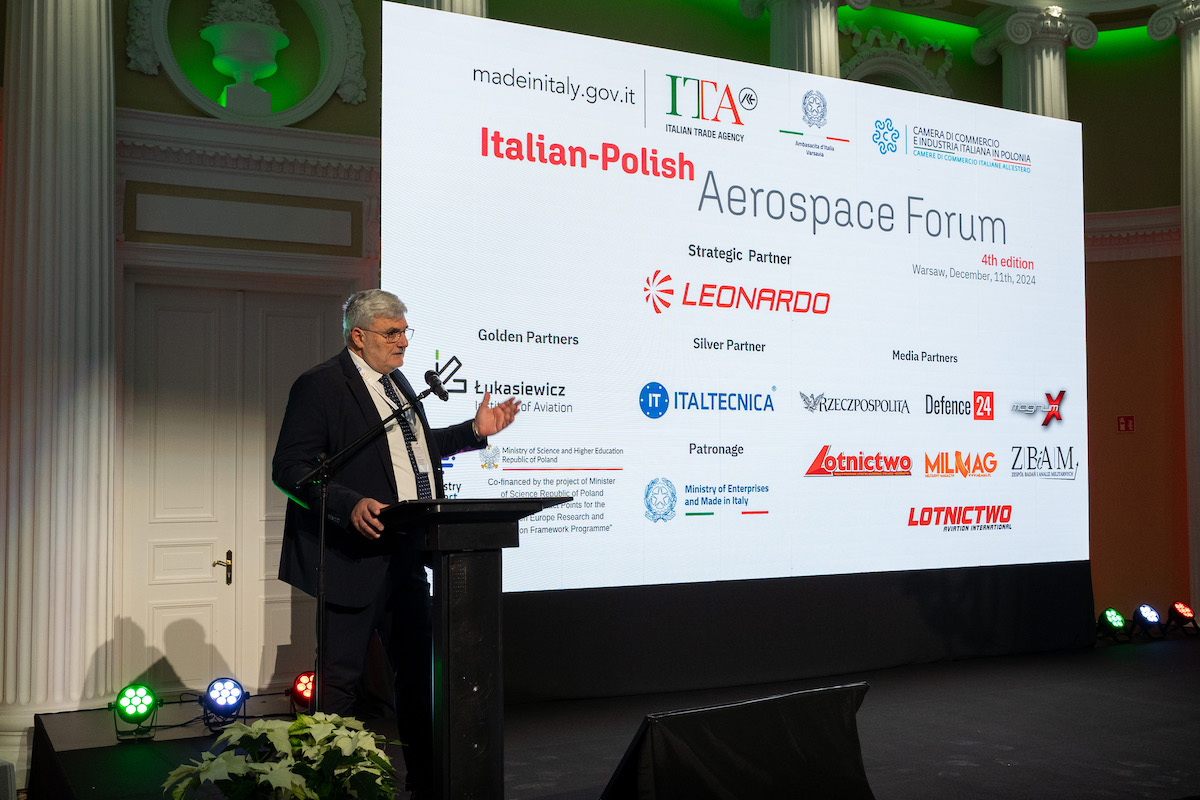
Retired Brigadier General Pilot Lech Majewski, Director of the Defense Industry Department at the Ministry of Development and Technology, opened the Forum on behalf of Minister of Development Krzysztof Paszyk. In his speech, he emphasized the importance of cooperation between Poland and Italy in the aerospace sector and highlighted the pivotal role of the Italian space program Cosmo-SkyMED, which has provided Poland with access to cutting-edge satellite technologies for both defense and civilian purposes.
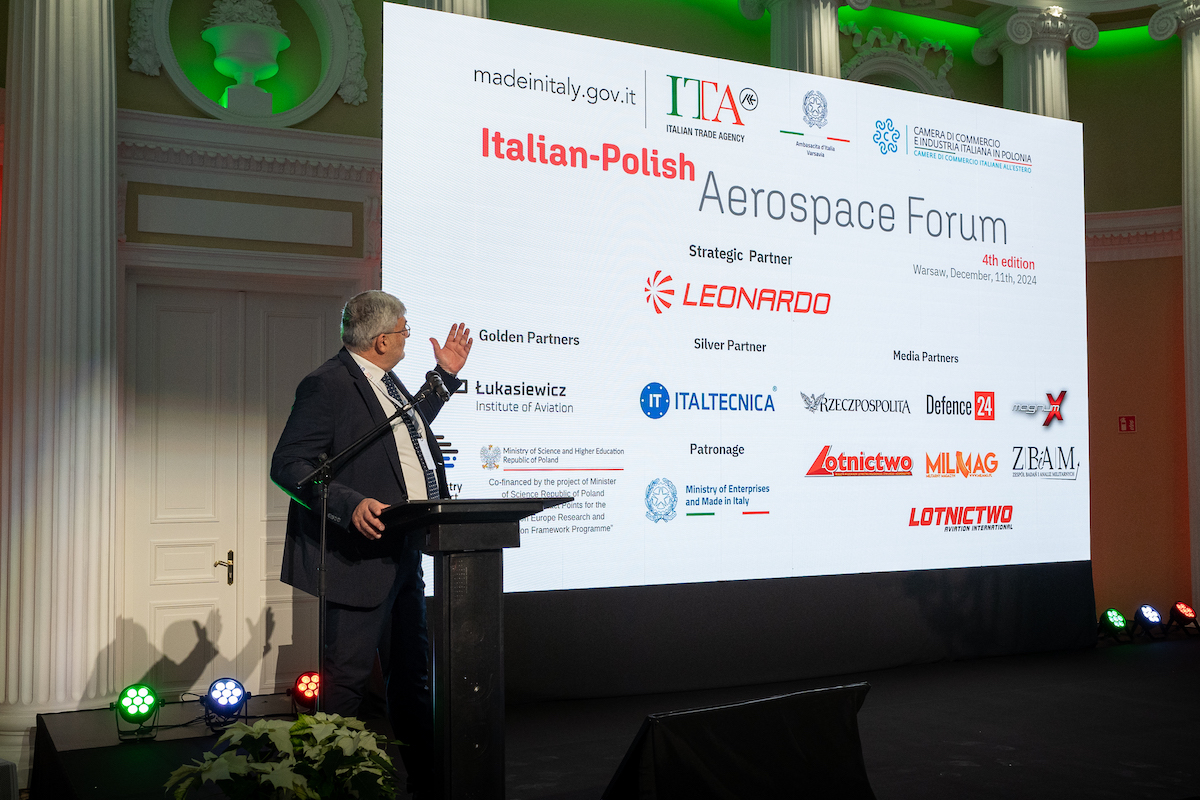
The event was organized by the Embassy of Italy in Poland, the Italian Trade Agency (ITA) in Warsaw, and the Italian Chamber of Commerce and Industry in Poland, whose mission includes fostering collaboration between Italy and Poland in the aerospace and aviation sectors—some of the most advanced and innovative industries in both countries.
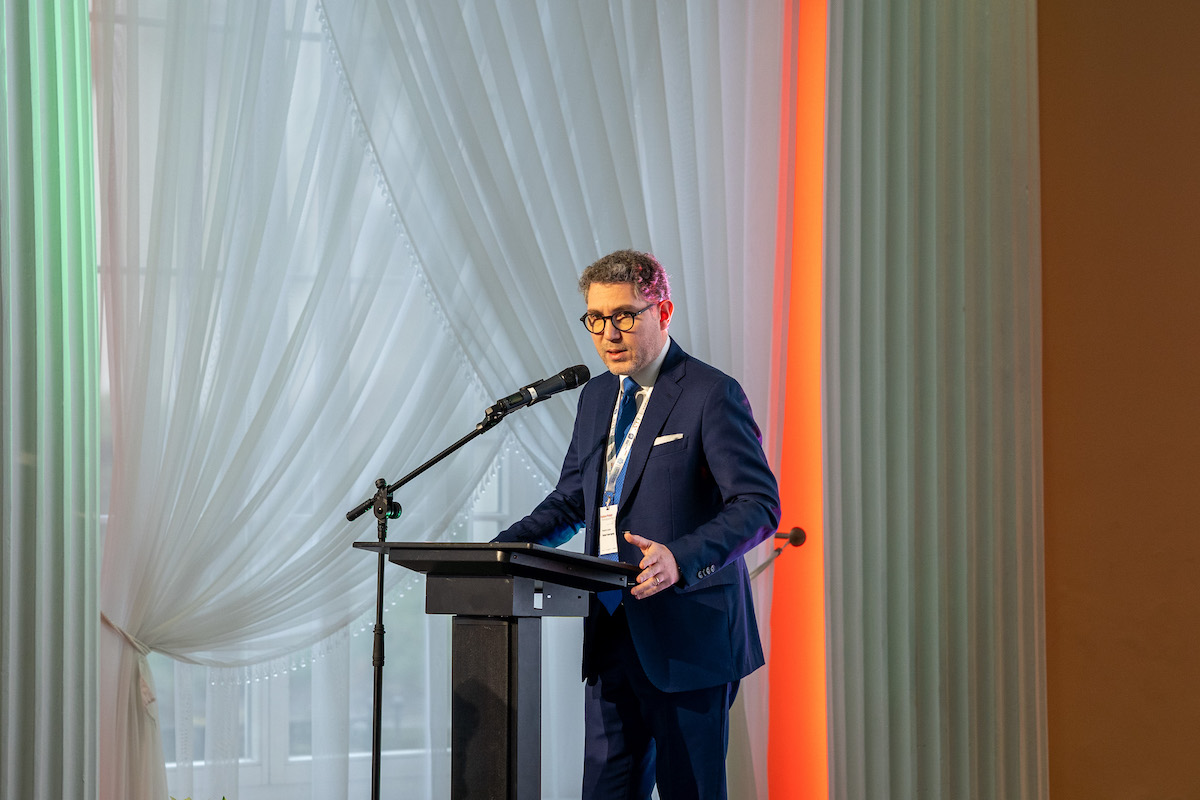
“The Italian aerospace sector, a hallmark of Made in Italy excellence, continues to drive international development and innovation, as reflected in its strong partnership with Poland. The fourth edition of the Italian-Polish Aerospace Forum in Warsaw highlights the commitment of the Italian Trade Agency (ITA) to strengthening collaboration and exploring the vast potential of the Polish space sector. With bilateral trade between Italy and Poland in the aerospace sector exceeding 247 million EUR in 2023 and a 34% increase in the first nine months of 2024, we proudly support the participation of four Italian companies (Energy Laser SRL, Cistelaier S.P.A., Cordon Electronics Italia S.R.L., and A.T.M. Advanced Tools and Moulds S.R.L.), which aim to present innovative solutions and strengthen ties with Polish partners. The goal of the Forum is to stimulate new industrial and commercial ventures by combining Italian technological leadership with the dynamic potential of the Polish market for mutual progress,” said Roberto Cafiero, Director of the Italian Trade Agency in Warsaw.
The strategic partner of the Forum is Leonardo, a company that plays a significant role in international defense programs and is a trusted technology partner for governments, defense agencies, institutions, and enterprises. In Poland, it successfully supports the Ministry of National Defense in several key projects.
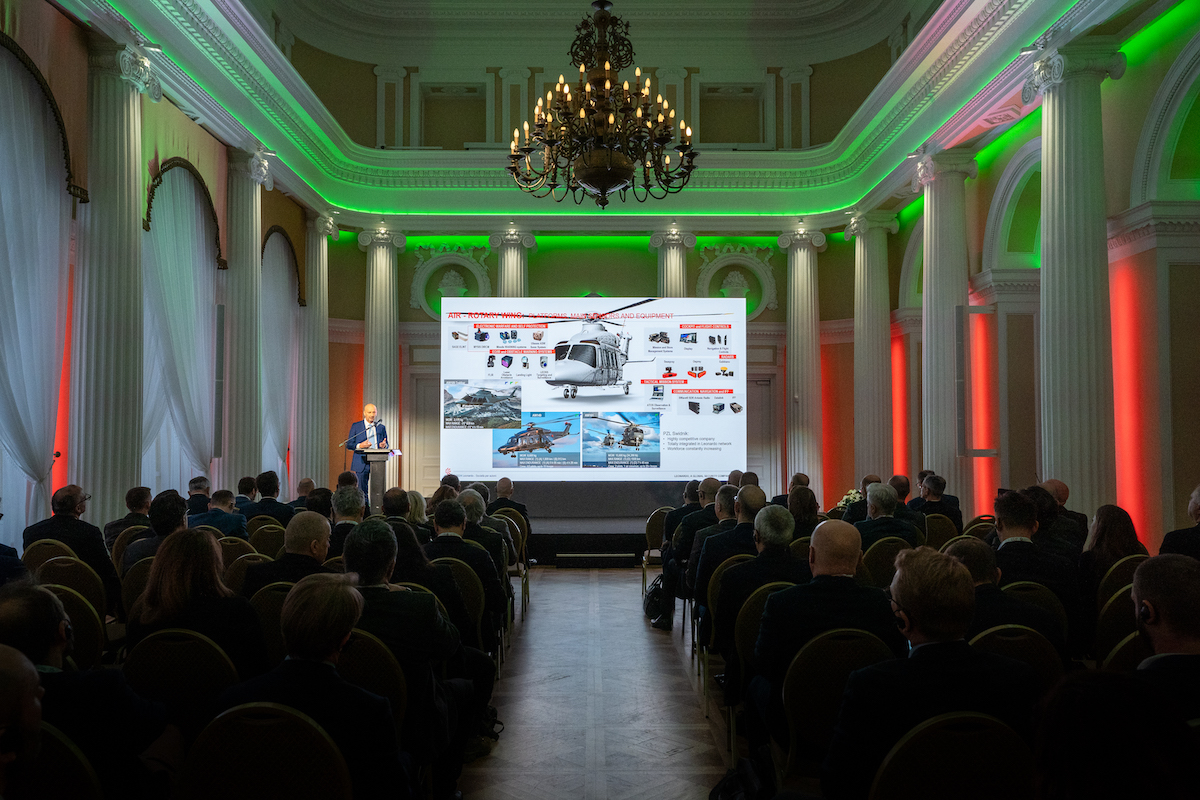
“Industrial and trade relations between Italy and Poland, as seen through the lens of Leonardo’s investments, are already marked by significant dynamism. There is undoubtedly still much to be done by both sides to fully leverage the range of opportunities and strengthen national economies. Investments and collaboration must be supported to the greatest extent possible to foster the development of key sectors such as aeronautics, space, defense, and breakthrough technologies like artificial intelligence and innovative approaches to design, as well as to expand domestic production. Programs and projects in these industrial domains enhance competitiveness, resilience, and national sovereignty. Leonardo intends to continue its investments in Poland through PZL-Świdnik as part of national helicopter programs, and it is also ready to implement projects of a similar scale in the aviation domain to deliver unparalleled benefits for Poland—for example, in the trainer-attack aircraft program or air superiority aircraft,” said Marco Lupo, President of Leonardo Poland.
In his presentation, Marco Lupo also emphasized the key benefits for the economy and industry stemming from international cooperation, as well as the importance of dialogue and the exchange of experiences in modernizing domestic armed forces. According to the expert, strategic industries such as aeronautics strengthen national security in a world filled with risks of various conflicts and, in the short term, bolster prosperity through current investments. Large-scale projects are often beyond the capacity of a single economy, making partnerships essential as they also act as a lever for domestic industry.
“European countries are now beginning to discuss the creation of a 500 billion Euro defense fund, which sends a clear signal that increased collaboration in Europe is necessary. This includes developing and creating joint solutions between nations and European industries to ensure Europe’s technological independence and supply security,” added Marco Lupo.
 Photos: Piotr Ambryszewski
Expert Debate on the Future of the Aerospace Industry
The Forum featured three discussion panels with participation from leaders in the aerospace sector, military officials, as well as representatives from academia and industry.
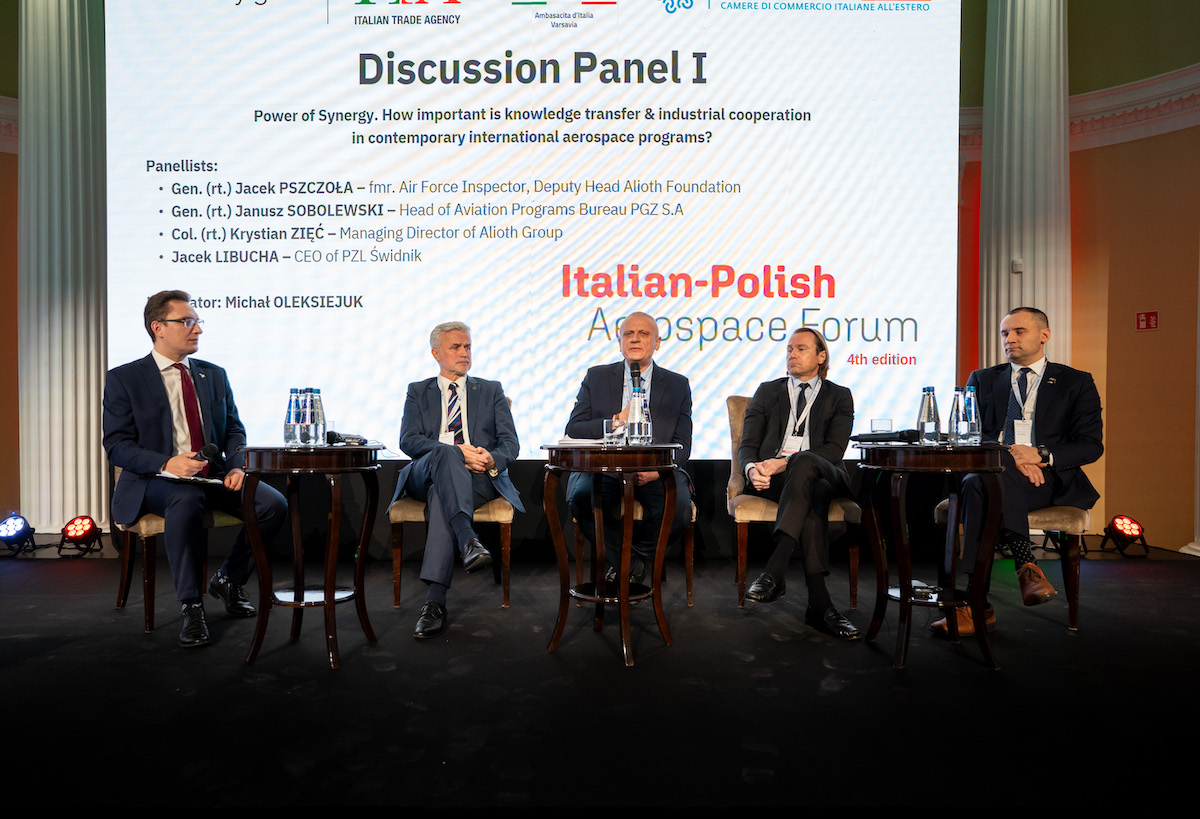
Panel I: The Power of Synergy. Knowledge Transfer and Industrial Collaboration in Modern International Aviation Programssynergii.
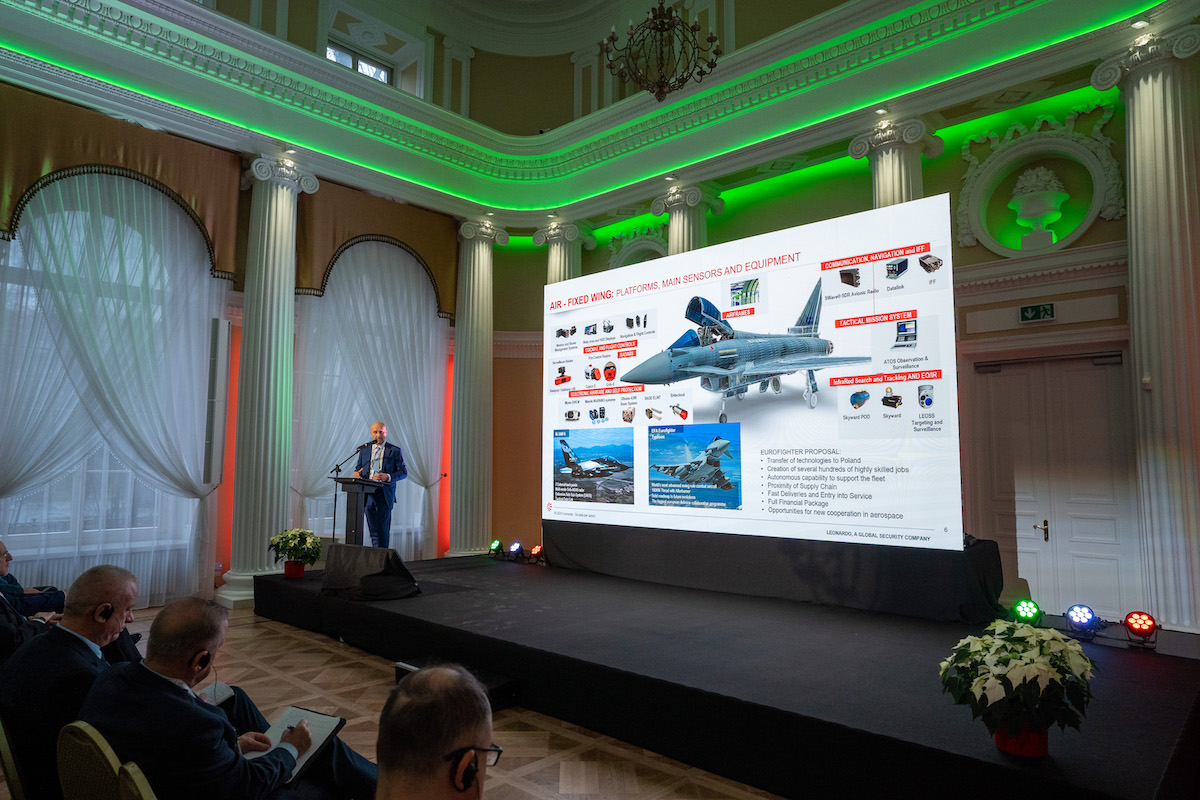
The panelists discussed the benefits of participating in international aviation programs. The discussion focused on industrial collaboration in Europe and the importance of knowledge and technology transfer in programs that are vital for defense while also delivering measurable value to domestic industries, such as the Eurofighter program, which contributes to job creation and economic prosperity. Experts Krystian Zięć (Alioth Group), Gen. Janusz Sobolewski (PGZ), Gen. Jacek Pszczoła (Alioth Foundation), and Jacek Libucha (PZL-Świdnik) explored the advantages of international cooperation for both industry and national armed forces. They highlighted that the long-term effects of such programs extend beyond technological innovation to include increased employment and the development of local service centers. According to PwC’s 2024 report, the Eurofighter Typhoon program generated 49.7 billion GBP (58 billion EUR) in economic growth across Germany, Italy, Spain, and the United Kingdom, creating 63,000 jobs and generating 12 billion GBP in tax revenues for the 2024–2033 period. The potential export of an additional 200 units could increase these benefits over the forecast period to 77.1 billion GBP (90 billion EUR), 98,000 jobs, and 18.8 billion GBP in tax revenues.
Poland, by choosing to purchase the Eurofighter Typhoon, could achieve similar outcomes. The transfer of technology would support the development of the domestic defense industry and technical universities, while simultaneously creating new jobs and strengthening defense capabilities. The pace of change in international security demands constant pursuit of innovative solutions, continuous technological advancement, and capabilities that ensure resilience against threats. Eurofighter is such a program, with Leonardo’s advanced electronics and avionics solutions accounting for more than half of the platform’s capabilities. These experiences are also being utilized in the next-generation aircraft project, GCAP, developed through international collaboration—a key factor in ensuring global security, which requires strategic partnerships. This program, with its highly innovative technological contributions, represents not only a significant technical challenge but also an opportunity for technological advancement and economic growth for the countries involved.
Experts highlighted that involvement in international programs accelerates technological development and lays the foundation for future aviation projects. The establishment of local service centers and the development of competencies in equipment maintenance and modernization enable swift access to the latest technologies, their further application in new projects, and the retention of a significant portion of funds within the country. European programs, such as the aforementioned Eurofighter, also provide unparalleled benefits stemming from the proximity of the supply chain. Additionally, the local production of state-of-the-art military helicopters, as is the case with PZL-Świdnik, contributes to the prosperity of the region and the city, fosters the development of the national supply chain, and returns funds to the city budget in the form of taxes.
“Świdnik has developed thanks to its local helicopter plants—this industrial potential has been well utilized and serves as an example of the importance of consistent care by all stakeholders for resources located within the country. PZL-Świdnik is now a strategic helicopter hub, producing modern multi-role helicopters for the military and providing a logistical base and technical support for over half of the Polish Army’s helicopter fleet. The Świdnik helicopter plants are among the strategic assets subject to mobilization, making the continued strengthening of local helicopter capabilities an investment in security and sovereignty. As part of the Leonardo Group, we are fully prepared to further develop production lines within current and future national helicopter programs,” said Jacek Libucha, President of PZL-Świdnik.
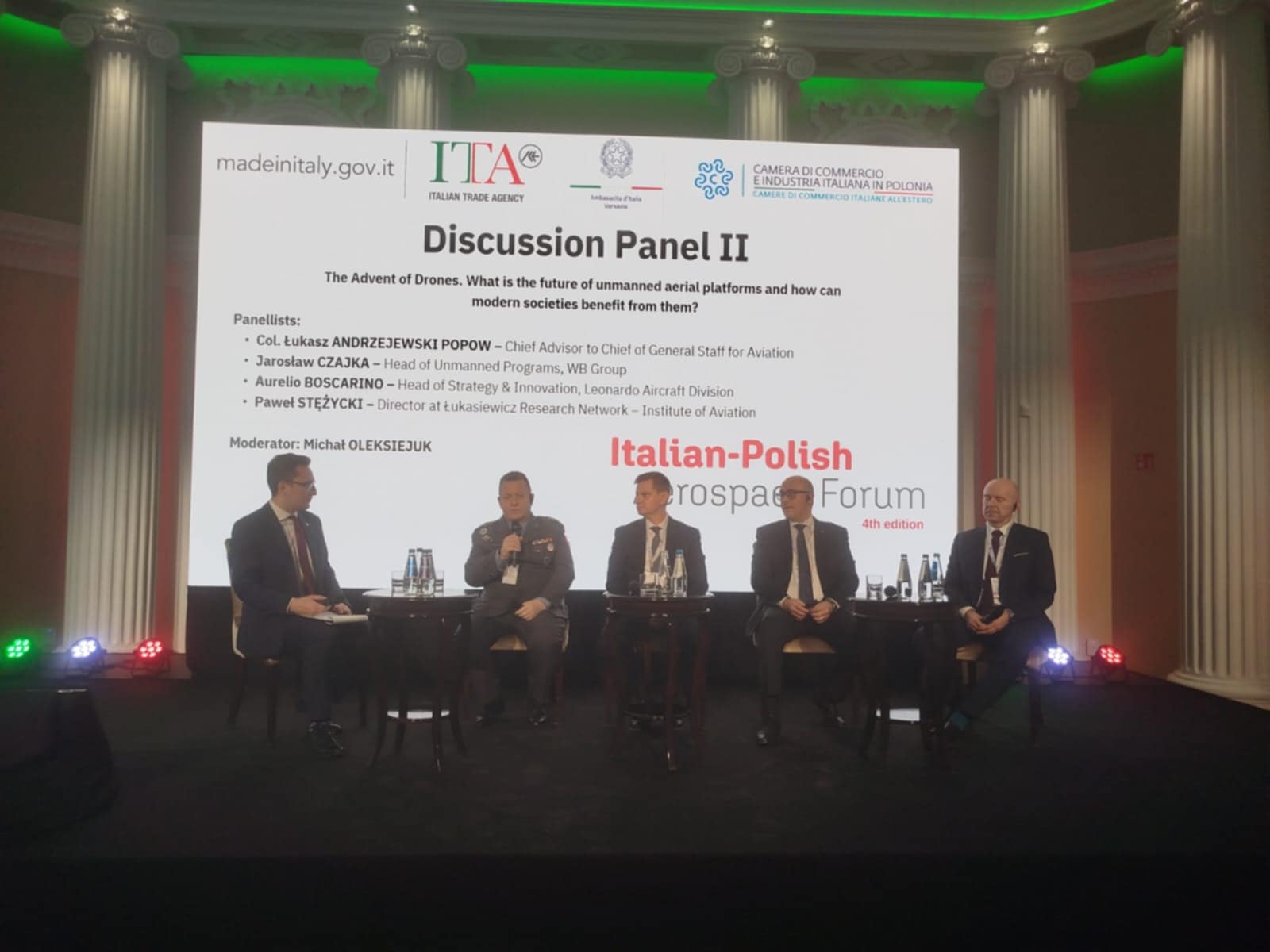
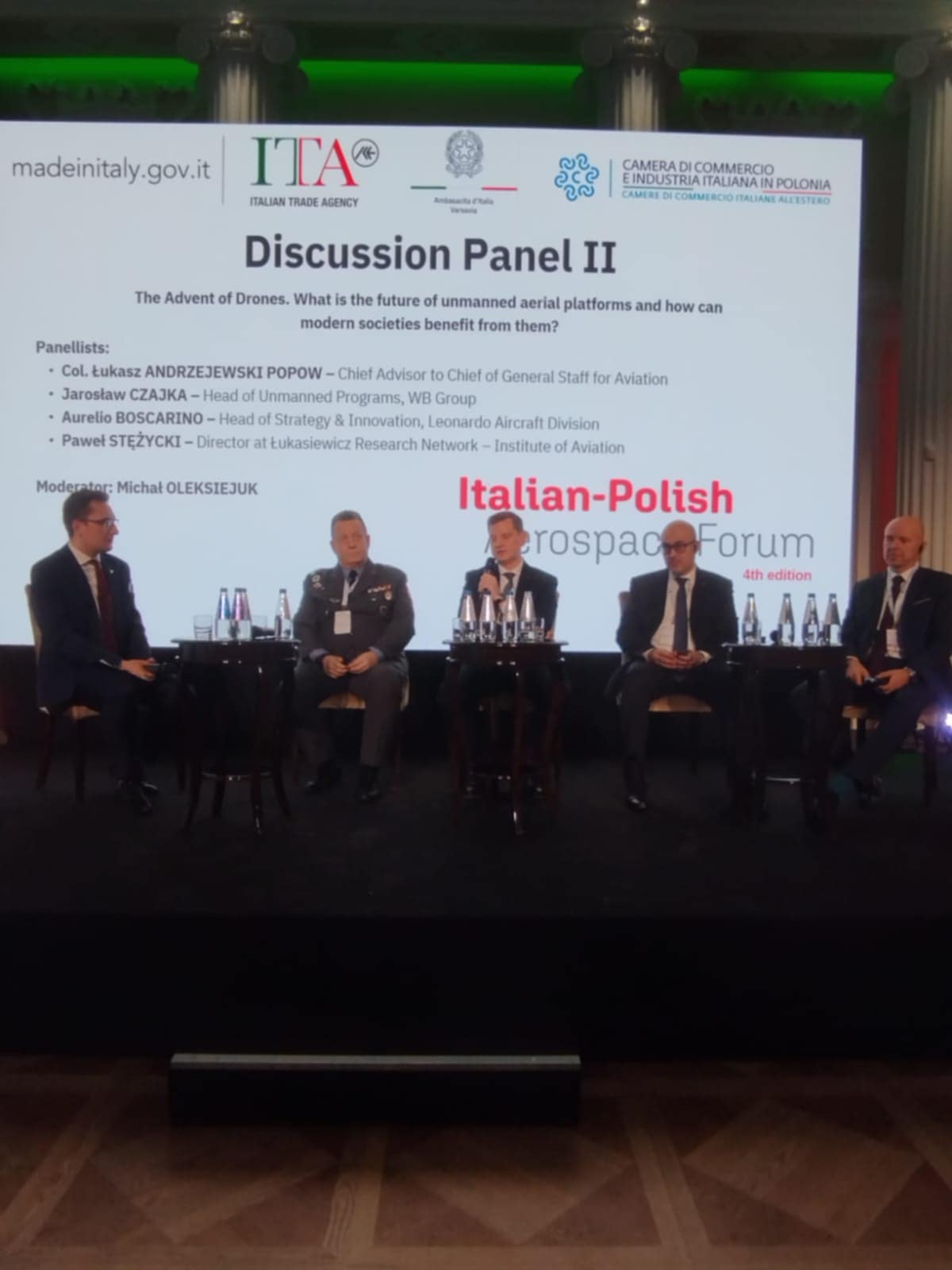
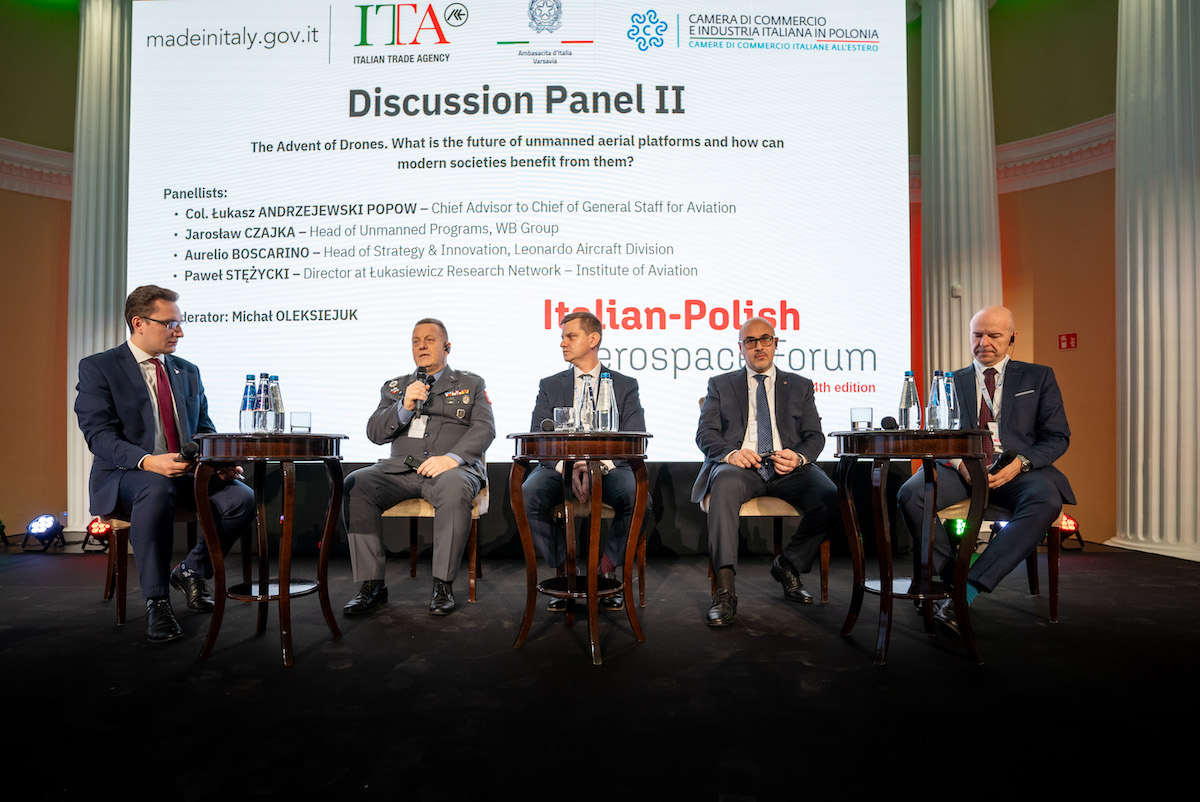
Panel II: The Rise of Drones: What is the Future of Unmanned Aerial Platforms, and How Can They Benefit Modern Societies?
The expert discussion focused on the rapidly developing market for unmanned aerial systems (UAS). Experts presented both civilian and military applications of unmanned systems. The conversation touched on the latest technologies, such as autonomous decision-making systems and artificial intelligence, which are shaping the future of the sector. Paweł Stężycki, President of the Łukasiewicz Research Network – Institute of Aviation, highlighted the immense potential of the civilian UAS market, which includes applications such as disaster monitoring, delivery of medical supplies, and support for critical infrastructure.
The development of Polish competencies in this field could significantly enhance the country’s competitiveness in the global unmanned technology market. As noted by Jarosław Czajka (WB Group), the Polish company is one of the players in the European drone market, delivering advanced systems to countries such as South Korea, the United States, and Ukraine. Through the use of artificial intelligence and autonomous technologies, Polish-made drones increase the efficiency of both military and civilian operations, such as rescue missions. Colonel Łukasz Andrzejewski-Popow discussed the Ministry of National Defense’s plans to establish Drone Forces, a new component of the Polish armed forces, starting in January 2025. In his view, drones will play a key role in the near future in surveillance, offensive operations, and logistics, fundamentally transforming traditional approaches to military operations.
Panel III: Space for All. What Is the Significance of the Decline of Single-State Hegemony and the Growth of the Global Space Economy? How Can Poland and Italy Benefit from This Trend?
The third panel focused on space exploration and the development of the global space economy. The space economy encompasses a wide range of activities related to the use of outer space for both civilian and military purposes. In practice, this includes not only space exploration but also the application of space technologies in everyday life. We are currently witnessing a groundbreaking moment as the hegemony of the largest states in this field gives way to the broad development of commercial companies—often start-ups from various countries—and international cooperation. This shift is transforming the dynamics of the sector and increasing its overall value.
During the final panel, experts discussed opportunities for cooperation between Poland and Italy within the framework of the space economy, particularly in the context of innovations in areas such as robotics, communication systems, and space exploration. They also explored joint scientific missions, the development of new technologies, and the construction of new satellite systems. Poland and Italy are at different stages in the development of their presence in the space economy, but both countries have significant growth potential.
Benefits for Nations:
- Growth in Innovation: Technologies developed within space programs often find applications in other sectors such as telecommunications, medicine, agriculture, and crisis management. Satellite data is utilized not only by government agencies but also by businesses, stimulating the development of innovations and new technologies.
- National Security: Space exploration is becoming crucial in the military context. Satellite technologies are used for monitoring threats, managing airspace, and securing communication and critical infrastructure. There is also a growing need for observation systems and the capability to use space data in real-time.
- Sustainable Development: Programs related to Earth monitoring, such as Earth Observation (EO), enable better management of natural resources, monitoring of climate change, and responding to humanitarian crises and natural disasters.
- New Revenue Streams: An increasing number of countries see space not only as a pathway to technological development but also as a means of generating income. The space industry in 2024 is valued at approximately 469 billion USD and is expected to exceed 1 trillion USD by 2040. With the growth of the private sector, including companies like SpaceX, Blue Origin, and Rocket Lab, new business models are emerging, involving more countries in the global space economy.
Since joining the European Space Agency (ESA) in 2012, Poland has gained access to a wide range of international space projects. Currently, the space sector in Poland employs approximately 15,000 people, and a growing number of companies are developing advanced technologies such as robotics, mechatronics, communication systems, and power systems for satellites. Polish engineers have participated in missions such as Cassini-Huygens, Rosetta, and BepiColombo. Poland is also involved in international missions such as JUICE, EarthCARE, and PLATO.
Just a few months ago, Poland established the Geospatial Reconnaissance and Satellite Services Agency (Agencja Rozpoznania Geoprzestrzennego i Usług Satelitarnych – ARGUS). Colonel Grzegorz Matyja, Commander of ARGUS Satellite Operations Center, discussed the agency’s tasks and role in the Polish space sector. These include supporting defense operations, managing satellite systems, and collecting and analyzing space-based data for military purposes.
In Poland, the company Creotech Instruments plays an active role in the development of the space sector and participates in international projects led by ESA, NASA, and POLSA. Vice President Jacek Kosiec spoke about the company’s achievements and future plans. Creotech not only takes part in space programs but also focuses on innovation, developing new technologies that have applications in both industry and everyday life.
Italy plays a significant role in European space programs. The Italian Space Operations Command (Comando delle Operazioni Spaziali, COS) manages national satellite assets and collaborates with NATO allies and the European Union in space monitoring efforts. General Danilo Figà from the Italian Space Operations Command discussed an example of international cooperation within the Cosmo-SkyMED satellite constellation, highlighting that the partnership between Poland and Italy in space programs can bring mutual benefits in the form of new technologies, increased exports, and greater independence from global suppliers. Cosmo-SkyMED is a joint project aimed at using satellites to monitor climate change and for defense purposes. It is an excellent example of cooperation between countries, enabling both nations to share resources, knowledge, and expertise.
“Earth observation using satellites is one of the top priorities for governments and the military today. One such program providing precise data is COSMO-SkyMed, developed in Italy. It is one of the most innovative Earth observation programs, designed to meet both civilian and military needs. COSMO-SkyMed was funded, among others, by the Italian Space Agency and the Italian Ministry of Defense and was developed in Italy by Thales Alenia Space (partly owned by Leonardo). The COSMO-SkyMed system consists of a constellation of four satellites equipped with radar sensors capable of operating in all weather conditions. This program is an example of successful international cooperation, including a partnership with Poland, which we aim to further develop and which can bring sovereignty to Poland. Additional COSMO-SkyMed satellites will be launched in the near future, and with greater capabilities, they will ensure the continuity and competitiveness of this constellation. Moreover, Leonardo recently established a dedicated Space Business Unit as part of a clearly defined plan, which will strengthen Leonardo’s position as a leader in the European space sector and simultaneously ensure Europe’s technological independence in this field,” said Marco Lupo.
Summary
The fourth edition of the Italian-Polish Aerospace Forum demonstrated how the aerospace sector serves as a strong foundation for cooperation between Poland and Italy. Joint efforts enable the development of innovative projects, technology transfer, and the strengthening of national security for both countries, summarized Piero Cannas, President of the Italian Chamber of Commerce and Industry in Poland.
The IV Italian-Polish Aerospace Forum once again highlighted the importance of collaborative efforts between Poland and Italy in building a strong, innovative aerospace sector. The partnership between the two countries facilitates the realization of projects that are critical to both the economy and national security. The forum showcased tangible benefits of technology transfer and international cooperation, including economic growth, job creation, the development of local industrial competencies, and enhanced defense capabilities. Discussions with experts reaffirmed that Poland, by investing in aviation programs, UAVs, and space technologies, has the potential to become a regional leader in the aerospace sector. Investments in technology transfer, local industrial capabilities, and scientific collaboration also contribute to building technological independence and fostering innovation. This strategic approach forms the foundation for the future of the sector and serves as a key message for the aerospace and space industries to consider as they plan their strategies for the coming decades.
Press release