































Right after President Donald Trump’s talks, first with Vladimir Putin and then with Volodymyr Zelensky and European leaders, commentators, including myself, focused mainly on the course of the negotiations themselves and the propaganda framing of the meetings. Meanwhile, there is something else quite significant.
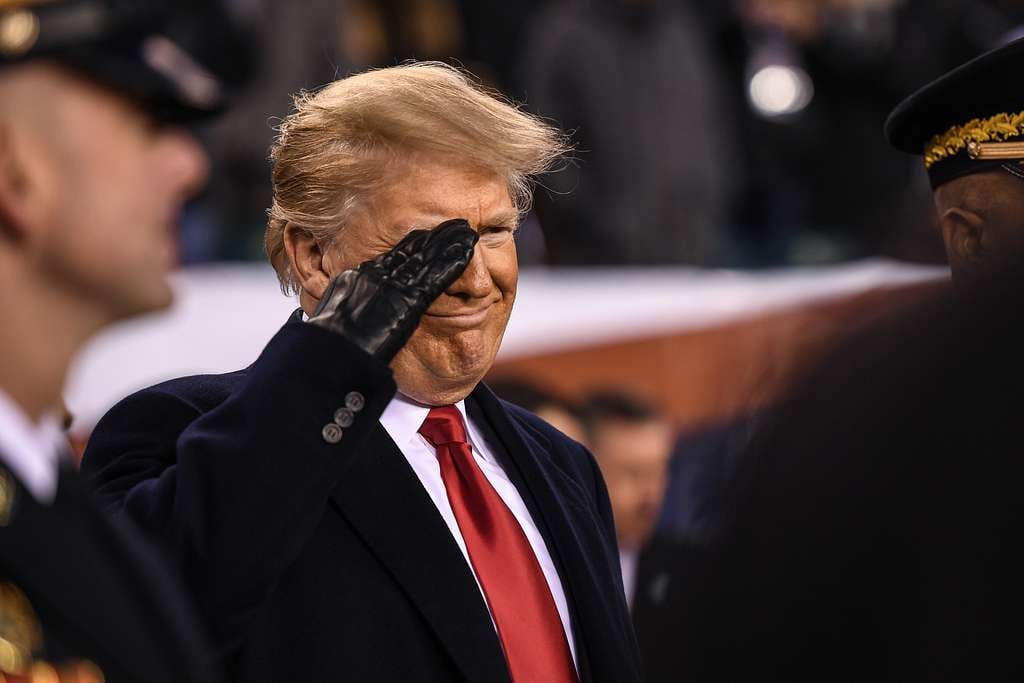 Photo: White House Press Office
Zelensky knows that his negotiating power depends on Ukraine’s defense capabilities. That is why, during the talks, he strongly emphasized the need to accelerate the delivery of air defense systems, artillery, and armored personnel carriers. The Ukrainian army requires tens of thousands of artillery shells each month, counter-drone systems, and additional Patriot or NASAMS batteries.
Without them, the front line cannot be stabilized, let alone allow for an offensive. The talks in Anchorage and subsequent consultations with Zelensky clearly demonstrated that equipping Ukraine with modern hardware is a key condition for maintaining a balance on the battlefield.
Already after Trump’s election, Ukrainian politicians noted that there was a chance for an agreement with the American president, because Trump, above all, is a businessman. Seeing an opportunity to boost the revenues of the American industry, he would be inclined to increase deliveries. The lobbying of the defense industry among Republican politicians is powerful, and there is much at stake.
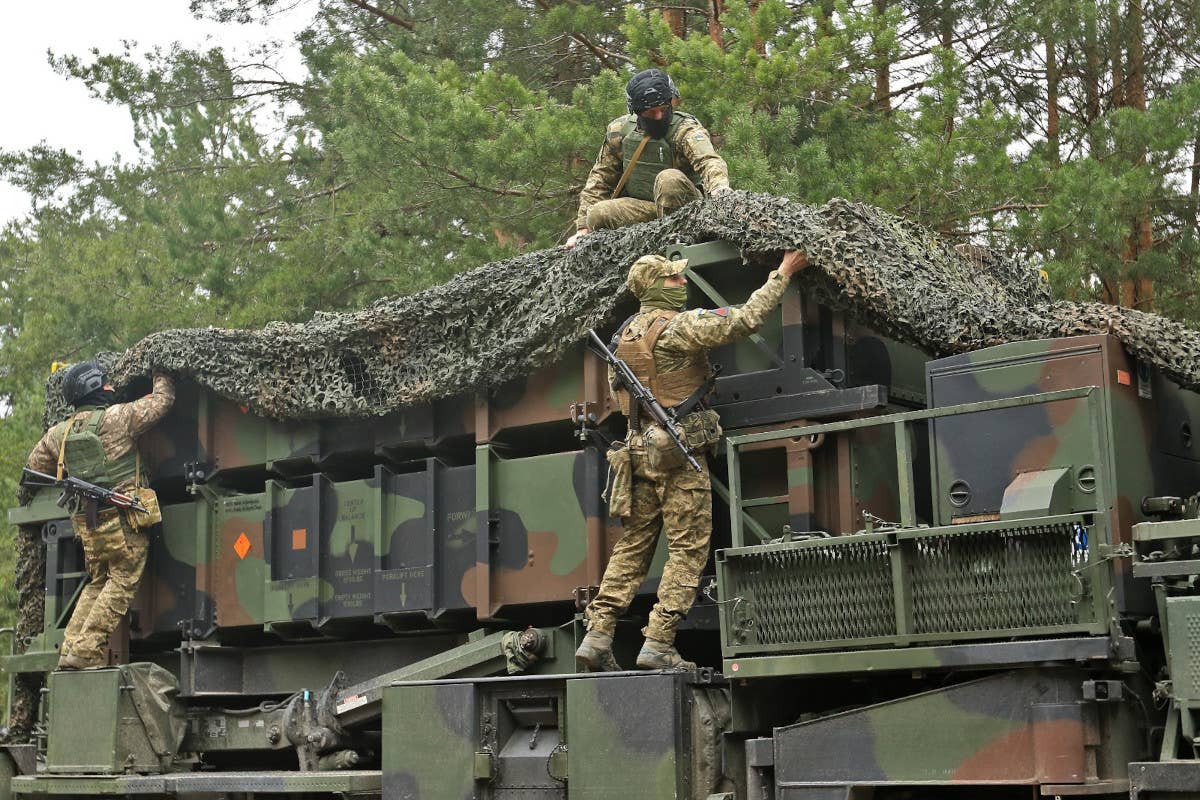 MIM-104 Patriot / Photo: Air Force of the Armed Forces of Ukraine
A Big Slice of the Pie
Back in 2023, the year was record-breaking in almost every respect, and the U.S. defense industry earned 238 billion USD, 16% more than in 2022. Later, when the Trump administration reduced deliveries to Ukraine, the upward trend was not as strong, which caused some discontent within the industry.
In any case, between 2020 and 2024, U.S. arms exports increased by over 20%, reaching a 43% share of the global market, which is four times that of the next exporter, France. Ukraine became the largest importer of weapons, with most of the aid, worth 174 billion USD, going directly to U.S. defense companies.
During this time, the four largest defense firms, Lockheed Martin, RTX, Northrop Grumman, and General Dynamics, generated 609 billion USD in revenue since 2022, of which 353 billion USD came from U.S. taxpayers. Their combined profit amounted to 57 billion USD. Additionally, they distributed 61 billion USD to shareholders in dividends and stock buybacks.
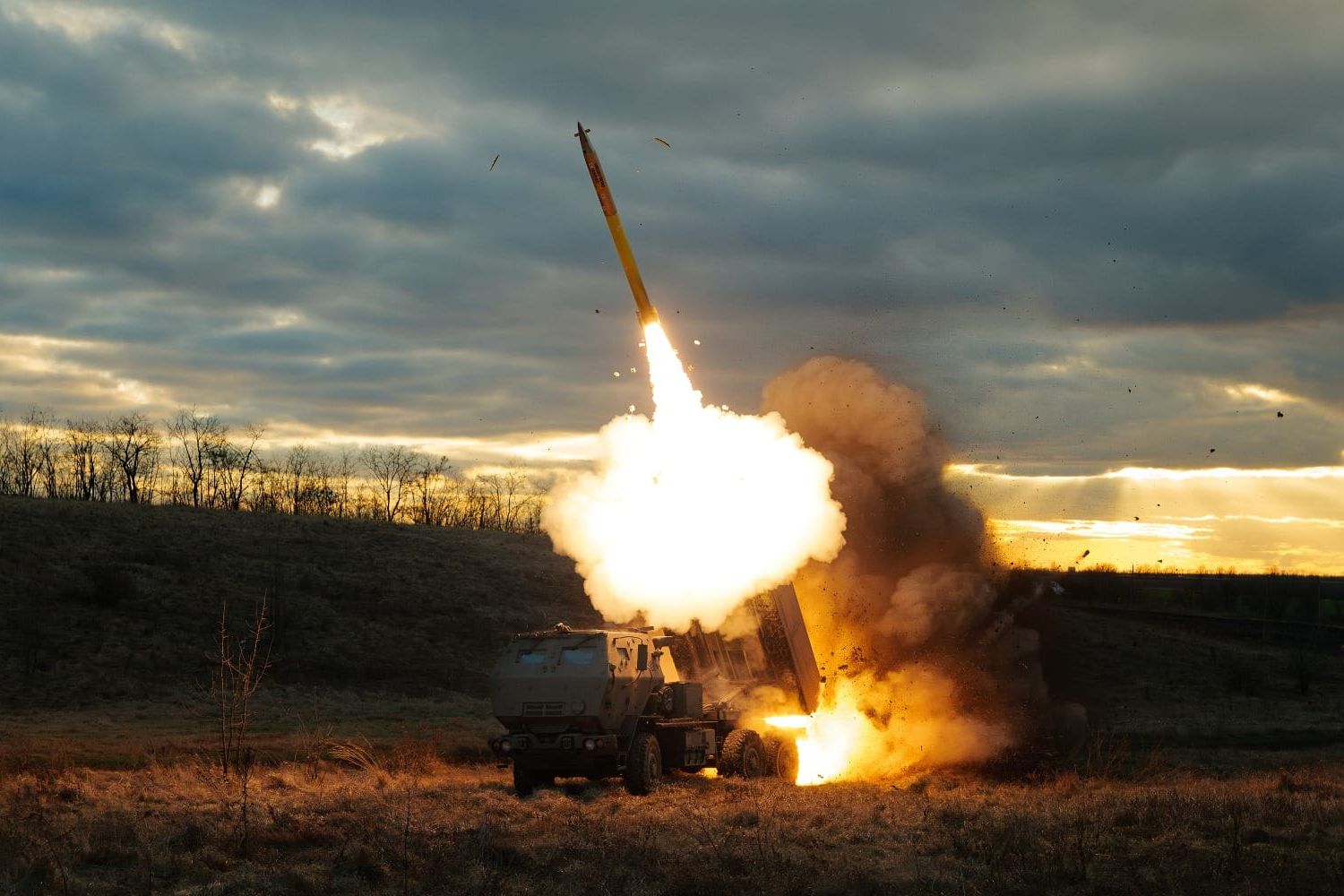 M142 HIMARS / Photo: General Staff of the Armed Forces of Ukraine
Business as Usual
That is why Trump, as always, played it as a businessman. Already in the first quarter of this year, he pushed for an agreement granting U.S. companies access to Ukraine’s rare earth metal deposits. In exchange for relinquishing its resources, Ukraine could expect additional arms deliveries. Ultimately, on April 30, the United States and Ukraine signed an agreement establishing the U.S.-Ukraine Investment Fund for Reconstruction.
Now, instead of directly increasing military aid, he suggested that Europeans buy American equipment worth tens of billions of dollars and then transfer it to Ukraine. Formally, such an arrangement would strengthen the alliance, but in reality, it would mean a cash injection for the American defense industry.
It is a kind of political offset, which reduces America’s own involvement while boosting the revenues of its defense sector. For the industry, it would mean keeping production lines running; for Ukraine, access to technology, albeit with significant delays and under the close scrutiny of politicians in Washington.
For the defense industry, this is excellent news. After all, the guarantor of orders is the U.S. government. Fortunately, this client has deep pockets and a long history of paying its bills on time. The stability of the federal government gives defense companies and investors a degree of predictability regarding steady revenues.
From an analytical perspective, one thing is clear: behind every loud slogan about peace lie very concrete numbers. How many air-defense missiles can be produced each month? How many 155 mm shells can the defense industry deliver? How many armored vehicles will reach the front? Certainly enough for 90 billion USD, and that is guaranteed revenue for the U.S. defense sector, paid for by European, not American, taxpayers.
And here the irony of the propaganda becomes clear. Trump announced constructive talks, but behind the scenes, it was all about contracts. Europe speaks of unity, but in reality, there is still no certainty as to who, and under what conditions, would commit their own battalions to a peacekeeping mission. And Ukraine? It lacks the narrative depth of narrative games. For Ukraine, every delay in deliveries means more cities under fire and further losses on the front.
See Also:
