

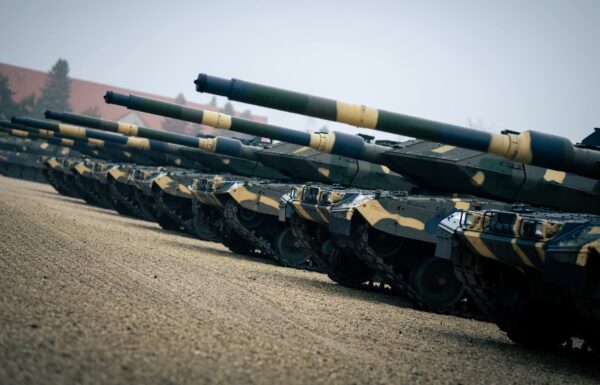

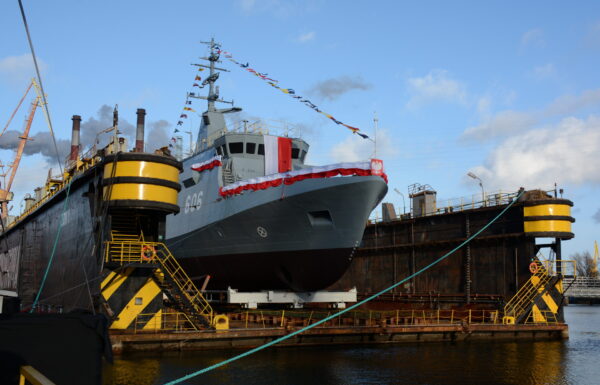
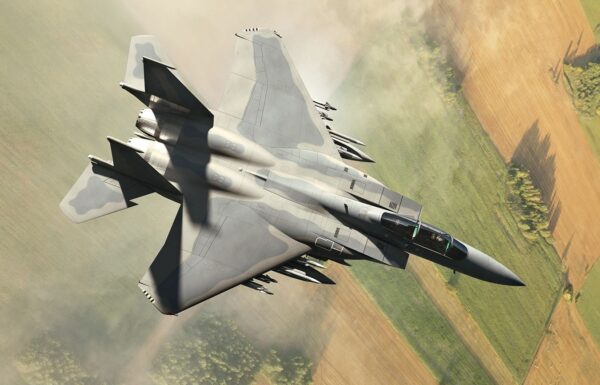




















Cooperation between Poland and the Republic of Korea in the defense sector has taken on unprecedented momentum in recent years. Joint projects involving K2 Black Panther tanks, K239 Chunmoo multiple rocket launchers, K9A1 Thunder howitzers, and FA-50 aircraft have created a new industrial architecture in which knowledge transfer, localized production, and the strengthening of national capabilities are becoming the standard. A natural next step is to expand this cooperation into the maritime domain for the Polish Orka submarine program. As part of this initiative, Hanwha Ocean offers Poland not only modern, operationally proven KSS-III submarines but also a comprehensive model of industrial and service cooperation.
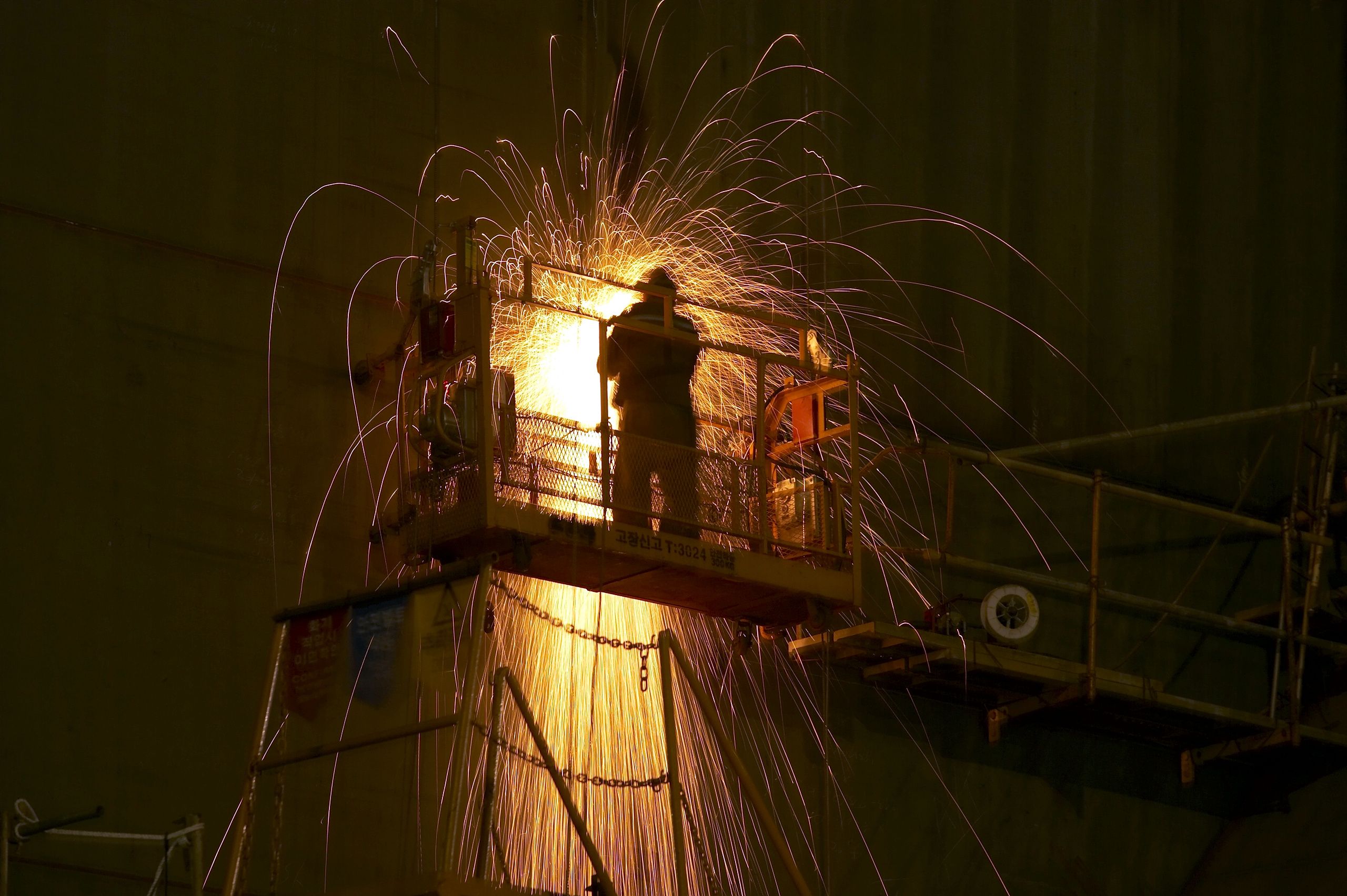 Photos: Hanwha Ocean
The foundation of the cooperation model with the Korean company under the Orka program is the transfer of technology in the fields of systems integration, personnel training, and the development of infrastructure for future MRO (Maintenance, Repair, and Overhaul). In practice, this means the creation in Poland of a competent service center capable of independently maintaining, modernizing, and supporting the life cycle of the vessels. This model, successfully applied by Korea in partner countries, ensures independence from external suppliers and significantly reduces operating costs.
“Poland has the opportunity to become a regional MRO hub for next-generation naval vessels, also supporting NATO allied fleets in the Baltic” – emphasizes Sean Seongwoo Park, Vice President, International Business, Hanwha Ocean. “This is not just the purchase of equipment, but an investment in people, know-how, and the future of Poland’s maritime industry.”
Recently, Hanwha Ocean announced a 100 million USD investment to develop Poland’s shipbuilding sector and maritime economy within the Orka program. The project aims to create at least 1,300 new jobs, strengthen local shipyards and supply chains, and build competitive technical capabilities within Poland’s maritime industry. As part of this investment, plans include establishing an MRO center in Poland and cooperating with Polish companies on the development of electrical, hydraulic, and automation systems, as well as the production of components for submarines and, in the future, surface vessels. The offered solutions are fully compliant with NATO standards and can be scaled according to Poland’s strategic needs.
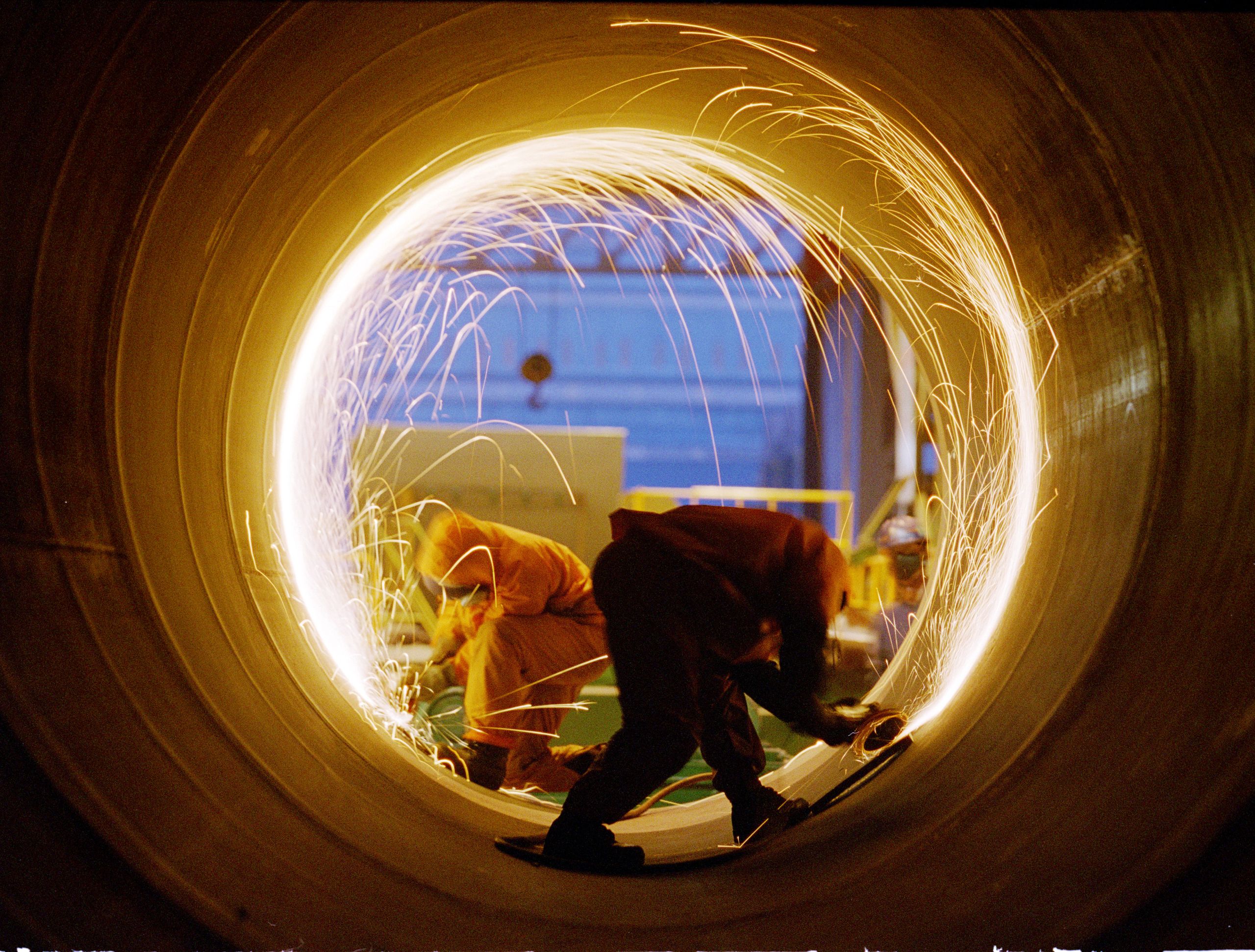
Such investments represent a strategic boost for the region. In Pomerania, where the shipbuilding sector employs around 27,000 people (accounting for 3.3% of all jobs in the region), implementation of the project could significantly increase employment, attract suppliers and research centers, and create export opportunities for Polish companies in the field of maritime technologies.
It is worth noting that the Korean cooperation model assumes full transparency regarding operational requirements, implementation timelines, and integration with the national command system. The added value for the Polish economy could reach several billion USD over the span of a dozen or so years.
Press material
Read also:
