












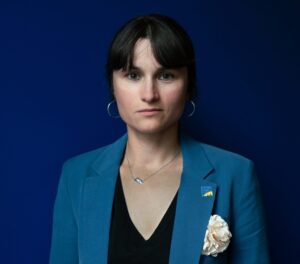
Honorata Hencel, Managing Director of Boeing for Poland and Ukraine
Boeing has been present in Poland since 1989, when the first Boeing 767 aircraft were delivered to LOT Polish Airlines. As part of the industrial cooperation associated with that contract, the Americans launched production of doors for the 757 model at the WZK facility in Mielec. Since then, Boeing has consistently strengthened its presence in Poland and expanded the scope of its industrial cooperation. The company has established subsidiaries in our country and also collaborates with Polish industrial entities.
“We have around 30 suppliers from Poland. These include both fully Polish companies and Polish branches of foreign entities. We focus on several key activity areas, one of which is aircraft component manufacturing. Our suppliers in Poland produce, for example, engine blades in the Aviation Valley and complete auxiliary power units (APUs) for our Dreamliners. We are also involved in materials engineering, including composite technologies in cooperation with the Łukasiewicz Institute of Aviation. In this field we are talking both about manufacturing and development work in materials engineering for future requirements. Solutions developed in Poland are flying on aircraft operating all over the world, across all commercial aircraft types. We also have a very strong division working on avionics software. Components manufactured in Poland are delivered to our factories in the United States and used in current aircraft production,” says Honorata Hencel, Managing Director of Boeing for Poland and Ukraine, in an interview with MILMAG Magazine.
Rynek cywilny i wojskowy
The scope of industrial cooperation is very broad. It includes production for both the civil and military markets. Boeing operates in three locations in Poland. In Gdańsk, the company’s subsidiary focuses on avionics, including software for onboard computer systems. In Warsaw, the materials engineering division operates within the Łukasiewicz Institute of Aviation. In Rzeszów, Boeing is developing an engineering center specializing in production engineering, airline customer support, and defense programs. Near Rzeszów–Jasionka Airport, there is a spare parts distribution center – the second largest in Europe.
“Polish suppliers produce components and assemblies for us, such as machined parts or aircraft landing-gear elements. Complete APU units (Auxiliary Power Units) for Dreamliners are also manufactured in Poland. In production related to military equipment, our cooperation with Polish industry includes the delivery of components within our various aircraft programs. When it comes to military production, we are not limited to aviation alone – Polish partners also supply us with parts for weapons-systems programs. This is a lesser-known aspect of our cooperation, but the segment of military production already exists in Poland,” continues Honorata Hencel.
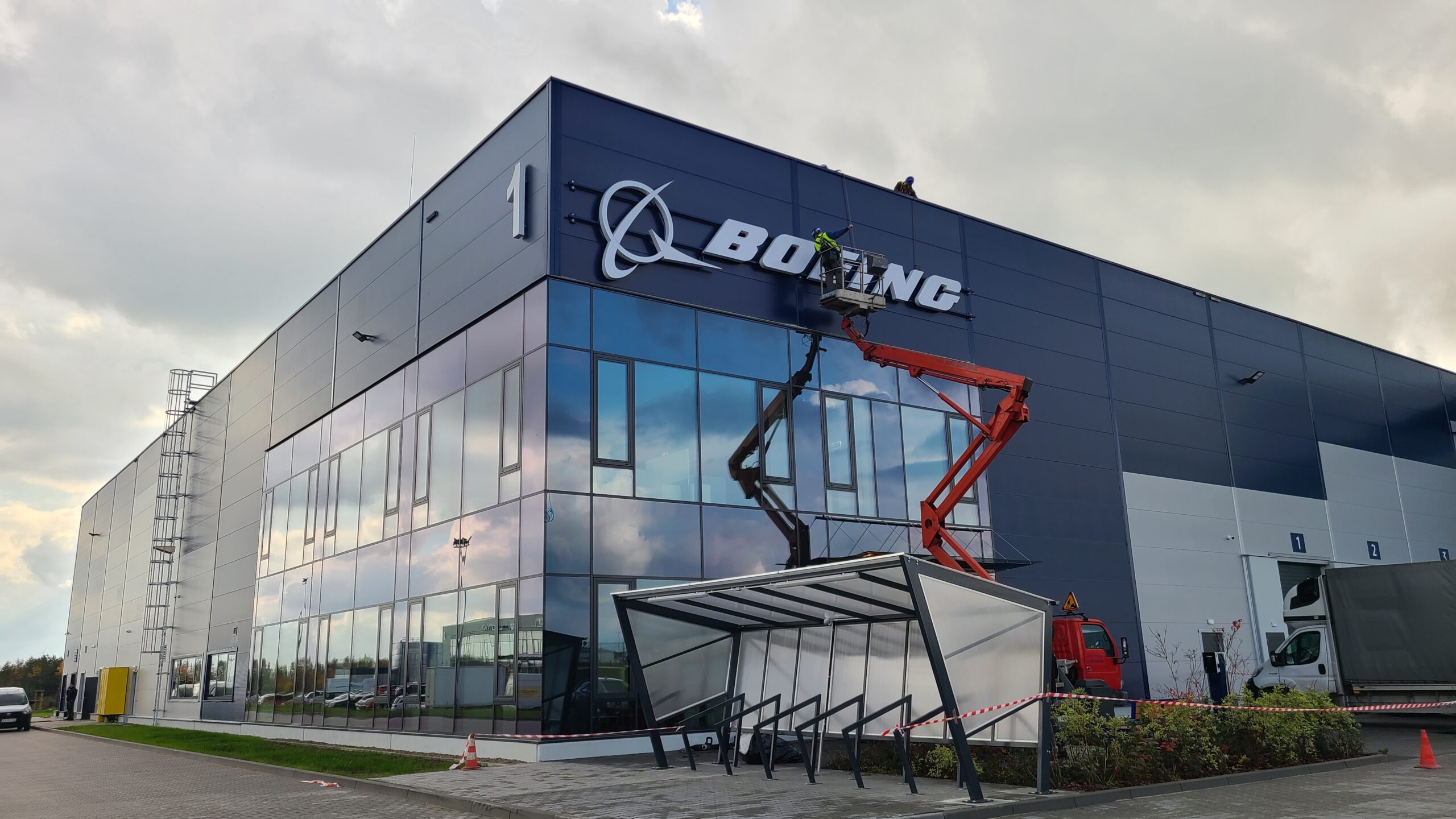 Oddział Boeinga w Rzeszowie
Szefowa Boeinga na Polskę i Ukrainę podkreśla również, że Boeing współpracuje zarówno z prywatnymi firmami, jak tez ze spółkami Skarbu Państwa.
Współpraca przemysłowa Boeinga z polskimi podmiotami nie ogranicza się tylko do produkcji. W zasadzie współpraca rozpoczęła się od obsługi technicznej samolotów tego producenta przez bazę techniczna LOTu. Z czasem rynek cywilny rozwinął się o kolejnych przewoźników jak Enter Air, czy polski oddział Ryanaira linia Buzz. Obaj przewoźnicy, podobnie jak LOT również eksploatują samoloty Boeinga. Jednak Boeing wchodzi również na polski rynek wojskowy.
Mamy szereg umów związanych z działalnością obsługową. Tu wspomnę o współpracy ze spółką LOT-AMS. Jeśli jednak Polska zdecydowałaby się za zakup kolejnej platformy Boeinga poza śmigłowcami Apache, to już teraz w Polsce nasze centrum inżynieryjne wykonuje prace dot. statków powietrznych użytkowanych przez Siły Zbrojne USA, a w przyszłości będzie mogło obsługiwać również maszyny używane przez Wojsko Polskie. Polska jest jedynym krajem w Europie, gdzie pracujemy nad procesami projektowania, wytwarzania, modernizacji, testowania i obsługi operacyjnej dotyczących platform latających w Siłach Zbrojnych USA. To bardzo unikatowa część naszego biznesu – zauważa Honorata Hencel.
To co uważam za ważne, jeśli firma otwiera swój biznes w Polsce, z reguły korzysta z talentów polskich inżynierów, ale nie łączy się to za bardzo z rynkiem. W naszym przypadku mamy tę wyjątkową szansę, żeby statki powietrzne latające w naszym wojsku były obsługiwane przez polskich inżynierów – dodaje Honorata Hencel.
Polish avionics
When it comes to Boeing’s operations in Poland, avionics and software development constitute a very important part. The American company has located a significant portion of its work in this field of aerospace technology in our country.
“Our branch in Poland is also involved in avionics. The Gdańsk Boeing office develops software that is certified and without which an aircraft cannot leave the factory. This is also why, for example, Boeing’s subsidiary Wisk, which is developing a fully autonomous, electric air taxi, acquired Verocel, a company specializing in software certification. It was determined that Polish specialists are the best suited to deliver certified software and understand all regulatory requirements necessary to meet certification standards. This is something we excel at.
The work in Poland includes software for FMS (Flight Management Systems), but also communication systems, which have become extremely important. We are also involved in cabin-systems software and cargo-handling systems, including optimization of cargo-space use.”
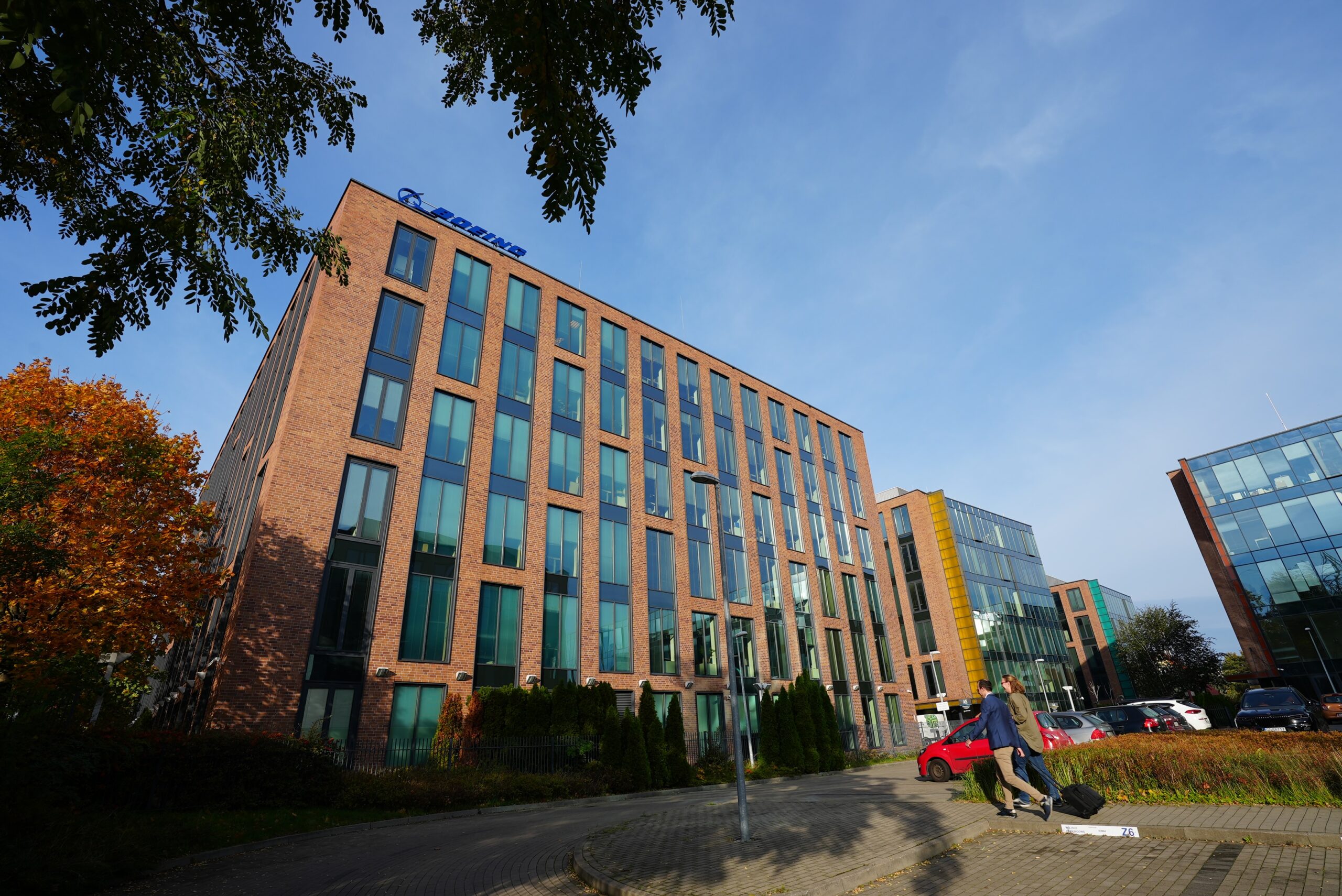 Boeing’s Gdańsk branch works on avionics, both hardware and software
“We work on software that optimizes aircraft performance from both the user’s and safety perspectives. The software must meet the requirements of aviation regulators as well as the customer. All of this is handled by our branch in Gdańsk. In terms of software engineering, in addition to our U.S. division we have four such centers worldwide, each with its own area of specialization. Importantly, the Polish branch manages the entire process – from product design to testing and final certification,” says Honorata Hencel.
Around the AH-64E Apache contract
New opportunities for cooperation
Prospects for the future
Although further acquisitions of Boeing equipment have not yet been decided, the company is preparing to expand its cooperation with Polish enterprises. At the end of October this year, a conference was held at the Institute of Aviation in Warsaw to discuss future collaboration between Boeing and Polish entities. Its aim was twofold: on one hand, to familiarize Boeing with the capabilities of Polish companies; on the other, to present the technical and organizational requirements associated with integrating Polish enterprises into the American corporation’s global supply chain.
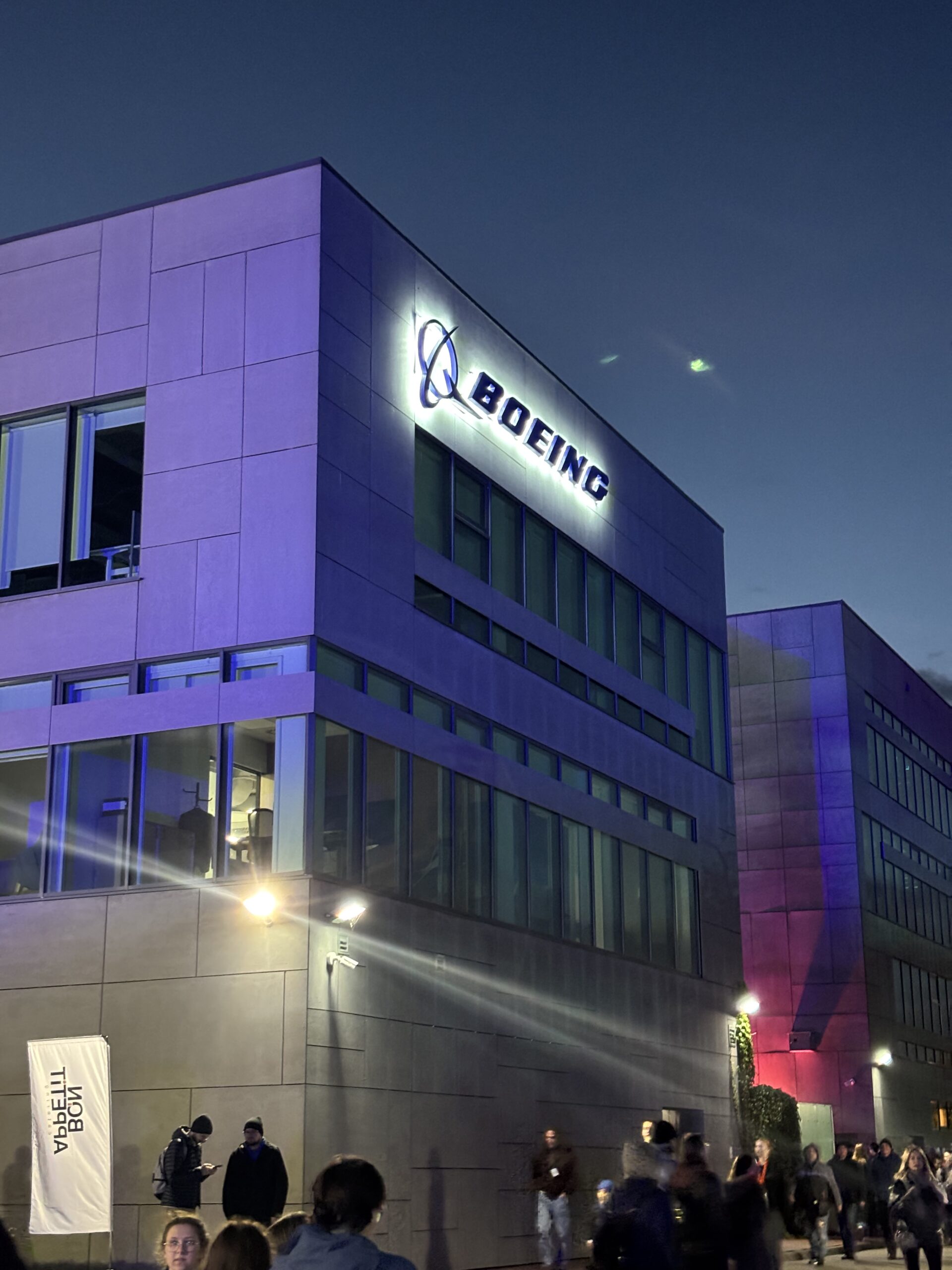
Boeing’s division at the Institute of Aviation in Warsaw / Photos: Boeing
“As for the future, an important element is the previously mentioned integration of Polish industry into Boeing’s supply chain. On one hand, this includes the search for new suppliers, which was the purpose of the Boeing Industry Day event. Beyond propulsion systems, Polish industry is strong in the production of advanced machined components and in materials engineering. We want to assess how many Polish companies are interested in joining Boeing’s global supply chain, both in the civil and defense sectors. The second element involves development research – how Boeing’s new products will look in the future. This includes design issues on the one hand, and software on the other, which I mentioned earlier, meaning software development and the use of artificial intelligence – using data to improve successive products. This is something we are truly good at. It’s no longer a question of searching for what we could do. We already have many concrete examples that have proven successful regarding Polish suppliers, and we also see that areas related to programming and data use are increasingly important. Future aircraft will become even more digitalized.
Our group of engineers forming the engineering centers in Gdańsk, Warsaw, and Rzeszów will continue to grow to create teams supporting aircraft operations not only in Poland but worldwide. We plan to increase this number in the coming years.
Expanding the engineering division and increasing the number of suppliers are not separate issues. Considerable work remains to integrate these suppliers from an engineering perspective into Boeing’s applied solutions. It is about transferring knowledge to suppliers – how they should cooperate with Boeing, how they should produce components so that they fit into a Boeing product. That is a crucial element,” emphasizes Honorata Hencel.
