



















Will the Swedish Police Replace the MP5 with the Sako AK24?

The portal Polis Tidningen reports that the new project is titled “procurement, implementation, and use of a new support weapon.” The goal of the project is to find a replacement for the currently used 9 mm Heckler & Koch MP5 submachine guns. According to the Swedish Police, the contracts for the existing weapons have expired, and new ones must be established to maintain the full operational capability of the force.
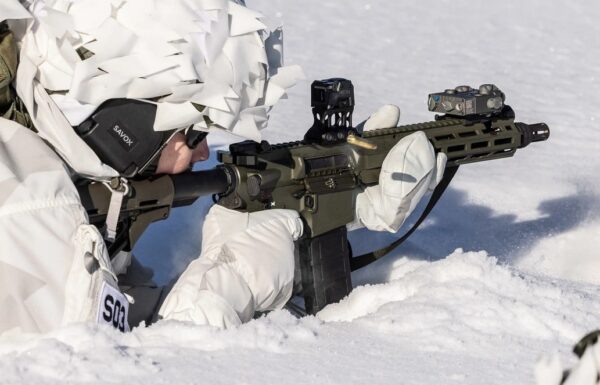
The weapon favored by the Police is the 5.56 mm Sako AK24 assault rifle, which constitutes the new standard armament of the Swedish Armed Forces.
Photo: Andreas Hillergren/TT, Polis Tidningen
Why Is the Swedish Police Interested in the AK24?
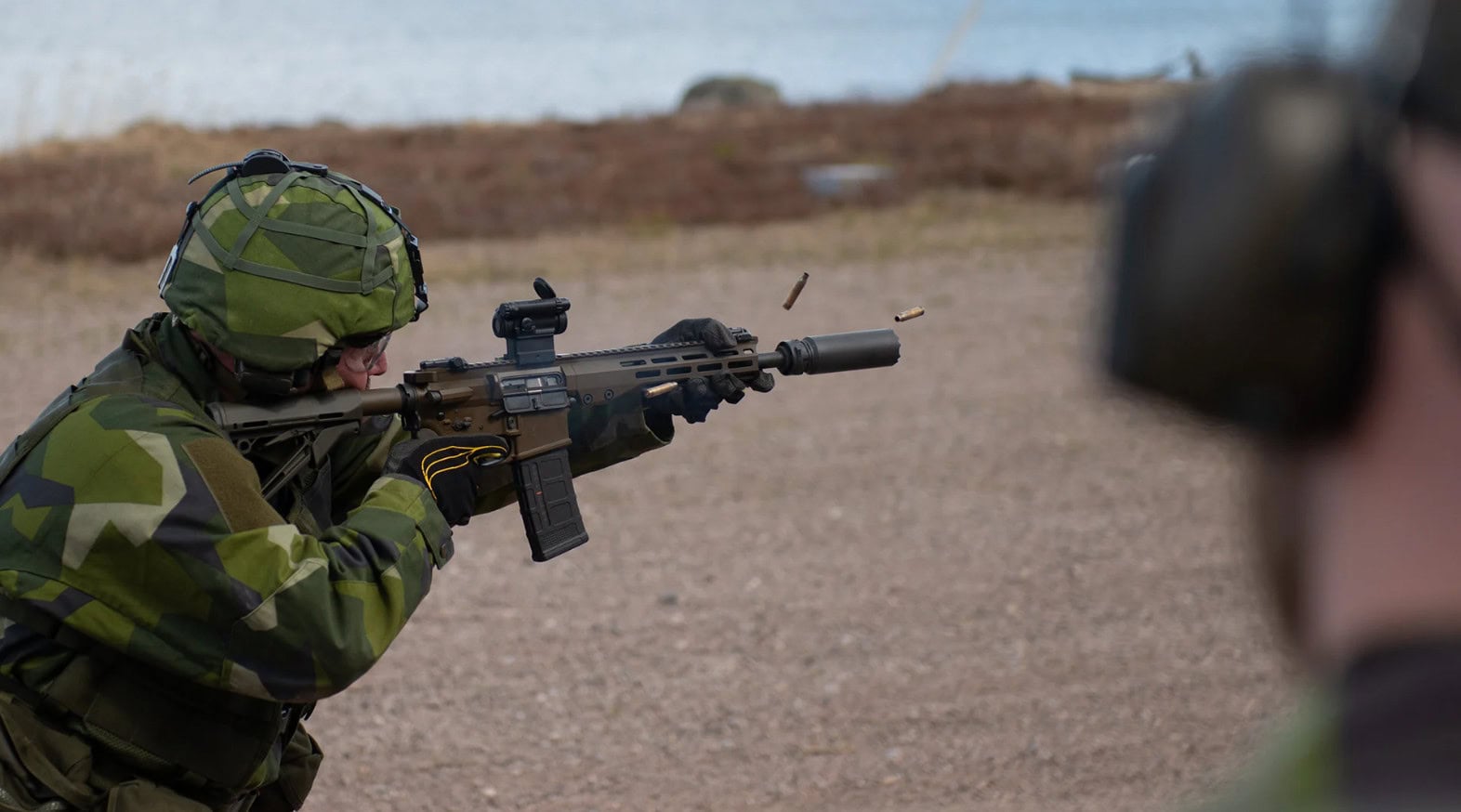
The preference is justified by the increased interoperability with the Swedish Armed Forces and neighboring countries that have also decided to adopt 5.56 mm rifles produced by the Finnish company Sako.
The Police emphasize that the motivation behind introducing more powerful weapons stems from the need to adapt the force to counter new, more demanding threats. According to a Police representative, officers are increasingly encountering criminals who possess not only more powerful weapons but also individual ballistic protection. These factors translate into the need for firearms chambered for ammunition with significantly greater penetration.
The main drawback of the currently used Heckler & Koch MP5 submachine guns is the relatively weak ballistics of 9×19 mm Parabellum pistol ammunition, especially at longer distances.
5.56 mm Sako Ak24 rifle / Photo: Försvarets materielverk (FMV)
The Swedish Police Are Testing the AK24
The Swedish Police have acquired a number of AK24 rifles for qualification testing. The tests were intended, among other things, to determine whether the intermediate ammunition used in the rifle would exhibit an undesirable over-penetration effect.
According to Ola Slettenmark, the official Police representative on the matter, the tests showed that when the correct type of ammunition is selected, this effect does not occur – while at the same time providing a significant advantage in terminal ballistics. The Police aim to acquire a weapon whose ammunition can defeat barriers and ballistic protection while still remaining inside the attacker’s body.
In an article published on November 27, 2025, it was stated that no final decision has yet been made. However, it was emphasized that selecting the AK24 is highly likely.
What Would the Implementation of the AK24 Look Like?
At the time the Polis Tidningen article was written, the Police were conducting a cost and timeline analysis for the introduction of the new weapon. The price of a single AK24 is expected to fall within the range of 30,000–40,000 SEK. This cost is said to be comparable to that of acquiring an MP5.
If the AK24 is selected, the first rifles would be delivered at the beginning of 2027, and the full rearmament of the Police would take three years. In addition to acquiring the rifles themselves, the organization of training is also being evaluated. According to Slettenmark, the timeline for implementing the AK24 depends on the pace of deliveries and the Police’s actual ability to properly introduce the change within the organization. The process is intended to be carried out in a way that avoids creating unnecessary strain while also not dragging on, ensuring that the Police do not operate two weapon systems simultaneously.
The AK24 in Service with the Swedish Armed Forces
The Swedish Armed Forces began introducing the AK24 earlier this year. However, the process was halted after issues were discovered in the trigger mechanism, specifically a delayed firing-pin strike. According to Polis Tidningen, this problem has reportedly been resolved. The AK24 is currently undergoing further testing within the military.
“The defect is a tolerance error that causes a delay in firing, and it is an unacceptable failure from a safety standpoint. Because safety always comes first, the Swedish Armed Forces, in agreement with FMV, imposed a firing ban on this weapon until the entire delivered batch has been inspected and the faults corrected. This is no stranger than when the automotive industry occasionally issues recalls after discovering a flaw,” said Anders Östberg, firearms program manager at FMV.
Photo: Försvarets materielverk (FMV)
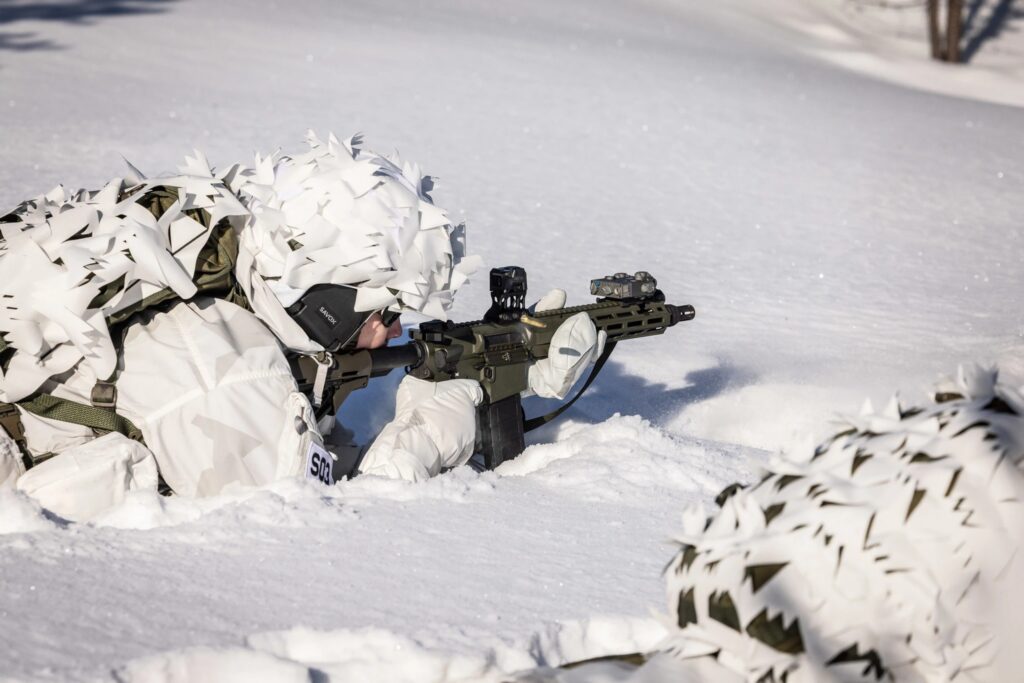
The AK24 will replace the 5.56 mm AK5 assault rifles (a modified Belgian FN FNC, produced since the early 1980s and upgraded to the currently used AK5C variant). The AK24 is an AR-15–pattern automatic rifle that will be paired with Aimpoint CompM5 red-dot sights.
The 2023 order placed with Sako is part of a larger procurement worth 875 million SEK for the delivery of 5.56×45 mm assault rifles, 7.62×51 mm automatic rifles, semi-automatic designated marksman rifles in the same caliber, and multi-caliber sniper rifles chambered in 8.6×70 mm / 7.62×51 mm (Sako TRG M10).
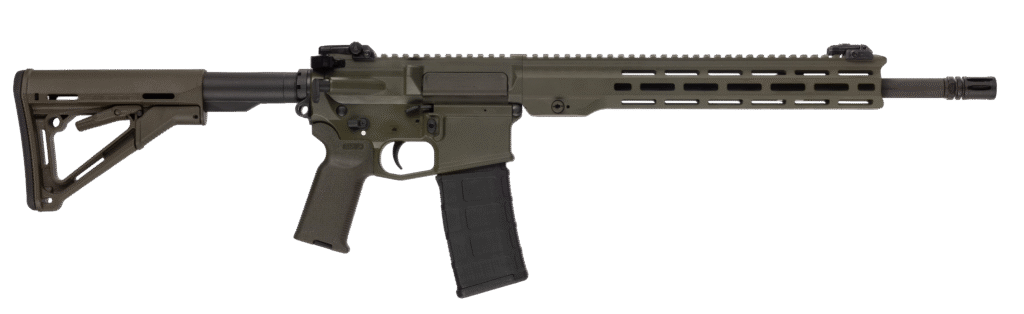
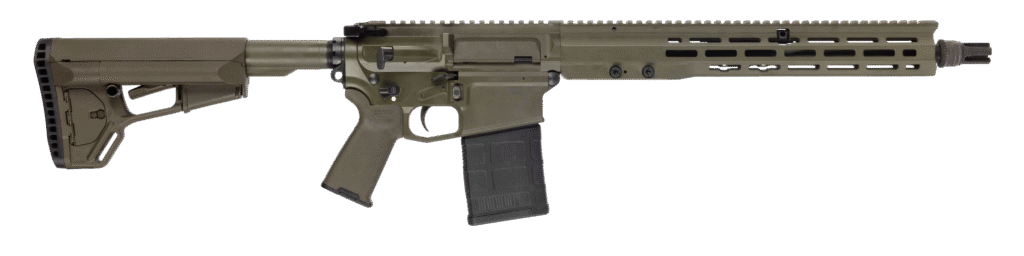
Ak24 – Sako Arctic Rifle Generation (ARG) dla Szwedów
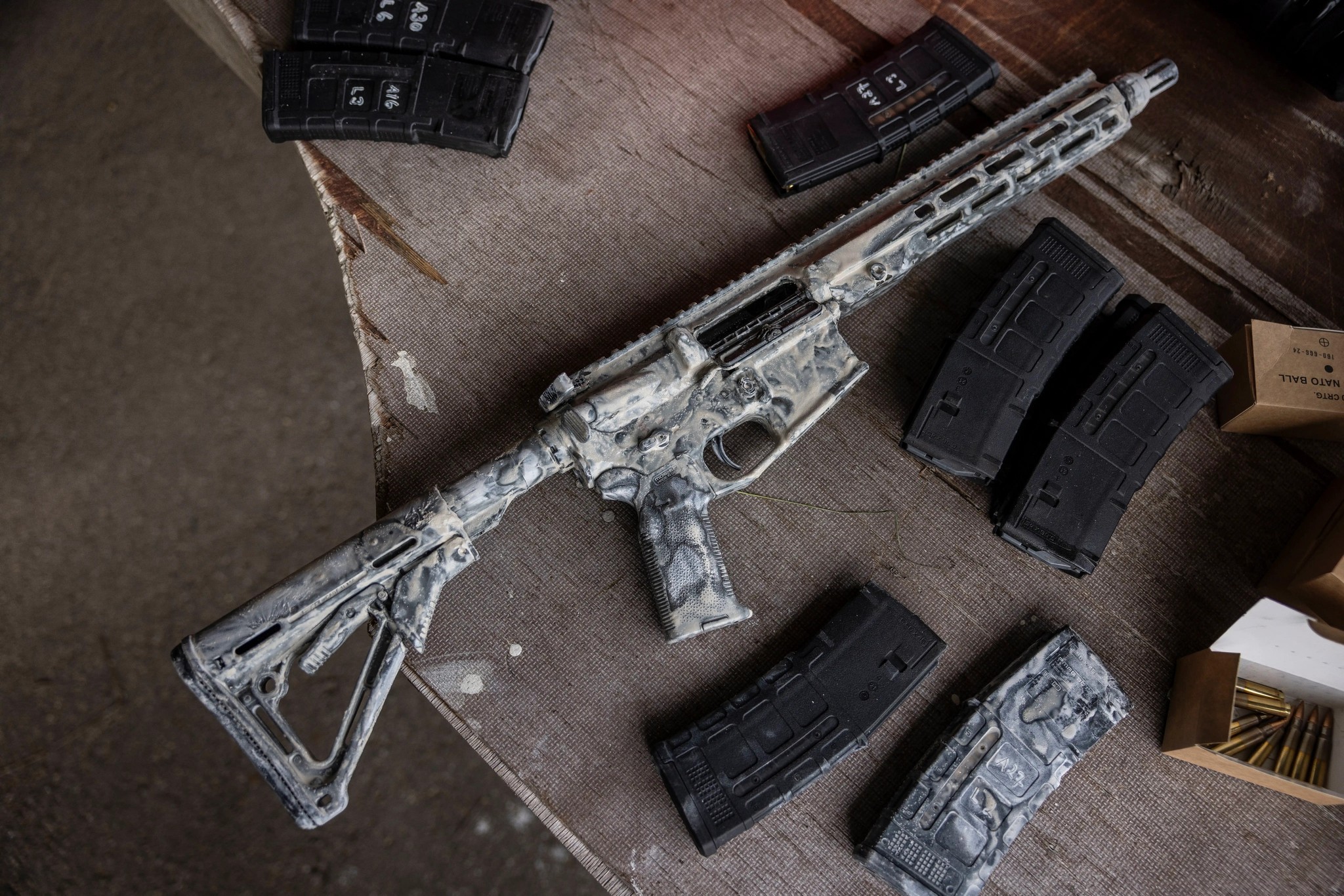
Sako is a Finnish firearms manufacturer that is part of the Beretta Defence Technologies group. The brand is globally known for its high-quality hunting and sniper rifles – the TRG-22 is in service with the Polish Armed Forces, and the newer TRG M10 has been procured for JW GROM.
ARG, or Arctic Rifle Generation, is a family of rifles and carbines derived from Stoner’s designs – the AR-15 and AR-10. Featuring compatibility with selected components of this global standard, the system is intended to operate reliably in harsh environments: high humidity, maritime conditions, desert climates, and the freezing tundra. The AK24 is the variant of this design tailored to the needs of the Swedish Armed Forces.
Sako Arctic Rifle Generation rifles are purpose-built for northern environments and the defense of the Arctic region. Developed in collaboration with the Swedish and Finnish Defense Forces, the rifles are specifically engineered for Arctic conditions and tested according to NATO D14 standards. The rifles are based on the well-known AR-15 platform, with enhancements to improve reliability, handling characteristics and operational performance in challenging conditions. These rifles are designed as a complete system replacement, capable of seamless integration with allied weapon systems.
Sako
Photos: Sako
The ARG family includes:
- 5.56×45 mm NATO carbines, offered with an internal piston gas system (the classic Stoner system, commonly called direct impingement; DI) designated ARG 40 DI, or with an external short-stroke gas piston system above the barrel, designated ARG 40 GP.
- 7.62×51 mm NATO rifles, offered exclusively with the external short-stroke gas piston system, designated ARG 50 GP.
According to the manufacturer, the classic Stoner system provides a more pleasant “shooting behavior,” translating into softer recoil. The piston system, on the other hand, is intended for harsher conditions, generating less fouling in the chamber and being less sensitive to contaminants.
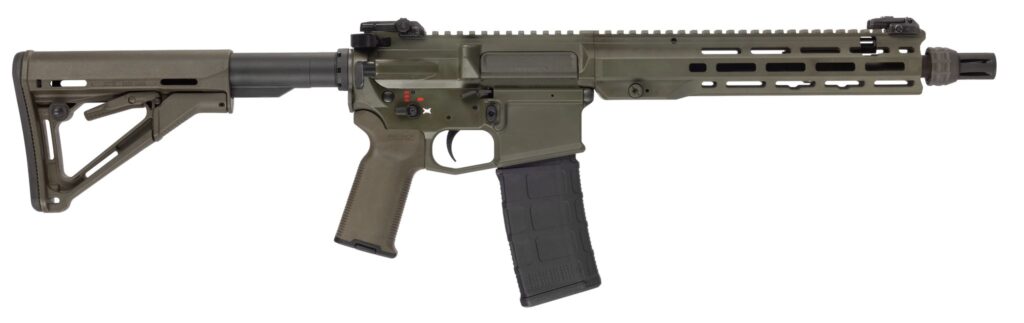
ARG 40 DI, ARG 40 GP, and ARG 50 GP share most of their key characteristics.
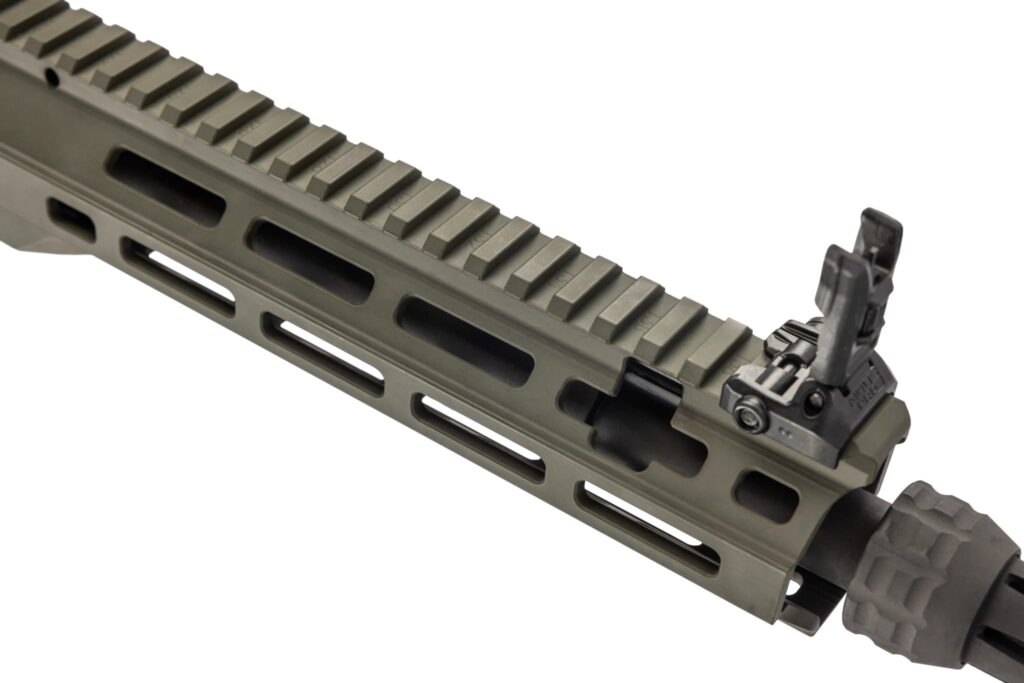
Their cold-hammer-forged barrels are surrounded by a long handguard featuring a continuous top Picatinny rail and M-LOK accessory slots covering the remaining surface. As a result, Sako rifles are fully compatible with the mounting of electro-optical devices, laser designators, weapon lights, bipods, and ergonomic accessories (grips, etc.).
The ARG 40 DI and ARG 40 GP carbines can be configured with barrels of various lengths, depending on customer requirements, ranging from 11.5 to 16 inches (292–406 mm).
The ARG 50 GP rifle is presented only with a 16-inch barrel.
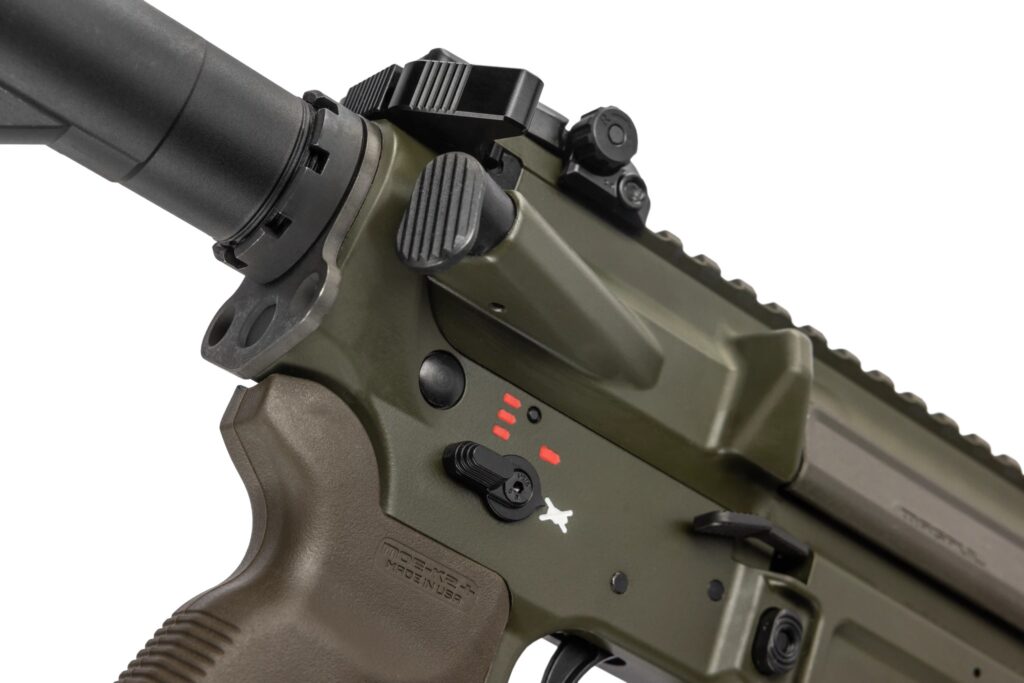
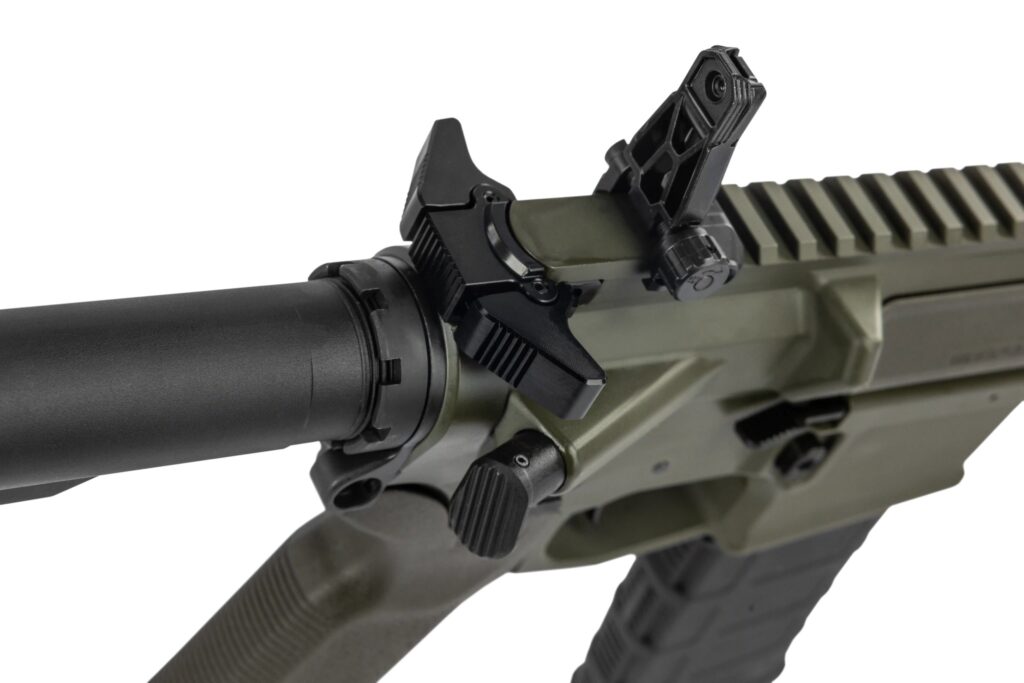
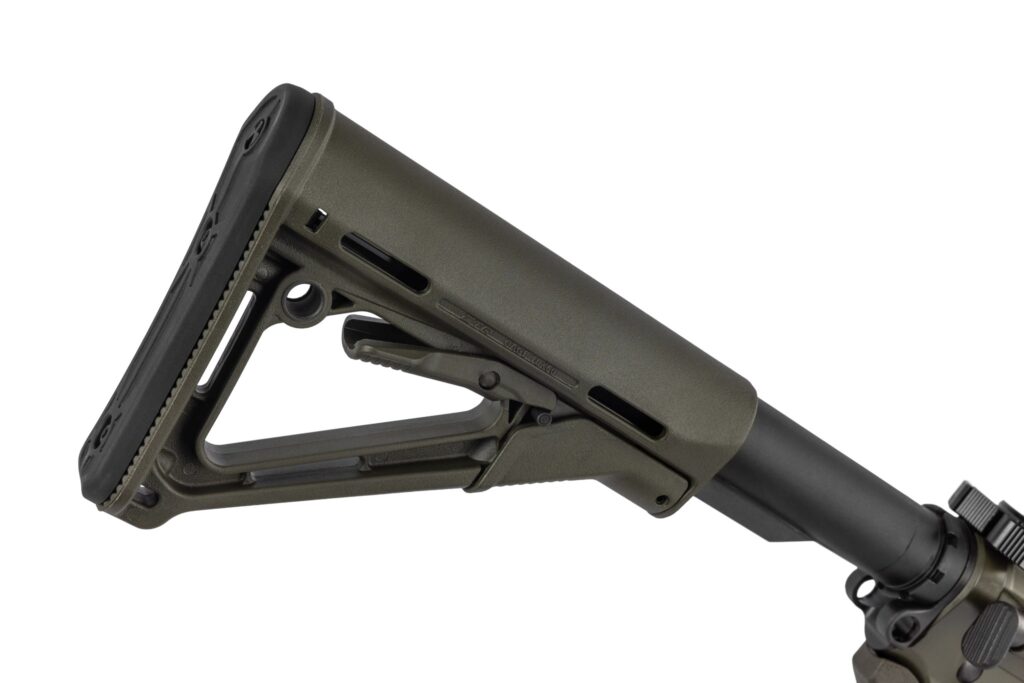
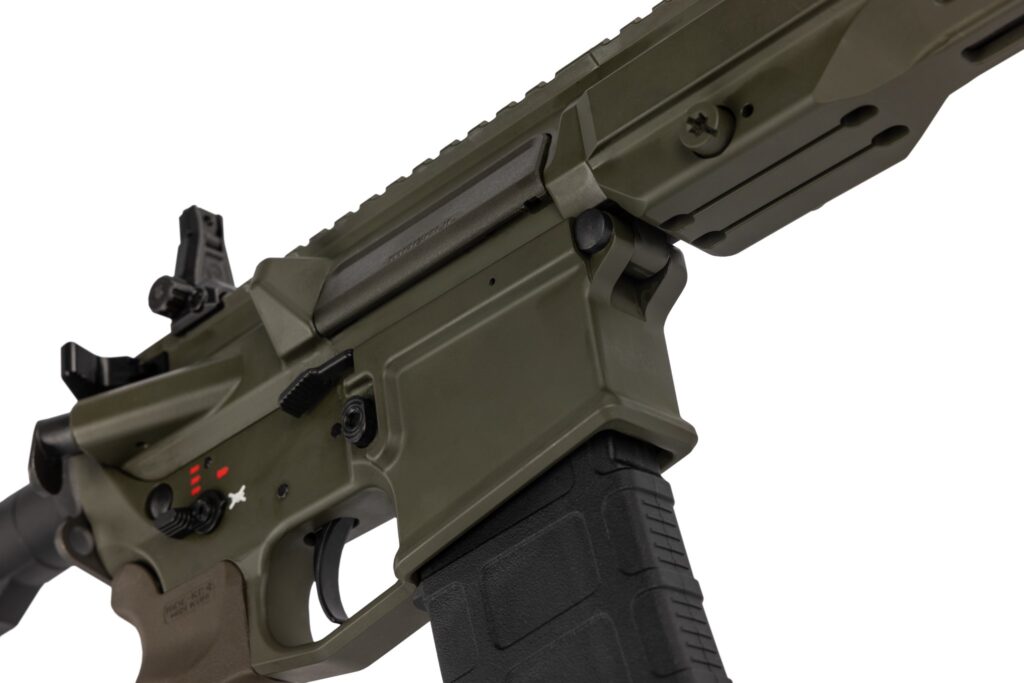
Importantly, the entire ARG platform is fully ambidextrous, suitable for both left- and right-handed users. Controls duplicated on both sides include the charging handle, the 45° safety-selector, the bolt catch, and the magazine release. The rifles are presented in a baseline configuration with Magpul stocks and grips, but Sako notes that they may be fitted with alternative components according to customer requirements.
Analysis
The Swedish Police are not the first law enforcement service to replace the previously dominant submachine guns with automatic or semi-automatic carbines chambered for intermediate ammunition. New threats, including but not limited to terrorism, have brought attackers armed with weapons offering significantly higher firepower than the standard equipment issued to patrol officers. Attackers are also increasingly equipped with personal ballistic protection, which greatly reduces the effectiveness of low-velocity handgun ammunition.
As firearm technology has evolved, a category known as sub-carbines has emerged. These are short-barreled carbines, either designed from the ground up or created by modifying existing rifle platforms. They combine greater terminal performance with compact dimensions, giving uniformed services weapons with a much smaller “profile,” often comparable to submachine guns, while delivering significantly higher effectiveness against threats behind ballistic protection or other cover.
Sub-carbines are selected in various calibers. The Swedish Police prefer standard 5.56×45 mm NATO ammunition, identical to that used by the Swedish Armed Forces. The police in Germany’s Thuringia region, replacing their MP5s, chose FN SCAR-SC sub-carbines chambered in .300 Blackout. Ballistically, .300 BLK is similar to 7.62×39 mm, but due to its design it is optimized for use in platforms originally built for 5.56×45 mm NATO. The French GIGN, on the other hand, selected short-barreled Bren 2 carbines chambered in 7.62×39 mm. Both the SCAR-SC and Bren 2 were procured in response to lessons learned from terrorist attacks in France and Belgium.
Replacing submachine guns with sub-carbines appears to be a natural evolution in the armament of uniformed services that must adapt their arsenals to present and emerging threats. Choosing the same weapon as the military, a special variant of it, or a closely related design also improves interoperability between police and armed forces, while simplifying supply chains and overall logistics.
This article is based on the Polis Tidningen report Polisen vill byta ut MP5 mot AK24.