




















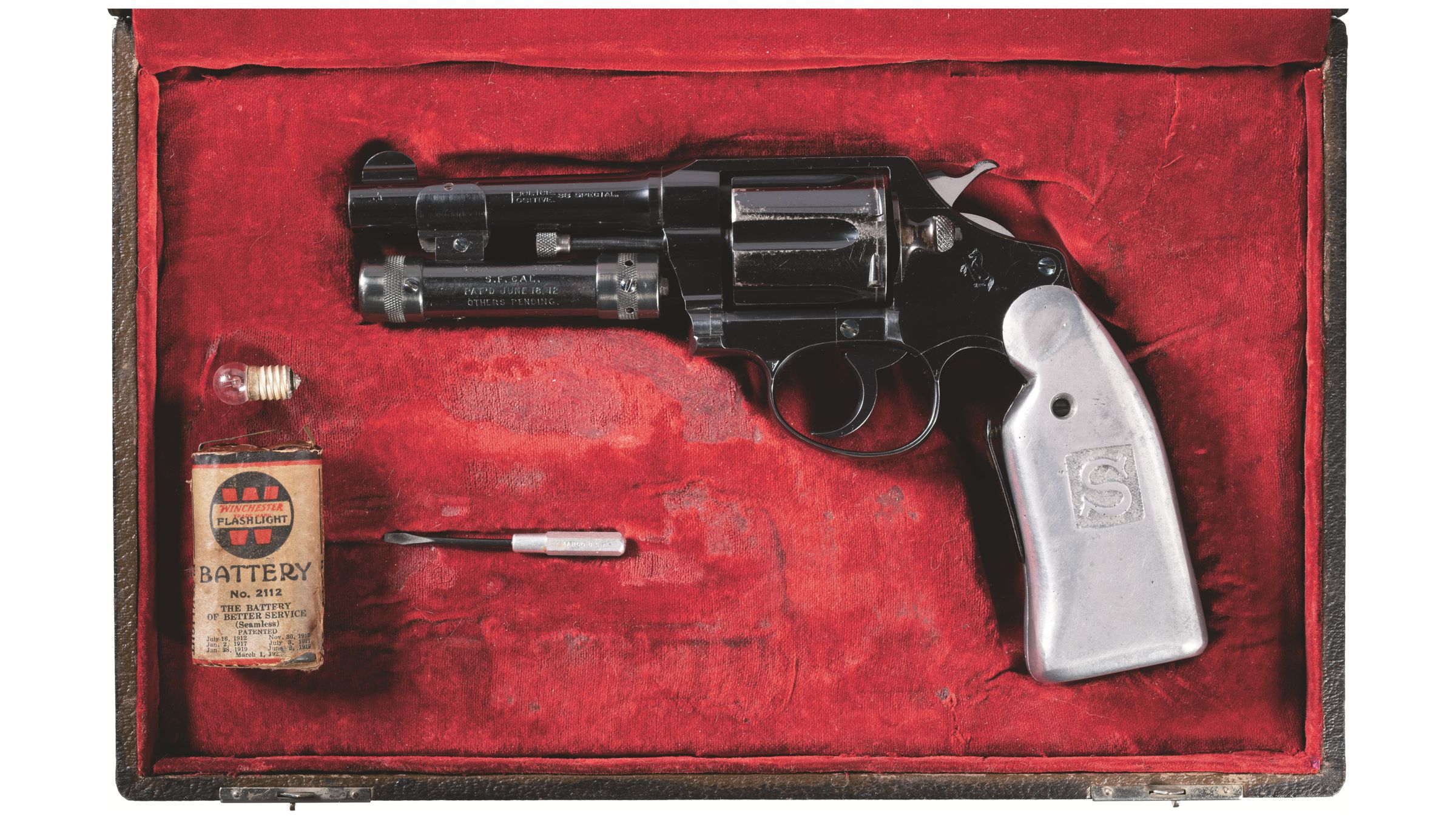
A Brief History of Pistol Flashlights
Specifications, Design, and Ergonomics of the Inforce WILD2
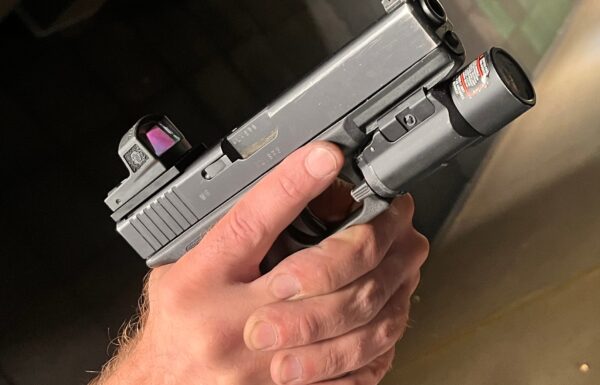
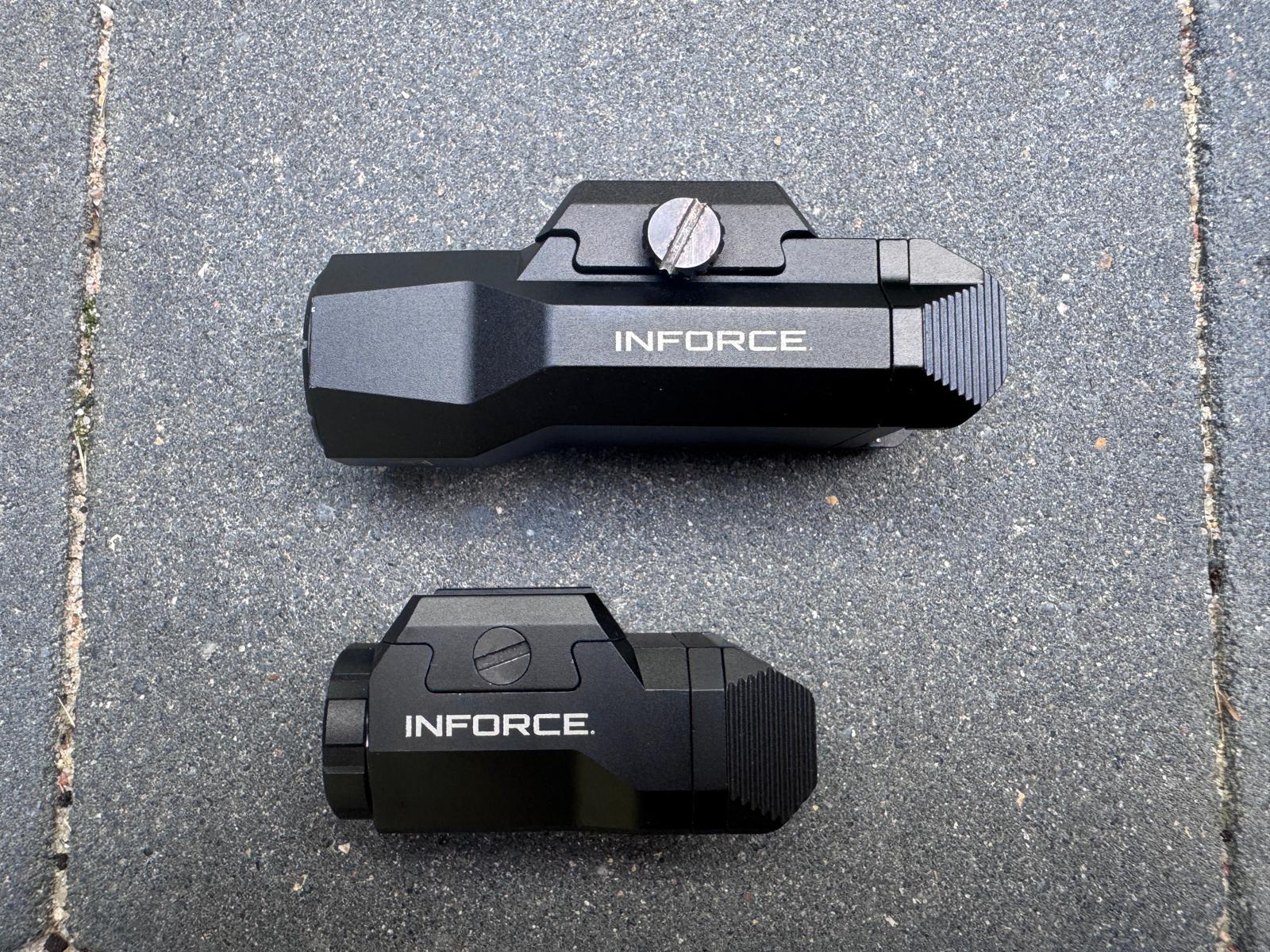
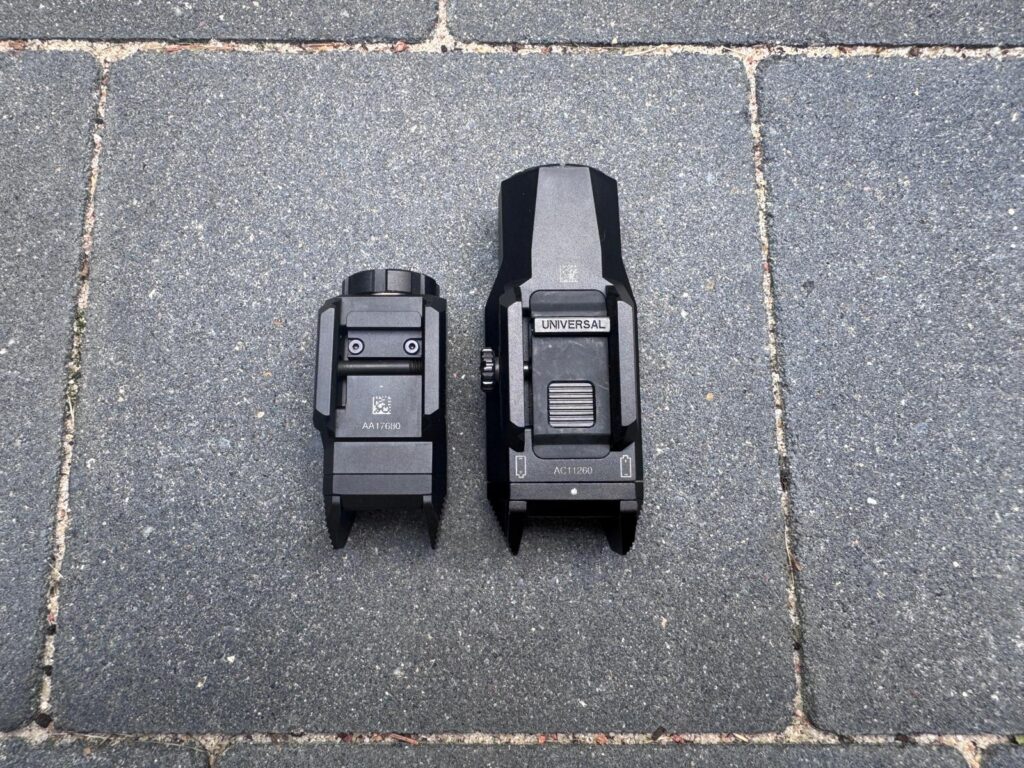
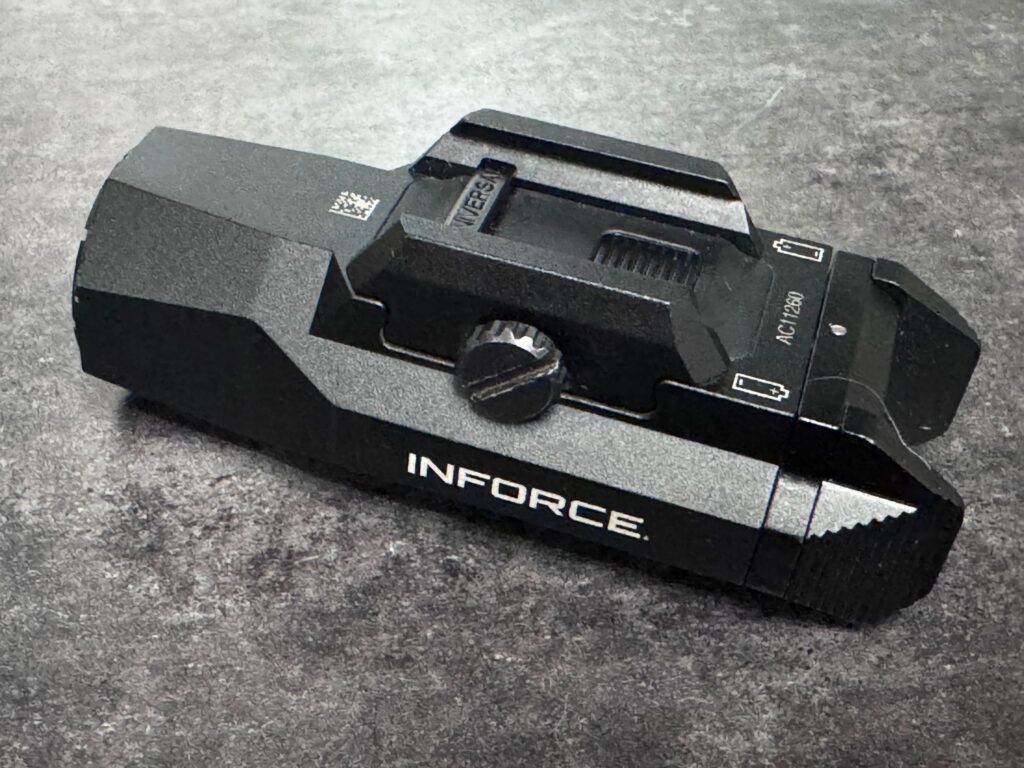
The Inforce WILD2 (Weapon Integrated Lighting Device), the larger of the two tested models, weighs 135 grams and utilizes two CR123A batteries as its power source. They provide up to 1.5 hours of runtime at 1,000 lumens with a beam intensity of around 25,000 candela. The flashlight measures 8.9 cm in length, with a bezel diameter of 2.8 cm. The WILD2 is constructed primarily from black anodized 6061-T6 aluminum. According to the manufacturer, its light beam reaches a distance of approximately 316 meters.
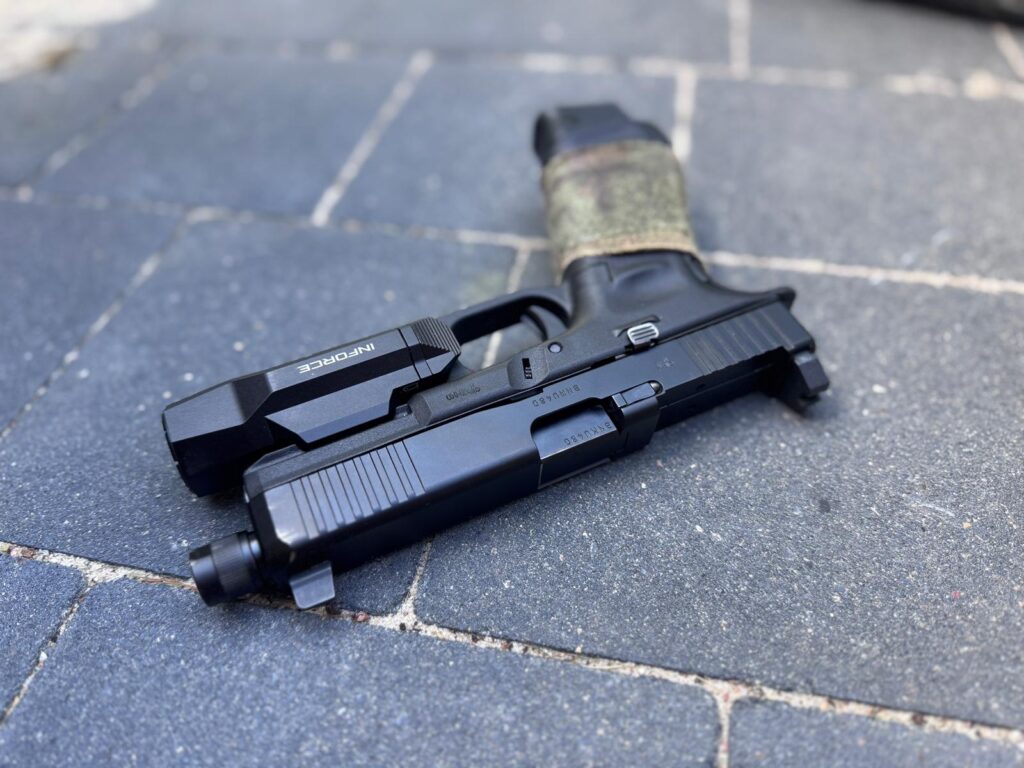
The user has three operating modes available – constant, momentary, and strobe. These are activated respectively by a single quick press of the switch, holding the switch for a longer moment, or a rapid double press. Naturally, the switch is ambidextrous, which is essentially the standard in this type of design.
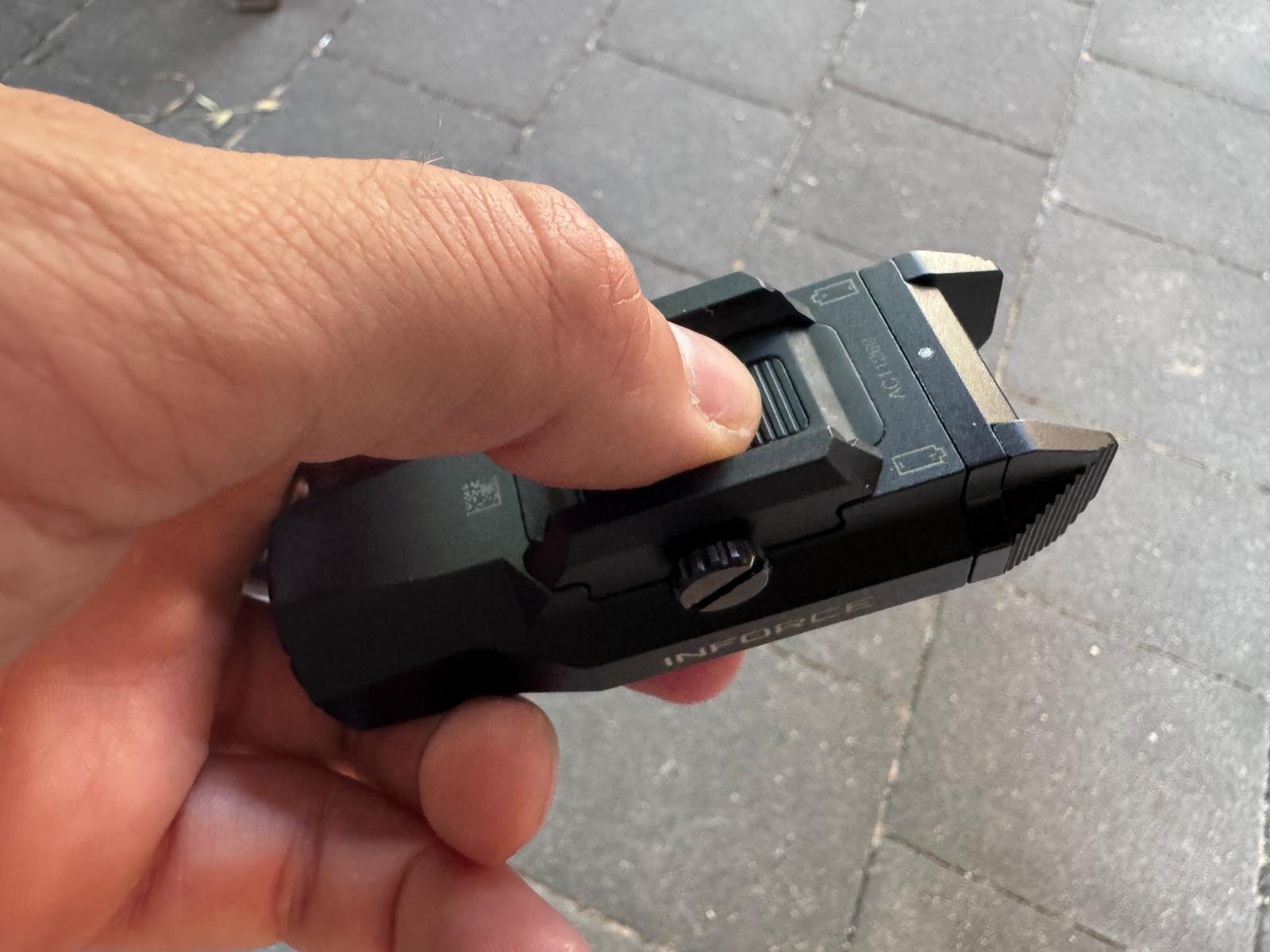
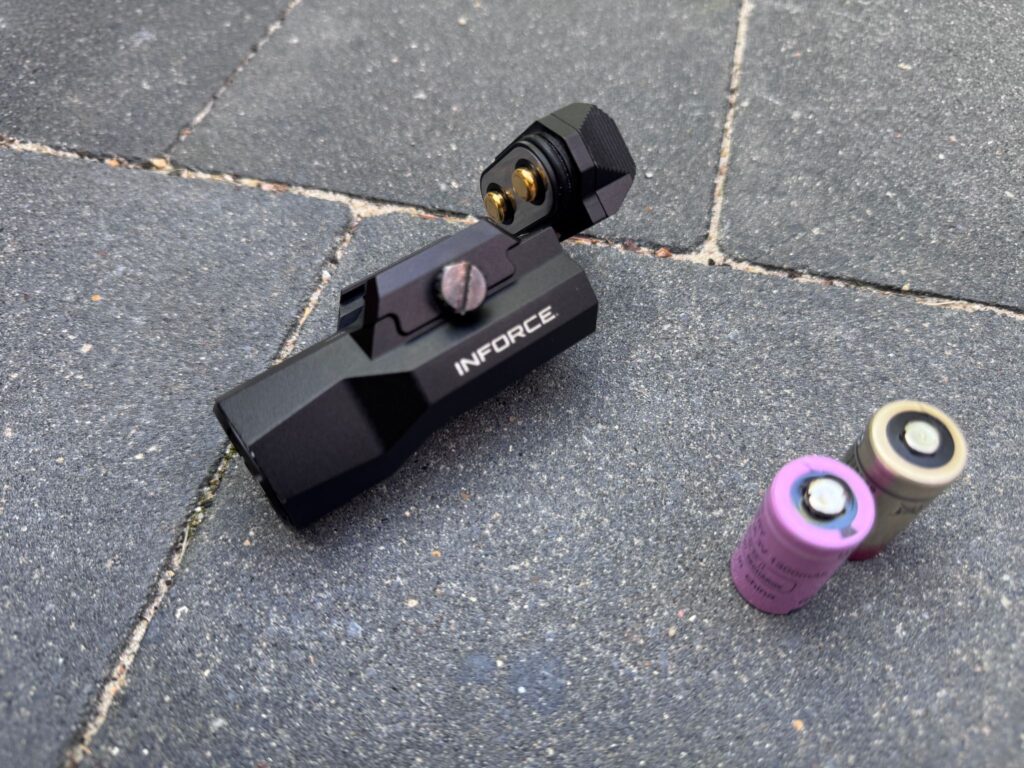
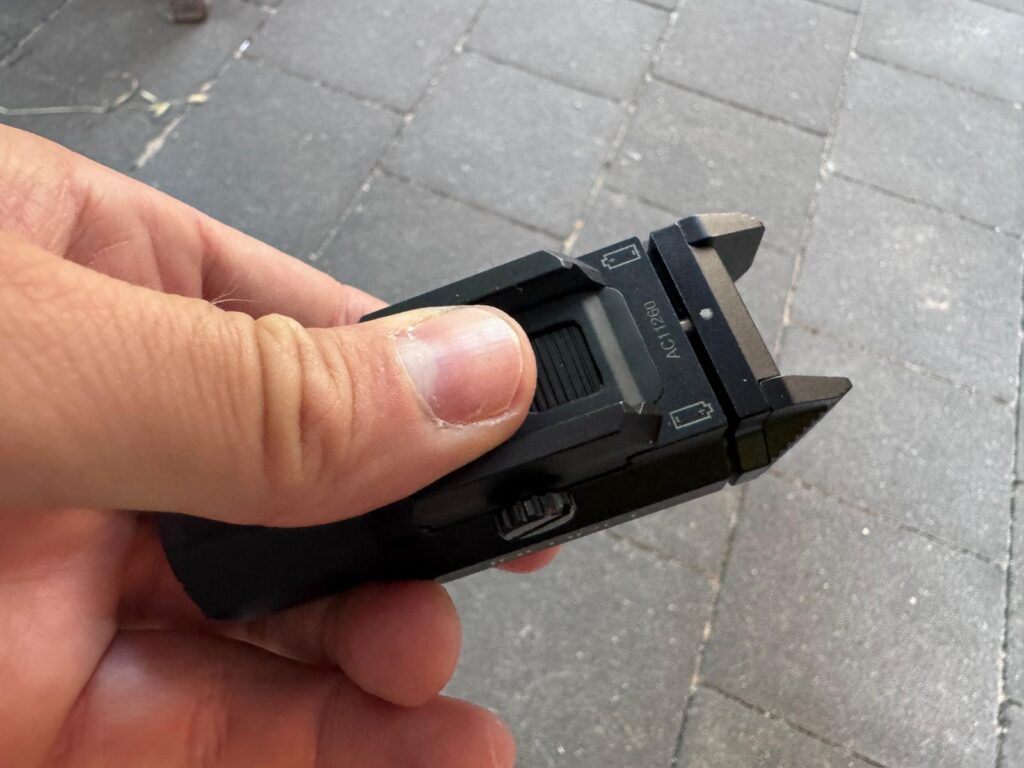
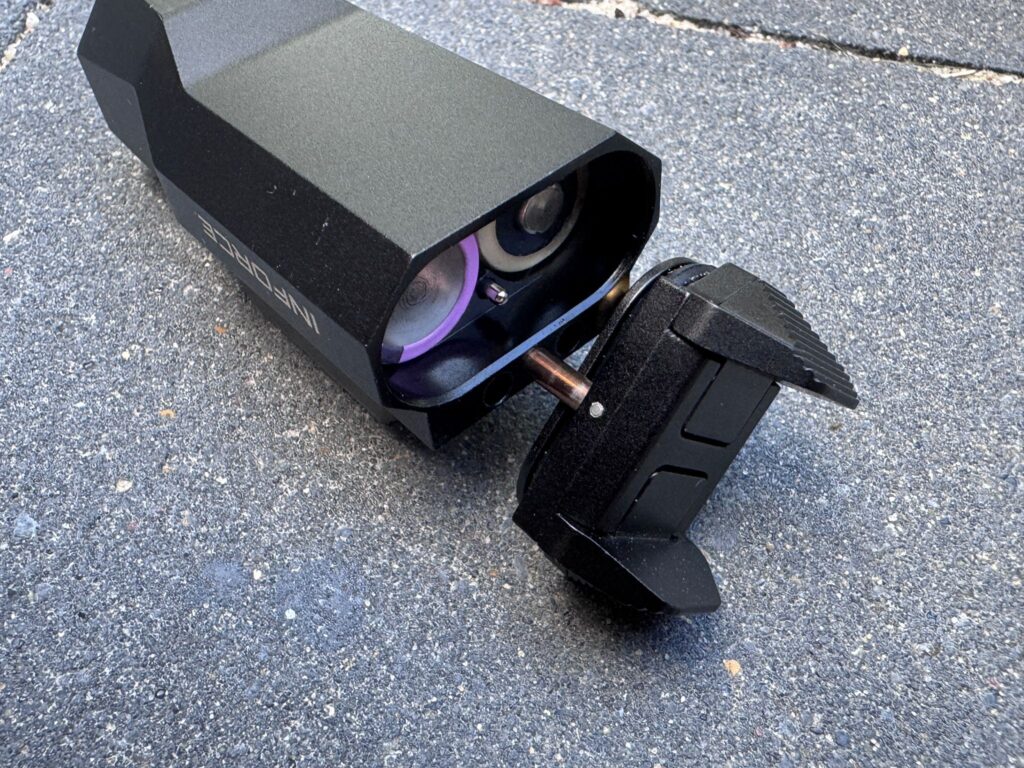
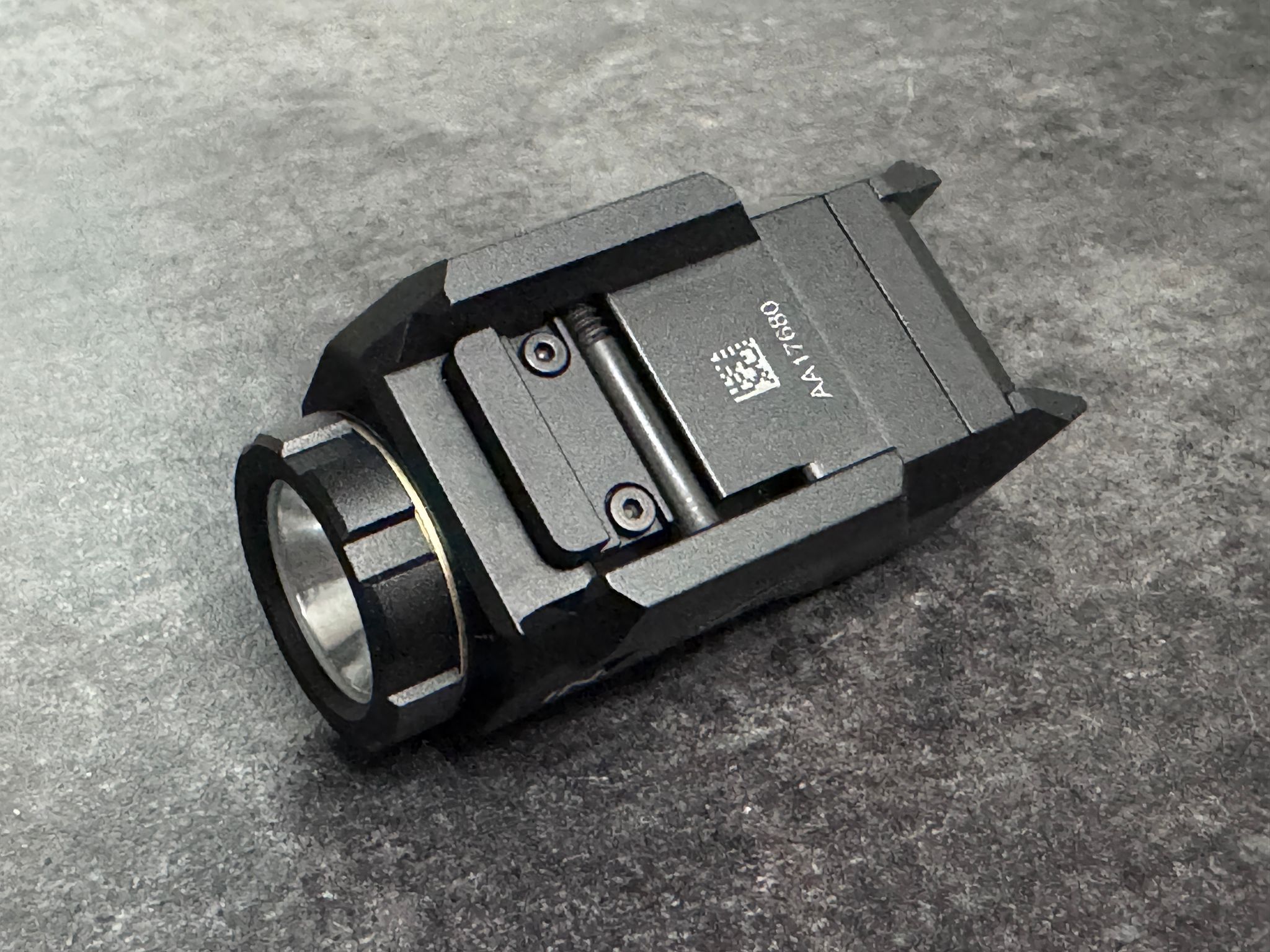
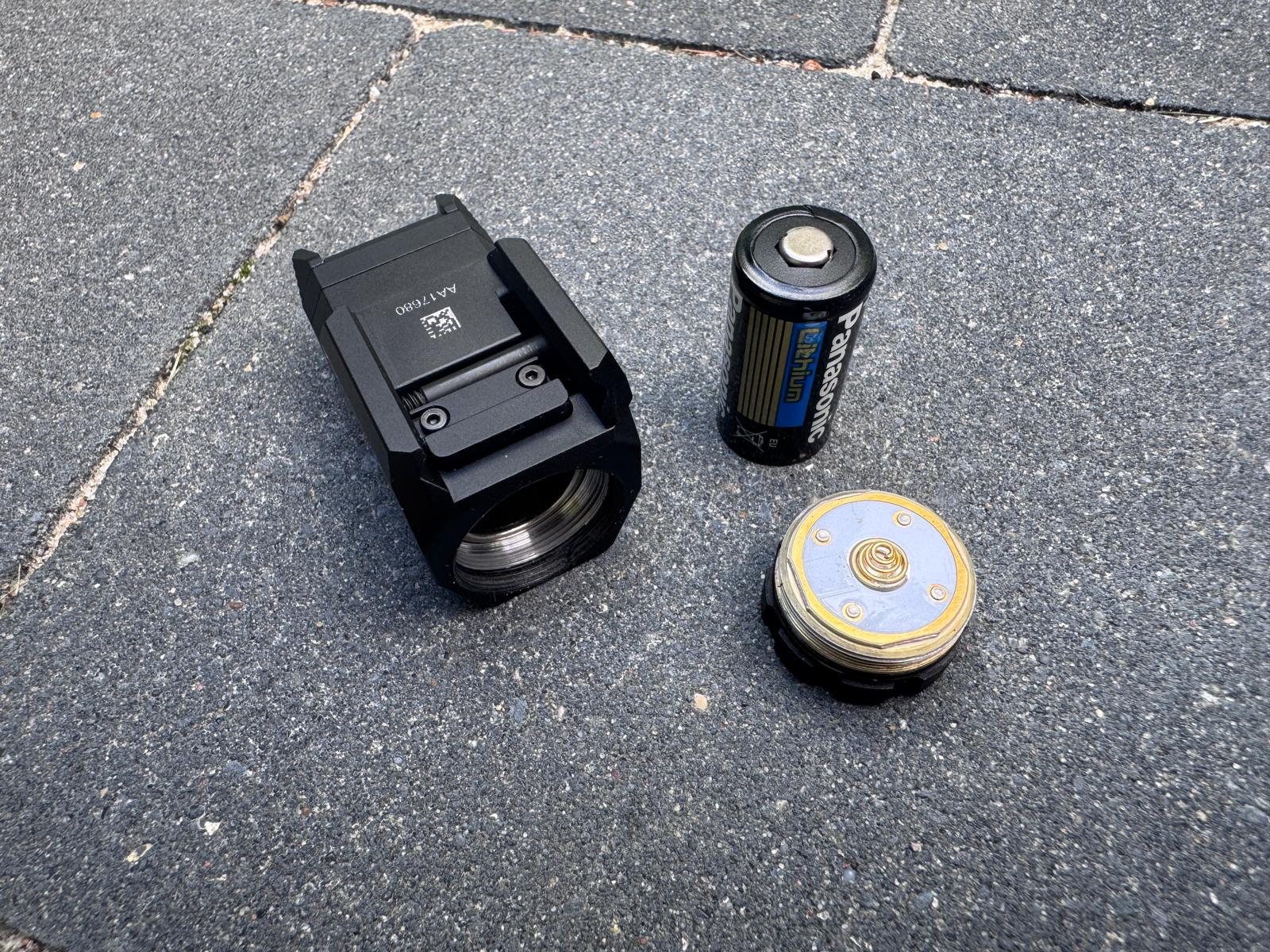
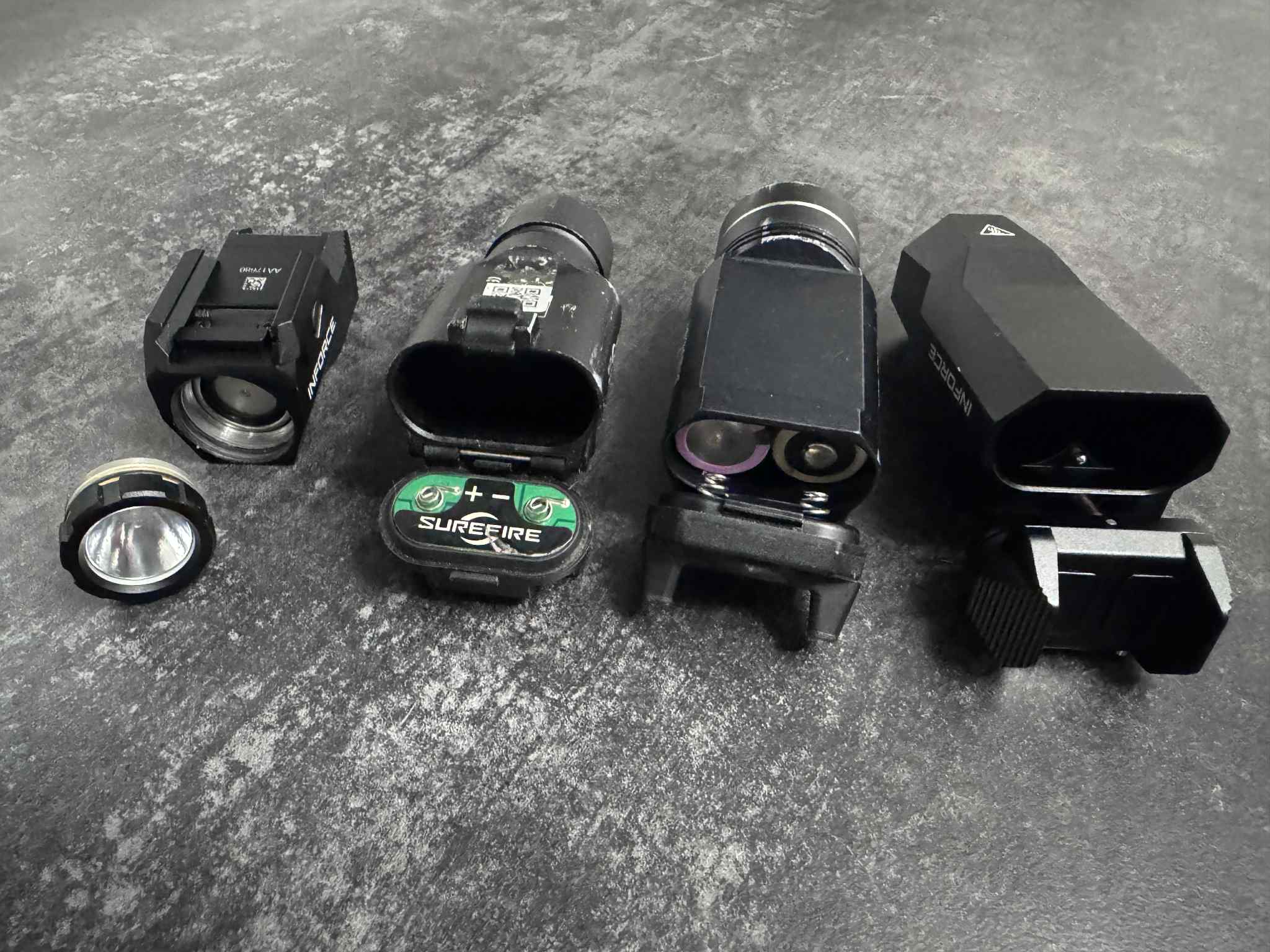
The flashlight is mounted on pistols equipped with a 1913 Picatinny or Weaver rail – the manufacturer provides interchangeable inserts in the set to ensure a precise fit. Installation is made easier by a prominent, textured screw, allowing the light to be attached even without tools – almost identical to the WMLx flashlight. Unfortunately, the WILD2 does not feature a spring-loaded mount, which would speed up one-handed installation. The flashlight is waterproof up to 20 meters and, according to the manufacturer, resistant to dust, sand, and mud. The battery compartment is also well protected with a substantial gasket. Access to the compartment is gained by pressing a button located above the mounting screw, and the compartment cap opens automatically with the help of an internal spring.
Specifications, Design, and Ergonomics of the Inforce WILD2

The WILD1 user has two operating modes, constant and momentary, which are activated respectively by a single quick press of the switch or by holding it down longer. The flashlight’s switch is, of course, ambidextrous and does not differ much from that of the WILD2.
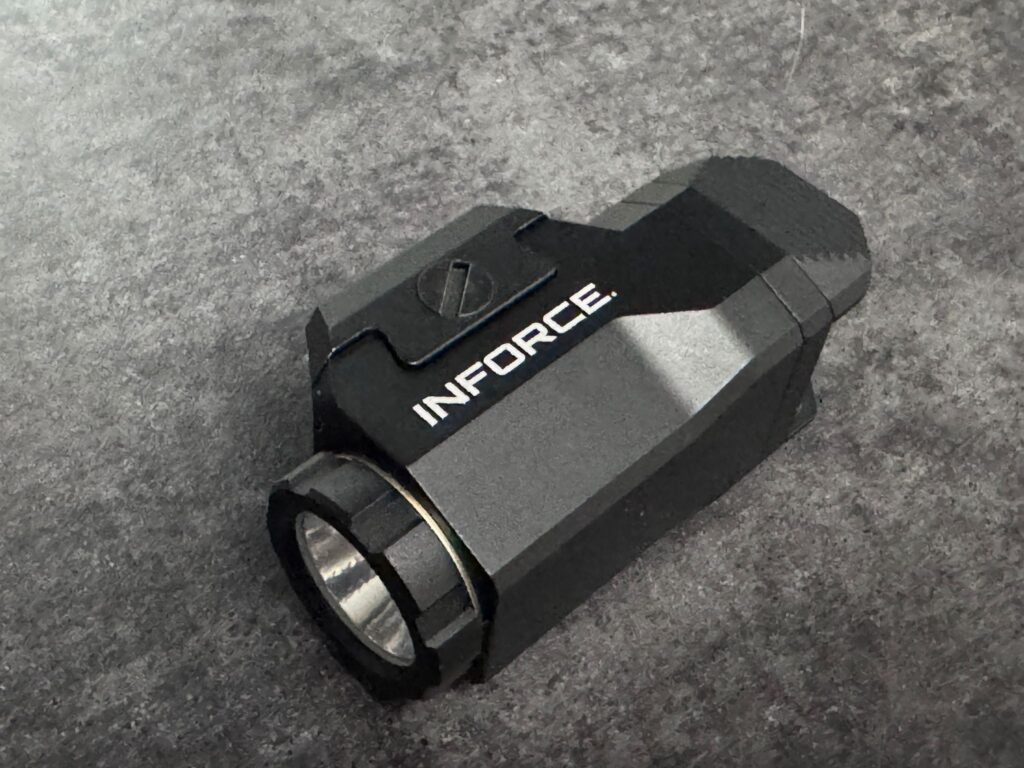
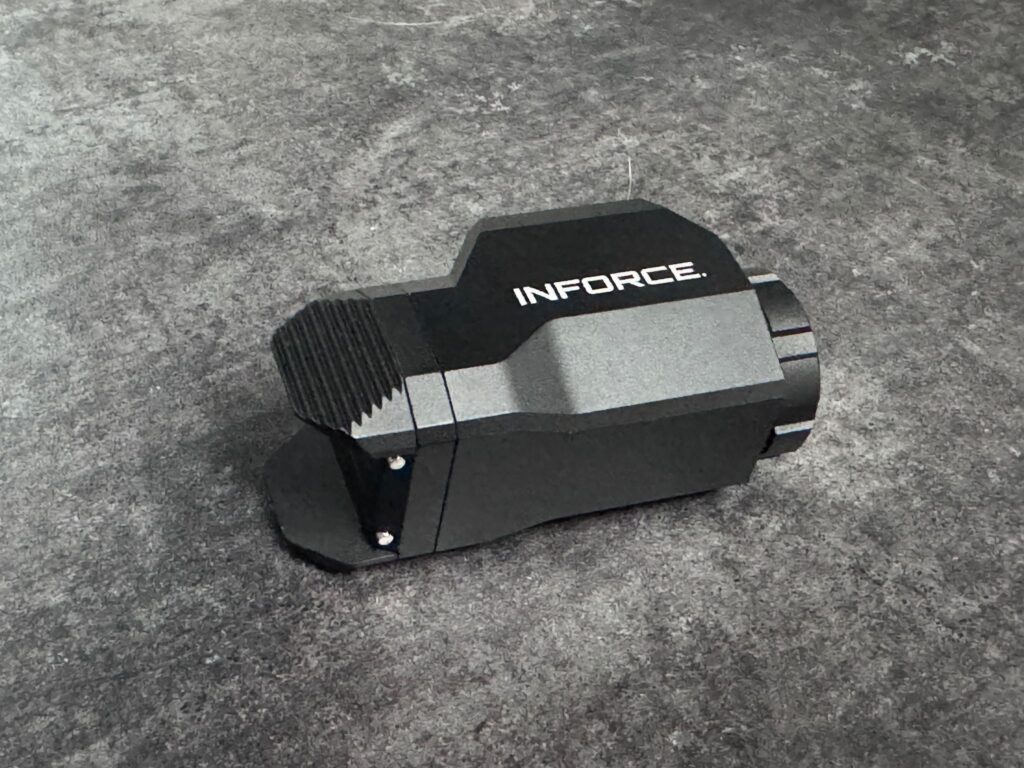
The flashlight mounts onto frames equipped with a 1913 Picatinny or Weaver rail – the manufacturer includes interchangeable inserts in the set to ensure a precise fit to the pistol. Another difference between the WILD1 and the WILD2 is the lack of the prominent mounting screw found in the larger model. Instead, the WILD1 uses a flat screw that does not protrude beyond the body of the flashlight. This reduces the light’s profile but makes mounting impossible without the use of a tool – in this case, a flathead screwdriver.
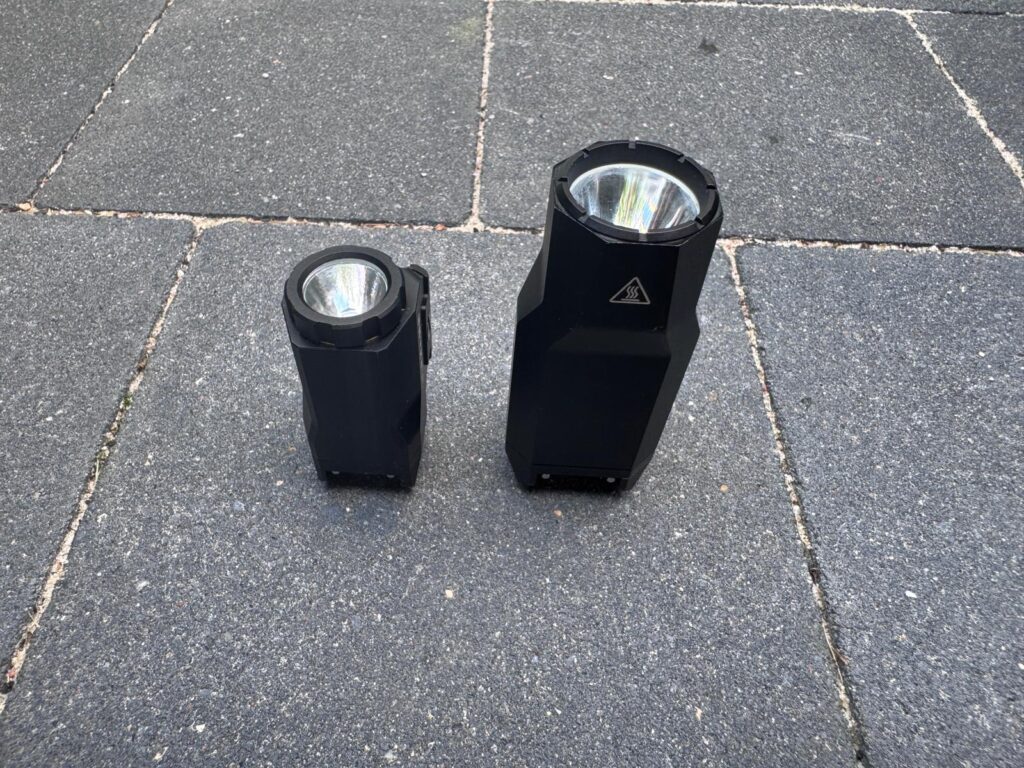
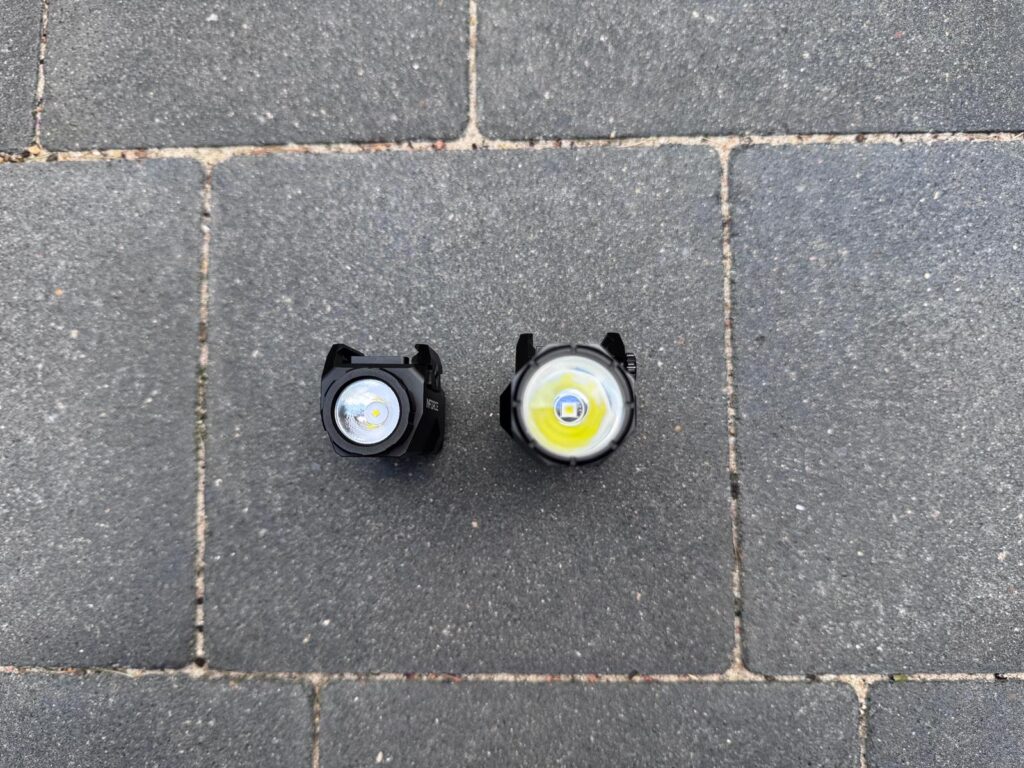
To summarize this part, the conclusion is clear: the WILD2 is a flashlight better suited for full-size pistols, while the WILD1 is the apparent choice for compact or sub-compact pistols. Both lights offer the same method of operation, differing naturally in size, the number of batteries required, and, of course, light output. Unlike their predecessors, the APL and APLc models, the new WILD series is made of aluminum (instead of polymer), which ensures greater durability and should convince skeptics to put their trust in the INFORCE brand.
Tests
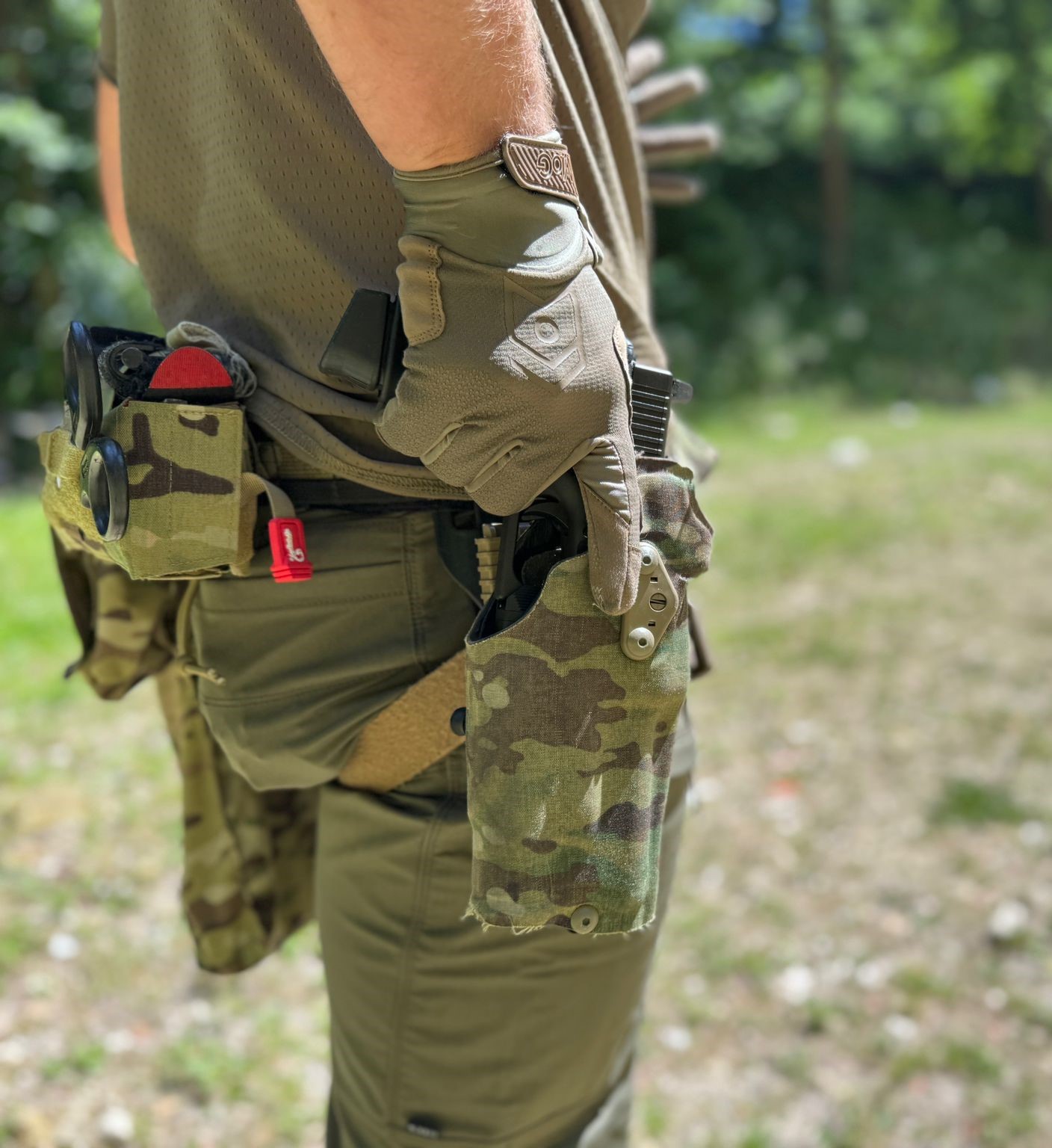
Let’s start with the larger model, the WILD2. As mentioned at the beginning, the flashlight features an ambidextrous switch, allowing both left- and right-handed shooters to operate it. The buttons are paddle-shaped and press inward toward the axis of the flashlight, which means the finger movement required is minimal – unlike switches from other brands, where a more deliberate thumb movement up or down is often needed to activate the light. The duplicated buttons allow the shooter to turn on the flashlight either with the thumb of the support hand or the index finger of the strong hand.
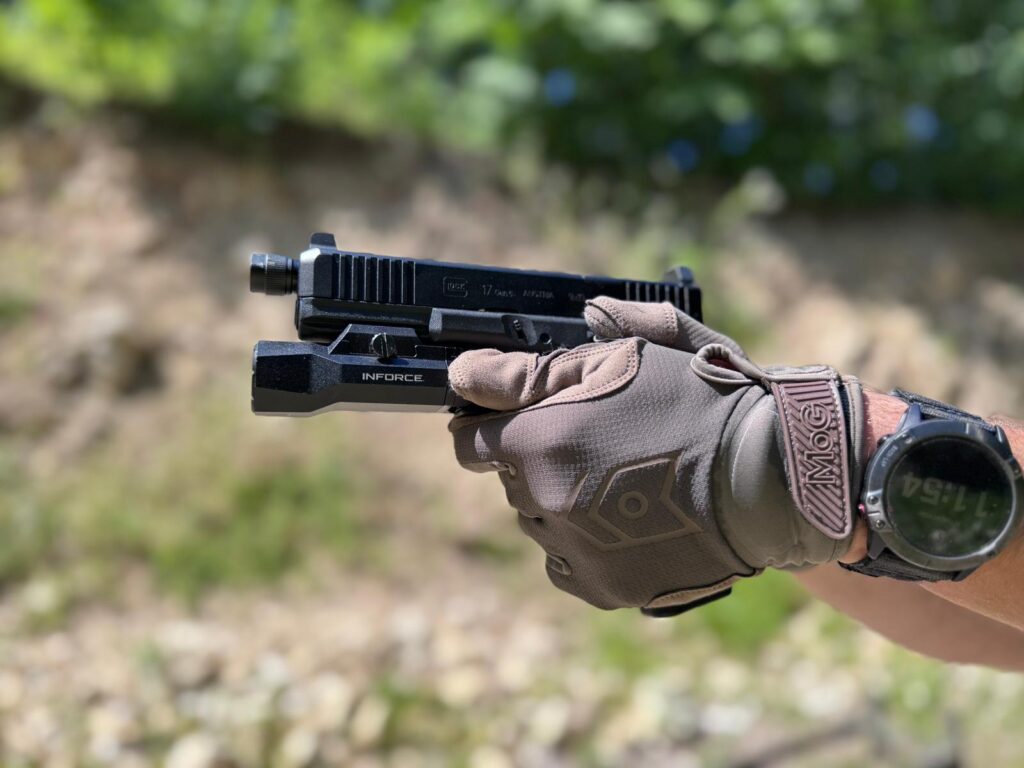
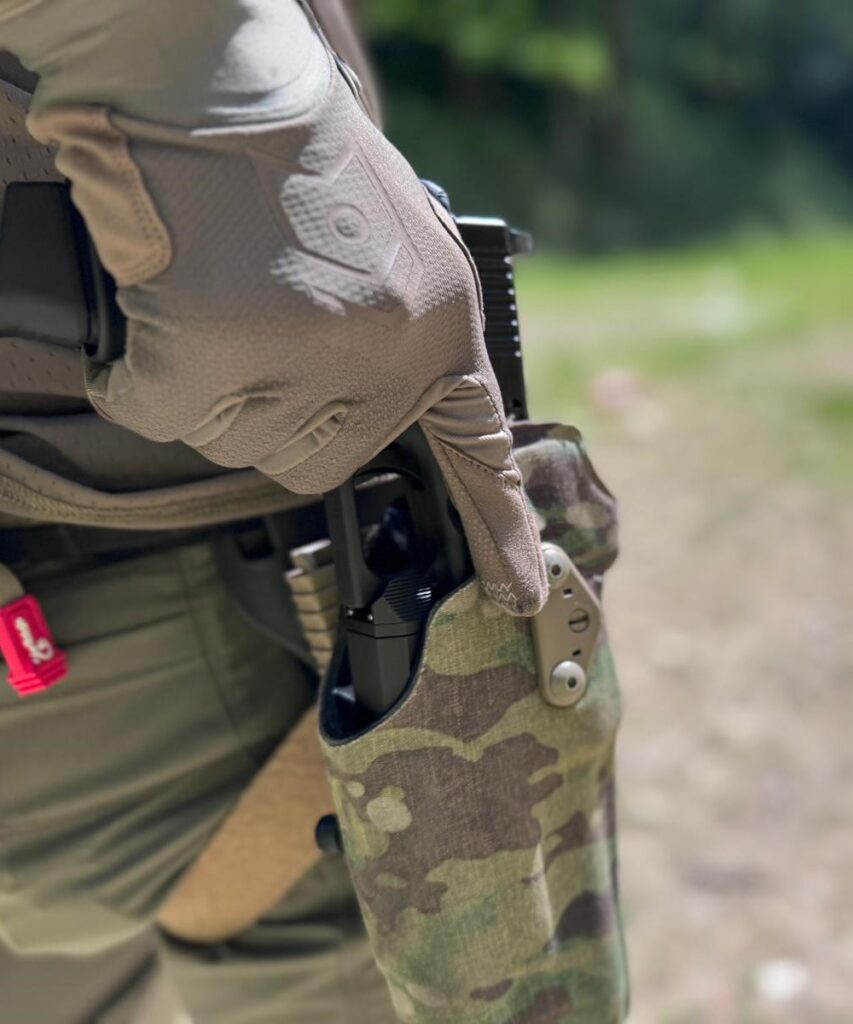
The switch ‘click’ is distinct and tactile, yet quiet enough not to reveal the shooter’s position to a potential opponent when using the light. The WILD2 is slightly larger than competing flashlights in this segment, such as the Streamlight TLR-1 or the SureFire X300. Unfortunately, it is not fully compatible with the Safariland 6354DO holster, which usually accommodates the lights mentioned above.
A Glock 17 with the WILD2 does fit into the holster, but only with difficulty, and drawing the weapon quickly is hindered by the added friction. Moreover, carrying and using the light this way may cause it to become scratched. Adjusting the Safariland holster, despite its wide range of settings, does not provide any relief. However, there are dedicated holsters from the same manufacturer that do fit the Glock 17 with the WILD2 – namely the 6360RDS and 6390 models. The WILD2 is also heavier than its direct competitors mentioned above. So, where’s the advantage, one might ask? The answer is that the competitors cost twice as much as the device being reviewed…
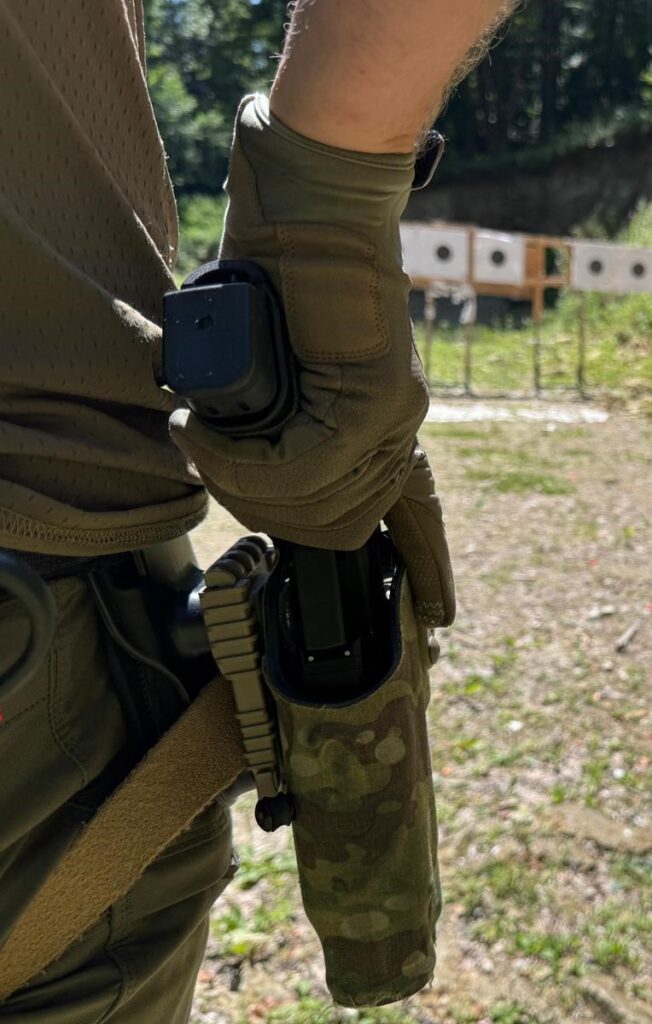
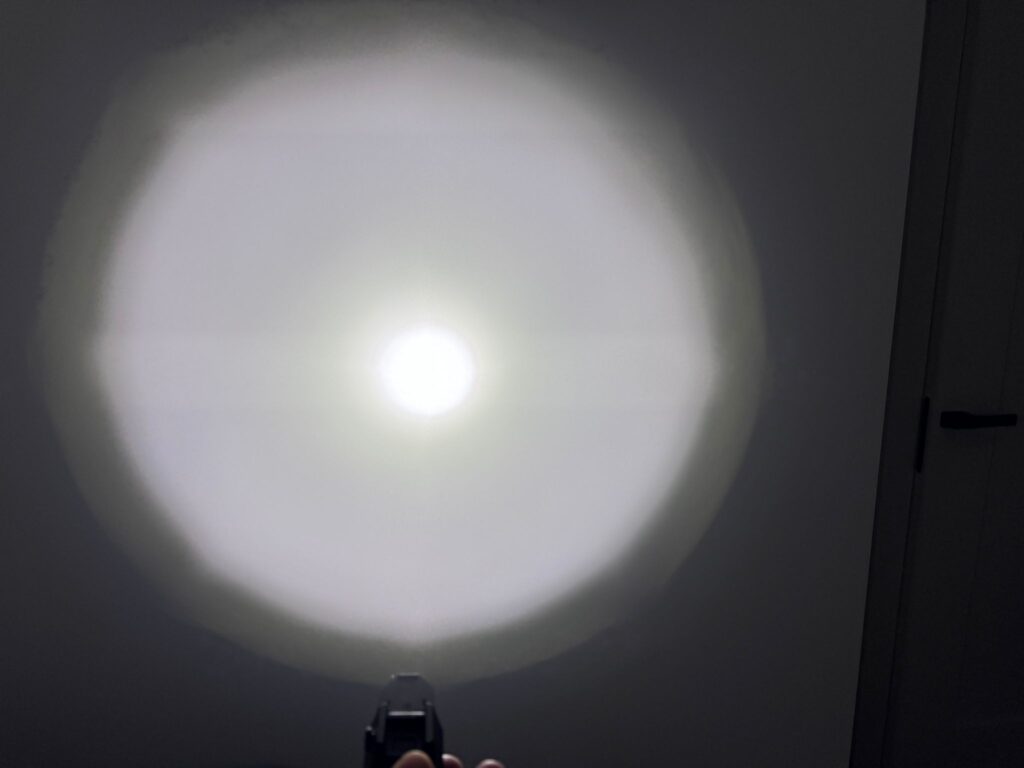
The 1,000 lumens of the Inforce WILD2 are something of a standard for pistol flashlights. They are more than sufficient for solid illumination, target identification, or blinding an opponent. These features, combined with a reasonable price and intuitive operation, suggest that this flashlight is almost ideal for home-defense applications, should the need arise.
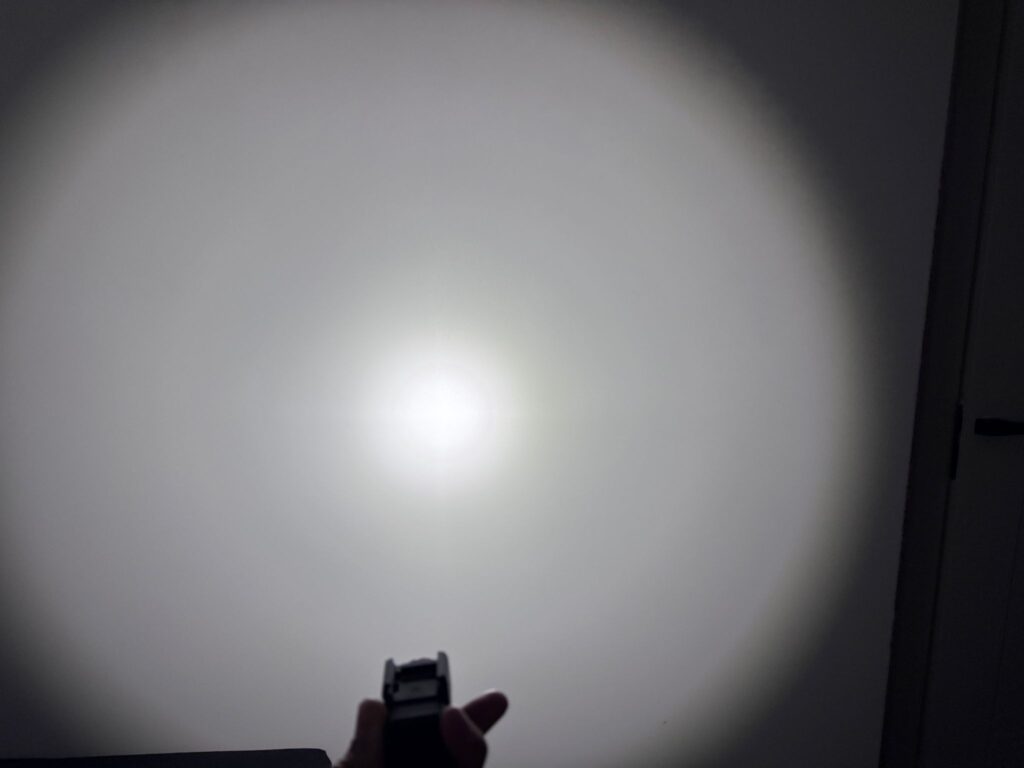
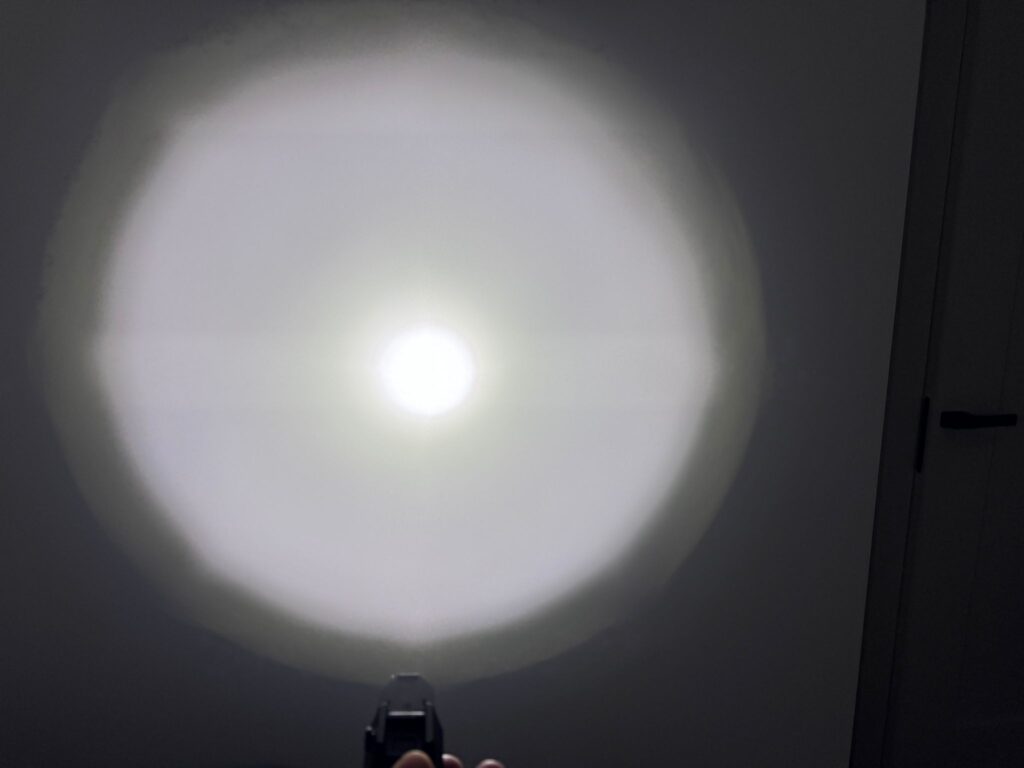
When it comes to the negative aspects of the design, there are only a few. The drawbacks include the flashlight’s size, which exceeds the informal X300/TLR-1 standard. This makes the weapon heavier and reduces the likelihood of finding a perfectly fitting holster among the more popular options on the market. The size of the flashlight also means that when mounted on a smaller-frame pistol, the light will protrude noticeably beyond the outline of the weapon. Once again, this can be a significant factor when selecting a holster, or simply a minor aesthetic issue.
The WILD1, the second model described here, is, as already mentioned, an excellent solution for compact pistols, such as the Glock 19 or CZ P10C. However, due to technical limitations, it was tested with the previously mentioned Glock 17.
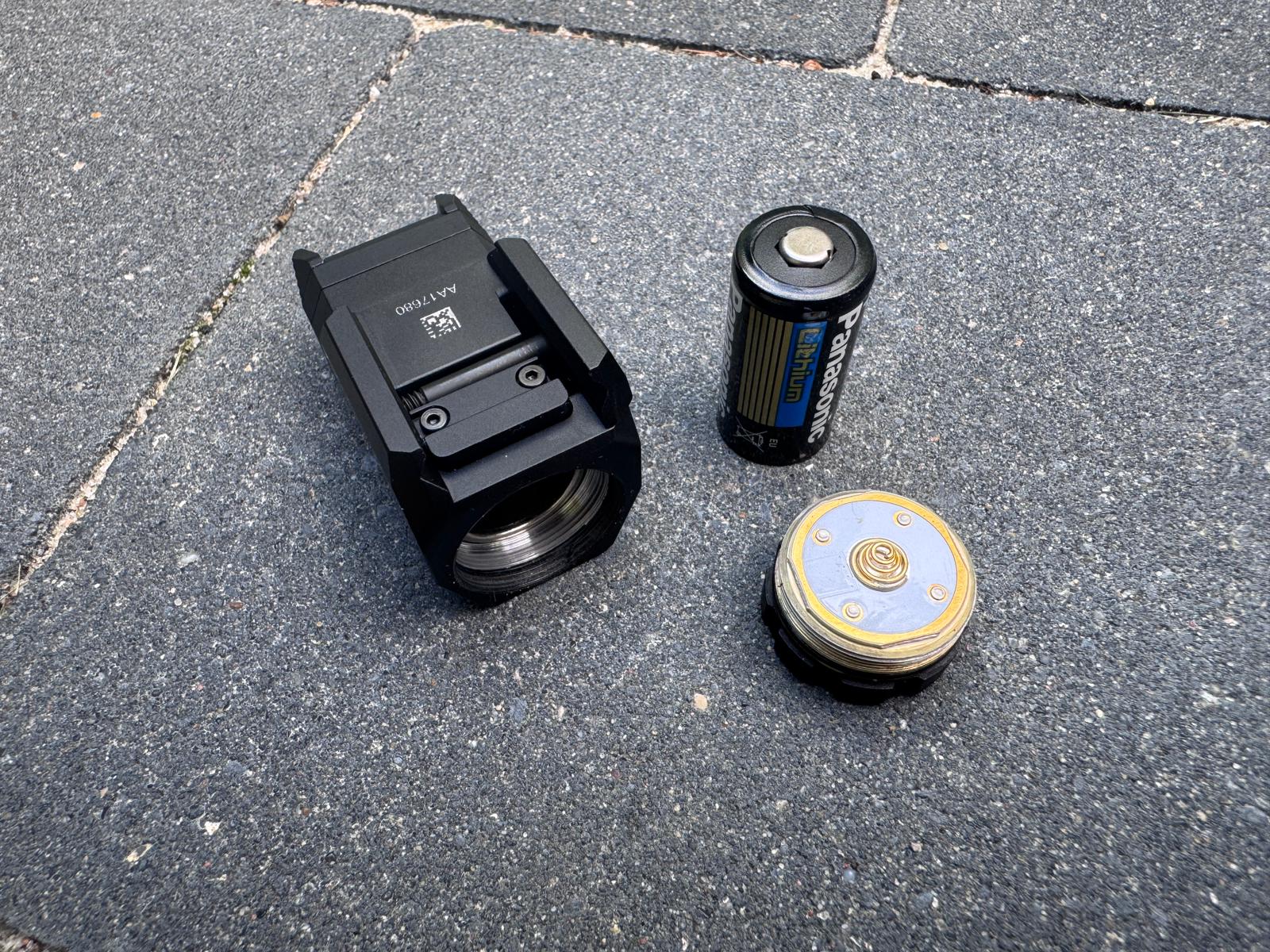
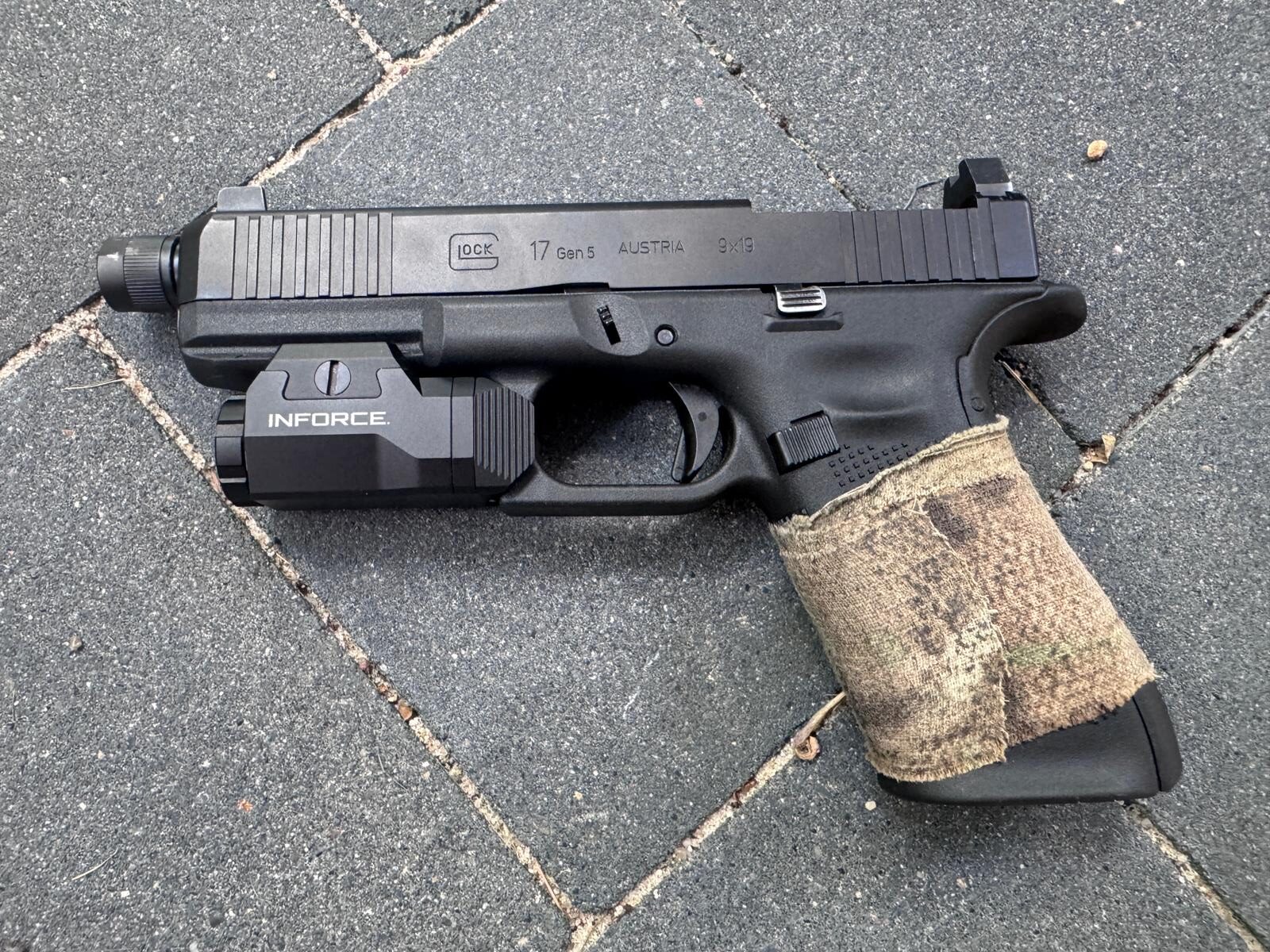
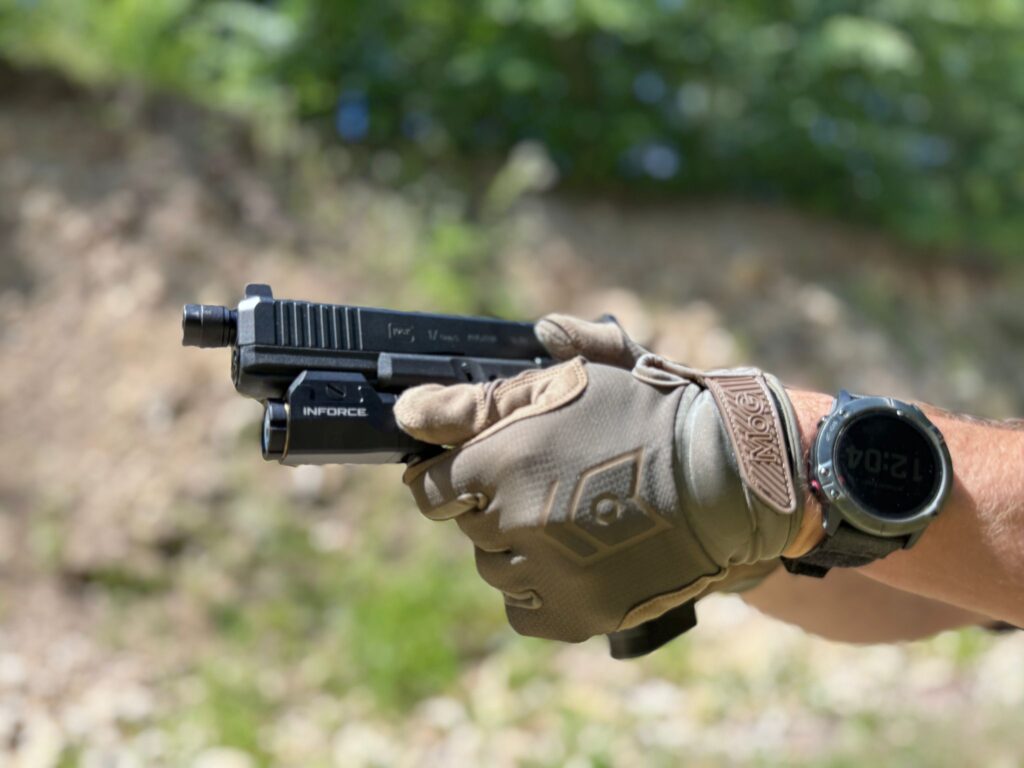
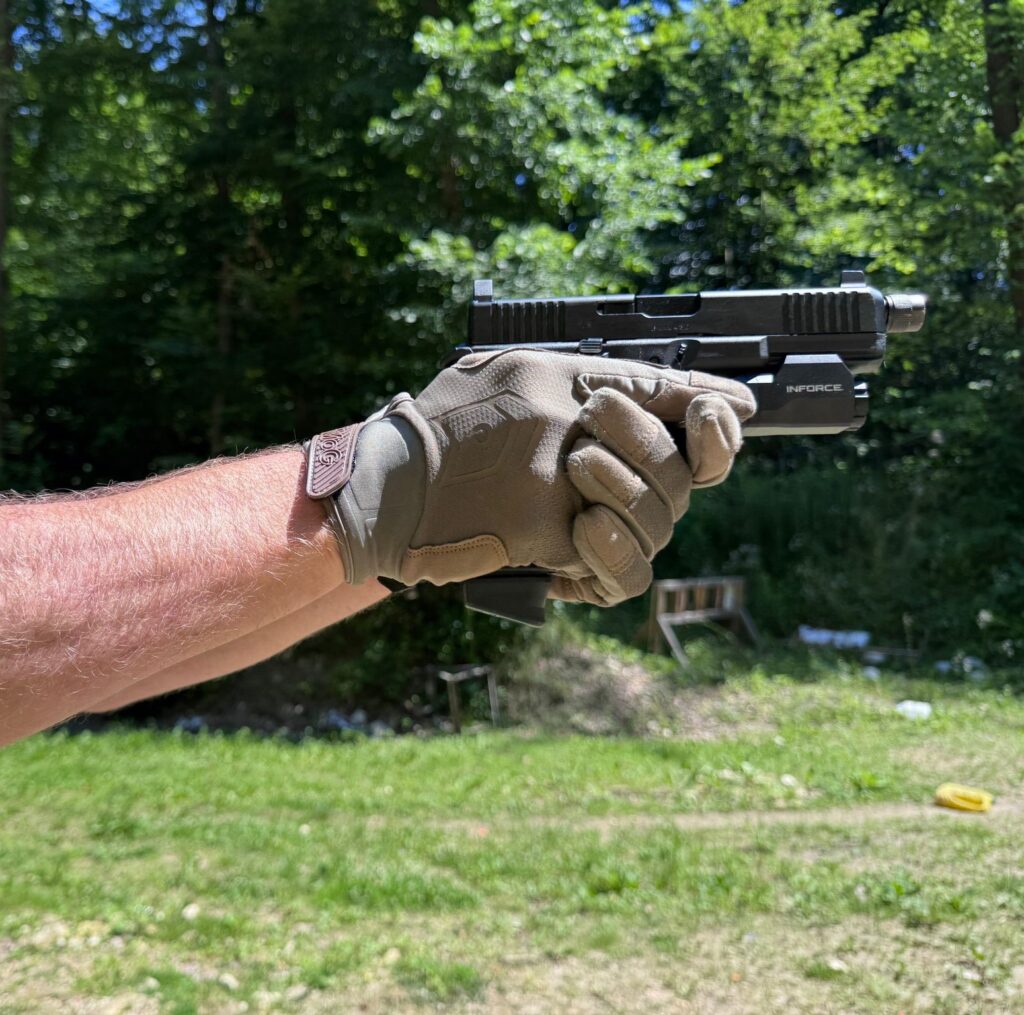
The only negative design feature I managed to identify is the way the flashlight mounts to the Picatinny rail, which unfortunately requires a flathead screwdriver. I believe adapting the screw design from the WILD2 would have been very appropriate. However, this could increase the overall profile of the flashlight, raising the risk of snagging on clothing or gear, which goes against its intended purpose of being used with compact pistols designed for concealed carry and quick draw. Compact versions of the TLR-7 also use a similar mounting solution. Well, it’s a trade-off, either a low profile or quick mounting/dismounting. On the positive side, I appreciated the ease of installing the battery by simply unscrewing the bezel. It’s a simple feature, but it allows for replacing the power source without removing the flashlight from the weapon, something that cannot be said about the WILD2 or the previously mentioned TLR-1 and X300.
Summary
Authors Opinion
Acknowledgements