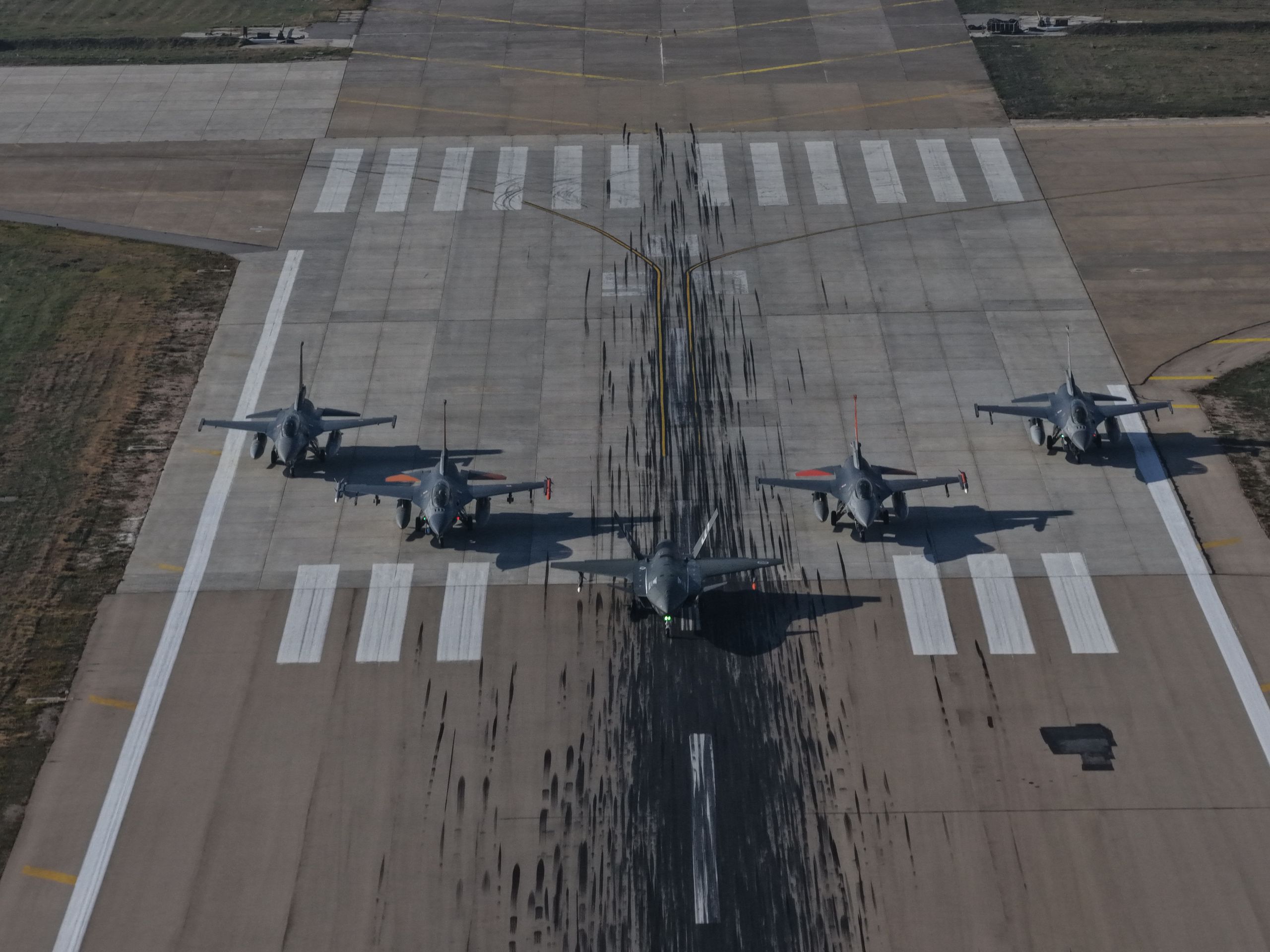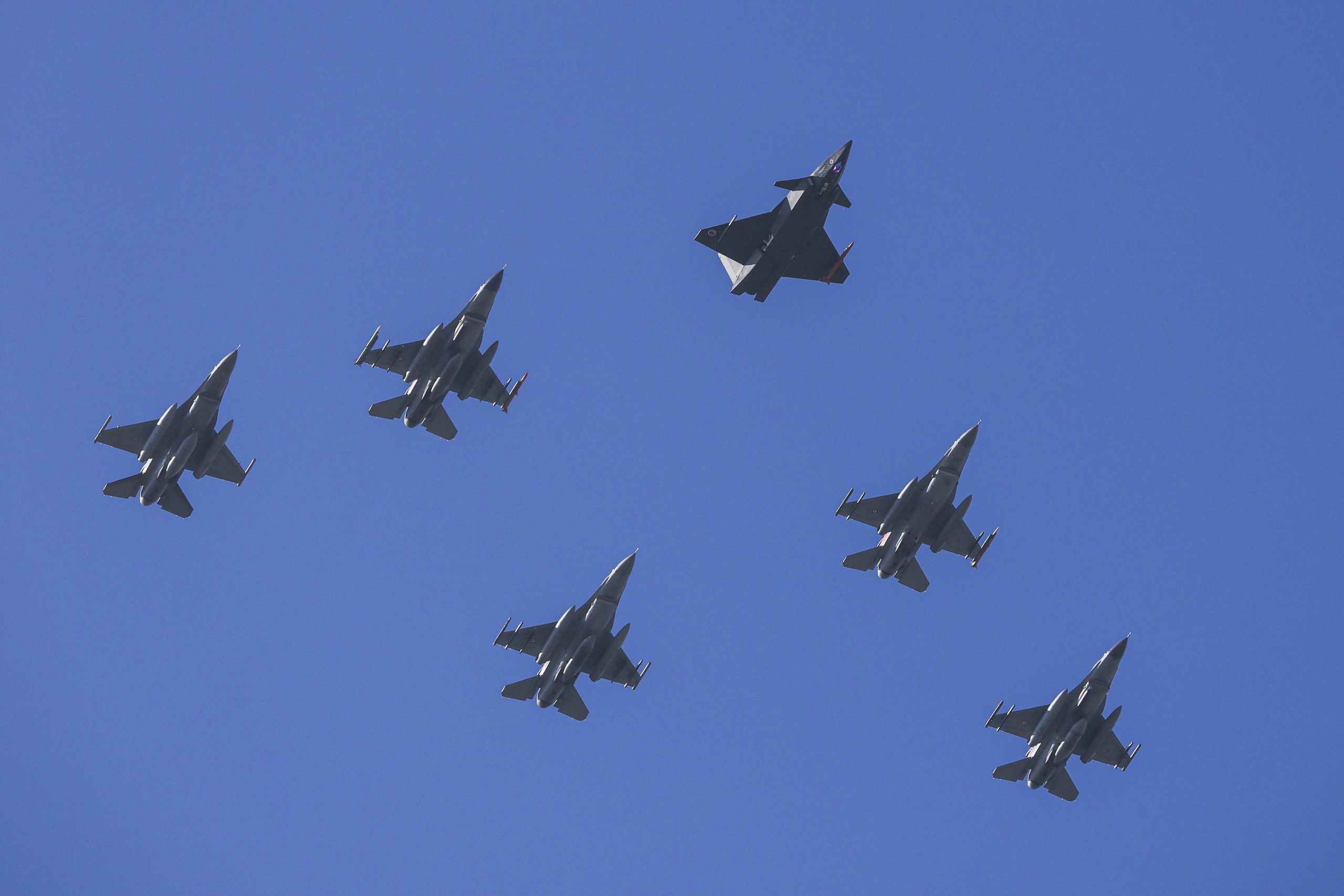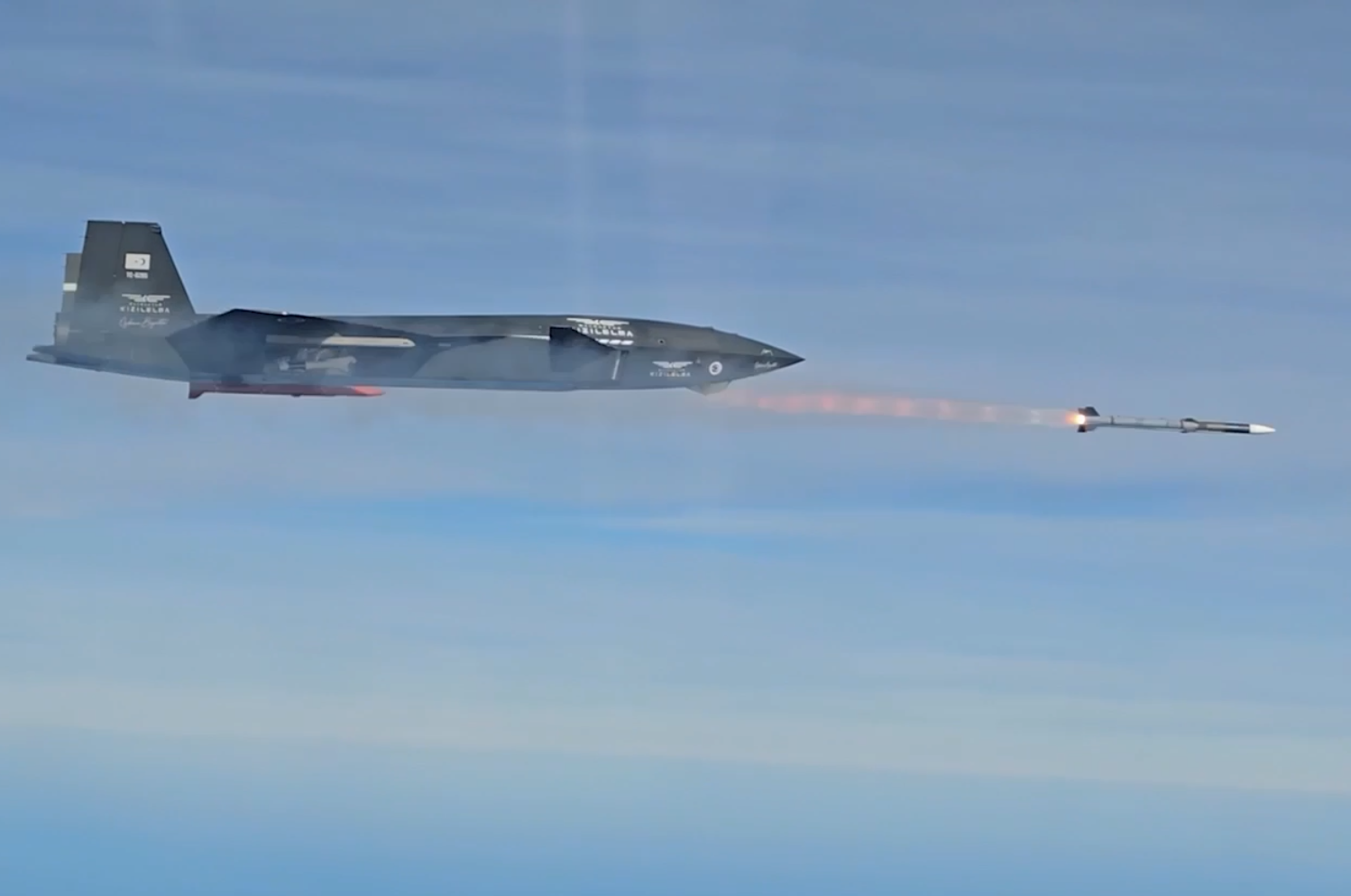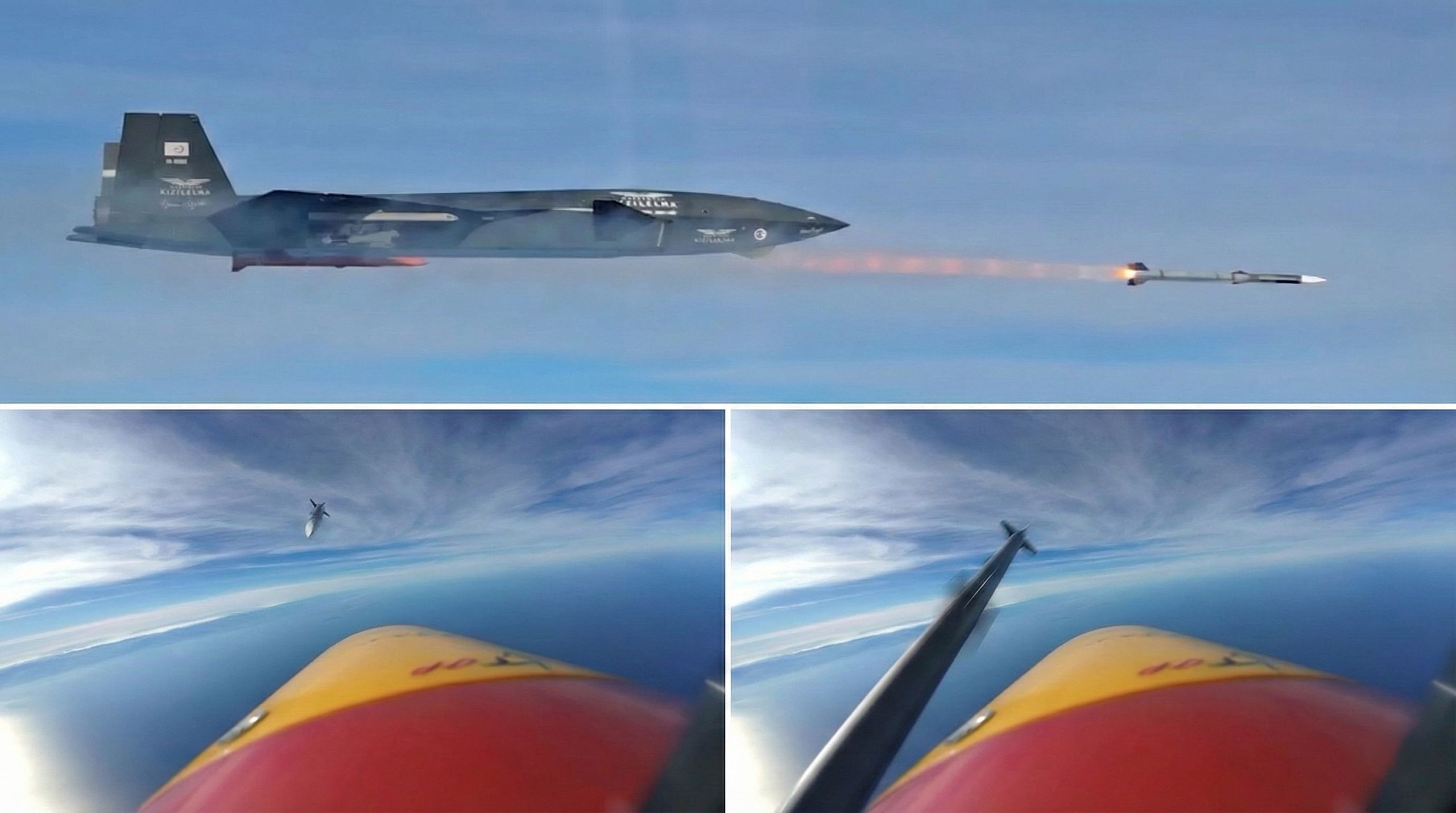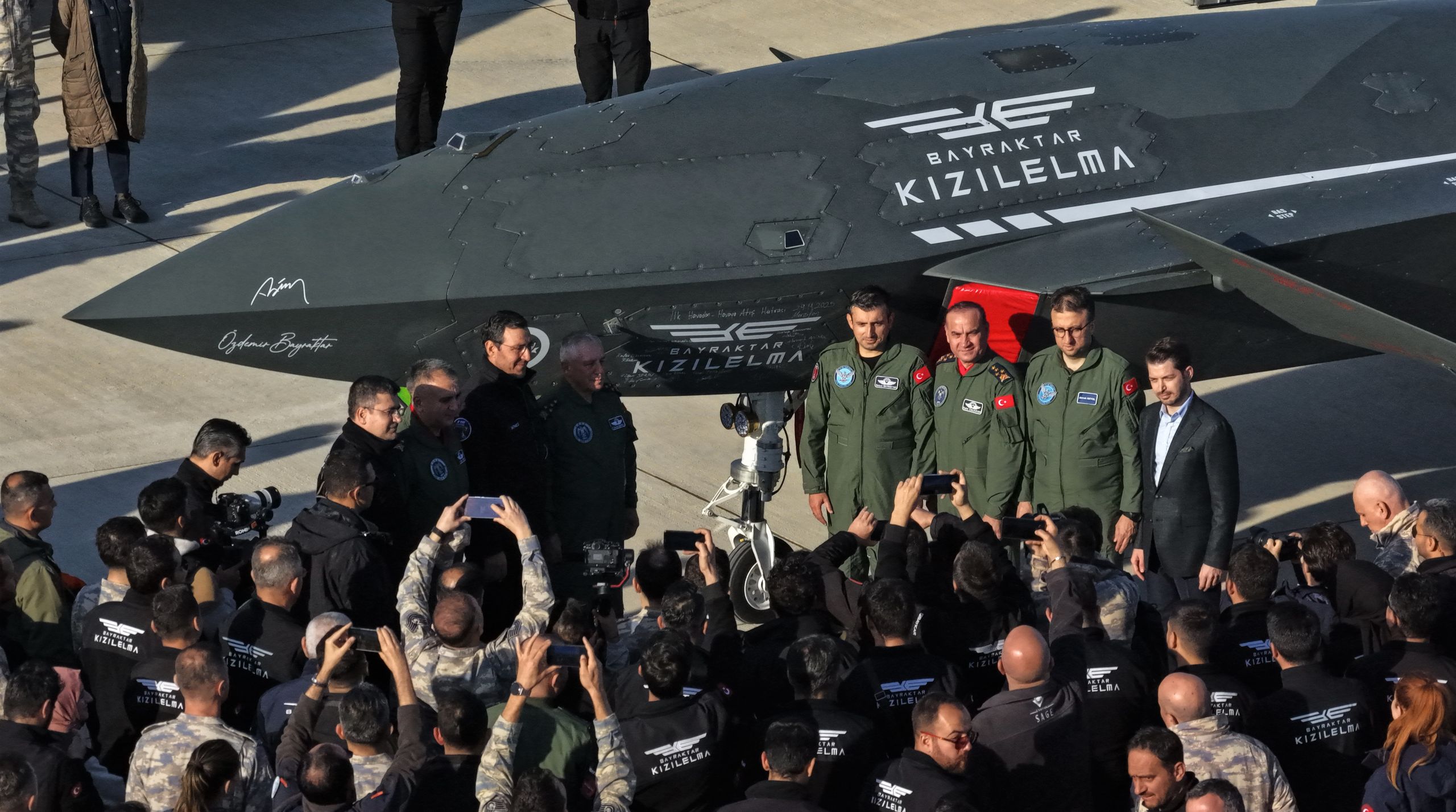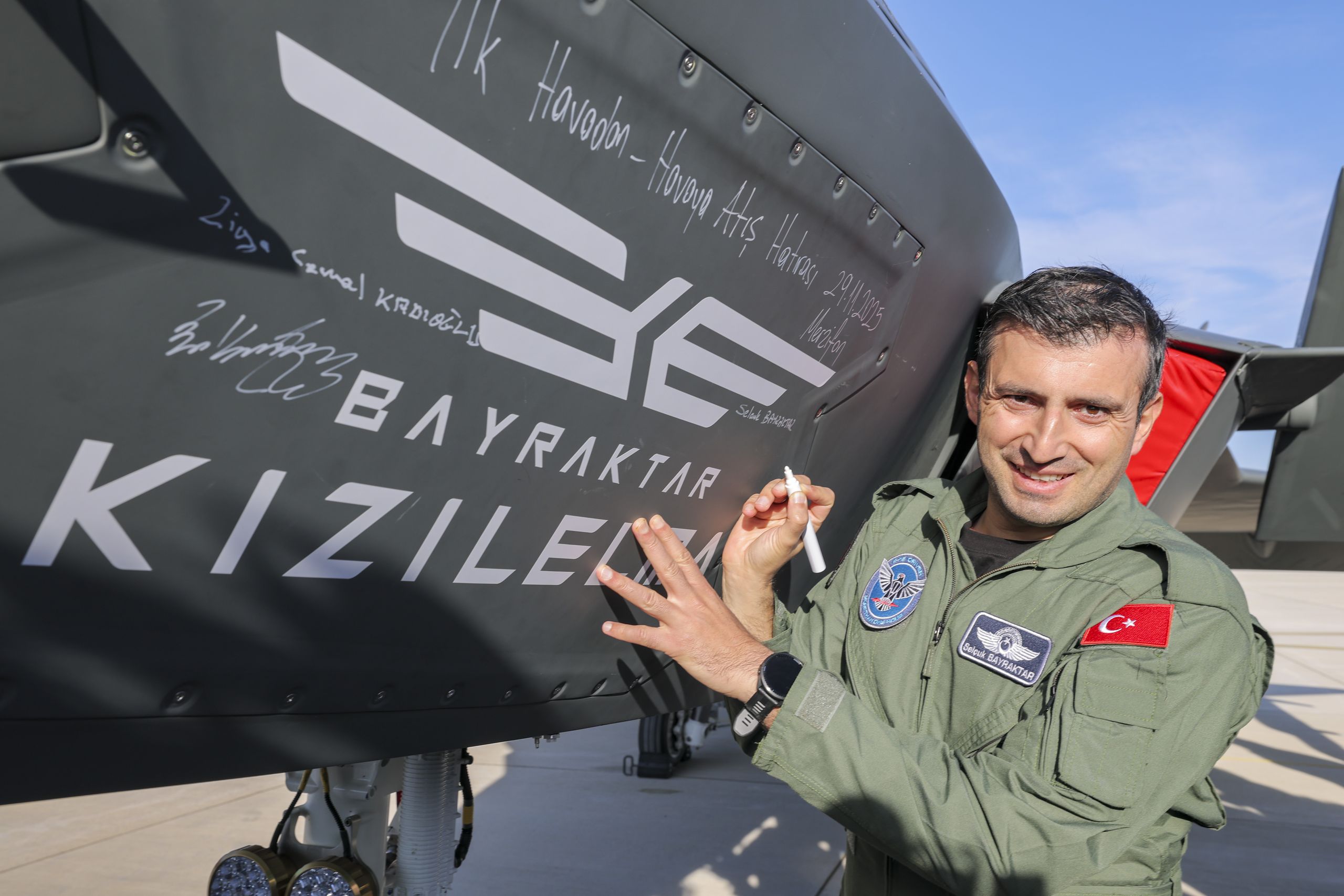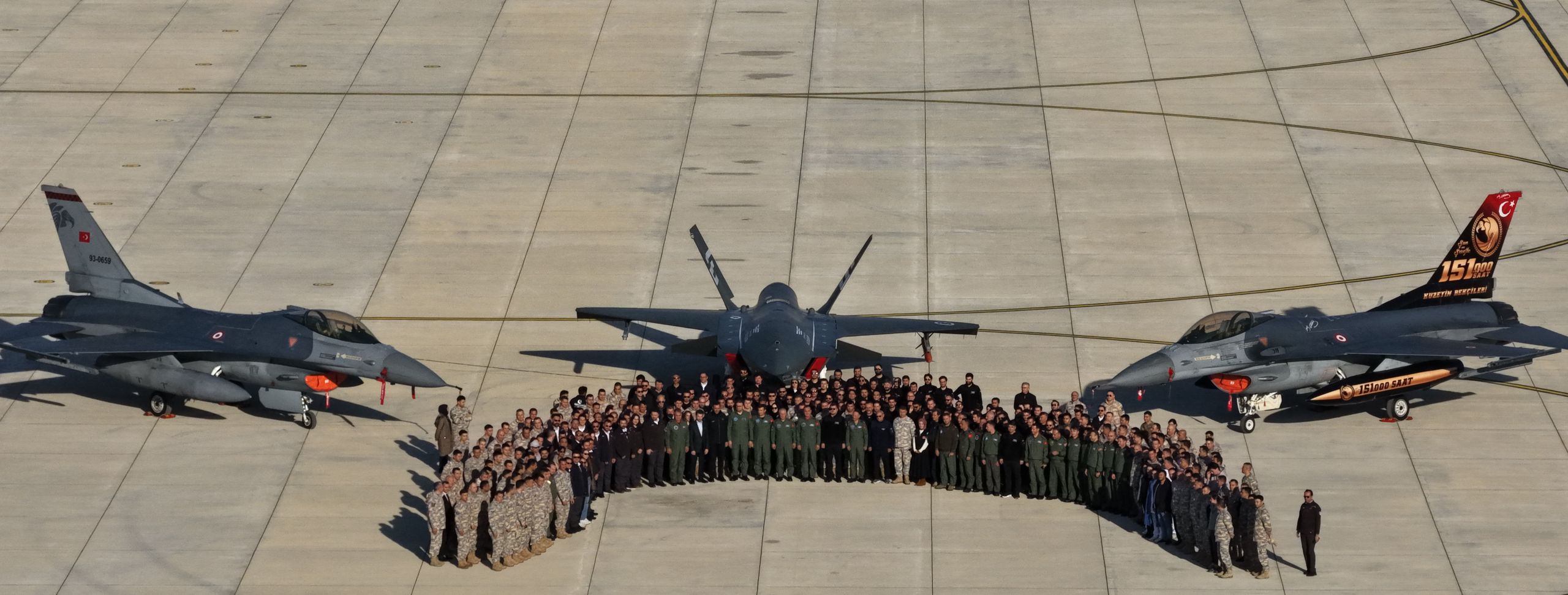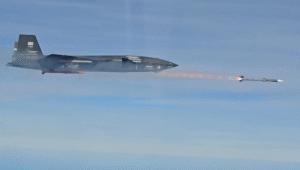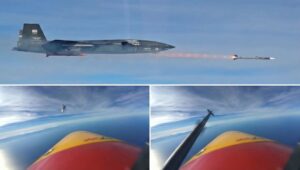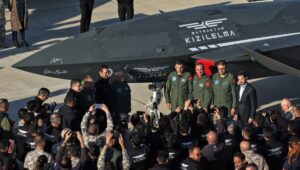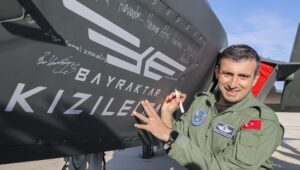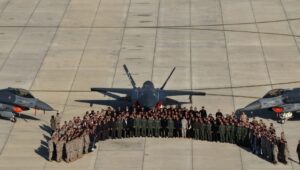

























On Sunday, 30 November 2025, the Turkish company Baykar Makina announced the first successful shoot-down of an aerial target by the Bayraktar Kızılelma combat unmanned aerial vehicle. The historic event, which took place on 29 November, occurred shortly after the simulated attempt to shoot down an F-16, carried out nine days earlier.
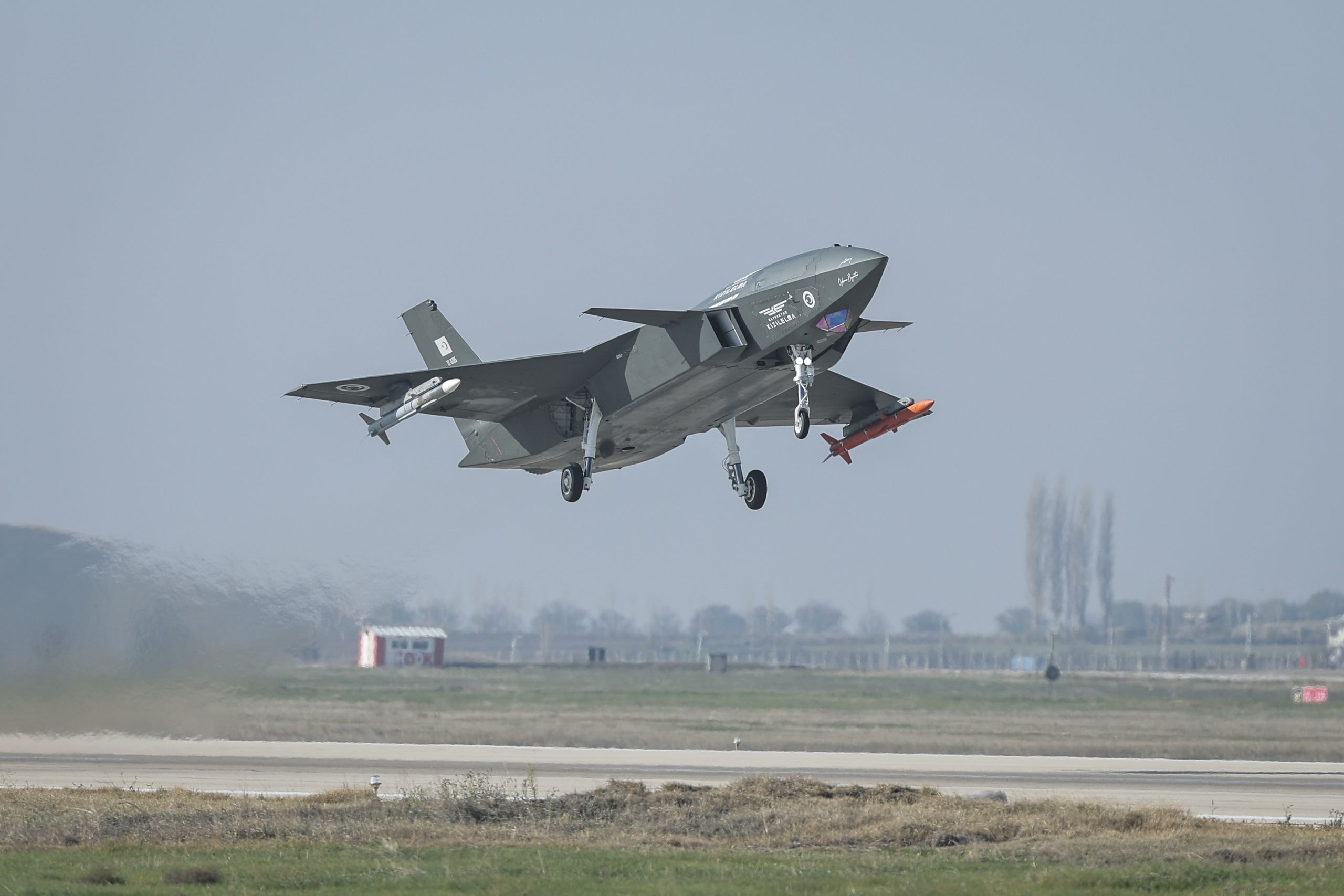 Photos: Baykar Makina
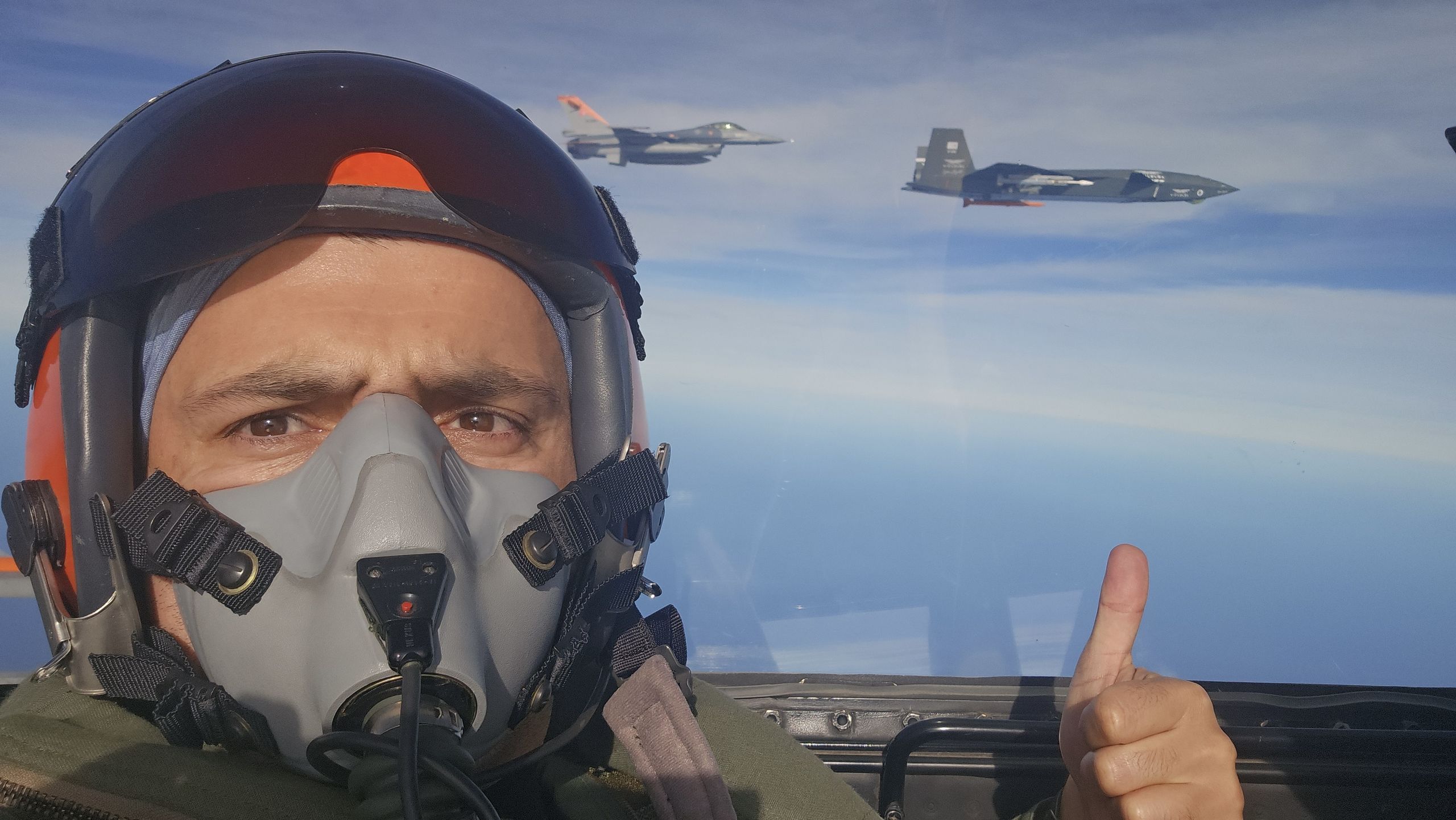
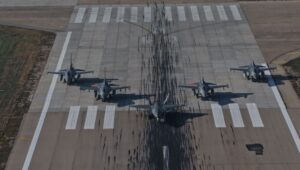
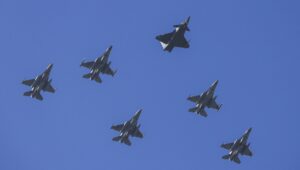
The test was conducted with the participation of four Turkish Air Force (Türk Hava Kuvvetleri) F-16 multirole aircraft, which took off from the 5th Merzifon Air Base in Amasya Province, while the unmanned aircraft departed from the test and training center airfield in Çorlu, Tekirdağ Province. The demonstration took place over the Sinop range in northern Türkiye, along the Black Sea coast. The historic shoot-down itself was preceded by a manned–unmanned formation flight.
Kızılelma detected the jet-powered target using the domestically produced Aselsan Murad AESA (Active Electronically Scanned Array) radar and successfully shot it down with the latest domestically made Tübitak-SAGE Gökdoğan long-range air-to-air missile, which entered service in 2024. The trial was observed from the twin-engine Bayraktar Akıncı unmanned aircraft.
This was the first instance in aviation history of an unmanned aerial vehicle shooting down a jet-powered aerial target with a missile at beyond-visual-range (BVR) distance.
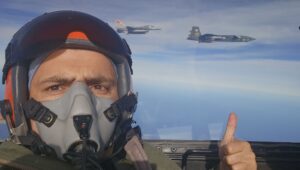
The test was observed live by the Commander of the Turkish Air Force, Gen. Ziya Cemal Kadıoğlu, the Commander of Combat Aviation, Gen. Rafet Dalkıran, the CEO of Aselsan, Ahmet Akyol, and the chairman of Baykar Makina, Selçuk Bayraktar — all of whom were on board two-seat F-16s. On the ground, the video feeds from Kızılelma and Akıncı were monitored by, among others, Tübitak-SAGE Director Kemal Topalömer and Roketsan CEO Murat İkinci.
It is worth recalling that the jet-powered Bayraktar Kızılelma combat UAV was previously known as MİUS (Muharip İnsansız Uçak Sistemi, Turkish for “Combat Unmanned Aircraft System”). The first prototype made its maiden flight on 3 December 2022.
According to the manufacturer, the Bayraktar Kızılelma reaches a practical service ceiling of 12,000 m, with a maximum takeoff weight of 5,987.4 kg, of which 1,500 kg is payload capacity (including 1,000 kg for armament). It is 14.7 m long, has a wingspan of 10 m, and a height of 3.3 m. Its endurance is 5–6 hours.
Three serial-production variants of the UAV are planned, depending on the propulsion system. Kızılelma-A will be capable of near-supersonic speeds thanks to the Ukrainian Ivchenko-Progress AL-25TLT turbofan engine. Kızılelma-B will fly at supersonic speeds, powered by the Ukrainian AL-322F engine, while Kızılelma-C will use two AL-322F engines. The future use of domestic TEI TF-6000 engines has not been ruled out. Kızılelma-B will therefore be equipped with an engine providing 2.5 times greater thrust, significantly distinguishing it from Kızılelma-A in terms of technical parameters. This will enable takeoff from the new amphibious assault ship TCG Anadolu (L-400) without the need for a catapult, using only a ski-jump ramp.
The UAV is characterized by autonomous takeoff and landing, a reduced radar cross-section (RCS), high maneuverability, operation within line-of-sight (LOS) and beyond-line-of-sight (BLOS) ranges, the ability to take off and land from aircraft carriers and other flat-deck naval platforms, high situational awareness provided by the AESA radar, and internal weapons bays.