



























On Thursday, 20 November 2025, the Turkish company Baykar Makina announced the first successful simulation of an F-16 multirole fighter being shot down by the Bayraktar Kızılelma combat unmanned aerial vehicle.
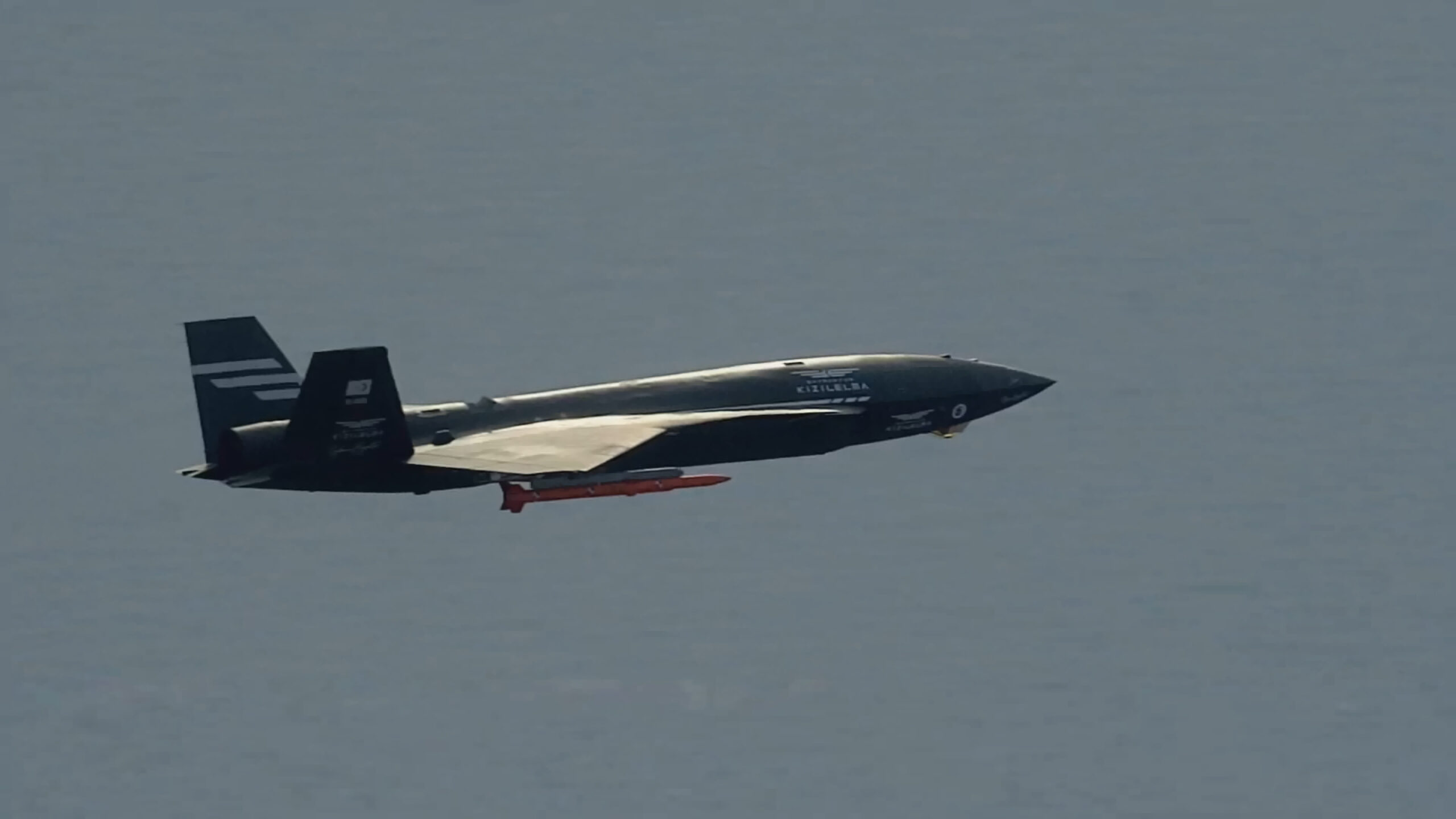 Photos: Baykar Makina
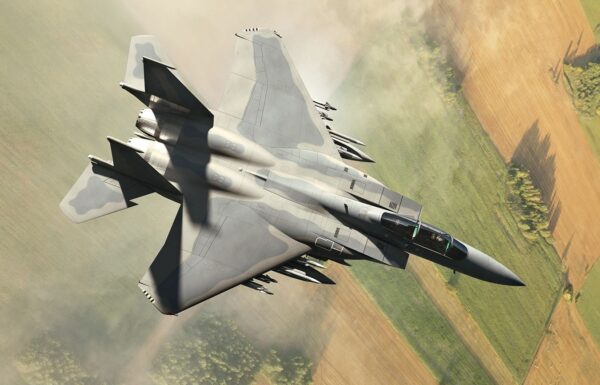
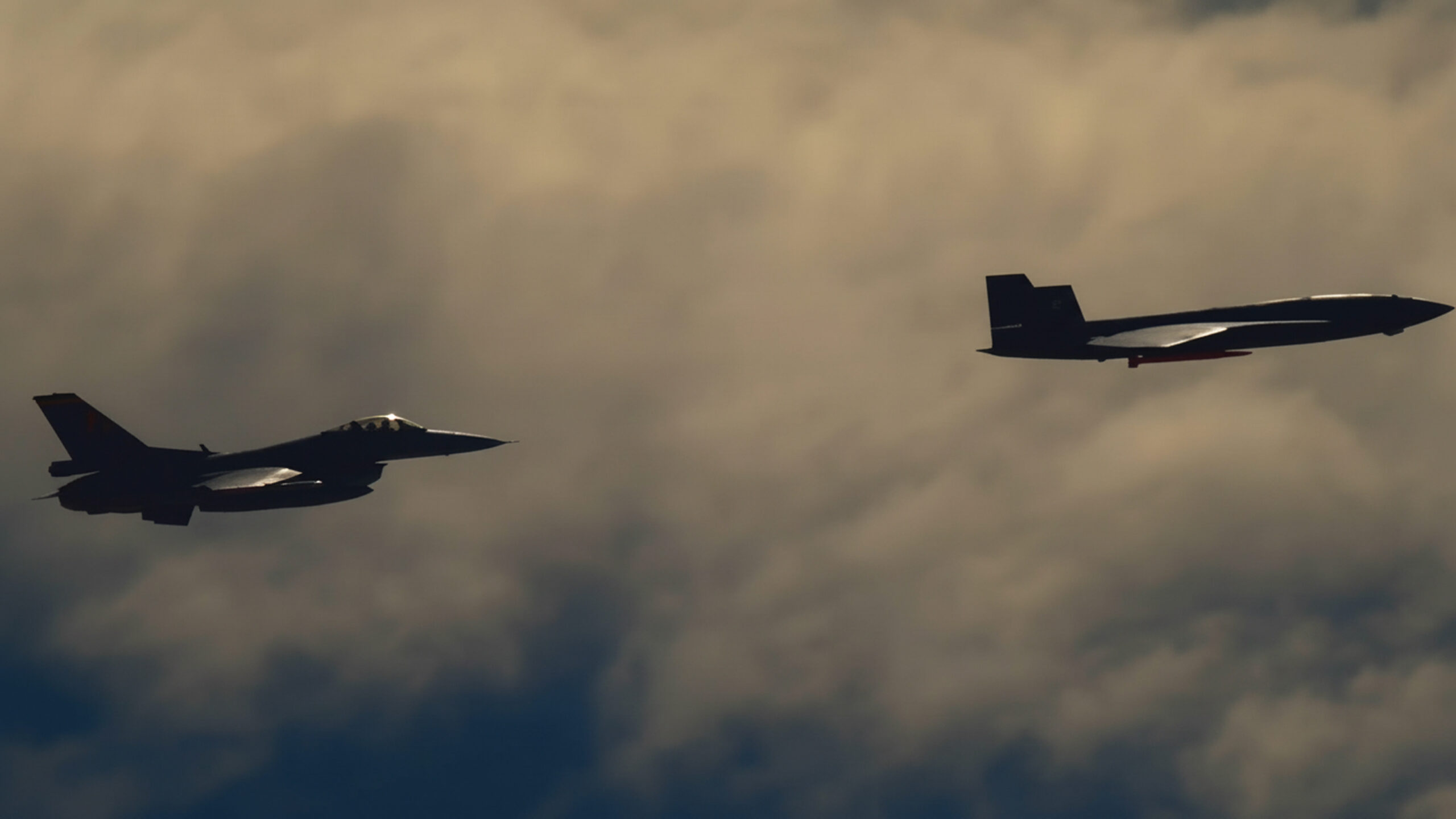
The test was conducted with the participation of two Turkish Air Force (Türk Hava Kuvvetleri) F-16s. The unmanned aircraft took off from the Çorlu Test and Training Center airfield in Tekirdağ Province and first performed a formation flight with one of the manned aircraft at an altitude of 4,572 meters (15,000 feet), lasting a total of 1 hour and 45 minutes.
Next, the second F-16 flew at a significant distance from Kızılelma, which detected it at a range of 48 km using the domestically developed Aselsan Murad radar with an active electronically scanned array (AESA) antenna, and then simulated its shootdown with the newest indigenous long-range air-to-air missile, the TÜBİTAK-SAGE Gökdoğan, which entered service in 2024. Thanks to this latest test, the cumulative flight time of all six prototypes has exceeded 55 hours.
One of the most important phases of the test involved evaluating the communication infrastructure between the aircraft, the radar, and the missile. After locking onto the F-16 target, Bayraktar Kızılelma smoothly transmitted real-time data on the target’s position and speed, obtained from the Murad radar, to the onboard computer of the Gökdoğan missile carried under its wing. The successful validation of this data link between the launch platform and the guided munition represents a major milestone in the ability of unmanned combat aircraft to neutralize targets beyond visual range (BVR).
During this historic flight over the skies of Tekirdağ, three separate and demanding test scenarios were carried out simultaneously, all of which were successful. The formation flight with the F-16 demonstrated the ability to conduct joint operations with manned aircraft and provided insight into future air combat concepts. The platform’s aerodynamic and avionic compatibility with the Gökdoğan missile was verified. In the same flight, it was also proven that the indigenous Murad radar enables detection, tracking, locking, and data transmission under demanding conditions.
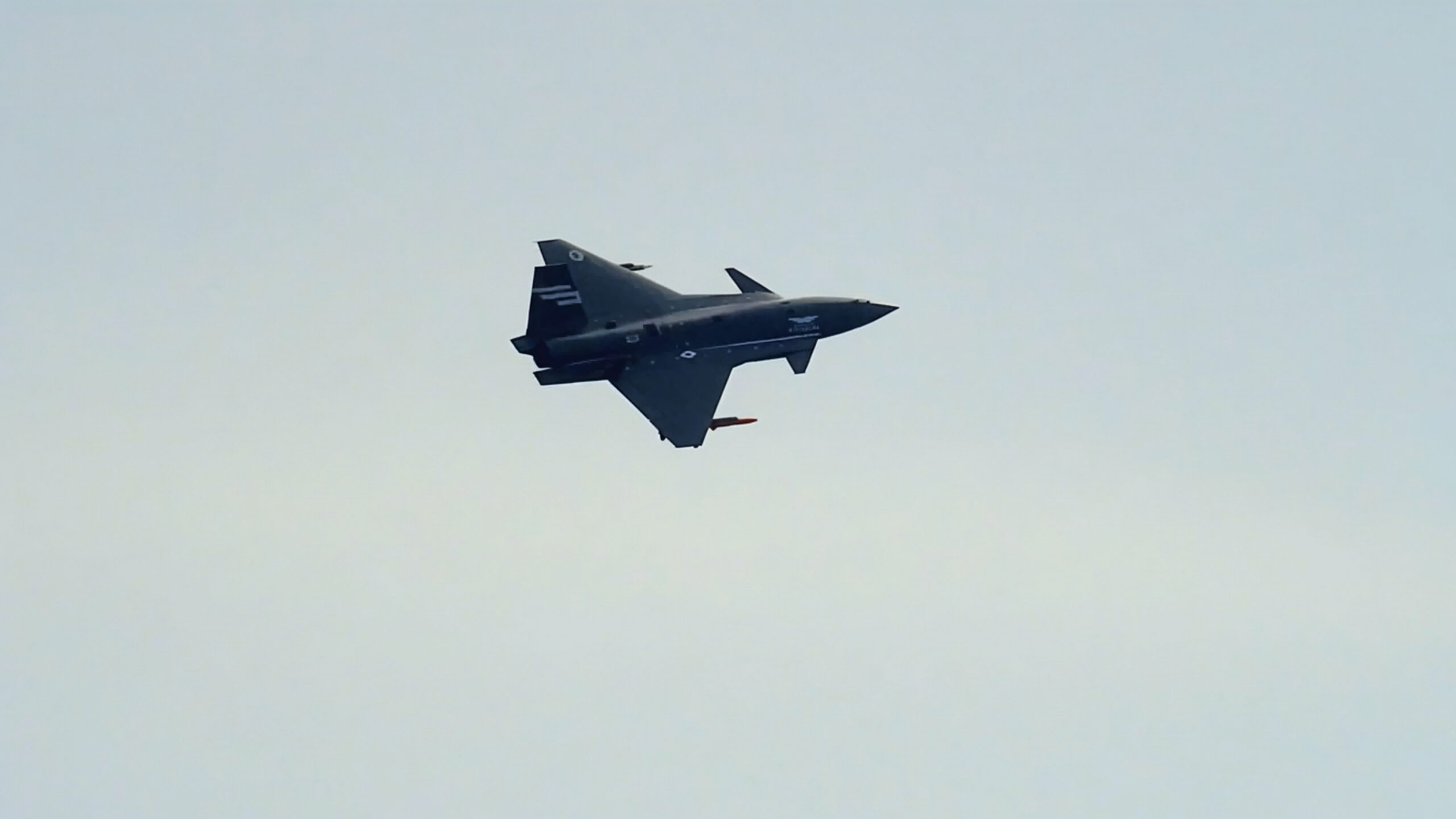
Let us recall that the jet-powered Bayraktar Kızılelma combat UAV was previously known as MİUS (Muharip İnsansız Uçak Sistemi, Turkish for “Combat Unmanned Aircraft System”). The first prototype conducted its maiden flight on 3 December 2022.
According to the manufacturer, the Bayraktar Kızılelma has a service ceiling of 12,000 meters and a maximum takeoff weight of 5,987.4 kg, of which 1,500 kg is payload capacity (including 1,000 kg for armament). It is 14.7 meters long, has a wingspan of 10 meters, and a height of 3.3 meters. Its endurance is 5–6 hours.
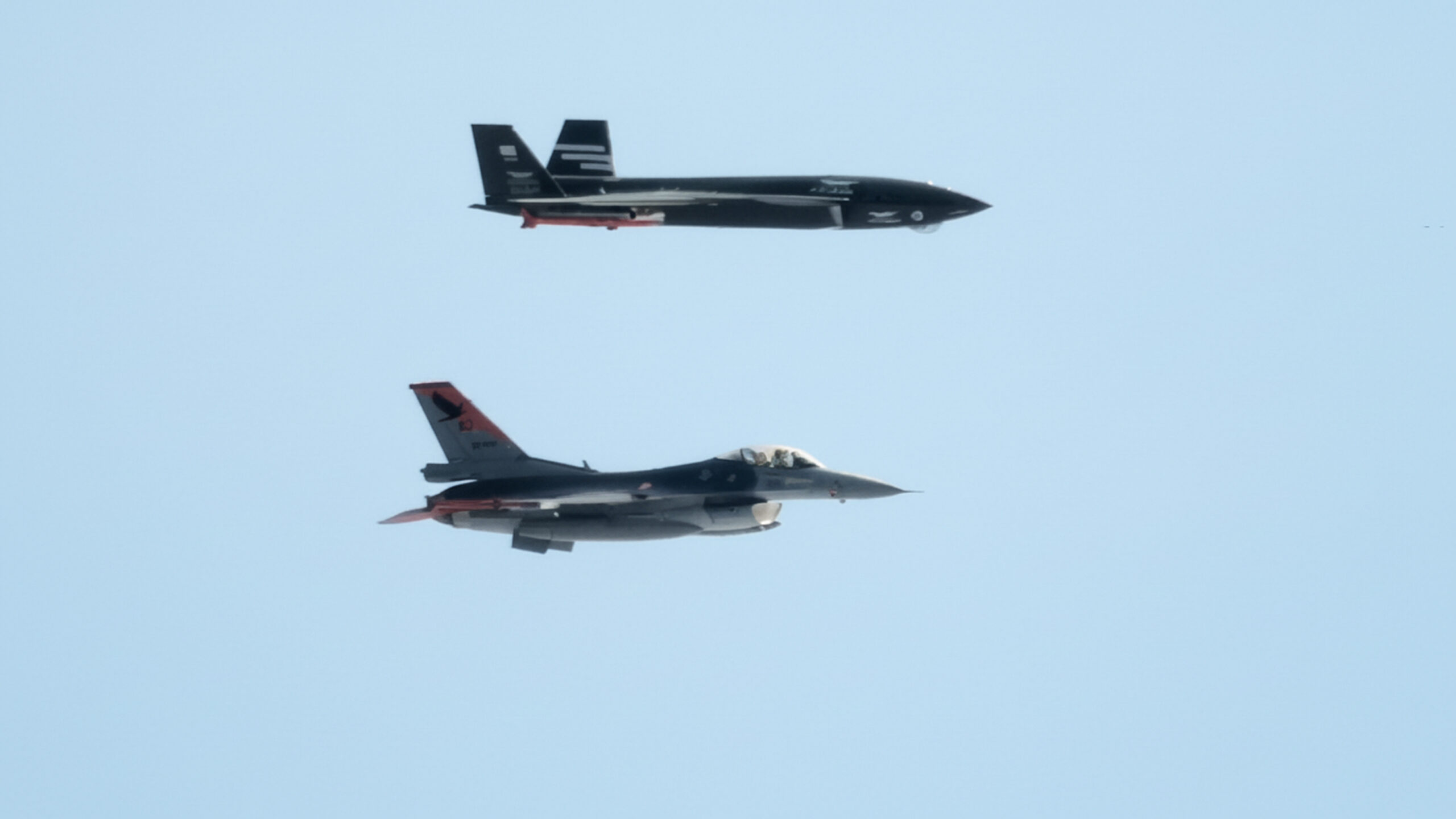
Three variants of the serial-production UAV are planned, depending on the propulsion system. Kızılelma-A will be capable of near-supersonic speeds thanks to the Ukrainian Ivchenko-Progress AL-25TLT turbofan engine. Kızılelma-B will fly at supersonic speeds, powered by the Ukrainian AL-322F engine, and finally Kızılelma-C will be powered by two AL-322F engines. The future use of indigenous TEI TF-6000 engines has not been ruled out either. Kızılelma-B will therefore be equipped with an engine providing 2.5 times greater thrust, which significantly differentiates it in technical performance from Kızılelma-A. Thanks to this, take-off from the new amphibious assault ship TCG Anadolu (L-400) will be possible without a catapult, using a ski-jump ramp.
The UAV features autonomous take-off and landing, a reduced radar cross-section (RCS), high maneuverability, both line-of-sight (LOS) and beyond-line-of-sight (BLOS) operation, the ability to take off from and land on aircraft carriers and other flat-deck naval vessels, enhanced situational awareness thanks to an AESA radar, and internal weapon bays.
Czytaj także:
