























A clearly defined mission drives innovation, which is the key to achieving it. Without the pursuit of overcoming the challenges that the future brings, progress in aviation technology would be impossible.
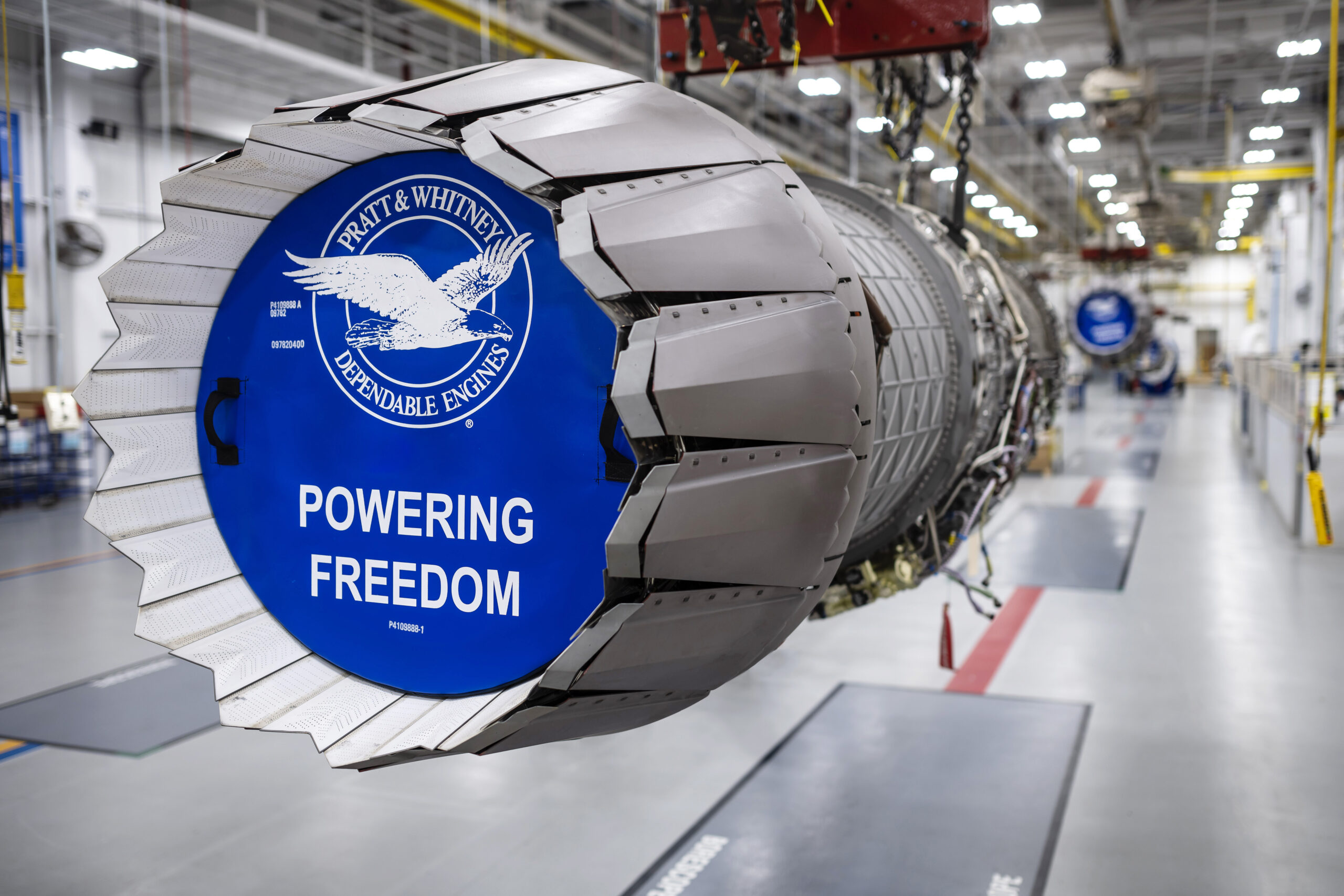
/ Zdjęcie: RTX
The traditions of Pratt & Whitney, a company within the RTX corporation, in the field of fighter engine development reflect a drive for victory and provide the armed forces with a generational advantage in propulsion technology. For Poland, this is particularly significant, as RTX and its three divisions, Collins Aerospace, Pratt & Whitney, and Raytheon, employ more than 9,100 people across nine facilities nationwide.
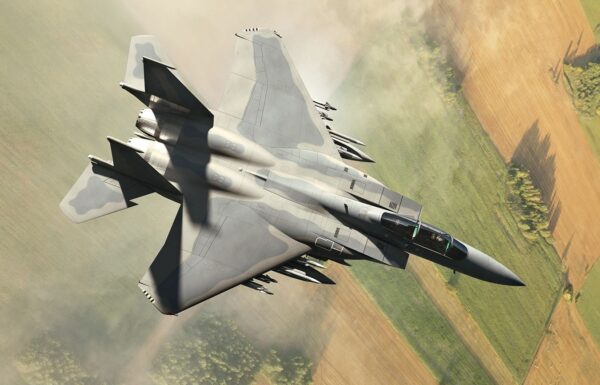
Fifty years ago, the Pratt & Whitney F100 engine powered the F-16 fighter during its first flight. Based on my own experience as an F-16 pilot, I do not doubt how dramatically the leap in power, efficiency, and reliability of the engine changed the rules of the game when it comes to air superiority. The thrust-to-weight ratio of this powerplant was up to 50 percent higher than that of its predecessor. It became immediately apparent that this engine was the best choice for us and our allies. Today, it serves in the air forces of more than 23 countries, powering both F-16 and F-15 fleets.
Current F100 engines incorporate fifth-generation, combat-proven technologies, including state-of-the-art digital electronic controls, advanced thermal coatings, an improved turbine-cooling system, and prognostic capabilities. As a result, the F100 is a powerplant that can be fully trusted and one that boasts extensive operational experience. The F100 has accumulated more than 30 million flight hours, nearly three times as many as other fourth-generation fighter engines.
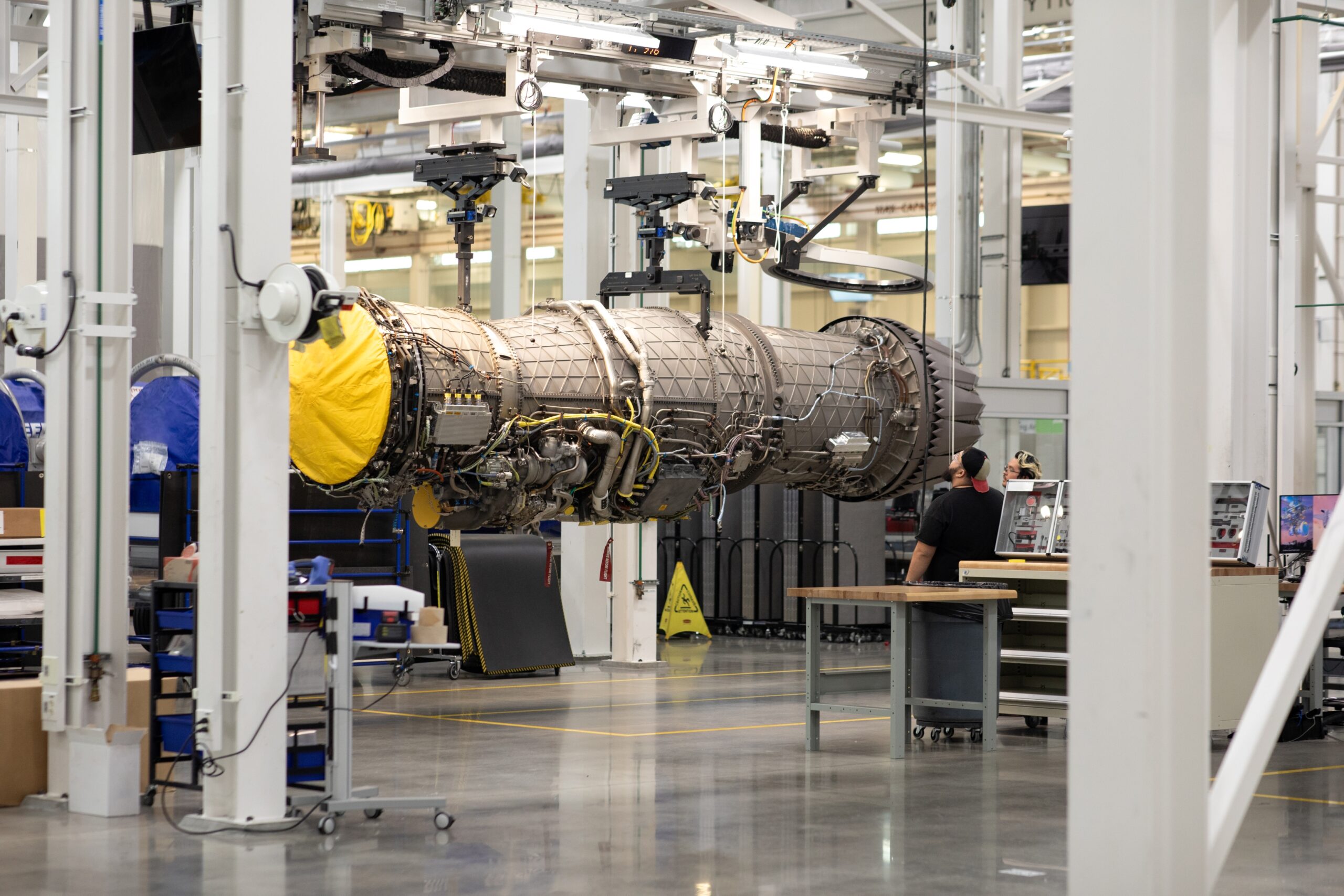
/ Zdjęcie: RTX
Although F100 engines are currently produced in Middletown, Connecticut, the units powering the Polish F-16 fleet were manufactured at the Pratt & Whitney facilities in Rzeszów. Today, almost 20 years later, these facilities produce static structures for F100 engines as well as key rotating components for new F100 engines and units used by operators worldwide.
Pratt & Whitney has also made a true technological leap in the field of fifth-generation propulsion for the F-22 and F-35 – the highest-class “stealth” fighters. Nineteen global partners are currently involved in the F-35 program. The F135 engine delivers nearly 180 kN of thrust, unmatched low observability, and the most advanced integrated adaptive control system, enabling F-35 aircraft to successfully perform their most demanding missions. Thanks to a well-developed global industrial base, the F135 engine will continue to provide operational superiority at exceptionally low sustainment costs for many years to come.
Like the F100, the F135 engine is continuously being improved. The F135 modernization package, known as the Engine Core Upgrade, includes next-generation technologies that provide the durability and performance required to fully exploit the capabilities of F-35 aircraft in Block 4 and later versions. This package can be easily applied to all engine variants and provides F-35 operators with everything necessary to undertake the most demanding missions. Pratt & Whitney’s extensive experience in producing F135 engines, over 1,300 delivered to date, with a mission-capable rate exceeding 94%, ensures that the F-35 fighter offers high operational durability and can remain in service for many years.
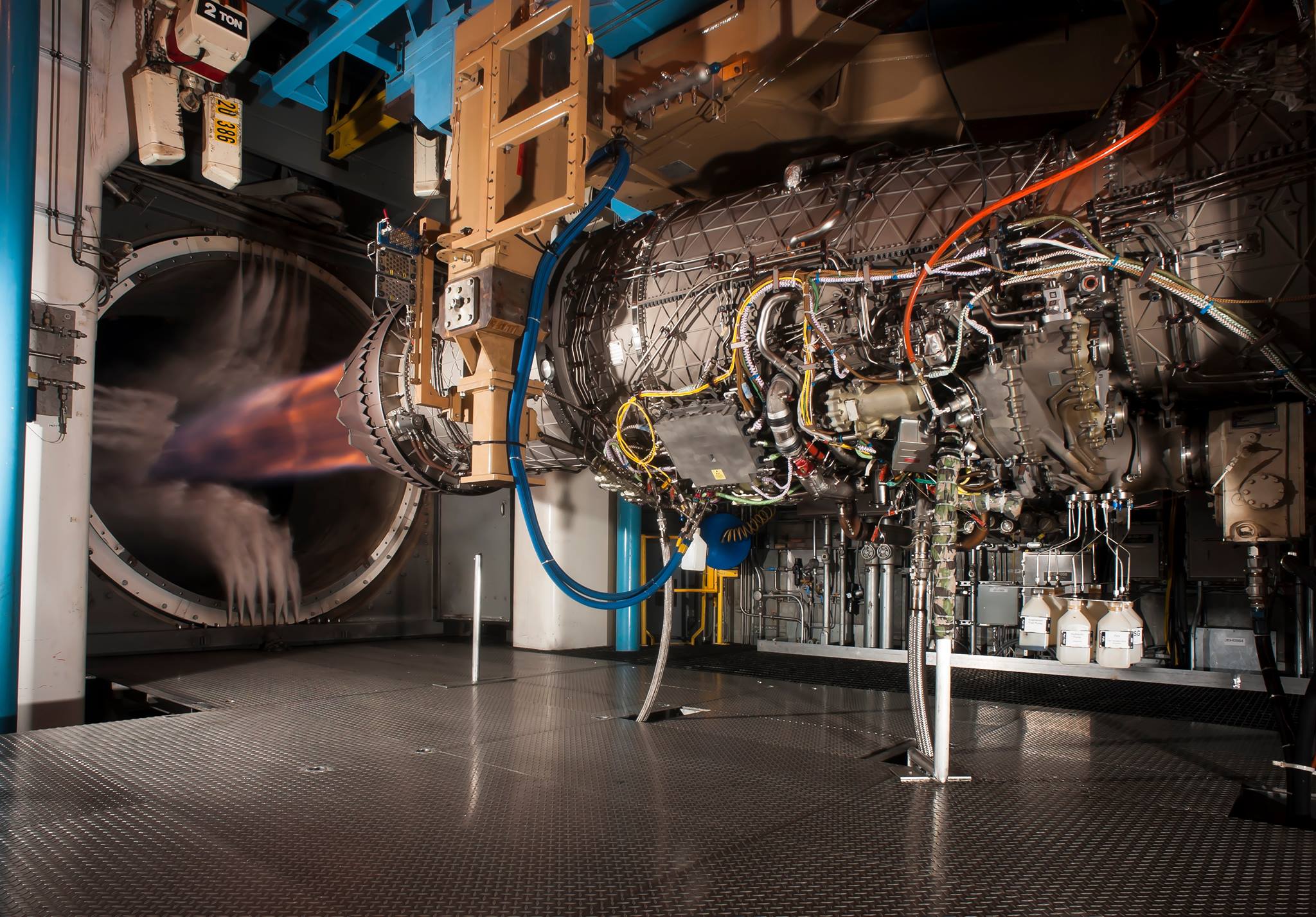
F135 engine during tests / Zdjęcie: RTX
As the head of Integrated Military Engines Solutions at Pratt & Whitney, I am honored to work with a team of dedicated and innovative people who build engines for our armed forces and international partners whose mission is to defend the free world. Since the founding of Pratt & Whitney one hundred years ago, our engineers have been developing innovative solutions for the most advanced and reliable engines, more than 7,500 of which are in service today with the armed forces of over 34 countries worldwide. The F100 and F135 engines have accumulated 30 million and one million flight hours respectively, and have proven to be among the safest, most efficient, and most dependable fighter propulsion systems in existence. From fourth- to fifth-generation powerplants, Pratt & Whitney continually strives to enhance the capabilities of technologically advanced aircraft designed to fly, fight, and win.
The author of the above statement is Steven M. Shepro, Vice President for Integrated Military Engines Solutions at Pratt & Whitney. He previously served in the United States Air Force with the rank of lieutenant general and was an F-16 pilot. As head of international programs within the Secretary of the Air Force’s International Affairs team, Gen. Shepro worked on the Polish F-16 program.
