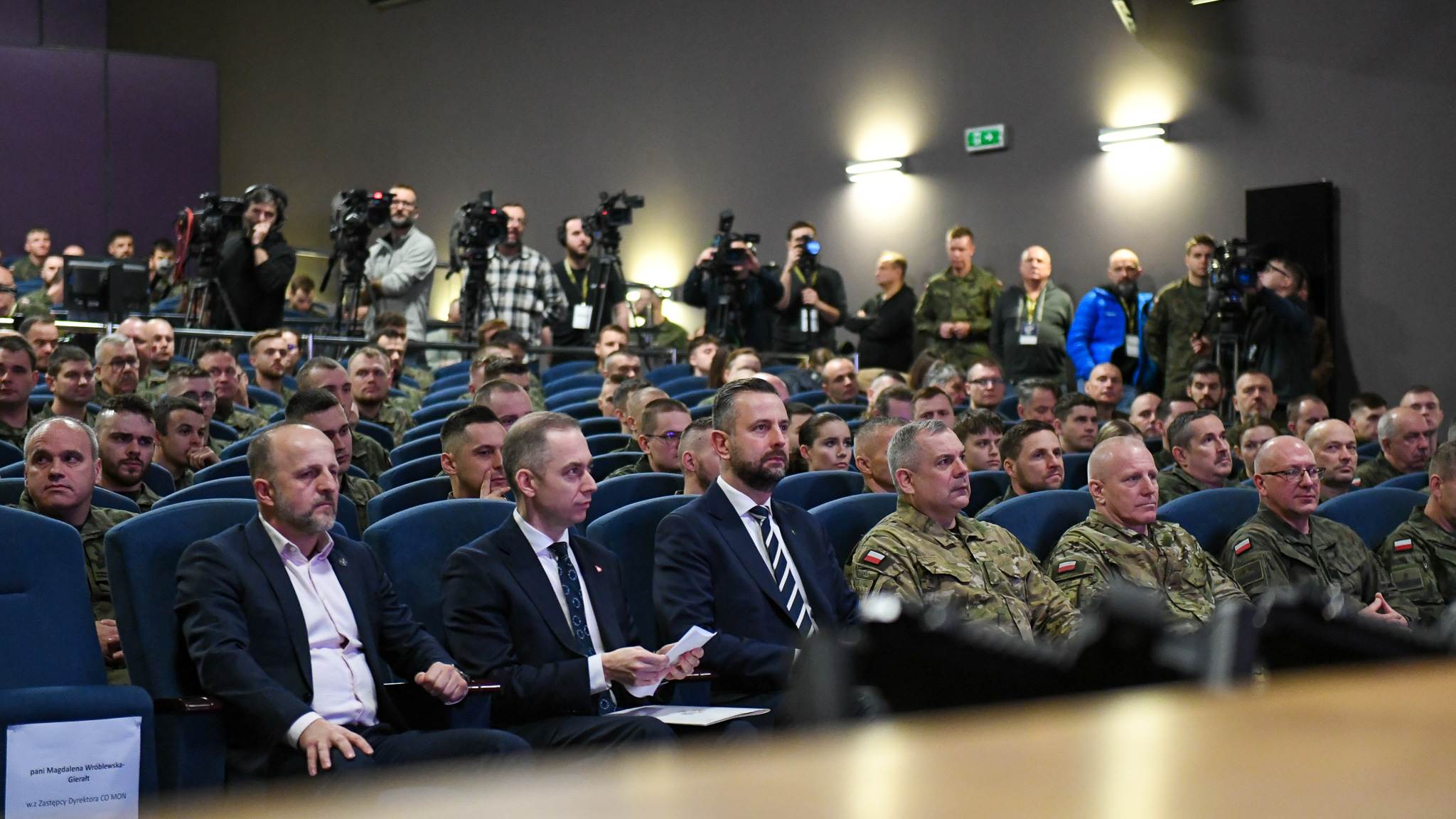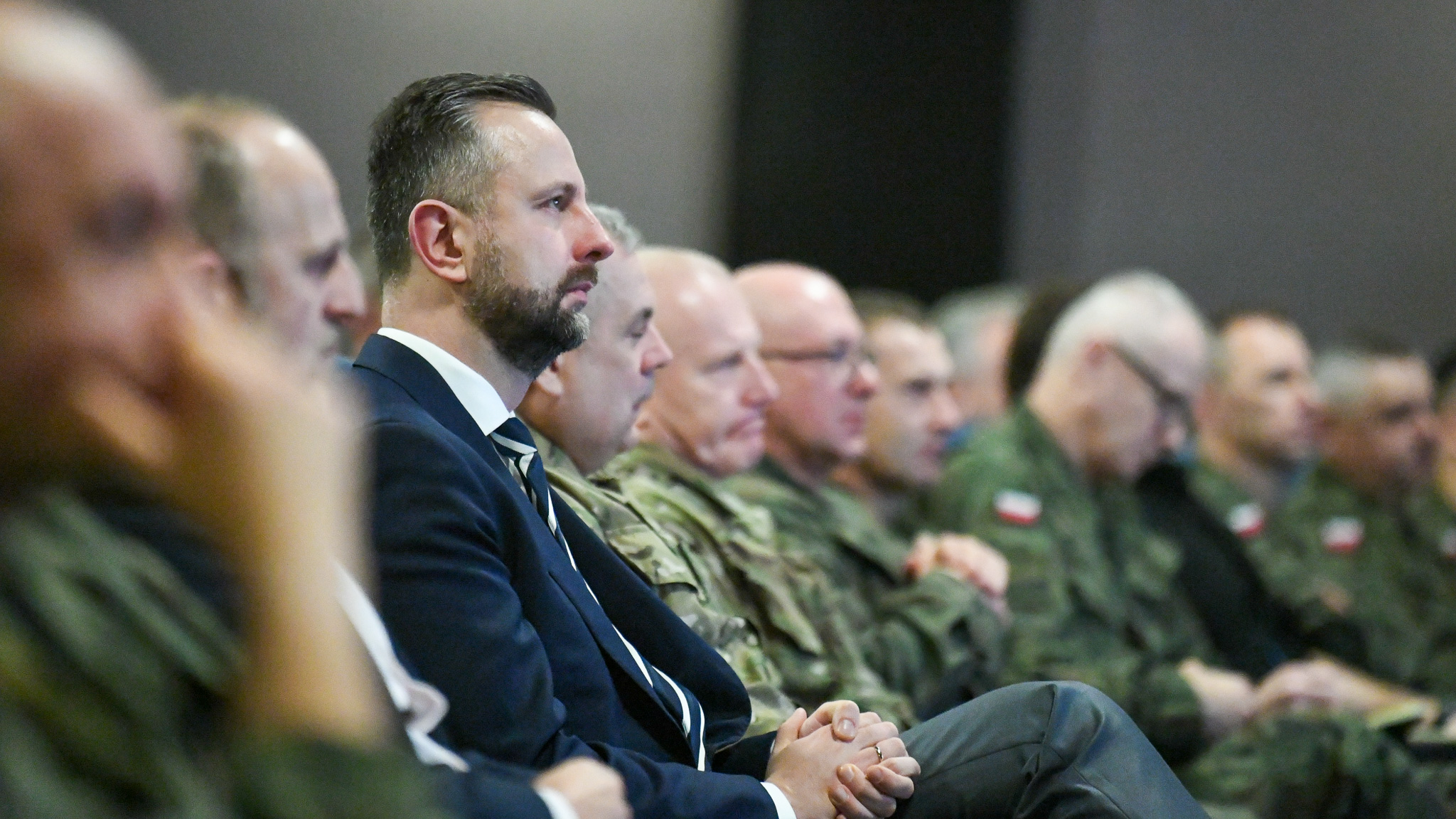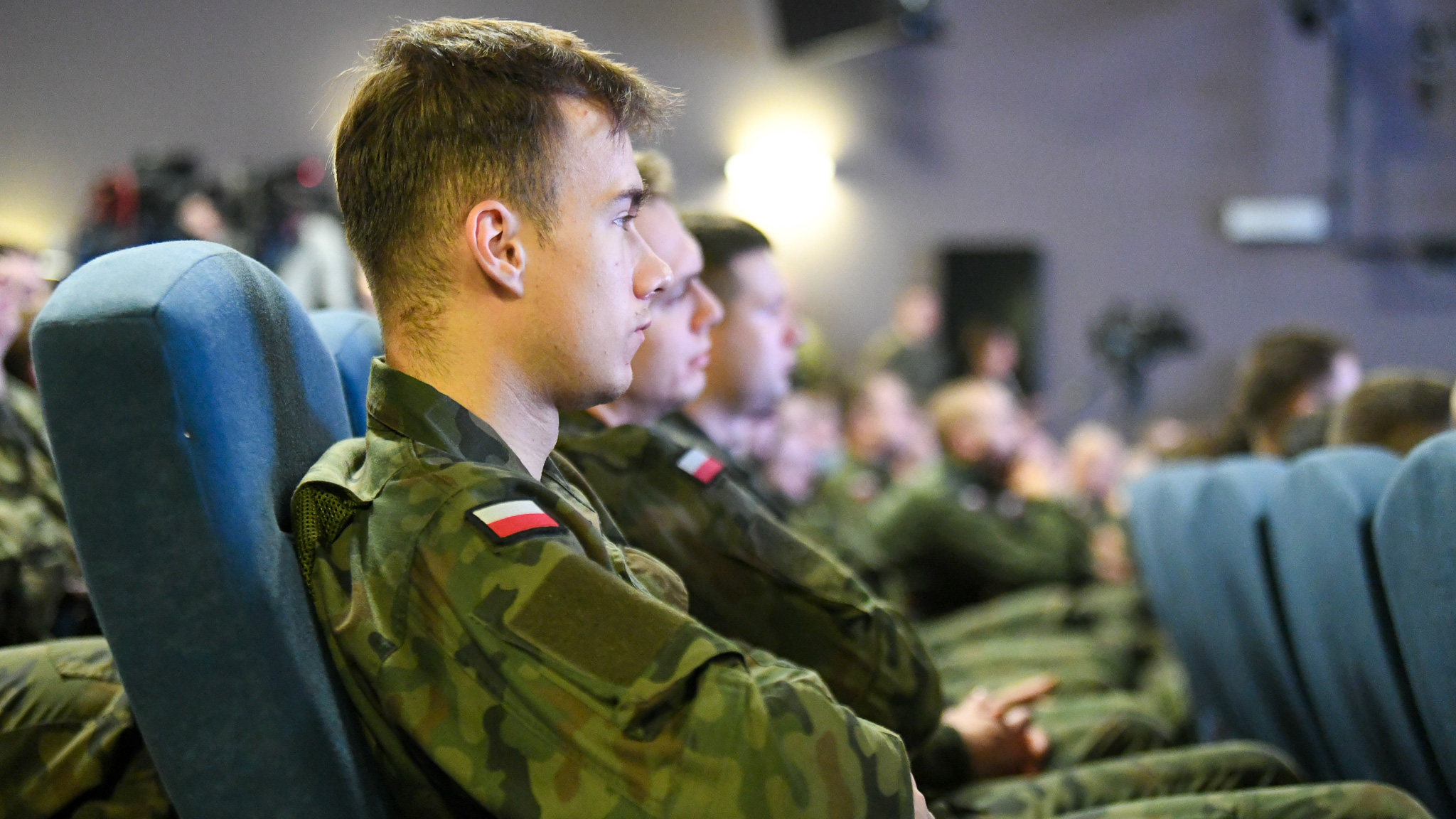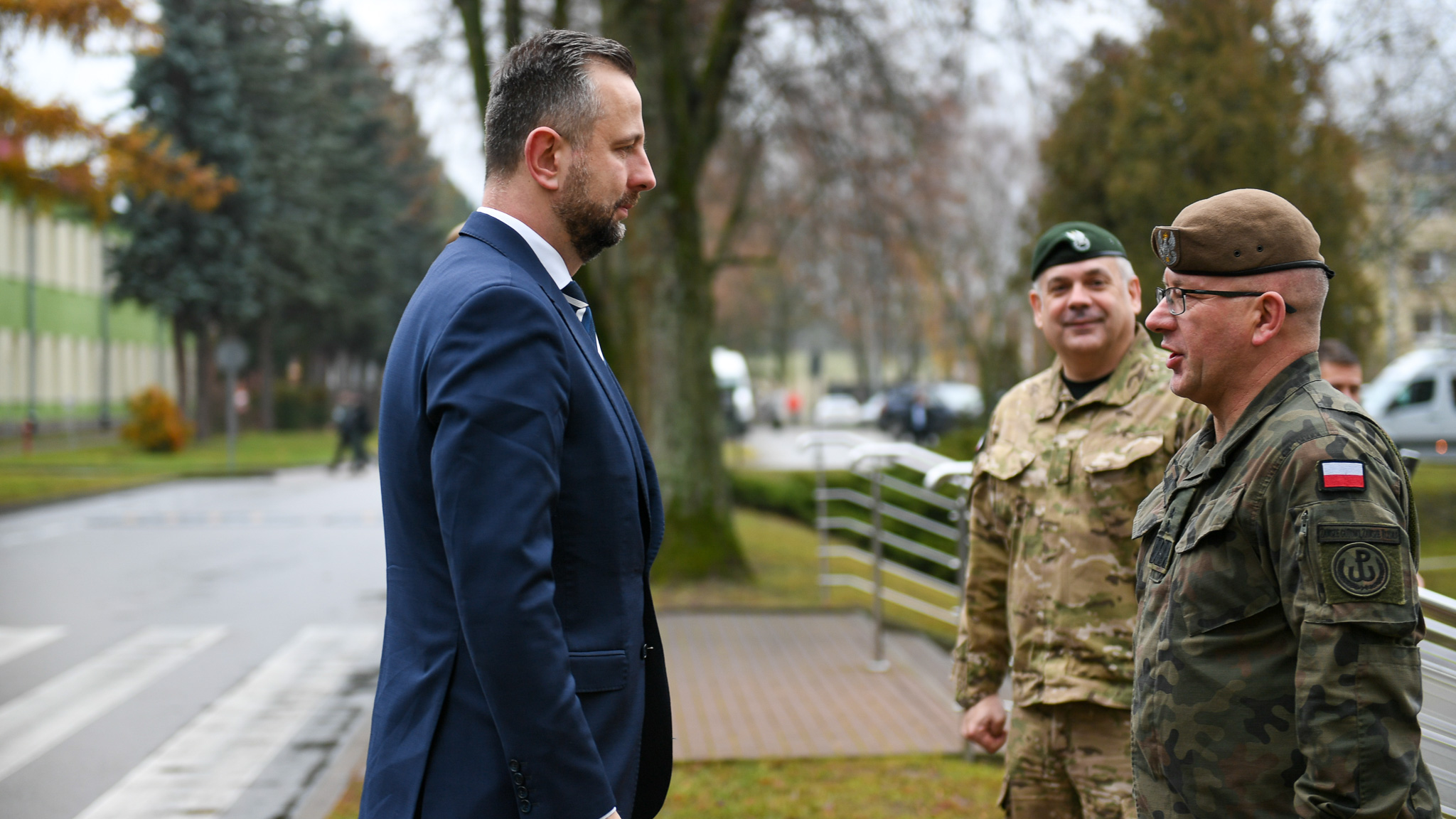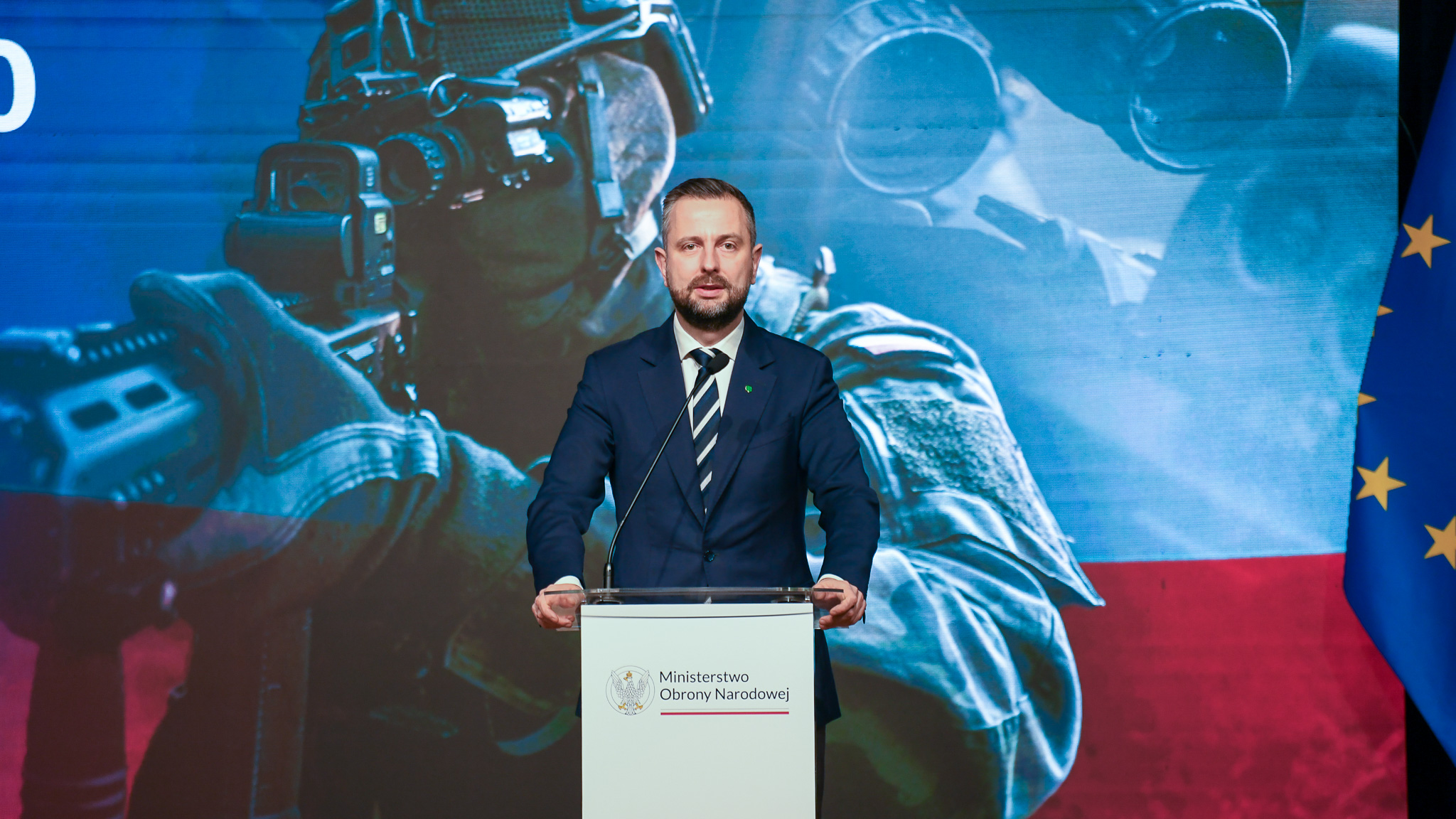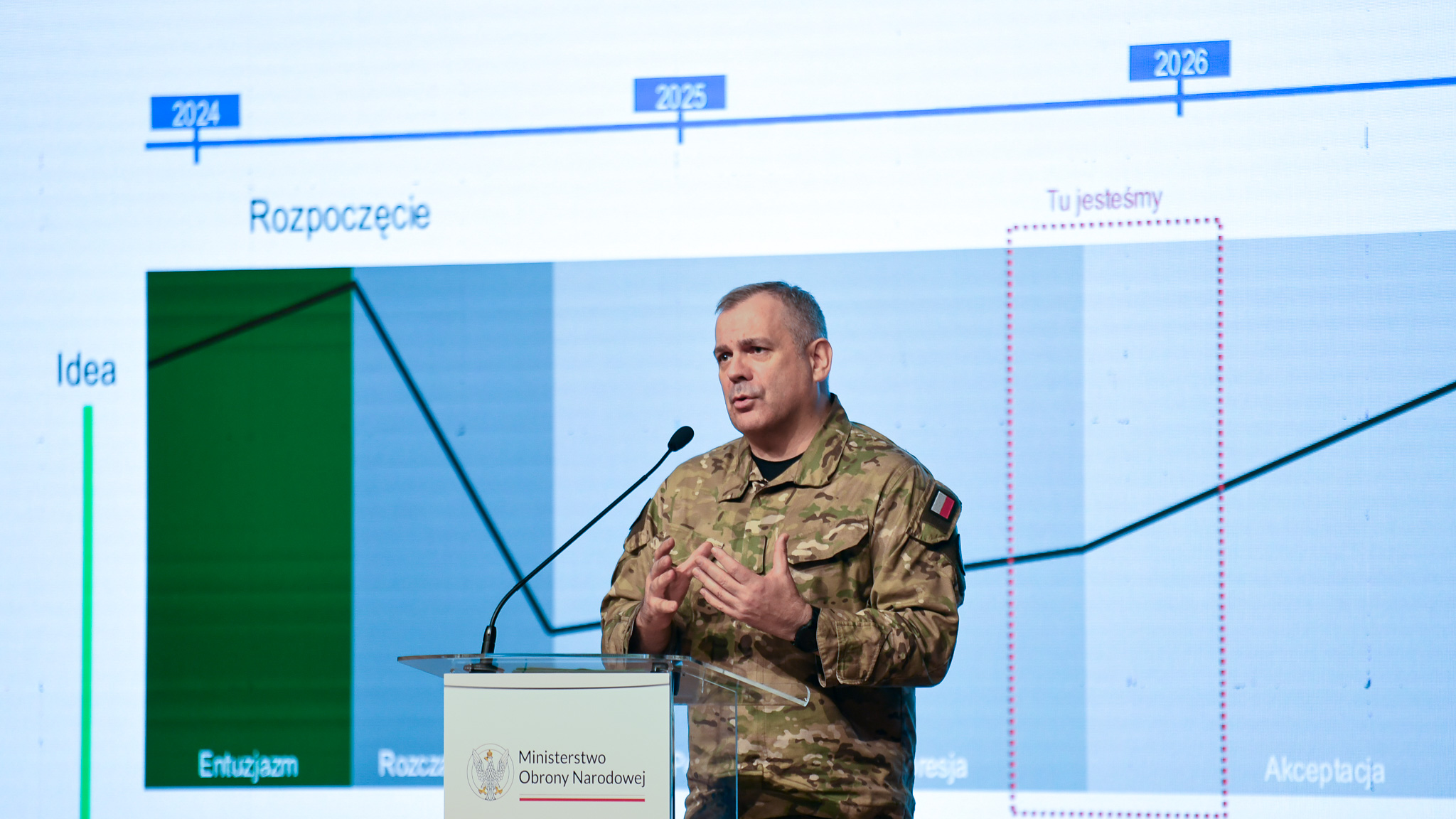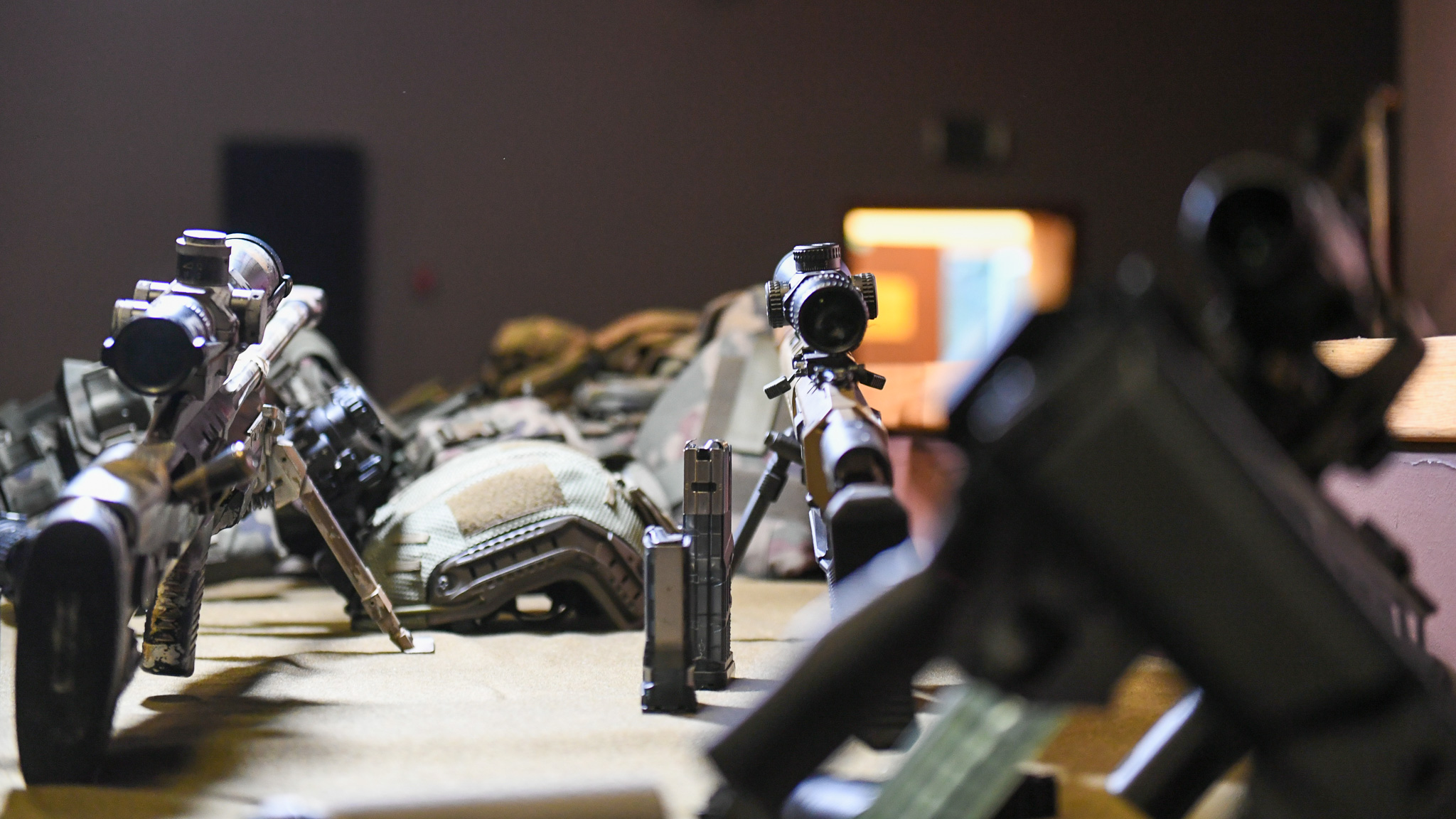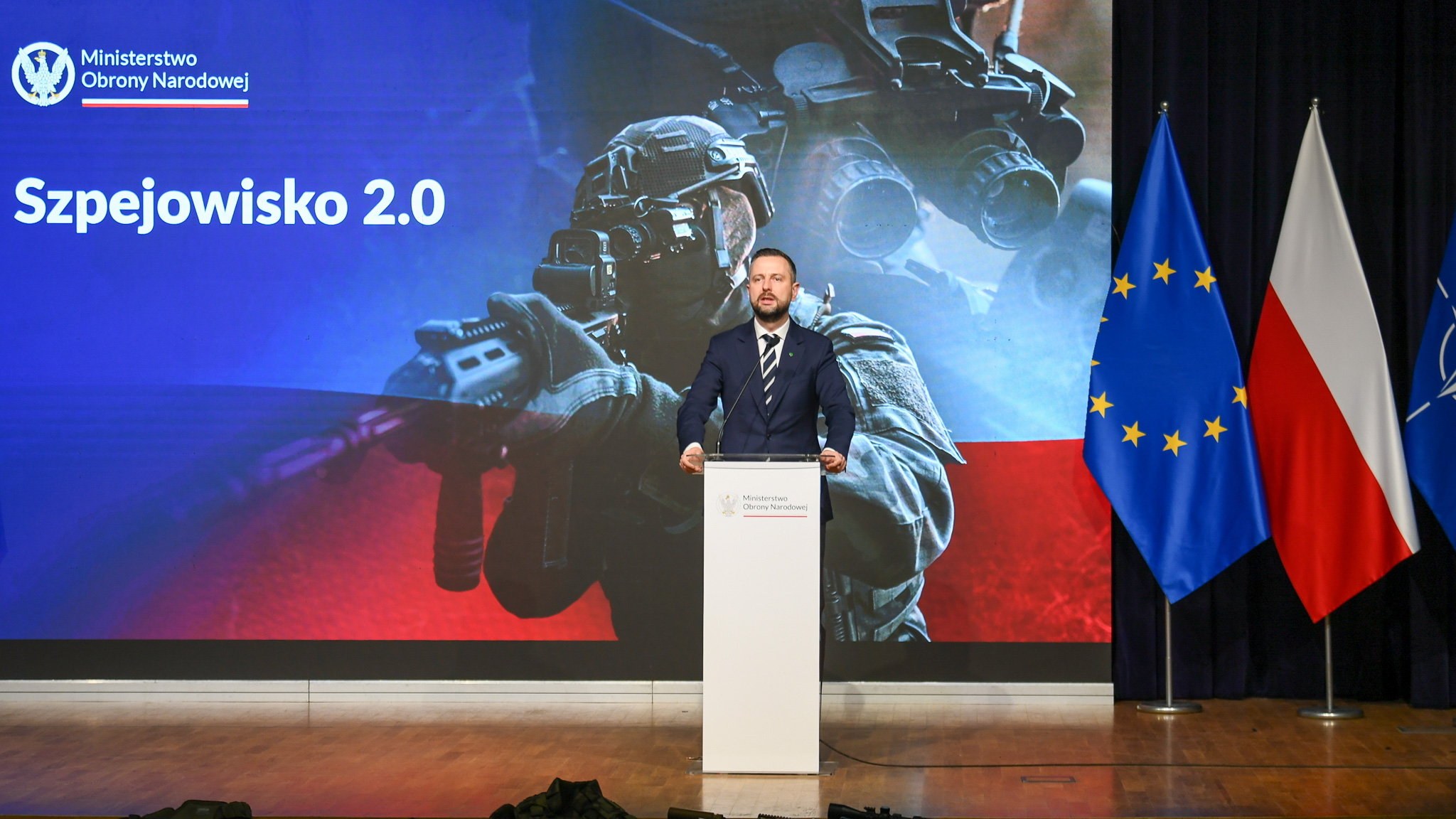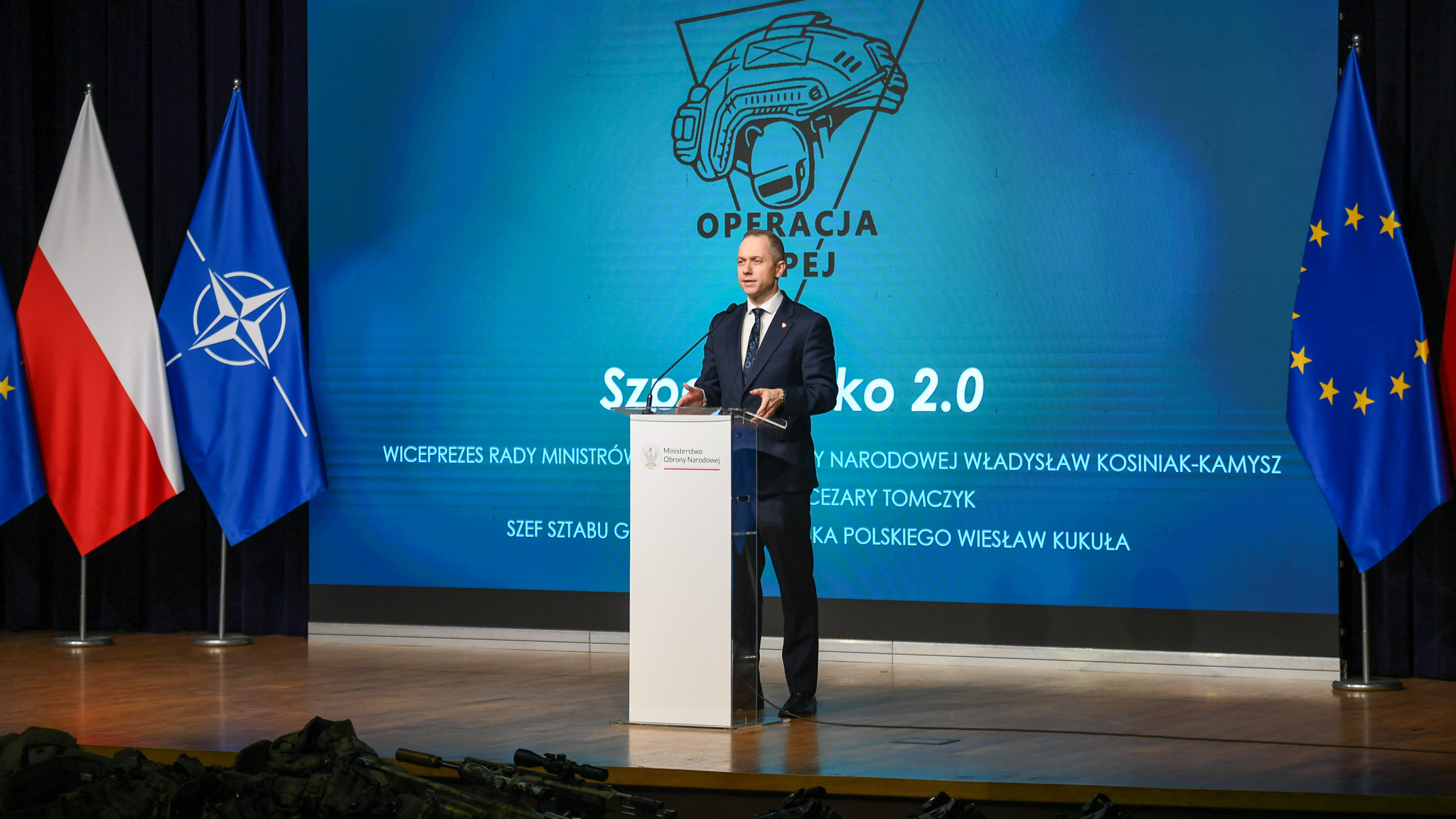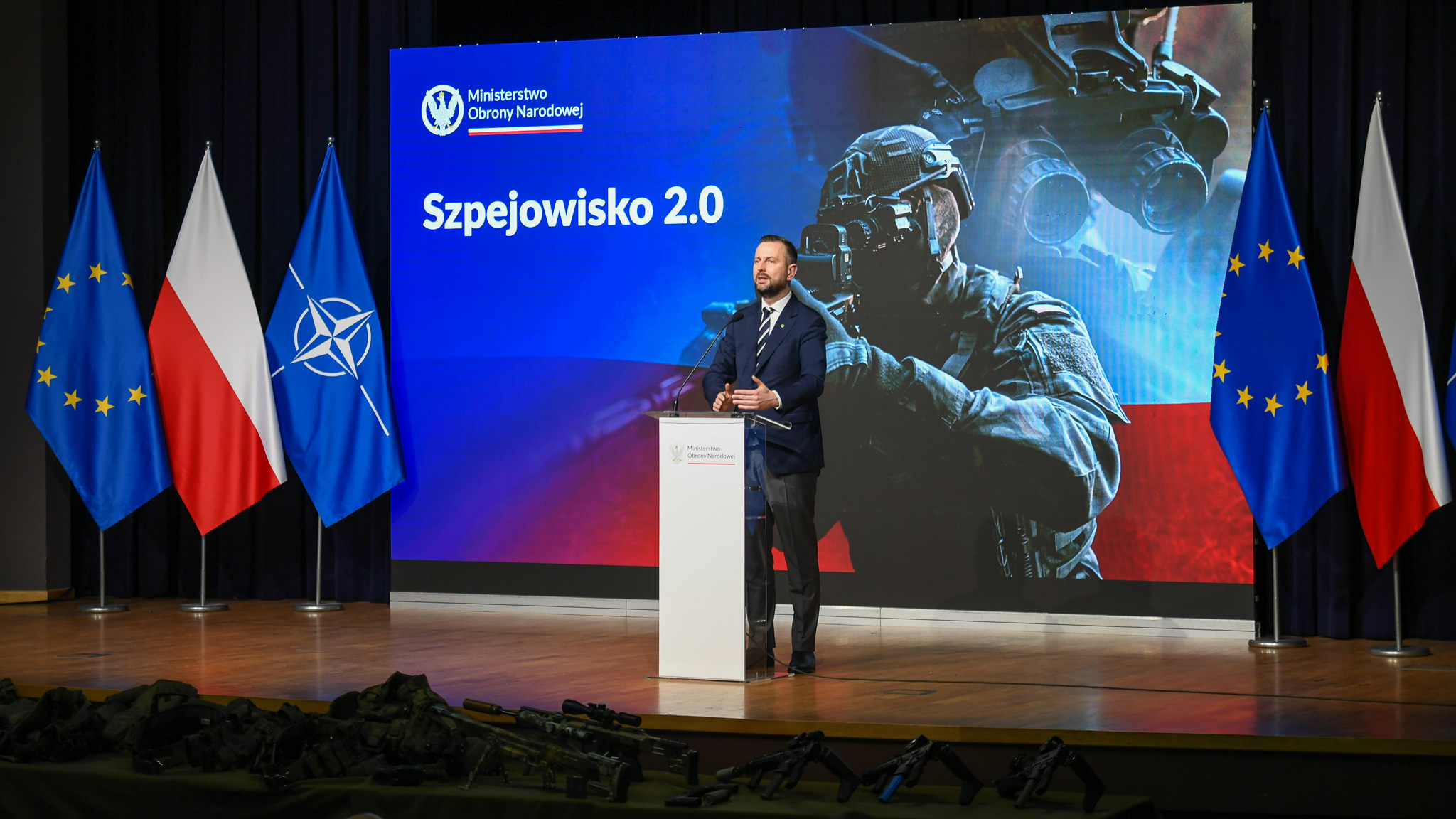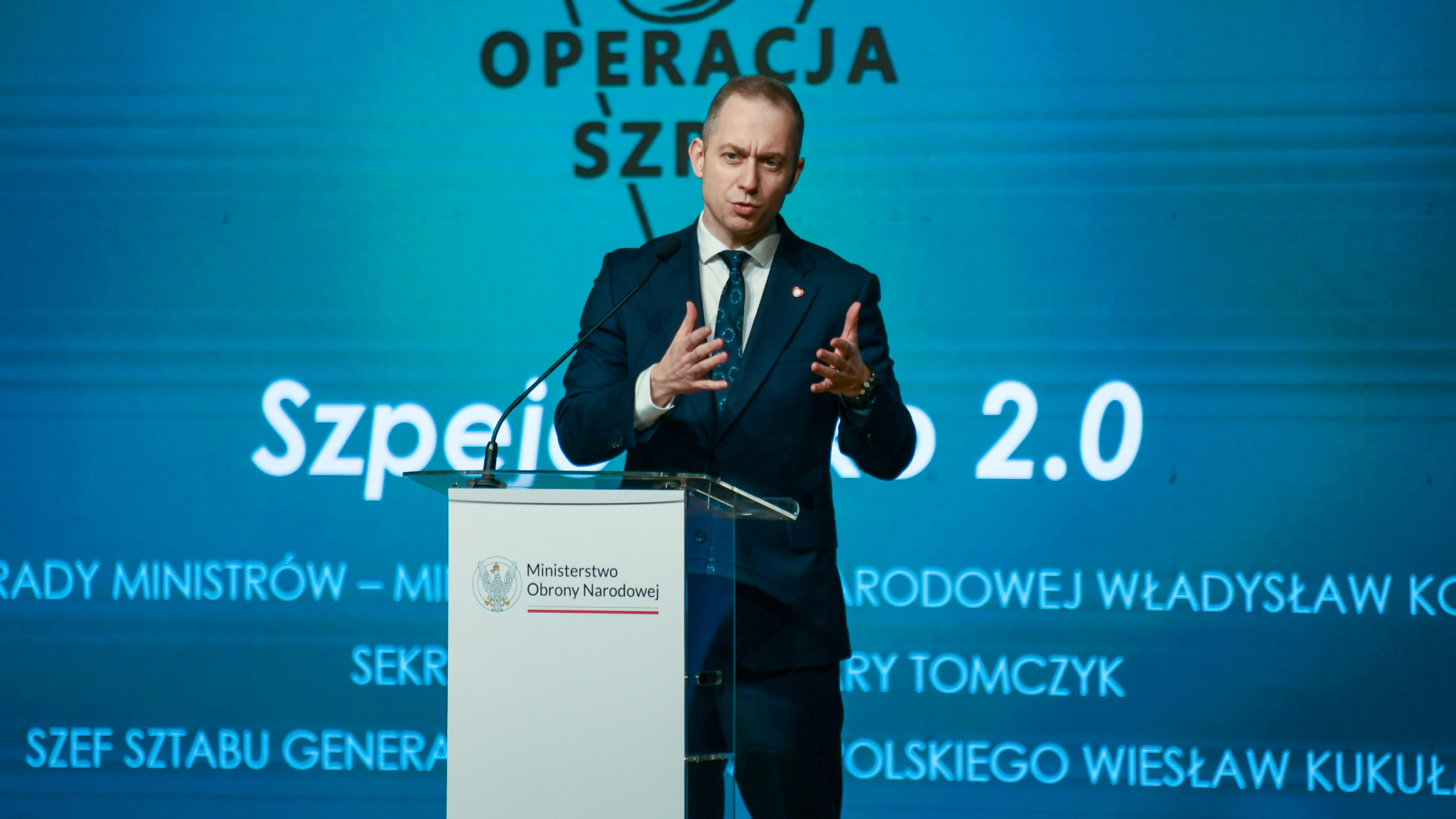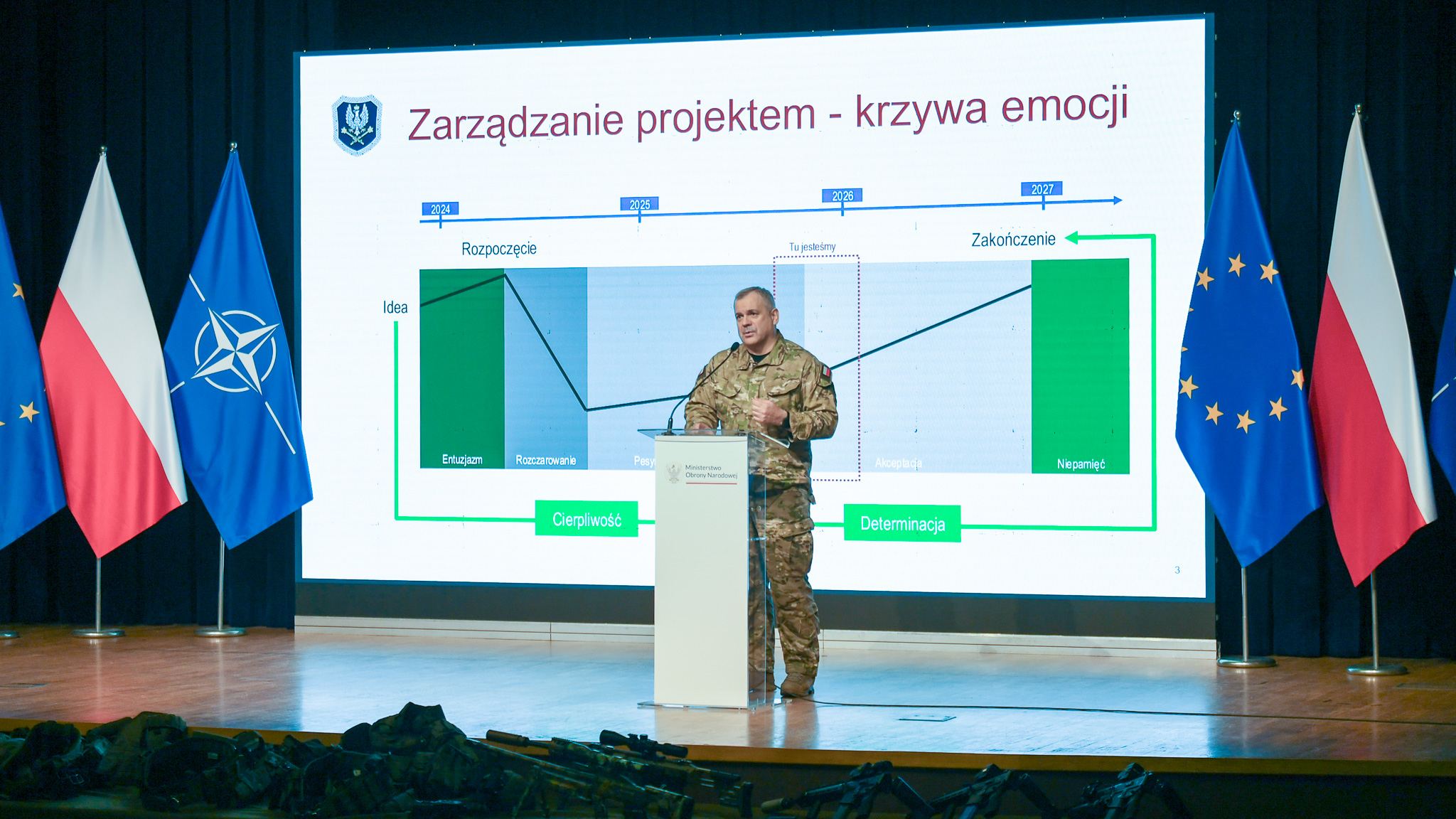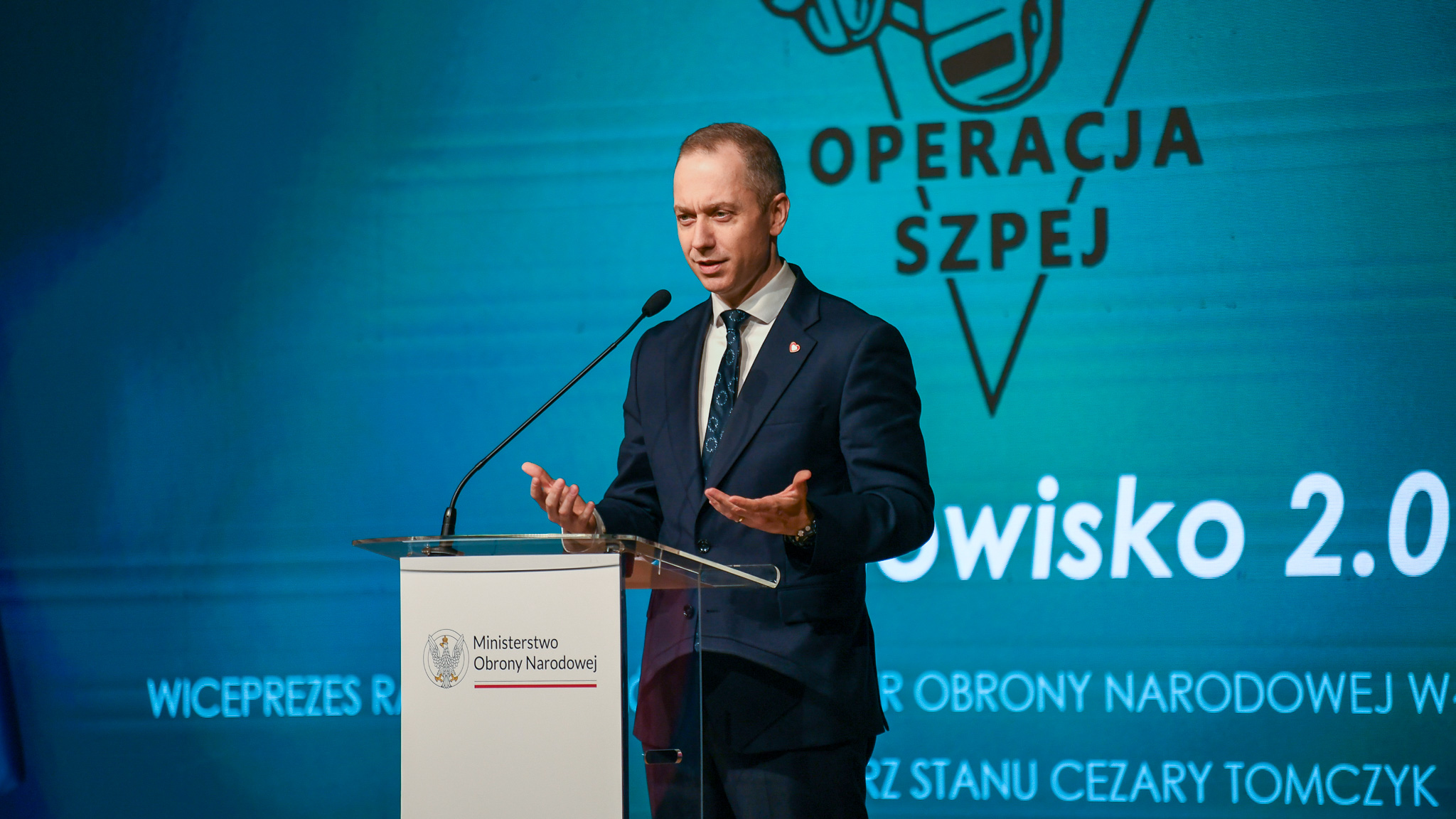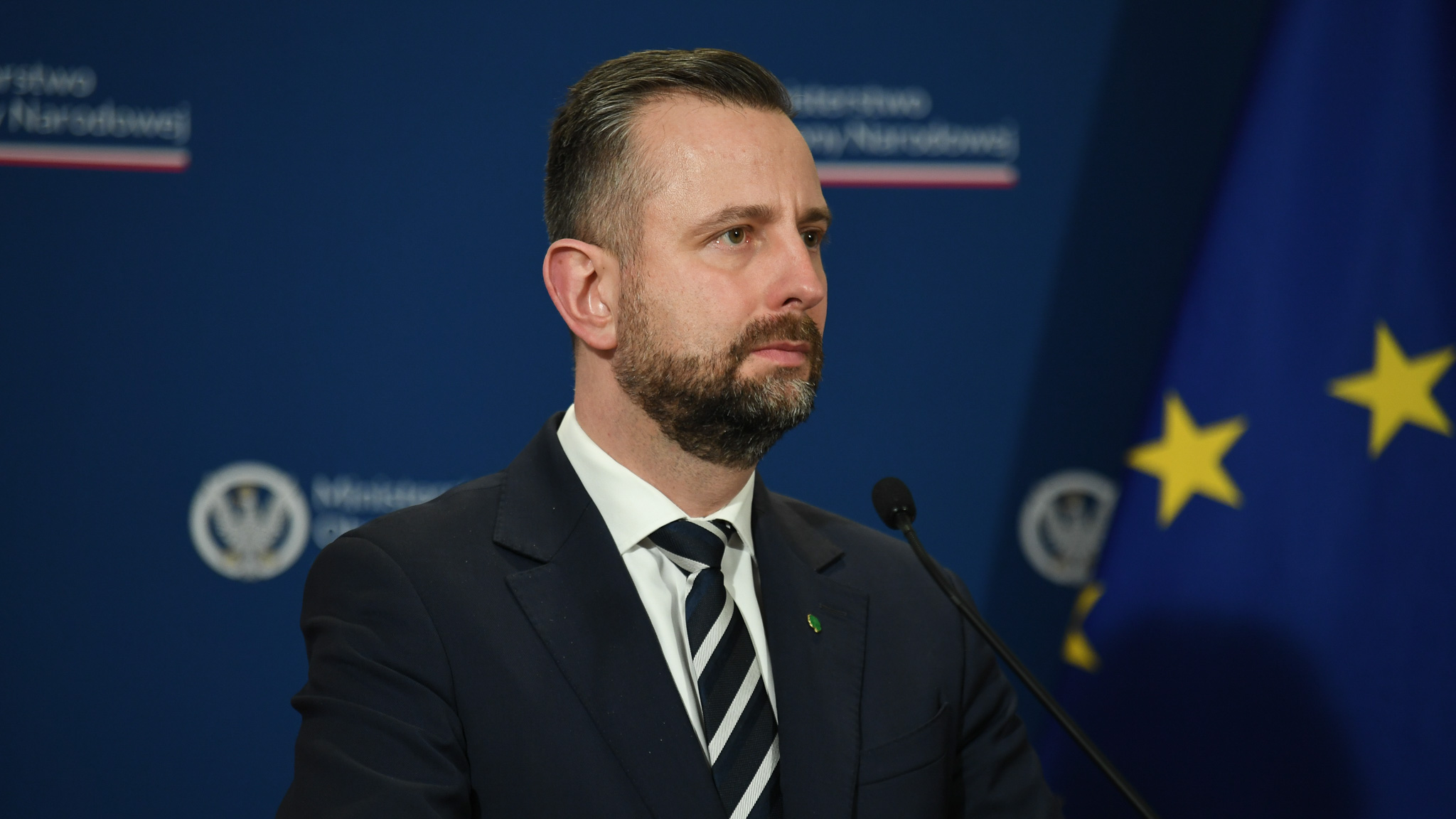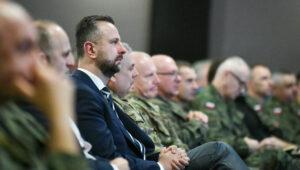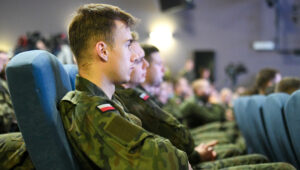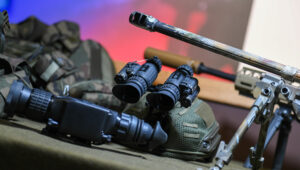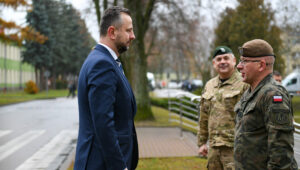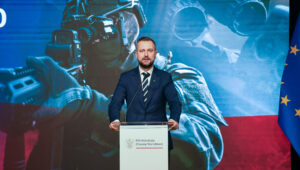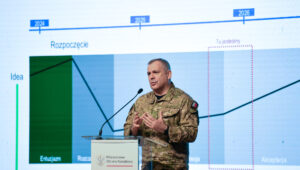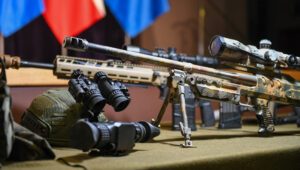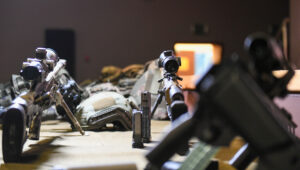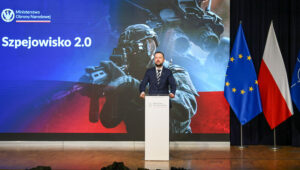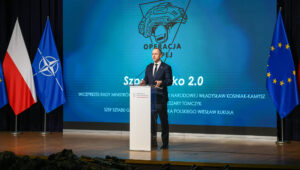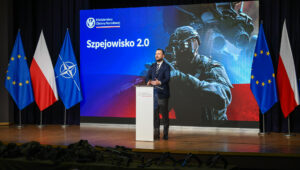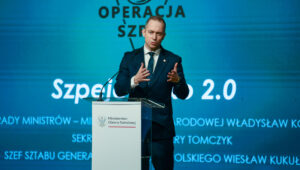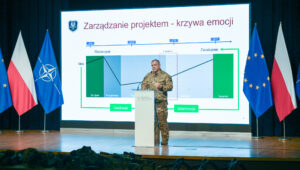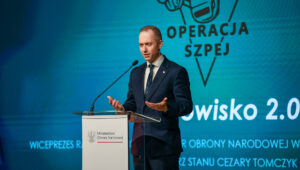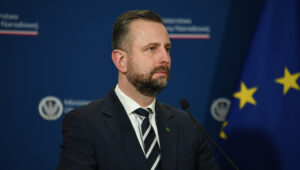


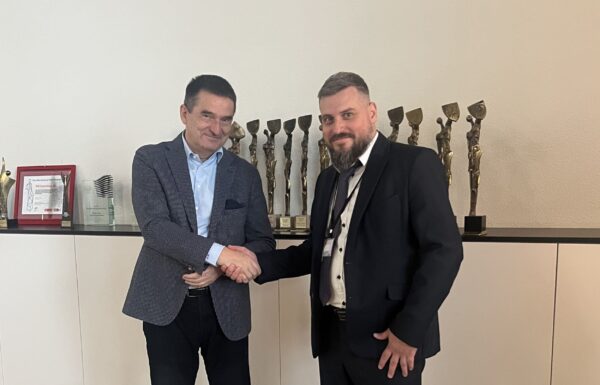
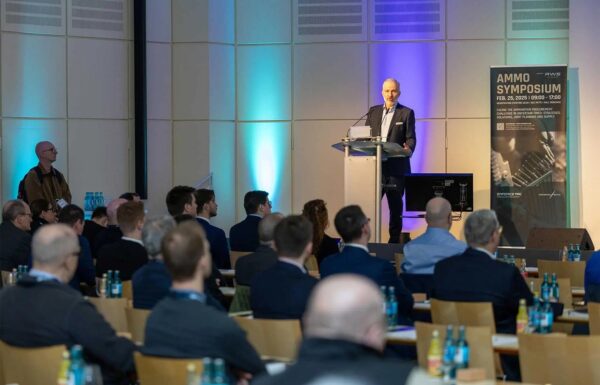
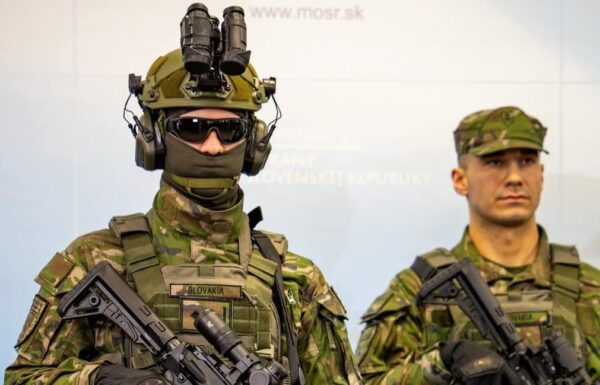













On Thursday, December 11, 2025, at the Territorial Defense Forces Command (DWOT) in Zegrze, Deputy Prime Minister and Minister of National Defense Władysław Kosiniak-Kamysz, Secretary of State at the Ministry of National Defense Cezary Tomczyk, and Chief of the General Staff of the Polish Armed Forces (SG WP) Gen. Wiesław Kukuła took part in the “Szpejowisko 2.0” conference.
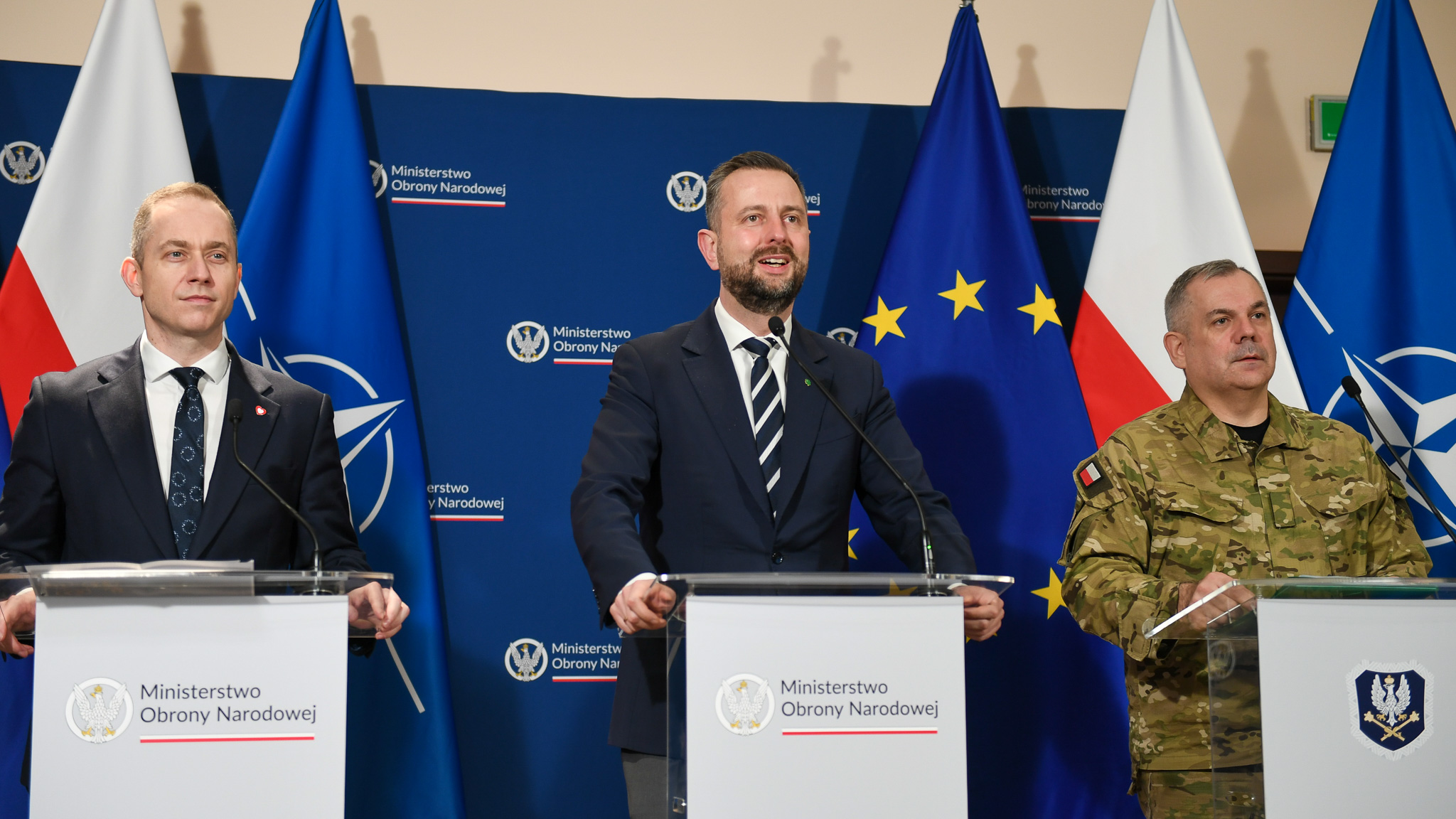 Photos: Pvt. 1st Class (Specialist) Radosław Kocięba / 25th Air Cavalry Brigade
“I am very pleased that we are at this remarkable conference – a conference on the individual equipment of Polish Armed Forces soldiers, ‘Szpejowisko 2.0.’ For us, this is an absolute priority. (…) Our army is growing; at this moment it numbers 218,000 soldiers. Wise leadership and wise governments do not put the best equipment first – they put people first. Those who operate that equipment, those who wear the uniform, those who proudly carry the white-and-red on their shoulder. (…) If a soldier is well-equipped, comfortably uniformed, has proper boots, a well-fitted uniform that meets all norms and standards, proper protection – a vest, a helmet – well-selected weapons, drones, and soon also various types of additional individual gear needed to operate mechanical equipment and be prepared for every contingency – then he is ready,” Deputy Prime Minister Władysław Kosiniak-Kamysz said during the conference.
“We are presenting another edition of what we have managed to accomplish, and I fully agree with the words spoken a year ago by General Kukuła that ‘Szpejowisko’ will never end – the modernization of individual soldier equipment will never stop, because we constantly discover something new. I would also like to inform you that our efforts are not limited solely to purchasing new gear, replacing equipment, and providing the best possible kit. For several weeks now, we have been working on a new field uniform design, adapted to today’s needs, made from the best materials, and we are testing it among soldiers. (…) Finally, one more piece of information regarding the so-called ‘green list.’ This is a solution we want to introduce: a green list of civilian-market products, of course adapted to military needs, which, once approved, will receive certification for use in the armed forces. It is somewhat modeled on the American system, in which soldiers can select gear they purchase themselves and use in service,” Deputy Prime Minister Władysław Kosiniak-Kamysz stated.
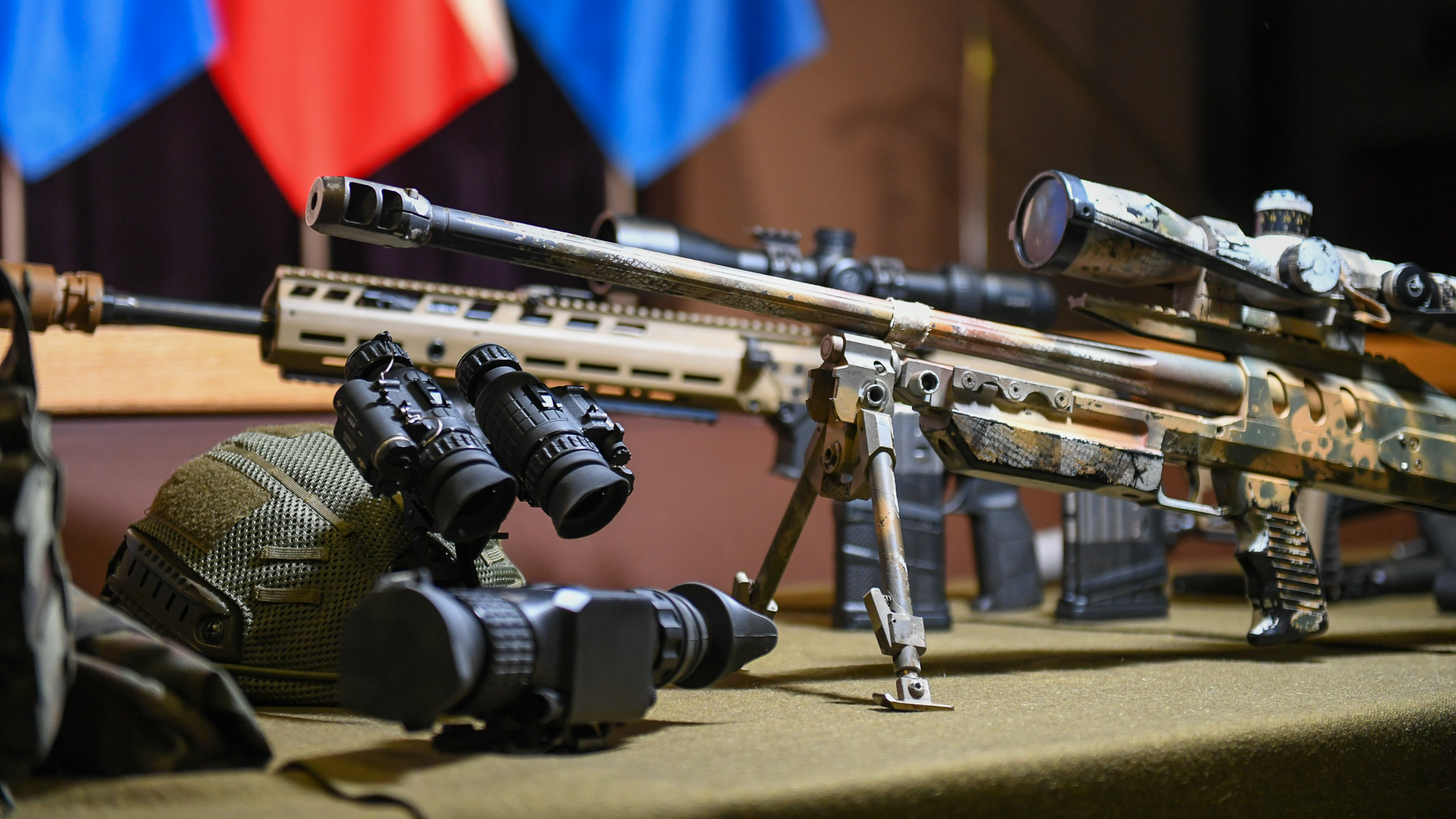
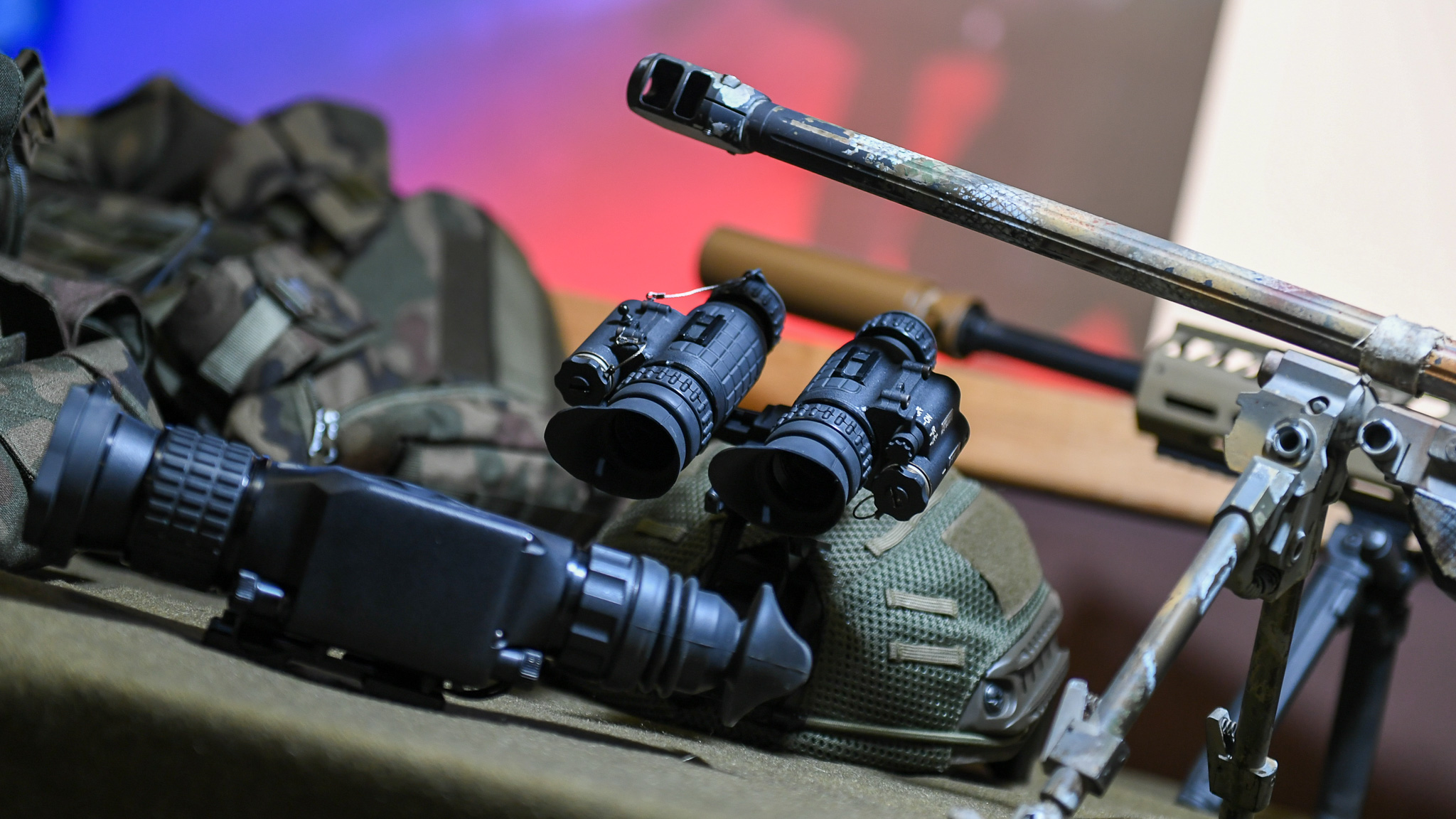
The conference serves as a summary of another stage of work carried out under Operation SZPEJ – the program for modernizing the individual equipment of Polish Armed Forces soldiers.
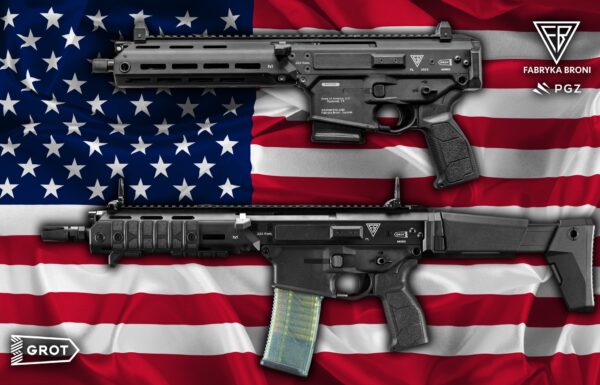
“The truth is that Operation ‘Szpej’ is a process that truly never ends. Every month, new elements related to the activities of Polish soldiers will appear. I remember that this operation really began with three things. First – with the task set before us by Prime Minister Władysław Kosiniak-Kamysz: that at the center of our actions must be the soldier, the human being, because everything starts from there. Second – with discussions with General Kukuła about the fact that individual soldier equipment is a topic that must always receive stronger funding. Third – with our visits to military units. (…) We are also here to listen to you – so that during panels and discussions you can show what the directions of change should be, where the gaps are, and what needs to be supplemented. Today, I will present what has been changed and what challenges lie ahead. There are many ongoing efforts within the military, and they must be brought to completion – that is also our responsibility. We all remember the large ‘Tytan’ program, which has been ongoing for many, many years, and the results are not what we expected. Of course, there are positives, such as the Grot rifle, but there are also many elements that were never brought to completion,” Deputy Minister Cezary Tomczyk emphasized.
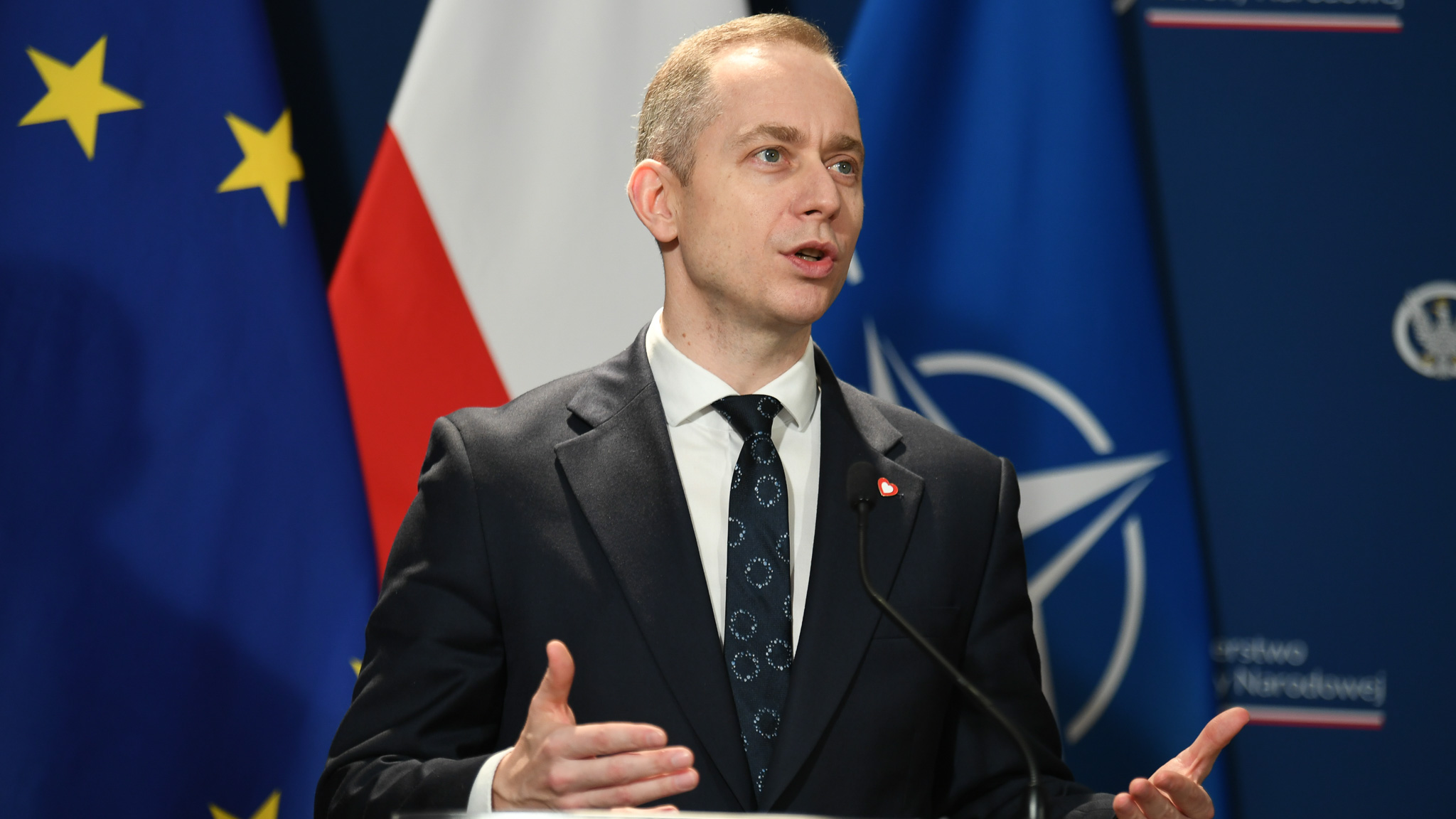
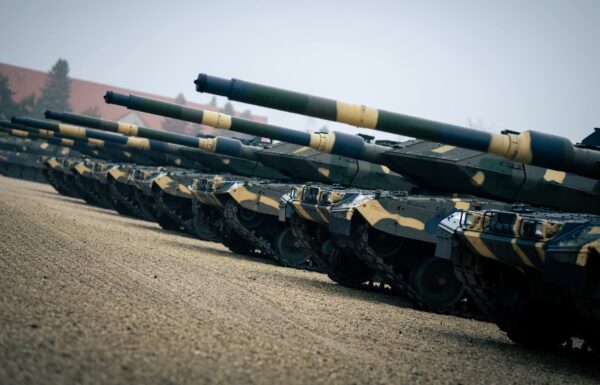
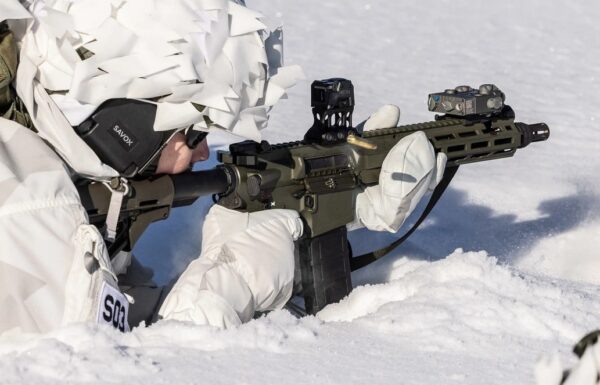
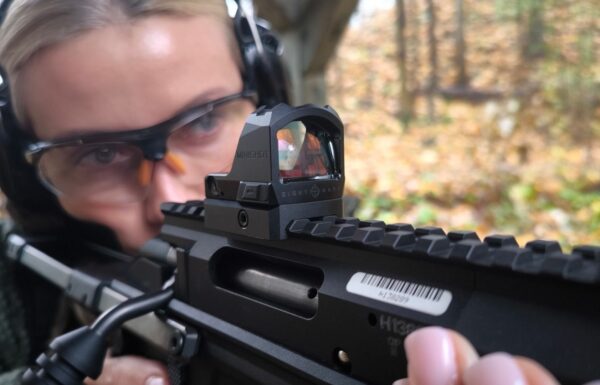
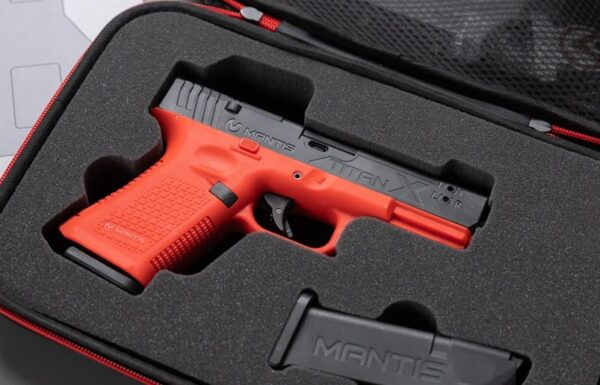
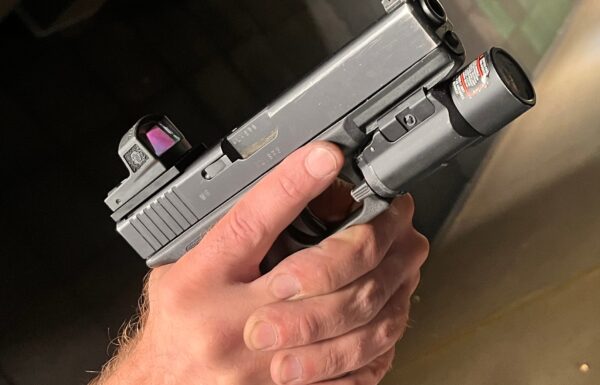
During the event, progress in the delivery of new weapons and individual equipment was discussed, as well as further needs and directions for development.
“We are carrying out a process – essentially a large, complex project – which, as the previous speakers rightly emphasized, will never end, because it will become a permanent element of our organizational culture. A culture based on the fundamental assumption that the soldier is the most important, and if the soldier is the most important, then everything closest to his skin is also of utmost importance. (…) Today, we are all fully aware that this program must continue. From the beginning, we assumed a three-year timeline to achieve our goals – meaning 90% completion in every category. As Minister Tomczyk has shown, in some areas we have already exceeded that level,” said the Chief of the General Staff of the Polish Armed Forces during the conference.
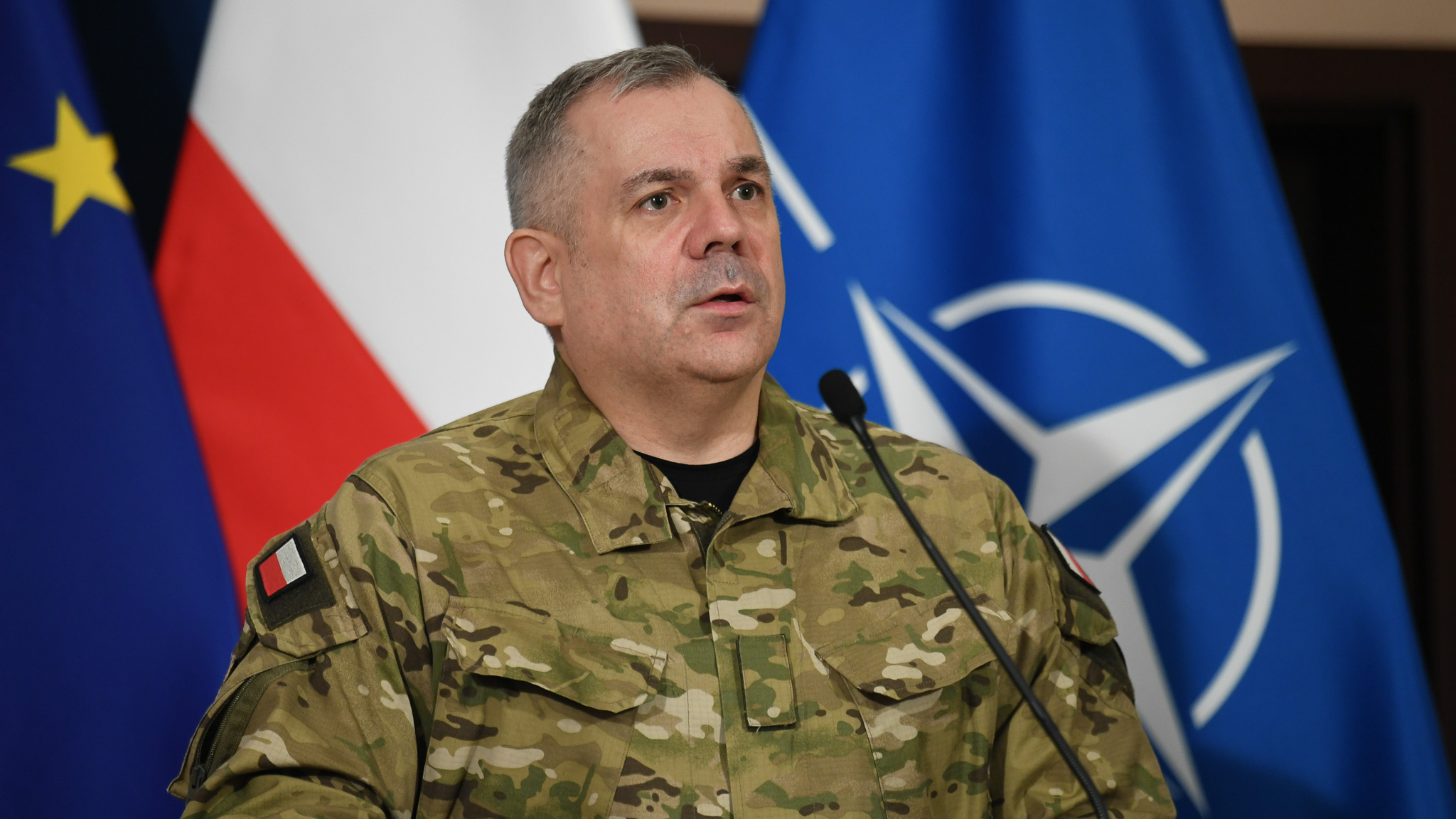
The goal of Operation SZPEJ is to modernize soldiers’ individual equipment and weapons, which directly translates into increased survivability and effectiveness on the modern battlefield.