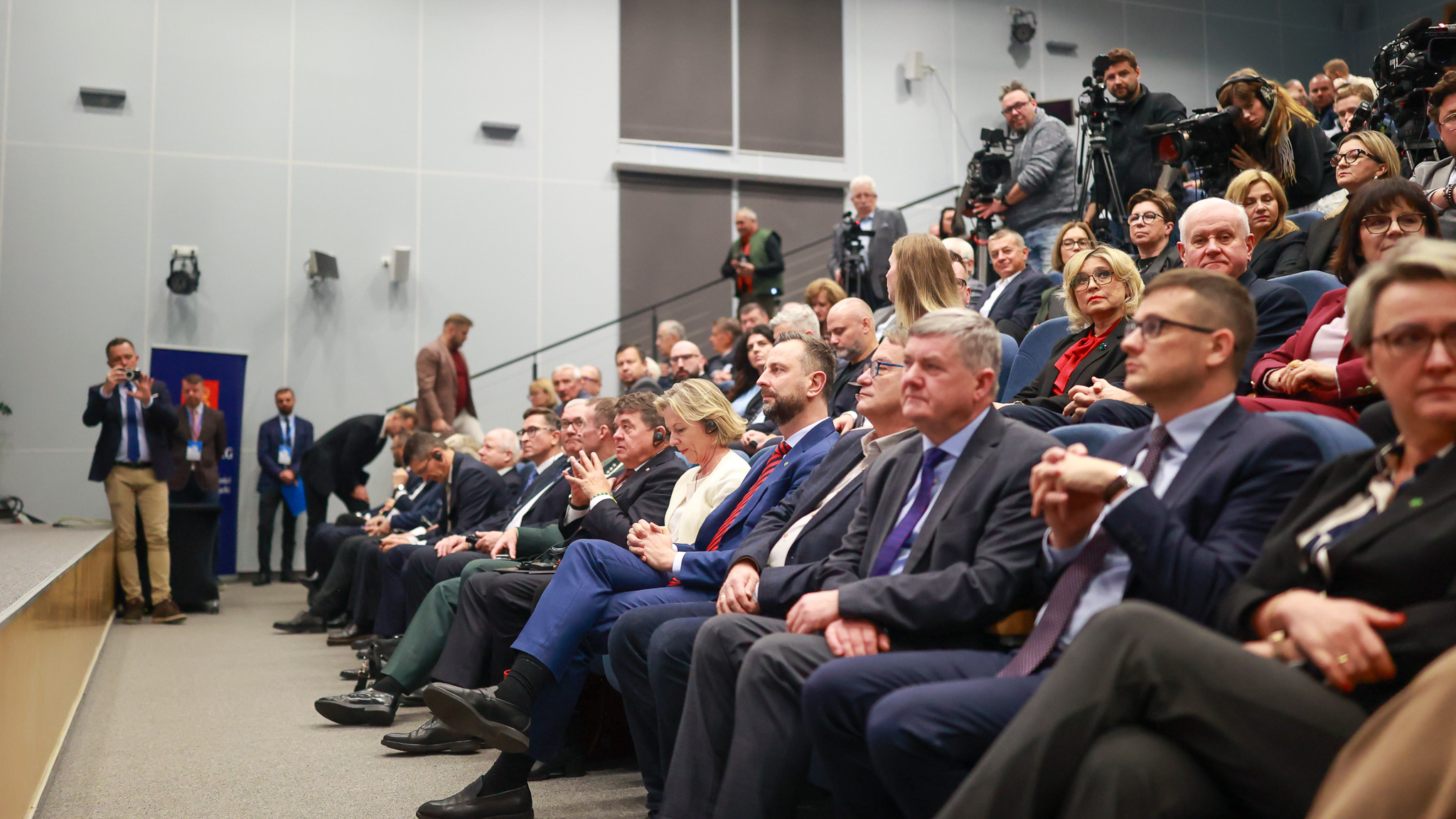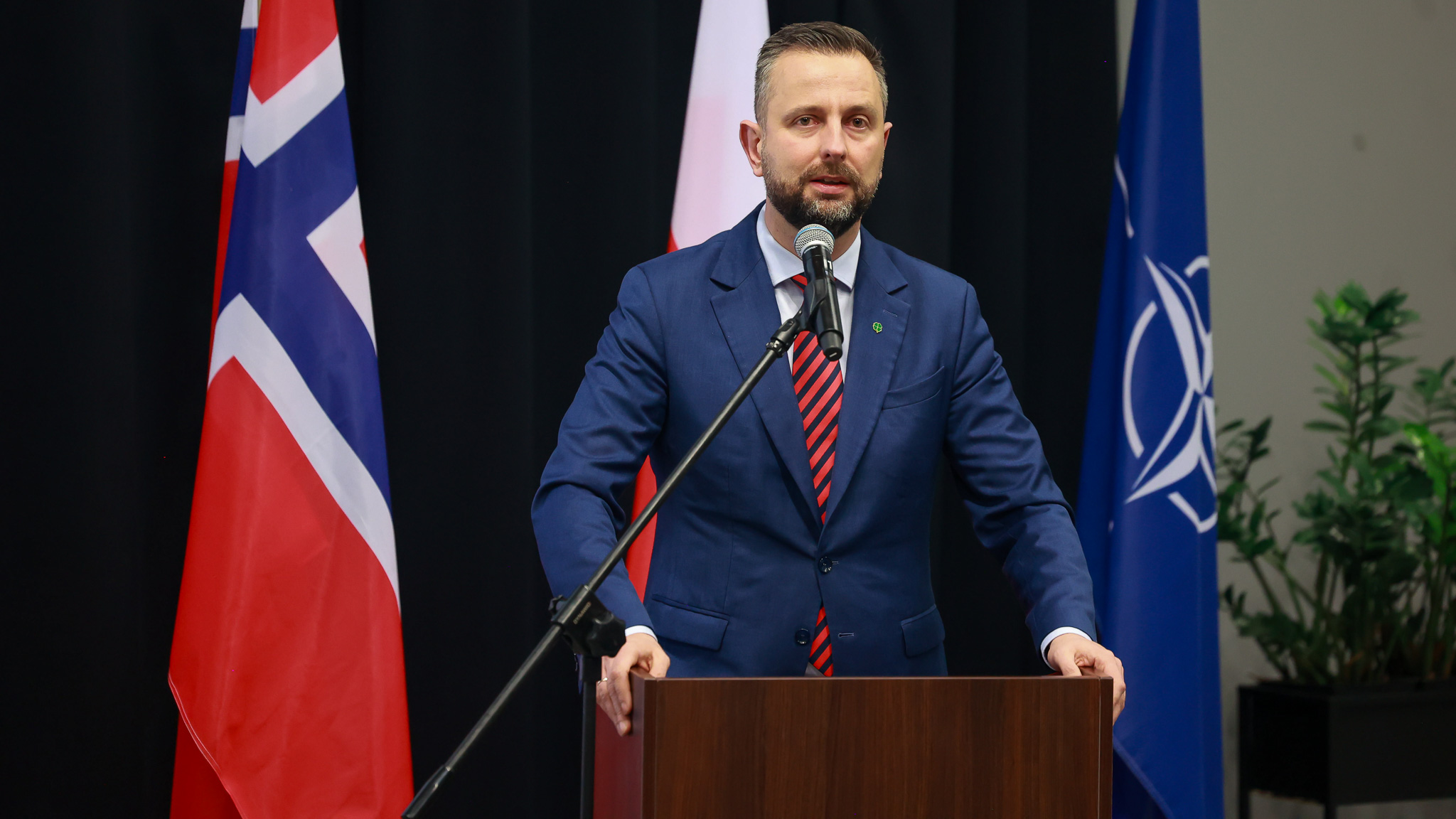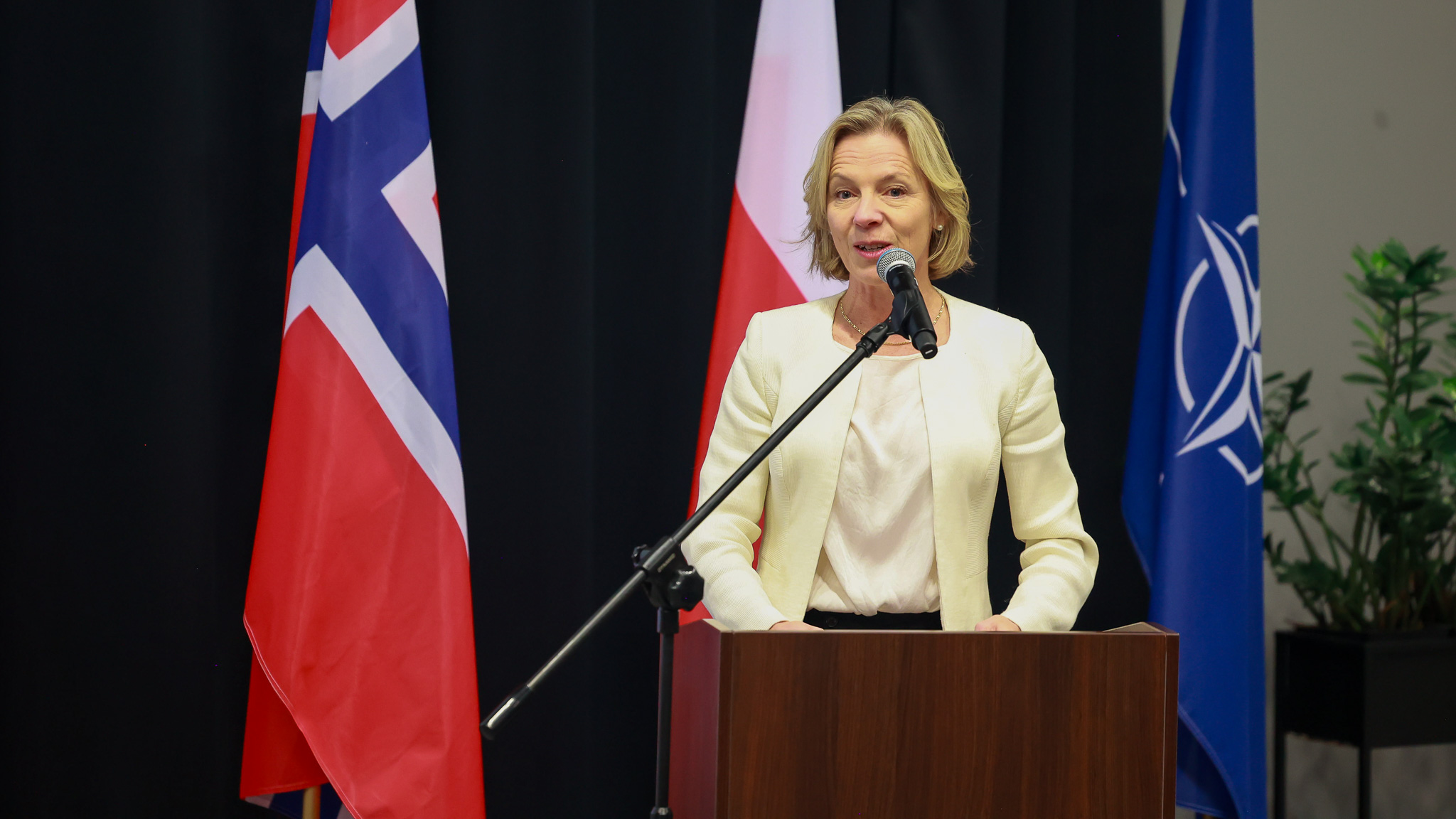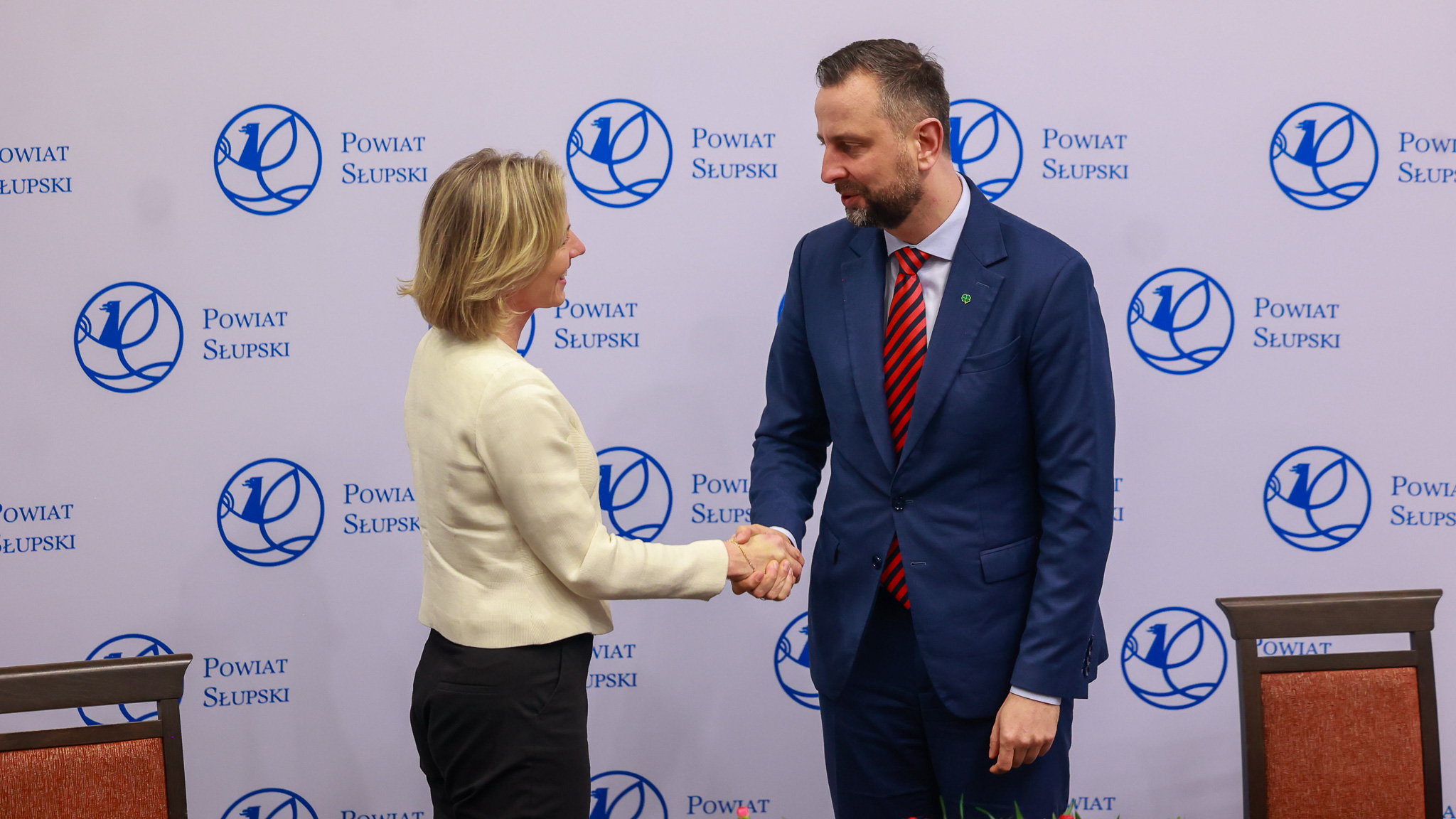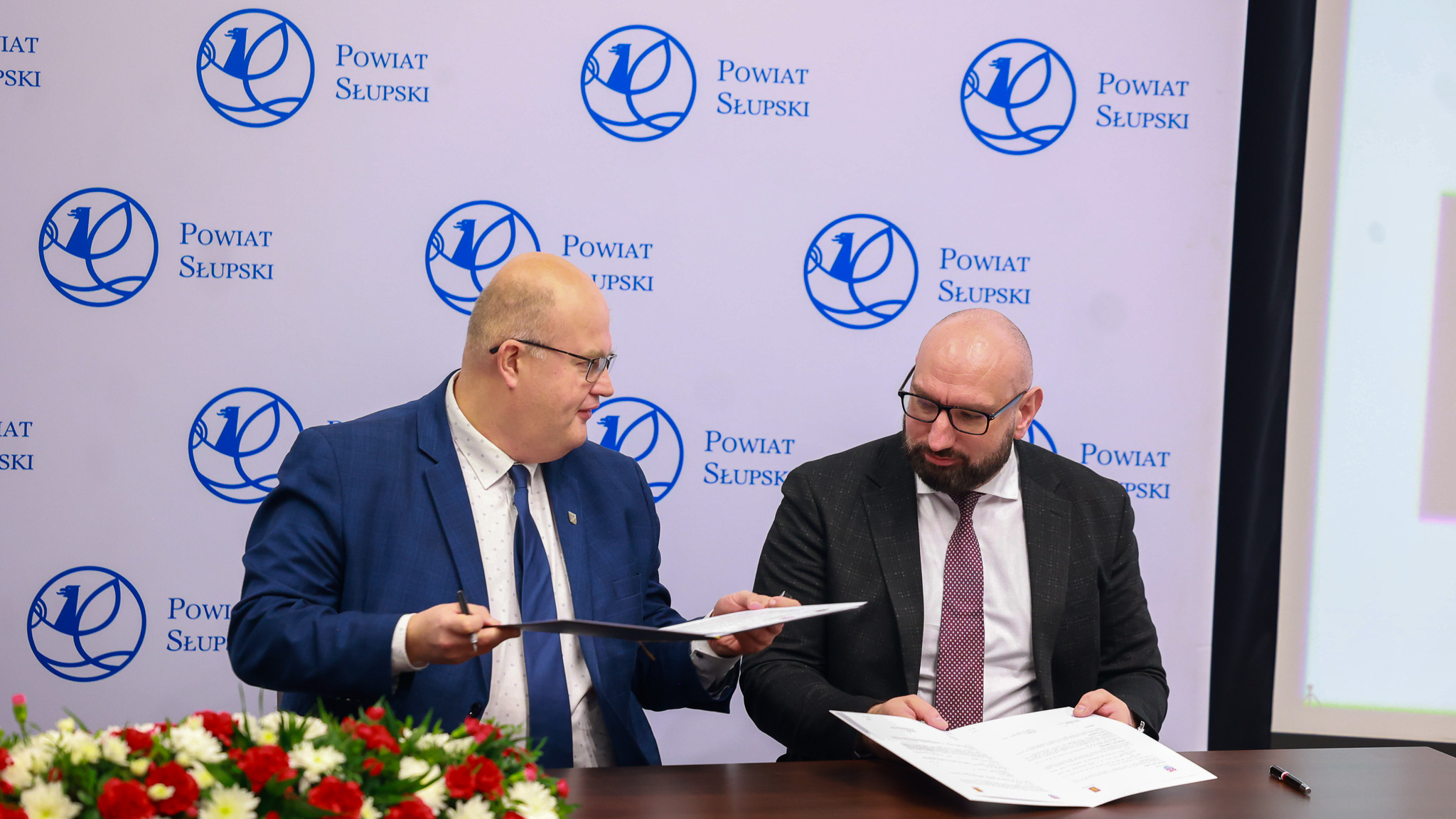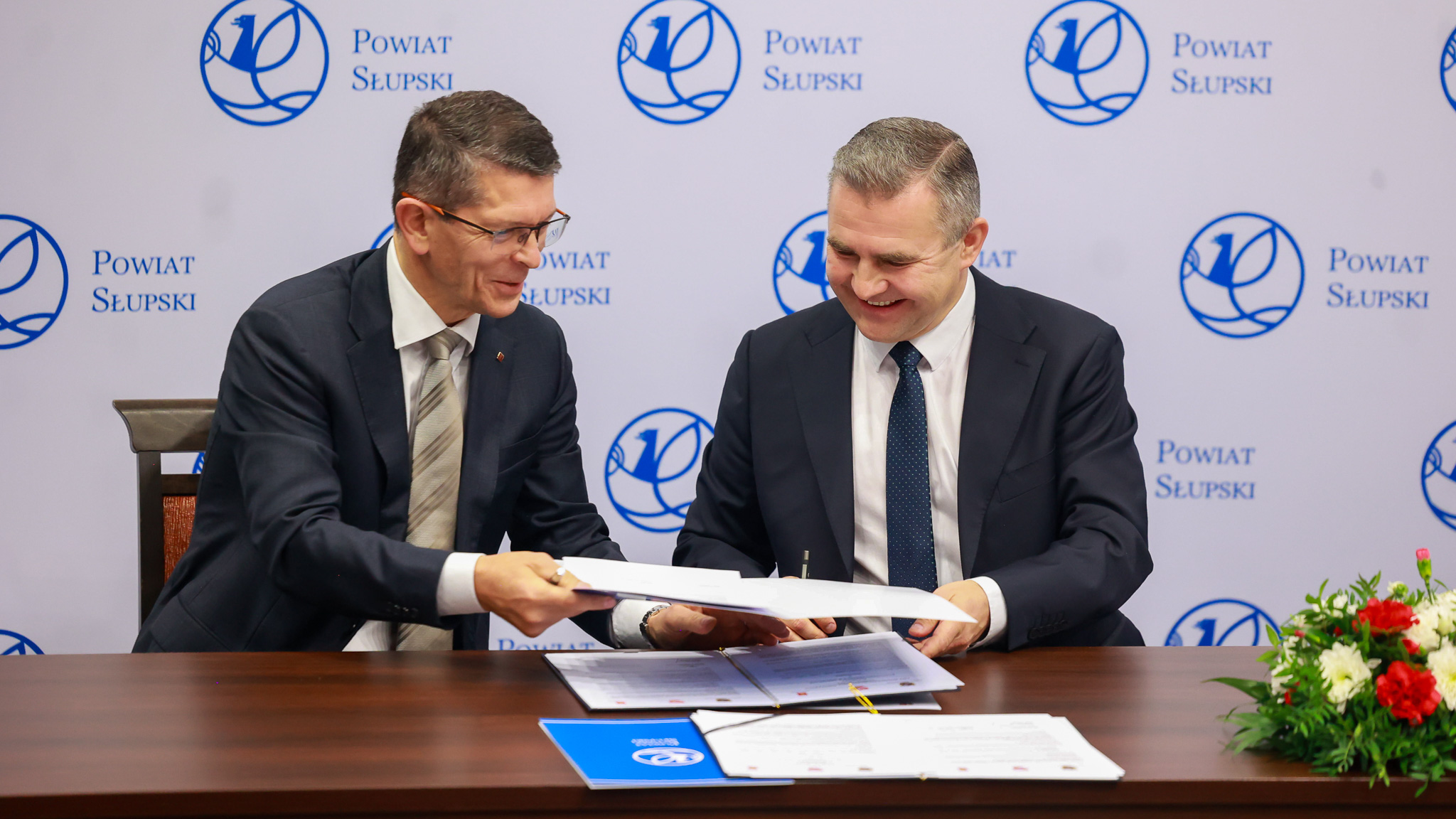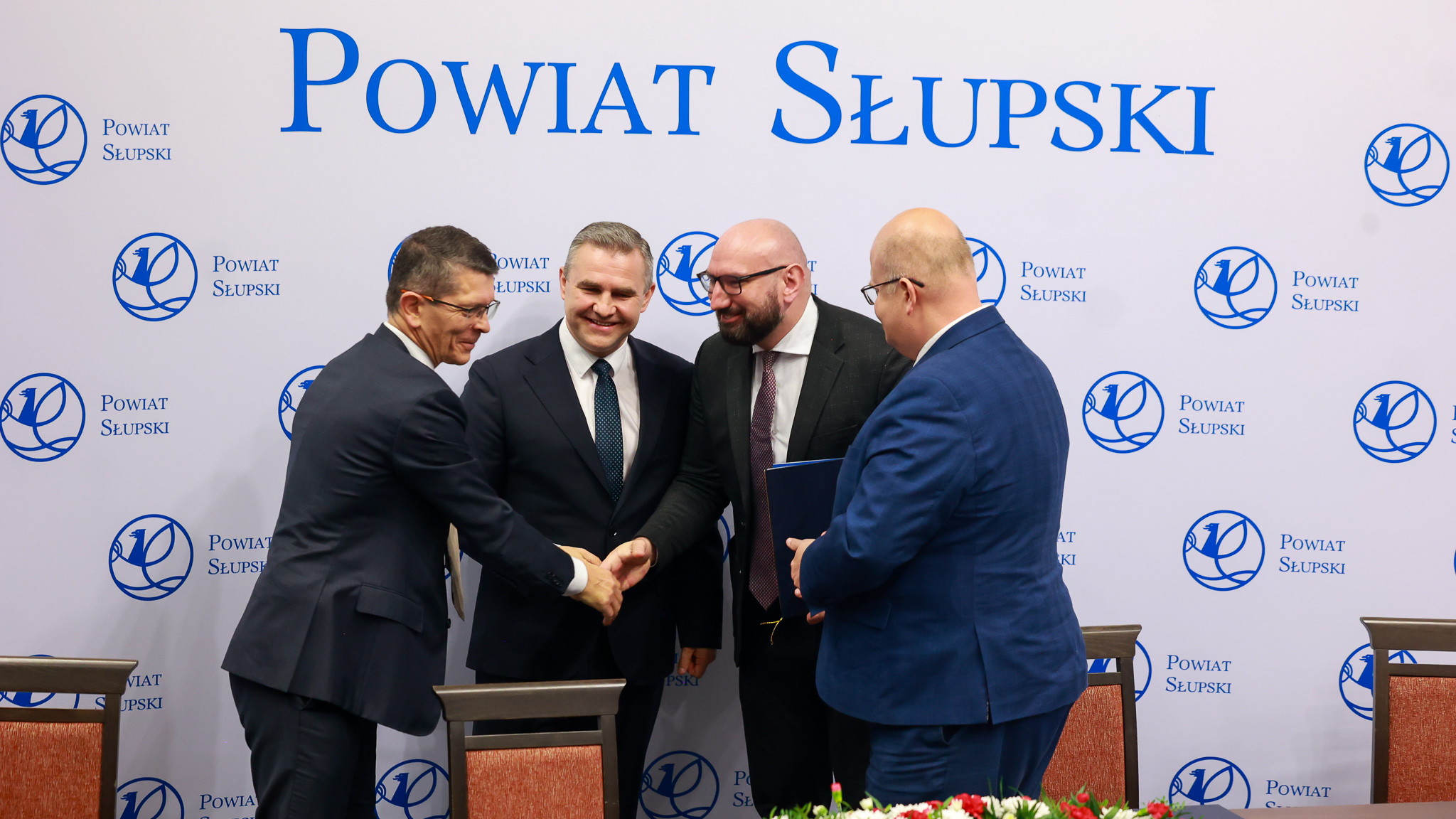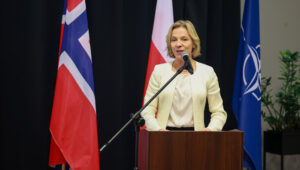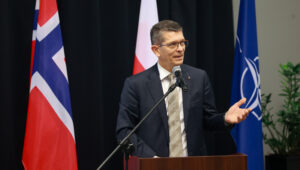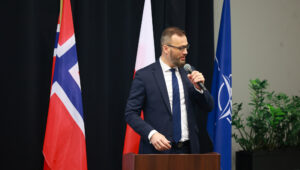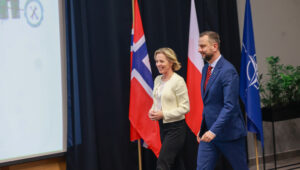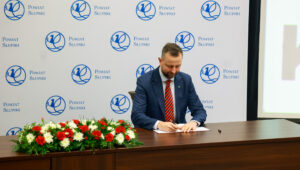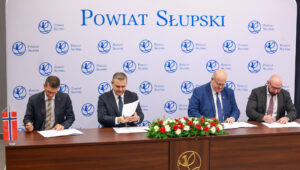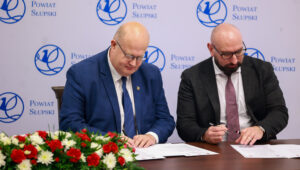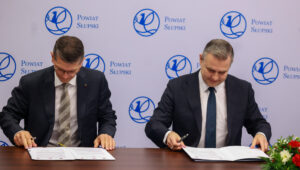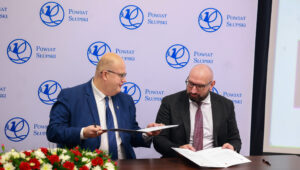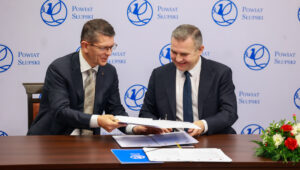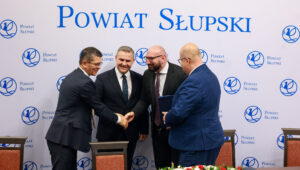



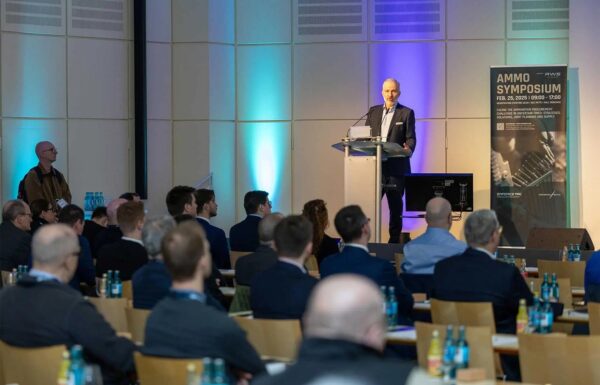


















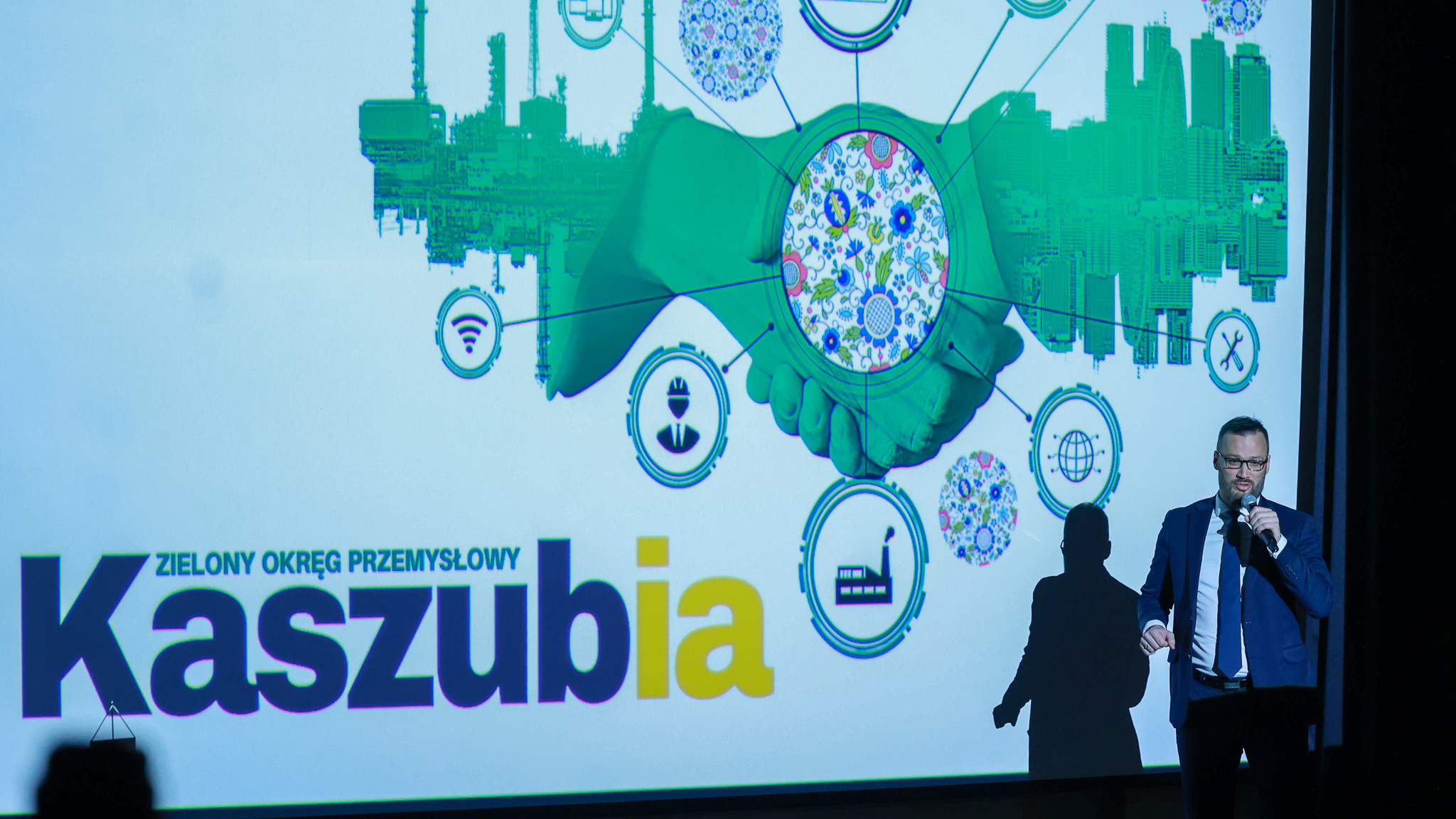
On Thursday, November 20, 2025, at the Słupsk Technology Incubator, Deputy Prime Minister and Minister of National Defence Władysław Kosiniak-Kamysz took part in a conference devoted to the “Kashubia – Green Industrial District” project. During the event, participants discussed the directions for developing a modern, sustainable industry and the opportunities for economic cooperation within the Pomeranian, West Pomeranian, and Kuyavian-Pomeranian regions, as well as on the international stage.
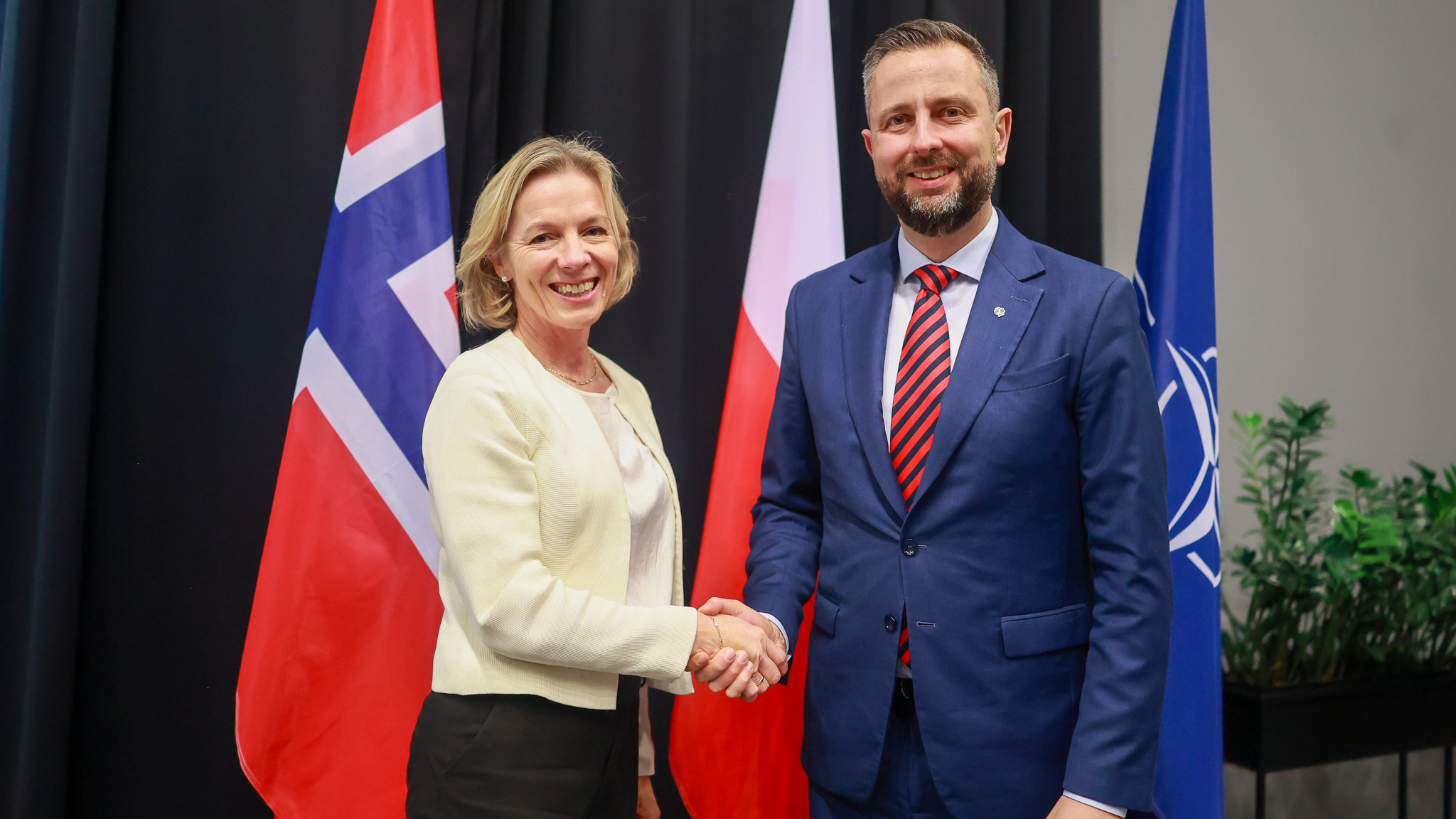 Photo: Krzysztof Niedziela/MOND
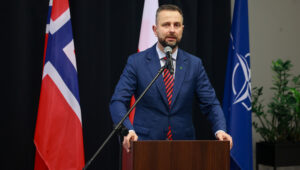
“I would like to sincerely thank all those who contributed to the creation of the ‘Green Industrial District – Kashubia’ initiative, whose goal is to develop industry, energy, and critical infrastructure. This would not have come to life without the response of the people living in Pomerania. Thank you very much – you are an inspiration. The Green Industrial District is becoming a reality. It does not need designated borders, because we now have a special economic zone across all of Poland. We have made investments in the defense industry easier by amending regulations,” said Władysław Kosiniak-Kamysz during the conference in Słupsk.
“Green Industrial District – Kashubia”
The “Green Industrial District – Kashubia” project is a strategic state initiative of defence importance. Its objective is to develop industry, energy, and critical infrastructure within the Pomeranian, West Pomeranian, and Kuyavian-Pomeranian provinces. The project was created with the aim of strengthening the country’s defense capabilities. It envisions integrating modern technologies with the development of an industrial and logistical support base for national security.
“If an investment worth more than 200 million PLN in two locations in the Pomeranian region – which the head of Kongsberg will elaborate on – is already materializing just five months after the announcement of the Green Industrial District initiative, and more projects are waiting on the list, it means that the strategy of major national investments, the WIN strategy – the strategy of victory – is truly beginning to work. I am deeply grateful that they have supported this initiative from the very beginning. When, two years ago, even before taking office, we said: if we win, if the Democratic Coalition governs, then here – I remember this statement by Maria Wiernacka in Płuck – major investments will come. The Red Route will be built, we will attract industry, including defense industry. And this has become a fact. We are fulfilling our promises and we will continue to fulfill them. We will invest, and we will combine security with the economy,” the defense minister emphasized.
Projekt “Zielony Okręg Przemysłowy – Kaszubia” to strategiczna inicjatywa państwowa o znaczeniu obronnym. Jej celem jest rozwój przemysłu, energetyki i infrastruktury krytycznej na terenie województw pomorskiego, zachodniopomorskiego i kujawsko-pomorskiego. Projekt powstał z myślą o wzmocnieniu zdolności obronnych kraju. Zakłada integrację nowoczesnych technologii z budową przemysłowego i logistycznego zaplecza bezpieczeństwa państwa.
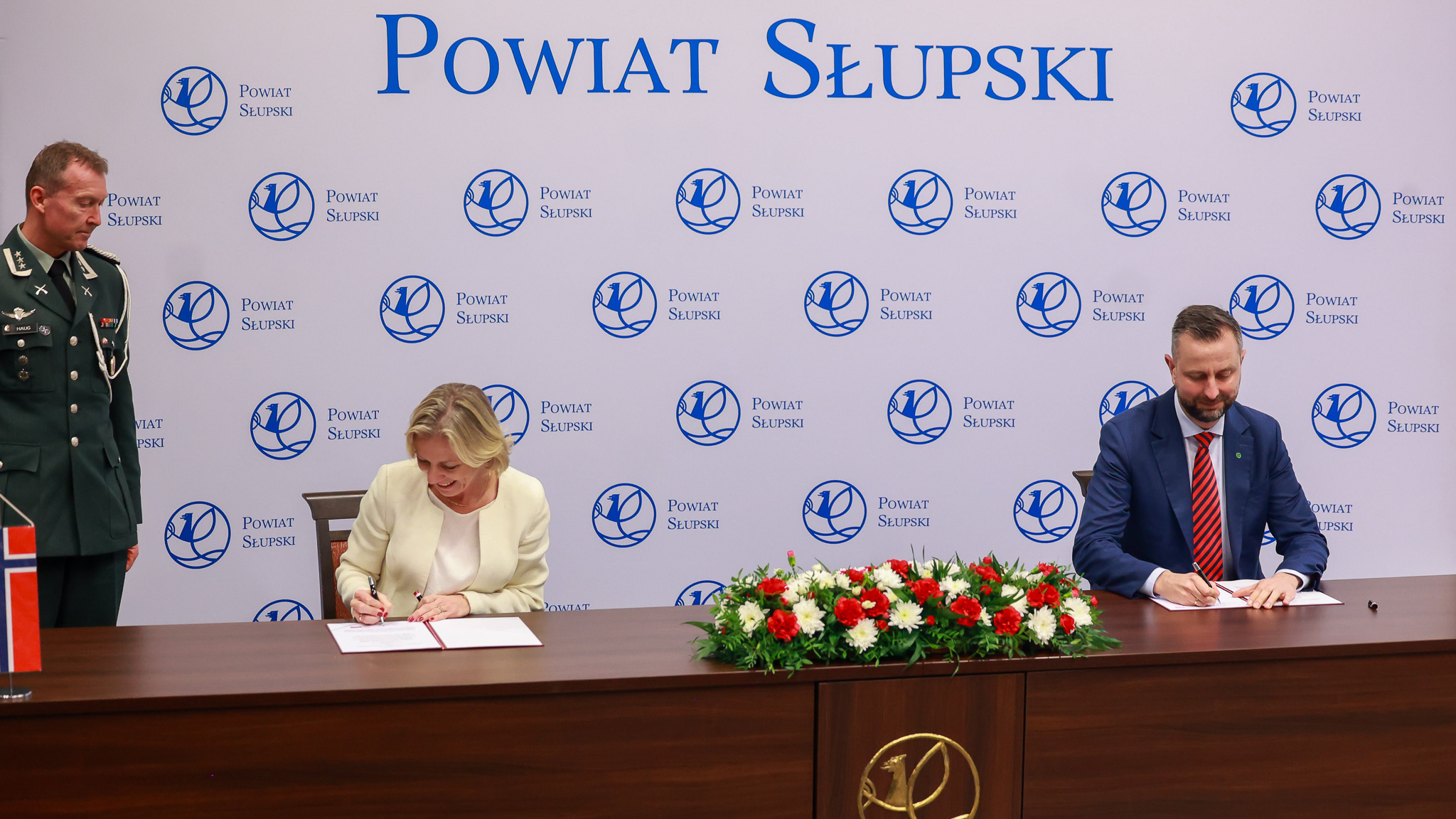
The Baltic Declaration
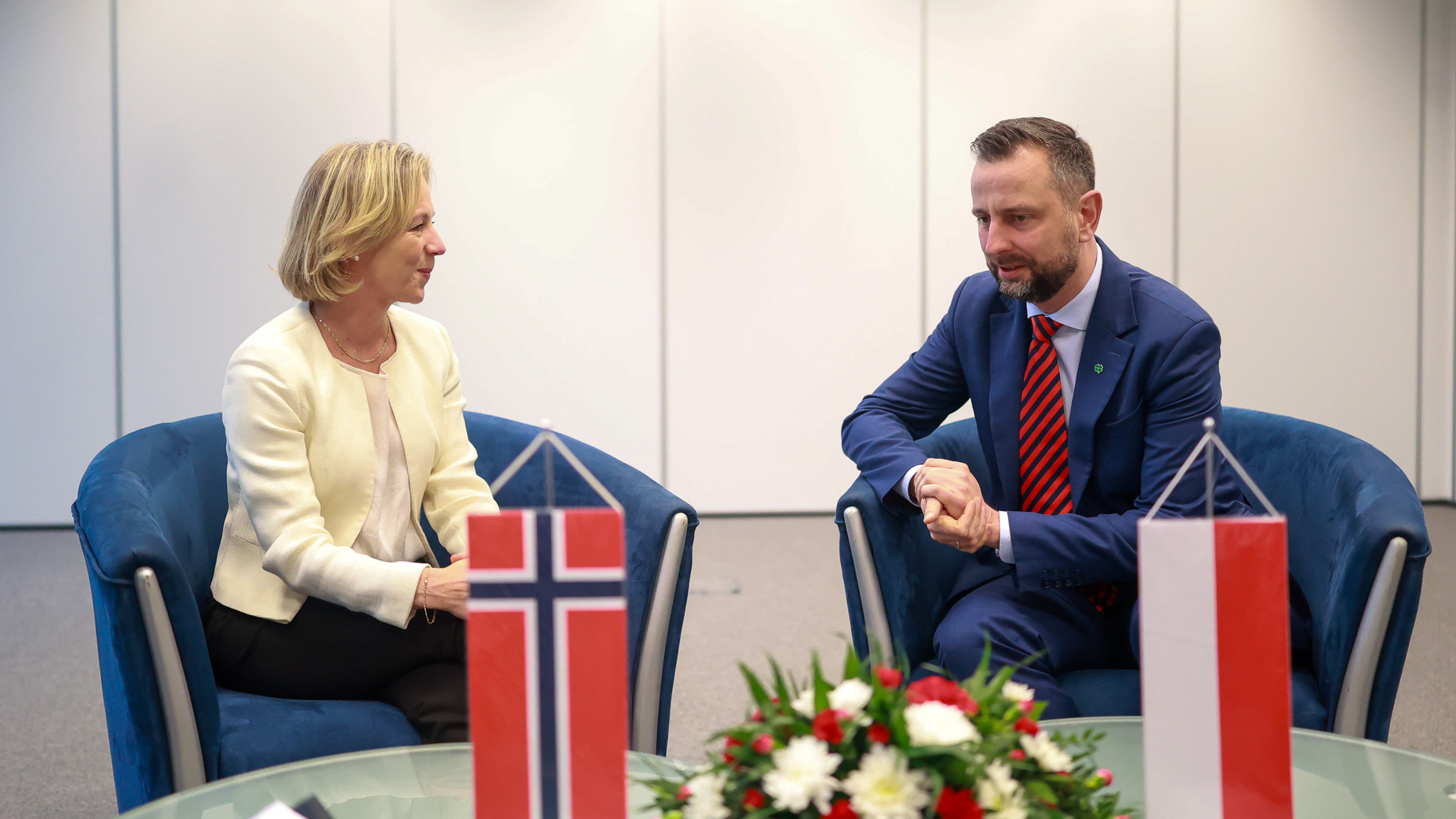
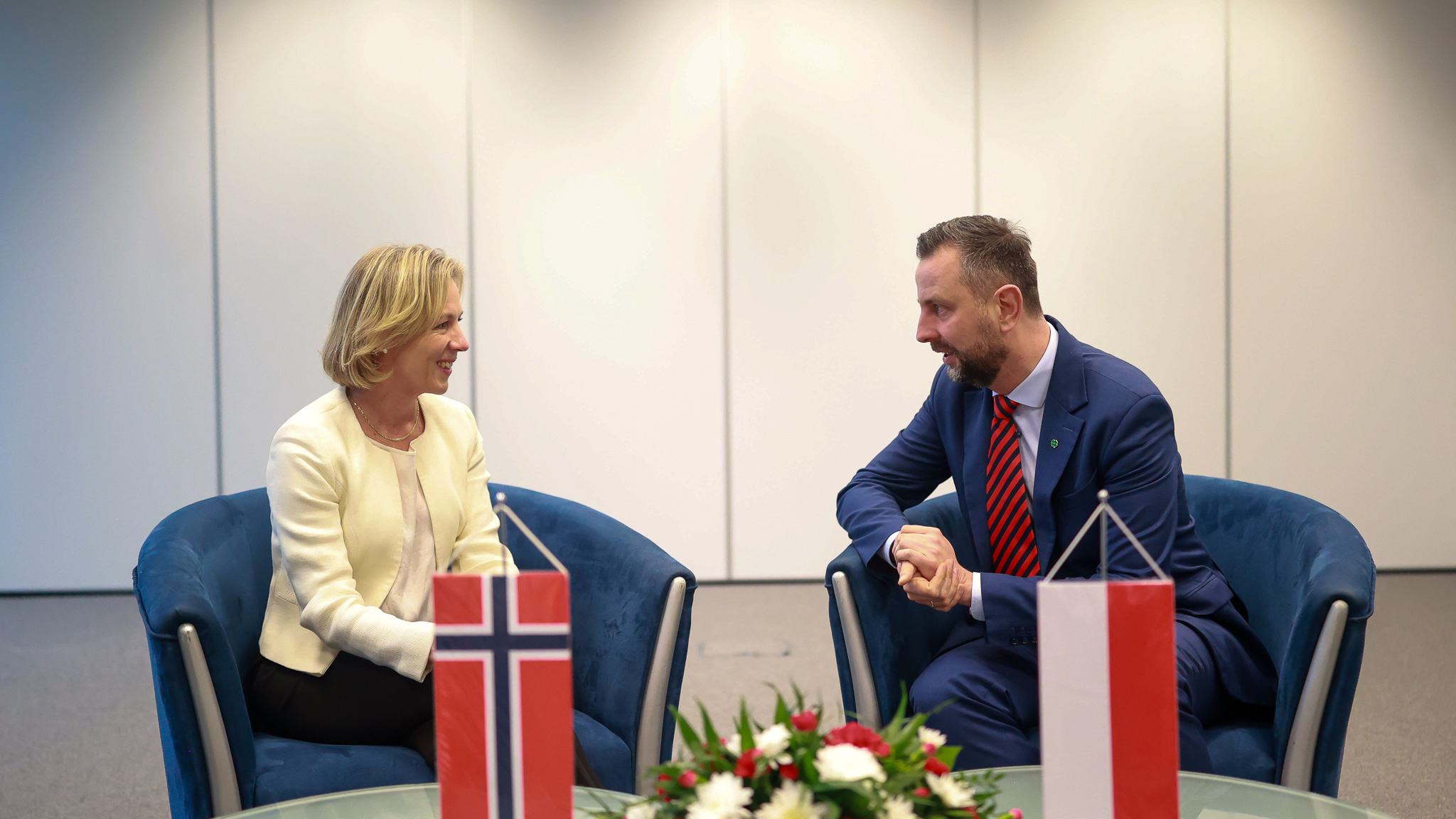
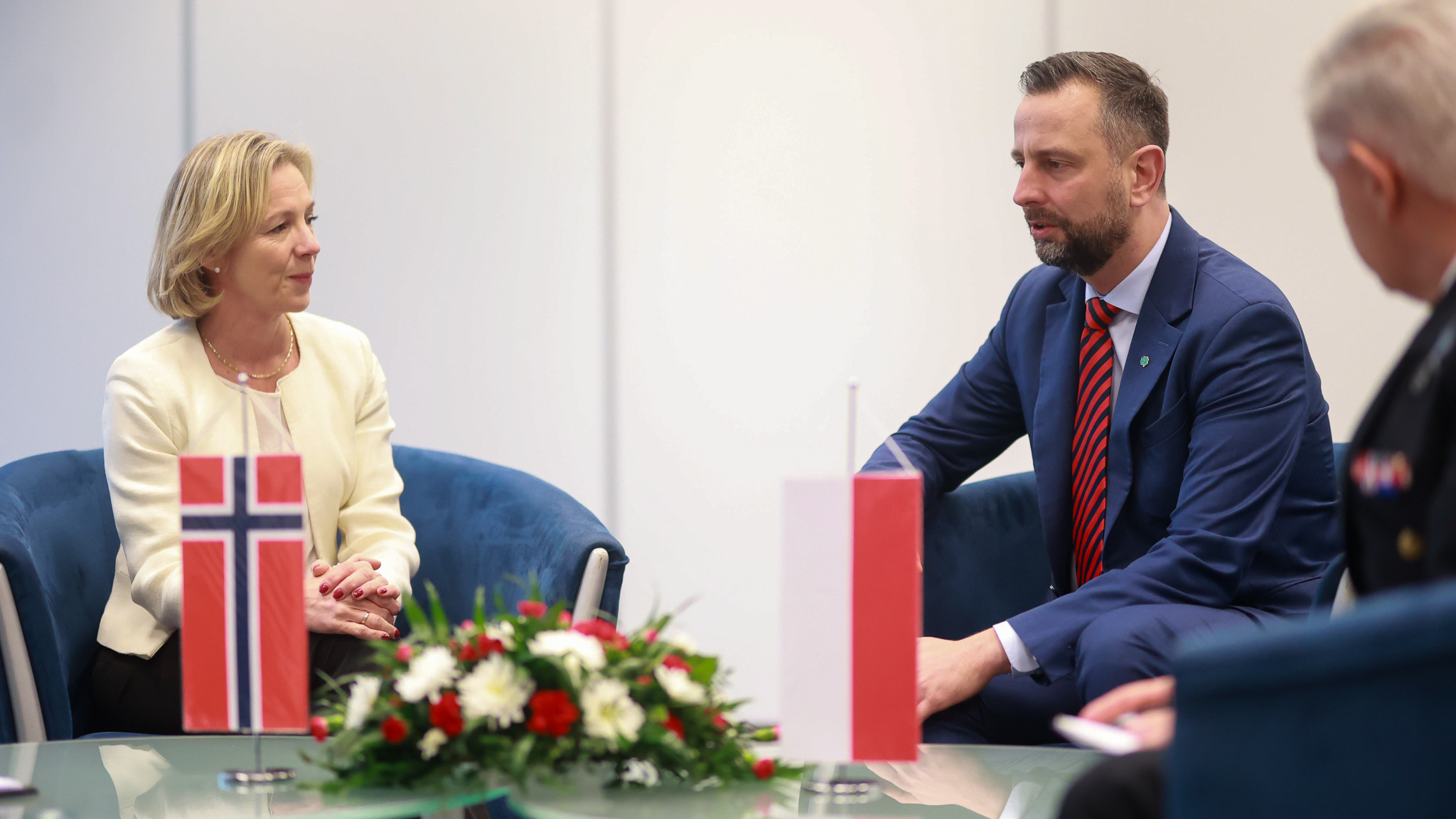
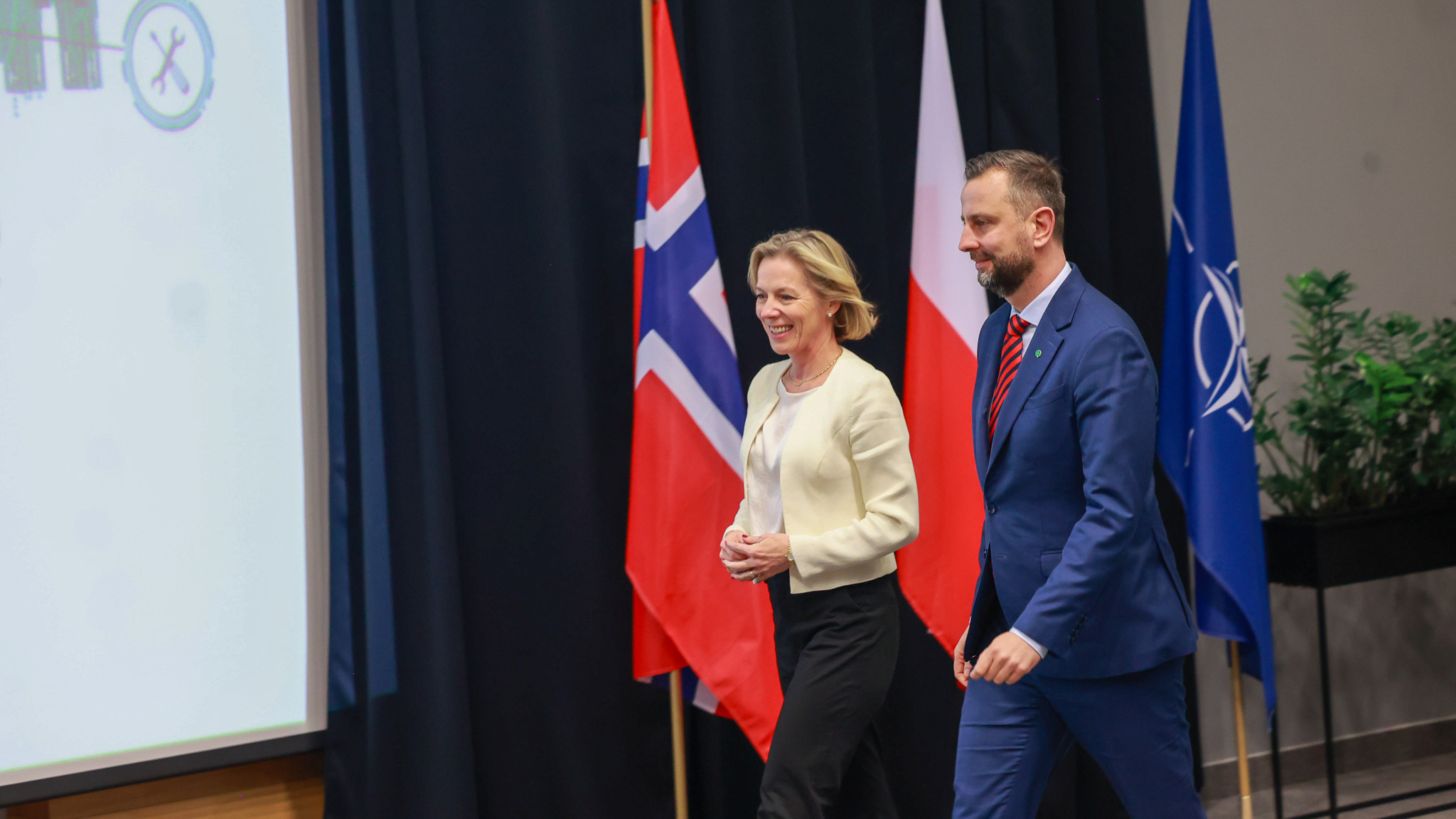
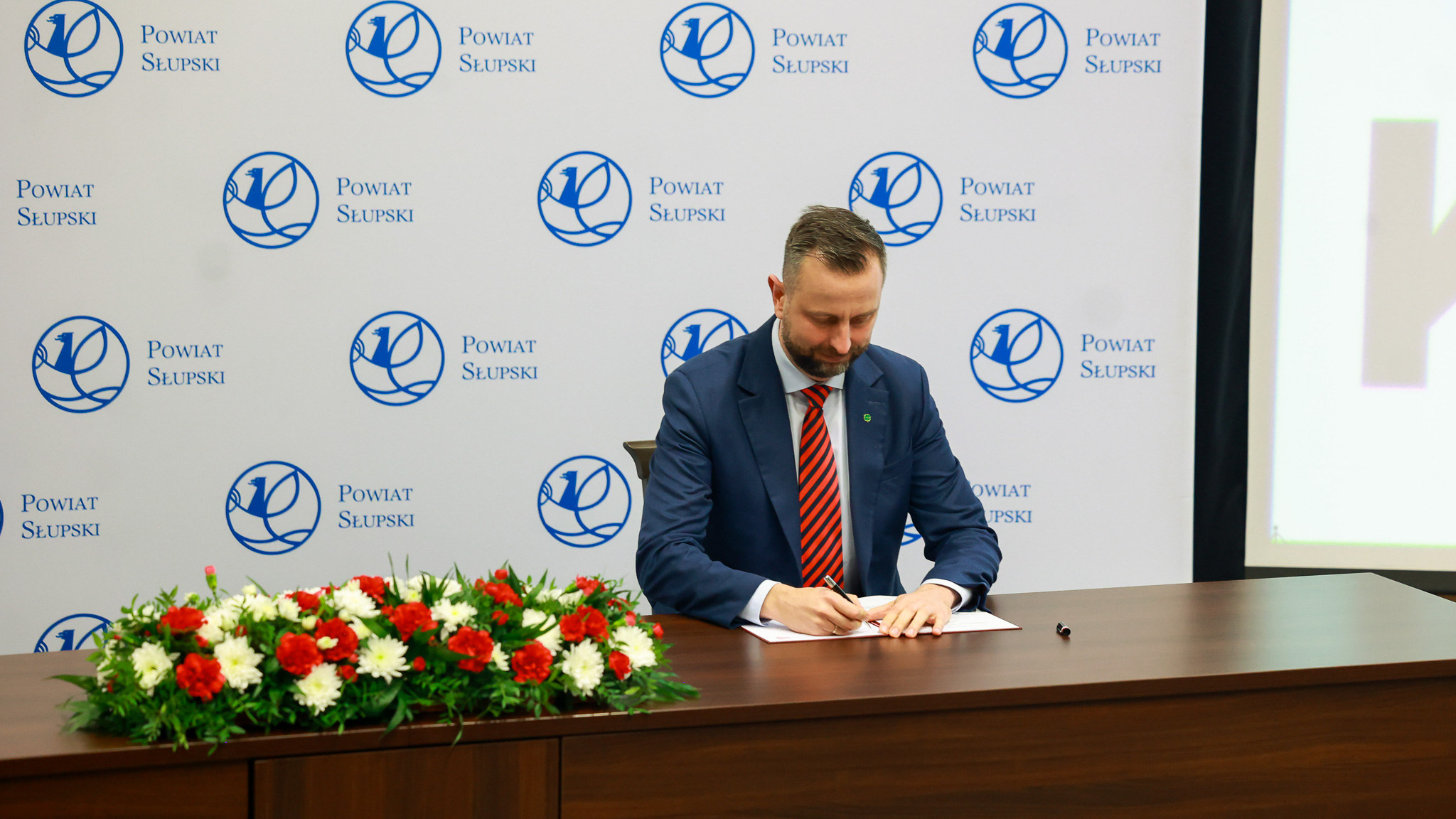
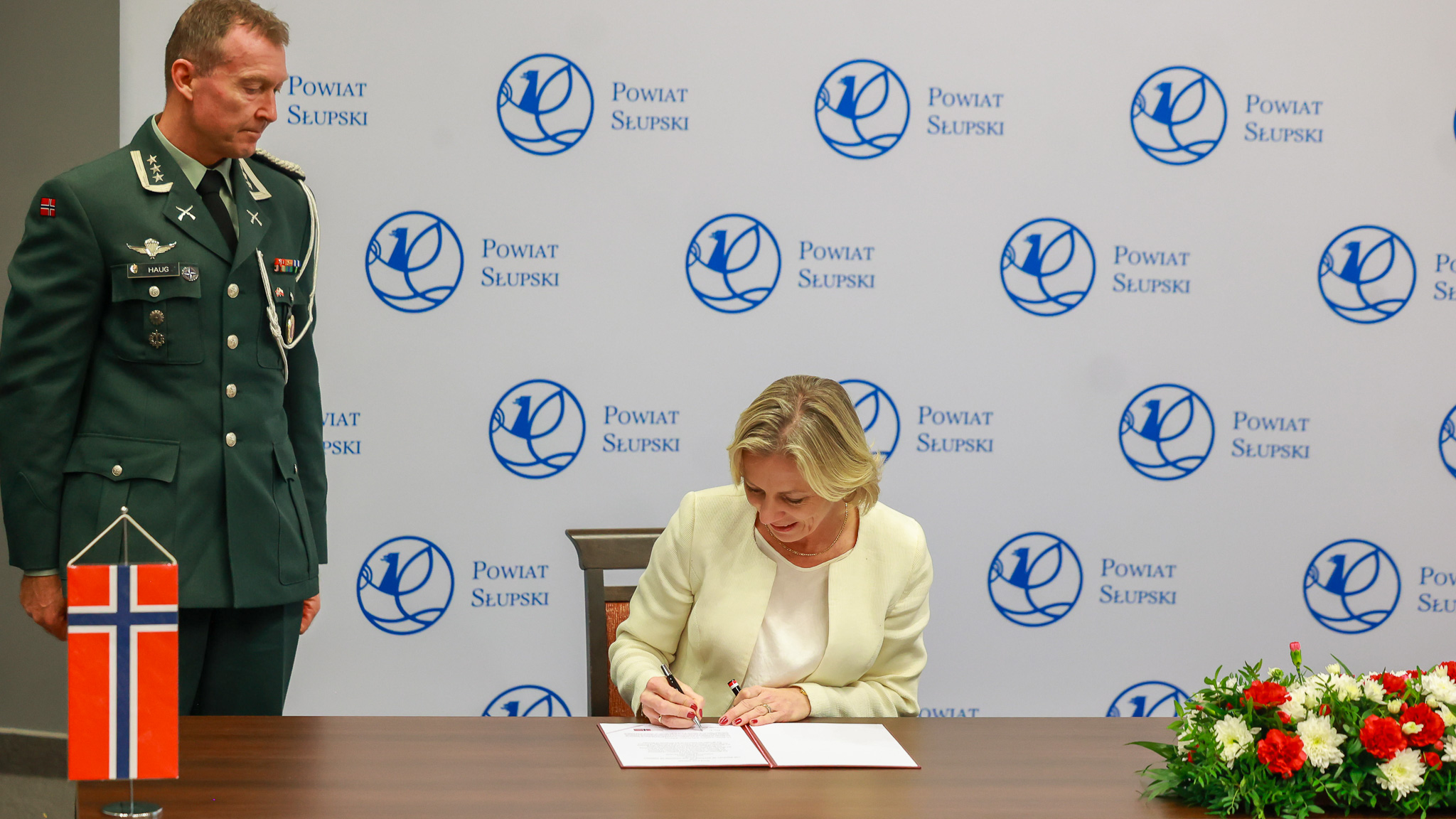
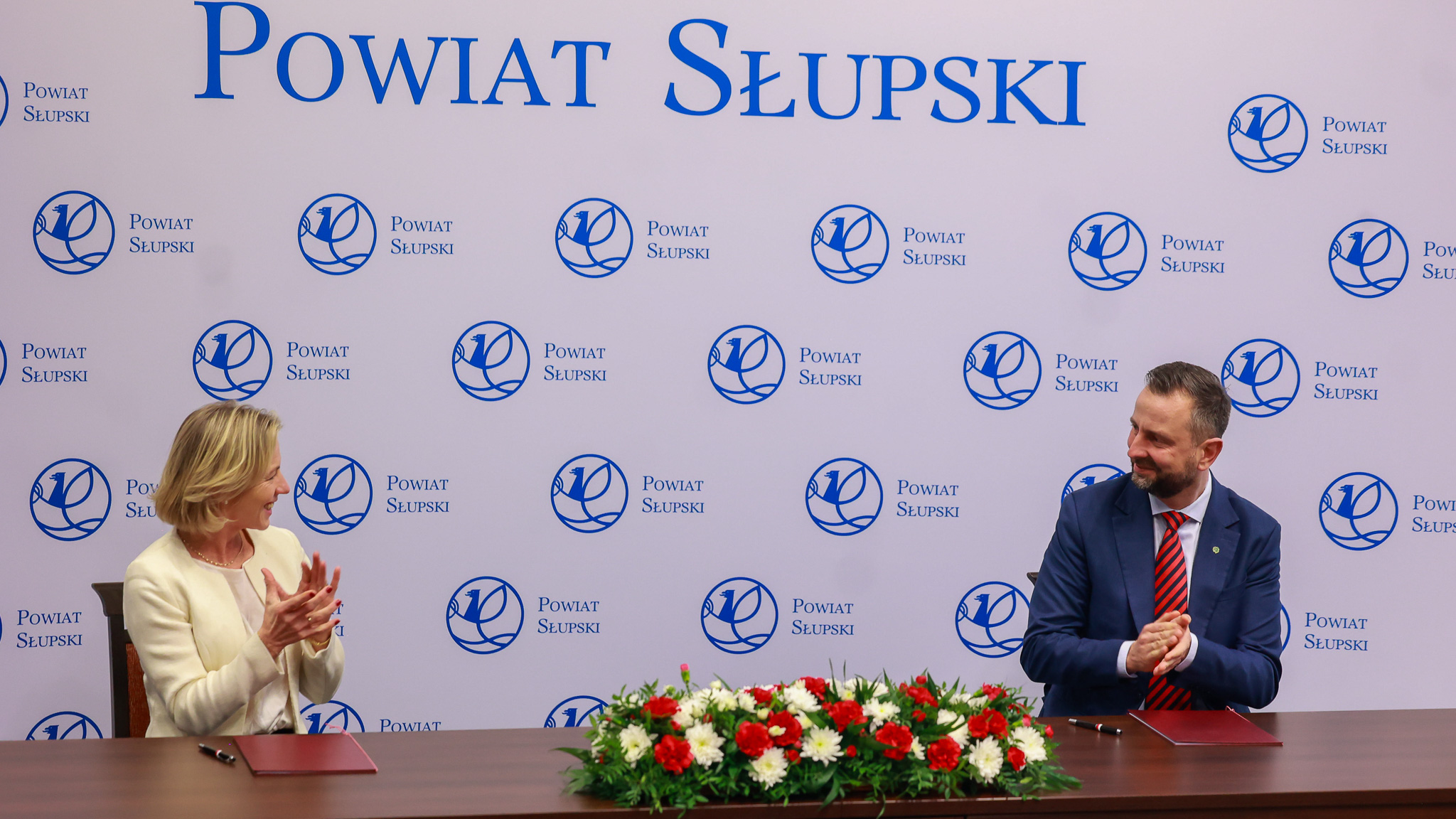
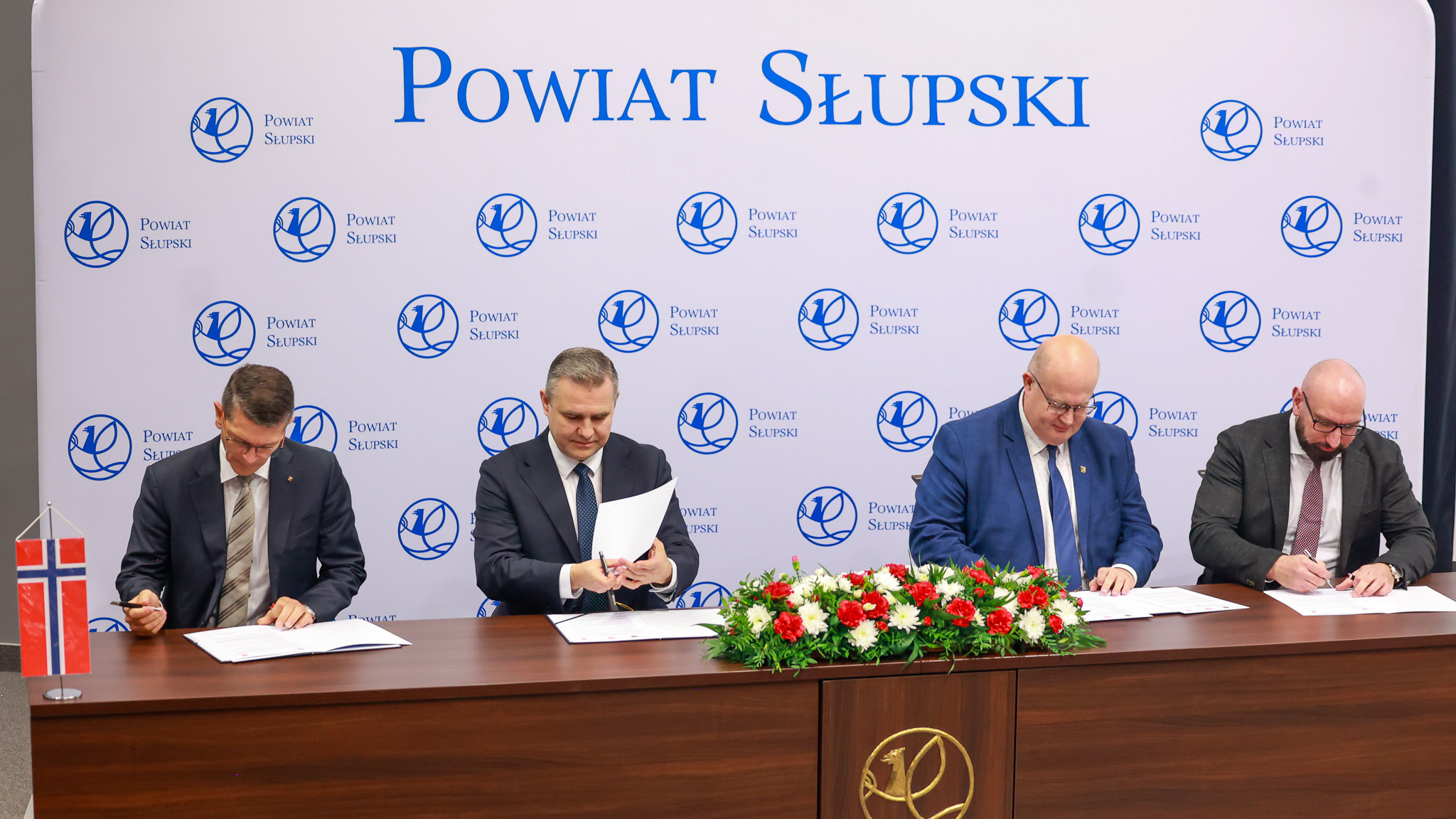
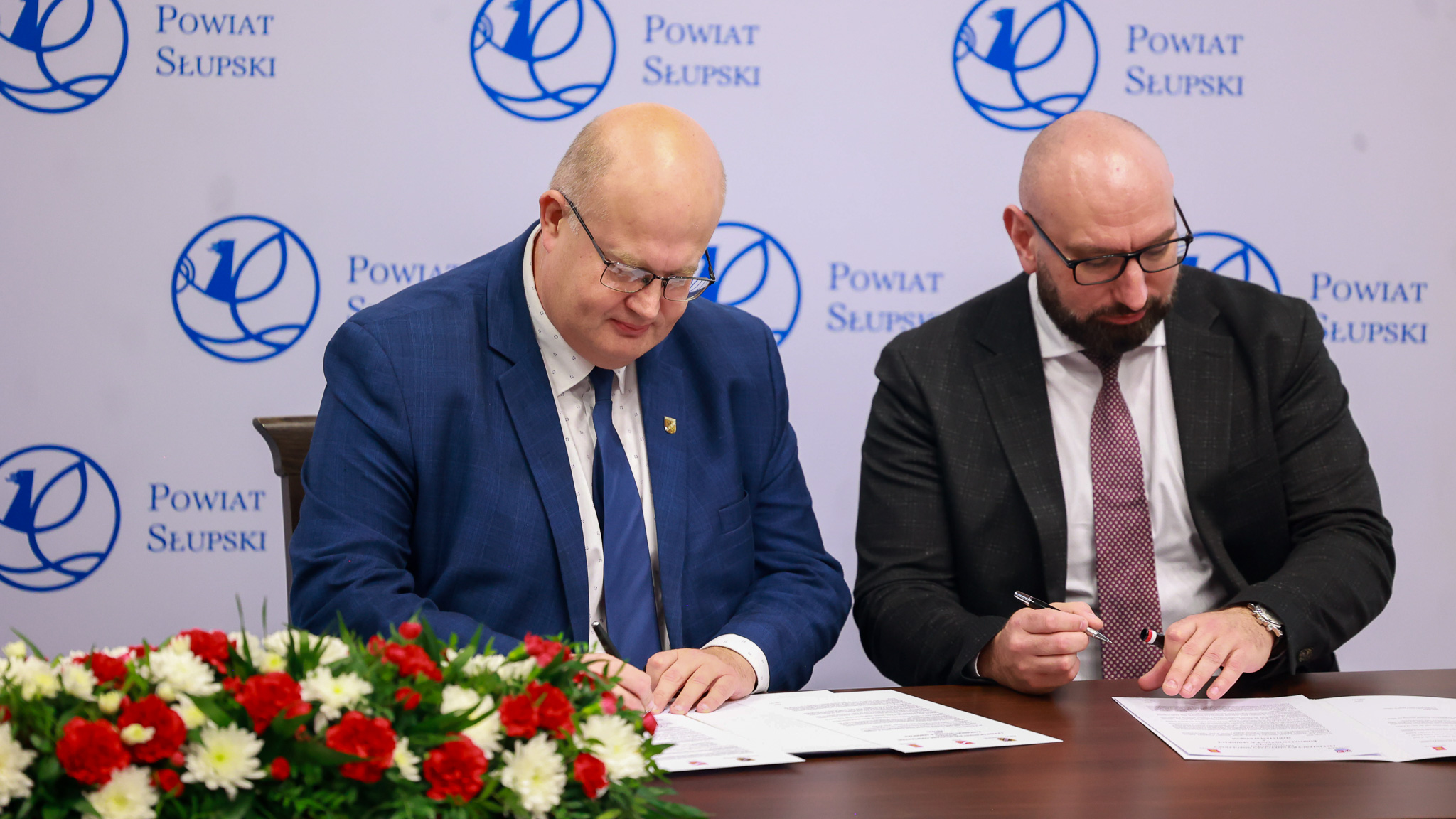
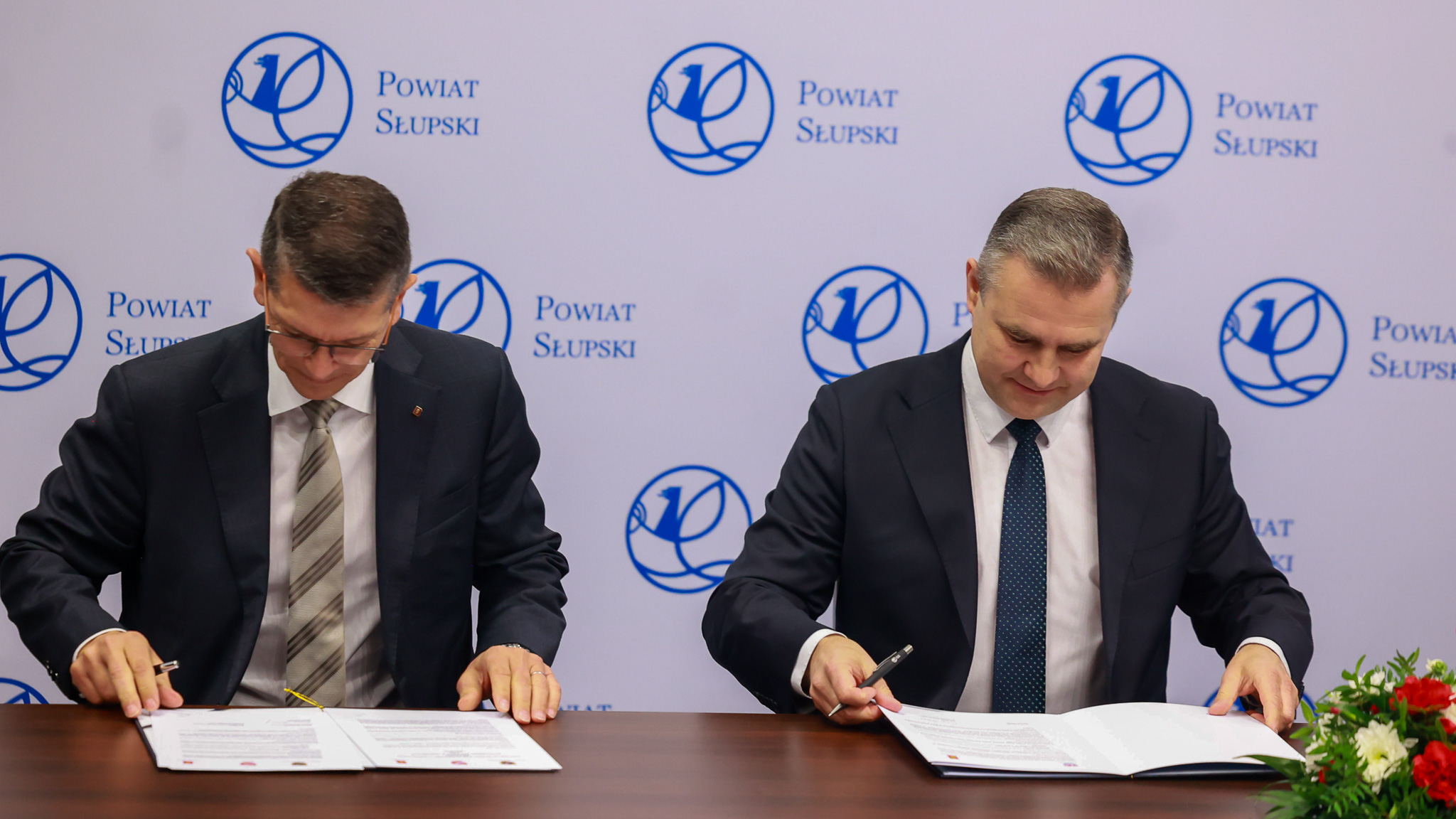
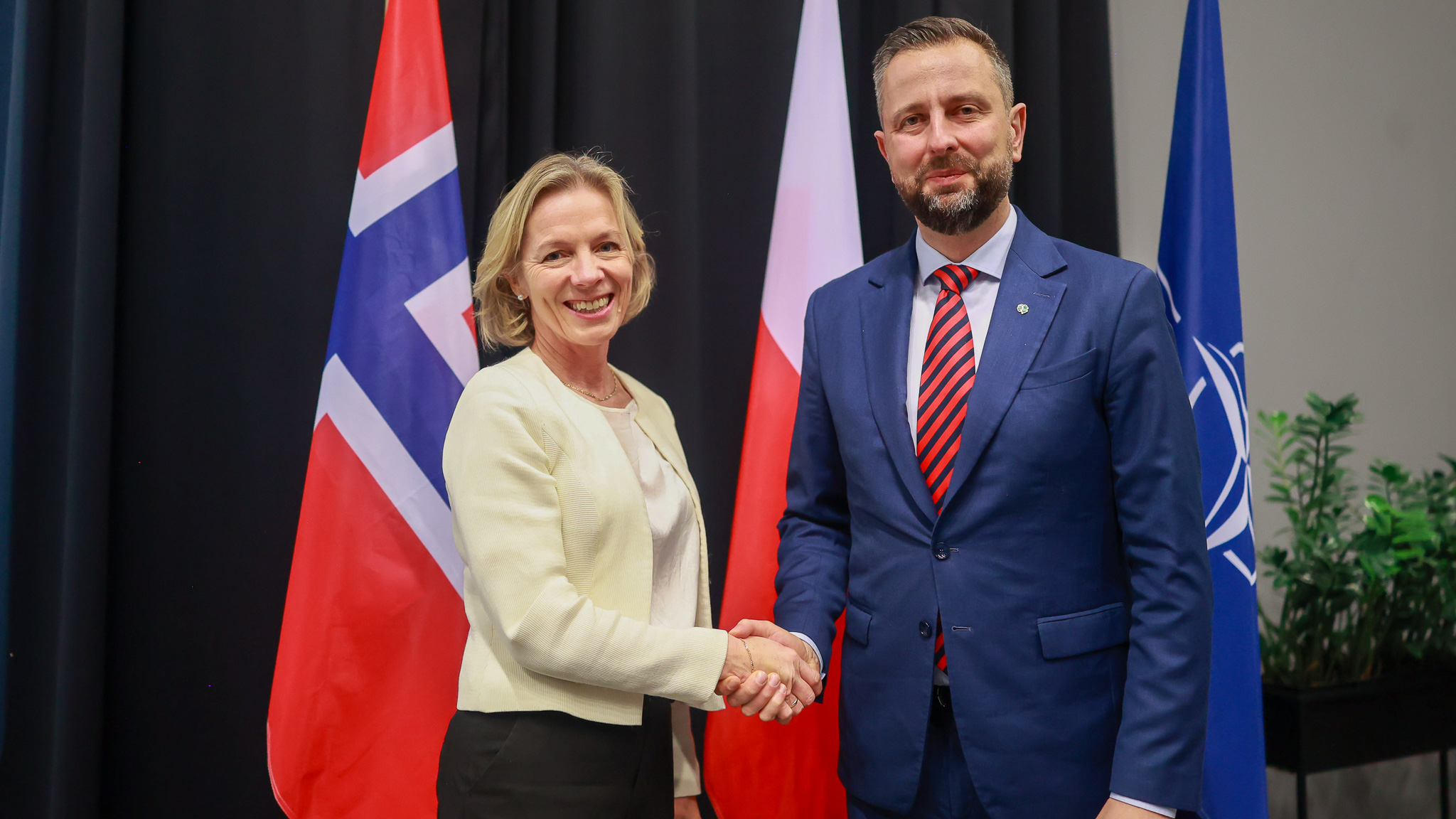
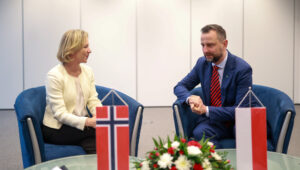
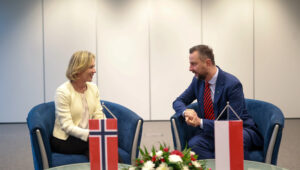
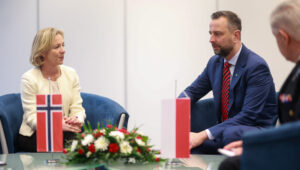
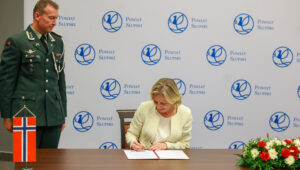
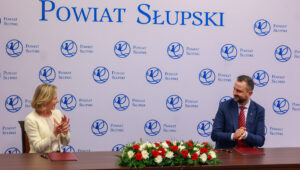
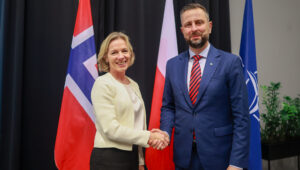
During the conference, Norway signed its accession to the Baltic Declaration.
“The Baltic Declaration is something innovative, proposed by Poland a few months ago. The countries of the Baltic Sea region – Lithuania, Latvia, Estonia, Finland, Sweden, Denmark, and Germany –have already signed the Baltic Declaration, and today Norway joins them, a very important partner (…). Today’s accession to the Baltic Declaration, as well as actions aimed at strengthening the power and resilience of the North Atlantic Alliance and NATO member states through bilateral cooperation, is a response to the threats posed by Russia,” said Deputy Prime Minister Władysław Kosiniak-Kamysz during the congress in Słupsk.
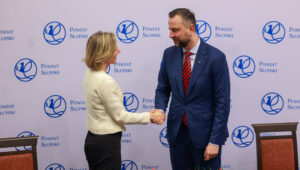
The Defence Minister extended his thanks, through the Norwegian Secretary of State for Defence Marte Gerhardsen, for the support Norway provides to Poland.
“Norway is our ironclad ally. It is an excellent economic partner and a partner in our security. (…) Last night, Norwegian F-35 pilots protected Polish airspace. They ensured our airspace remained safe –and this is not the first time. Earlier this year, they were deployed to the air bases in Powidz and Krzesiny. They continue to operate there today, with only a short break. They also deployed their NASAMS air defense systems to protect the airport in Jasionka. The declarations of further support in the coming months from the Royal Norwegian Air Force are very promising. I am deeply grateful for this,” the Defence Minister said.
The Baltic Declaration was developed on the initiative of the Polish Ministry of National Defence and stands as clear evidence of Poland’s leadership in the Baltic Sea region. It is a groundbreaking document on Baltic security, giving new momentum to military and strategic cooperation in the region. The signatories, in response to hostile actions by the Russian Federation and repeated acts of sabotage targeting infrastructure in the Baltic Sea, have committed to taking measures to enhance security in these waters. On June 5 of this year, the document was signed by the defense ministers of Denmark, Estonia, Finland, Germany, Latvia, Lithuania, Poland, and Sweden. The defense ministers declare that they take existing threats seriously and will act to mitigate them. The declaration focuses in particular on regional cooperation and cooperation within NATO and the EU, aimed at increasing security in the Baltic Sea and promoting Baltic-related issues within international organizations.
“The security of the Baltic Sea – an inland sea of the North Atlantic Alliance, with one dangerous exception: the Russian Federation – is crucial. It is about protecting communication routes, critical infrastructure, and wind farms. (…) We see the dangers in the Baltic every day. These include the cutting of seabed cables, threats to critical infrastructure, GPS jamming that hinders the movement of vessels and aircraft, surveillance, and airspace violations. There is no NATO country whose airspace Russia has not violated in the Baltic region – whether with drones or aircraft. (…) This shows the dangerous times we live in and how vital it is to build a new architecture of Baltic security. Together with Norway, we are its authors. (…) The Baltic is key. Ensuring stability, communication, transport, trade, and energy supply – this is our most important task,” the Defence Minister added.