




















In theory, Polish services today have the real tools and structure to counter the coordinated disinformation campaign that began simultaneously with the violation of Polish airspace by Russian drones. In practice, since the start of the operation, trolls have been doing whatever they want on social media. Above all, they are spreading Kremlin propaganda, shifting the blame onto Ukraine.
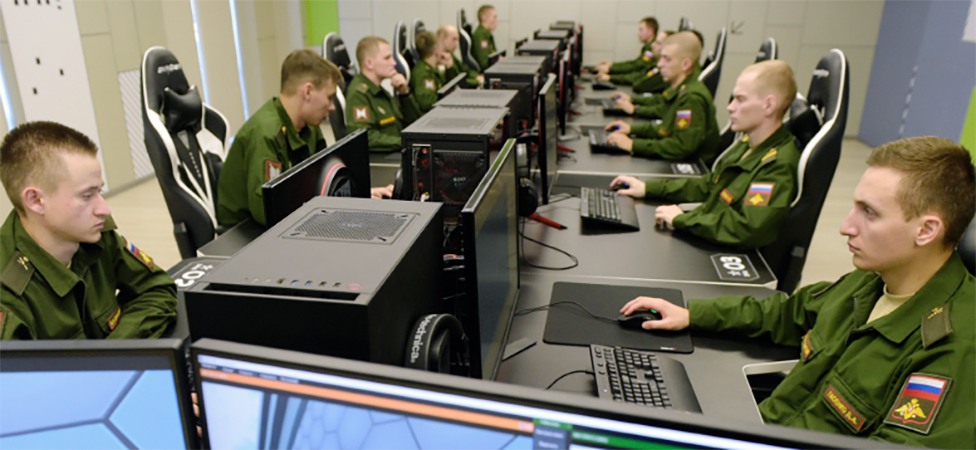 Photo: Ministry of Defence of the Russian Federation
A report by SentiOne states that immediately after the incident, around 180,000 mentions of drones appeared online. According to Rzeczpospolita, SentiOne indicates that the disinformation campaign was conducted very dynamically, with many posts being duplicated or altered, which points to coordinated action.
Meanwhile, data from Res Futura show that part of this discussion was quickly overtaken by pro-Russian narratives: 38 percent of posts suggested Ukraine was to blame, 34 percent blamed Russia, and the rest placed responsibility on the Polish government, NATO, or the media. This is a textbook example of an effective disinformation operation aimed at creating chaos, dividing society, and undermining trust in institutions.
Attack of the clones
What do such troll accounts look like? They are usually low-credibility profiles: no real photos, generic usernames, few friends or followers, but extremely high activity.
They publish dozens of posts per day, often with identical wording. There is also a clear repetition of images and links. The same memes appear, posted by different accounts, always within a short time frame. Their rhetoric is typical: aggressive, laced with contempt for the Polish authorities and allies, yet full of seemingly commonsense suggestions that it is Ukraine provoking the conflict, or that Poland is being dragged into a war that is not its own. They call on people to “turn off the TV and start thinking.” On the surface, it appears to be a spontaneous online debate. In reality, it is an industry designed to blur the facts and undermine social unity.
The problem is that such messaging is easily absorbed. The constant repetition of the exact phrases reinforces a narrative that stirs emotions, fear, anger, and a sense of being deceived. As a result, even people unfriendly to the Kremlin, when confronted with hundreds of similar posts, begin to wonder whether there might be something to it. And that is precisely the point of disinformation: not to convince people of one version, but to plant doubt.
Russia has been playing the same tune for years. When it annexed Crimea in 2014, the same narratives appeared online: that Ukraine was to blame, that the West provoked it, that Russia was merely responding. Now, almost word for word, the same lines are being repeated in the context of Polish airspace. And unfortunately, part of Poland’s political scene has picked up this refrain, which makes the message even more dangerous. Because when parliamentarians voice such theses, they sound more credible than anonymous posts from a botnet.
Reinforcing the Narrative
While anonymous trolls may not always be taken seriously, public figures can influence public opinion by leveraging their authority. Some right-wing commentators and politicians, such as Włodzimierz Skalik, Jacek Wilk, Konrad Berkowicz, Łukasz Warzecha, or Michał Woś, either directly or inadvertently suggest that the drones over Poland must have come from Ukraine. In practice, they are echoing the Kremlin’s narrative, portraying the attacks as a Ukrainian provocation meant to drag Poland into someone else’s war. This is a serious issue — one that affects both the state and society.
When such claims come from politicians, their consequences are far more serious than posts by trolls on social media. Parliamentarians who push the narrative of Ukrainian provocations undermine citizens’ trust in the army, the security services, and state institutions, which officially identify Russia as the culprit. This weakens internal cohesion in a time of security crisis.
The fact is that there is no evidence whatsoever that Ukraine is sending its drones over Poland to provoke. On the contrary, all evidence points to Russia’s actions and shows that it has repeatedly violated NATO states’ airspace using drones and missiles. Russia has the motive, the means, and the track record of such actions.
And finally: if it flies like a Russian drone, behaves like a Russian drone, and looks like a Russian drone — it is most likely a Russian drone. Don’t fall into the propaganda trap. There are plenty of arguments against such manipulation; one only needs to reach for the facts.
See also:
