






















On Tuesday, August 12, 2025, the American company Piasecki Aircraft Corporation unveiled the design of the modernized heavy unmanned vertical takeoff and landing (VTOL) transport aircraft Kargo II. Earlier, on April 29 of this year, the medium-lift Kargo aircraft program was fully acquired from Kaman Air Vehicles (a division of Kaman Corporation).
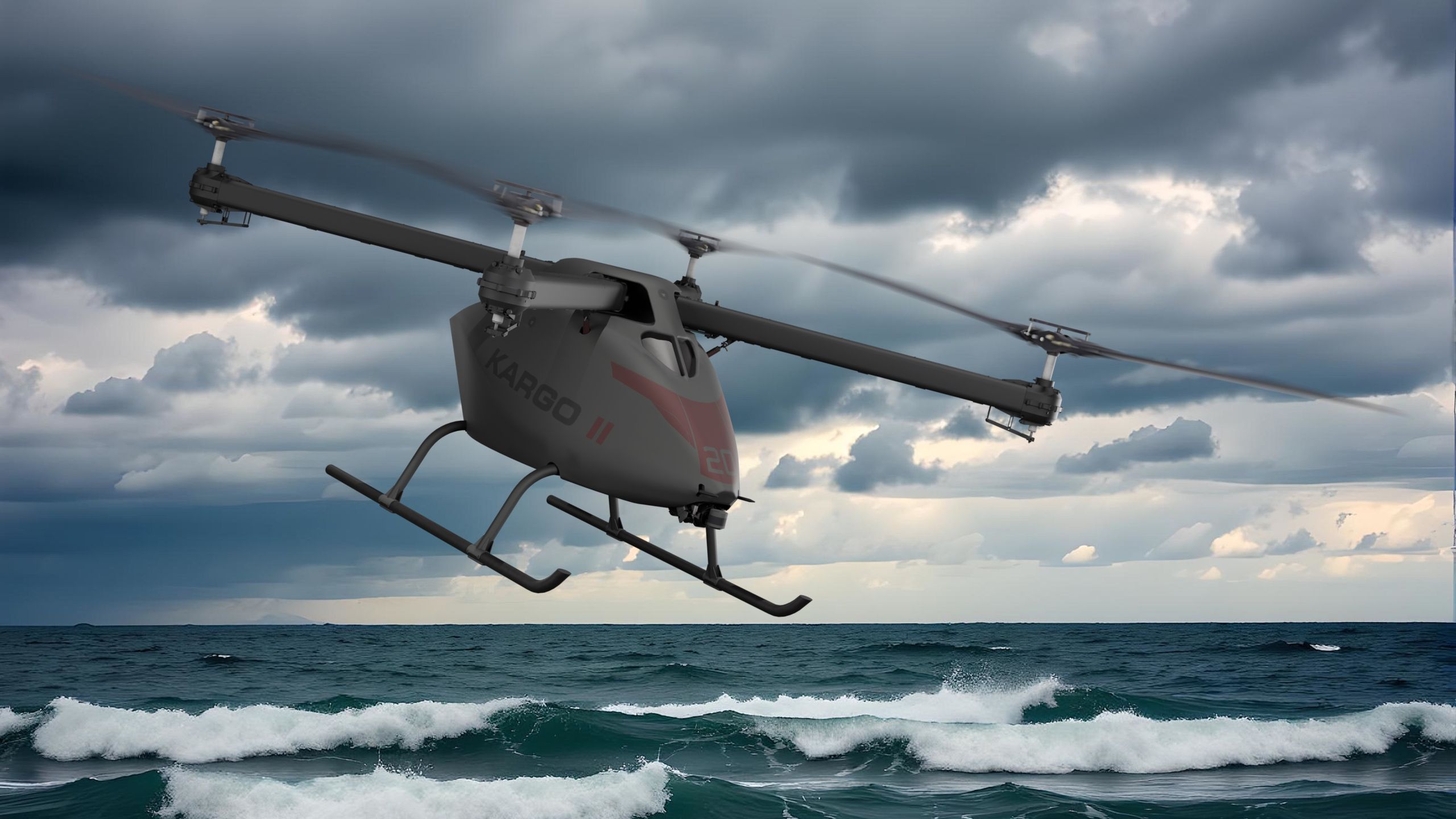 Image: Piasecki Aircraft Corporation
Thanks to significant improvements in payload capacity, propulsion system, and performance, the Kargo II will complement the Kargo uncrewed aircraft lineup, meeting diverse requirements in both military and commercial operations. Kargo II and Kargo represent the growing portfolio of crewless aerial systems offered by Piasecki Aircraft.
Engineers have managed to increase the payload from 227–363 kg (500–800 pounds) to over 680 kg (1,500 pounds), as well as the range from more than 926 km (500 nautical miles) without payload to 2,000 km (1,080 nautical miles). Kargo II retains a compact fuselage, featuring a new, optimized shaft-driven transmission and larger rotors, which provide improved efficiency. Piasecki Aircraft anticipates the start of series production at its Heliplex facility in Coatesville, Pennsylvania, with first deliveries to military and civilian customers expected by late 2027 (depending on the achievement of production and certification milestones).
The Kargo II project builds on the successful flight tests and demonstrations carried out by the first-generation Kargo under previous contracts with the U.S. Army and the U.S. Marine Corps (USMC), including autonomous cargo transport operations and integration with advanced flight control systems (the latest agreement for the U.S. Army, in cooperation with Near Earth Autonomy, Inc., was signed on April 9 of this year). The first-generation Kargo will enter service with the USMC next year as part of the MARV-EL (Medium Autonomous Resupply Vehicle – Expeditionary Logistics) program.
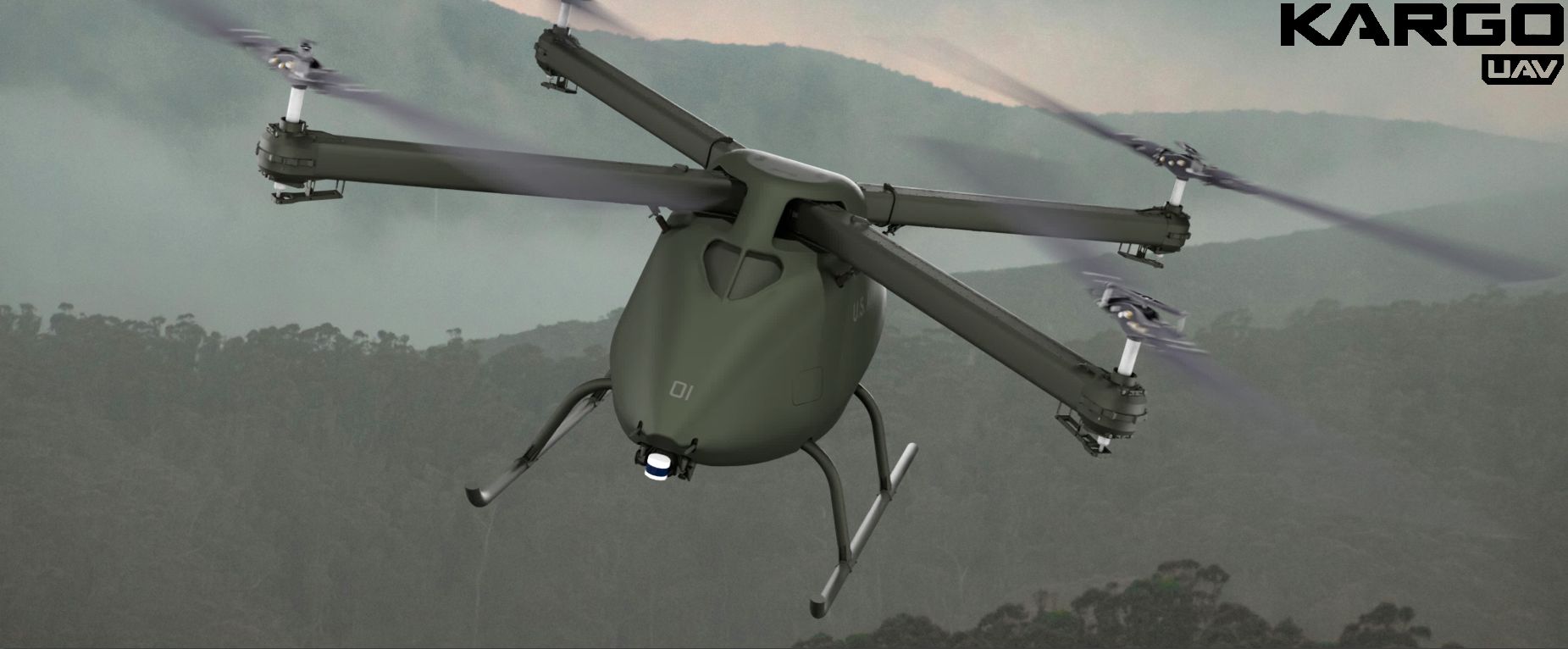
Its debut comes at a critical moment, as the U.S. Department of Defense and commercial logistics providers are increasingly seeking scalable, uncrewed alternatives for operating in high-risk environments and reducing the costs of sustained flight operations.
“KARGO II reflects Piasecki’s commitment to rapidly advancing autonomous vertical lift capabilities,” said John Piasecki, CEO of Piasecki Aircraft Corporation. “With the launch of this first major development spiral, we’ve created a more capable, scalable solution for autonomous logistics, designed to meet the evolving requirements of defense and commercial customers alike.”
The initial demand for Kargo and Kargo II is estimated to exceed 300 units from sectors such as energy, logistics, disaster response, and remote infrastructure support, where traditional helicopter operations are often too costly or logistically constrained.
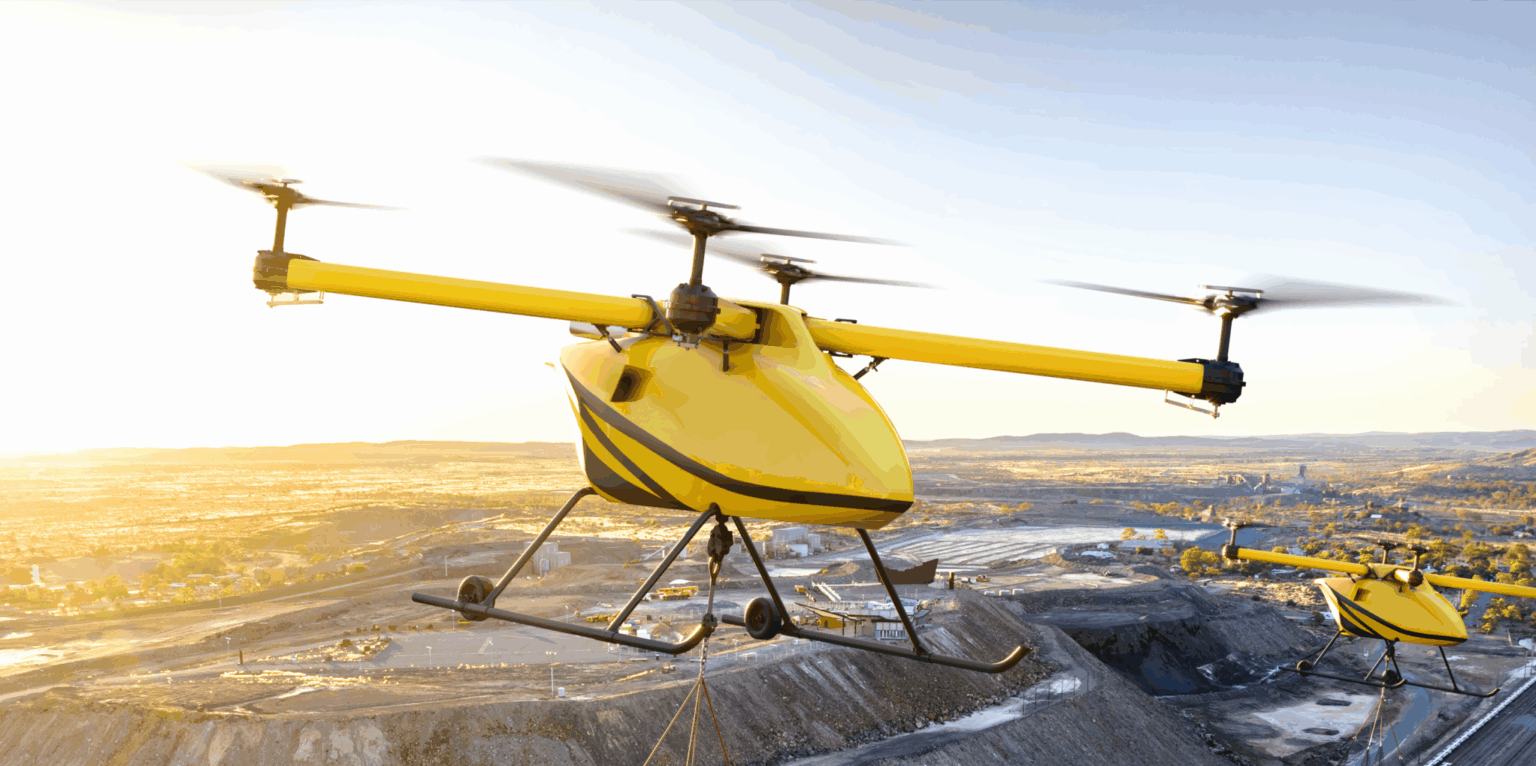 Civilian version
“KARGO II is a direct response to operator feedback, validated use cases, and real-world mission needs,” said Romin Dasmalchi, Director of Cargo UAS Programs at Piasecki. “We’ve engineered a platform that offers the range, lift, and reliability that commercial operators and military planners have been asking for.”
The production of Kargo II will draw on the company’s decades of experience in developing vertical takeoff and landing systems and conducting flight tests. In the coming months, additional program partners and supply chain participants will be announced.
